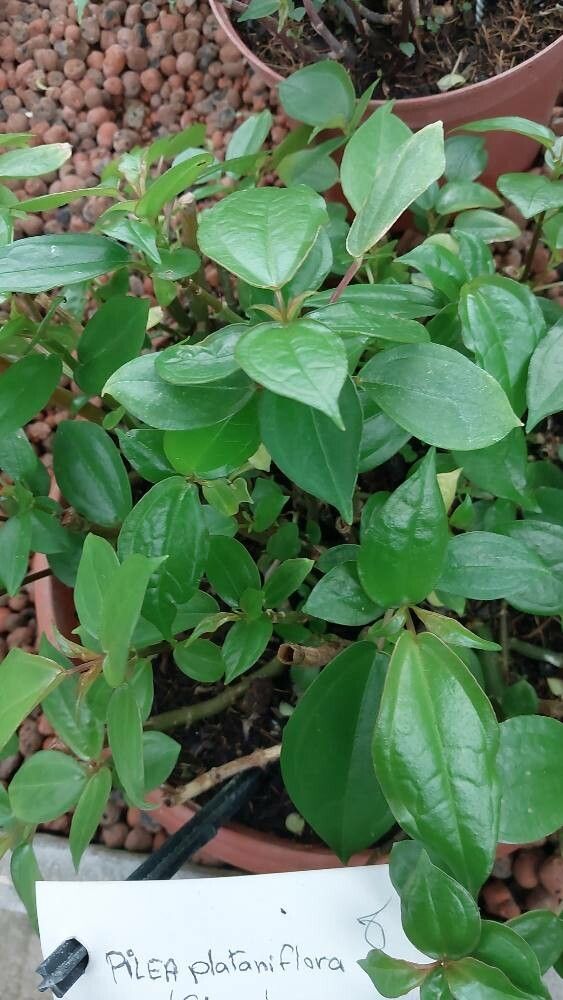
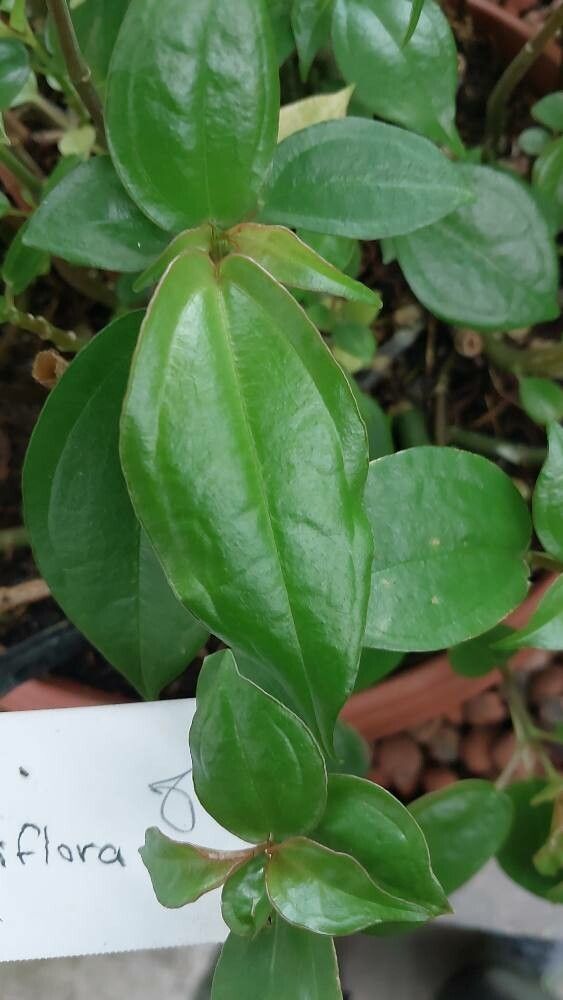
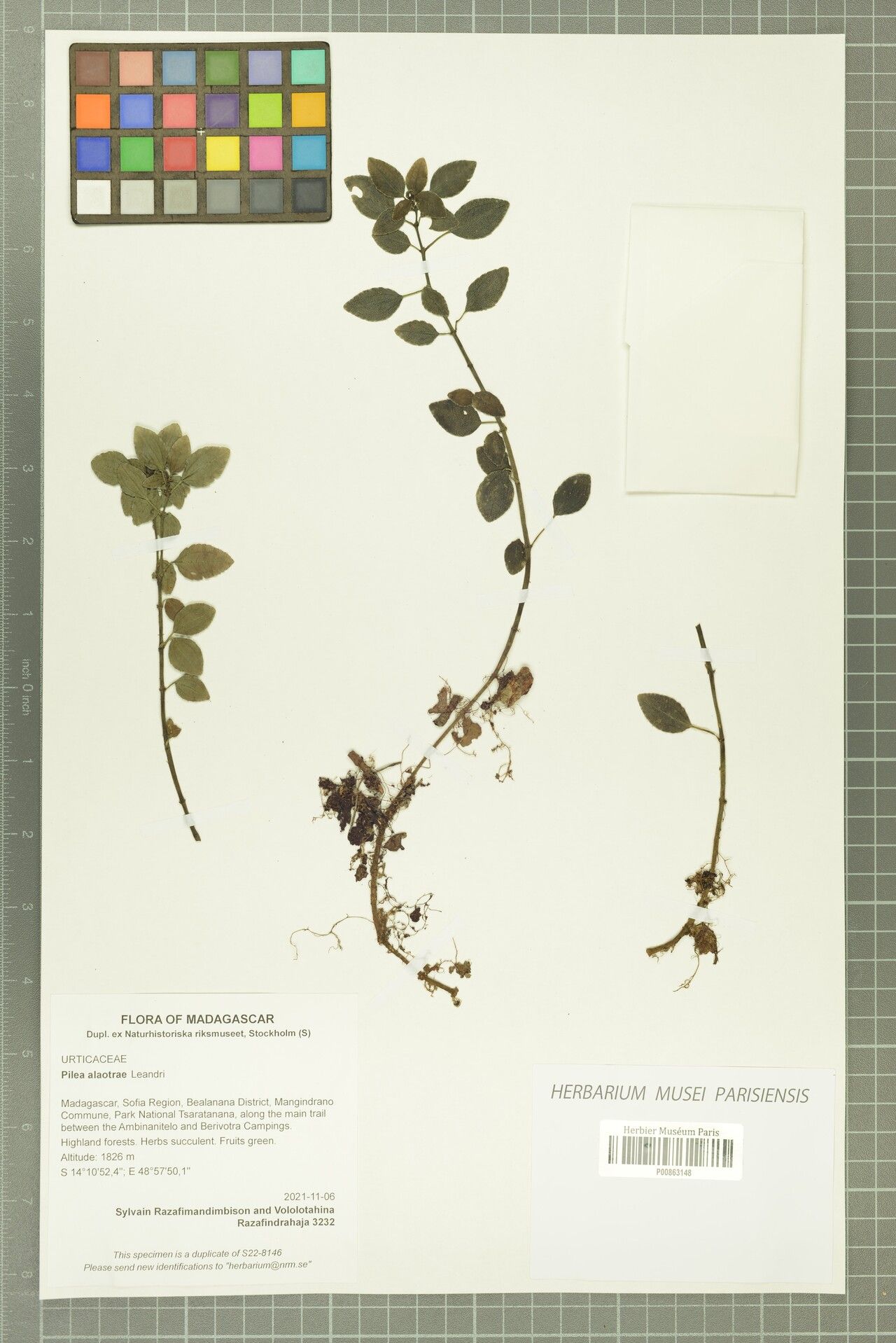
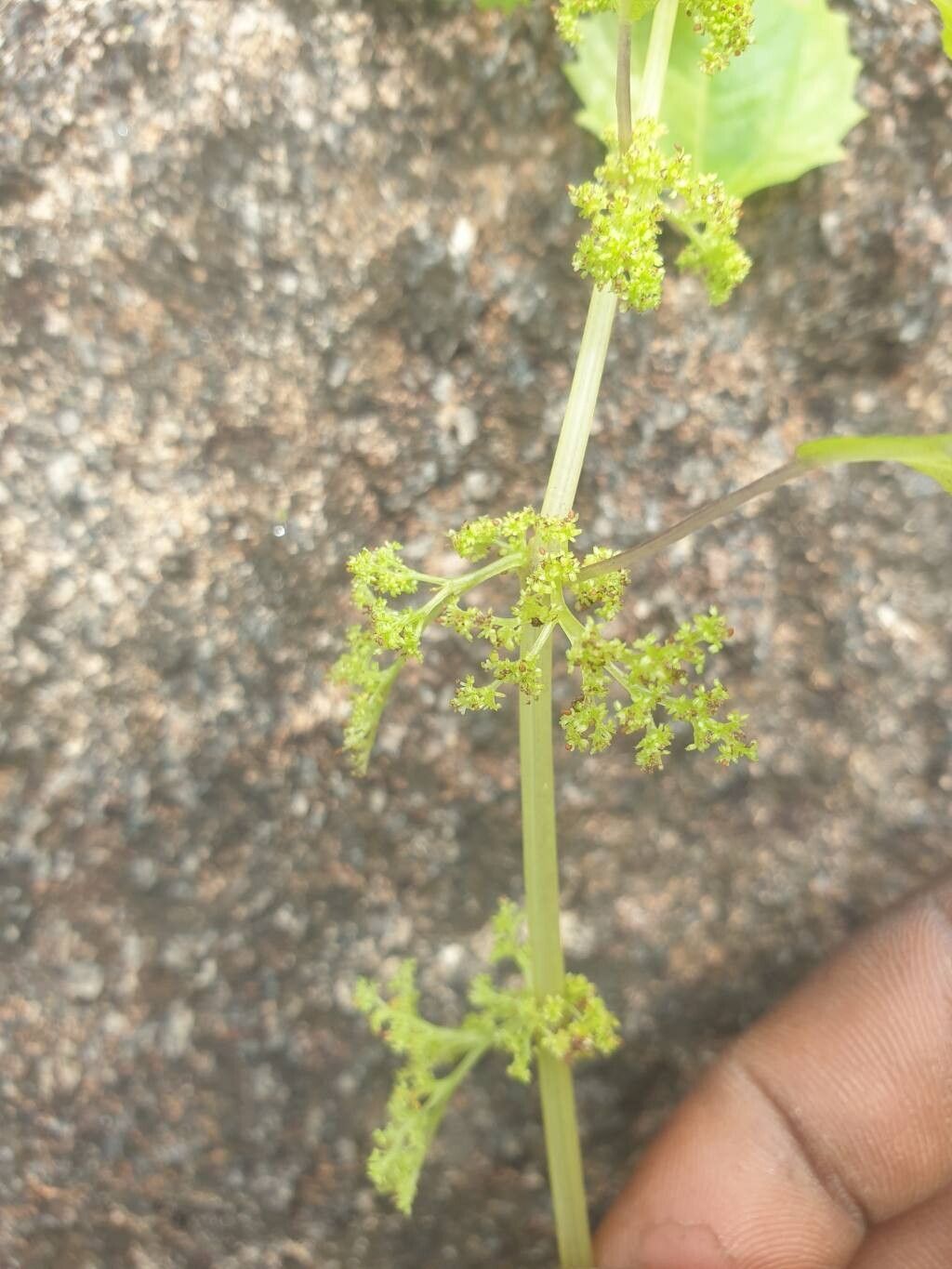
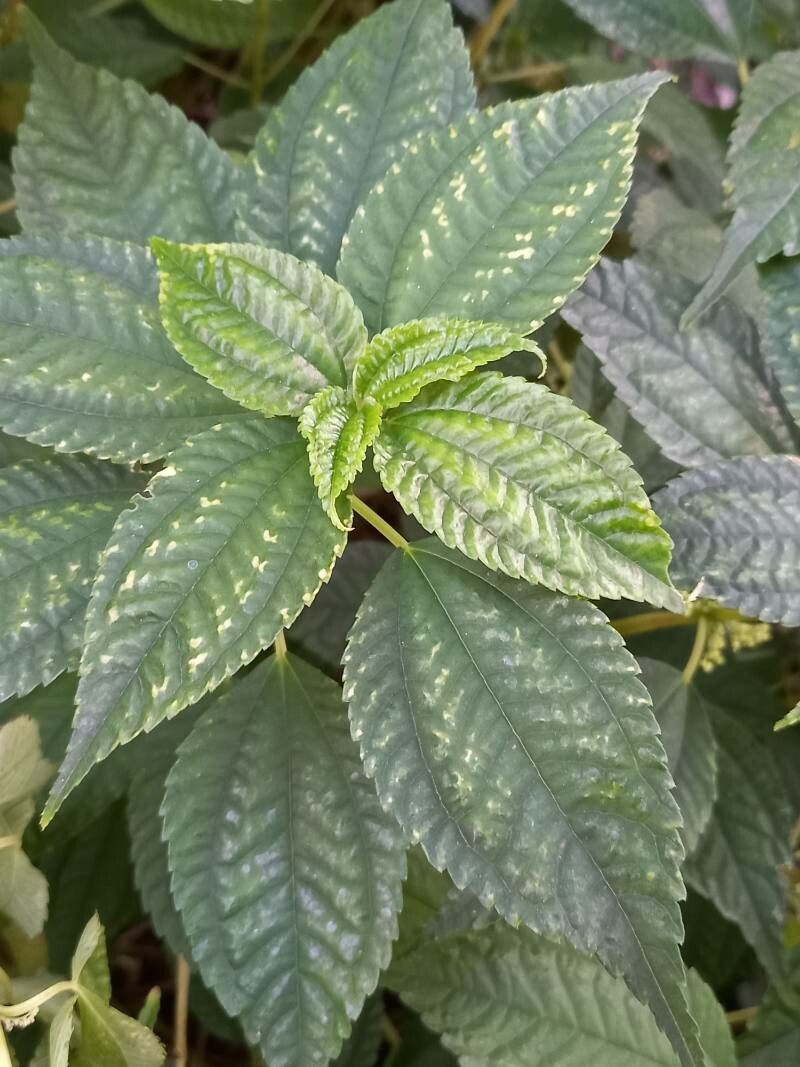
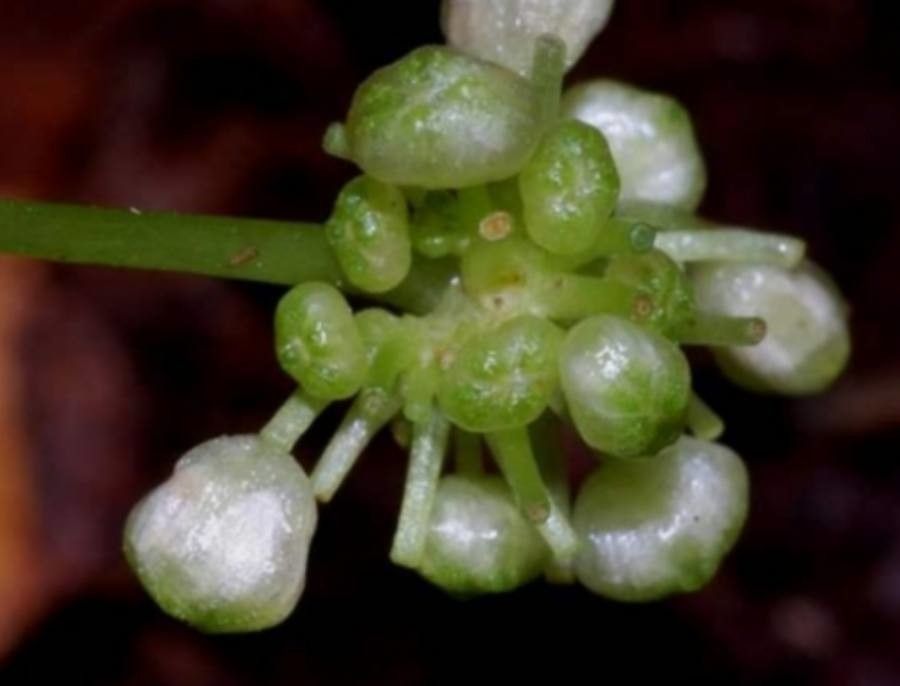
Pilea plataniflora shows good resistance to disease and is generally not prone to illnesses. However, it can be susceptible to pests and diseases present in its environment. These infections are generally mild. Regarding care, this plant requires a moderate level of maintenance. It should be pruned regularly to maintain an attractive appearance and healthy growth. Fertilizing can also help encourage flowering. Pilea plataniflora is suitable for anyone with outdoor space, such as a garden or patio, and does not demand extensive care experience. It may need more attention when grown indoors.
How to keep Pilea Plataniflora.
Light
Pilea plataniflora is native to habitats like forest understories and rocky areas, where it grows in natural shade. It prefers partial sun but can adapt to full sun or full shade, reflecting its versatile and hardy nature.
Water
Pilea plataniflora, which comes from humid tropical regions, does best in an environment with consistent humidity and weekly watering. While it can endure short periods of dryness, it thrives when kept moist. For optimal growth and health, it should be planted in well-draining soil and in containers that prevent waterlogging.
Temperature
Pilea plataniflora comes from tropical areas where the climate is generally warm and humid. Consequently, it is adapted to high temperatures and humidity. It does not tolerate abrupt temperature changes and prefers a steady temperature environment, so avoiding temperature fluctuations indoors is important. It typically cannot endure cold conditions and needs higher temperatures to grow. If the surrounding temperature becomes too low, the plant may stop growing or even die.
Fertilizer
Pilea plataniflora requires the most fertilizer during its active growth period, which takes place mainly in spring, summer, and early fall. Fertilization is needed to supply essential nutrients that may be missing from the soil, promoting healthy root and stem development and the attractive foliage that is a key feature of this plant.
Pruning
Pilea plataniflora is known for its broad, vibrant leaves and thrives in moderate humidity. To keep it healthy, prune it between early and late spring. Remove any dead leaves and leggy stems, but be sure to limit your cuts to one-third of the plant's size. This practice helps maintain the plant's health, encourages bushier growth, and improves air circulation. Always use clean, sharp tools for pruning.
Botanical profile.
- Plant Type
- Herb
- Life Cycle
- Perennial
- Genus
- Pilea
- Family
- Urticaceae
- Hardiness Zone
- 10-12
- Mature Height
- 10 cm to 61 cm
- Mature Spread
- 20 cm to 40 cm
- Leaf Color
- Green
- Leaf Type
- Evergreen
- Flower Color
- Yellow, Red, Purple, Green
- Flower Size
- 0.15 cm
- Bloom Time
- Mid spring, Late spring, Summer, Early fall
- Planting Time
- Spring, Autumn
- Harvest Time
- Summer, Fall
- Native Area
- Vietnam, Thailand, China