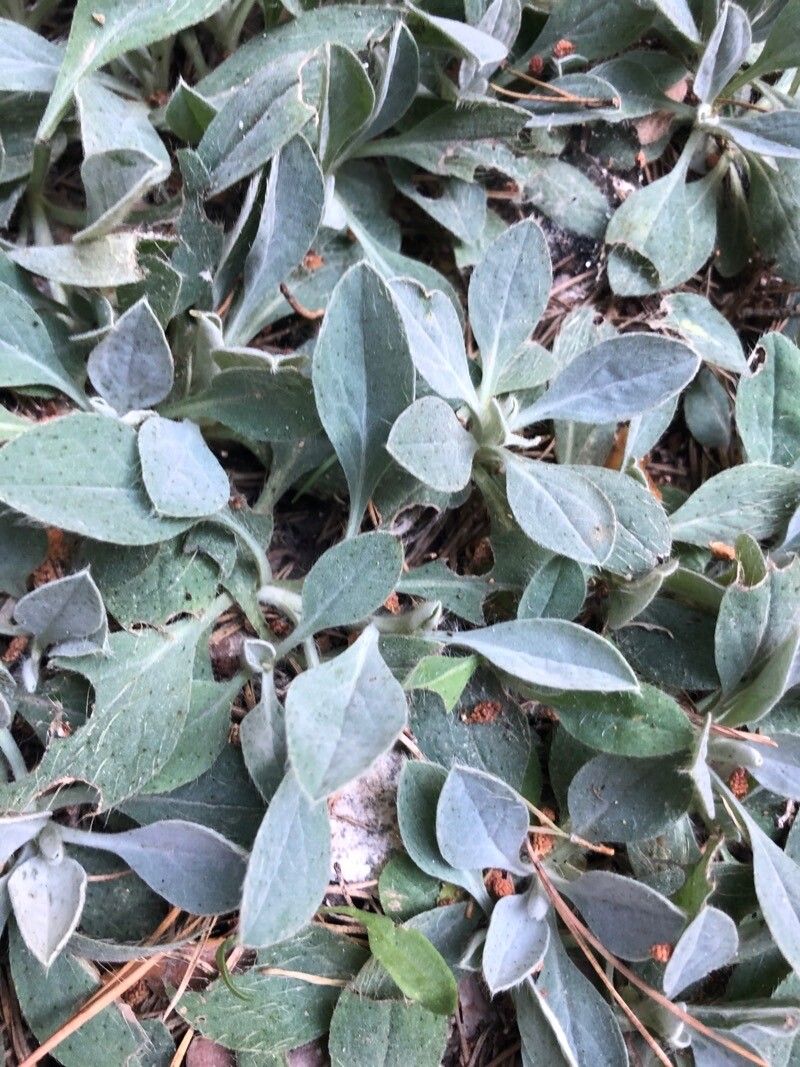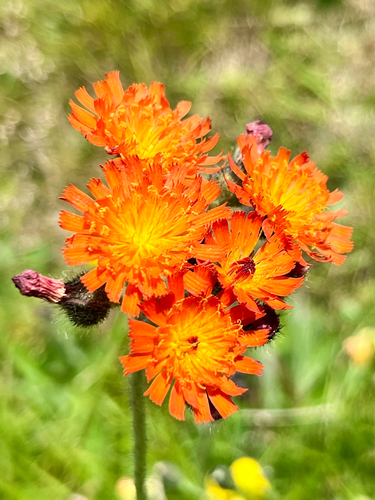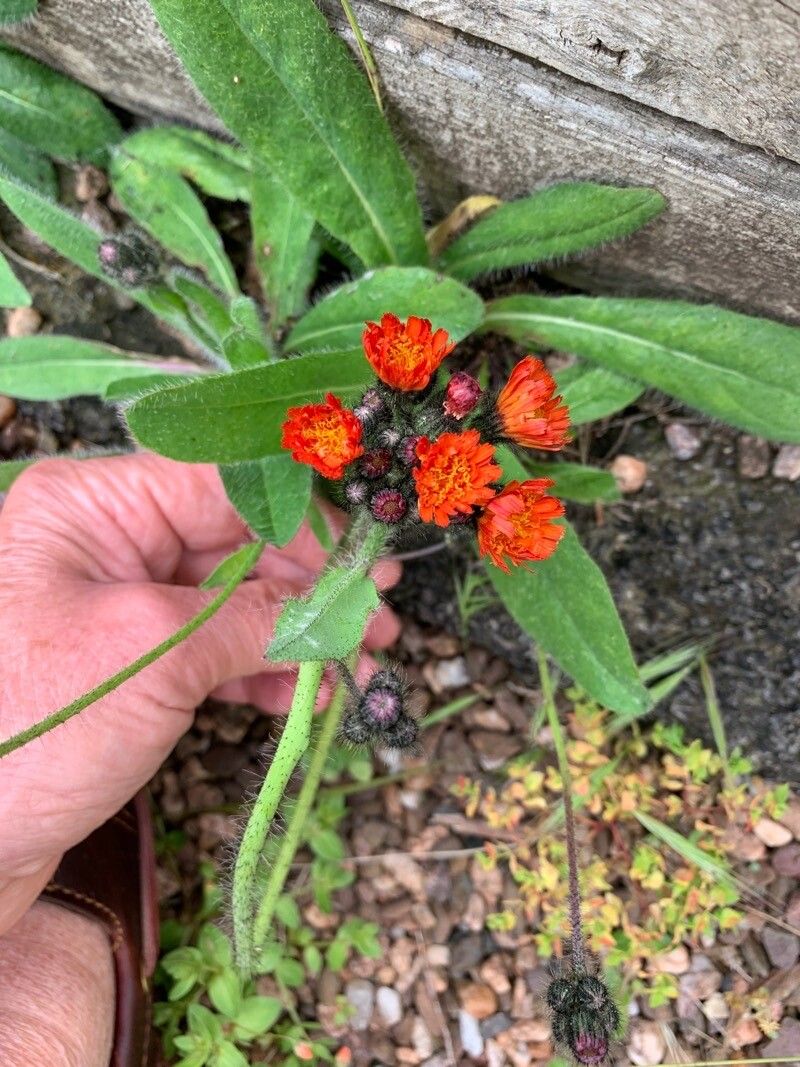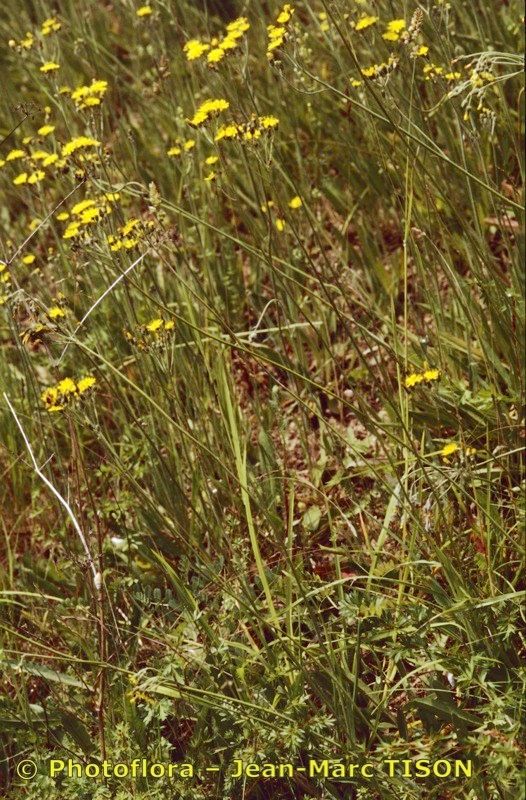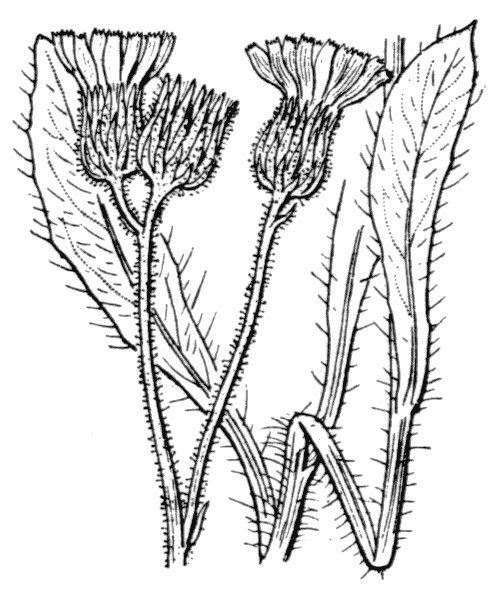
Pilosella flagellaris (synonym Hieracium flagellare) is a European plant species in the tribe Cichorieae within the family Asteraceae. It is native to Europe but naturalized in scattered locations in the United States and Canada.Pilosella flagellaris is a small herb up to 20 cm (7.9 in) tall, with leaves mostly in a rosette at the bottom. Leaves are up to 130 mm (5.1 in) long, with no teeth on the edges. One stalk will produce 2-4 flower heads in a flat-topped array. Each head has 90–120 yellow ray flowers but no disc flowers.
Spreading mouse-ear hawkweed is fairly disease-resistant and typically does not suffer many illnesses. Still, it can be vulnerable to pests and diseases present in its surroundings. These infections are generally mild. In terms of care, the plant needs moderate maintenance. It should be pruned regularly to maintain a neat appearance and healthy growth. Fertilizing can also help encourage flowering. Spreading mouse-ear hawkweed is appropriate for anyone with outdoor space, such as a garden or patio, and does not demand extensive care experience. It may need more attention when grown indoors.
How to keep Pilosella Flagellaris.
Light
Mouse-ear hawkweed, a spreading perennial herbaceous plant, thrives in open environments, commonly in meadows and grasslands, and favors sunny conditions. Although it thrives best in full sunlight, it also endures patches of sunlight.
Temperature
Spreading mouse-ear hawkweed is capable of acclimating to diverse temperature ranges, though its spread might be curtailed by specific blends of thermal and moisture conditions. This plant flourishes optimally in summer's warm conditions, provided there's sufficient rainfall or irrigation. Extensive bouts of overcast and wet weather, together with sustained spikes in temperature, heighten the probability of the Spreading mouse-ear hawkweed's demise. During the colder winter season, safeguarding the plant against chilly conditions enhances its likelihood of surviving.
Fertilizer
Typically, a single application of fertilizer in the spring is enough for the growth of Spreading mouse-ear hawkweed. However, repeated feedings can optimize growth. It is recommended to feed once every month to a month and a half. Fertilizing improves the look and function of the leaf, encouraging uniform color and a robust texture. Additionally, it boosts root development and the absorption of nutrients, fostering the sustained health of the plant.
Botanical profile.
- Plant Type
- Herb
- Life Cycle
- Perennial
- Genus
- Pilosella
- Family
- Asteraceae
- Hardiness Zone
- 4-8
- Mature Height
- 10 cm to 20 cm
- Mature Spread
- 15 cm to 30 cm
- Leaf Color
- Light Green, Yellow Green
- Leaf Type
- Evergreen
- Flower Size
- 1.52 cm to 2.03 cm
- Bloom Time
- Late spring, Early summer, Mid summer
- Planting Time
- Spring, Summer, Autumn
- Harvest Time
- Summer
- Native Area
- Sweden, Austria, Czech Republic, Slovakia, Poland, Croatia, Belarus, Ukraine, Russia, Lithuania, Hungary, Germany, Denmark, Netherlands, Estonia, Finland, United Kingdom, Romania, Latvia, France