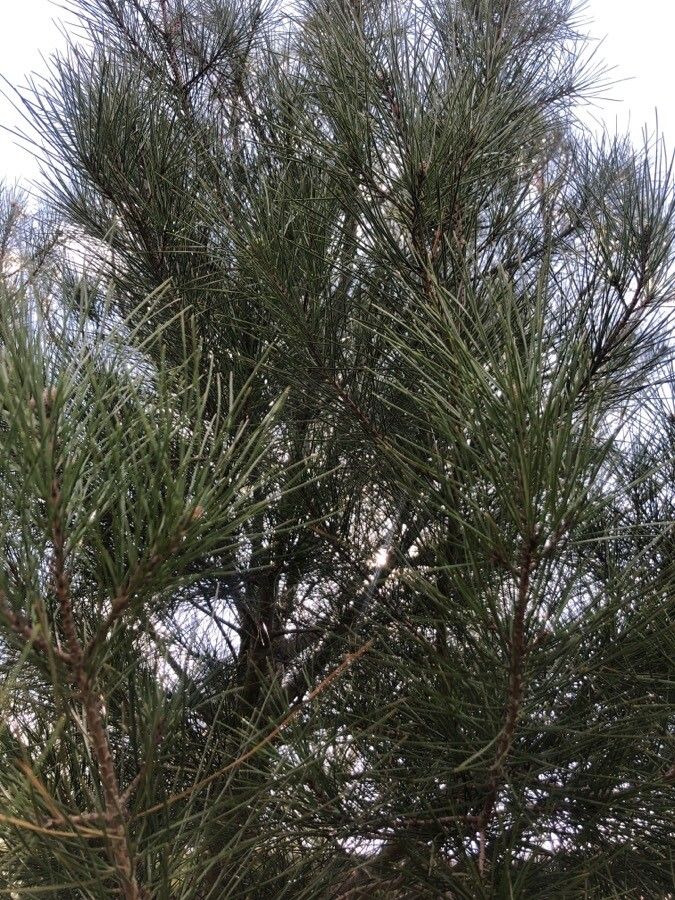
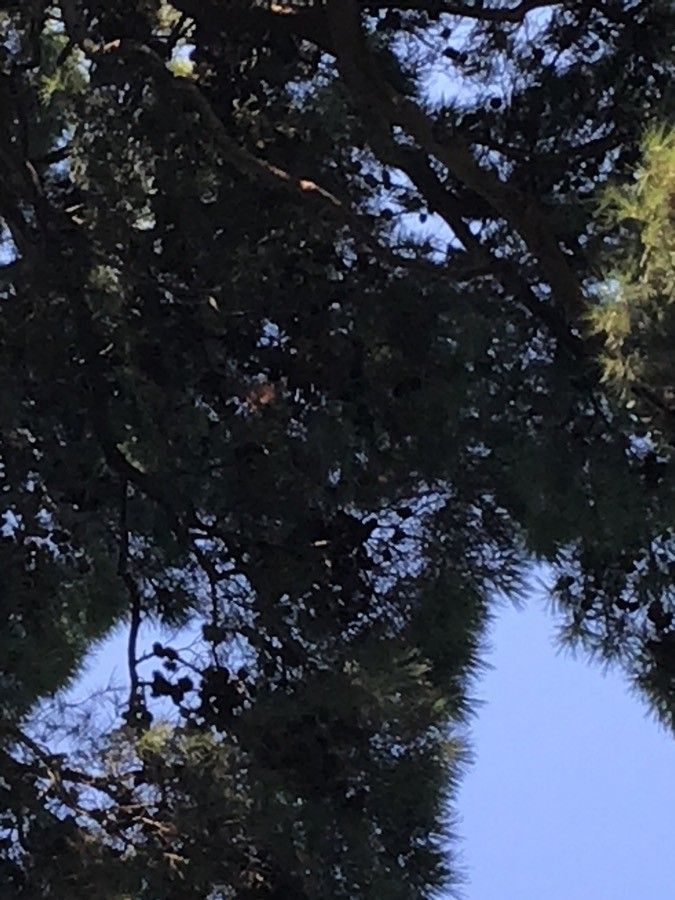
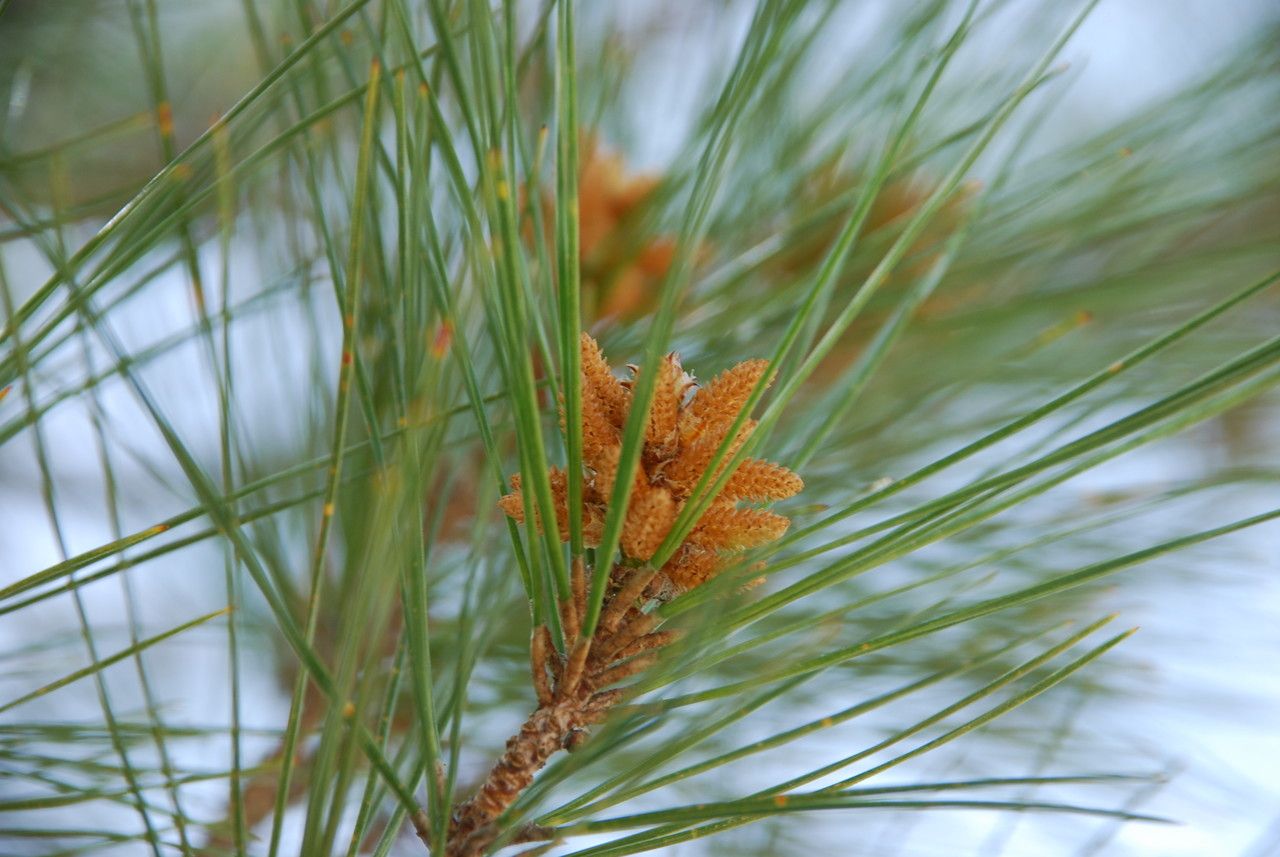
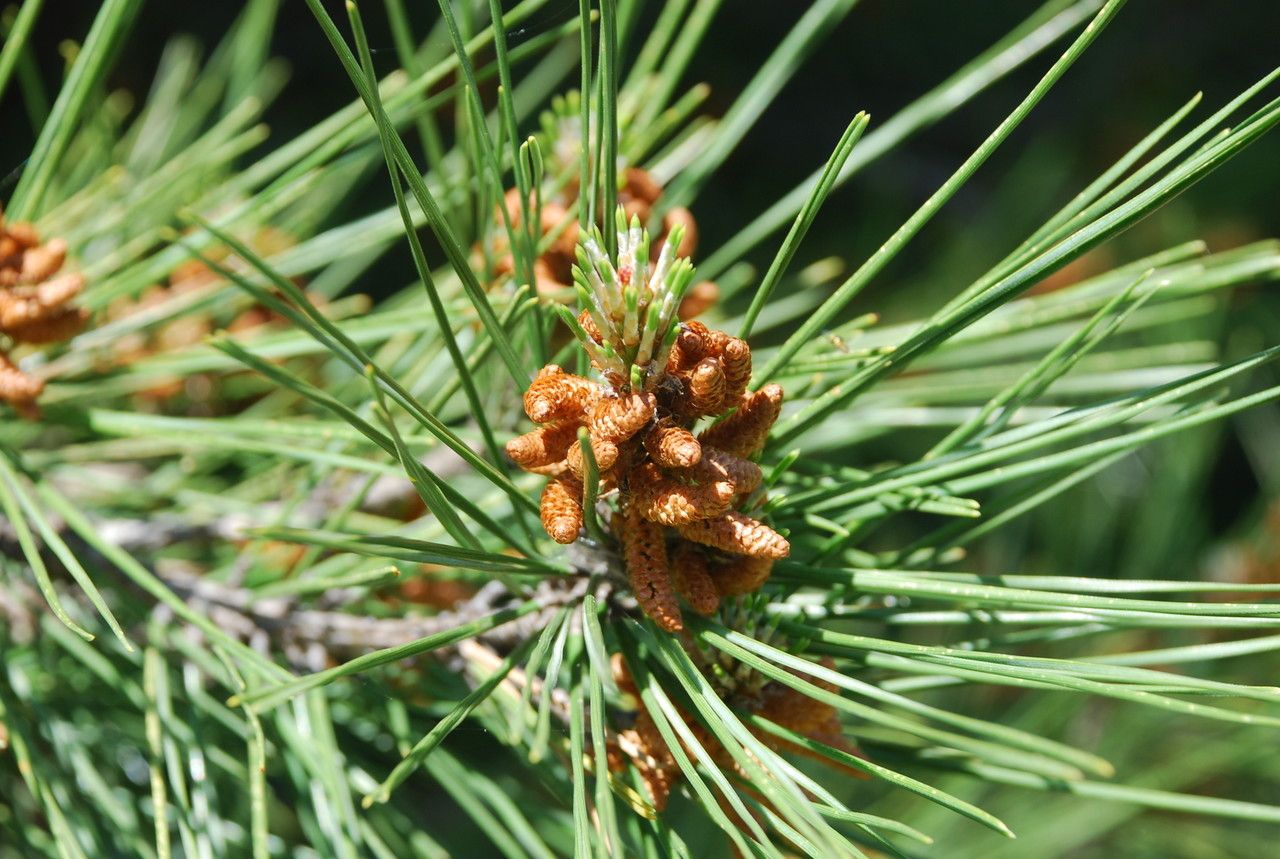
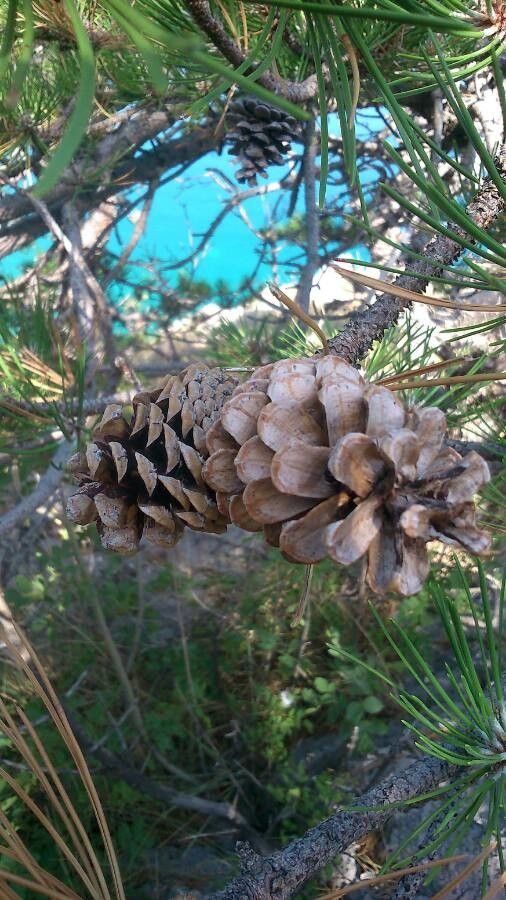
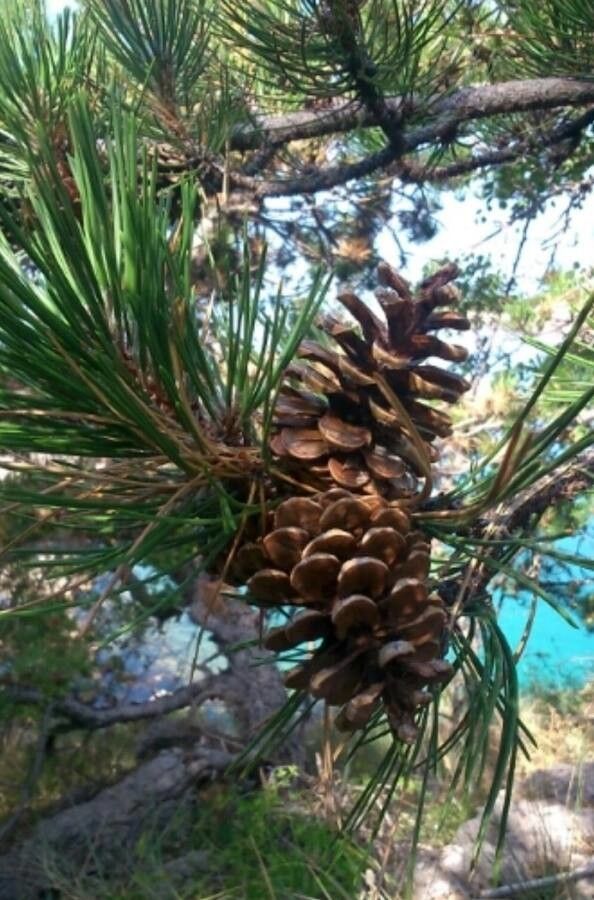
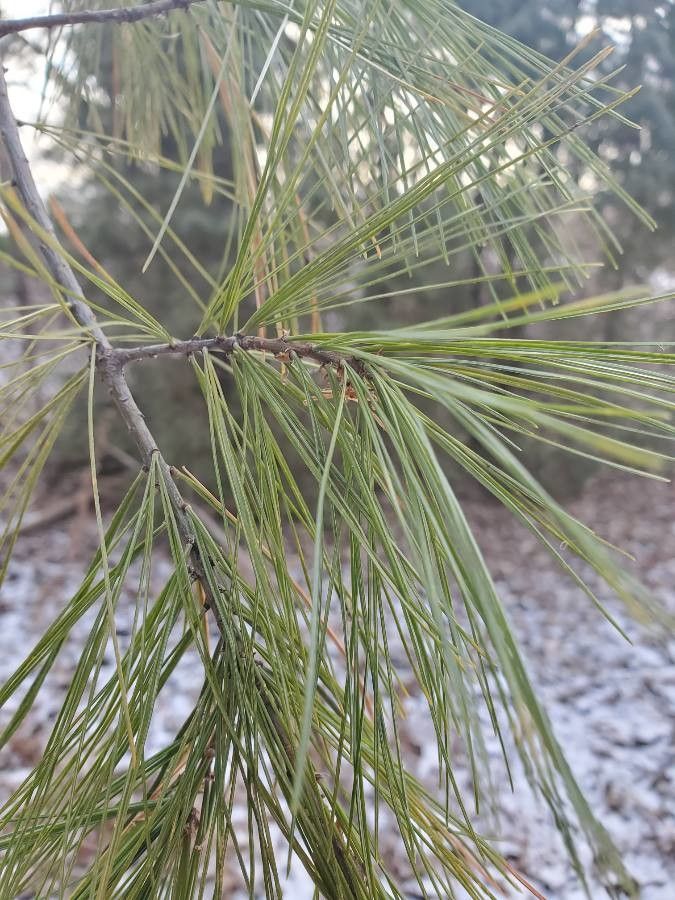
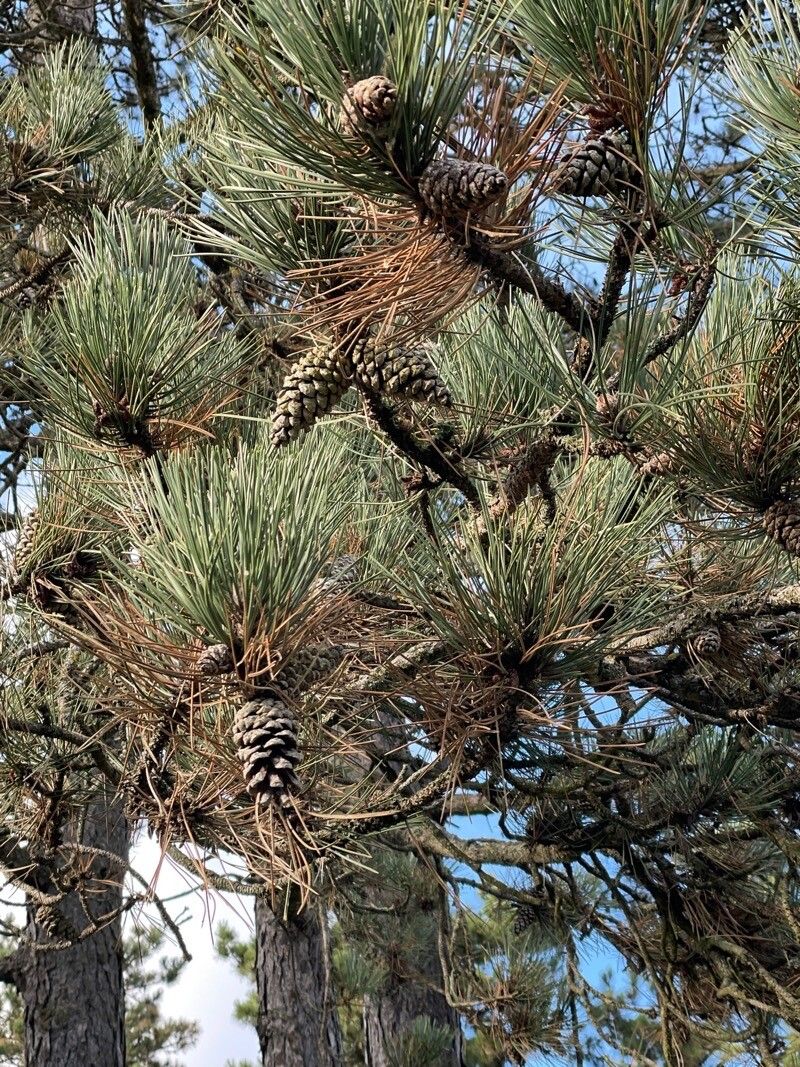
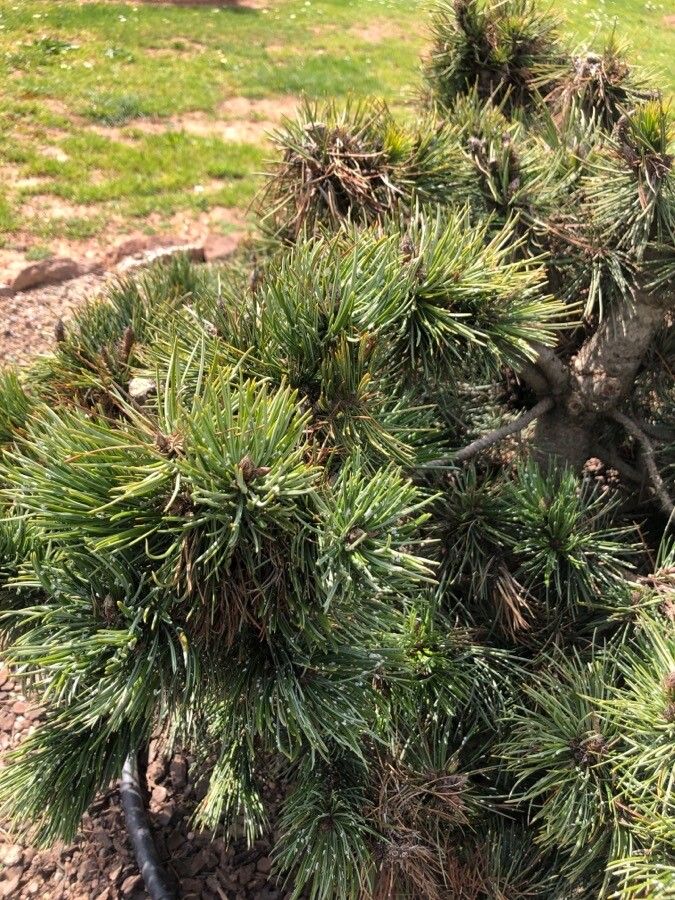
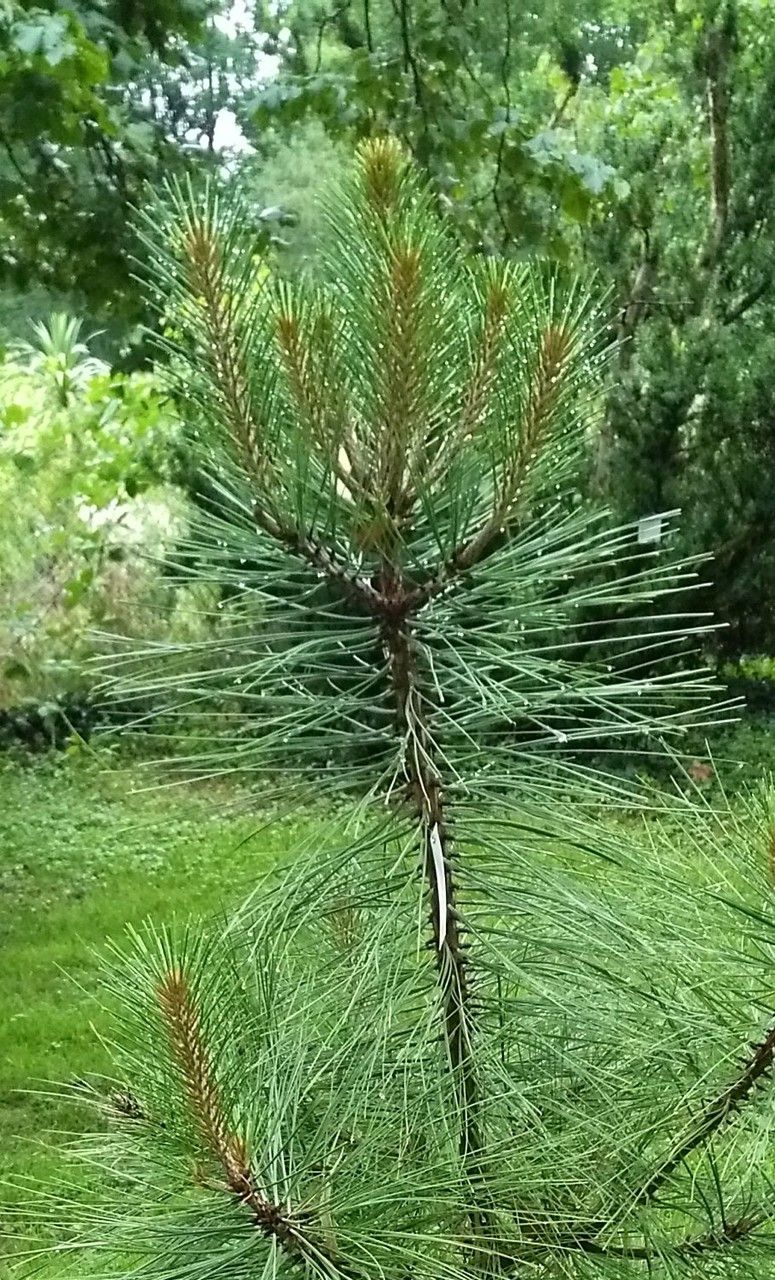
Pinus brutia, commonly known as the Turkish pine, is a species of pine native to the eastern Mediterranean region. The bulk of its range is in Turkey. Turkish pine is also known by several other common names: Calabrian pine (from a naturalised population of the pine in Calabria in southern Italy, from where the pine was first botanically described), East Mediterranean pine, and Brutia pine.
Turkish pine displays strong resistance to disease and is usually not vulnerable to illnesses. In terms of upkeep, this plant is fairly low-maintenance. When grown outdoors it needs only light watering, and larger specimens typically do not require pruning. Smaller plants, however, should be pruned after they have bloomed. Turkish pinet is appropriate for anyone with an outdoor area, such as a garden or deck, and does not call for extensive care experience.
How to keep Pinus Brutia.
Light
Turkish pine's growth is greatly affected by plentiful sunlight, since it originated in areas that are usually bathed in sun. It does best in places where it receives sunlight for the entire day. Insufficient sun can cause stunted growth, while too much sunlight does not harm it.
Water
Turkish pine, native to Mediterranean climates, thrives with infrequent watering—about every one to two weeks. When grown outdoors, it benefits from well-draining soil, which supports its natural resilience and ability to manage moisture during the growing season.
Temperature
Turkish pine is a plant native to warmer climates and does best in temperatures between 59 and 100.4 °F (15 to 38 °C). It has specific temperature needs and prefers stable conditions. Nonetheless, seasonal adjustments may be required to maintain these preferred conditions.
Fertilizer
Turkish pine has specific nutrient needs and does not require heavy fertilization. Spring is the best time to apply fertilizer for optimal growth. Supplying nutrients enhances its health, improves resistance to pests and diseases, and helps preserve its long lifespan.
Pruning
For optimal growth, Turkish pine benefits from winter pruning, which should focus on removing dead or diseased branches. This practice helps improve air circulation and shapes the tree. It's essential to sterilize your pruning tools to prevent infections. Regular pruning not only encourages healthier growth and controls the tree's size but also enhances its appearance and structural integrity, thereby promoting longevity.
Botanical profile.
- Plant Type
- Tree
- Life Cycle
- Perennial
- Genus
- Pinus
- Family
- Pinaceae
- Hardiness Zone
- 7-11
- Mature Height
- 29.87 m
- Mature Spread
- 24.99 m
- Leaf Color
- Green
- Leaf Type
- Evergreen
- Flower Color
- Yellow, Green, Brown
- Bloom Time
- Mid spring, Late spring
- Planting Time
- Spring, Summer, Autumn
- Harvest Time
- Late summer, Early fall, Mid fall
- Native Area
- Russia, Iraq, Turkey, Syria, Iran, Cyprus, Azerbaijan, Greece, Turkmenistan, Lebanon
Other names.
Reader questions.
How should I water my Turkish pine tree?
Watering your Turkish pine is a simple task. The easiest method is to use a garden hose to slowly soak the soil. This is especially effective for mature trees that require a large amount of water. However, smaller trees can be watered with a watering can or other smaller tools. It is important to avoid overhead watering as excessive moisture on the leaves can cause disease, especially in young trees.
Why is it necessary to add fertilizer to my Turkish pine plant?
To ensure healthy growth of the Turkish pine, it is recommended to fertilize in the spring. Bear in mind that this plant has a lengthy lifespan and requires support. Additionally, enriching the soil with nutrients can enhance its overall health, making it more resistant to common pests and diseases which can hinder growth or reduce its lifespan.
What are the sunlight requirements for Turkish pine?
Turkish pine requires full sun, meaning it thrives in environments that receive above 6 hours of sunlight daily, a characteristic stemming from its origins in regions typically saturated with sunlight. While it significantly benefits from abundant sunlight throughout the day, it can also tolerate partial sun, about 3-6 hours of sunlight. It's important to observe how sunlight moves through your garden to ensure that your plants receive the right balance of light and shade, promoting their overall health and happiness.
What are the temperature requirements for Turkish pine?
Turkish pine, or Pinus brutia, flourishes in climates with temperatures between 59 to 100.4 °F (15 to 38 °C). It has specific temperature needs for optimal growth and can withstand cooler climates well. Turkish pine exhibits strong resistance to cold, meaning it generally does not require special frost protection. However, in very cold conditions where temperatures are expected to drop below -15°C, taking measures to protect the plant from cold by wrapping its trunk and branches is advised. Additionally, watering the plant abundantly before the first freeze in autumn helps ensure the soil remains moist and prevents drought and water scarcity during winter and early spring.
What do I do if I give too much or too little water to my Turkish pine?
Overwatering can occur if the soil is not draining properly for your Turkish pine. This can lead to the plant declining and contracting diseases. To remedy this, you can amend the soil or transplant the tree to a better location. If your Turkish pine is in a pot, you may need to repot it with looser soil for better drainage. On the other hand, an underwatered Turkish pine can be easily remedied by watering more often. To determine if your tree is overwatered, check the foliage, especially new growth, for discoloration or easy breakage. Standing water or slow drainage can also indicate excessive moisture in the soil. Underwatered trees will have sparse, brown leaves. Consider recent rainfall or high temperatures as factors when diagnosing and treating any symptoms.
What is the optimal time to fertilize my Turkish pine?
Turkish pine, unlike garden annuals and perennials, doesn't need a lot of extra nutrients to thrive. However, the growing medium often lacks sufficient nutrients for optimal growth. To address this, it is recommended to fertilize Turkish pine in the spring before new growth appears.
How does insufficient or excessive sunlight affect Turkish pine?
Insufficient sunlight can lead to stunted growth in Turkish pine, showcasing the plant's sensitivity to light. Key symptoms of light deficiency include smaller newer leaves, leggy or sparse growth, faster leaf drop, slower or halted new growth, lighter-colored new leaves, and several conditions caused by too much sunlight like chlorosis, sunscald, leaf curling, wilting, and leaf scorching. Despite its need for sunlight, the plant manages to withstand excessive sunlight without harm, demonstrating its adaptability to intense sun exposure.
How does Turkish pine react to low temperatures, and what precautions should be taken?
Turkish pine is resilient to cold and ideally should remain in temperatures above -10°C during winter. If temperatures fall below -15°C, the plant generally withstands the cold, but you might not see noticeable changes until spring when the branches could become brittle and dry, with no new shoots emerging. To safeguard the tree and nurture its recovery during spring, it's recommended to prune away any dead branches that have failed to produce new leaves. This helps the pine to maintain its health and vigor despite the winter cold.
How often should I water my Turkish pine tree?
A mature Turkish pine is not very thirsty and can usually survive on rainfall alone. During the hottest months, watering once a week is sufficient, but in other seasons, it may not need any watering at all. The only exception is for newly planted trees, where regular watering is needed to establish the roots. However, it is crucial to avoid overwatering as Turkish pines cannot tolerate standing water. When unsure, it's better to not water the tree rather than risking overwatering.
When is it best to not put fertilizer on my Turkish pine?
Turkish pine is different from other plants as it doesn't need frequent fertilization. Applying too much fertilizer can actually harm it. To keep it healthy, only fertilize in the spring and avoid doing so during the other seasons (summer, fall, and winter). Also, make sure not to add any organic matter to the soil during those times.
What solutions can address Turkish pine's light-related issues indoors and outdoors?
For indoor Turkish pines, optimizing light involves gradually moving plants to sunnier locations to receive at least 6 hours of direct sunlight daily, possibly utilizing a south-facing window. Artificial lighting, such as desk, ceiling, or professional grow lights, can supplement natural light, especially for large or immobile plants. Outdoors, it's crucial to acclimate plants to brighter conditions gradually to avoid sunburn. Reducing obstructions, like pruning nearby trees or transplanting to sunnier spots, can aid in increasing sun exposure. Sadly, parts affected by insufficient sunlight might not recover, but new growth should be healthy with improved light conditions.
What should be done if Turkish pine experiences high temperatures?
During the hot summer months, it's crucial to keep Turkish pine below 38°C to prevent stress. Should the temperature climb above 43°C, the plant might show signs of distress such as leaves lightening in color, tips drying and withering, and increased susceptibility to sunburn. To help the pine recover from high-temperature stress, trim away the sunburned and dried parts of the plant. Relocating the tree to a shaded area or using shade cloth to protect it from the intense midday and afternoon sun can be beneficial. Additionally, watering the plant in the morning and evening will help maintain the soil's moisture, offering further relief from high temperatures.