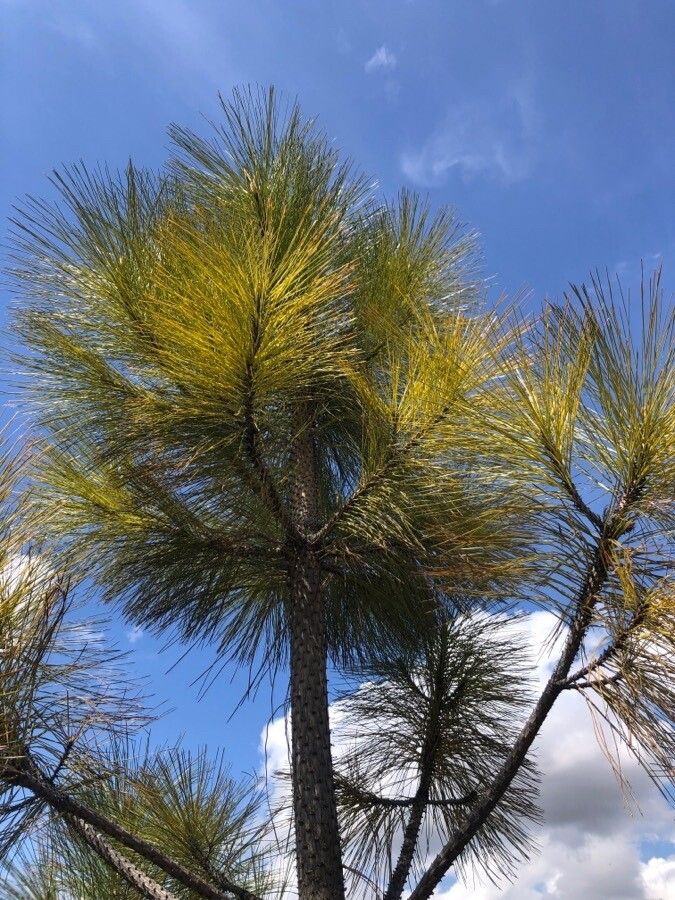
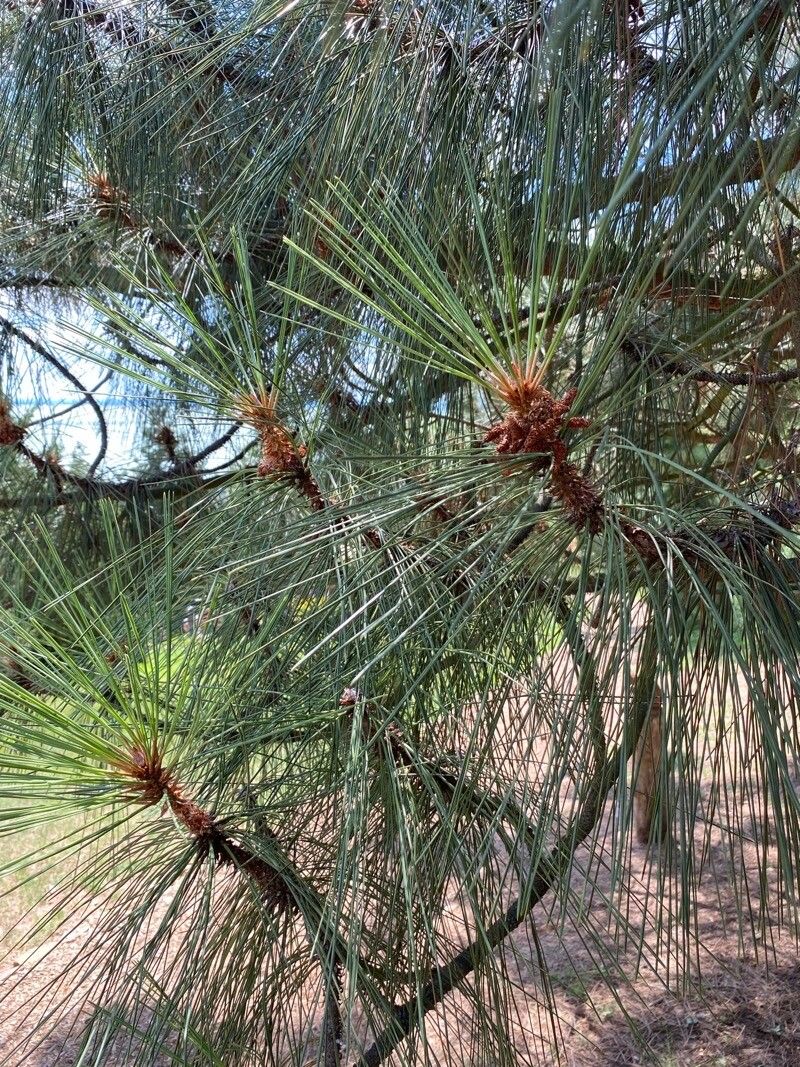
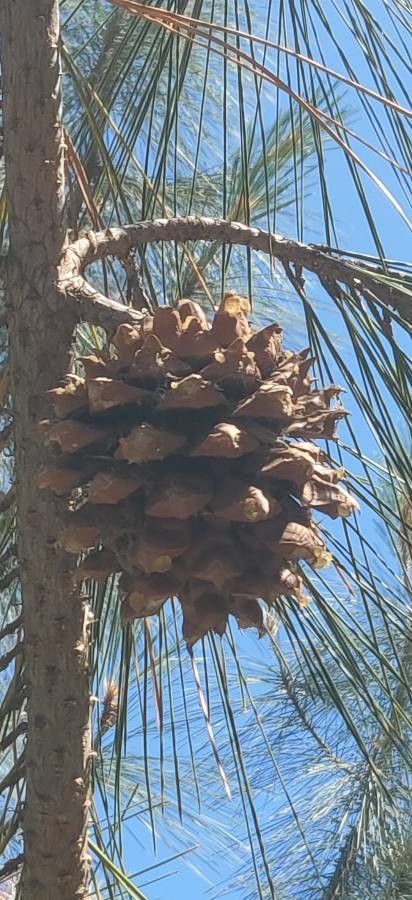
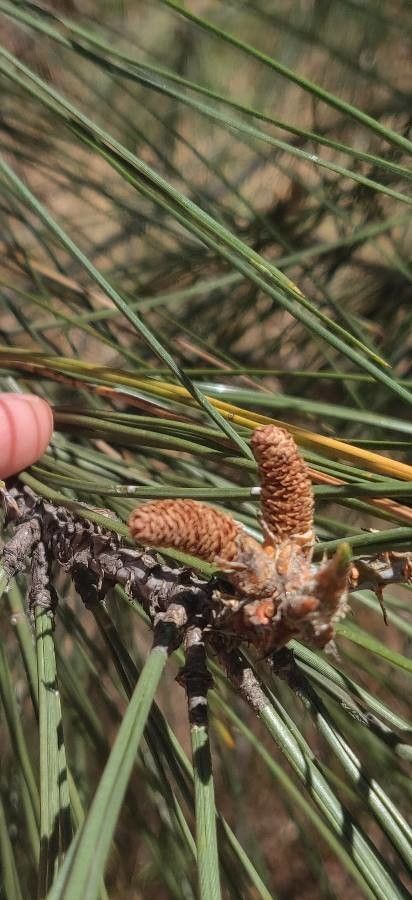
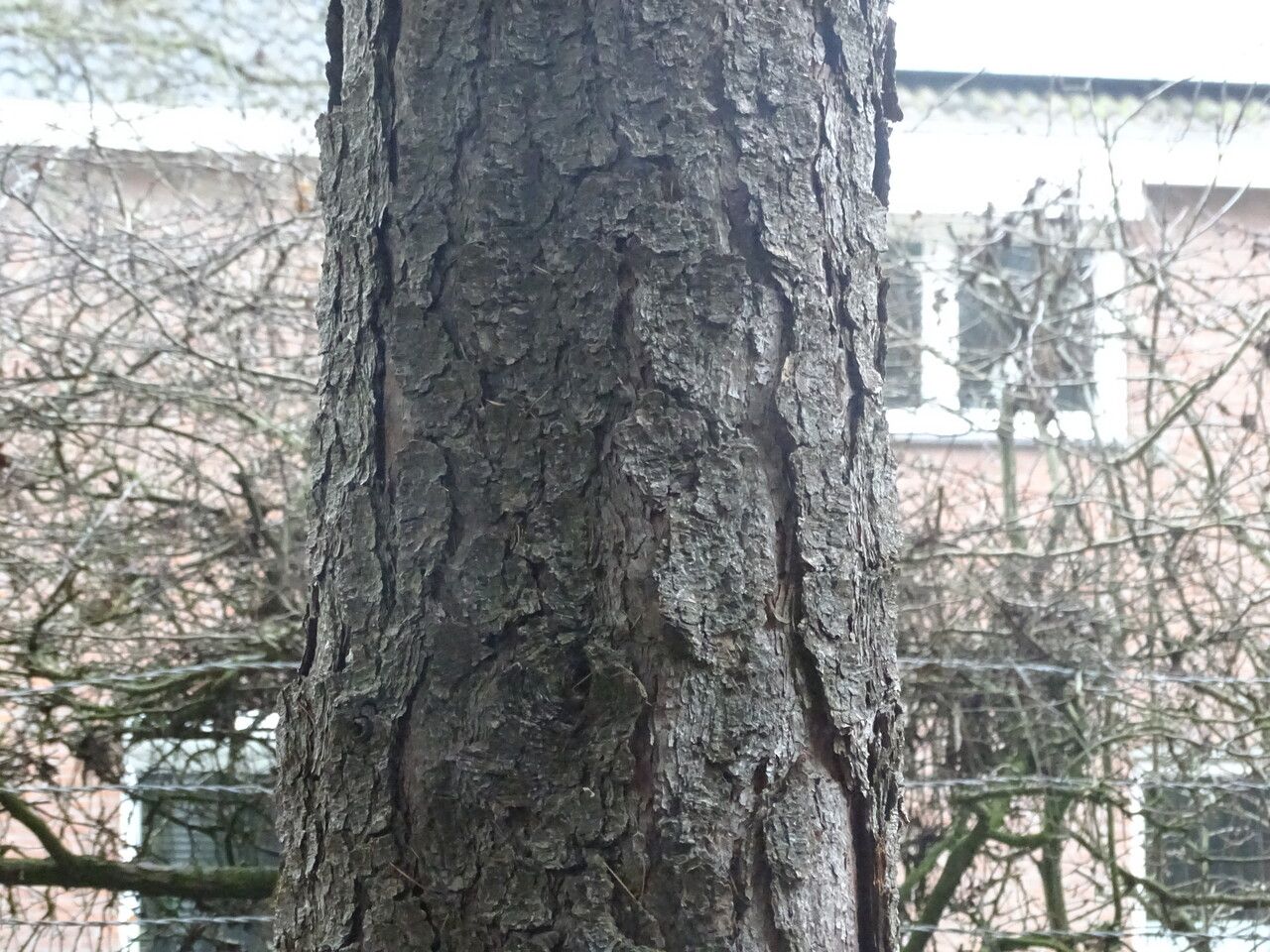
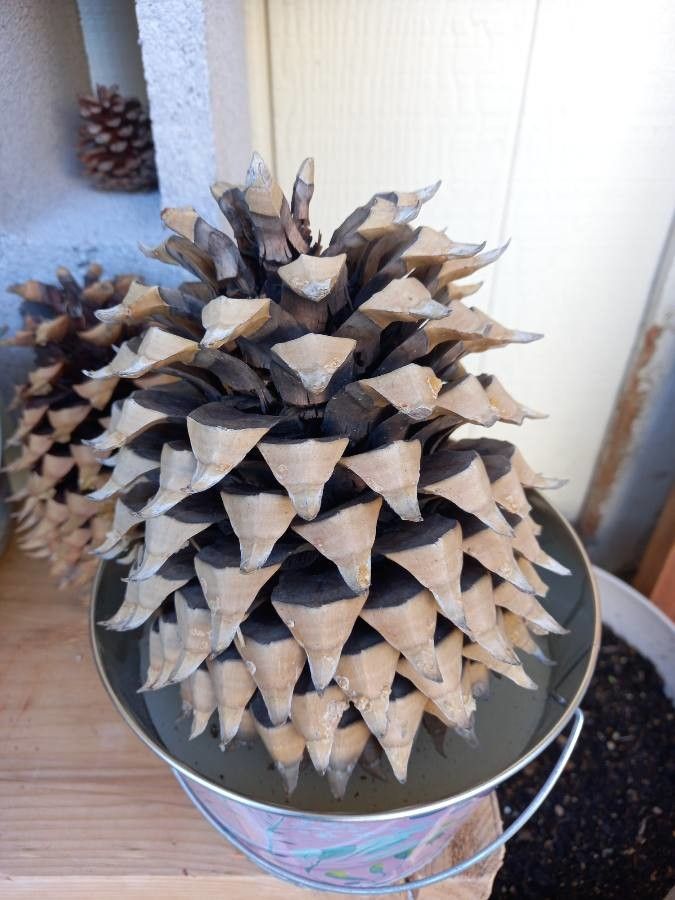
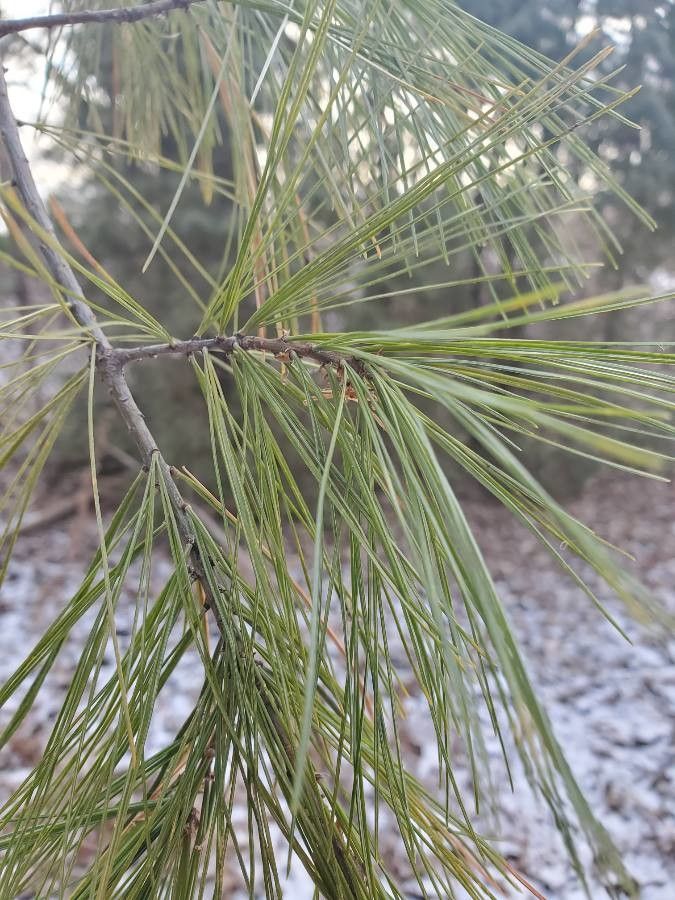
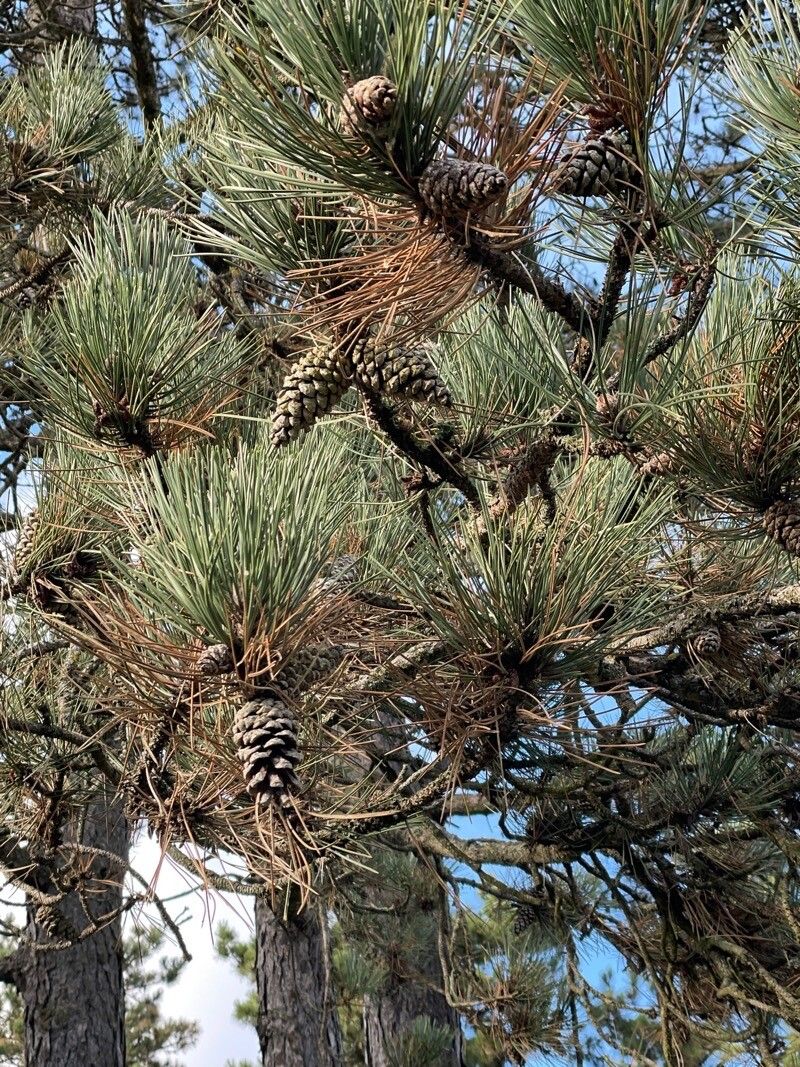
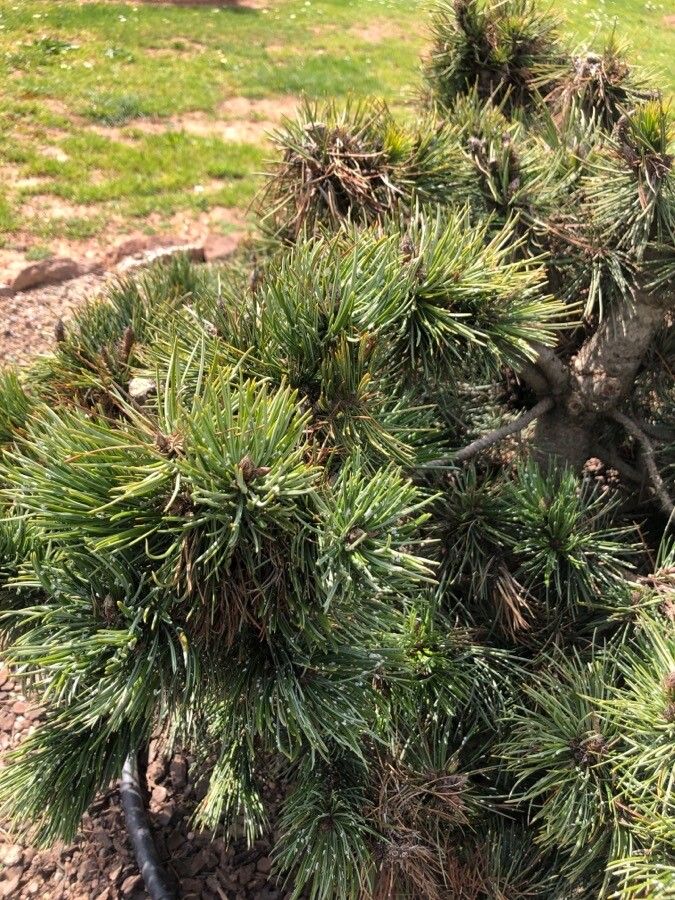
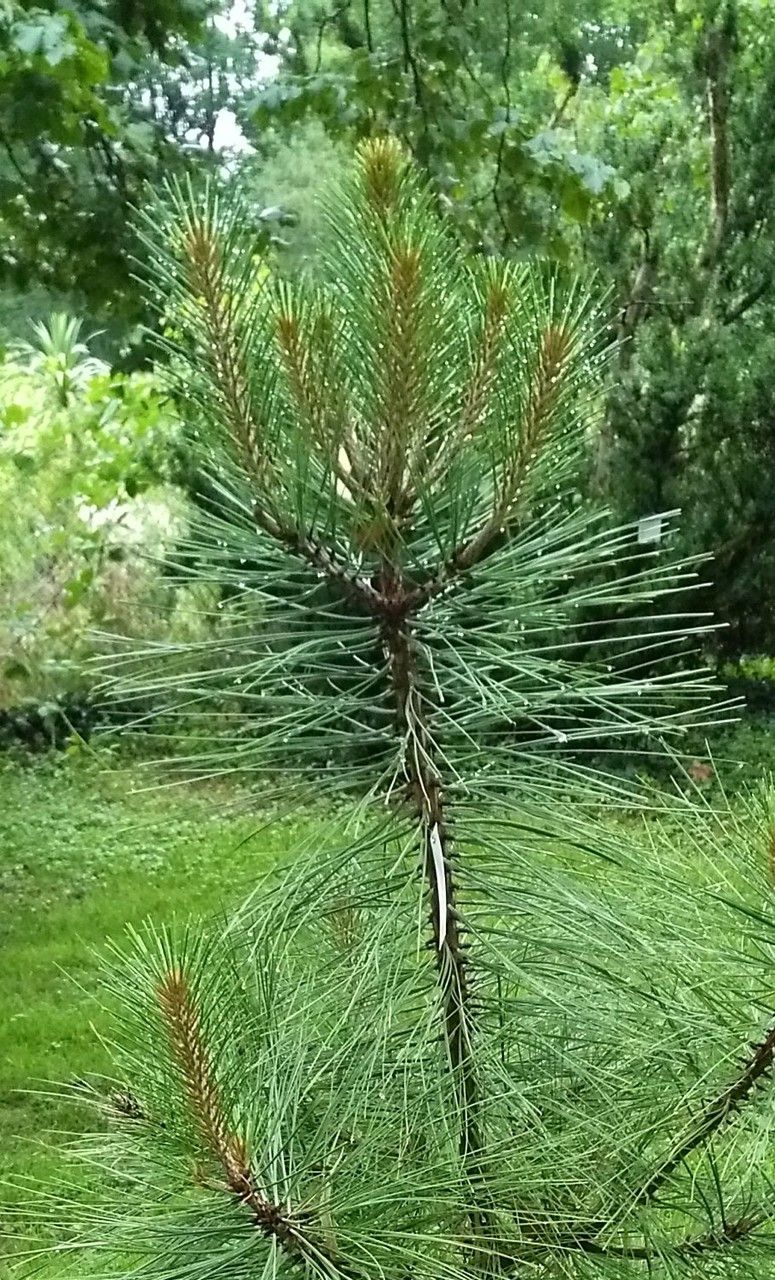
The Coulter pine or big-cone pine, Pinus coulteri, is a native of the coastal mountains of Southern California in the United States and northern Baja California in Mexico. Isolated groves are found as far north as Clearlake, California on the flanks of Mt. Konocti and Black Diamond Mines Regional Preserve. It is named after Thomas Coulter, an Irish botanist and physician. The Coulter pine produces the heaviest cone of any pine tree, up to 5 kg (11 lb). Although it has a limited range in the wild, the Coulter pine is a popular ornamental tree and is grown in many countries including the Netherlands.
Coulter Pine has strong resistance to disease and is generally not susceptible to illnesses. Regarding care, this plant is fairly low-maintenance. When planted outdoors, it needs minimal watering, and larger plants typically do not require pruning. Smaller plants, however, should be pruned after they have bloomed. Coulter Pinet is suitable for anyone with an outdoor area, such as a garden or deck, and does not require much care experience.
How to keep Pinus Coulteri.
Light
The coulter Pine does best when it gets ample light throughout the day, which supports its healthy growth and longevity. Its native habitat has abundant light, a condition that is repeated in the new habitats where it occurs. A lack of light may affect its growth, while extra exposure offers no additional benefit.
Water
The Coulter Pine is highly drought-tolerant and thrives in arid conditions with minimal moisture. It typically requires watering every two weeks and benefits from natural rainfall. Being an evergreen, the Coulter Pine is an excellent choice for xeriscaping due to its resilience in dry climates.
Temperature
The coulter Pine thrives in warmer climates and is accustomed to temperatures from 59 to 95 °F (15 to 35 ℃). As the seasons change, be sure to adjust temperature settings to replicate its natural habitat.
Fertilizer
The Coulter pine has specific nutrient needs and does not require heavy fertilization. Spring is the best time to apply fertilizer for optimal growth. Supplying nutrients improves its health, strengthens its resistance to pests and diseases, and helps sustain its long lifespan.
Pruning
To properly care for a Coulter pine, strategically prune the tree from early to late winter to minimize sap loss. Remove any dead or diseased branches and thin out dense areas to improve air circulation. Be sure not to disturb the central leader. Additionally, clean your tools before pruning to prevent infections and promote the tree's health and growth.
Botanical profile.
- Plant Type
- Tree
- Life Cycle
- Perennial
- Genus
- Pinus
- Family
- Pinaceae
- Hardiness Zone
- 8-10
- Mature Height
- 24.99 m
- Mature Spread
- 10.06 m
- Leaf Color
- Blue, Green, Gray, Silver
- Leaf Type
- Evergreen
- Flower Color
- Yellow
- Bloom Time
- Early spring, Mid spring
- Planting Time
- Spring, Summer, Autumn
- Harvest Time
- Late summer, Early fall, Mid fall
- Native Area
- Mexico
Other names.
Reader questions.
What are the sunlight requirements for Coulter Pine?
Coulter Pine thrives in full sun, requiring more than 6 hours of sunlight per day, but can also grow in partial sun with about 3-6 hours of sunlight. Observing the sun's movement through your garden is essential for choosing locations that offer a balance of light and shade, ensuring the plant's well-being. In its natural habitat, the Coulter Pine is accustomed to ample light, pivotal for its growth and longevity. Although too little light can hinder its growth, excessive light doesn't provide additional benefits.
What are the essential care tips for Coulter Pine?
Coulter Pine, known botanically as Pinus coulteri, thrives in warmer climates, preferring temperatures between 59 to 95 °F (15 to 35 °C). It's important to adjust temperature settings seasonally to replicate its natural habitat. The Coulter Pine possesses some degree of cold tolerance and generally does not require any additional cold protection when temperatures stay above -5°C. However, if temperatures are forecasted to dip below -5°C, temporary cold protection measures, such as wrapping the plant in plastic film, fabric, or other materials, should be taken. These protective measures must be removed once the temperature rises again.
How does artificial lighting support Coulter Pine's growth indoors?
Indoor Coulter Pine plants may require artificial lighting to support optimal growth, especially when natural sunlight is insufficient, such as during winter or in less sunny spaces. LED lights are recommended for being customizable to the plant's lighting needs. Full sun plants need 30-50W/sq ft, partial sun plants require 20-30W/sq ft, and full shade plants need 10-20W/sq ft of artificial light. The light should be placed 12-36 inches above the plant, mimicking natural sunlight for 8-12 hours per day.
How does Coulter Pine react to low temperatures?
Coulter Pine has moderate tolerance to low temperatures but performs best when conditions stay above 15°C. During winter, ensuring that the environment does not fall below -5°C is crucial. If temperatures plummet below -10°C, you might observe the leaves drooping. While the plant can recover from mild exposure, severe conditions can cause the leaves to wilt and eventually fall off. To protect the Coulter Pine from cold damage, trim off frost-damaged parts and employ proactive measures like wrapping the plant with suitable materials and constructing wind barriers.
What symptoms indicate insufficient light for Coulter Pine?
Symptoms of insufficient light in Coulter Pine include smaller new leaves, leggy or sparse growth, faster leaf drop, halted new growth, lighter-colored new leaves, and conditions like chlorosis, sunscald, leaf curling, wilting, and leaf scorching. These symptoms reflect the plant's struggle with suboptimal lighting, pointing towards a need for better light exposure.
How should I care for Coulter Pine in high temperatures?
In summer, it's essential to keep the Coulter Pine below 35°C to avoid stress from high temperatures. Exceeding 41°C can result in the leaves lightening in color, drying and withering at the tips, curling, and increasing susceptibility to sunburn. To mitigate damage, trim away the sunburned and dried parts. Additionally, relocating the plant to a shaded area or using shade cloth to protect it from intense midday and afternoon sun can be beneficial. Ensure the soil remains moist by watering the plant in the morning and evening.
What are the solutions for insufficient sunlight exposure in Coulter Pine?
To address insufficient sunlight for Coulter Pine, gradually move plants to sunnier locations, aiming for at least 6 hours of direct sunlight daily. For indoor plants, consider using artificial light or placing them near a south-facing window. Outdoors, ensure they're gradually adapted to sunnier spots to avoid sunburn. Reduce sunlight obstructions by pruning trees or relocating plants to brighter areas. Though parts of the plant that suffered might not recover, new growth will be healthy with improved light exposure.