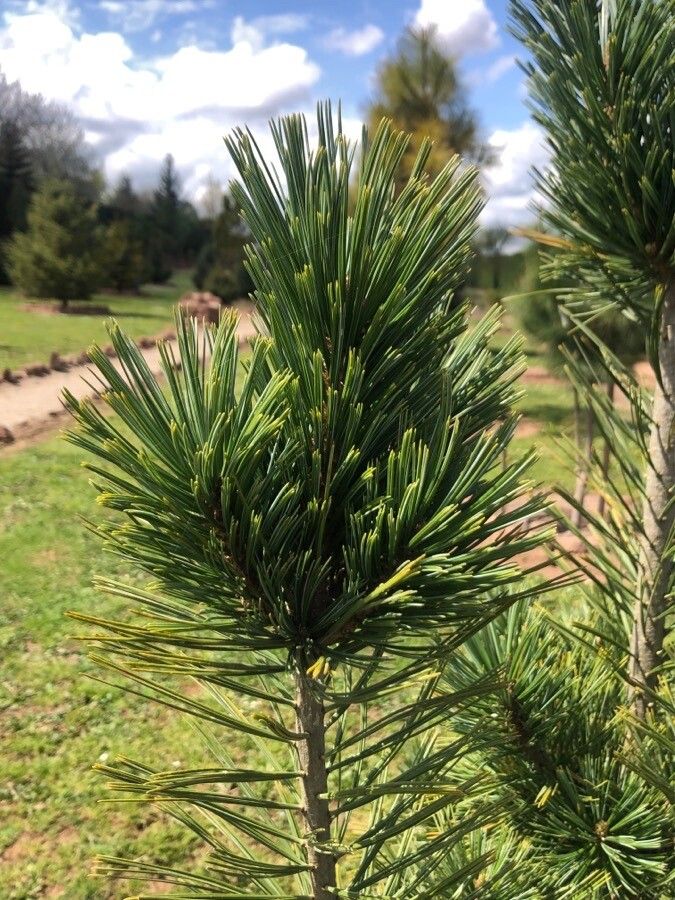
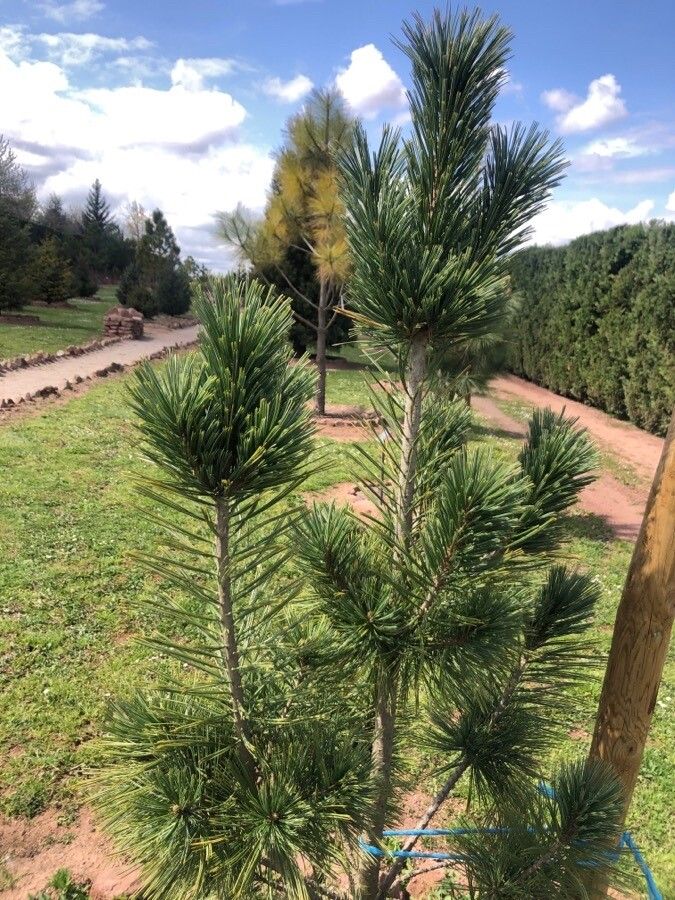
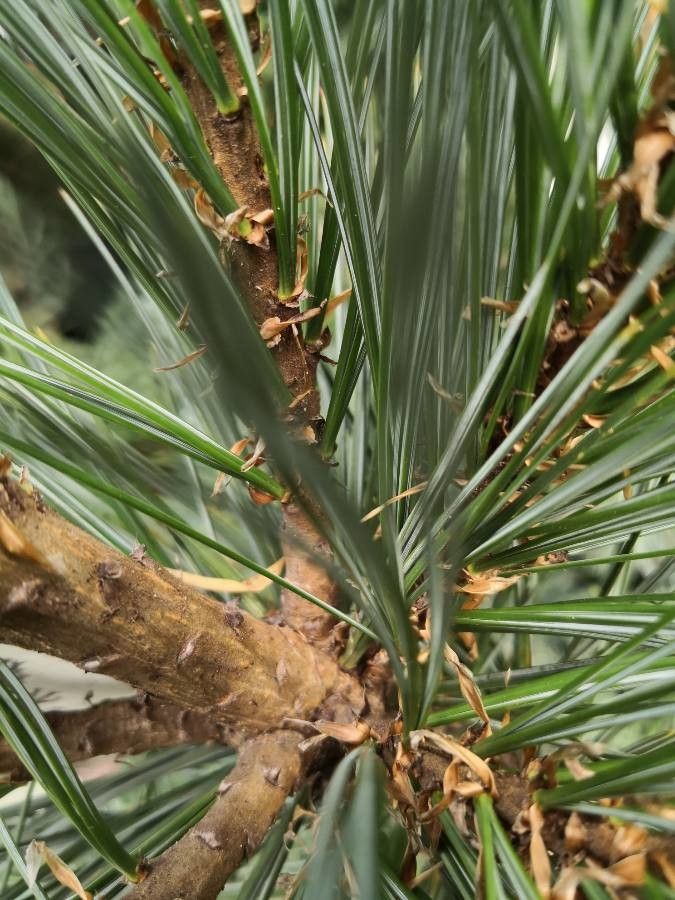
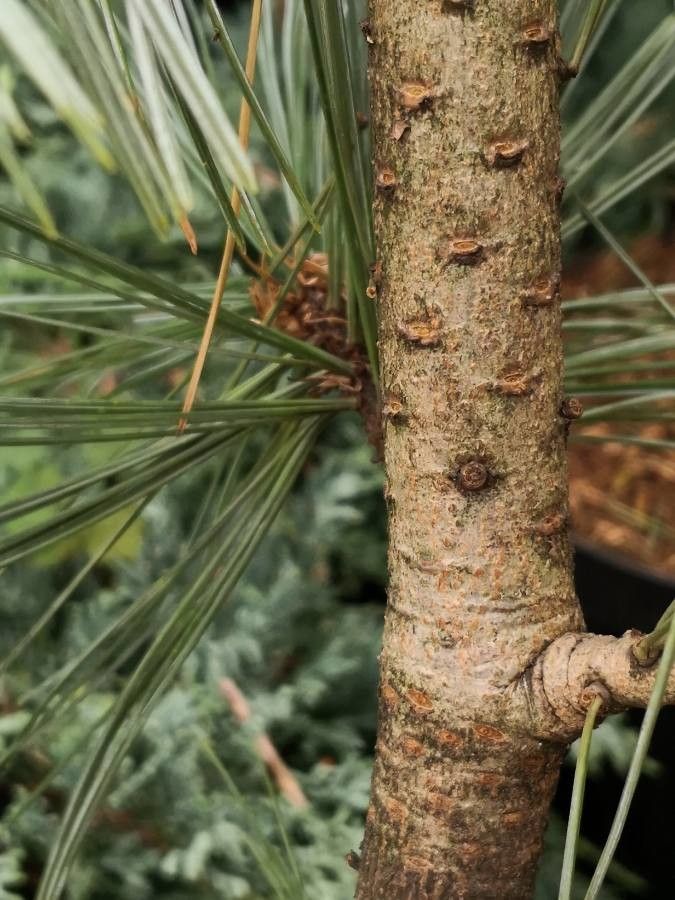
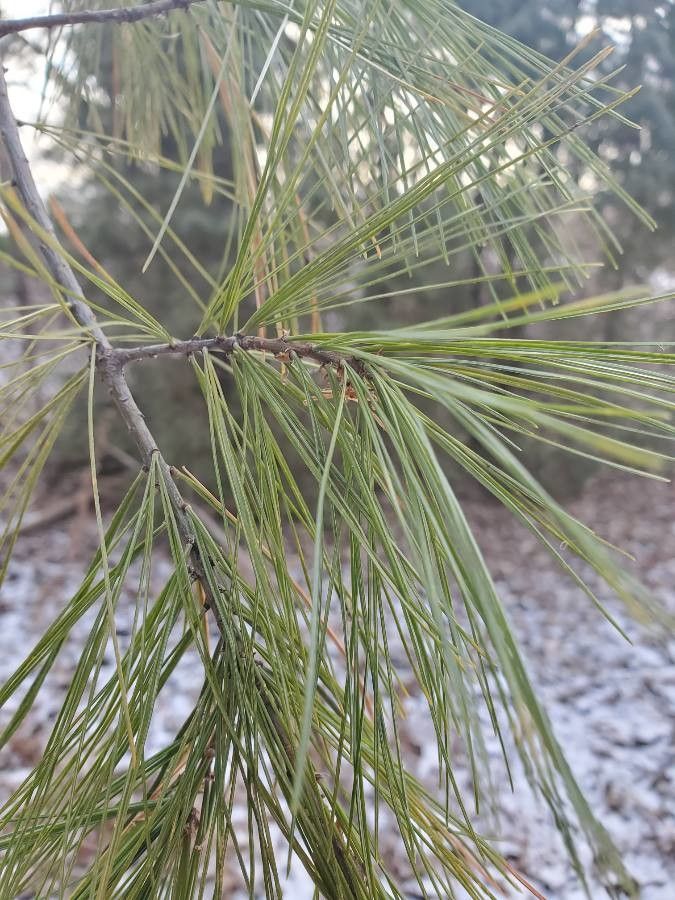
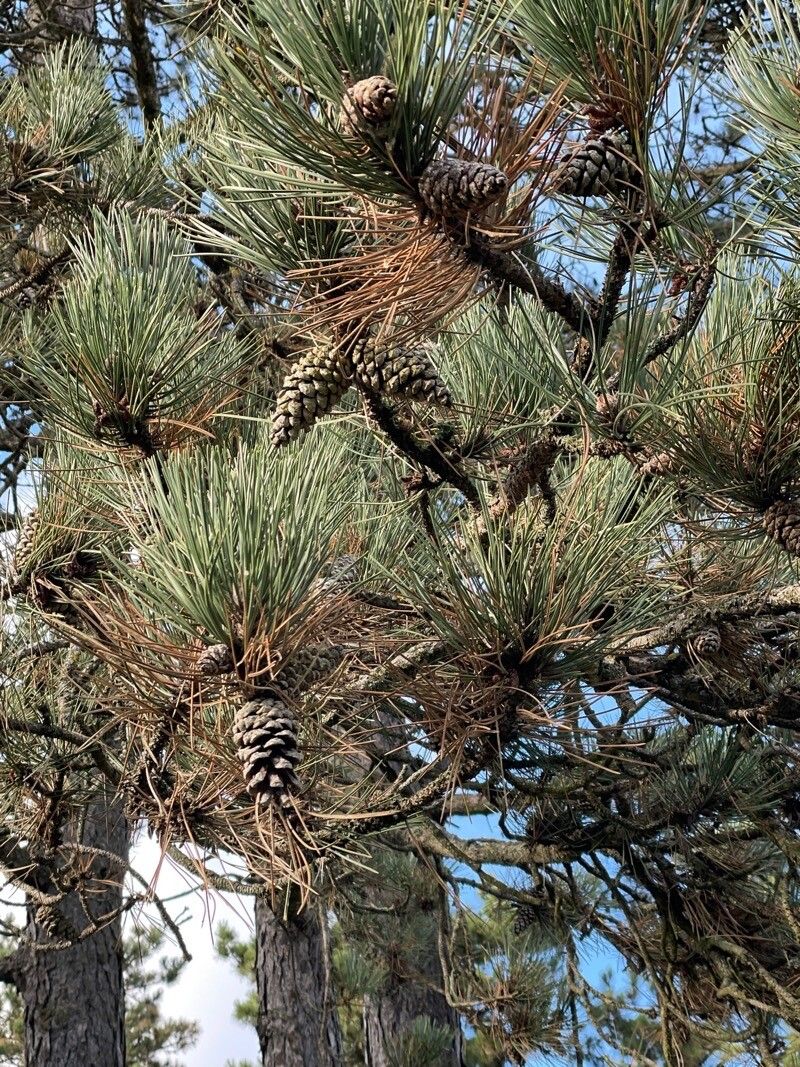
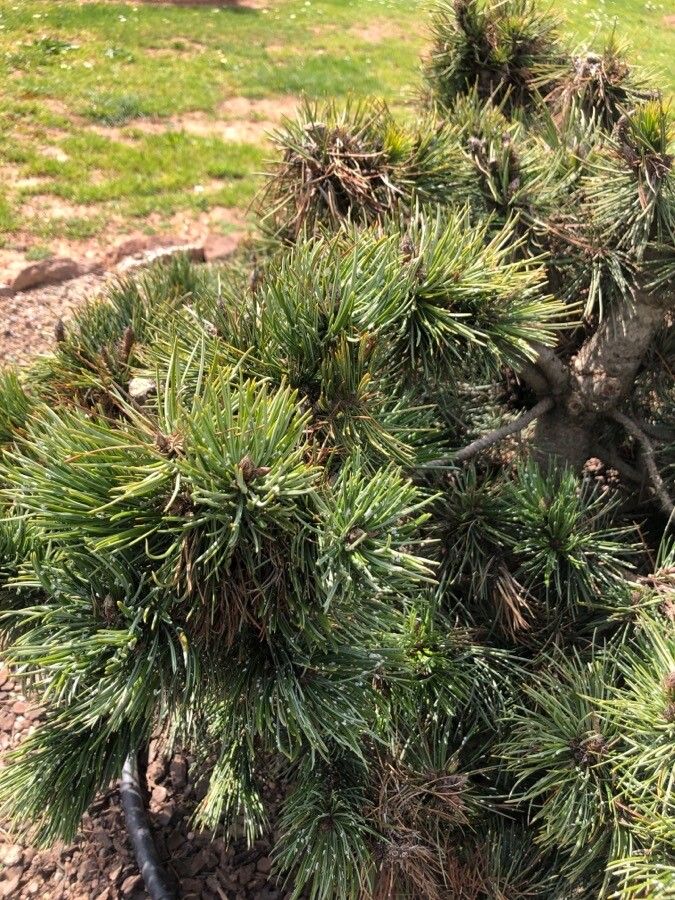
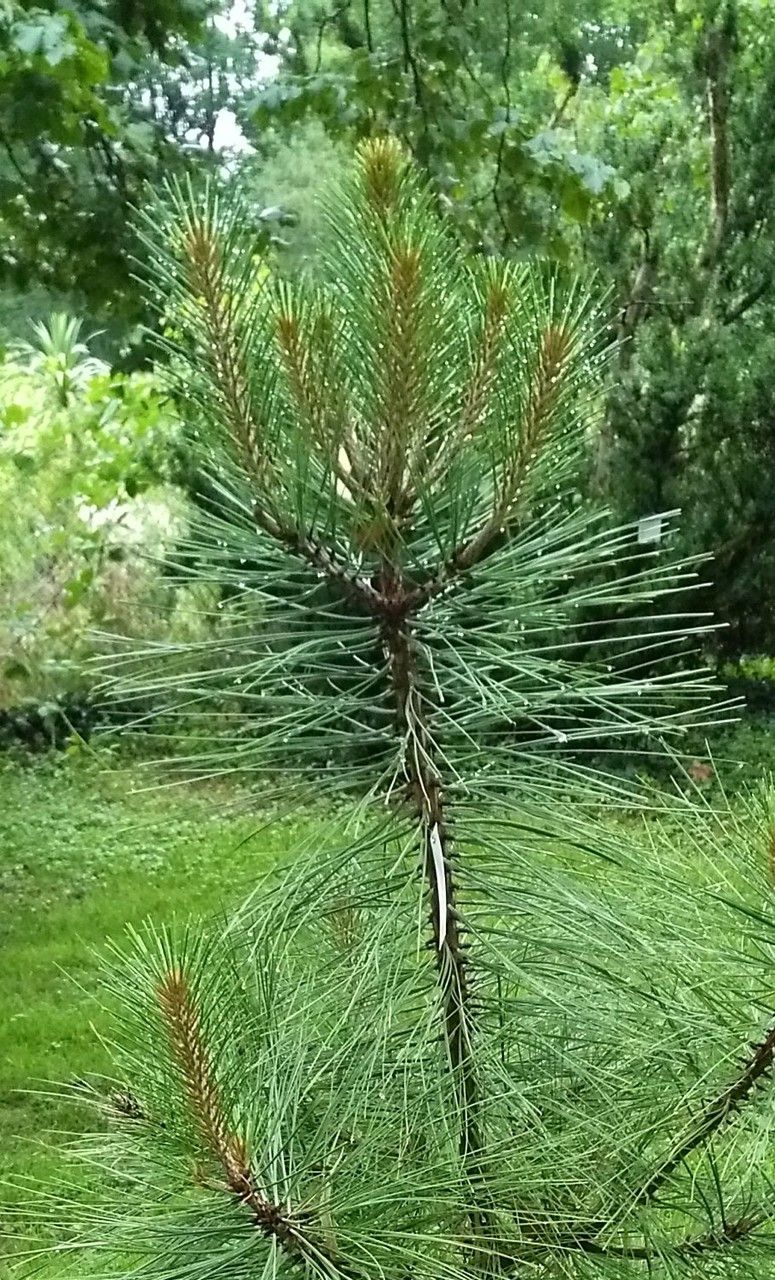
Pinus flexilis, commonly known as the limber pine, is a species of pine tree native to the western regions of North America. This slow-growing evergreen can reach heights of 20 to 60 feet and has a trunk diameter of up to 3 feet. Its long, typically blue-green needles can grow up to 4 inches in length. The tree also produces large cones, which measure between 4 to 8 inches long.
The limber pine is renowned for its ability to thrive in harsh environments, such as high altitudes and rocky terrain. You can find this species growing at elevations ranging from sea level up to over 12,000 feet above sea level.
Ecologically, the limber pine plays a crucial role by providing habitat for various wildlife, including birds, squirrels, and bears, which depend on its seeds for food. Its deep root system also helps stabilize soil on steep slopes.
Unfortunately, like many other tree species worldwide, the limber pine faces threats from climate change, which could push it toward extinction if not properly managed or protected through conservation efforts.
Limber pine has strong resistance to disease and is generally not susceptible to illnesses. Regarding care, this plant is fairly low-maintenance. When grown outdoors it needs minimal watering, and larger specimens usually do not require pruning. Smaller plants, however, should be pruned after they finish blooming. Limber pine is suitable for anyone who has outdoor space, such as a garden or a deck, and does not demand much gardening experience.
How to keep Pinus Flexilis.
Light
Limber pine is native to open habitats, such as sunny meadows and forest edges, which provide abundant light. It flourishes in Full Sun but can also tolerate Partial Sun, adapting well to a range of sunlight conditions.
Water
Originating from mountainous regions, limber pine is a drought-tolerant tree that only needs watering once every one to two weeks. As an evergreen, it requires consistent soil moisture. When planted outdoors, natural rainfall can help meet its hydration needs.
Fertilizer
Limber pine has specific nutrient needs and does not require heavy fertilization. Spring is the best time to apply fertilizer for optimal growth. Providing nutrients enhances its health, strengthens its resistance to pests and diseases, and helps sustain its long lifespan.
Pruning
The Limber Pine is an ideal choice for windbreaks because of its flexible branches and dense crown. To maintain its health, prune the tree in the early to late winter by removing any dead or crowded branches. Be careful to avoid heavy pruning, as the Limber Pine grows slowly. Using sharp tools to make clean cuts will encourage healthy growth and strengthen the tree's resilience to harsh conditions.
Botanical profile.
- Plant Type
- Tree
- Life Cycle
- Perennial
- Genus
- Pinus
- Family
- Pinaceae
- Hardiness Zone
- 2-7
- Mature Height
- 9.14 m to 18.29 m
- Mature Spread
- 4.57 m to 10.36 m
- Leaf Color
- Dark Green
- Leaf Type
- Evergreen
- Flower Size
- 7.62 cm to 15.24 cm
- Bloom Time
- Mid spring, Late spring
- Planting Time
- Spring, Summer, Autumn
- Harvest Time
- Late summer, Early fall, Mid fall
- Native Area
- Mexico
Other names.
Reader questions.
What are the sunlight requirements for Limber pine?
Limber pine (Pinus flexilis) has specific sunlight requirements to thrive. For 'Full sun' exposure, it requires above 6 hours of sunlight daily. In conditions classified as 'Partial sun,' it should receive about 3-6 hours of sunlight. It's important to observe the movement of sunlight through your garden carefully, selecting locations that provide an ideal mix of light and shade, thereby ensuring your limber pines grow happy and healthy.