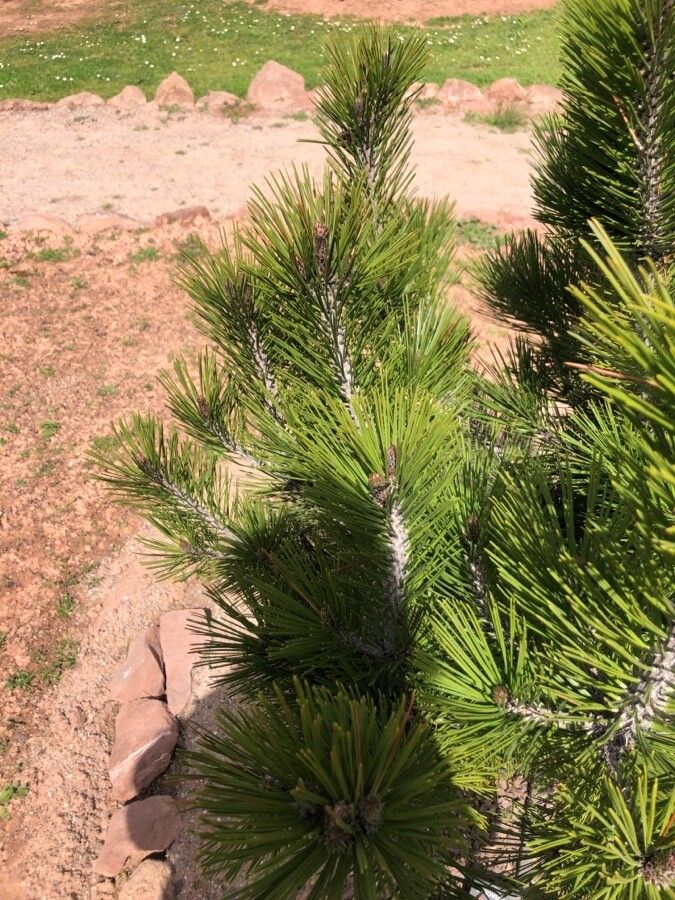
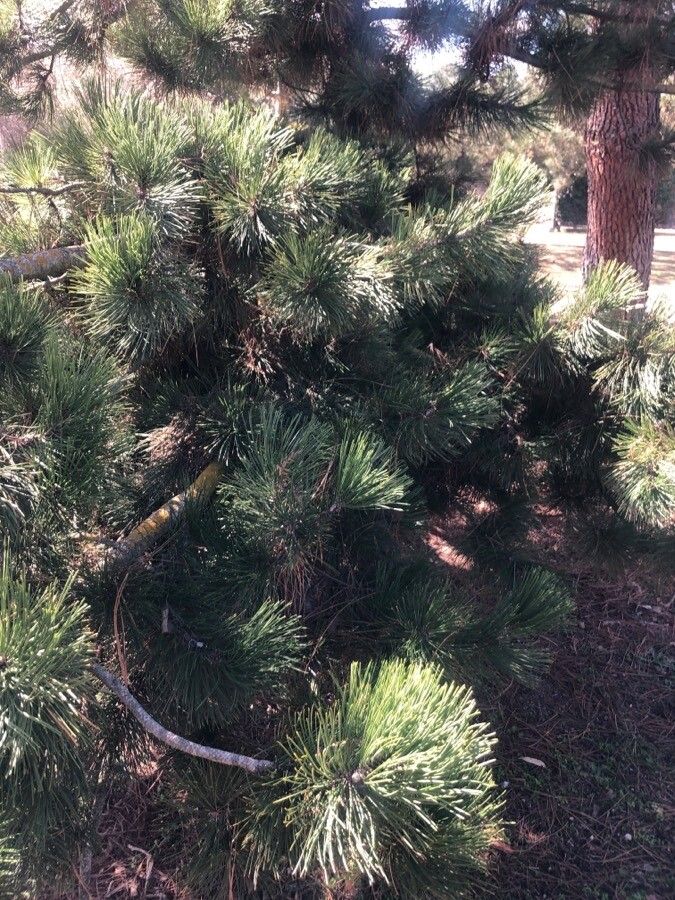
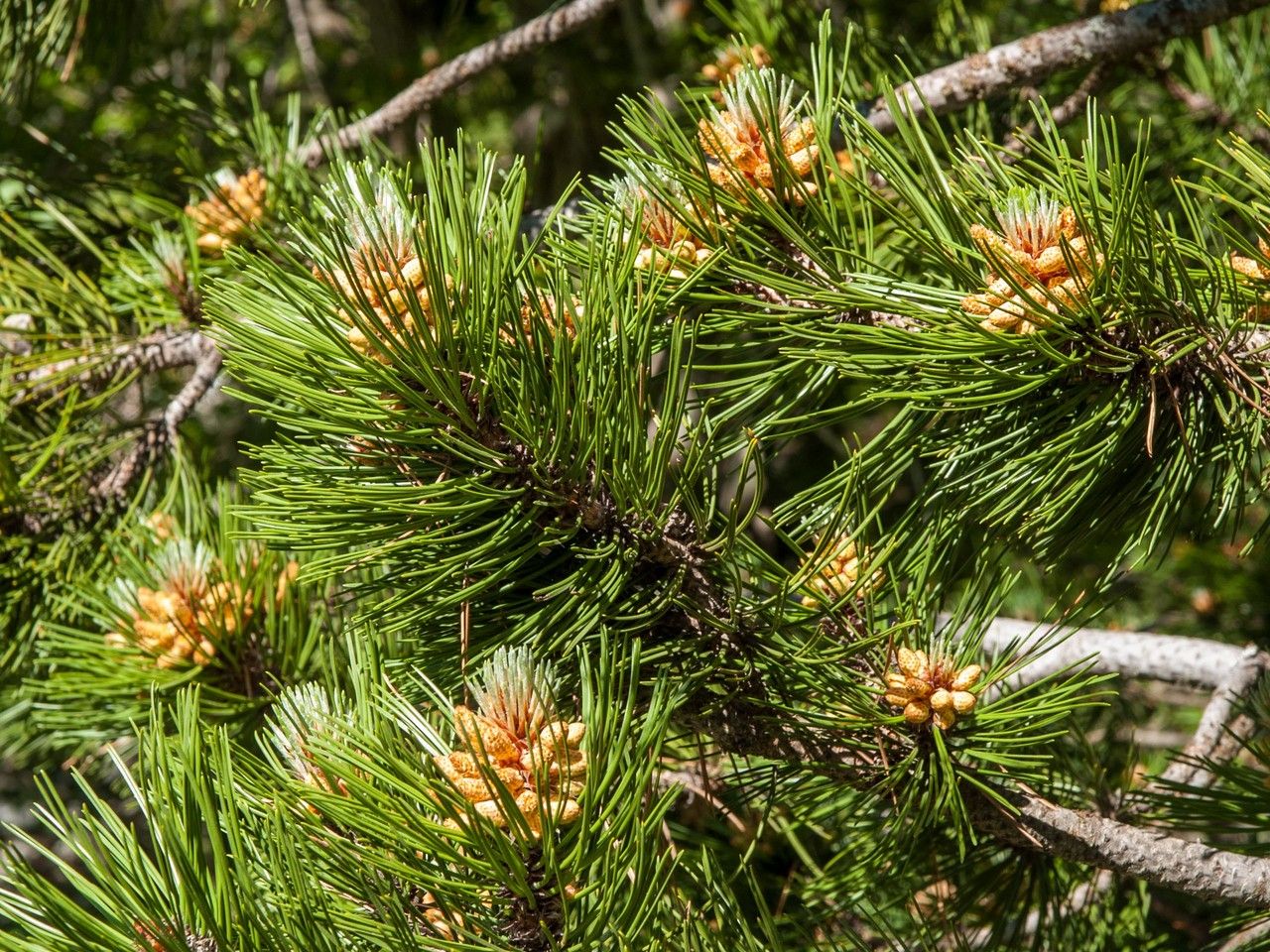
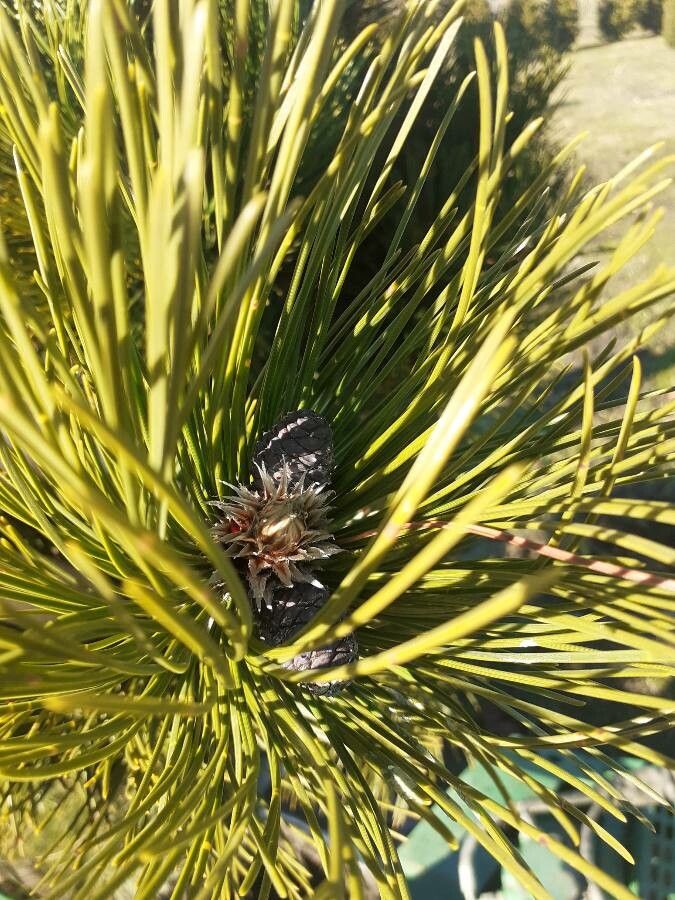
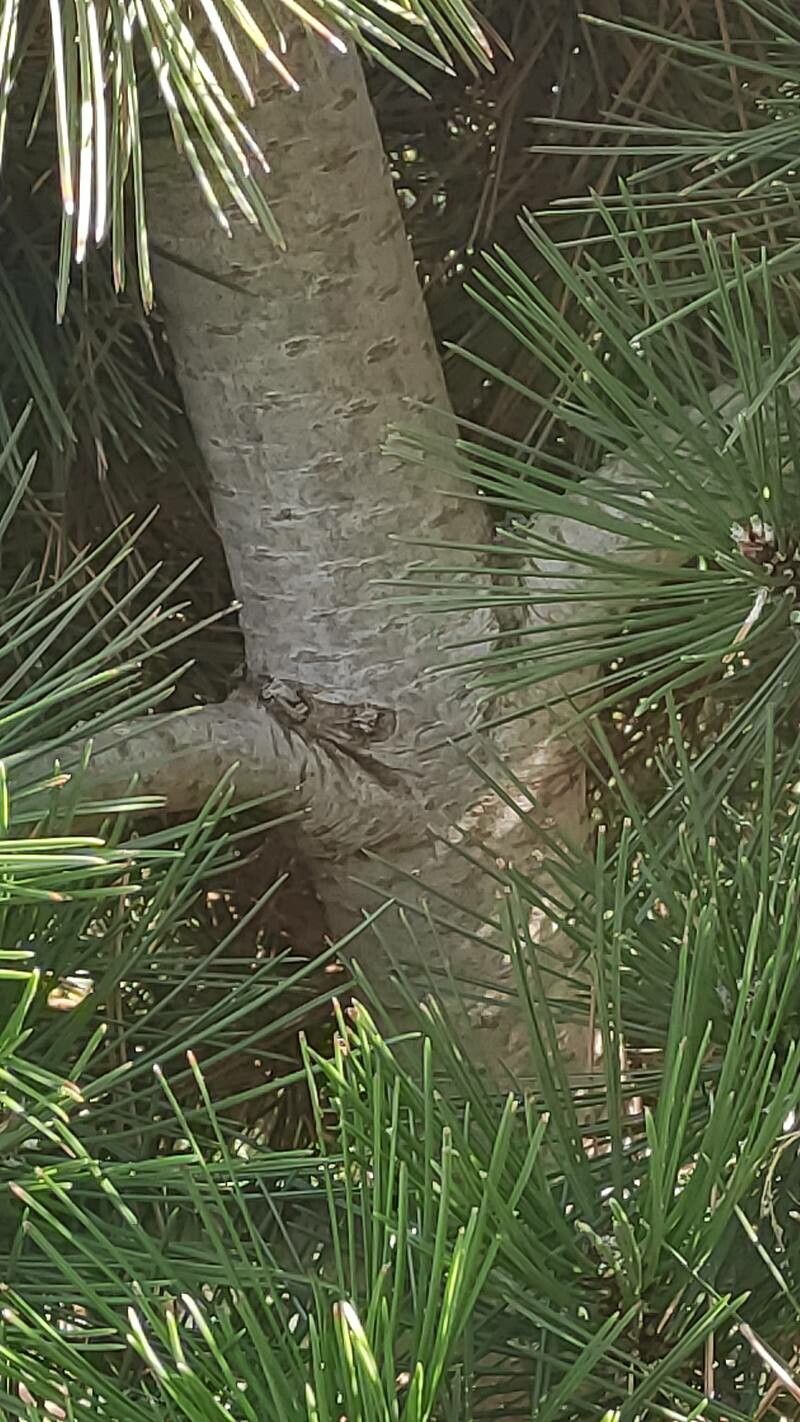
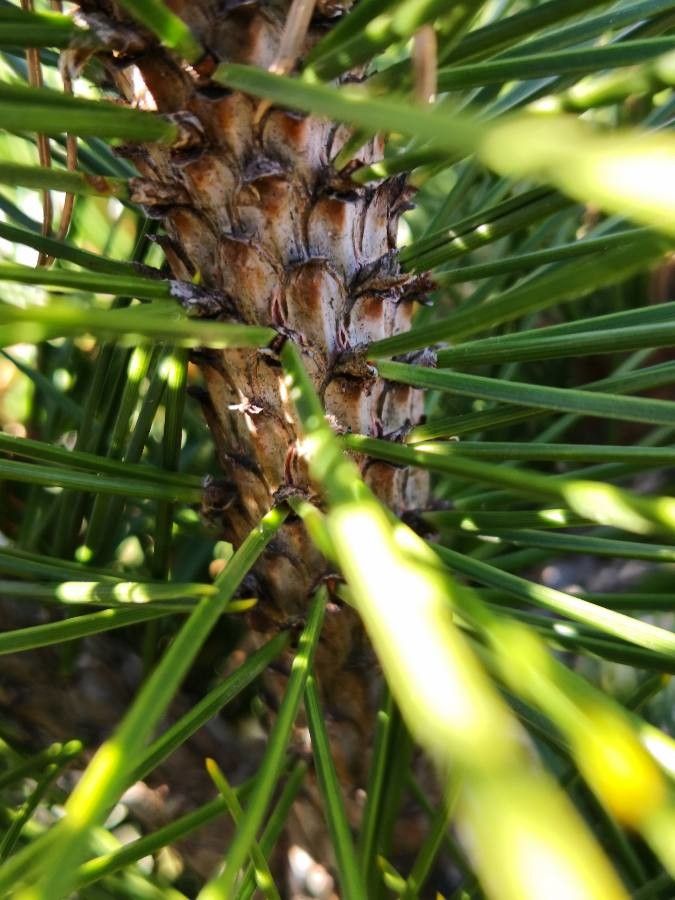
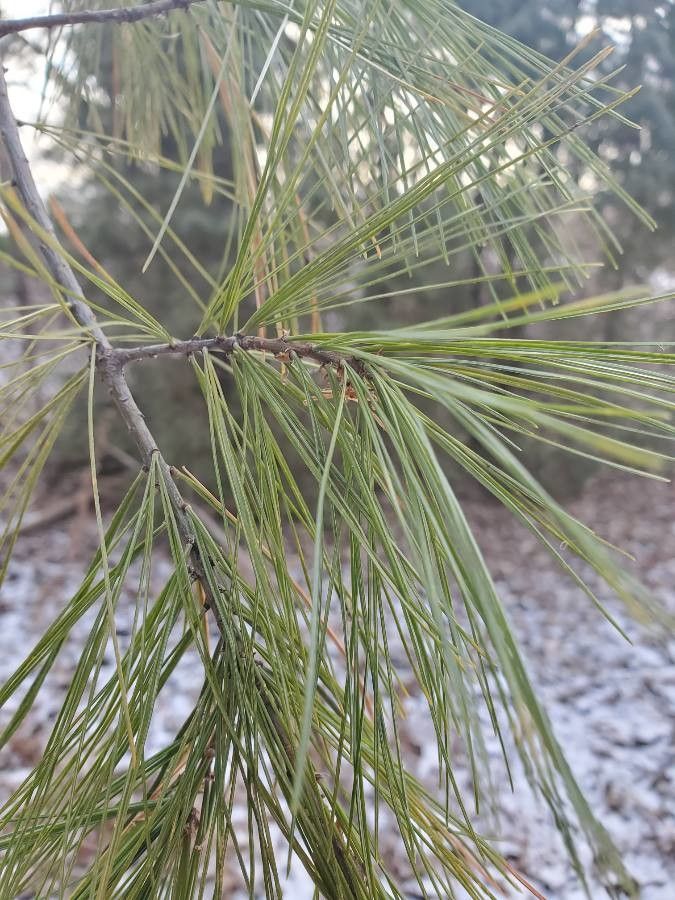
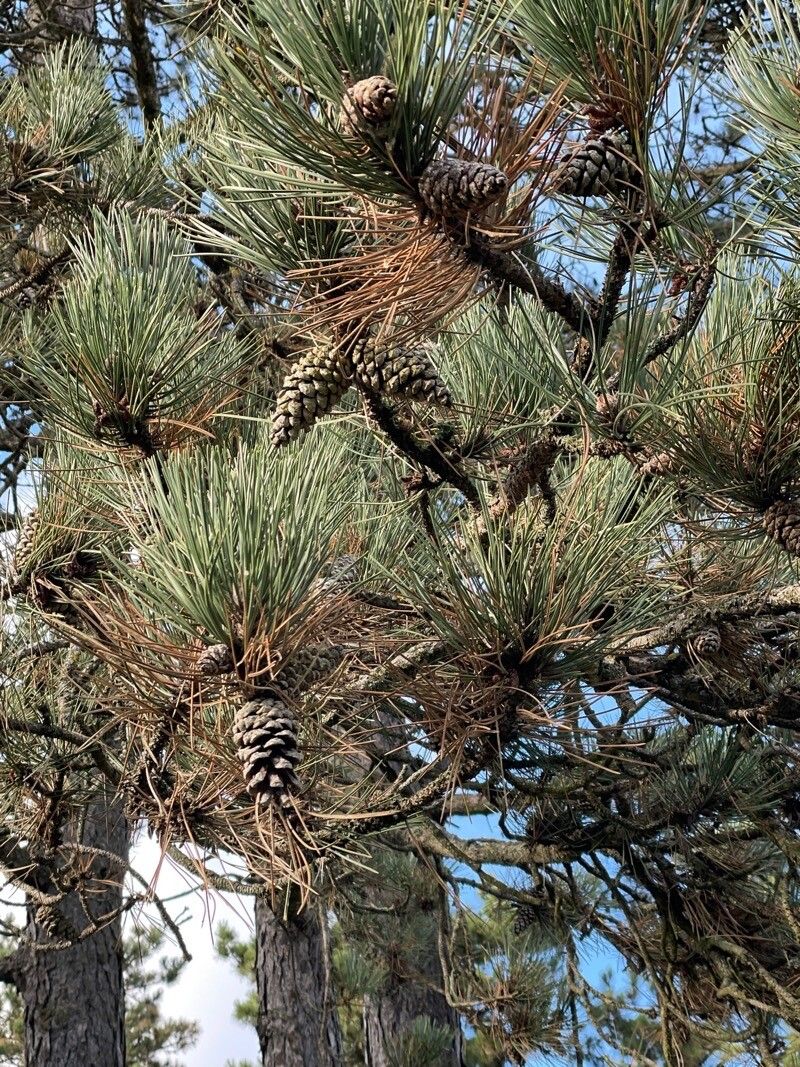
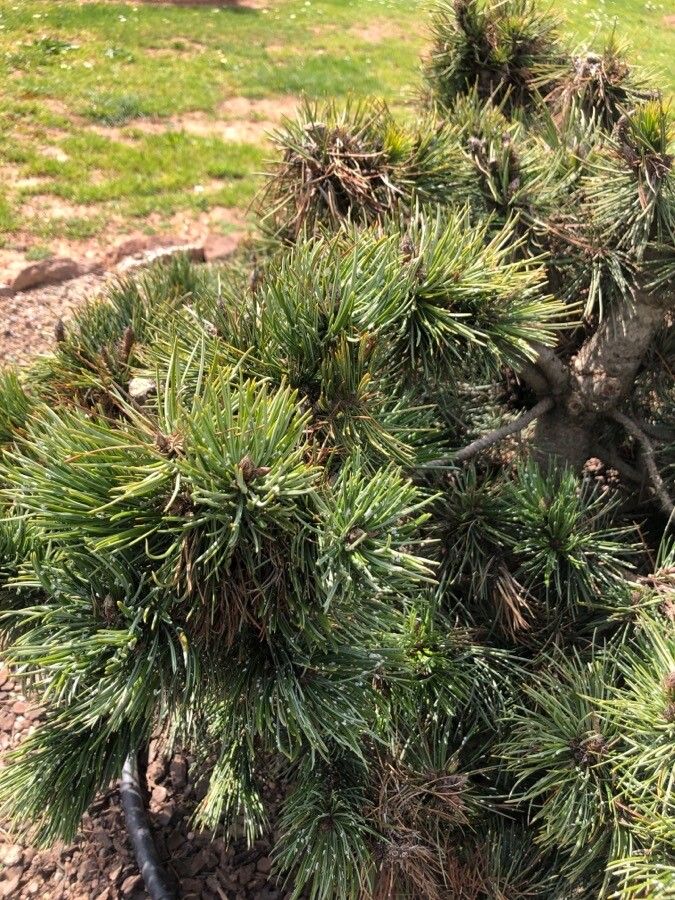
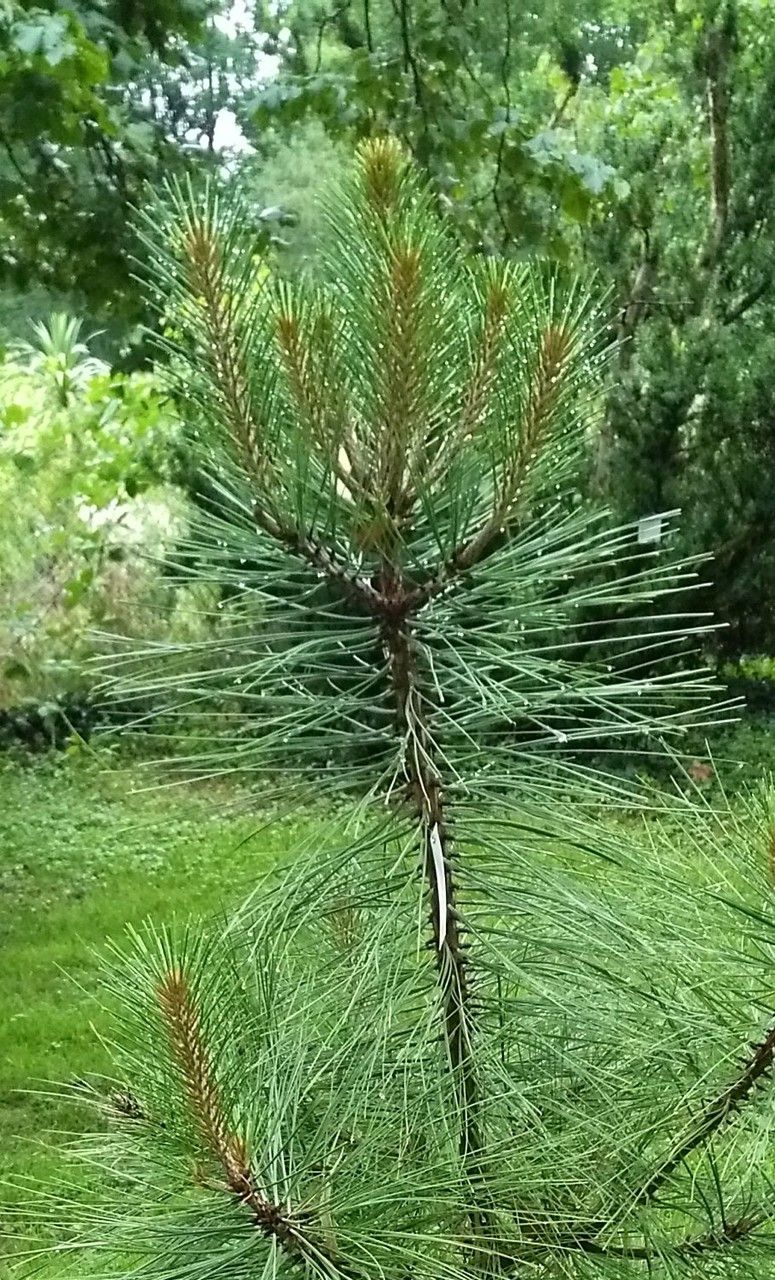
Pinus heldreichii (synonym P. leucodermis; family Pinaceae), the Bosnian pine or Heldreich’s pine, is a species of pine native to mountainous areas of the Balkans and southern Italy.
Bosnian pine has strong resistance to disease and is typically not susceptible to illnesses. In terms of maintenance, this plant is fairly low-maintenance. When planted outdoors it needs only minimal watering, and larger specimens generally do not require pruning. Smaller plants, however, should be pruned after they have bloomed. Bosnian pine is appropriate for anyone with an outdoor area, such as a garden or a deck, and does not call for extensive care experience.
How to keep Pinus Heldreichii.
Light
Bosnian pine does best in full sun all day but can adapt to conditions with somewhat reduced light. It needs seasonal flexibility whether kept in pots or in natural settings. Insufficient light can lead to stunted growth or sparse foliage.
Water
Bosnian pine is well-suited to varying moisture levels and exhibits drought tolerance. For optimal growth, it should be watered every 1-2 weeks, highlighting its low-maintenance nature. As an evergreen, it's important to keep the soil consistently moist to support its foliage throughout the year, but be careful not to over-saturate the roots.
Fertilizer
The Bosnian pine has distinct nutrient needs and does not require heavy fertilization. Applying fertilizer in spring is best for promoting optimal growth. Supplying nutrients enhances its health, raises its resistance to pests and diseases, and helps sustain its long lifespan.
Pruning
The Bosnian pine benefits from thoughtful pruning, which is best done from early to late winter while the tree is dormant. During this time, concentrate on removing dead wood, thinning out dense areas, and shaping the tree to enhance air circulation and light penetration. This practice encourages healthier growth and reduces the risk of pests and diseases.
Botanical profile.
- Plant Type
- Tree
- Life Cycle
- Perennial
- Genus
- Pinus
- Family
- Pinaceae
- Hardiness Zone
- 4-8
- Mature Height
- 15.24 m to 21.34 m
- Mature Spread
- 4.88 m to 7.92 m
- Leaf Color
- Green
- Leaf Type
- Evergreen
- Flower Color
- Yellow, Purple, Blue, Brown, Lavender
- Flower Size
- 2.54 cm to 7.62 cm
- Bloom Time
- Late spring, Early summer
- Planting Time
- Spring, Summer
- Harvest Time
- Late summer, Early fall, Mid fall
- Native Area
- Italy, Bulgaria, Montenegro, Albania, Greece, Croatia, Serbia
Other names.
Reader questions.
How should I water my Bosnian pine tree?
Watering your Bosnian pine is a simple task. One easy method is to use a garden hose to slowly soak the soil. This is especially effective for mature trees that require a lot of water. However, smaller trees can also be watered using a watering can or smaller tool. It's important to avoid overhead watering, as excessive moisture on the leaves can cause disease, especially when the tree is young.
Why should I fertilize my Bosnian pine?
To support the healthy growth of Bosnian pine, it is recommended to fertilize it in the spring. This long-lived plant requires support, so adding nutrients to the soil can greatly enhance its health. Furthermore, this improved health can help the plant resist common pests and diseases, ultimately preventing stunted growth or a shortened lifespan.
What are the sunlight requirements for Bosnian Pine?
Bosnian pine, or Pinus heldreichii, is well-suited to various sunlight conditions, thriving best in Full Sun, which means it requires more than 6 hours of sunlight daily. It can also tolerate Partial Sun, amounting to about 3-6 hours of sunlight. It's essential to observe how sunlight moves through your garden to find spots that provide the right balance of light and shade, ensuring the plant's optimal growth and happiness.
What is the Bosnian pine's botanical name?
The botanical name for the Bosnian pine is Pinus heldreichii. This tree is known for its remarkable characteristics and is referred to by its botanical name to accurately identify it among other species of pine.
What should I do if I give my Bosnian pine tree too much or too little water?
Overwatering can occur when the soil doesn't drain well for your Bosnian pine. If this happens, the tree may start to decline. To fix this, you can improve the soil's drainage or move the tree to a better location. If your tree is potted, you may need to switch to looser soil and a container with better drainage. Overwatering can also lead to diseases, so it's important to treat them promptly. To remedy underwatering, simply water your tree more frequently and it will recover. You can determine if your tree is overwatered by looking at its foliage, particularly the new growth. Discolored or fragile new growth suggests too much moisture. If you see standing water or slow drainage in the tree's vicinity, the soil may be too moist. Underwatered trees will have sparse, brown leaves. Consider recent rainfall or high temperatures as potential causes for these symptoms.
When should I fertilize my Bosnian pine tree?
Bosnian pine is a unique plant that doesn't need many nutrients like your typical garden plants. The growing medium may not always provide enough nutrients for healthy growth, but with Bosnian pine, fertilizing in spring before new growth emerges is the best time to do so.
How does artificial lighting benefit indoor Bosnian pine plants?
For Bosnian pines grown indoors, where natural sunlight may be insufficient, especially during winter or in less sunny areas, artificial lighting is crucial for promoting healthy growth. LED lights are recommended due to their ability to be customized to specific light wavelengths needed by plants. Full sun plants require 30-50W/sq ft, partial sun plants need 20-30W/sq ft, and full shade plants should have 10-20W/sq ft of artificial light. The light source should be placed 12-36 inches above the plant to mimic natural sunlight, and most plants will benefit from 8-12 hours of artificial light per day to mimic the natural length of daylight hours.
How frequently should I give water to my Bosnian pine tree?
A mature Bosnian pine is very resilient and can thrive on just rainfall. During the hottest months, you might need to water it once a week, but for the rest of the year, it probably won't need any additional watering. However, if you have recently planted a Bosnian pine, it's important to water it regularly to help the roots establish. Just be careful not to overwater, as Bosnian pines don't like standing water. So, it's better to water less than risk watering too much.
When is it best not to use fertilizer on my Bosnian pine tree?
Bosnian pine does not need frequent fertilization like other plants. It doesn't require excessive nutrients, and too much fertilizer can actually harm it. If you decide to fertilize it, only do so in the spring and avoid fertilizing in the other seasons. During the summer, fall, and winter, refrain from adding any fertilizer or organic matter to the soil.
What are the symptoms of light deficiency in Bosnian Pines?
When Bosnian pines are exposed to suboptimal lighting, they may experience several symptoms indicating light deficiency. These include smaller new leaves compared to mature ones, leggy or sparse growth with increased spaces between leaves or stems, early leaf drop to conserve energy, delayed growth or a complete growth halt, lighter-colored new leaves suggesting a lack of chlorophyll, and various symptoms of overexposure such as chlorosis, sunscald, leaf curling, wilting, and leaf scorching. Such symptoms reflect the plant's struggle to adapt to inadequate light conditions.
How much water does my Bosnian pine tree require?
During the peak of summer, you may need to water your Bosnian pine. Normally, you should provide about one inch of water per week. However, this amount can be adjusted based on rainfall. If it has rained an inch or more that week, you won't need to water your Bosnian pine. Keep in mind that newly planted Bosnian pines require more water during the initial period of establishment. Generally, this means watering them once every one to two weeks for the first few growing seasons.
Which fertilizer is best for my Bosnian pine tree?
When choosing fertilizer for your Bosnian pine plant, consider its age. While older plants require a balanced plant food to promote healthy root development and growth, it's important to note that Bosnian pines do not need a lot of extra nutrients. Avoid fertilizers with high nitrogen contents.