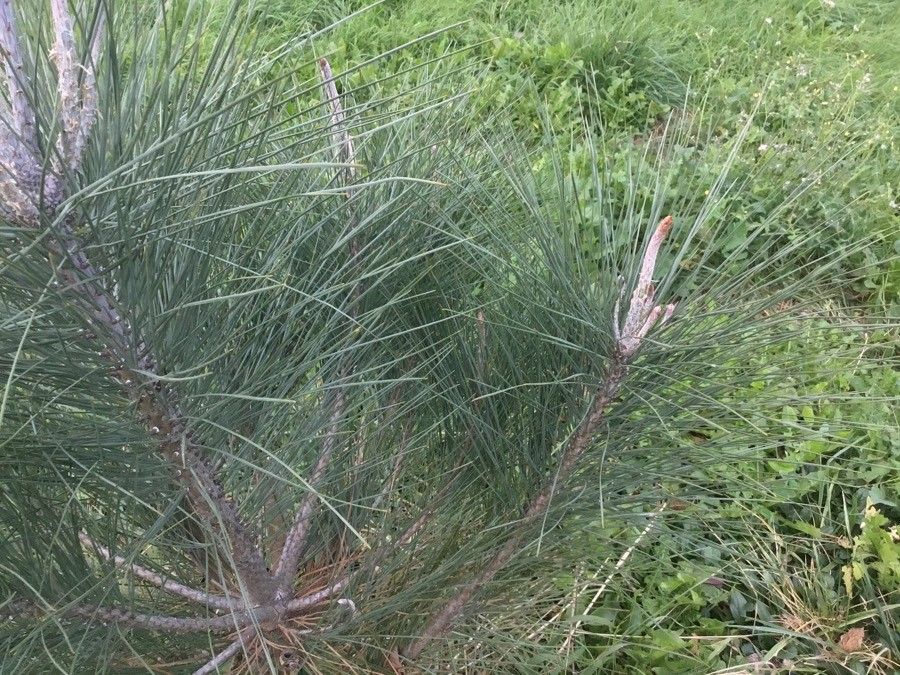
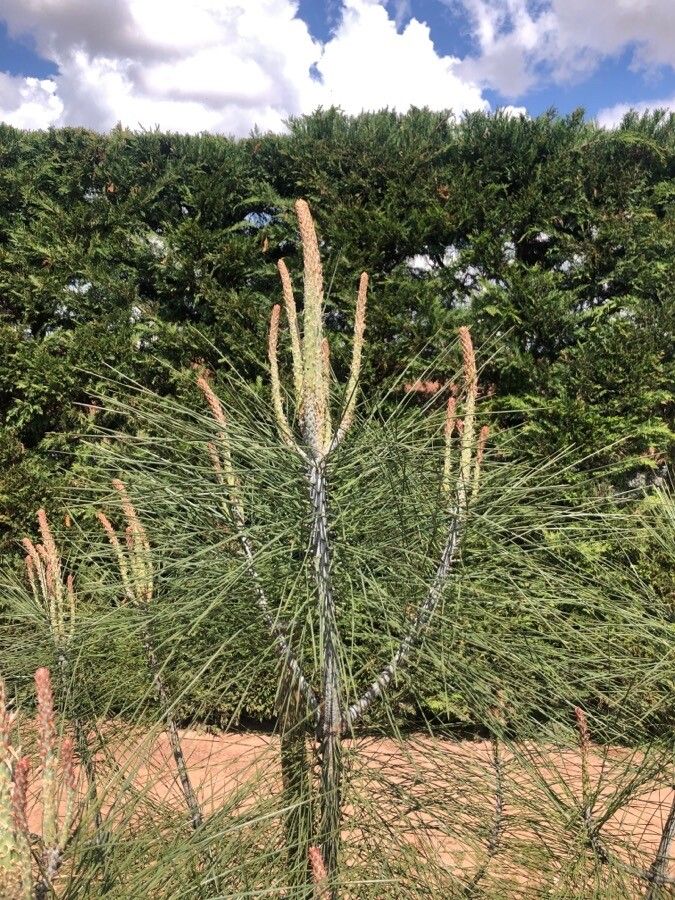
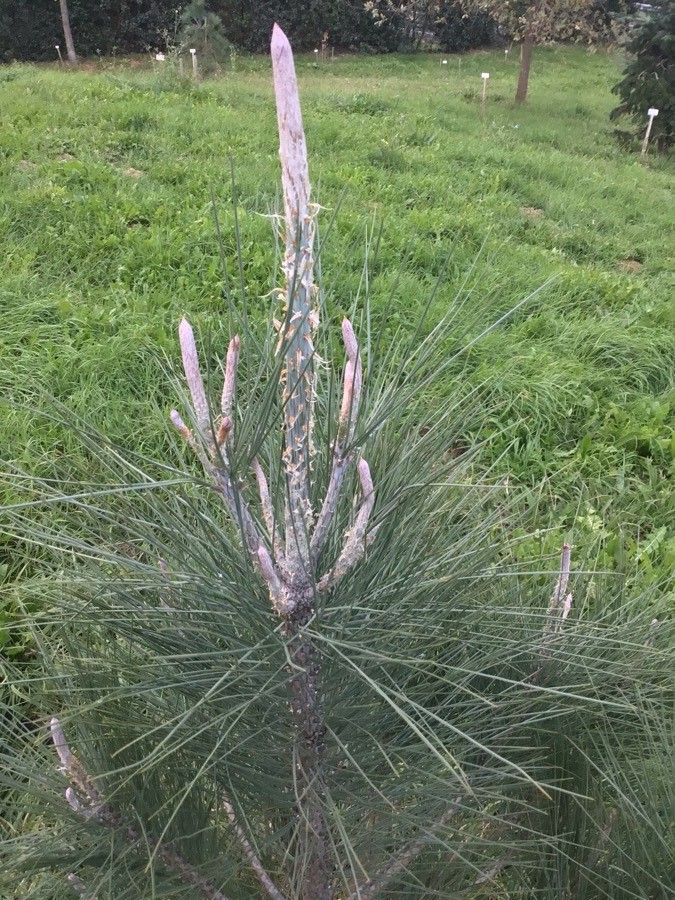
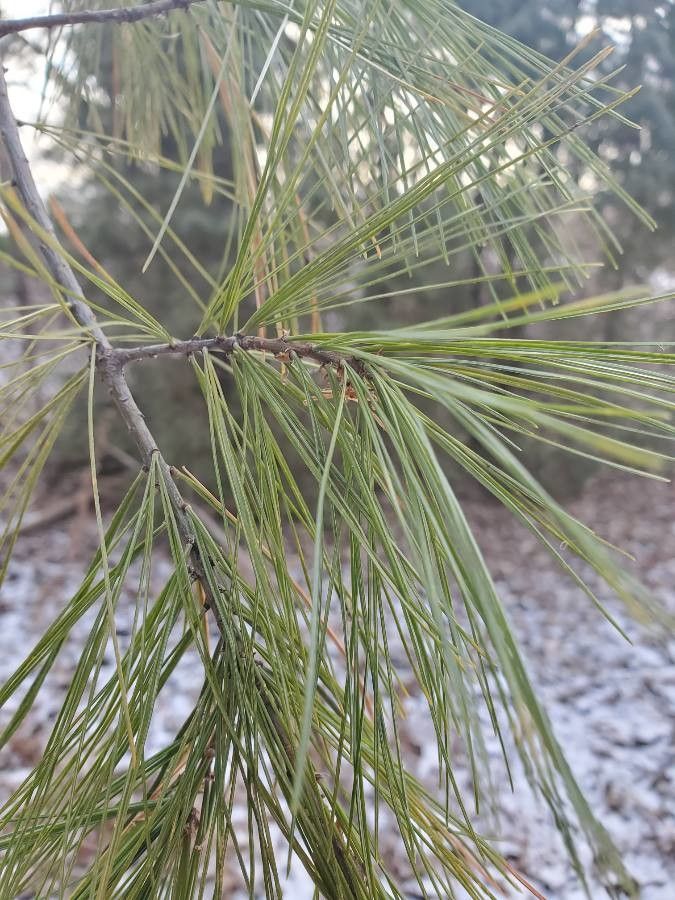
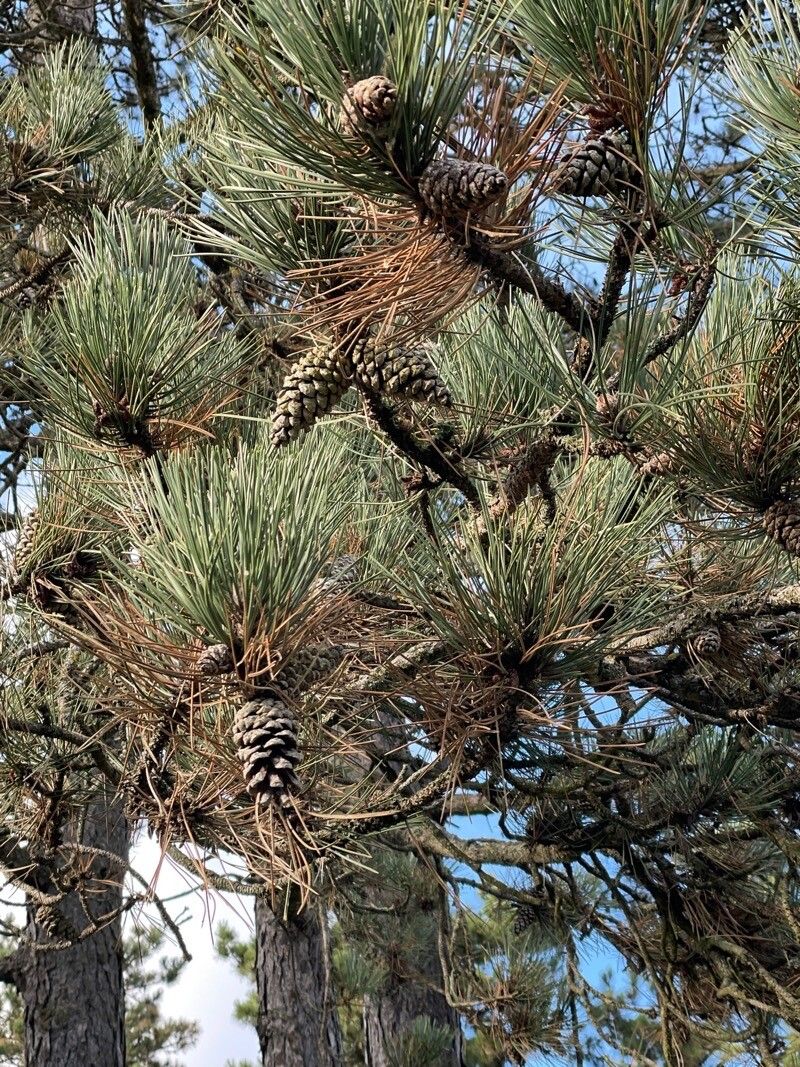
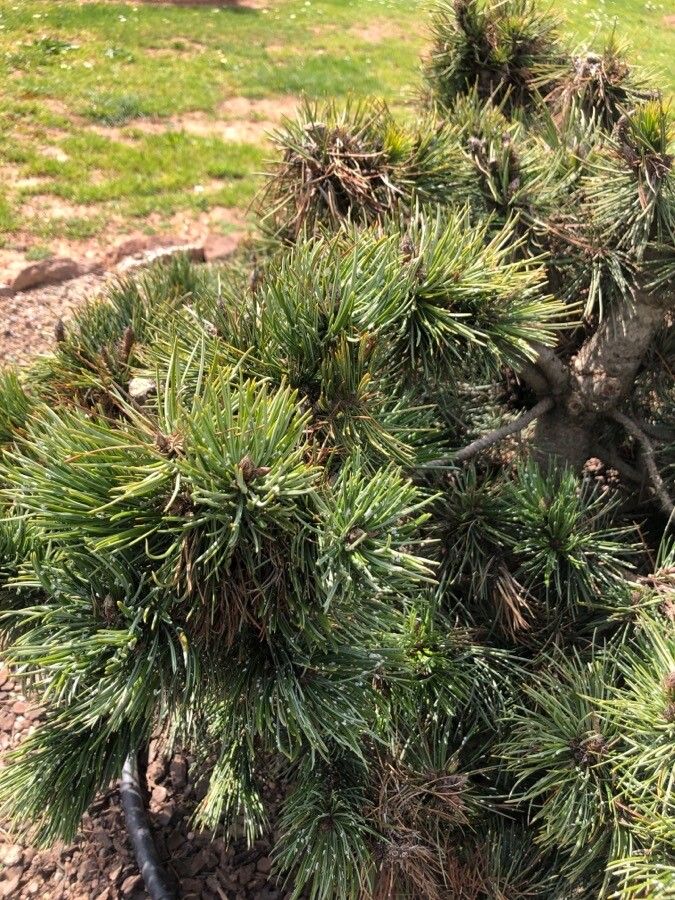
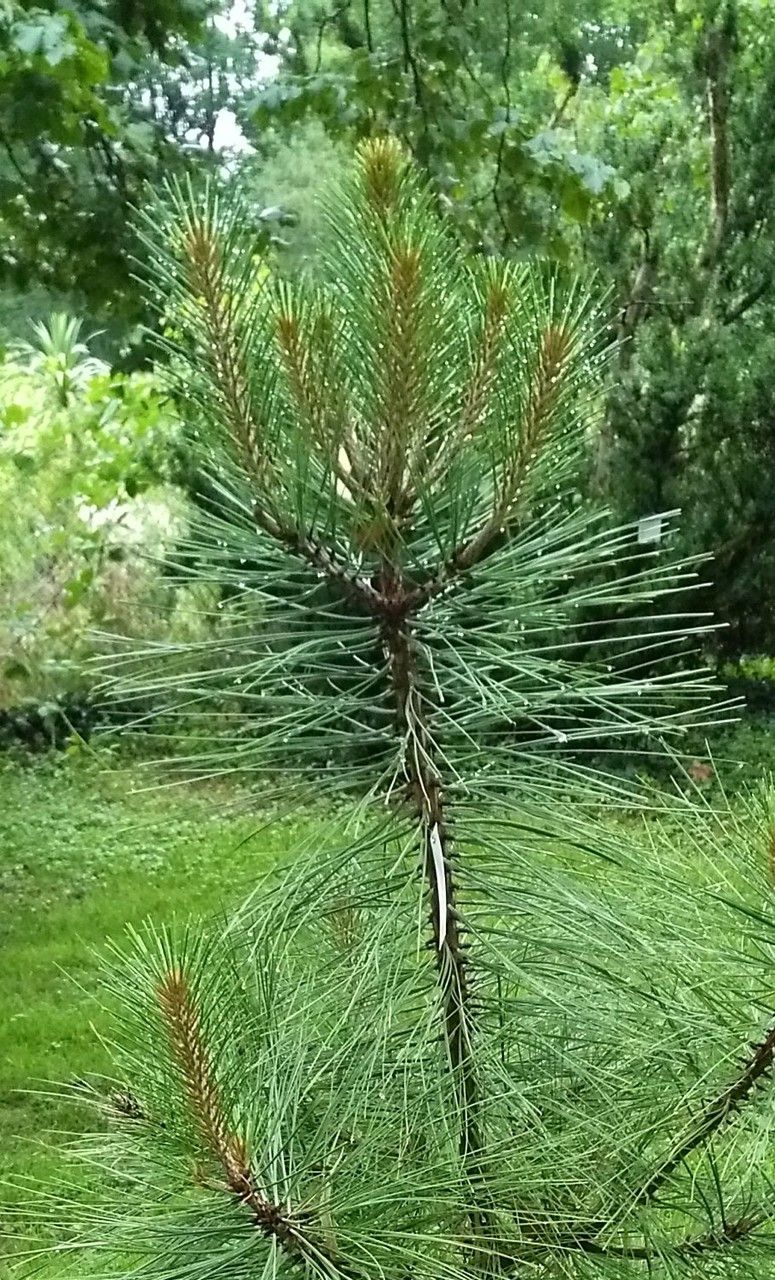
Pinus sabiniana (sometimes spelled P. sabineana), with vernacular names including towani pine, foothill pine, gray pine, bull pine, and digger pine, is a pine endemic to California in the United States. Some sources discourage using the name "digger pine," considering it pejorative ("digger" was a slur commonly used to refer to Indigenous Americans in the Great Basin and California).
Towani Pine has good disease resistance and is generally not prone to diseases. Regarding care, this plant is relatively low-maintenance. When grown outdoors it needs only minimal watering, and larger plants typically do not require pruning. Smaller plants, however, should be pruned after they have bloomed. Towani Pinet is suitable for anyone with an outdoor space, such as a garden or deck, and does not demand a lot of care experience.
How to keep Pinus Sabiniana.
Light
Towani Pine needs a large amount of sunlight to stay healthy and grow well. Native to areas with abundant sun, it does best when given maximum exposure throughout all stages of growth. Insufficient sunlight can hinder its development, whereas too much sun typically does not create major problems.
Water
The Towani Pine is native to California's dry interior and flourishes in Mediterranean climates characterized by wet winters and dry summers. It is drought-tolerant and thrives in well-drained soil, requiring watering only every two weeks. Ideally suited for outdoor growth, the Towani Pine needs full sunlight to maximize its water efficiency.
Temperature
Towani Pine is native to regions where temperatures typically range from 59 to 95 °F (15 to 35 ℃). During seasonal changes, it is recommended to keep the plant within that temperature range for optimal growth and survival.
Fertilizer
Towani Pine has specific nutrient needs and does not require heavy fertilization. Spring is the best time to apply fertilizer for optimal growth. Providing nutrients improves its health, increases its resistance to pests and diseases, and supports its long lifespan.
Pruning
To maintain the health and shape of a Towani Pine, it is necessary to prune it annually between early and late winter. Pruning involves removing any dead or overcrowded branches, which helps improve air circulation and encourages healthier growth. Ensure that your tools are sterilized before use, as this will result in clean cuts, promote quick healing, and keep your Towani Pine healthy and attractive.
Botanical profile.
- Plant Type
- Tree
- Life Cycle
- Perennial
- Genus
- Pinus
- Family
- Pinaceae
- Hardiness Zone
- 8-10
- Mature Height
- 10.97 m to 32 m
- Mature Spread
- 4.57 m to 6.1 m
- Leaf Color
- Green
- Leaf Type
- Evergreen
- Flower Color
- Red
- Bloom Time
- Early spring, Mid spring
- Planting Time
- Autumn, Winter
- Harvest Time
- Late summer, Early fall, Mid fall
Other names.
Reader questions.
What are the sunlight requirements for Towani Pine?
Towani Pine requires substantial solar exposure for optimal health and growth, thriving in conditions of full sunlight, which means above 6 hours of direct sunlight daily. This plant originates from habitats abundant in sunlight, and every stage of its development benefits from maximum exposure. A deficiency in sunlight can impede its growth, although an excess of sunlight doesn't usually cause significant issues.
What is the native temperature range for Towani Pine?
Towani Pine is naturally accustomed to environments where temperatures vary between 59 to 95 °F (15 to 35 °C). To ensure its optimal growth and survival, it's recommended to maintain this temperature range throughout seasonal changes. The plant exhibits some degree of cold tolerance and usually does not need special care if the temperature stays above -5°C. However, protective measures should be taken if temperatures are forecasted to drop below -5°C, such as insulating the plant with plastic film, fabric, or other suitable materials. These protections should be removed once temperatures rise again.
What should I do if my indoor Towani Pine doesn't get enough natural sunlight?
For indoor Towani Pines that do not receive adequate natural sunlight, especially during winter or in less sunny spaces, artificial lighting can serve as an effective alternative. LED lights are recommended as they can be customized to provide the specific wavelengths of light that plants need. Full sun plants necessitate 30-50W/sq ft of artificial light, partial sun plants 20-30W/sq ft, and full shade plants require 10-20W/sq ft. The light source should be placed 12-36 inches above the plant to mimic sunlight, ensuring the plant receives 8-12 hours of light per day.
How does Towani Pine react to low temperatures and what are the solutions?
Towani Pine has a moderate tolerance to low temperatures, performing best when the mercury stays above 15°C. When winter temperatures dip below -5°C, and especially if they fall under -10°C, the plant's leaves may begin to droop. Though there's a chance of recovery from mild exposure, prolonged exposure to such cold conditions can cause the leaves to wilt and fall off. The solution involves trimming away the frost-damaged sections of the plant. Before facing low temperatures again, it's advisable to wrap the Towani Pine with non-woven fabrics or cloths and create a wind barrier to shield it from cold winds.
What are the common symptoms of light deficiency in Towani Pine?
Towani Pine may display several symptoms when exposed to insufficient sunlight, including smaller new leaves, leggy or sparse growth, faster leaf drop, delayed or halted new growth, lighter-colored new leaves, and chlorosis (yellowing leaves). Excessive sunlight can lead to symptoms such as leaf scorching (brown, dry edges on leaves), sunscald (pale, bleached areas on the plant), leaf curling to reduce surface area exposed to light, wilting due to rapid water loss, and leaf curling as a protective measure against sunlight exposure.
What should be done if Towani Pine is exposed to high temperatures?
During the warmer months, Towani Pine should be kept below 35°C to avoid heat stress. Temperatures exceeding 41°C can lead to a discoloration of the leaves, drying and withering of the leaf tips, curling of the leaves, and increased risk of sunburn. To address this, prune away the damaged portions of the plant. Relocating the Towani Pine to an area with more shade during the peak sun hours or employing a shade cloth can help mitigate the risk. Additionally, watering the plant during the cooler morning and evening hours will help keep the soil adequately moist.
How can I address sunlight deficiency for my Towani Pine?
To counteract sunlight deficiency in Towani Pine, gradually increase the plant's exposure to sunlight by moving it to a sunnier location each week, aiming for at least 6 hours of direct sunlight daily. For indoor plants, keep them near a south-facing window with open curtains or use desk, ceiling lamps, or professional plant grow lights for at least 8 hours daily. For outdoor plants, avoid sudden light intensity changes to prevent sunburn. Note that parts of the plant damaged by low light may not recover, but new growth should be healthy with increased light exposure.