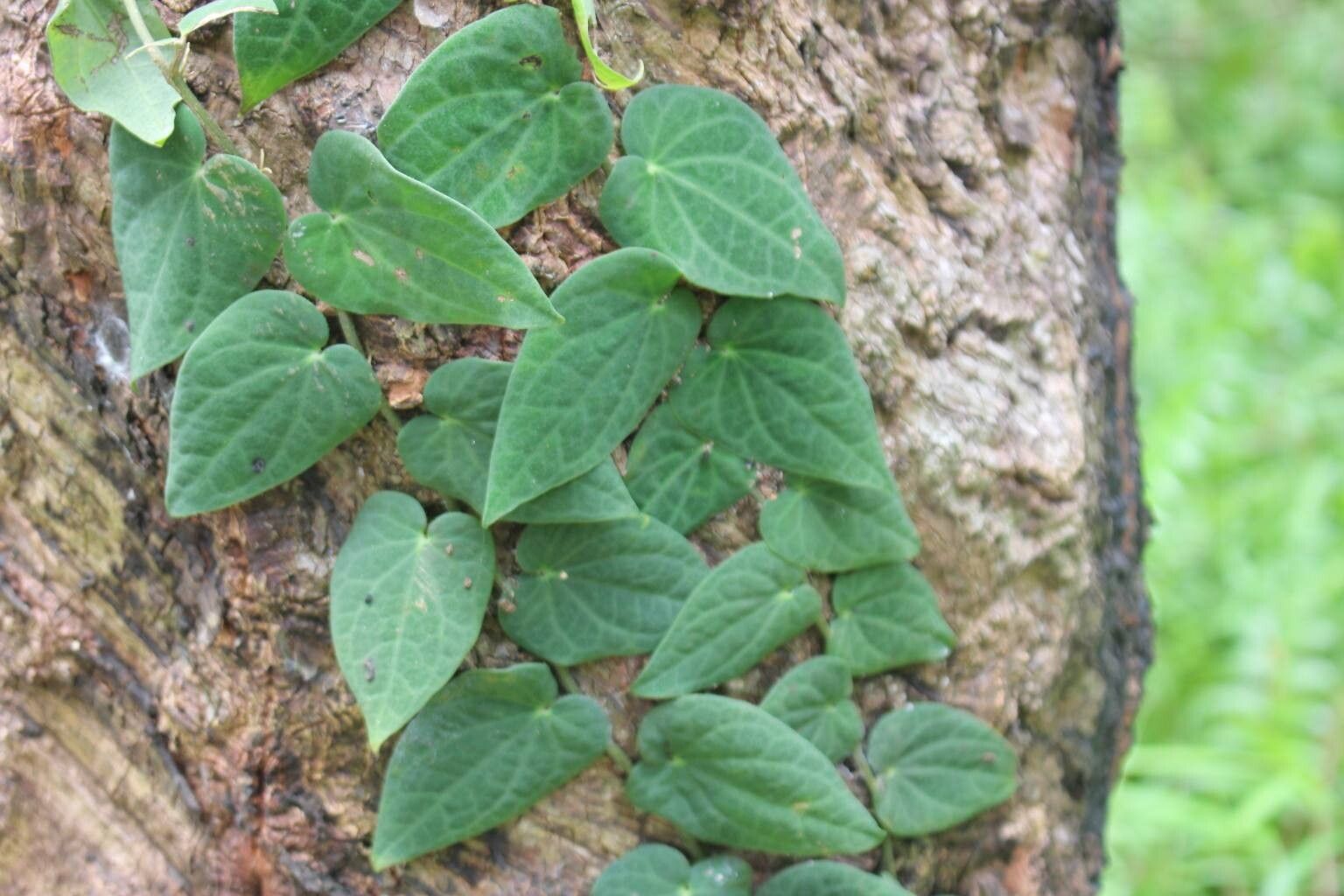
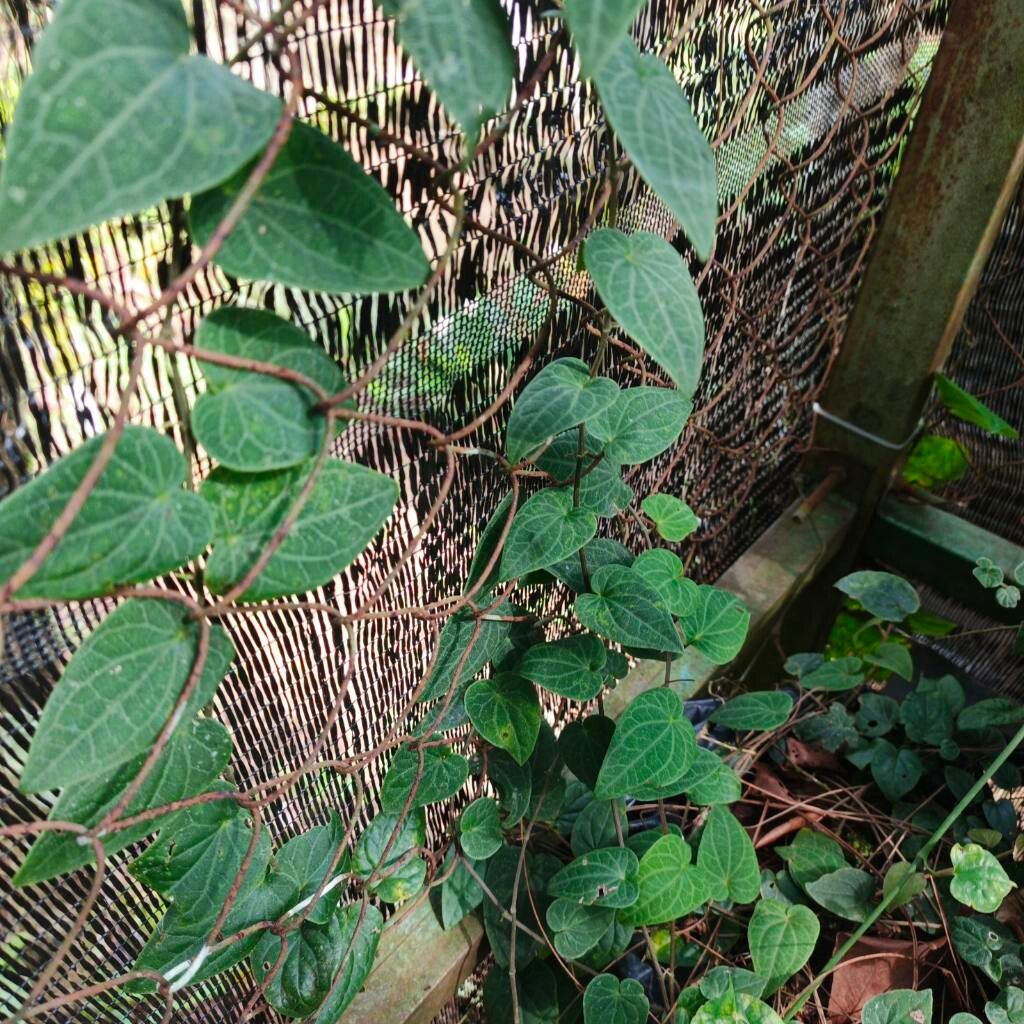
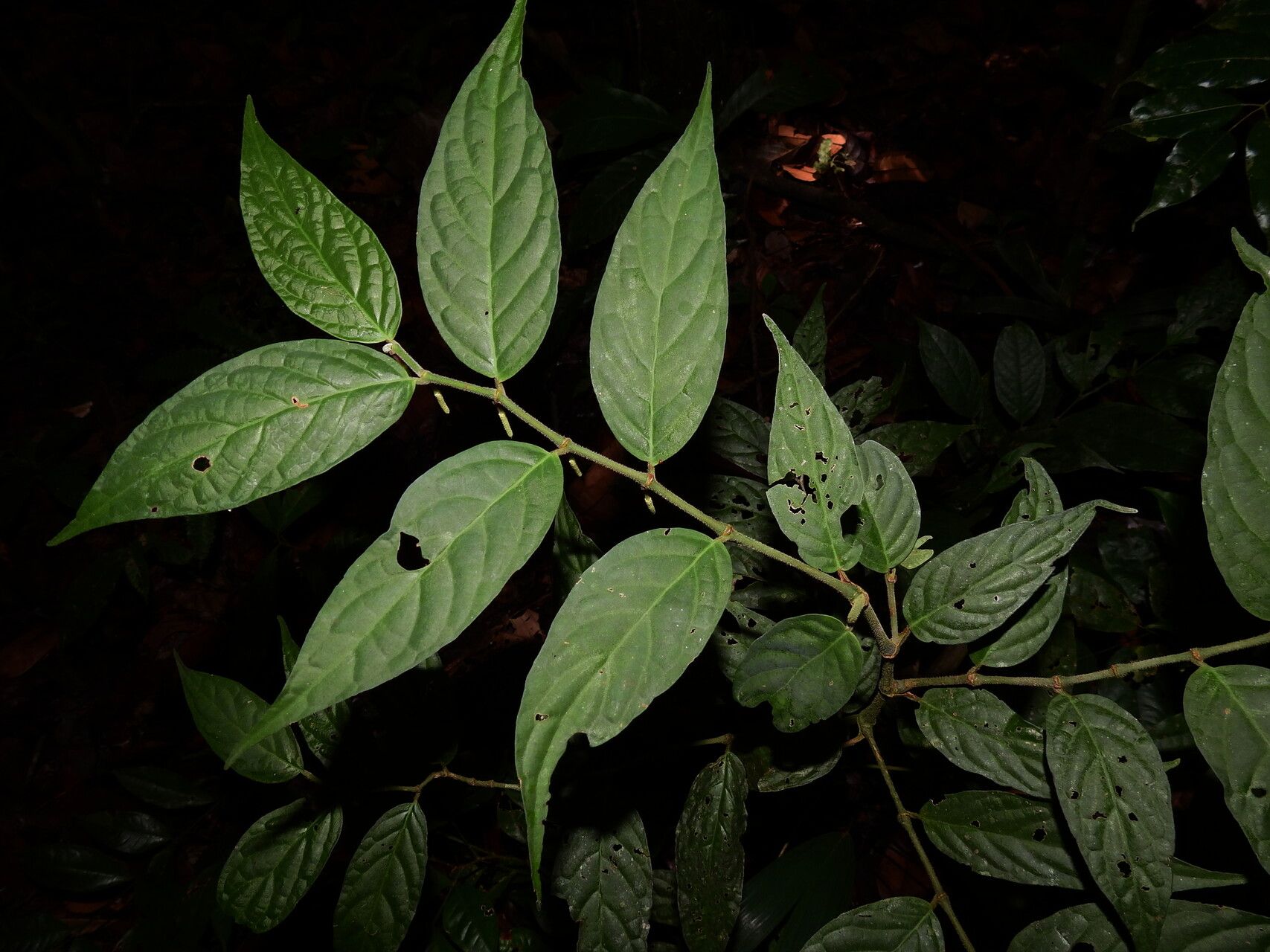
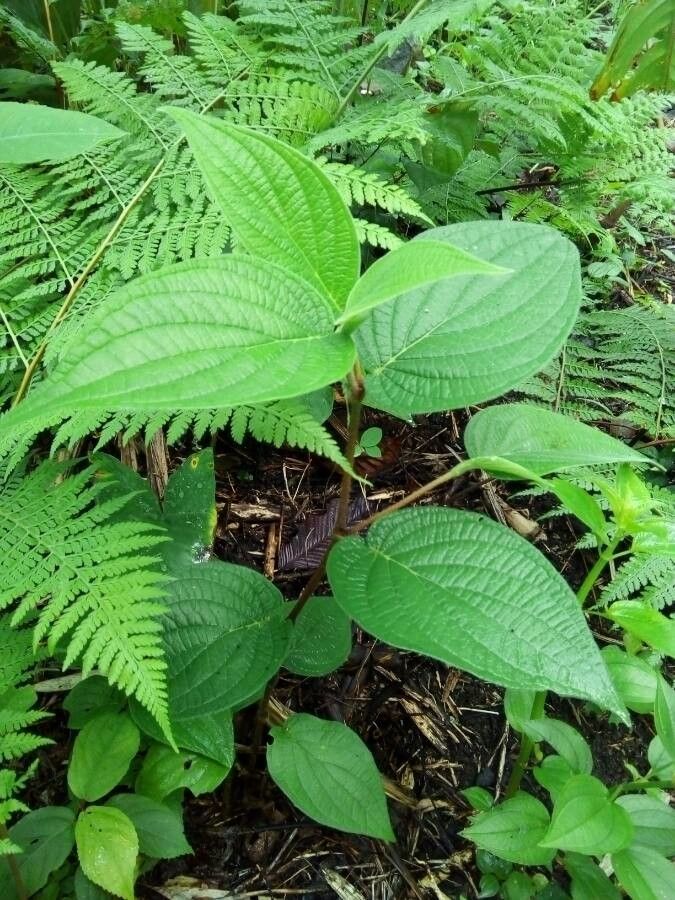
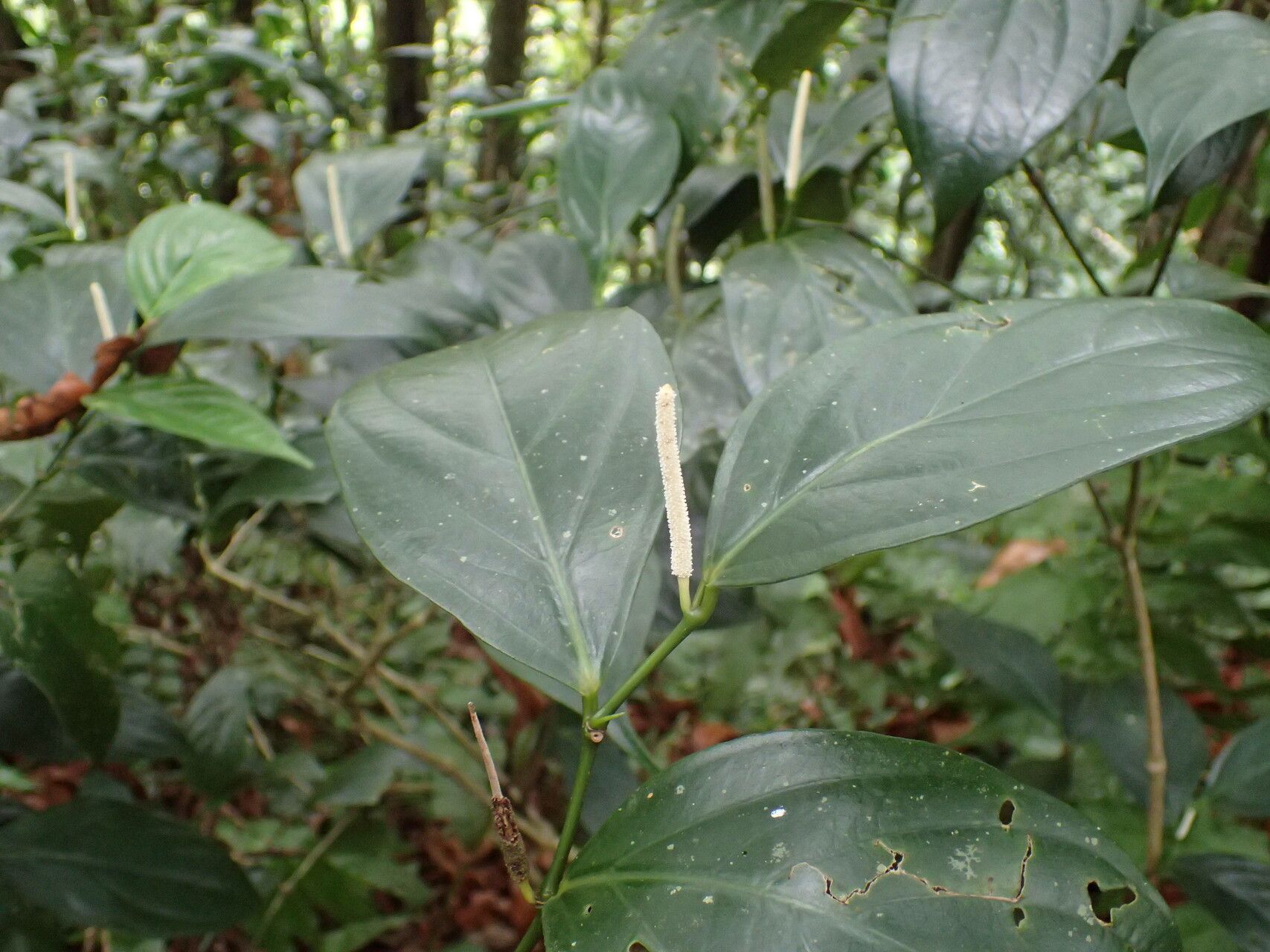
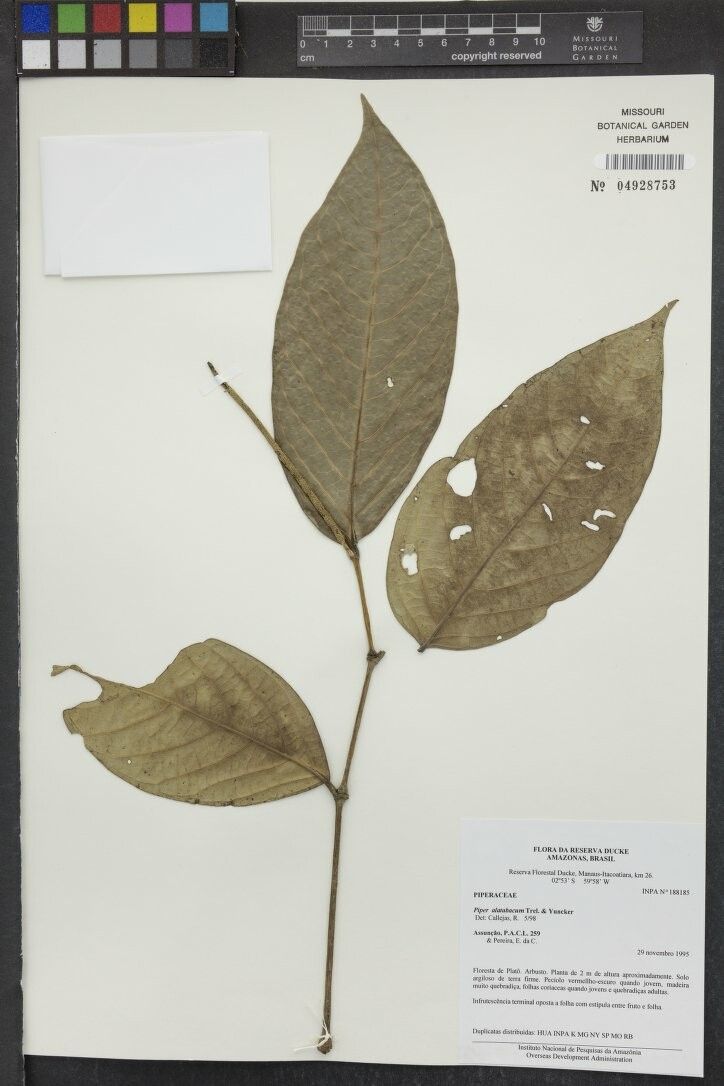
Black pepper is resistant to disease and generally not vulnerable to illnesses. As for care, this plant is fairly low-maintenance. When grown outdoors it needs only light watering, and larger plants typically do not need pruning. Smaller plants, however, should be pruned after they finish blooming. Black pepper is suitable for anyone with an outdoor area, such as a garden or deck, and does not require much gardening experience.
How to keep Piper Baccatum.
Light
Black pepper usually prospers with a combination of sunlight and shade, having a greater preference for the shade. Although it can withstand a lot of light, it primarily thrives in areas where it's protected from continuous sun exposure. Excessive or insufficient sunlight could hinder its proper development.
Temperature
Black pepper originates from a tropical environment, flourishing in temperatures that span from 68 to 100°F (20 to 38°C). To ensure its best growth, these conditions must be sustained throughout the year and watched for seasonal variations. During chillier times, adjustments might be necessary.
Fertilizer
Select natural fertilizers such as fish emulsion or compost, instead of synthetic ones for Black pepper. Supply increased amounts of nitrogen and phosphorus to juvenile plants in the spring season. Add compost or fertilizer either before or after planting. For fully-grown plants, use a balanced fertilizer or one specifically designed to address nutrient deficiencies in the spring. A lack of nutrients can result in smaller leaves, shorter branches, leaves turning yellow or bronze, sour fruits, early fruit drop, and splitting.
Botanical profile.