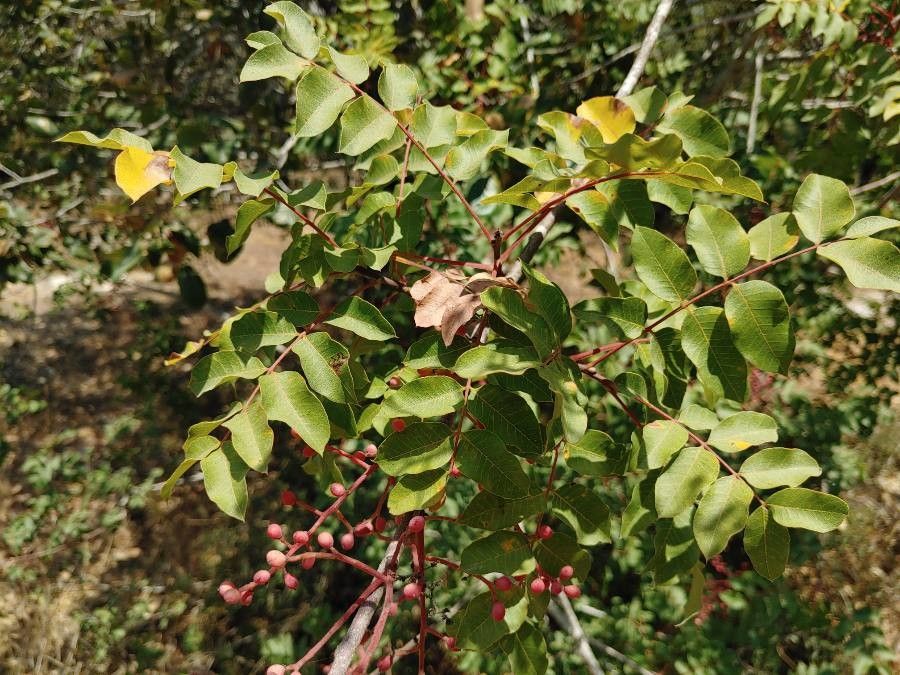
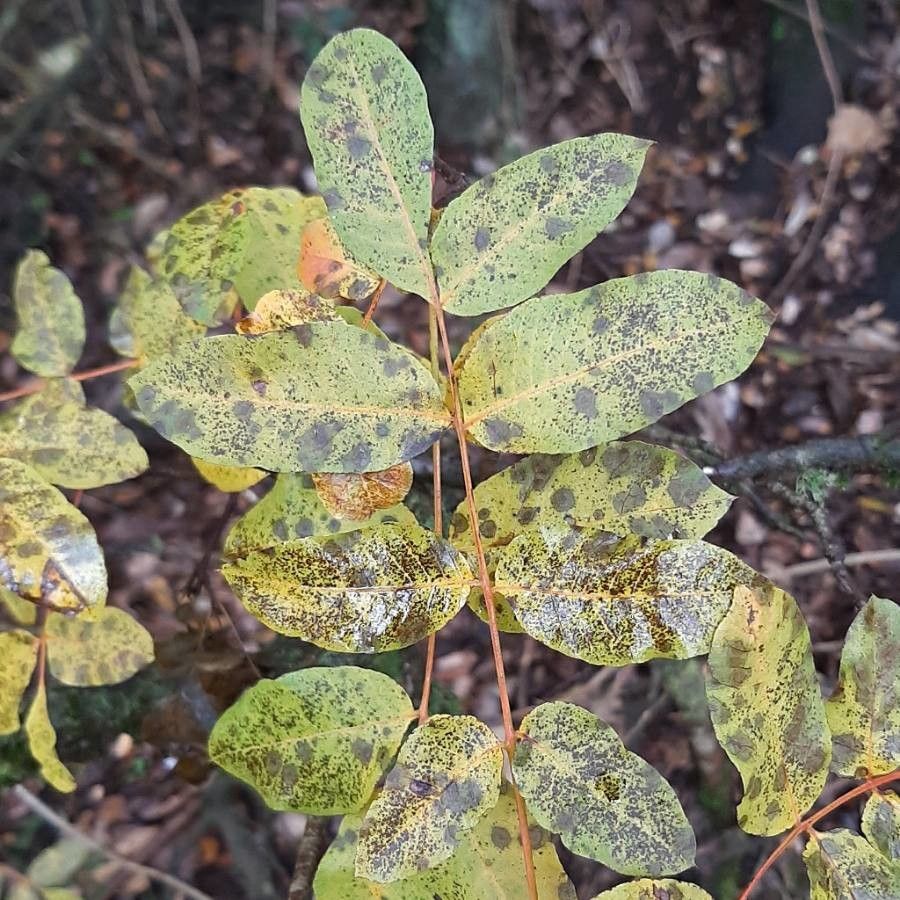
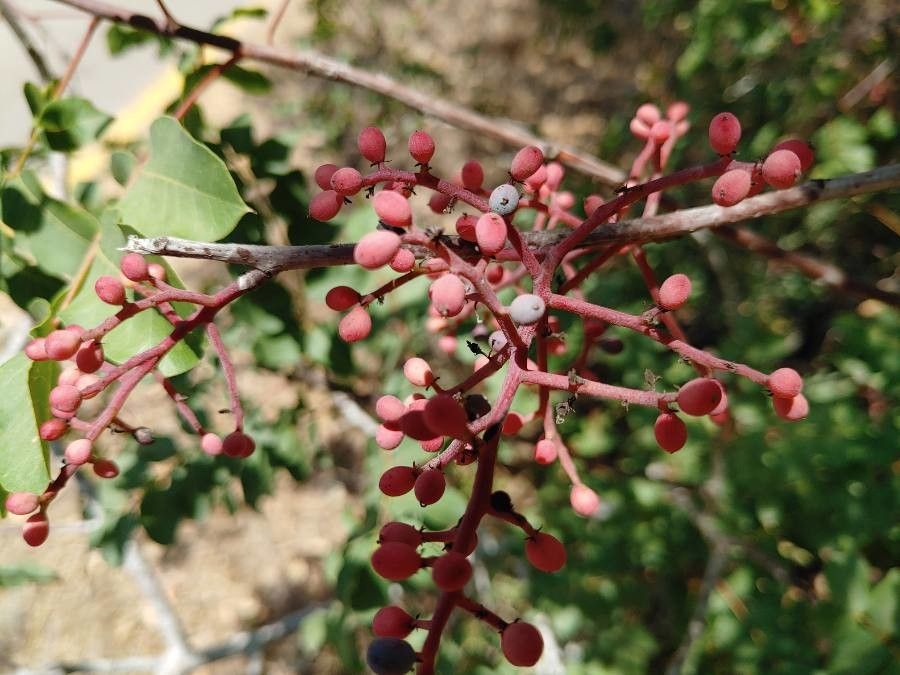
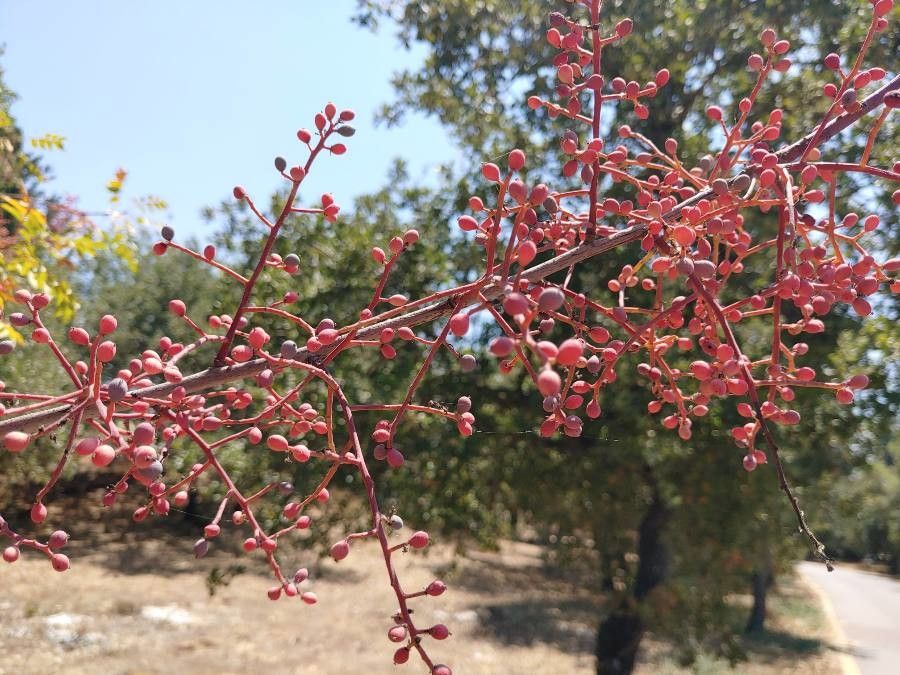
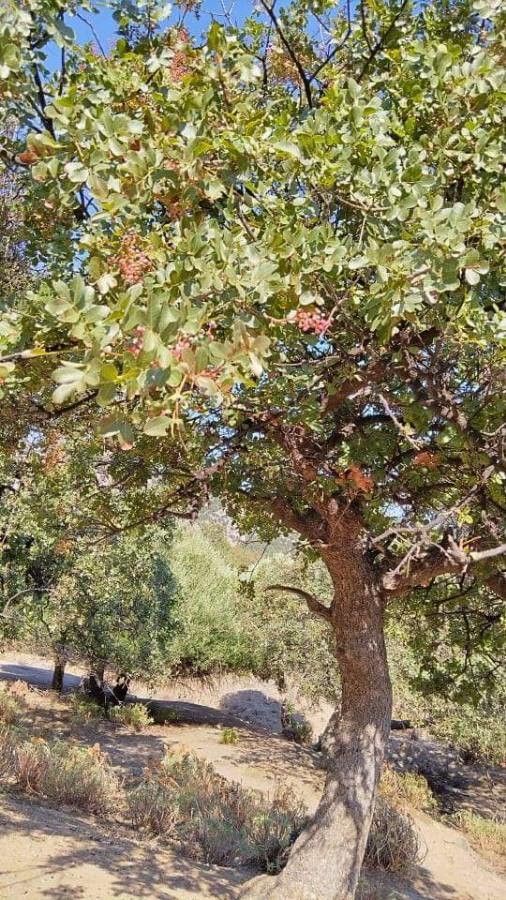
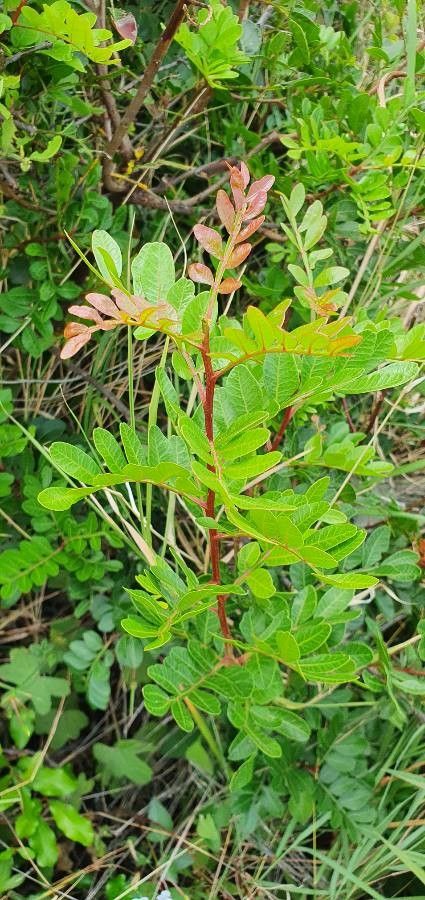
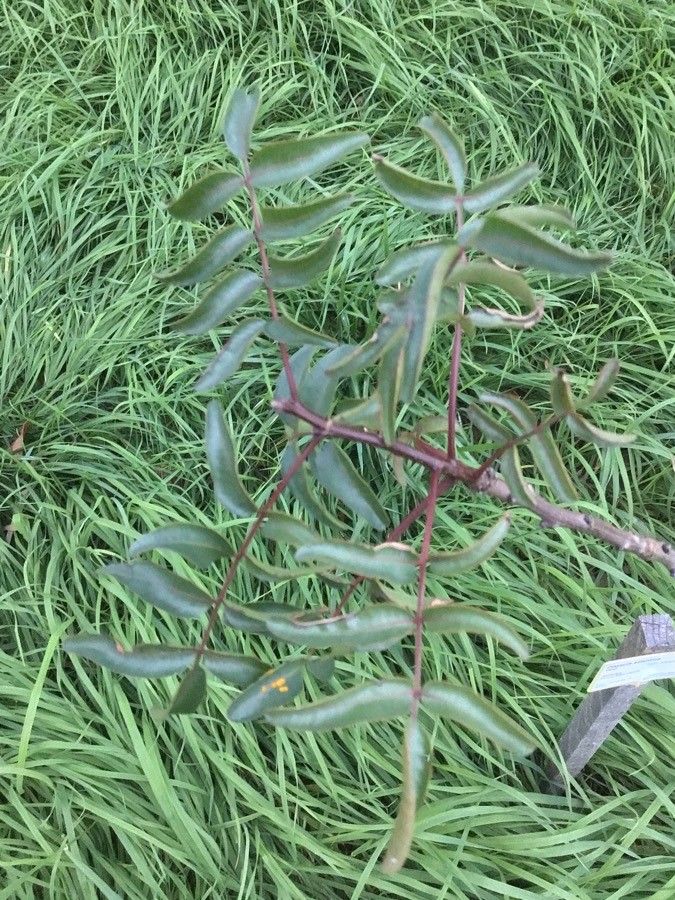
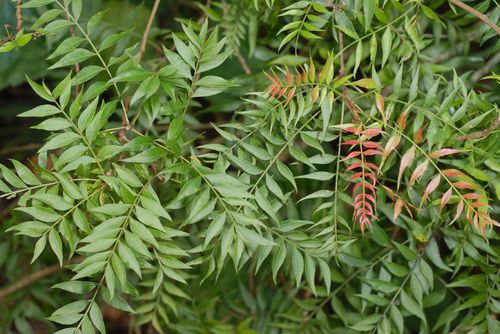
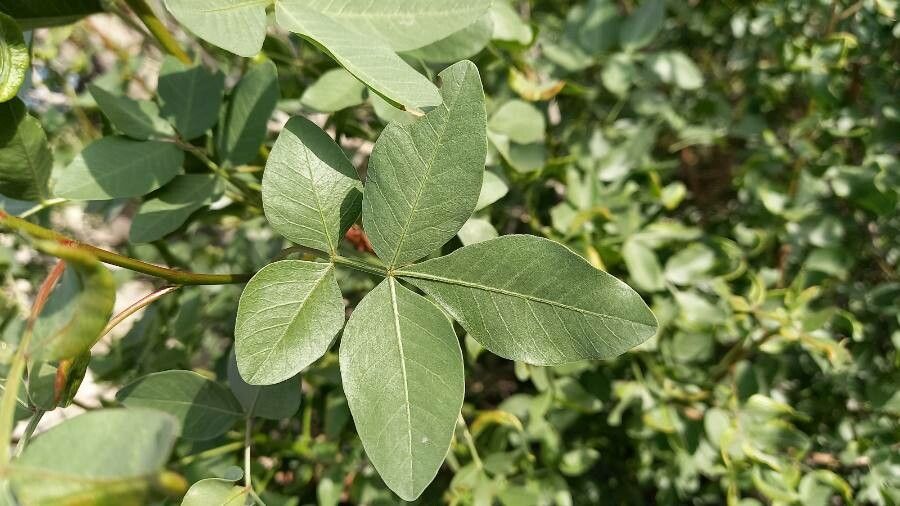
Pistacia terebinthus also called the terebinth and the turpentine tree, is a deciduous tree species of the genus Pistacia, native to the Mediterranean region from the western regions of Morocco and Portugal to Greece and western and southeastern Turkey. At one time terebinths growing on the eastern shores of the Mediterranean Sea (in Syria, Lebanon and Israel) were regarded as a separate species, Pistacia palaestina, but these are now considered to be a synonym of P. terebinthus.
The terebinth has strong disease resistance and is usually not susceptible to illnesses. In terms of care, this plant is fairly low-maintenance. When grown outdoors it needs only minimal watering, and larger specimens generally do not require pruning. Smaller plants, however, should be pruned after they finish blooming. The terebinth tree is appropriate for anyone with outdoor space, such as a garden or deck, and does not demand much gardening experience.
How to keep Pistacia Palaestina.
Light
Terebinth tree grows best in full sun and is least tolerant of its absence. Native to warm surroundings, this plant thrives with a large amount of sunlight each day. Excessive shade hinders healthy growth, whereas abundant sunlight causes no problems.
Temperature
The Terebinth tree is native to regions with moderate temperatures, about 59 to 100.4˚F (15 to 38˚C). It does well in these conditions, so keeping temperatures within this range is recommended. Seasonal fluctuations should be monitored and adjusted as necessary to remain within these limits.
Fertilizer
Fertilize your Terebinth tree in early spring to encourage healthy growth. Regular fertilization improves overall health, leading to vigorous growth, increased tolerance of harsh conditions, and stronger resistance to diseases and pests. Maintain a consistent fertilization schedule for your Terebinth tree to ensure the foliage stays vibrant, richly colored, and lush in appearance.
Botanical profile.
- Plant Type
- Tree, Shrub
- Life Cycle
- Perennial
- Genus
- Pistacia
- Family
- Anacardiaceae
- Hardiness Zone
- 8-11
- Mature Height
- 2.44 m to 6.1 m
- Mature Spread
- 6.1 m
- Leaf Color
- Dark Green, Olive Drab
- Leaf Type
- Deciduous
- Flower Color
- Yellow, Pink, Green, Purple, Red
- Flower Size
- 15.24 cm
- Bloom Time
- Late spring, Early summer
- Planting Time
- Winter
- Harvest Time
- Mid summer, Late summer
- Native Area
- Saudi Arabia, Libya, Turkey, Tunisia, Montenegro, Cyprus, Bulgaria, Greece, Croatia, Slovenia, Morocco, Lebanon, Serbia, Syria, Italy, Spain, France, Albania, Algeria, Portugal
Other names.