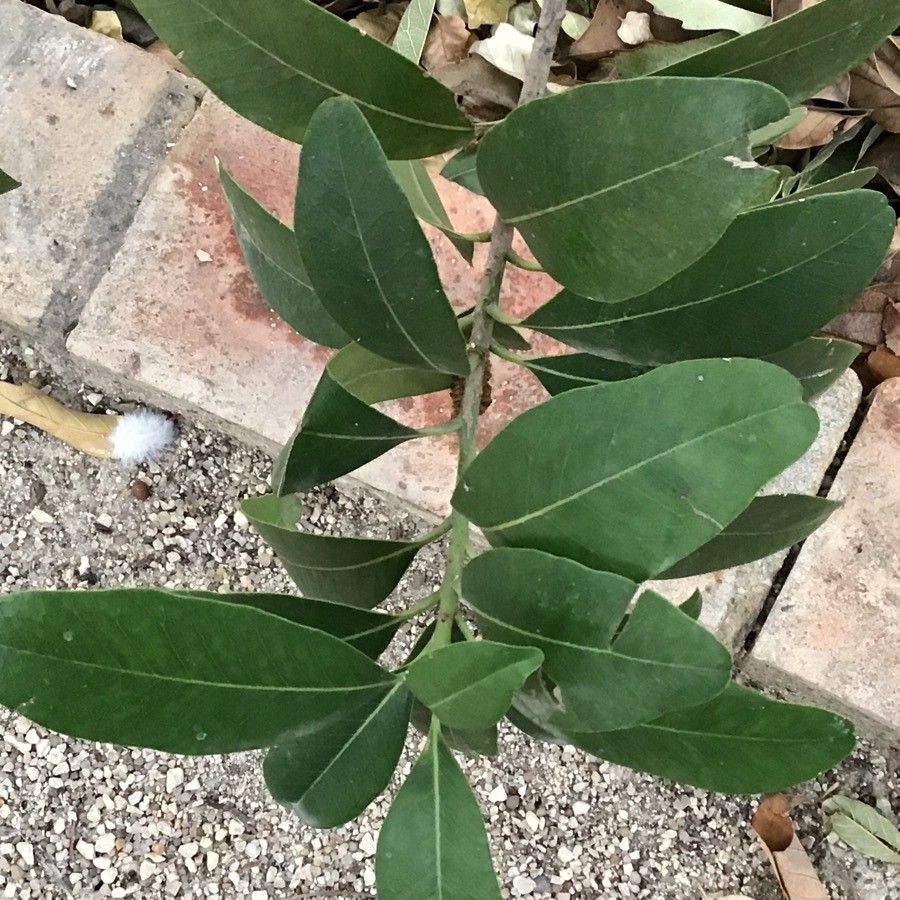
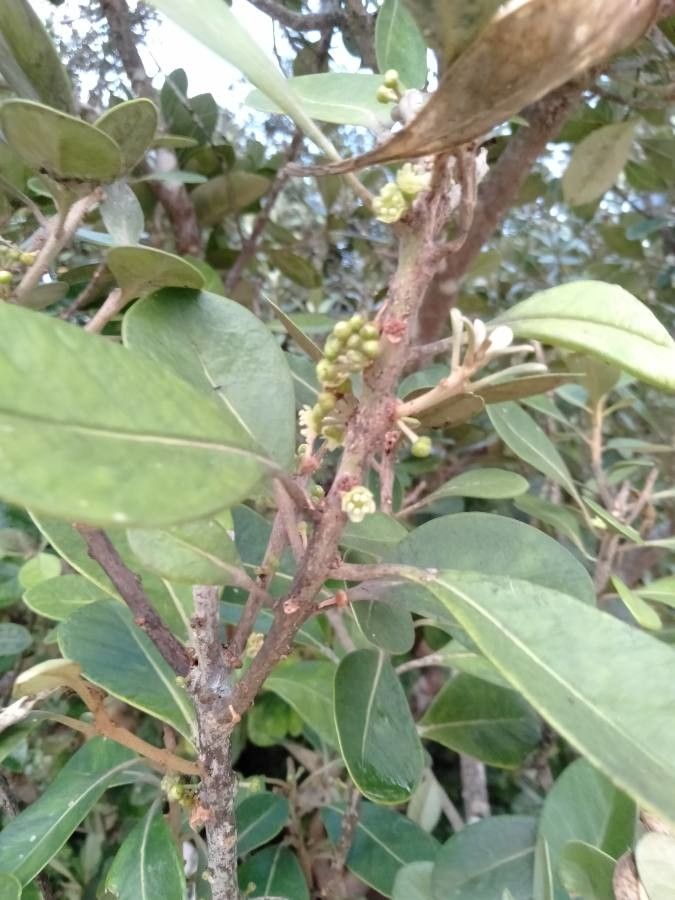
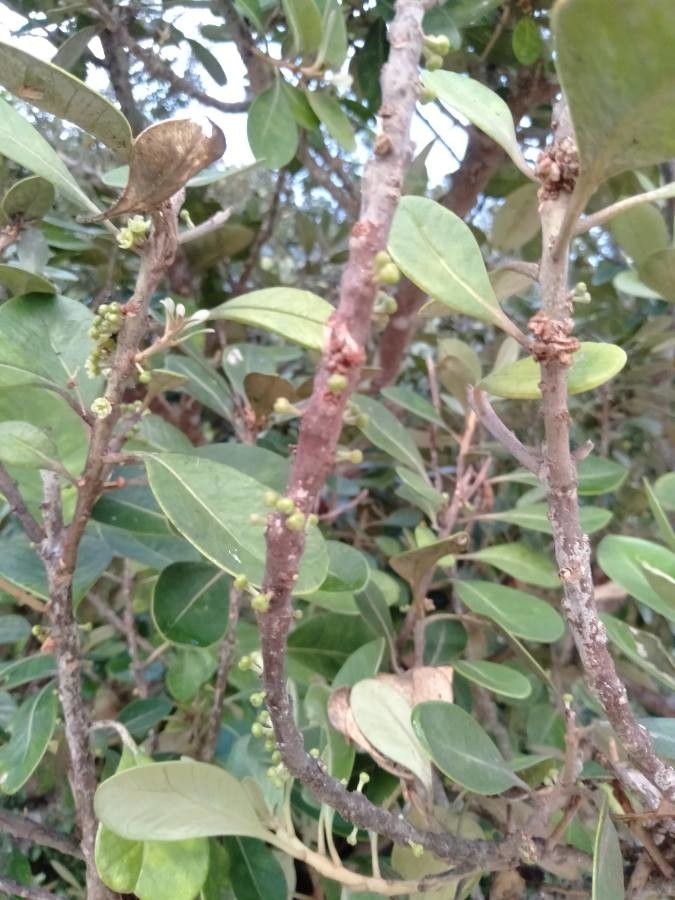
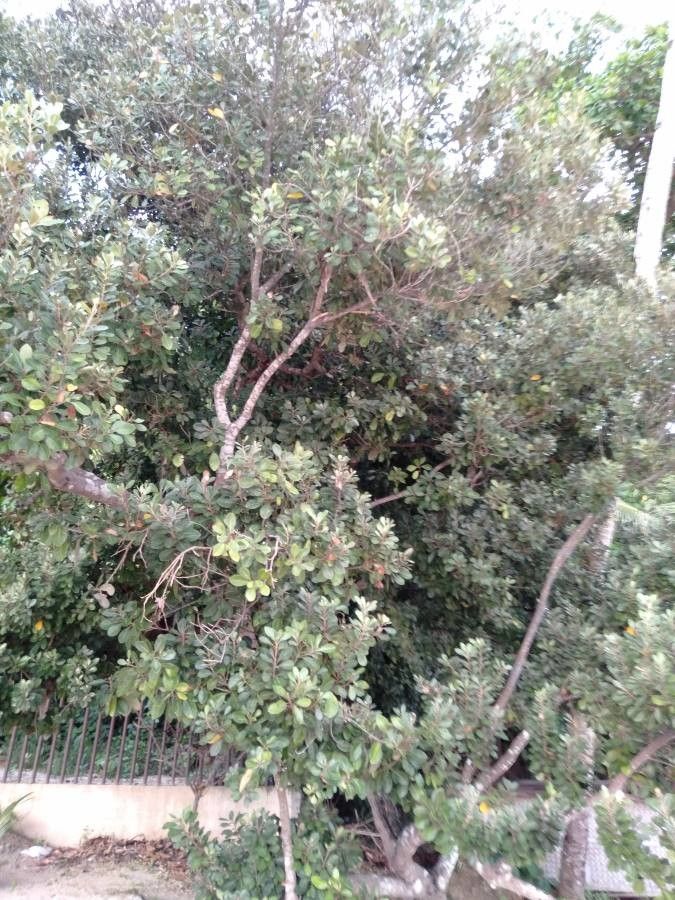
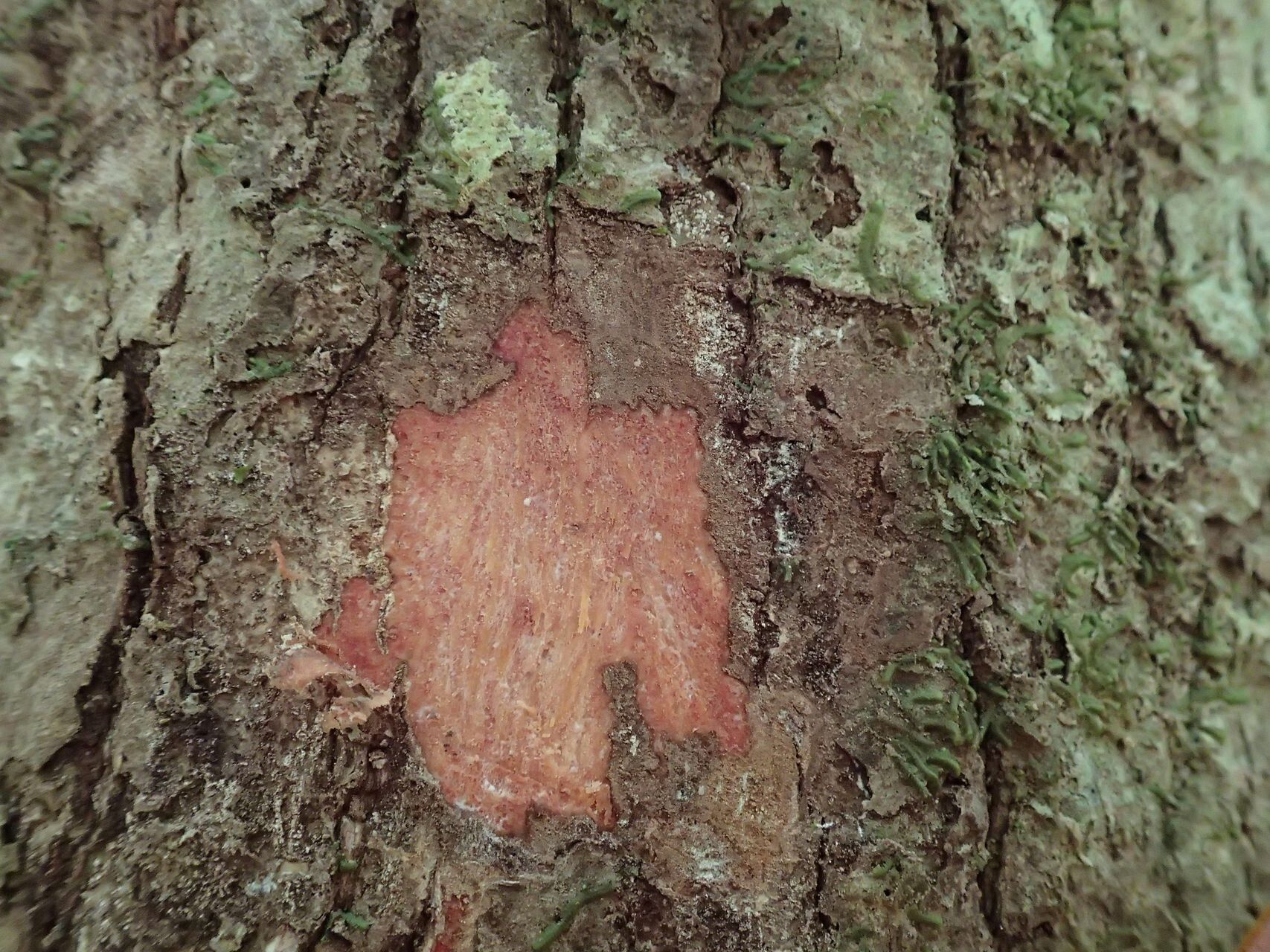
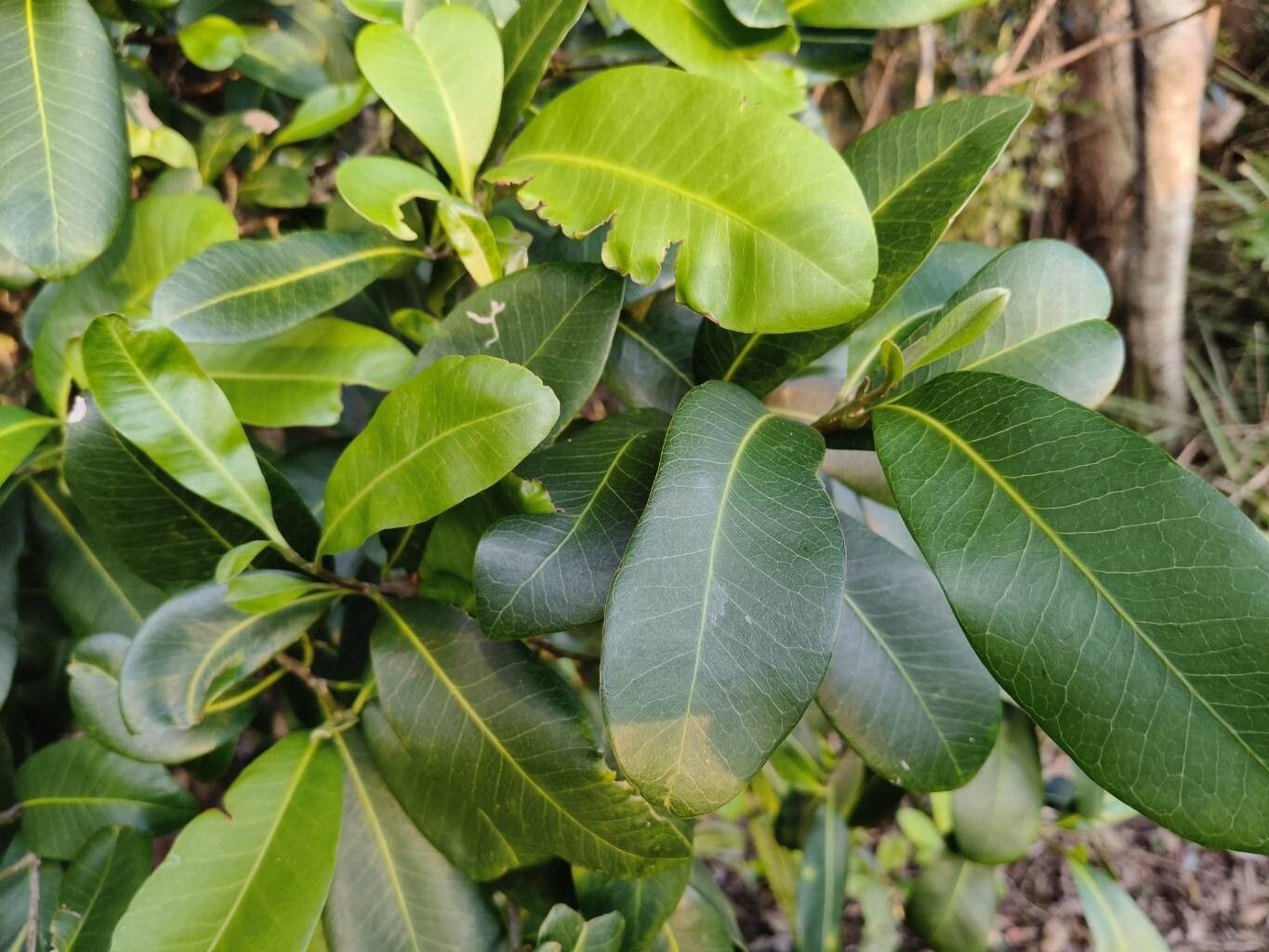
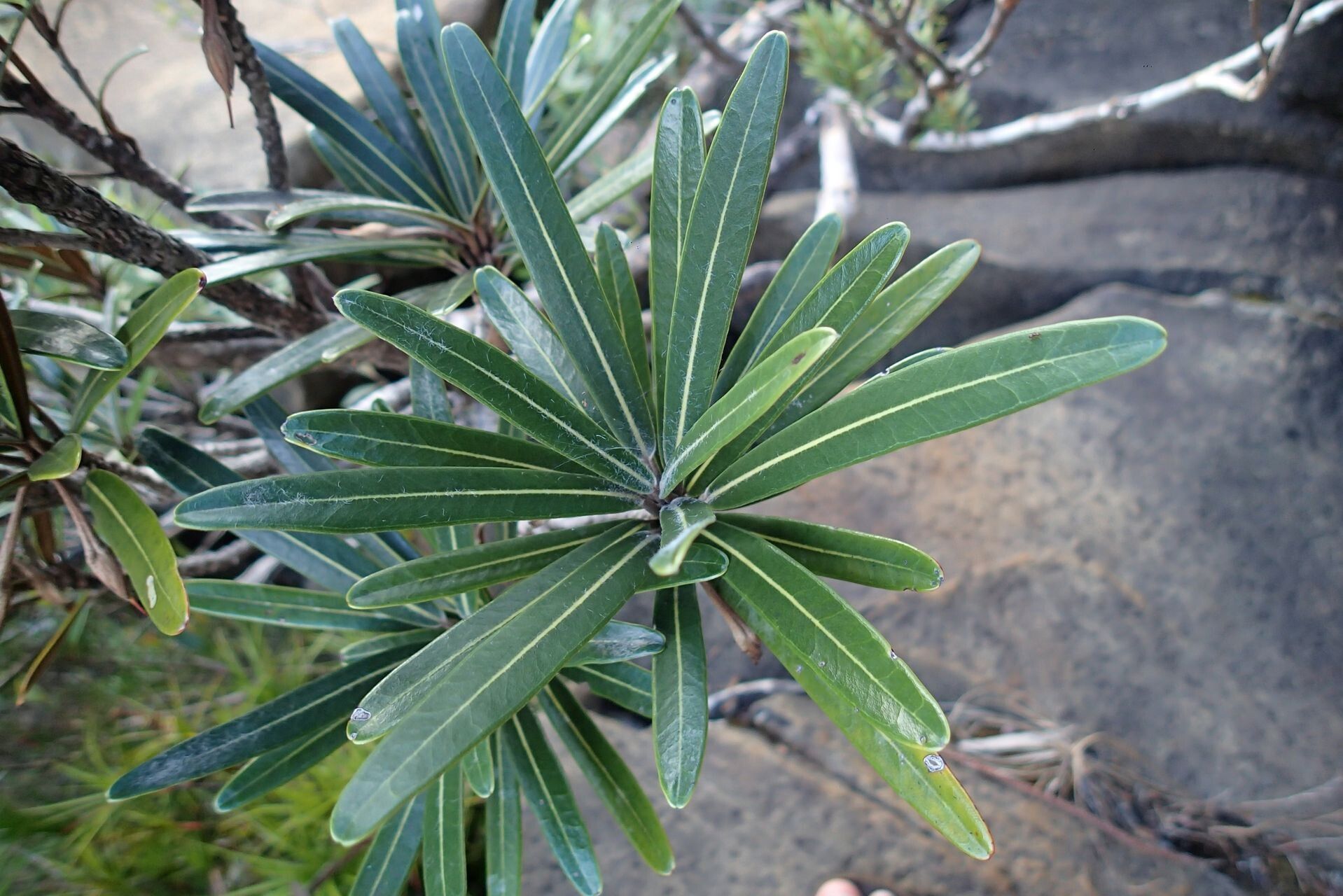
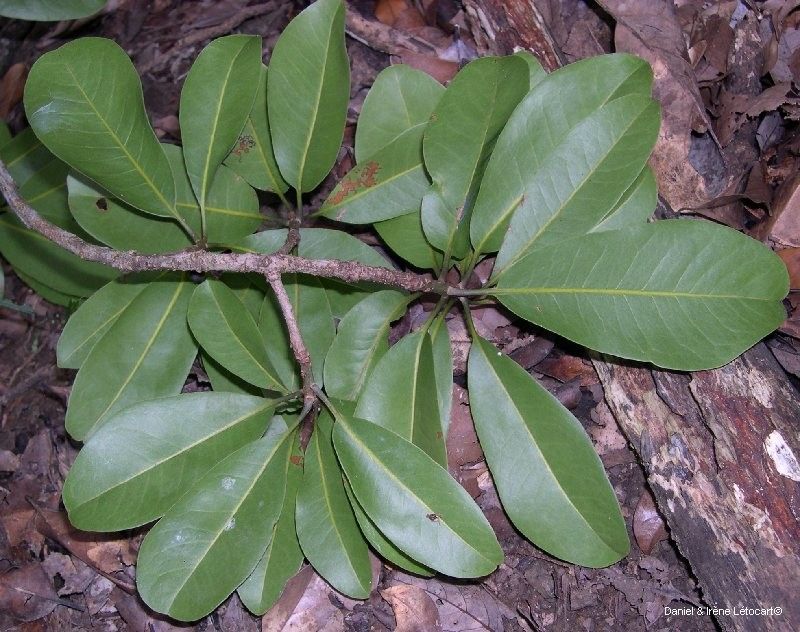
Planchonella obovata is a species of tree in the family Sapotaceae. The common name in Australia is the northern yellow boxwood. It occurs in many parts of south-east Asia, Micronesia, and on islands of the Indian Ocean, and has local common names there.
Lalaha is resistant to disease and typically does not suffer from health problems. As for care, this plant is fairly low maintenance. When grown outdoors it needs only light watering, and larger specimens usually do not need pruning. Smaller plants, however, should be trimmed after they finish flowering. Lalahat is suitable for anyone with an outdoor area, such as a garden or deck, and does not require extensive experience in plant care.
How to keep Planchonella Obovata.
Light
Lalaha thrives in bright, sunlit areas and develops healthy, vigorous growth. This sun-loving plant comes from environments where sunlight freely bathes its foliage. Insufficient light or too much sun can lead to stunted growth or scorched leaves.
Water
Lalaha thrives in consistently moist environments, which is typical of its origins in humid, tropical climates. It requires watering every 2-3 weeks. For best results, cultivate lalaha outdoors, where it can benefit from natural rainfall to support optimal water uptake during its growth cycles.
Temperature
Lalaha is native to habitats where temperatures typically range from 68 to 95 °F (20 to 35 ℃). It performs best within that temperature range. Adjustments may be necessary to protect lalaha from extreme heat or cold.
Fertilizer
Choose organic fertilizers (e.g., fish emulsion, compost) instead of chemical fertilizers for Lalaha. Provide higher nitrogen and phosphorus to young plants during spring. Incorporate compost or fertilizer before or after planting. For mature plants, supplement in spring with a balanced fertilizer or one targeted to a specific deficiency. Nutrient deficiency causes small leaves, short branches, yellow/bronze leaves, acidic fruits, premature fruit fall, and splitting.
Pruning
Lalaha has shiny, obovate leaves and benefits from pruning during its dormant period, which is between early and late winter. This practice helps reduce stress on the plant, encourages healthy regrowth, and improves both air circulation and light penetration. As a result, the plant's structural integrity is enhanced, and the risks of pests and diseases are minimized.
Botanical profile.
- Plant Type
- Tree
- Life Cycle
- Perennial
- Genus
- Planchonella
- Family
- Sapotaceae
- Hardiness Zone
- 10
- Mature Height
- 39.93 m
- Mature Spread
- 4.88 m to 10.06 m
- Leaf Color
- Dark Green
- Leaf Type
- Evergreen
- Flower Color
- White
- Flower Size
- 0.51 cm
- Bloom Time
- Summer
- Planting Time
- Spring, Summer, Autumn
- Harvest Time
- Late summer, Fall
Other names.
Reader questions.
What are the sunlight requirements for Lalaha plants?
Lalaha plants thrive in full sun, which means they require above 6 hours of sunlight daily to grow healthily. It's essential to monitor the movement of sunlight through your garden, ensuring plants are positioned in spots that offer a good balance of light and shade. This careful placement helps maintain plant happiness and vigor, as Lalaha originates from sun-drenched zones. Insufficient light or excessive sun can lead to issues such as stunted growth or leaf scorch, so finding the right exposure is crucial.
What is the optimal temperature range for Lalaha?
Lalaha, also known as Planchonella obovata, thrives in environments where the temperature typically ranges from 68 to 95 °F (20 to 35 °C). This temperature range is crucial for its best growth. In extreme heat or cold, protective adjustments are necessary for the well-being of Lalaha. Special care, such as bringing the plant indoors during autumn to avoid the cold and ensuring it's placed near a bright window but at a safe distance from heaters, helps in maintaining optimal growth conditions. Keeping the indoor temperatures above 20°C during winter is beneficial, while exposing the plant to temperatures near or below 5°C can be harmful.
How can I use artificial lighting for Lalaha plants indoors?
When natural sunlight is not sufficient, especially during winter or in less sunny spaces, artificial lighting becomes crucial for Lalaha plants' growth. Optimal growth under artificial light requires selecting the right type of light, like LED lights, which can be customized to match the specific wavelengths needed by plants. For full sun plants, 30-50W/sq ft of light is needed, while partial sun and full shade plants require 20-30W/sq ft and 10-20W/sq ft respectively. The light source should be placed 12-36 inches above the plant, simulating natural sunlight's intensity and distance. Additionally, the duration of artificial light should mimic natural daylight hours, usually between 8-12 hours per day, to promote healthy growth.
How does low temperature affect Lalaha and what are the solutions?
Lalaha is not tolerant of low temperatures and prefers environments warmer than 20°C, particularly during winter when temperatures should remain above 5°C. Exposure to temperatures below 1°C may cause the leaves to lighten in color, which after frost damage, gradually turns brown or black. Symptoms such as wilting and drooping may also occur under such conditions. To mitigate these effects, it's recommended to trim off frost-damaged parts and immediately move the plant to a warmer indoor setting for protection from the cold. Placing Lalaha near a south-facing window ensures ample sunlight, but it should be kept away from direct heat sources like heaters or air conditioning vents to avoid excessive dryness.
What are the symptoms of light deficiency in Lalaha plants?
Lalaha plants exhibit several symptoms when they suffer from light deficiency. These symptoms include the growth of smaller new leaves compared to mature ones, leggy or sparse growth with longer spaces between leaves or stems, faster leaf drop, slower or halted new growth, development of lighter-colored new leaves, and the occurrence of chlorosis, sunscald, leaf curling, wilting, and leaf scorching. These symptoms are typically more noticeable when the plant is cultivated indoors during winter, in areas with insufficient lighting. Addressing these symptoms promptly by adjusting the plant's light exposure is key to ensuring its healthy growth and development.
What are the implications of high temperature on Lalaha and what measures should be taken?
When Lalaha is exposed to temperatures exceeding 35°C during the summer, the plant becomes more vulnerable to issues like sunburn, with the leaves' color becoming lighter. Specifically, when the temperature surpasses 41°C, the risks increase significantly. To address high temperature exposure, trim the sunburned and dried-up parts of the plant. Relocate Lalaha to a shaded area, particularly one protected from the midday and afternoon sun, to prevent further sunburn. Watering the plant during the cooler parts of the day, such as morning and evening, is essential to maintain soil moisture and alleviate the effects of high temperatures.
What solutions can be implemented to address light deficiency in Lalaha plants?
To combat light deficiency in Lalaha plants, gradual adjustments to their light exposure are recommended. For indoor plants, gradually moving them to a sunnier location or employing artificial light such as desk or ceiling lamps, or professional plant grow lights for at least 8 hours daily can significantly improve their condition. Outdoors, transitioning plants to areas of more intense sunlight over several weeks helps prevent sunburn while adapting them to increased light levels. Additionally, minimizing obstructions like pruning trees or relocating plants to sunnier areas can enhance light availability. It's important to note that parts of the plant already affected by insufficient sunlight may not fully recover, but new growth will be healthy with improved light conditions.