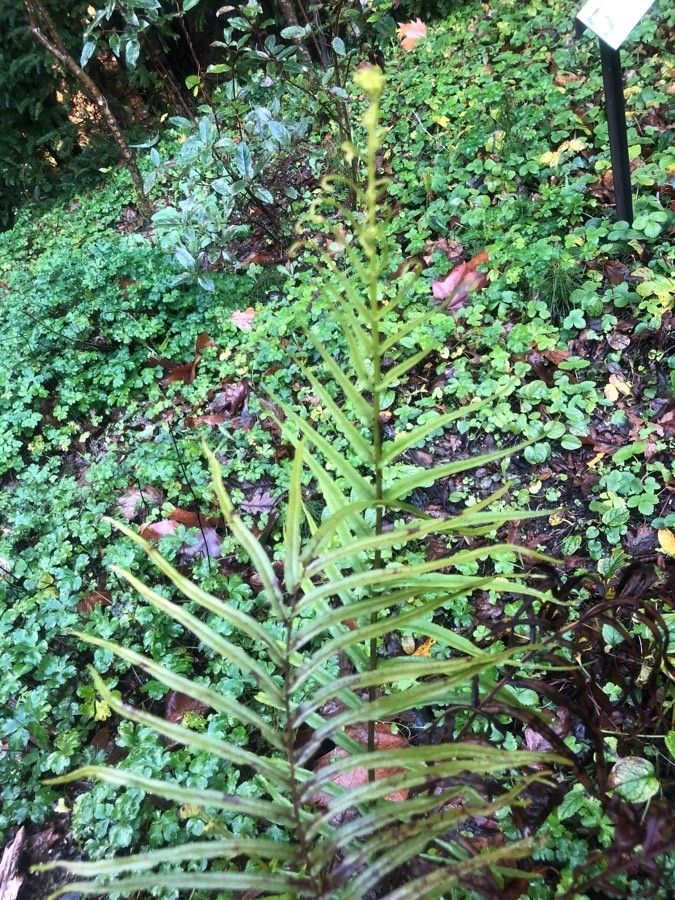
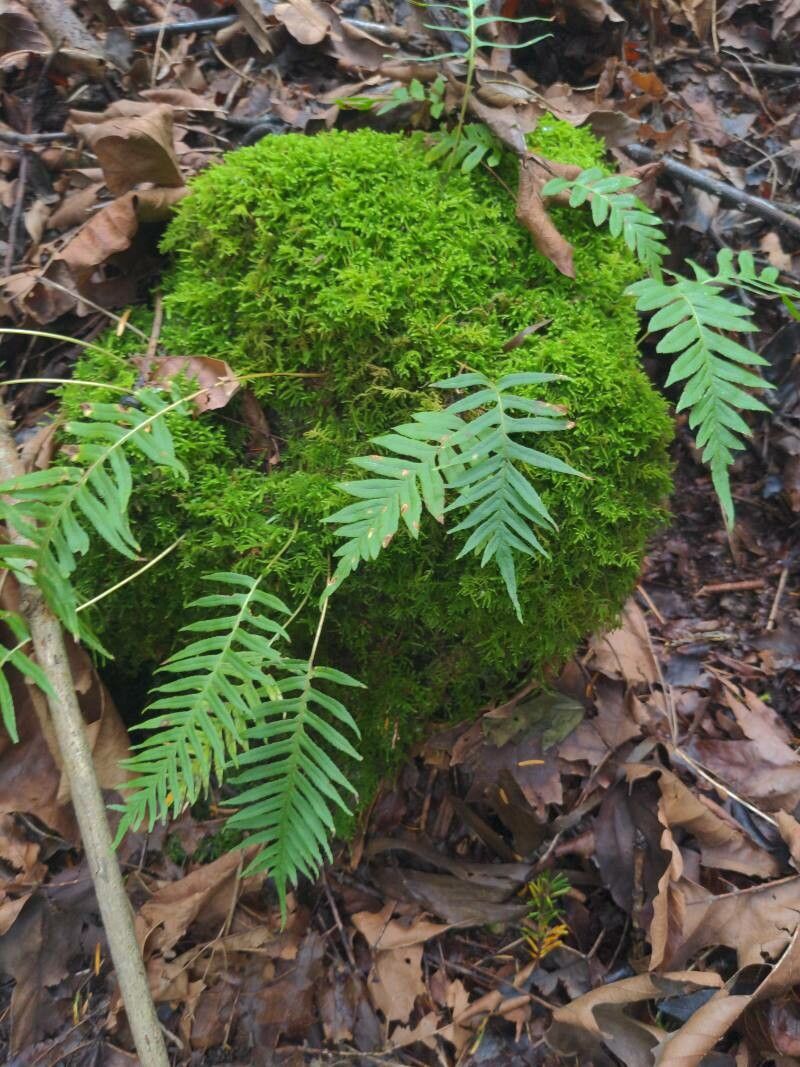
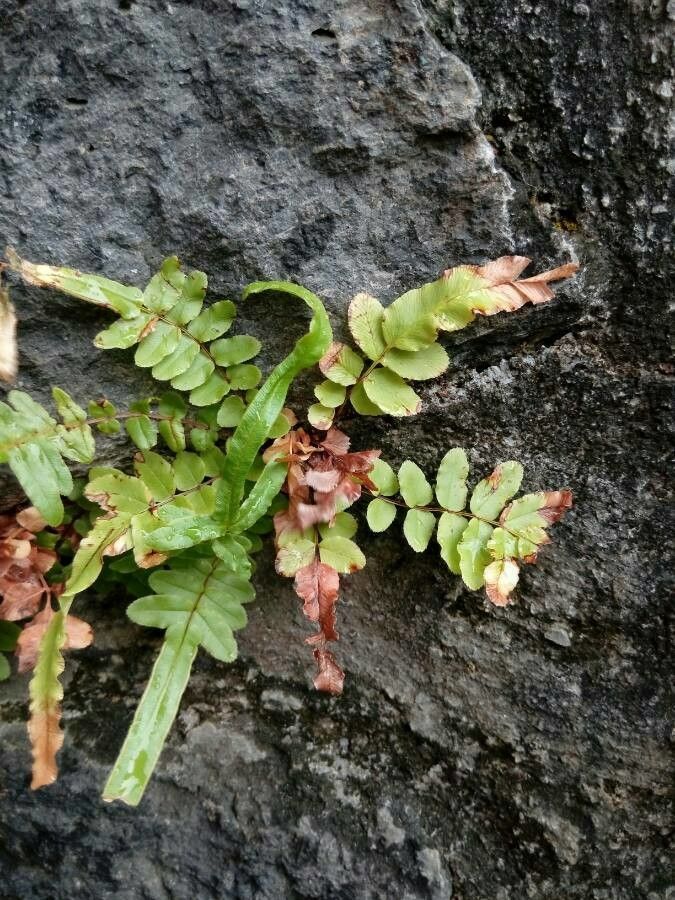
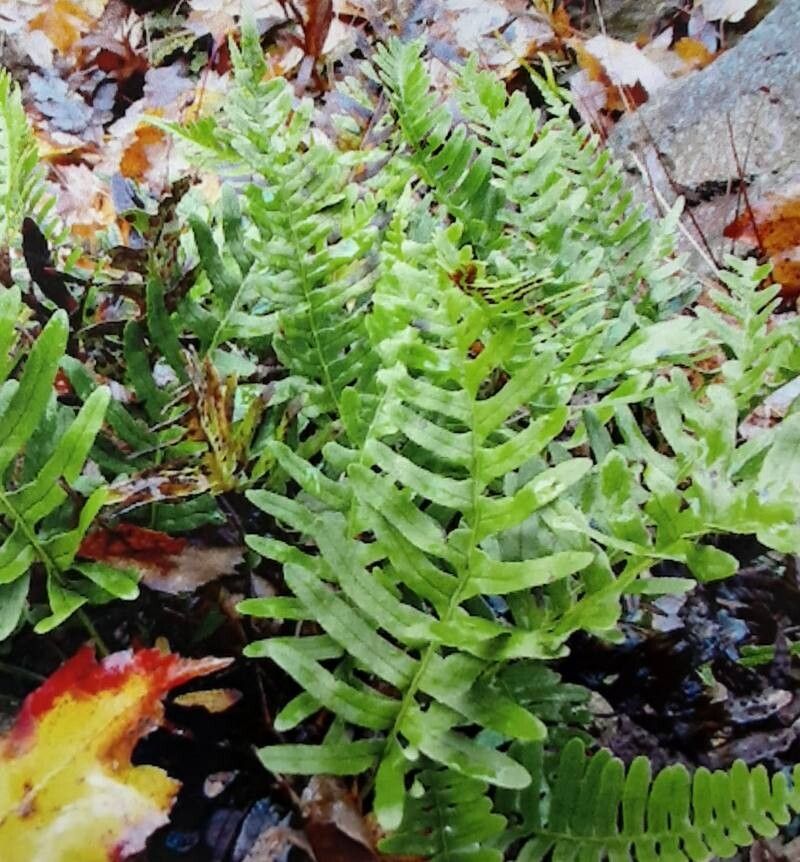
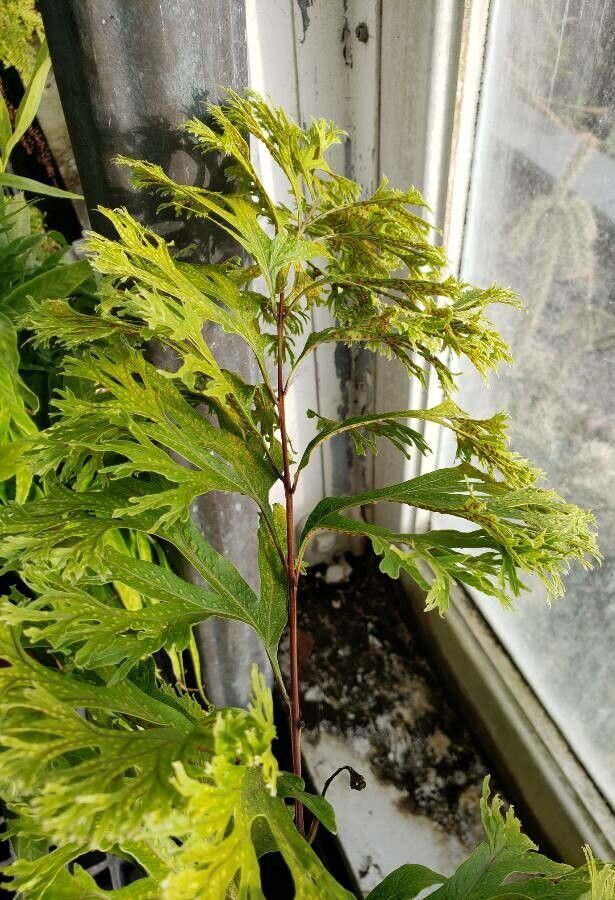
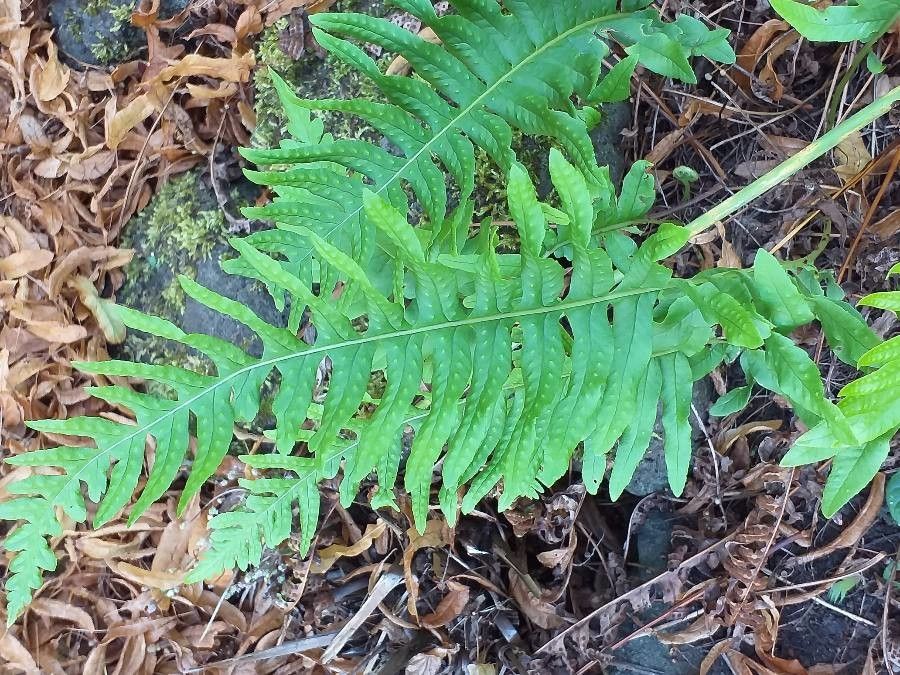
Polypodium glycyrrhiza, commonly known as licorice fern, many-footed fern, and sweet root, is a summer deciduous fern native to western North America, where it is found in shaded, damp locations. Spores are located in rounded sori on the undersides of the fronds, and are released in cool weather and high humidity.
Licorice Fern shows strong resistance to disease and is generally unlikely to develop illnesses. Still, it can be vulnerable to pests and diseases present in its environment. When infections occur, they tend to be mild. Regarding maintenance, this plant needs a moderate level of care. It should be trimmed regularly to preserve an attractive appearance and encourage healthy growth. Applying fertilizer can also assist in encouraging it to flower. Licorice Fern is appropriate for anyone with outdoor areas like a garden or patio and does not demand extensive plant-care experience. If cultivated indoors, it may require more attentive care.
How to keep Polypodium Glycyrrhiza.
Light
Licorice Fern is a plant adaptable to sunlight that does best with moderate sun exposure but can also tolerate lower light levels. In its natural habitat it is commonly found growing beneath the partial or filtered light of tree canopies. Maintaining a proper balance of light is important because too much sun can dry it out, while too little can restrict its growth.
Water
Licorice Fern flourishes on damp forest floors, so it needs weekly watering to keep the soil consistently moist. It thrives in indirect light and stable conditions, making it an excellent choice for indoor growth. To mimic its naturally humid environment, regular misting is beneficial.
Temperature
The Licorice Fern naturally occurs in temperate climates and prefers temperatures of 50 to 95 °F (10 to 35 °C). Seasonal adjustments may be required to recreate this environment, especially during colder periods.
Fertilizer
One fertilizer application in spring is generally enough for Licorice Fern, although repeated feedings can boost growth. Feed it about every month to month and a half. Fertilizing improves the leaves’ appearance and function, helping keep an even color and healthy texture. It also promotes root development and nutrient uptake for the plant’s long-term health.
Pruning
Licorice Fern features bright green, leathery fronds and thrives in shady, moist environments. To keep the plant healthy, prune any dead or damaged fronds in early spring. In late spring, you can trim overgrown fronds to maintain their shape. Regular pruning enhances air circulation, but be careful not to prune too heavily, as this can stress the plant.
Botanical profile.
- Plant Type
- Herb
- Life Cycle
- Perennial
- Genus
- Polypodium
- Family
- Polypodiaceae
- Hardiness Zone
- 6-9
- Mature Height
- 40 cm
- Mature Spread
- 61 cm
- Leaf Color
- Green
- Leaf Type
- Evergreen, Semi-evergreen
- Bloom Time
- Fall
- Planting Time
- Spring, Summer
- Native Area
- Russia
Other names.
Reader questions.
What are the sunlight requirements for a Licorice Fern?
Licorice Fern needs a balanced approach to sunlight exposure. It thrives best with about 3-6 hours of sunlight daily, known as partial sun, but can also grow in conditions classified as full shade, where it receives less than 3 hours of direct sunlight. The natural habitat for Licorice Fern often provides partial or filtered sunlight beneath tree canopies. It's crucial to monitor the sunlight patterns in your garden to find spots that provide a mix of light and shade, ensuring the plant's overall well-being.
What is the origin and preferred temperature range for Licorice Fern?
The Licorice Fern originally comes from temperate climates and prefers a temperature range of 50 to 95°F (10 to 35°C). To ensure the plant thrives, it's important to adjust its environment seasonally, especially during colder periods to mimic its natural habitat.
How does artificial lighting benefit indoor Licorice Ferns?
Artificial lighting is essential for indoor Licorice Ferns, especially in areas with insufficient natural sunlight. Adequate lighting encourages healthier, more robust growth. LED lights are a popular choice because they can be tailored to provide specific wavelengths needed by the plants. For full sun plants, 30-50W/sq ft is recommended, 20-30W/sq ft for partial sun plants, and 10-20W/sq ft for full shade plants. The light source should be placed 12-36 inches above the plant, mimicking natural sunlight conditions, and the plants typically need 8-12 hours of light per day.
Does Licorice Fern require special frost protection measures during winter?
Licorice Fern has strong cold resistance, so it generally does not require special frost protection measures during the winter. However, if temperatures are expected to fall below -25°C, it's important to protect the plant by covering it with materials such as soil or straw. Additionally, watering the plant abundantly before the first freeze in autumn helps ensure the soil remains moist and enters a frozen state, which prevents drought and water scarcity for the plant during winter and early spring.
What symptoms indicate that a Licorice Fern is receiving insufficient light?
When a Licorice Fern is not getting enough light, several symptoms may appear: New leaves might grow smaller than usual, the plant could develop a leggy or sparse appearance due to longer spaces between leaves or stems, early leaf drop may occur as the plant tries to conserve resources, and growth may slow down or stop completely. Additionally, new leaves might appear lighter in color or develop irregular patterns due to chlorophyll and nutrient deficiencies, and the plant might suffer from conditions like chlorosis, sunscald, leaf curling, wilting, or leaf scorching.
How does low temperature affect Licorice Fern and what are the solutions?
Licorice Fern is cold-tolerant and usually thrives best when the temperature stays above 10°C. It should be kept above -15°C during winter. If the temperature falls below -25°C, there might not be noticeable changes during winter, but there may be a decrease in sprouting or no sprouting at all come springtime. The solution for any parts that have failed to sprout by spring is simply to remove them.
What are the recommended solutions for Licorice Ferns not getting enough sunlight?
Addressing insufficient sunlight for Licorice Ferns involves gradual adaptation to more suitable light conditions. For indoor plants, progressively shifting them to sunnier spots each week until they receive 3-6 hours of direct sunlight daily can help, as can using artificial light sources like desk or ceiling lamps for at least 8 hours a day. For outdoor plants, similarly, a gradual move to sunnier locations is advised to prevent sunburn. Reducing obstructions such as pruning trees or moving plants from shaded to sunlit areas can improve light exposure. If a plant has been significantly affected by low light, while damaged parts may not recover, new growth should be healthy once light conditions improve.
How does high temperature affect Licorice Fern and what are the solutions?
During the summer, it's crucial to keep the Licorice Fern's temperature below 35°C. Exceeding 38°C can cause the plant's leaves to lighten in color, become prone to curling, susceptible to sunburn, and in severe cases, the entire plant may wilt and dry out. To mitigate these issues, trim away the sunburned and dried-up parts. Moving the plant to a shaded location or using a shade cloth to protect it from midday and afternoon sun helps. Additionally, watering the plant in the morning and evening ensures the soil stays moist.