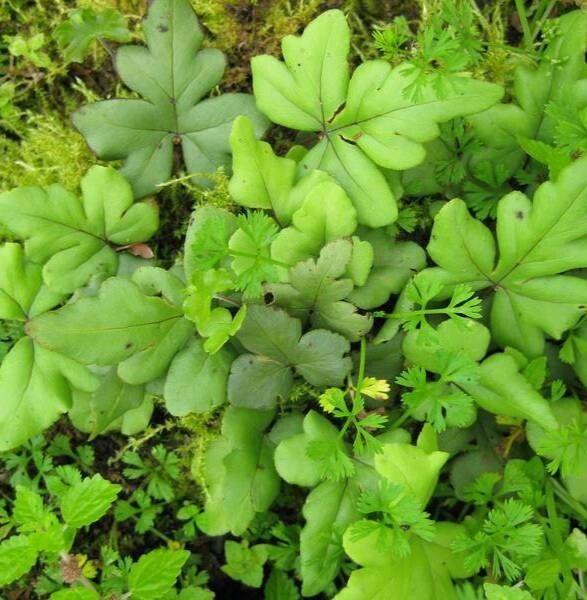
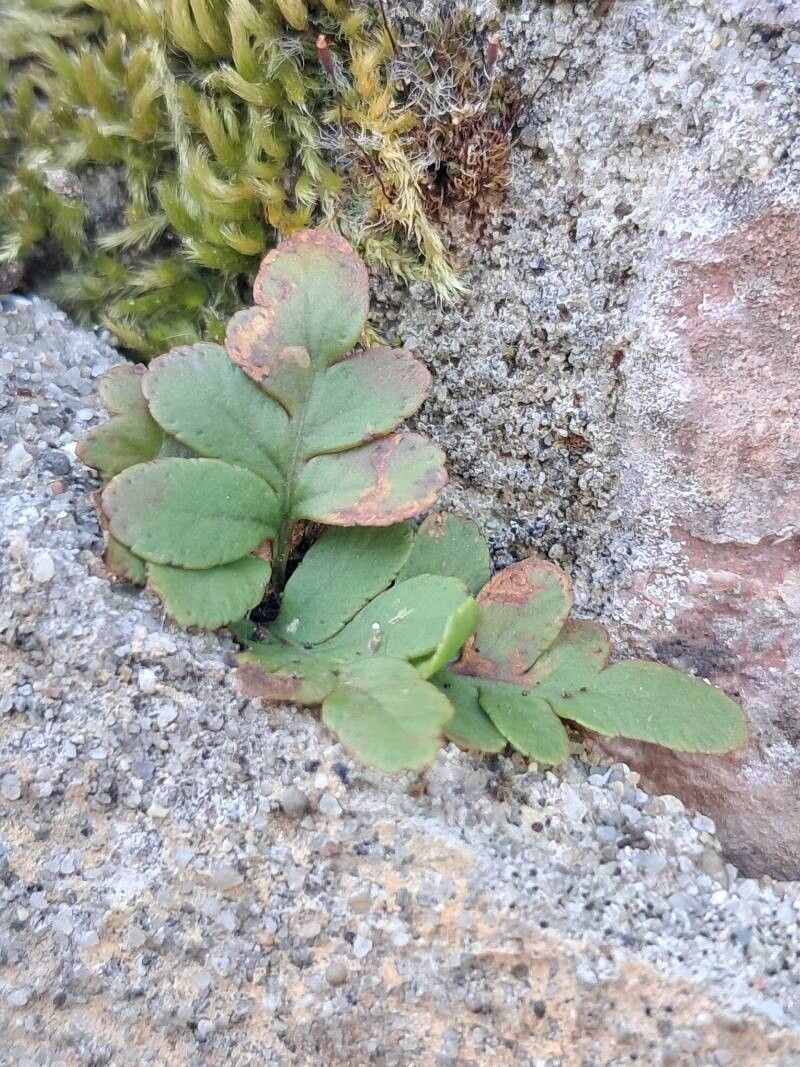
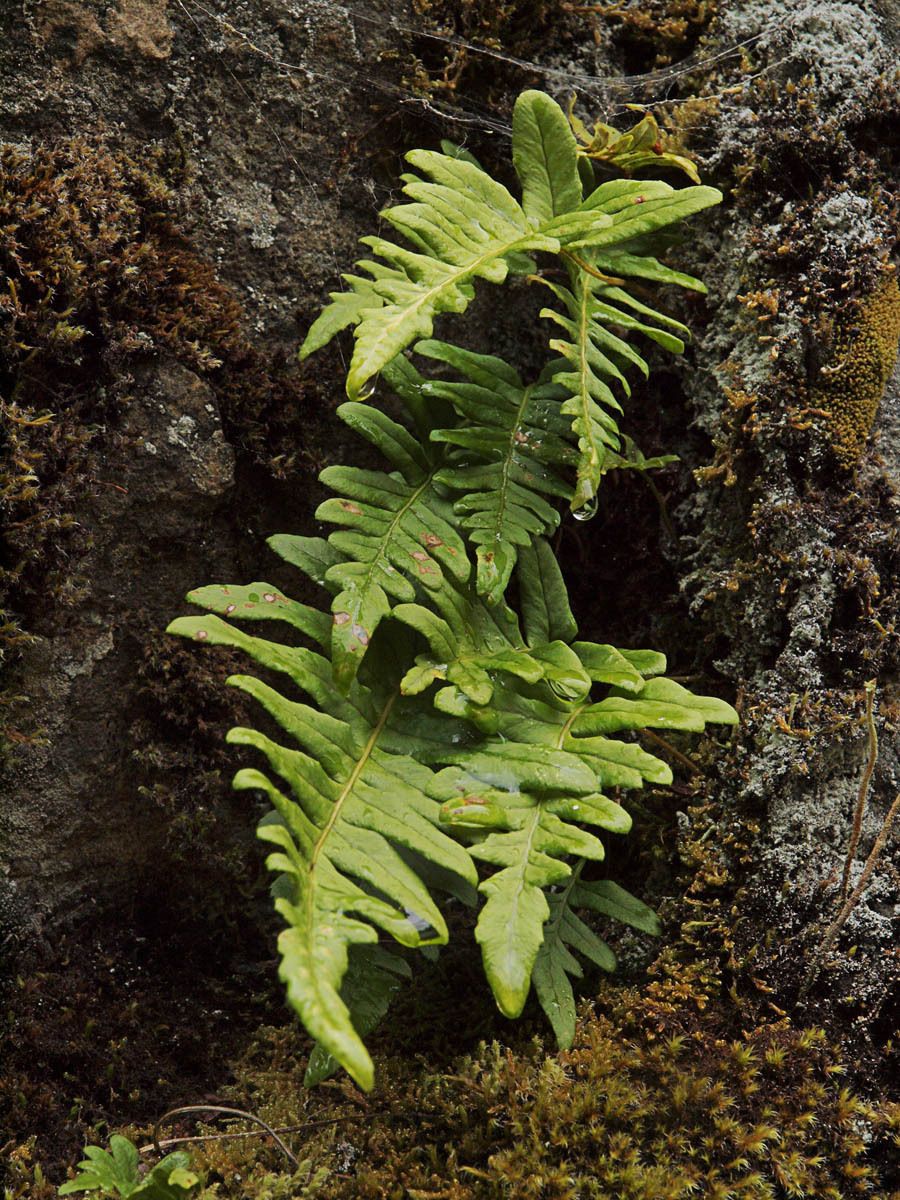
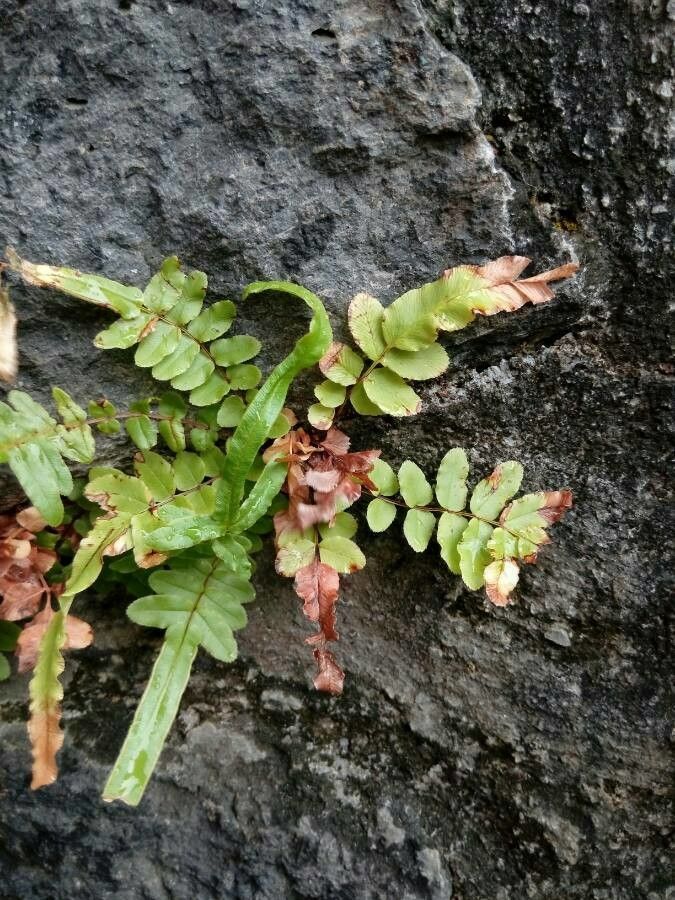
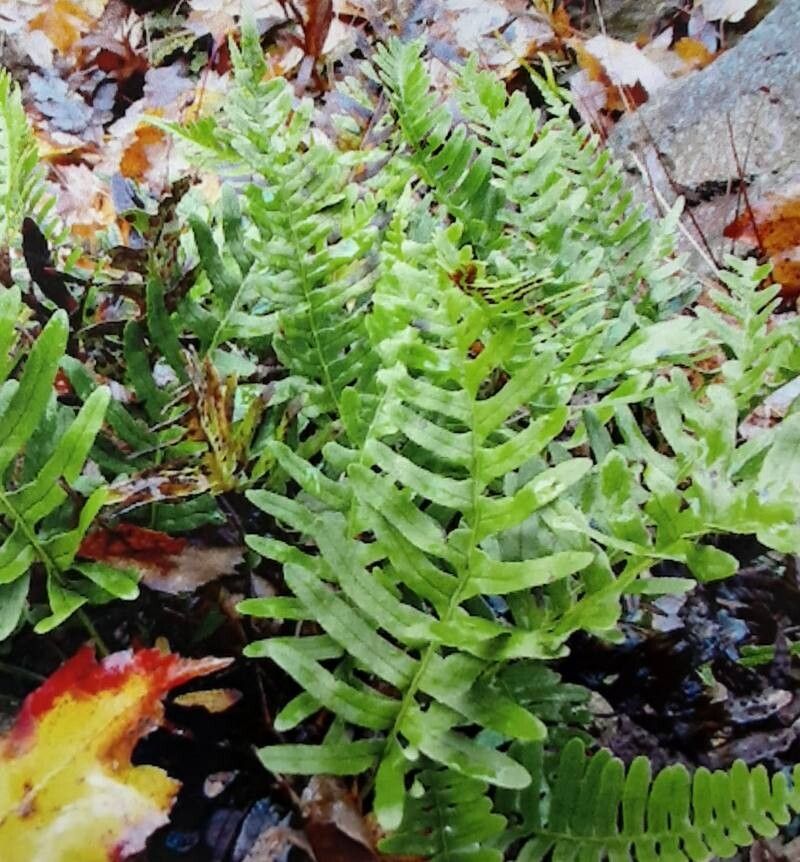
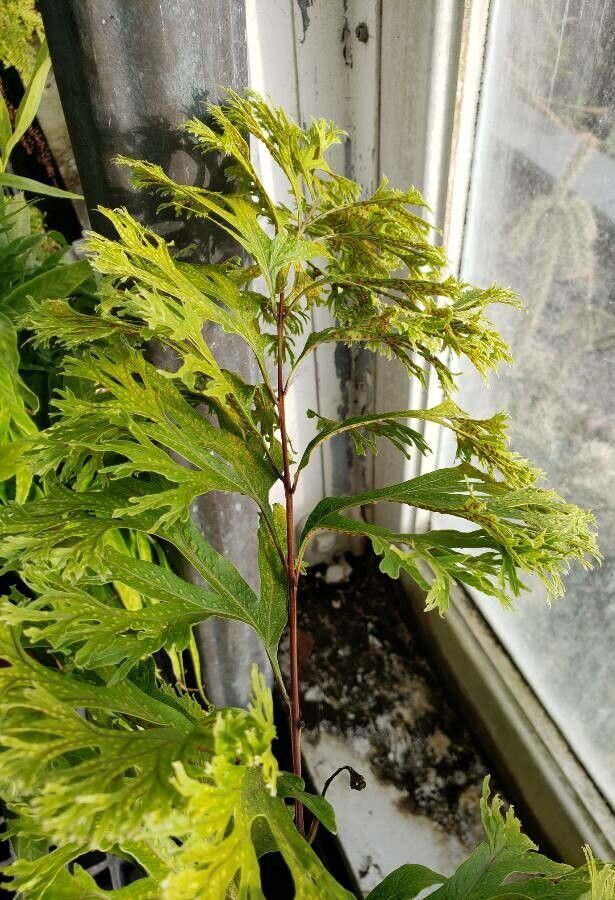
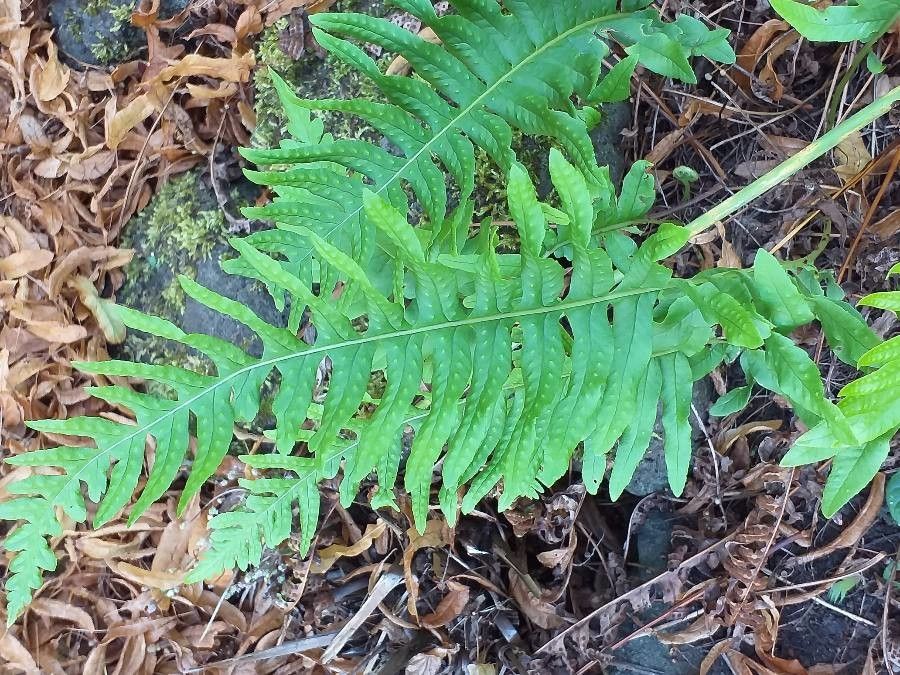
Polypodium hesperium is a species of fern known by the common name western polypody. It is native to western North America from British Columbia to California, and the Rocky Mountains to northern Mexico, where it grows in rocky habitat types. This is an allopolyploid species of hybrid origin, its parent species being Polypodium glycyrrhiza and Polypodium amorphum.
Western polypody is fairly disease-resistant and typically not prone to illnesses. However, it can still be affected by pests and diseases present in its surroundings. Such infections are usually mild. Care-wise, this plant requires a moderate level of maintenance. Regular pruning is necessary to keep a tidy appearance and support healthy growth. Applying fertilizer can also help encourage flowering. Western polypody is well suited to people with outdoor spaces like a garden or patio and does not demand extensive care experience. It may need more attentive care when grown indoors.
How to keep Polypodium Hesperium.
Fertilizer
Usually a single spring fertilization is enough for Western polypody, though multiple applications can maximize growth. Apply fertilizer once every month to a month and a half. Fertilizing improves the leaves’ appearance and function, encouraging uniform color and a healthy texture. It also promotes root development and nutrient uptake, supporting the plant’s long-term health.
Botanical profile.
- Plant Type
- Herb
- Life Cycle
- Perennial
- Genus
- Polypodium
- Family
- Polypodiaceae
- Hardiness Zone
- 3-6
- Leaf Type
- Evergreen
- Native Area
- Mexico
Other names.