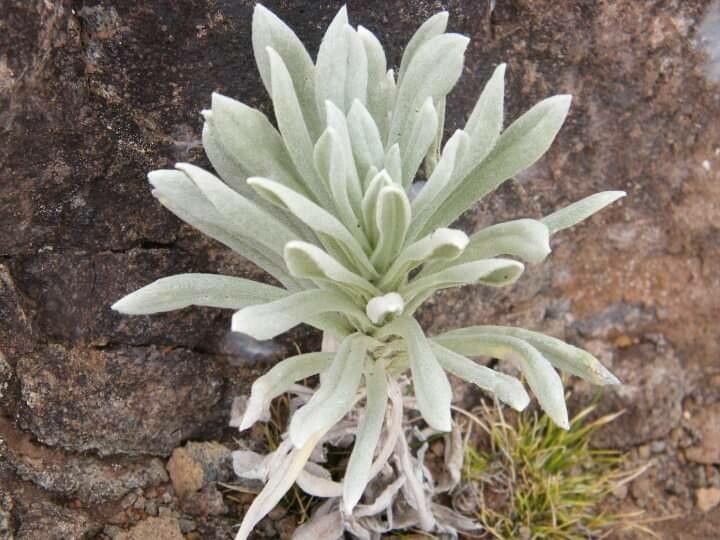
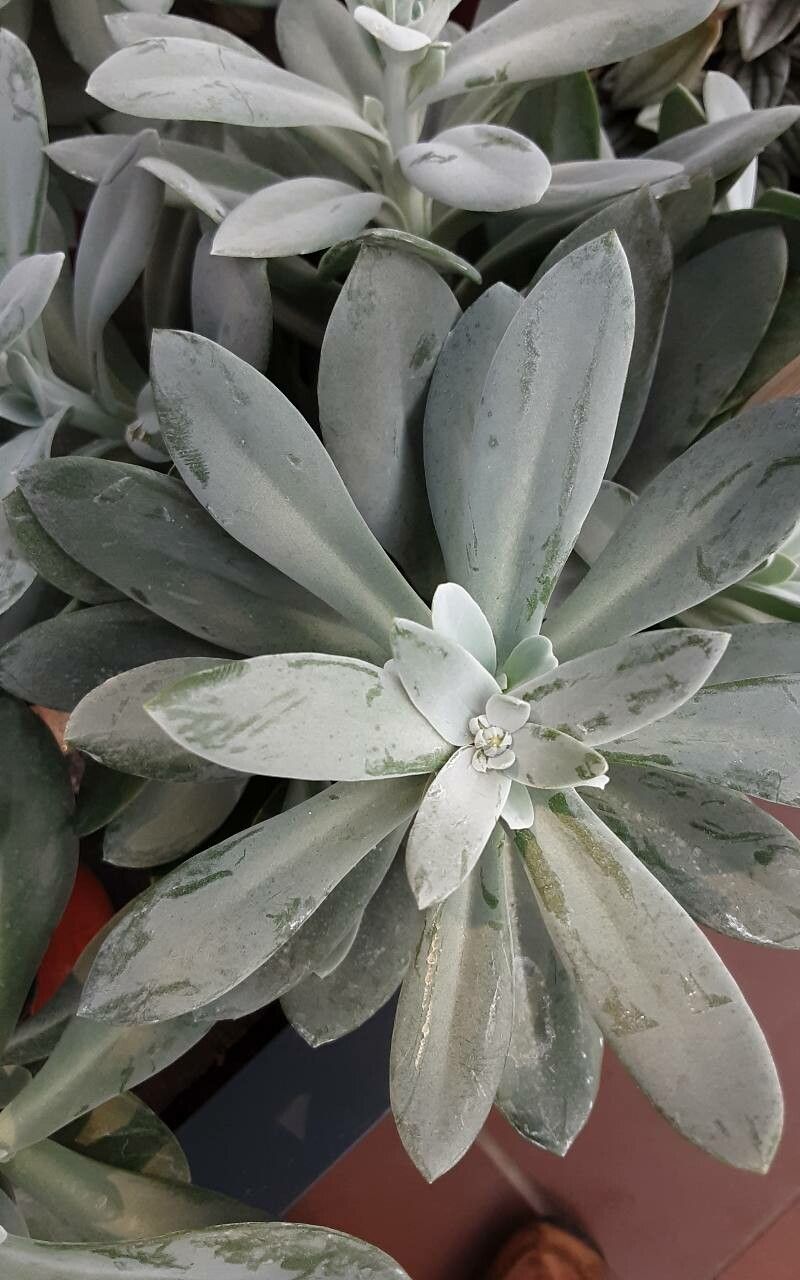
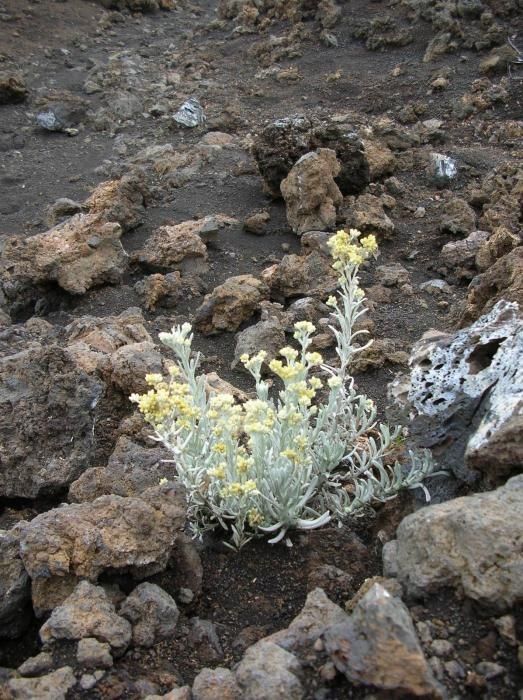
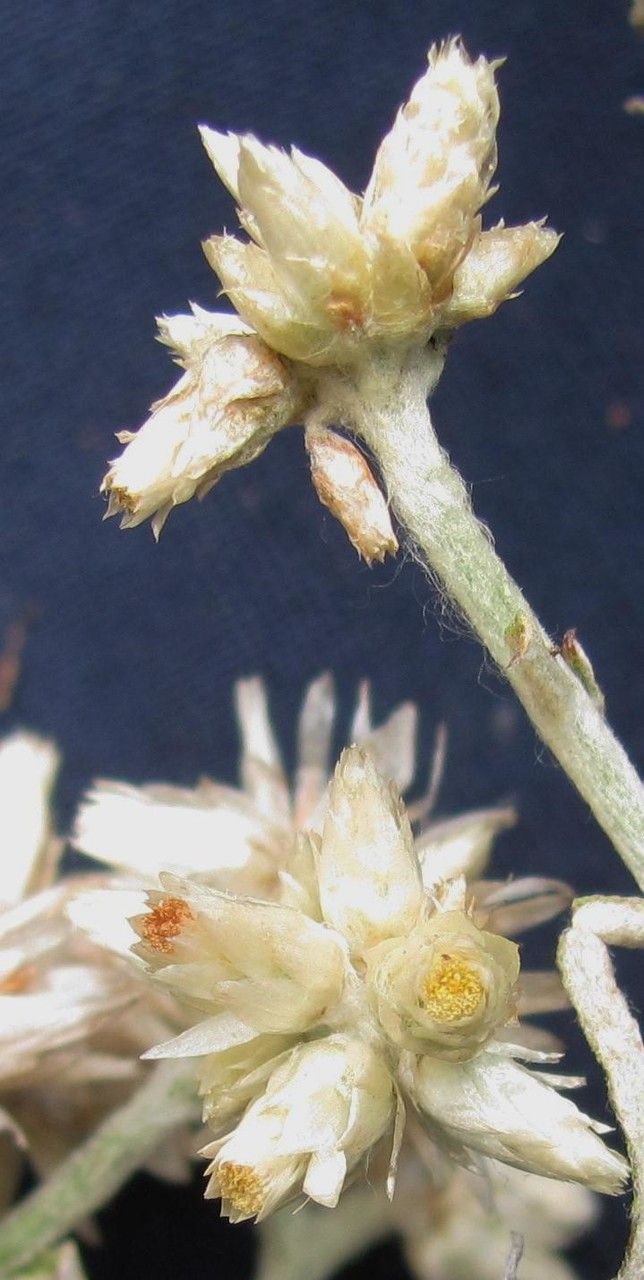
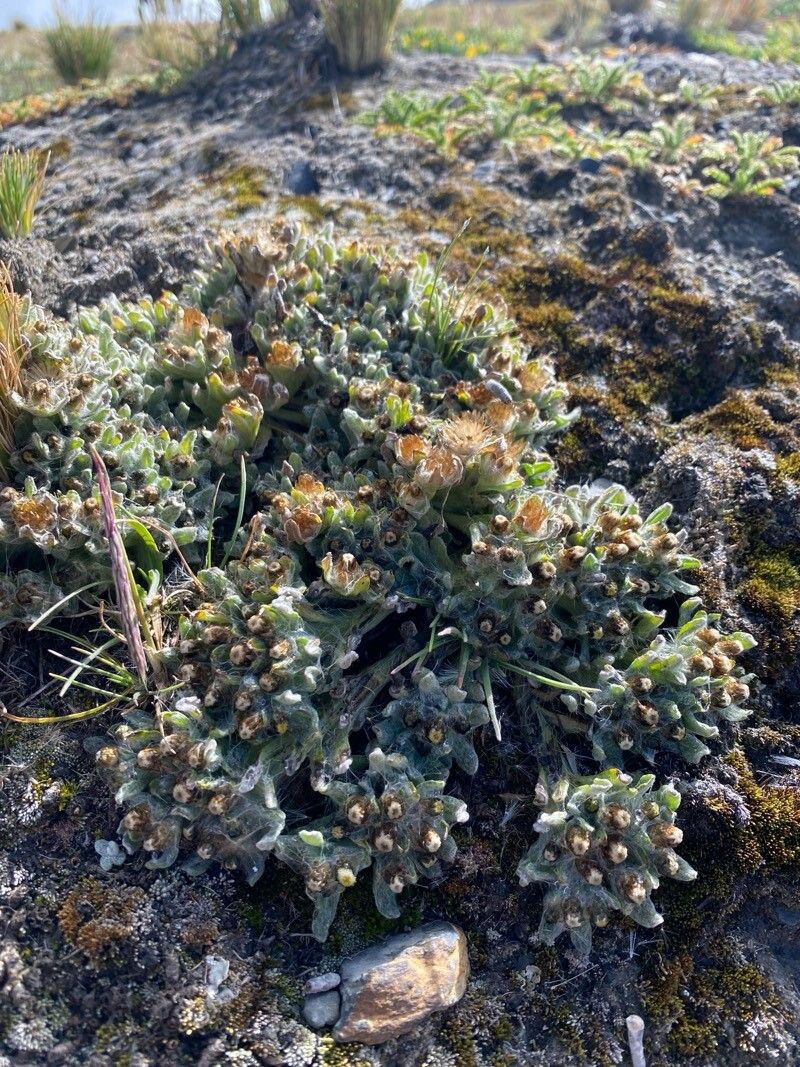
Pseudognaphalium sandwicensium, commonly known as Hawaiian cudweed, is a small perennial herb native to Hawaii. It belongs to the Asteraceae family and can grow up to 30 cm in height. The plant has a woody base and produces numerous stems covered in small white hairs.
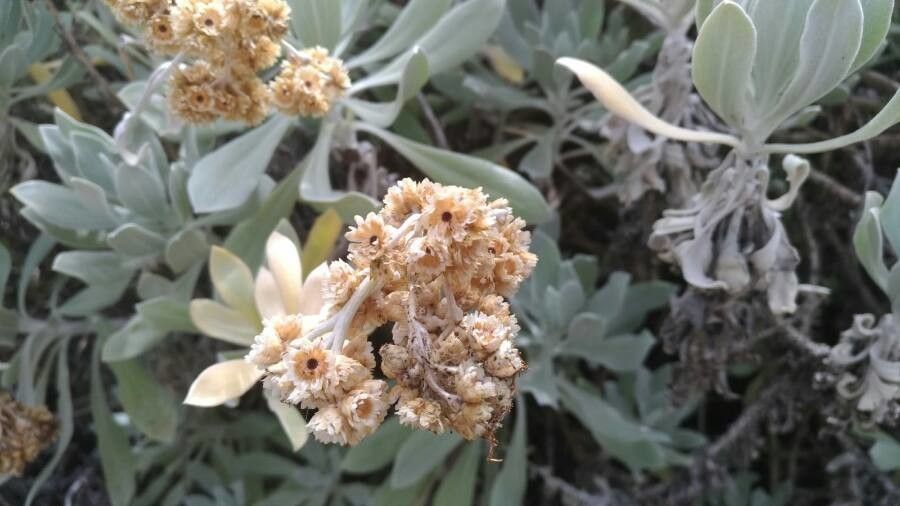
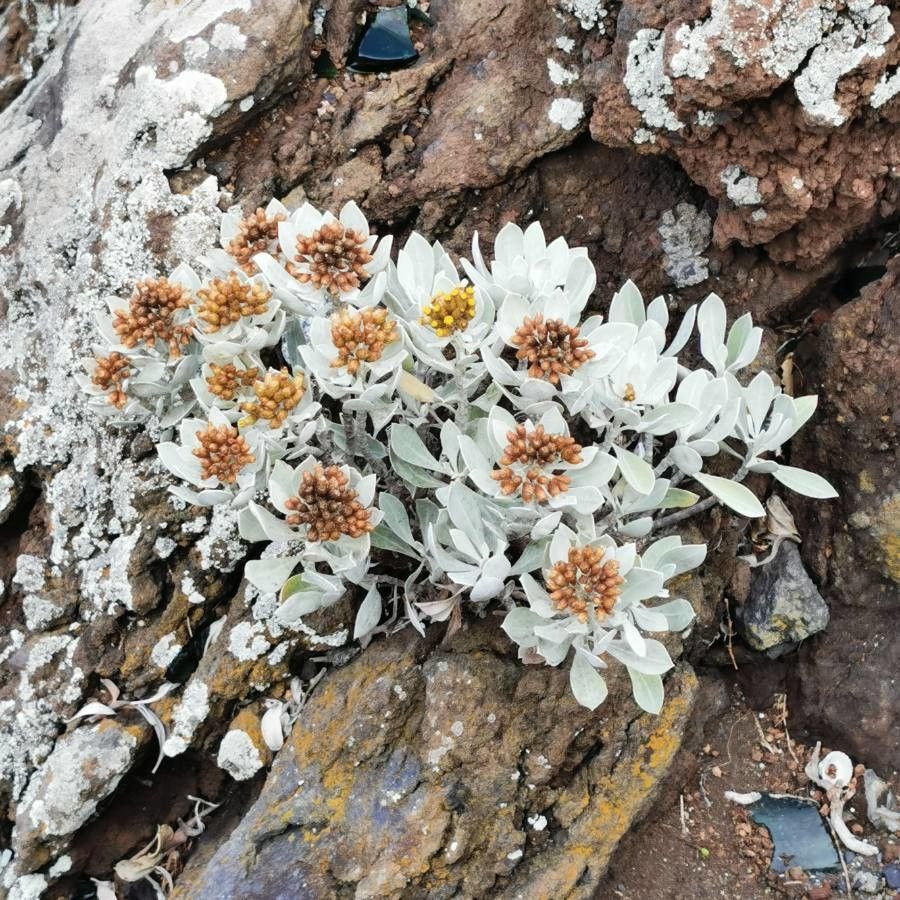
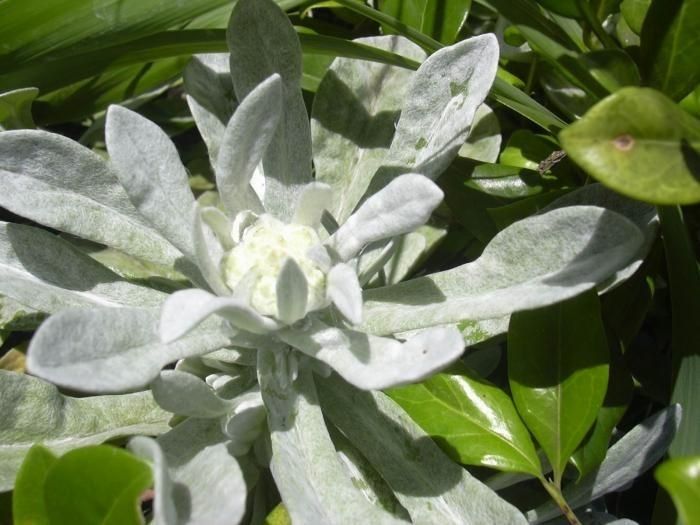
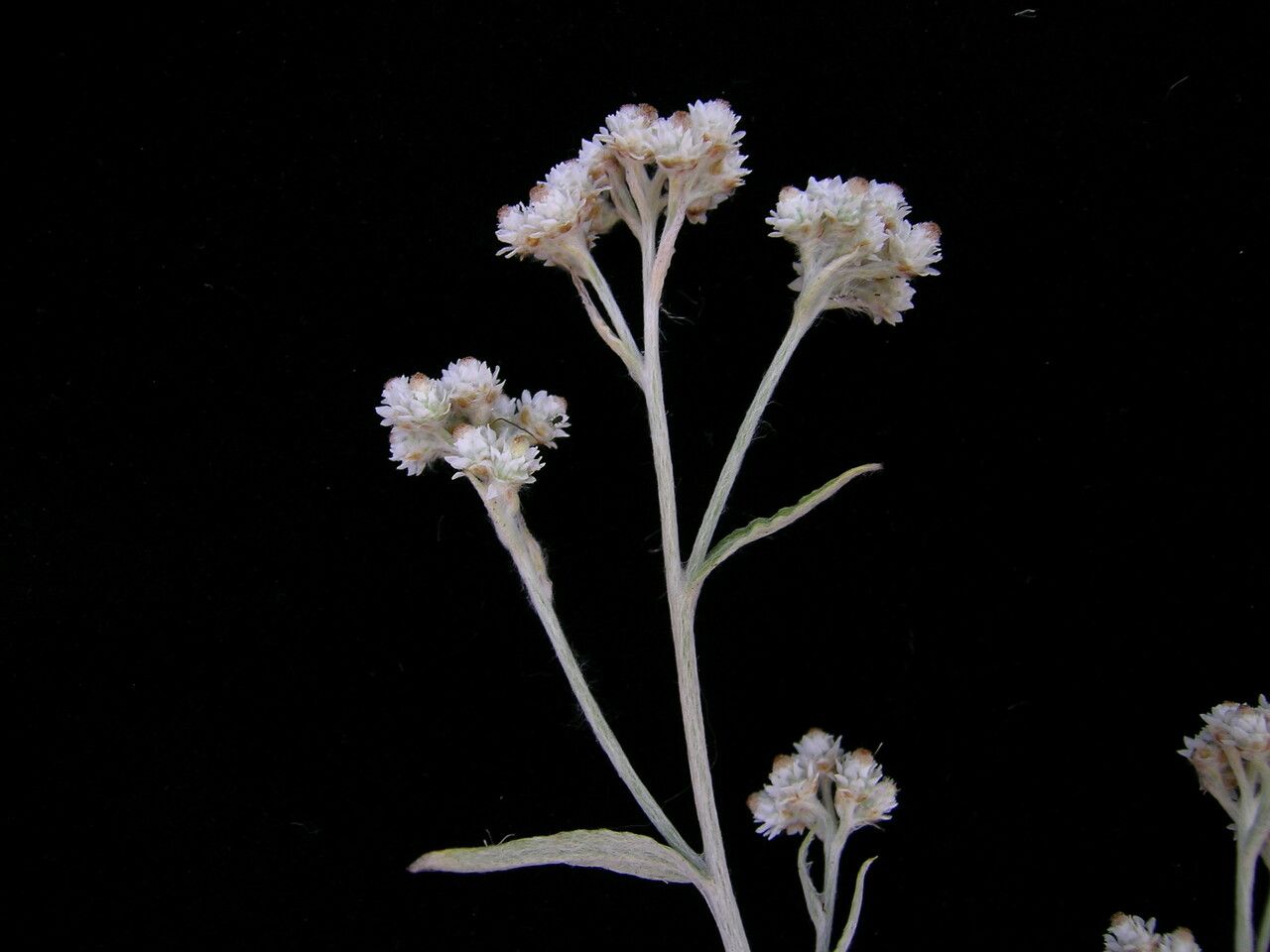
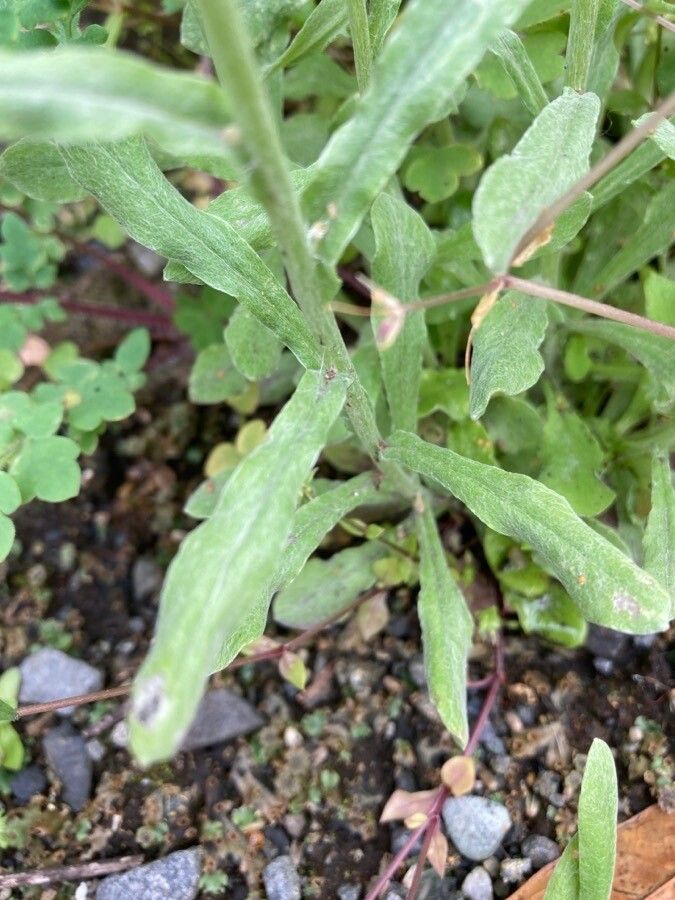
The leaves of Pseudognaphalium sandwicensium are narrow and elongated, measuring up to 5 cm in length. They are covered with fine hairs on both sides. The plant's flowers are small and white or yellowish-white, arranged in clusters at the ends of the stems.
Hawaiian cudweed is commonly found on rocky slopes or in dry open areas at elevations ranging from sea level to 2,000 meters. It prefers well-drained soils with low fertility levels.
Traditionally, native Hawaiians have used the plant for medicinal purposes, such as treating coughs and colds, due to its anti-inflammatory properties. It also serves as an important food source for various insects, including bees and butterflies.
While some people consider it a common weed due to its rapid growth under favorable conditions, Pseudognaphalium sandwicensium plays a crucial role in maintaining ecological balance within its natural habitat. It provides food for insects and helps prevent soil erosion through its root system, which stabilizes the soil during heavy rains or strong winds.
'ena'ena has strong disease resistance and is generally not prone to illnesses. However, it can be vulnerable to pests and diseases present in its environment. These infections are usually not serious. In terms of care, this plant requires moderate maintenance. It needs regular pruning to maintain a tidy appearance and healthy growth. Fertilizing can also help encourage flowering. 'ena'ena is suitable for anyone with an outdoor area, such as a garden or patio, and does not demand extensive gardening experience. It may need more care when kept indoors.
How to keep Pseudognaphalium Sandwicensium.
Light
'ena'ena is a perennial herbaceous plant that favors sunny locations and originates from open habitats, commonly occurring in meadows and grasslands. It prefers full sun but can also tolerate partial sun.
Temperature
'ena'ena' comes from tropical regions, where the climate is typically warm and humid. As a result, it is well suited to high temperatures and humidity. It does not tolerate sudden temperature changes and prefers a stable thermal environment, so it is important to avoid temperature fluctuations indoors. It usually cannot withstand cold and requires warmer conditions for growth. If the surrounding temperature drops too low, the plant may stop growing or even die.
Fertilizer
'ena'ena needs the most fertilizer during its active growth period, which occurs mainly in spring, summer, and early fall. Fertilizing provides essential nutrients that the soil may lack, encouraging healthy root and stem development and maintaining attractive foliage, a key feature of this particular plant.
Pruning
'Ena'ena is characterized by its fluffy white flowers and silvery foliage. To encourage growth, improve shape, and enhance air circulation, it is best to prune the plant in early spring. Be sure to trim any dead or weak stems, but avoid over-pruning to minimize stress on the plant. By following these practices, you can promote the plant's health and maintain its attractive appearance.
Botanical profile.
- Plant Type
- Herb
- Life Cycle
- Perennial
- Genus
- Pseudognaphalium
- Family
- Asteraceae
- Hardiness Zone
- 9-11
- Mature Height
- 15 cm to 30 cm
- Mature Spread
- 20 cm to 40 cm
- Leaf Color
- Gray, Silver
- Leaf Type
- Deciduous
- Flower Color
- White
- Flower Size
- 0.51 cm to 0.76 cm
- Bloom Time
- Late spring, Summer
- Planting Time
- Spring, Summer, Autumn
- Harvest Time
- Mid summer, Late summer, Early fall, Mid fall
Other names.