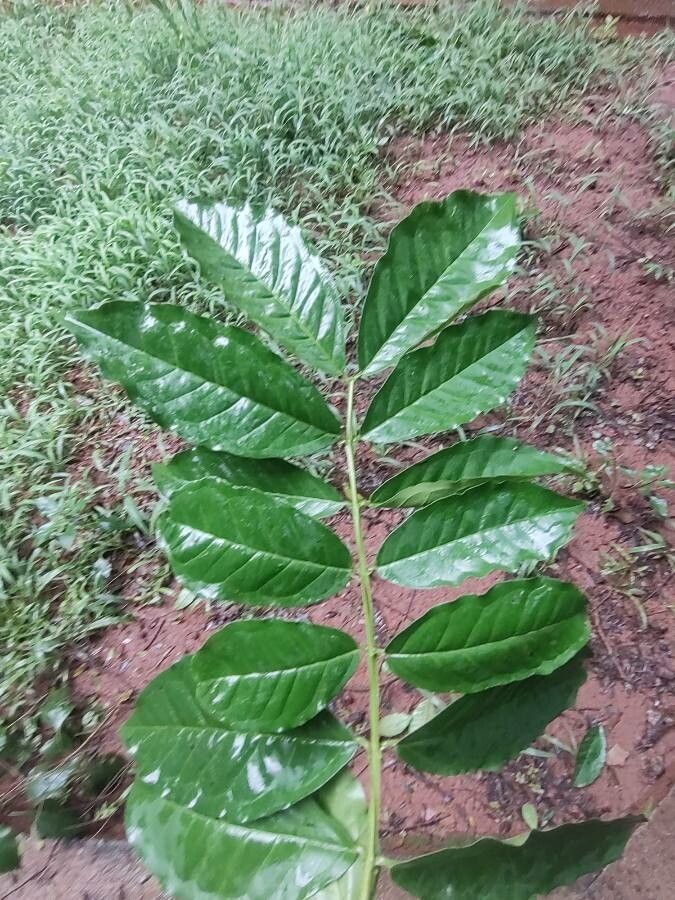
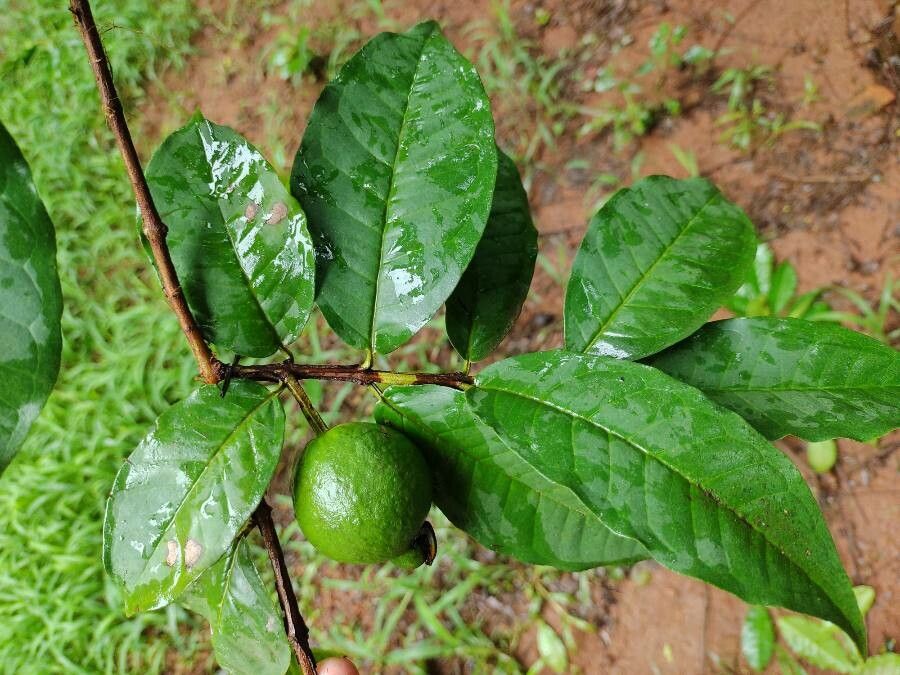
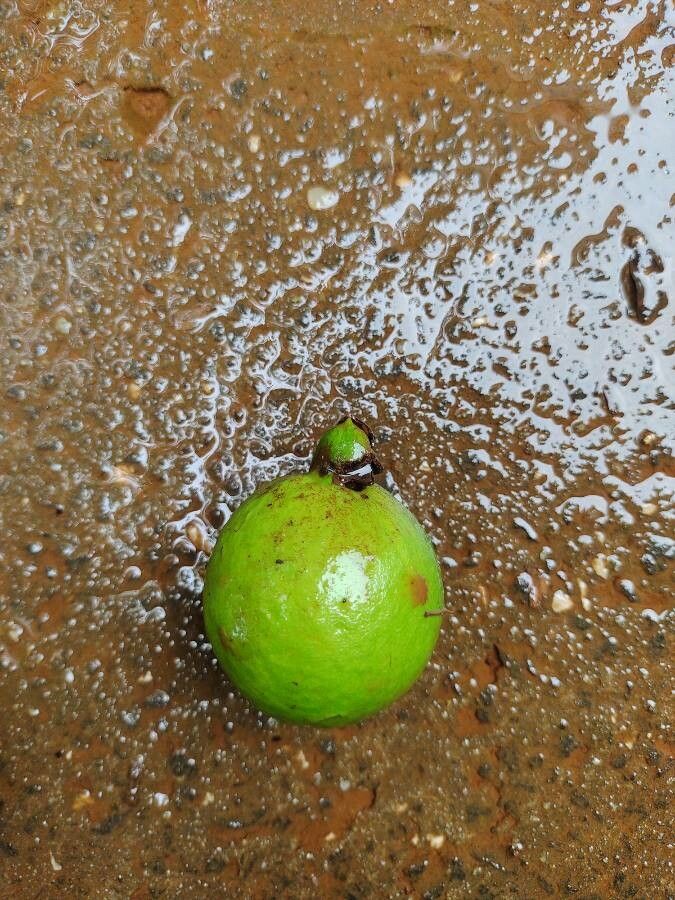
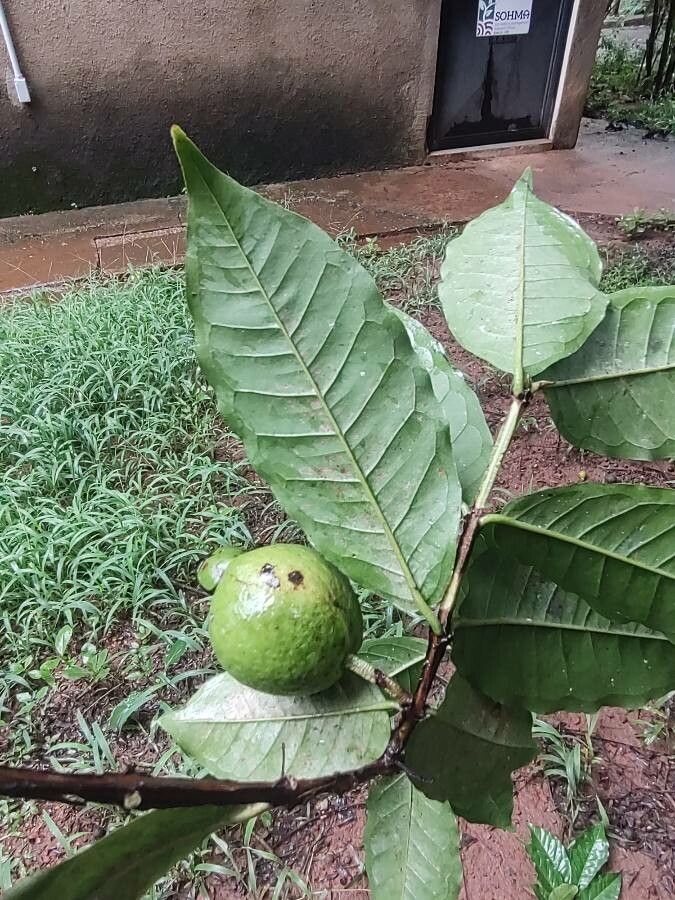
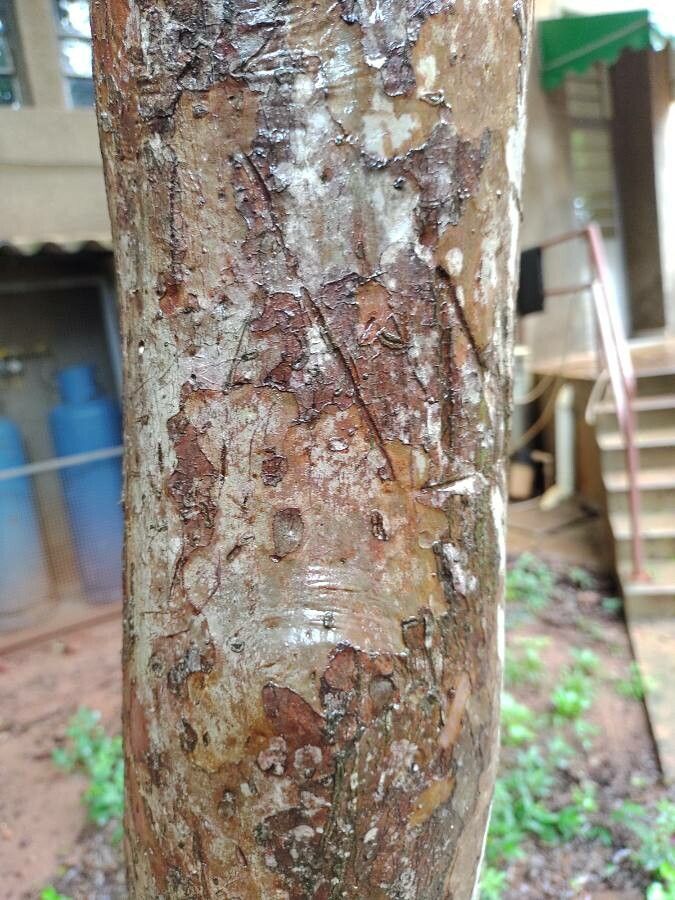
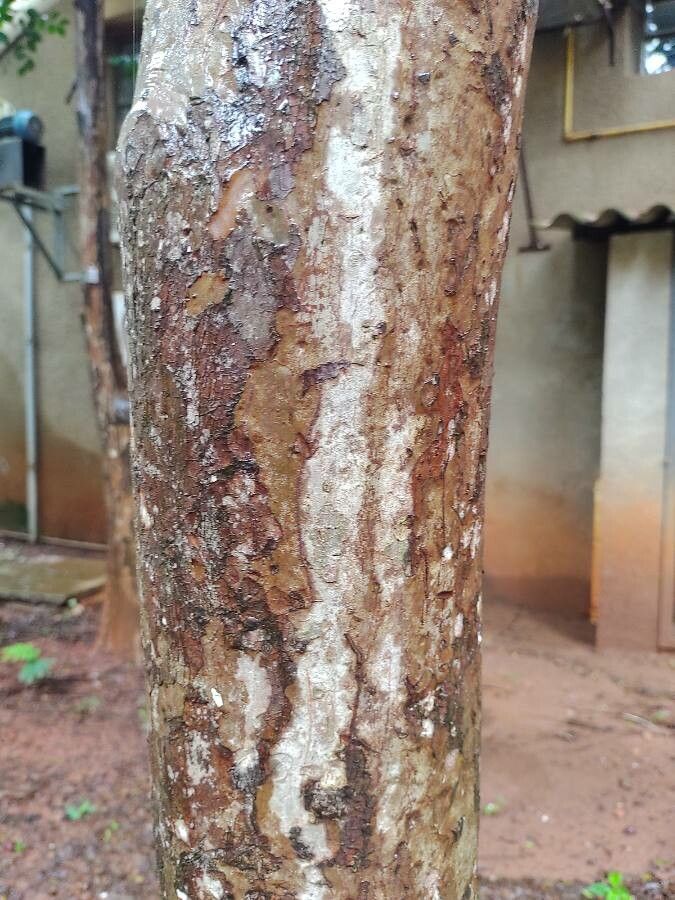
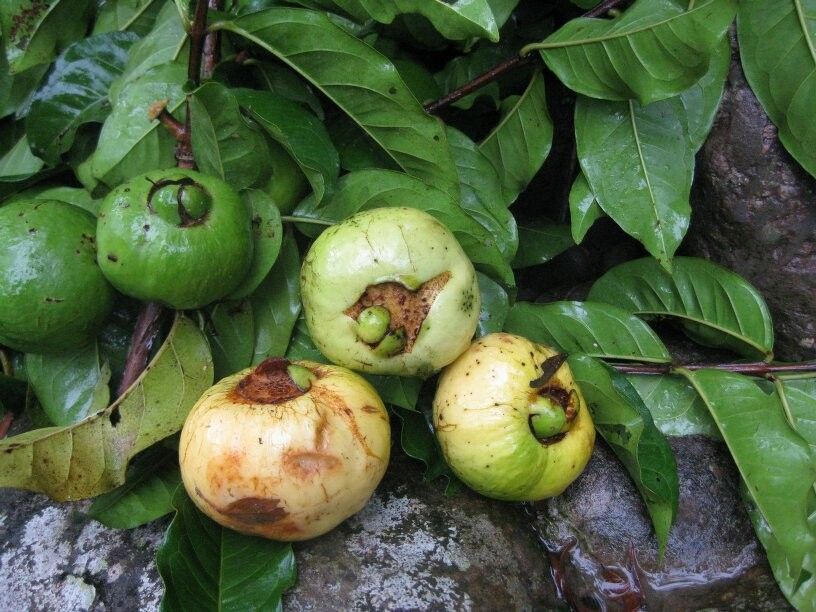
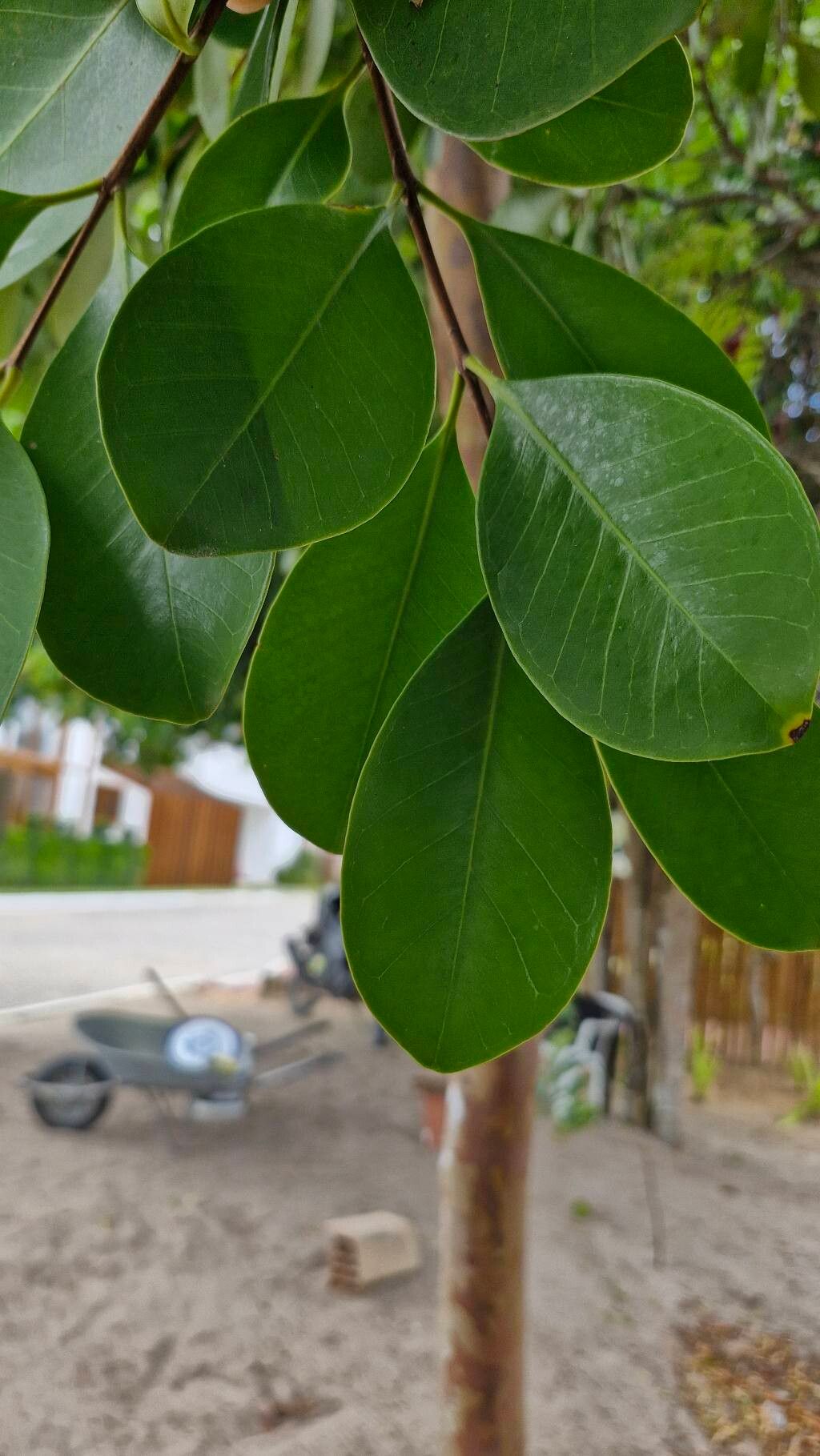
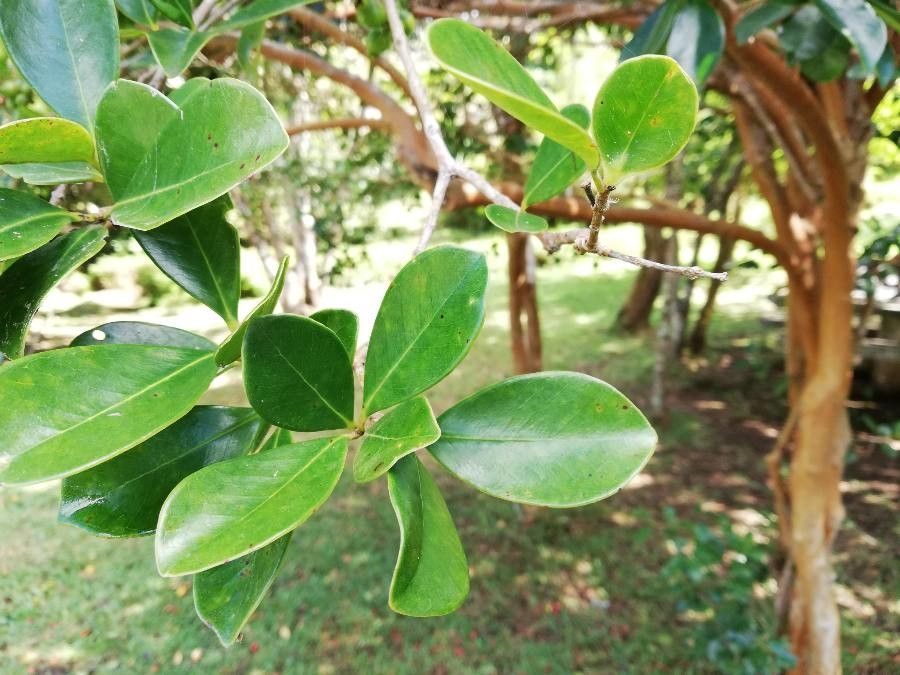
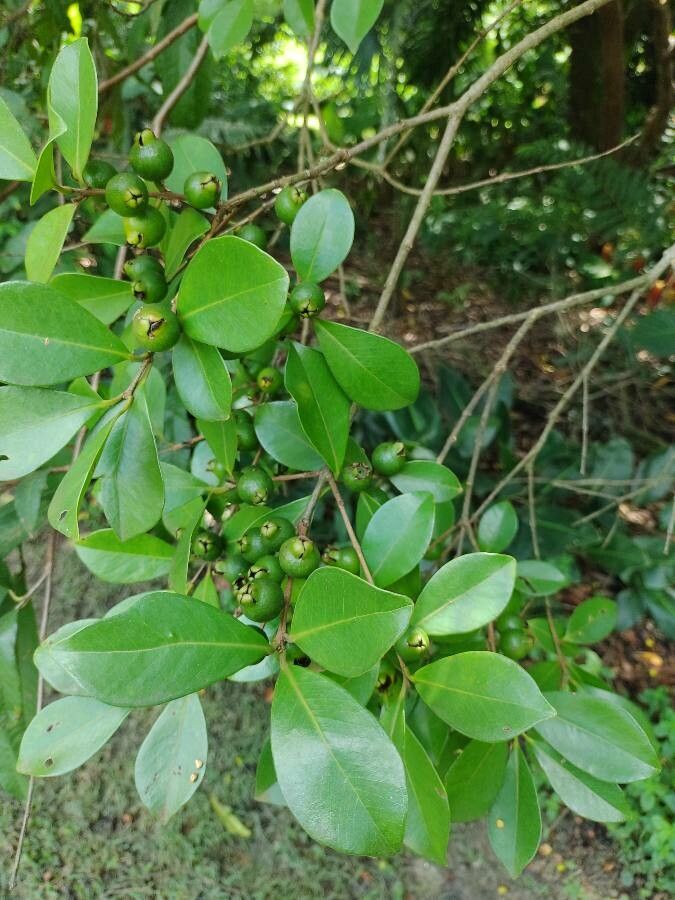
Psidium acutangulum is a species of tree in the family Myrtaceae. It is native to South America.
Psidium acutangulum shows strong resistance to disease and is generally not susceptible to illnesses. Regarding care, this species is fairly low-maintenance. When grown outdoors it needs only occasional watering, and larger specimens typically do not require pruning. Smaller plants, however, should be pruned after they finish flowering. Psidium acutangulum is well suited for people who have outdoor areas such as a garden or a deck and does not call for extensive gardening experience.
How to keep Psidium Acutangulum.
Light
Psidium acutangulum is a native plant of open areas like sunny grasslands and the fringes of forests that offer plenty of illumination. It flourishes in complete sunlight, yet it can also withstand partially sunny environments, demonstrating its adaptability to different levels of sunlight exposure.
Humidity
This plant needs special care because it loves high humidity levels of 60-80% or more. The best way to achieve this is by placing a humidifier near the plant. Daily misting is also essential! Make sure the room has good ventilation.
Temperature
Psidium acutangulum hails from regions with a tropical climate characterised by heat and high moisture. Consequently, it is well-suited to areas with high heat and humidity. This type of plant is not fond of abrupt temperature variations, favouring a consistent thermal milieu instead. Thus, it's crucial to steer clear of drastic temperature swings in indoor settings. Generally, it isn't resistant to cold conditions and necessitates warmer temperatures for its growth. In cases where the surrounding temperature plunges excessively, the plant might halt its growth or, in extreme cases, perish.
Fertilizer
Opt for organic fertilizers such as fish emulsion or compost instead of synthetic ones for Psidium acutangulum. During spring, give more nitrogen and phosphorus to the young plants. Add compost or fertilizer either before or after sowing the seeds. For fully-grown plants, provide additional balanced or specific fertilizers that target deficiencies during spring. Lack of nutrients can result in symptoms like small leaves, stunted branches, discolored leaves, sour fruits, early fruit drop, and splitting.
Botanical profile.
- Plant Type
- Tree
- Life Cycle
- Perennial
- Genus
- Psidium
- Family
- Myrtaceae
- Hardiness Zone
- 9-11
- Mature Height
- 3.05 m to 6.1 m
- Mature Spread
- 2.13 m to 3.96 m
- Leaf Color
- Dark Green
- Leaf Type
- Evergreen
- Flower Color
- White
- Flower Size
- 2.03 cm to 3.05 cm
- Bloom Time
- Late spring, Summer, Early fall
- Planting Time
- Spring, Summer, Autumn
- Harvest Time
- Late summer, Fall, Early winter
- Native Area
- Colombia, Bolivia, Venezuela, Peru, Guyana, Brazil, Ecuador