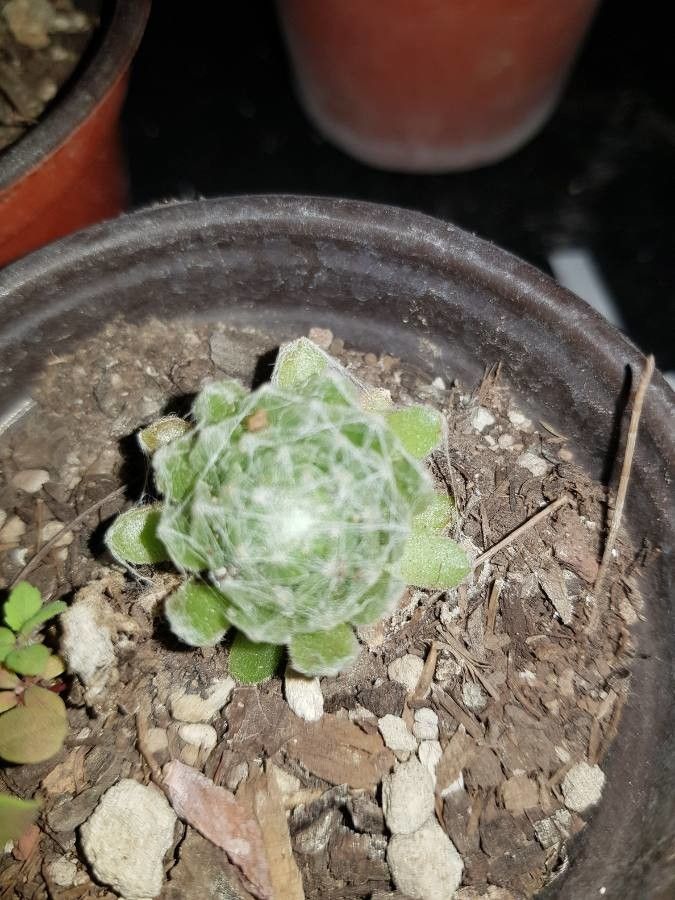
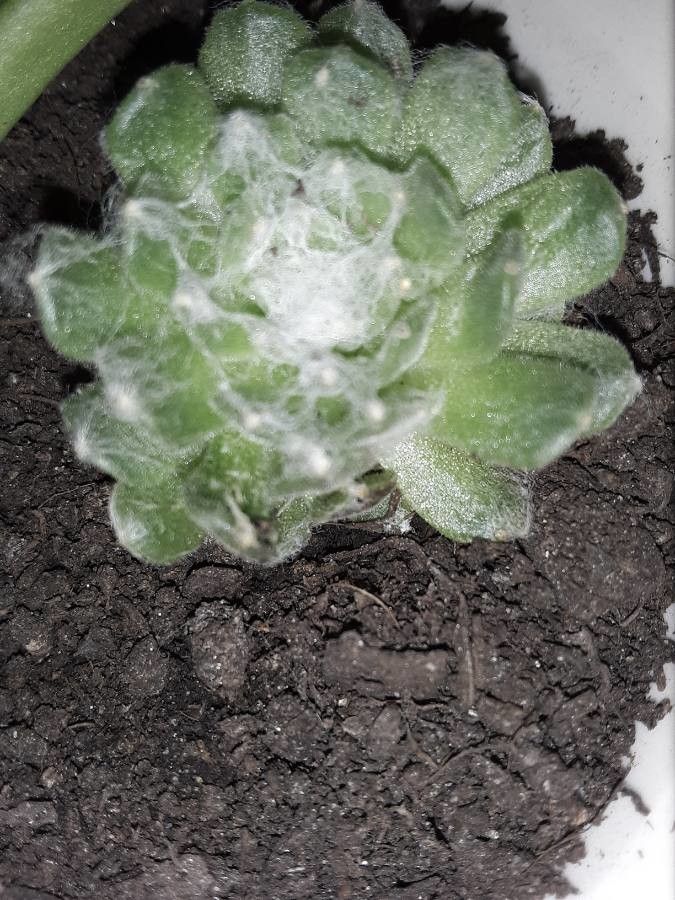
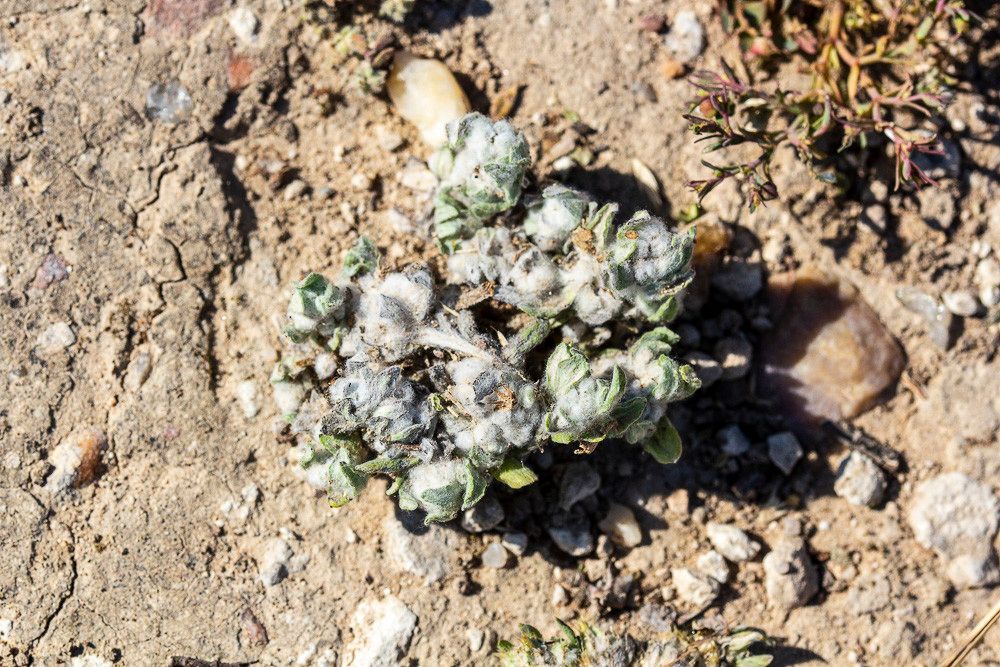
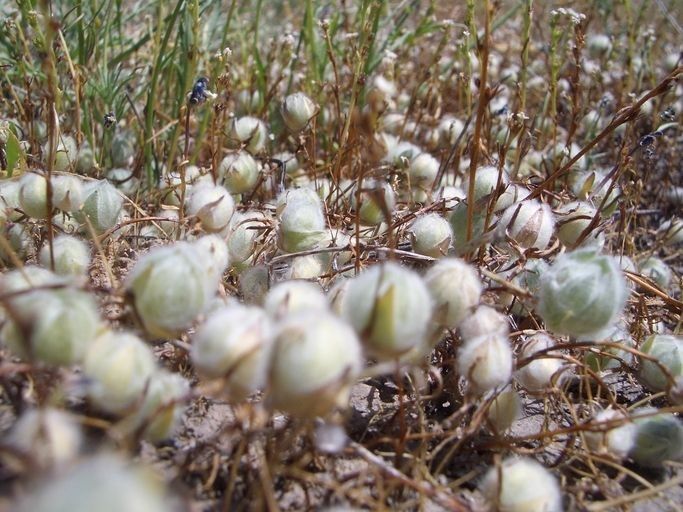
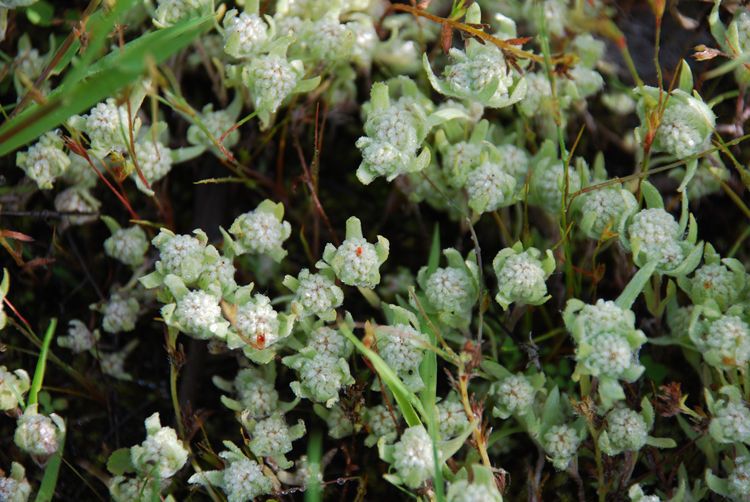
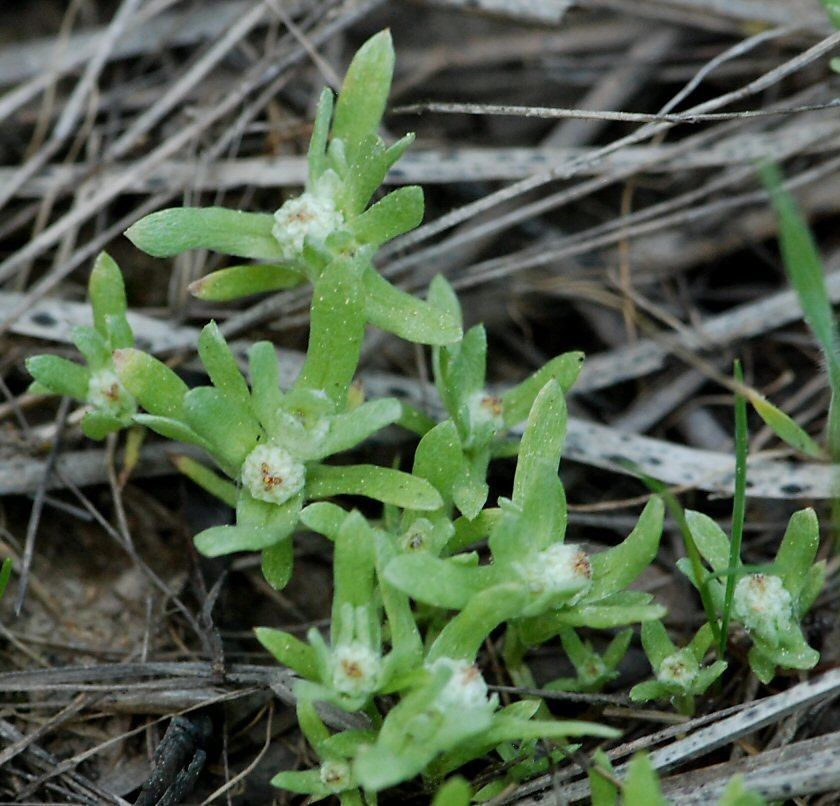
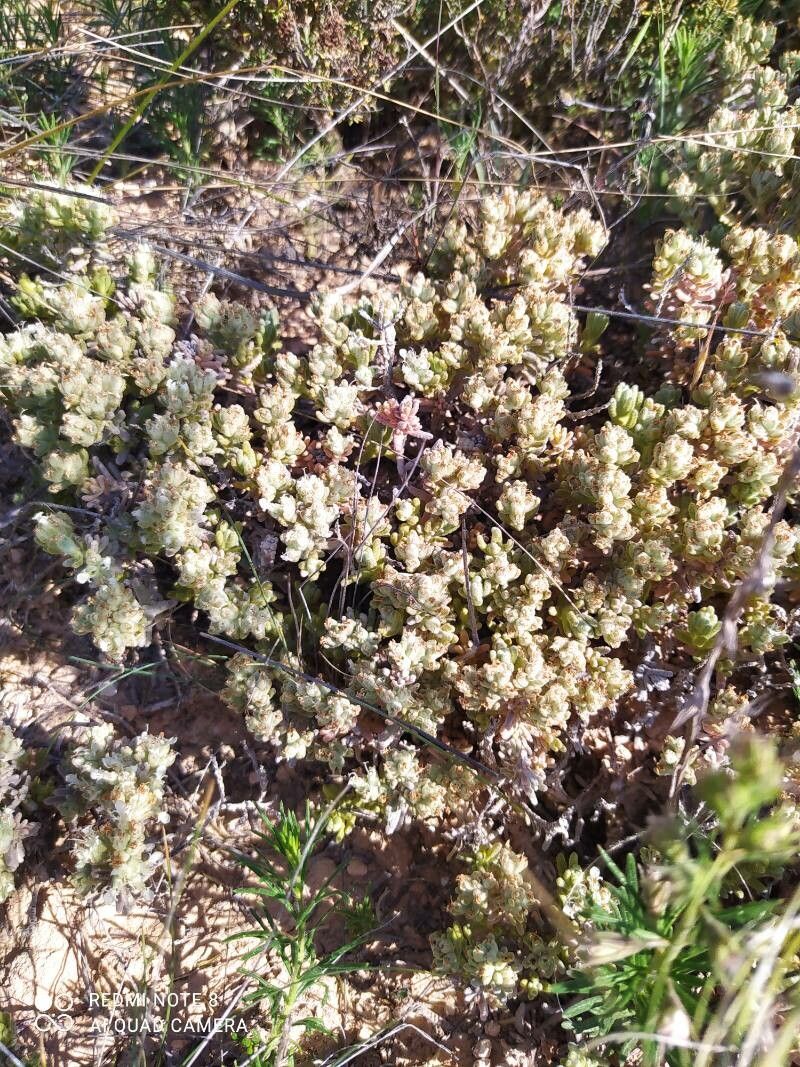
Psilocarphus brevissimus, commonly known as the short-rayed alkali aster, is a small annual plant that belongs to the sunflower family. Native to the western United States, it thrives in alkaline soils found in desert and sagebrush habitats. The plant typically grows up to 10 cm tall, featuring a single stem that branches at the base. Its leaves are narrow and linear, measuring up to 2 cm in length. The flowers are small, with white or pink petals surrounding a yellow central disk, and they bloom from May through August.
The short-rayed alkali aster is an important plant for wildlife, providing food for insects such as bees and butterflies. These insects, in turn, serve as food for birds and other animals higher up the food chain.
Native American tribes have historically used this plant for medicinal purposes, treating ailments such as headaches, stomachaches, colds, coughs, and sore throats.
Due to its ability to grow in harsh environments with high salinity levels—where other plants struggle to survive—the short-rayed alkali aster is a species of conservation concern. Habitat loss from human activities, such as agriculture and urbanization, has significantly impacted its populations. As a result, it has been listed under the Endangered Species Act by the U.S. government since 1998.
Short woollyheads has strong disease resistance and is generally not prone to illnesses. However, it can be vulnerable to pests and diseases present in its environment. Such infections are typically not severe. In terms of care, this plant requires moderate maintenance. Regular pruning is needed to maintain a good appearance and healthy growth. Fertilizing can also help encourage flowering. Short woollyheads is suitable for anyone with outdoor space, such as a garden or patio, and does not demand a lot of care experience. It may require more attention when grown indoors.
How to keep Psilocarphus Brevissimus.
Light
Short woollyheads originate from bright, open environments where they thrive in full sun. They can tolerate partial sun but prefer direct sunlight for optimal growth. This annual and biennial plant is known for its sun-loving nature.
Water
Short woollyheads thrive in humid environments and need watering twice a week to stay healthy. Although they prefer consistent moisture, they can withstand brief dry periods. This species grows best outdoors, where it benefits from natural rainfall in areas with stable precipitation patterns.
Fertilizer
Short woollyheads respond well to regular, dilute applications of fertilizer to encourage healthy leaf development. You should fertilize Short woollyheads roughly once a month during the summer months. Nitrogen is important for foliage, and supplying nitrogen-rich sources helps Short woollyheads thrive.
Pruning
In early to late spring, lightly prune short woollyheads to encourage growth and flowering. Remove any dead stems to promote regeneration, but be careful not to over-prune, as this can cause stress. Proper pruning helps improve air circulation, reduce the risk of disease, and shape the plants. For more specific guidance, refer to local resources.
Botanical profile.
- Plant Type
- Herb
- Life Cycle
- Annual
- Genus
- Psilocarphus
- Family
- Asteraceae
- Leaf Type
- Semi-evergreen
- Native Area
- Mexico
Other names.