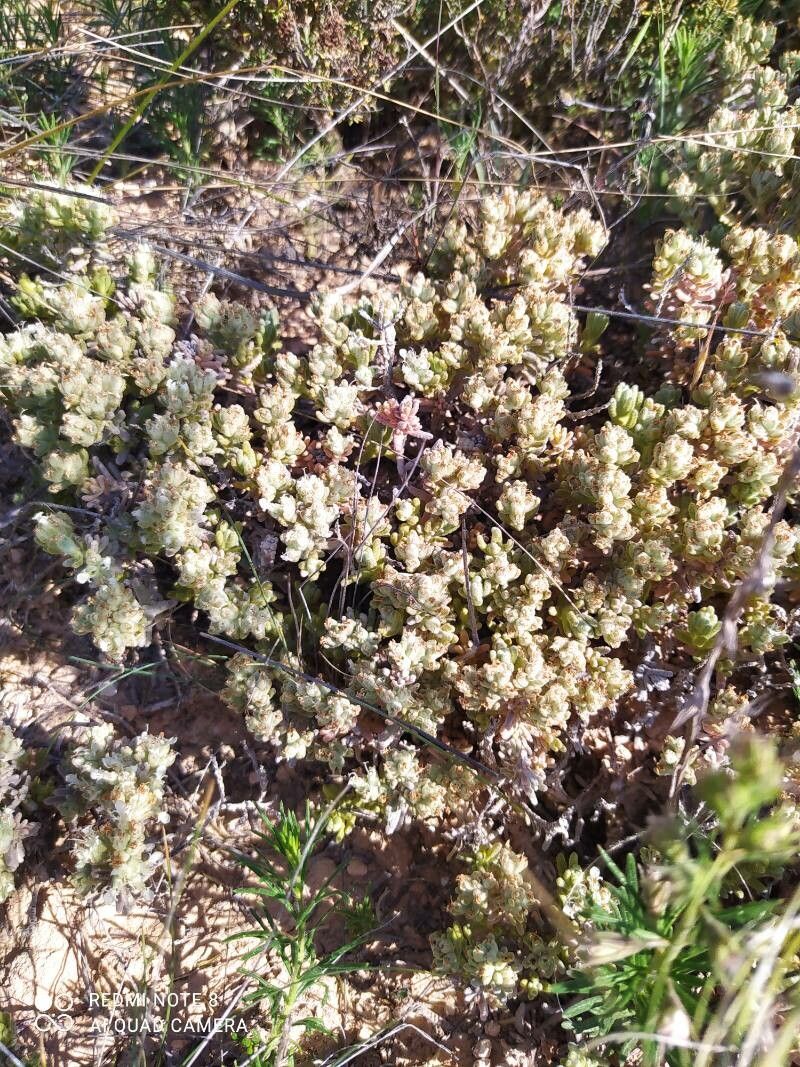
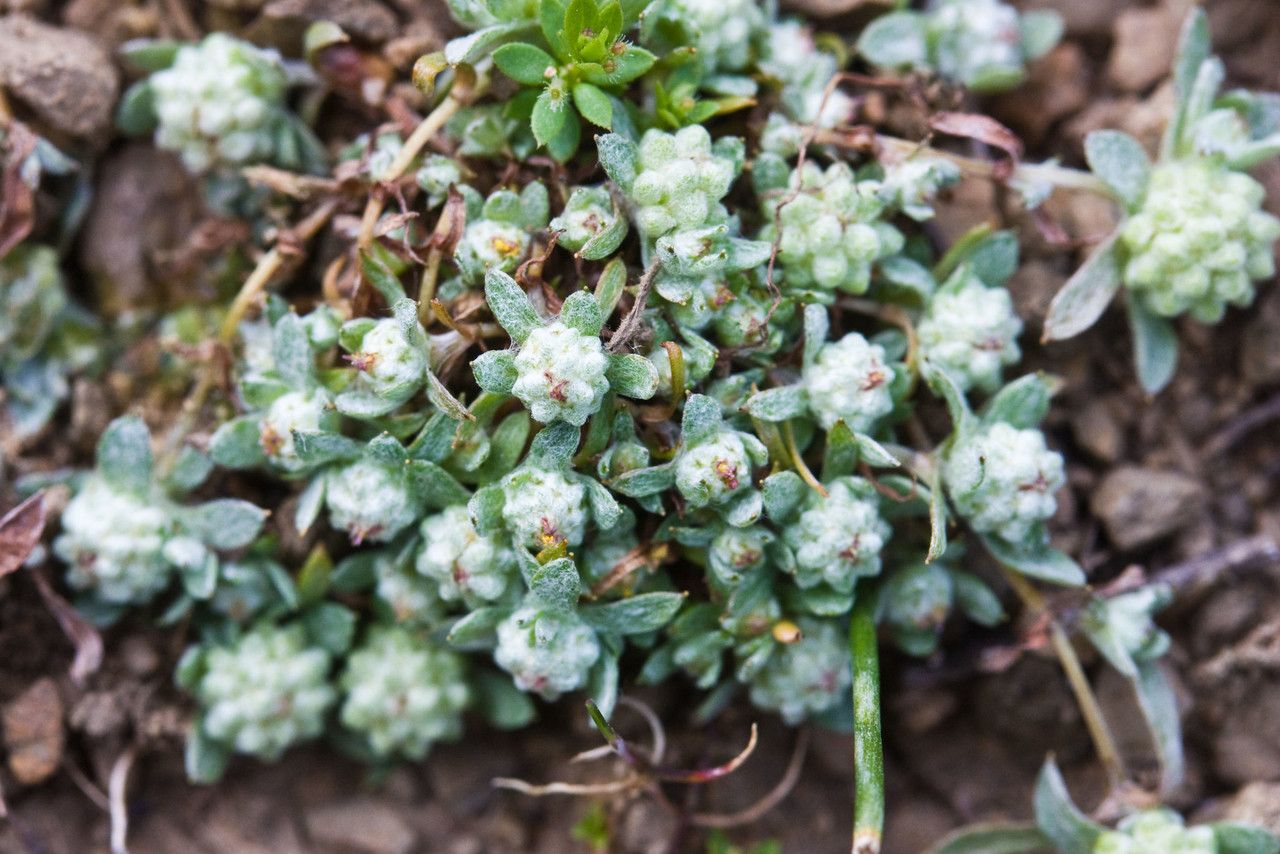
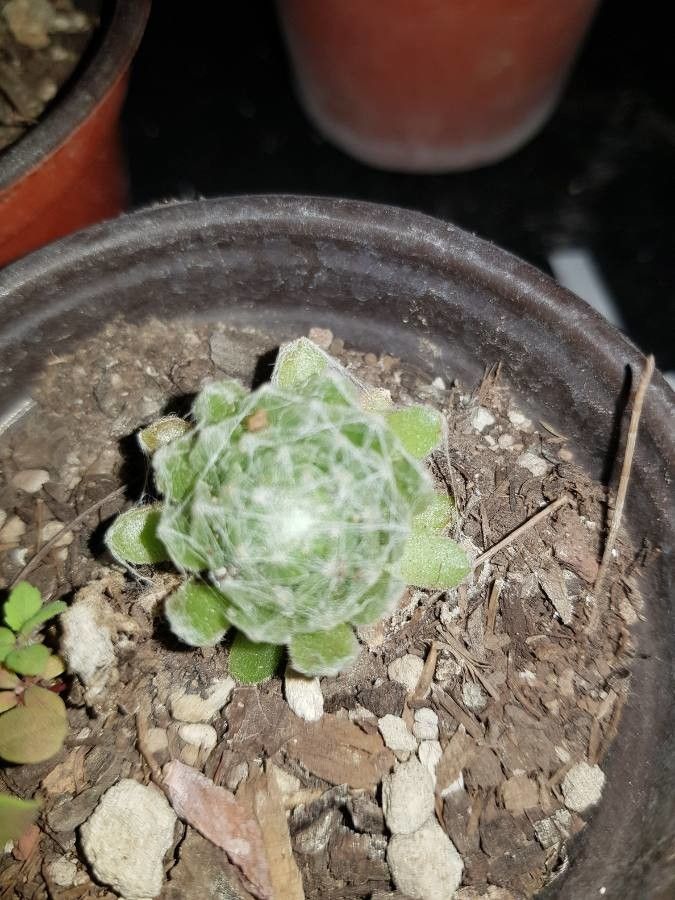
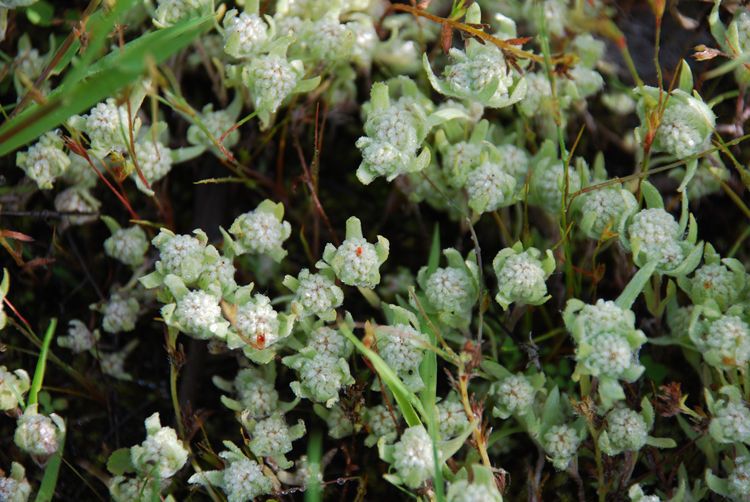
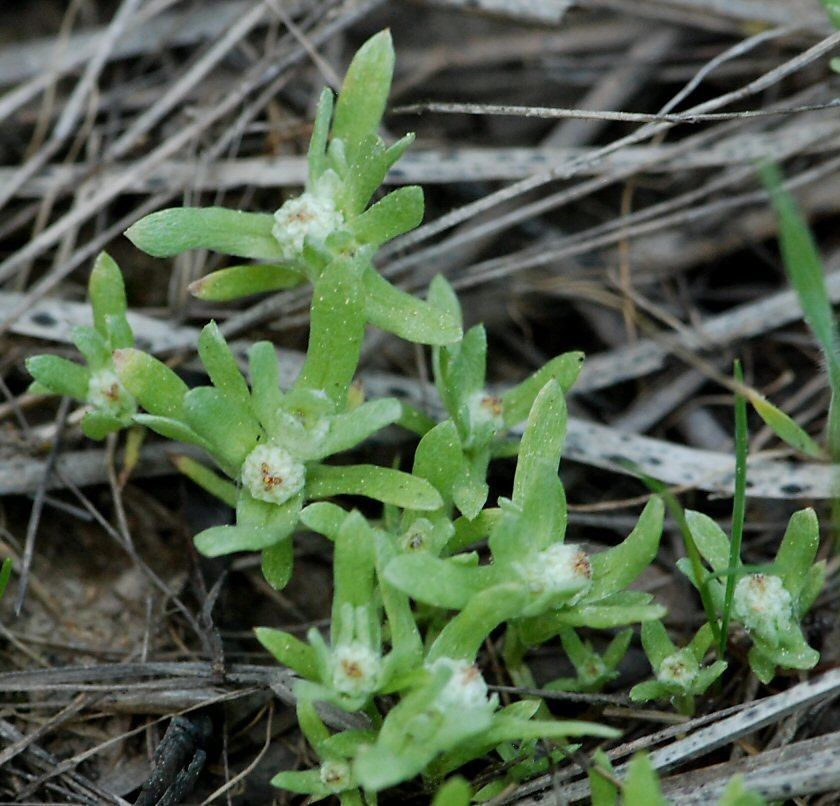
Psilocarphus tenellus, commonly known as slender woolly-heads, is a small annual plant that belongs to the sunflower family. Native to California, it thrives in diverse habitats such as grasslands, chaparral, and coastal sage scrub. The plant typically grows up to 20 cm tall and features narrow leaves covered in fine hairs. Its flowers, which bloom from May to August, are small and clustered in woolly heads at the stem's top, showcasing white or pinkish petals. Slender woolly-heads play a crucial role in their ecosystem by providing food for pollinators, including bees and butterflies. Additionally, they help prevent soil erosion by stabilizing the ground with their roots. Historically, Native American tribes have utilized the plant for medicinal purposes, applying it as a poultice for wounds or chewing it to alleviate toothaches. Despite its ecological importance, Psilocarphus tenellus faces threats from habitat loss due to urbanization and agricultural practices like grazing. Conservation efforts are in progress to protect this species from further decline through habitat restoration projects and seed banking programs. Overall, Psilocarphus tenellus is a fascinating plant with significant ecological value. It deserves our attention and conservation efforts to ensure it does not vanish from our planet's biodiversity.
Slender woolly marbles has good disease resistance and is generally not prone to diseases. Nevertheless, it can be vulnerable to pests and diseases found in its surroundings. These infections are generally mild. Regarding care, this plant needs moderate maintenance. It should be pruned regularly to preserve a tidy appearance and support healthy growth. Applying fertilizer can also help encourage flowering. Slender woolly marbles is appropriate for anyone with an outdoor area, such as a garden or patio, and does not demand extensive care experience. It may require more attention if grown indoors.
How to keep Psilocarphus Tenellus.
Light
Slender woolly marbles is native to bright, open habitats where it thrives in full sun. It can tolerate partial sun but favors direct sunlight for optimal growth. This annual and biennial plant is known for its sun-loving nature.
Water
The slender woolly marbles plant thrives in arid conditions due to its high tolerance to drought. It requires watering only once a week. As an evergreen plant, it retains its leaves all year round and efficiently uses water during dry seasons, making it ideal for areas with low rainfall.
Temperature
Slender woolly marbles can tolerate a wide range of temperatures, but its distribution may still be constrained by particular combinations of moisture and heat. It performs best in warm summers with sufficient rainfall or watering. Extended periods of cloudy, rainy weather, and prolonged high temperatures both increase the risk of Slender woolly marbles dying. In winter, protecting the plant from cold can boost its survival rate.
Fertilizer
Slender woolly marbles respond well to regular, weak applications of fertilizer to encourage healthy leaf development. You should apply fertilizer to Slender woolly marbles about once a month during the summer. Nitrogen is important for foliage, and adding nitrogen-rich sources helps Slender woolly marbles do well.
Pruning
In order to maintain healthy woolly marbles, it's important to prune them during early to late spring. Focus on removing dead or damaged stems and lightly shape the plant as needed. Always use sharp, sanitized tools to minimize the risk of disease. Regular pruning improves air circulation and sunlight penetration, promoting healthy growth and flowering. This not only enhances the plant's overall health but also improves its appearance.
Botanical profile.
- Plant Type
- Herb
- Life Cycle
- Annual
- Genus
- Psilocarphus
- Family
- Asteraceae
- Hardiness Zone
- 7-10
- Mature Height
- 20 cm
- Mature Spread
- 5 cm to 15 cm
- Leaf Color
- Light Green, Gray
- Leaf Type
- Semi-evergreen
- Flower Color
- White
- Flower Size
- 0.51 cm
- Bloom Time
- Mid spring, Late spring, Early summer
- Planting Time
- Spring, Summer, Autumn
- Harvest Time
- Summer
- Native Area
- Mexico
Other names.