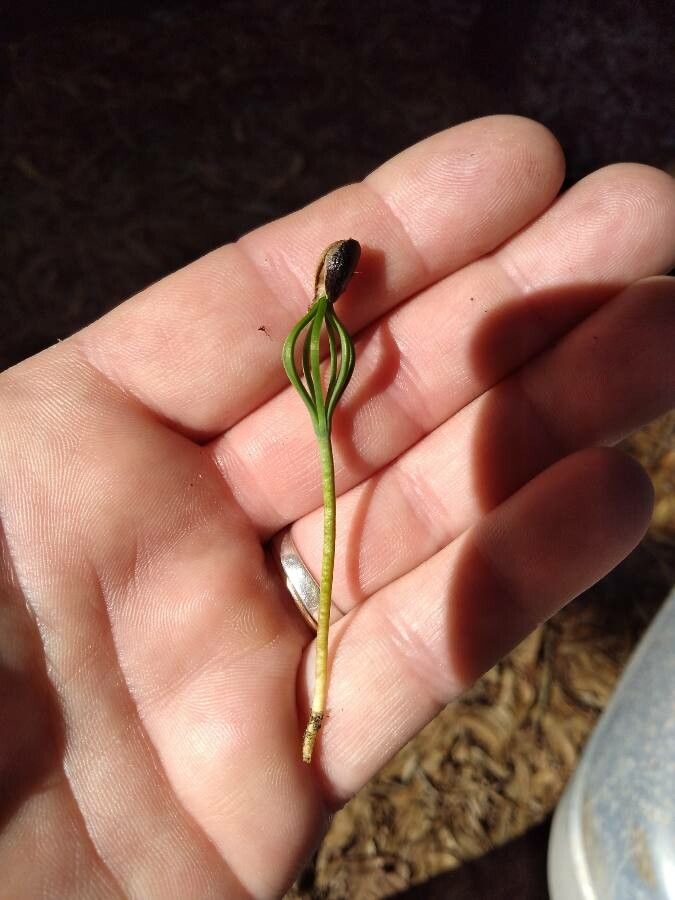
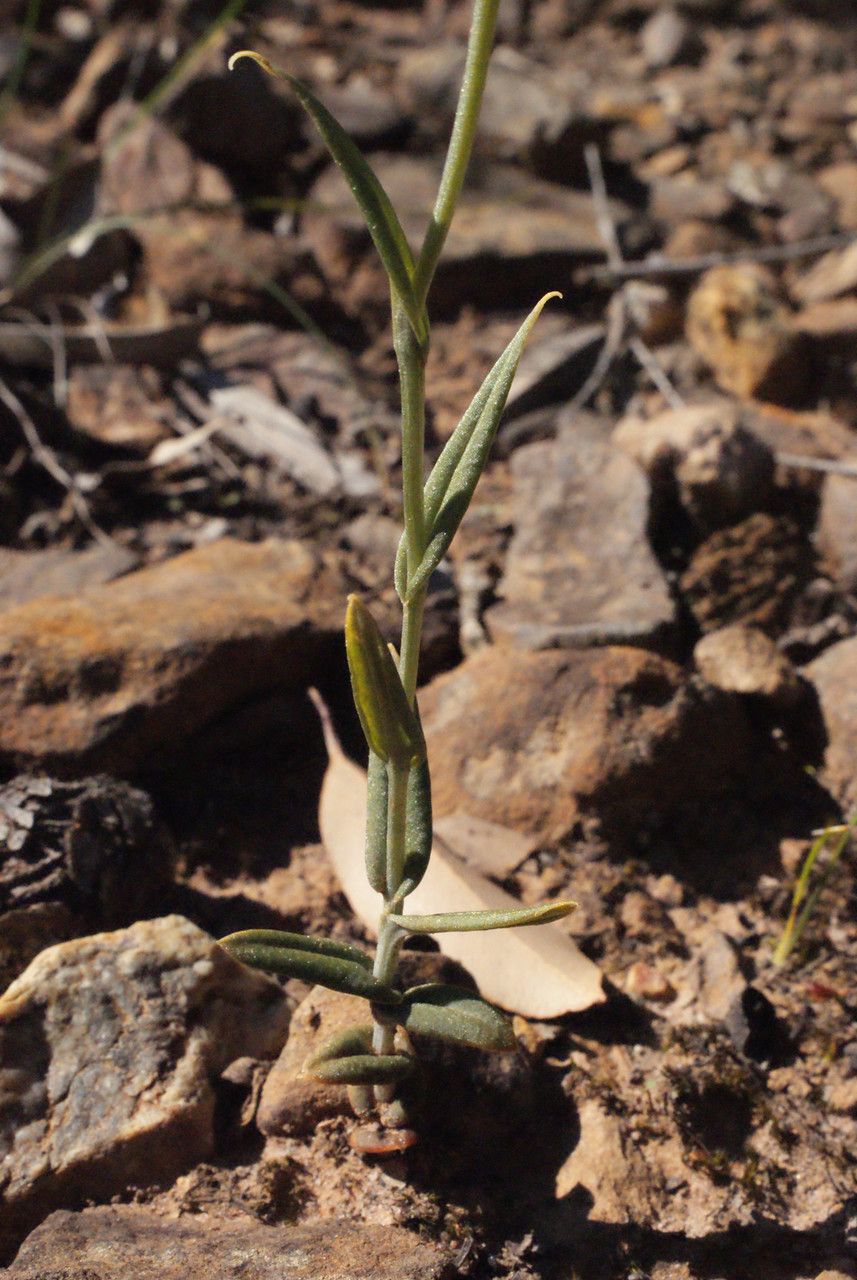
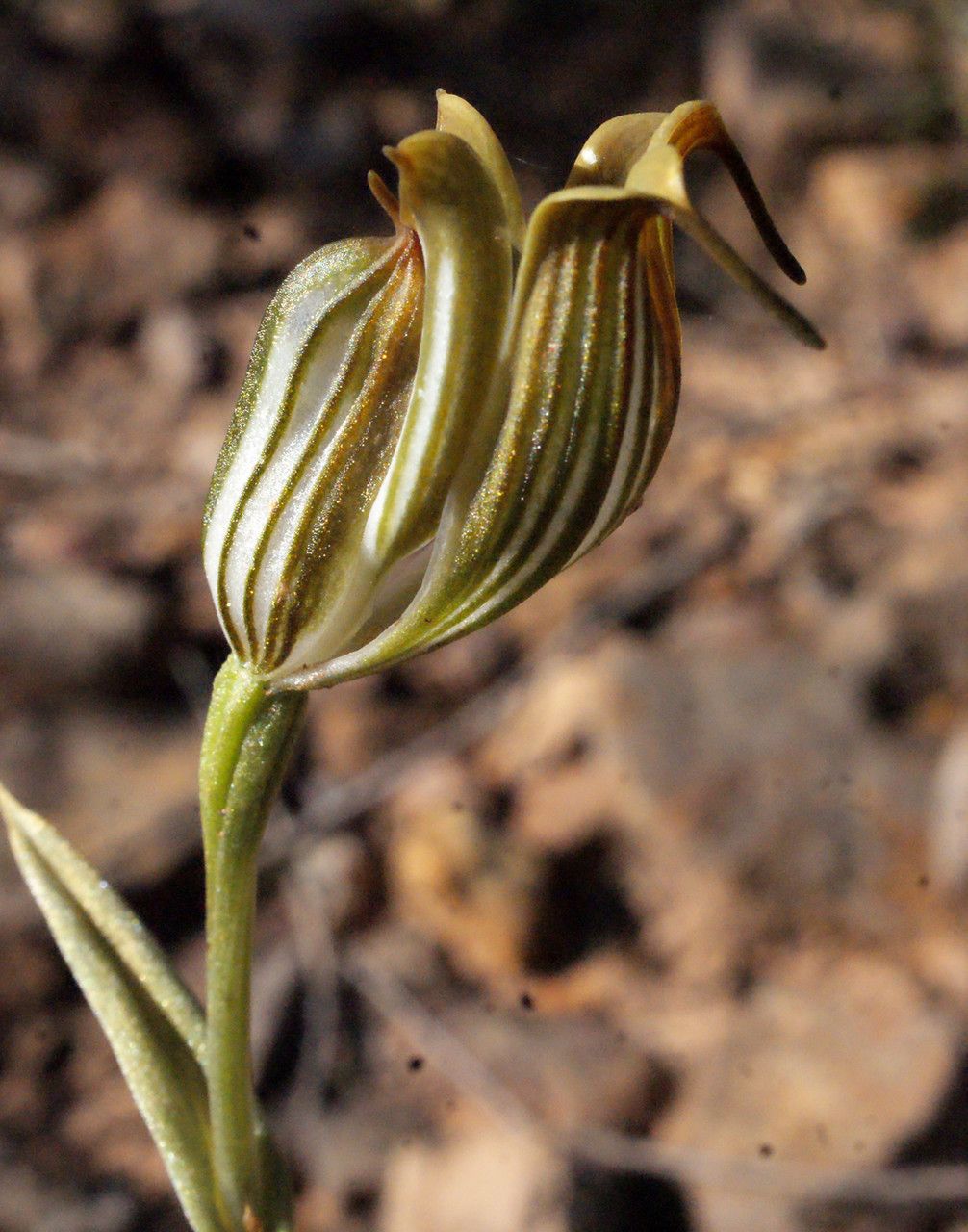
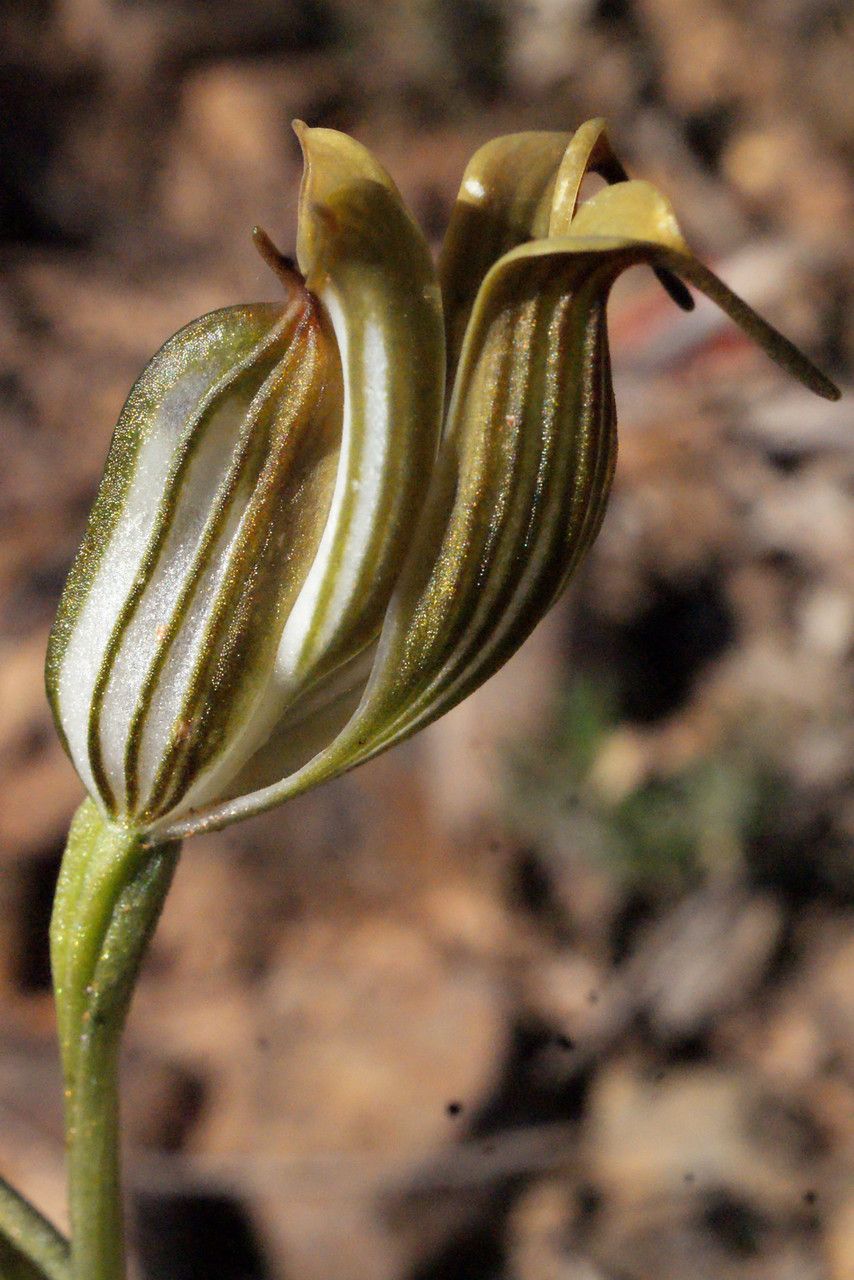
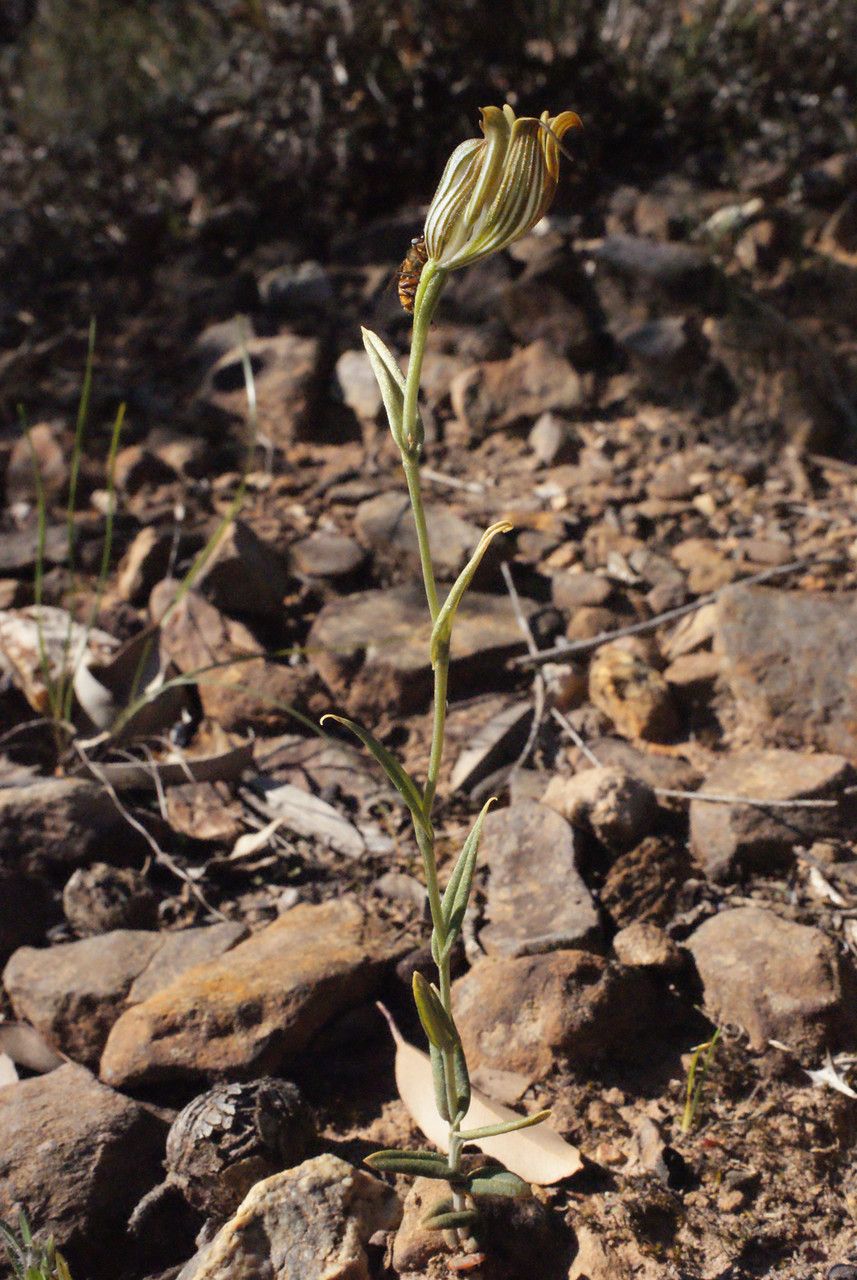
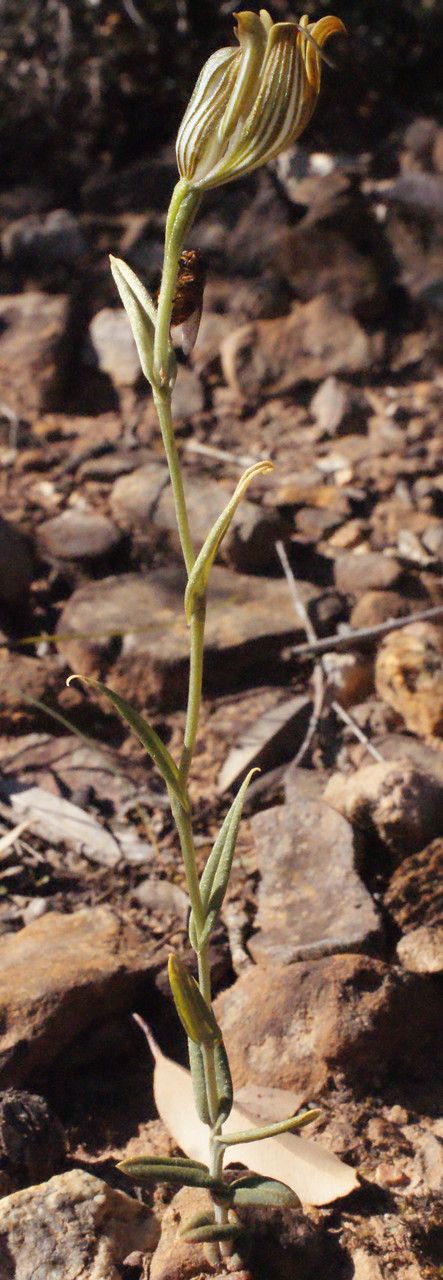
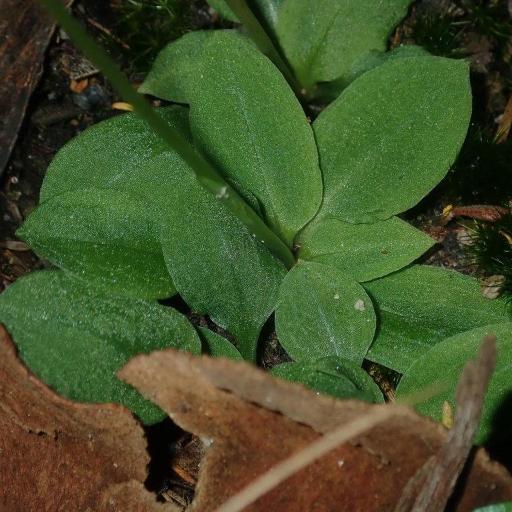
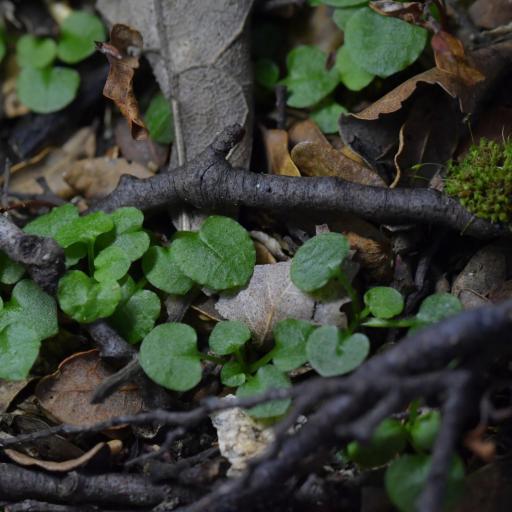
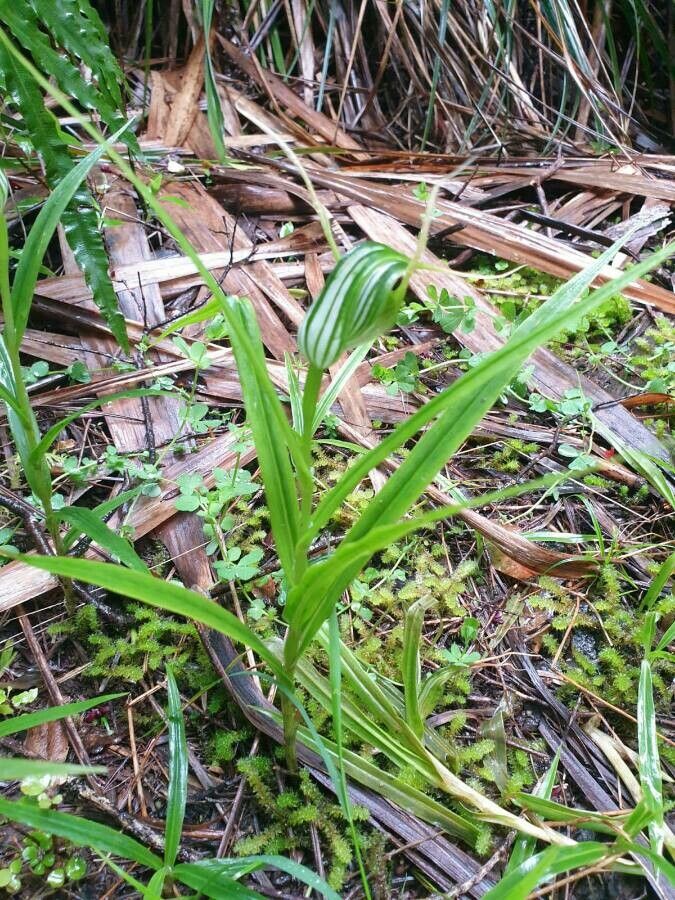
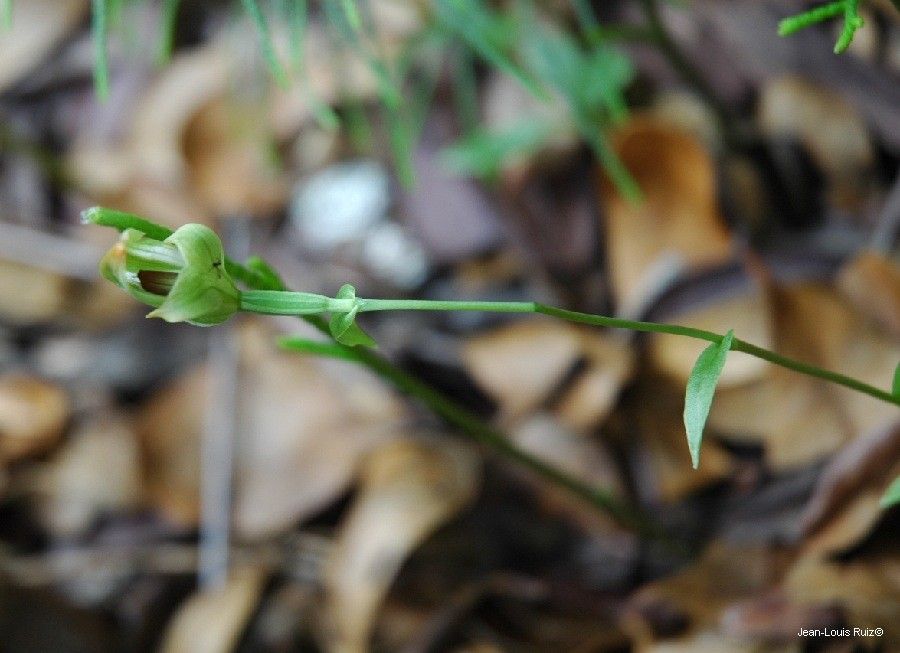
Pterostylis recurva commonly known as the jug orchid, recurved shell orchid, antelope orchid or bull orchid, is a plant in the orchid family Orchidaceae and is endemic to the south-west of Western Australia. It is a relatively common orchid which has up to four jug-shaped or funnel-shaped white flowers with green and brown lines and markings. Non-flowering plants have a rosette of leaves on a short stalk.
Jug orchid typically exhibits strong resistance to disease and encounters relatively few insect pests. Its care is considered challenging because it needs high humidity along with good air circulation and minimal harmful pathogens. Overwatering can result in root rot. Although anyone can grow Jug orchid, keeping it healthy and encouraging it to bloom again requires more growing experience.
How to keep Pterostylis Recurva.
Light
The jug orchid is native to habitats like forest understories and rocky areas, which offer natural shade. It prefers partial sun but can adjust to either full sun or full shade, showing that it is versatile and hardy.
Water
Jug orchids require adequate moisture but can tolerate occasional drought. Water them weekly during the summer and every 10 days in the fall and winter. To maintain humidity, mist the orchids regularly and use water with a neutral pH. If you're using tap or rainwater, let it sit for a while to allow any dissolved carbon dioxide to dissipate before using it on your plants.
Temperature
Jug orchid can tolerate a wide range of temperatures, yet its distribution may still be restricted by different combinations of moisture and heat. It does best in warm summer conditions with sufficient rainfall or watering. Extended spells of cloudy, rainy weather, as well as prolonged high temperatures, can raise the chance of Jug orchid dying. In winter, protecting it from cold can increase its likelihood of survival.
Fertilizer
Early spring, when the Jug orchid is coming out of dormancy and beginning active growth, is the best time to fertilize it. Fertilization supplies the essential nutrients needed for healthy growth. Although the Jug orchid requires relatively little fertilizer, feeding it once a year can improve its survival and encourage better, longer-lasting flowers.
Pruning
The jug orchid is characterized by its slender stems and intricate flowers. To encourage healthy growth and future blooms, prune the plant in early spring by removing dead foliage and spent flower stems. Make sure to use sharp, clean tools to prevent disease and improve the orchid's vitality and flowering potential.
Botanical profile.
- Plant Type
- Herb
- Life Cycle
- Perennial
- Genus
- Pterostylis
- Family
- Orchidaceae
- Hardiness Zone
- 9-11
- Mature Height
- 20 cm to 40 cm
- Mature Spread
- 10 cm to 15 cm
- Leaf Color
- Green
- Leaf Type
- Deciduous
- Flower Size
- 2.03 cm to 3.05 cm
- Bloom Time
- Fall
- Planting Time
- Spring, Summer
- Harvest Time
- Winter
Other names.
Reader questions.
What is the common name for Pterostylis recurva?
The common name for Pterostylis recurva is Jug orchid.
What information is available about Jug orchid?
Currently, there is no detailed information provided about the Jug orchid's essentials or symptoms. More research might be necessary to understand its characteristics, care needs, or any specific symptoms associated with its health and maintenance.