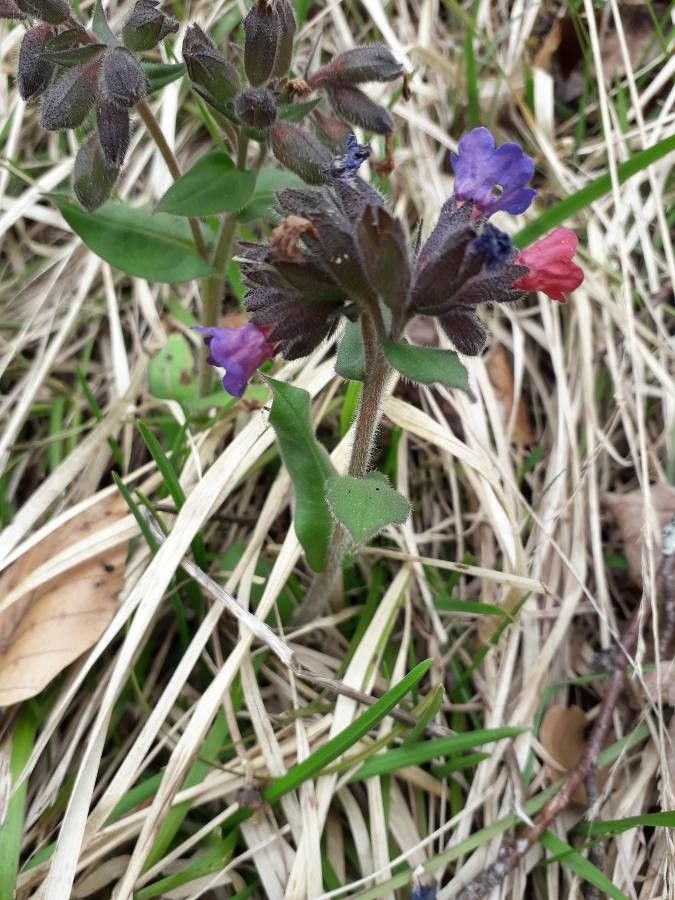
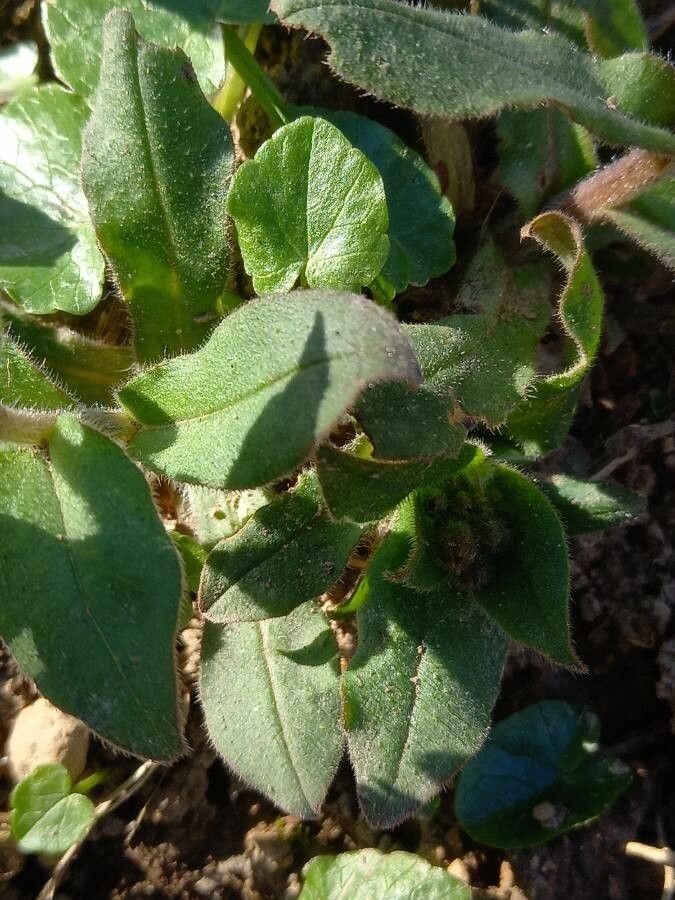
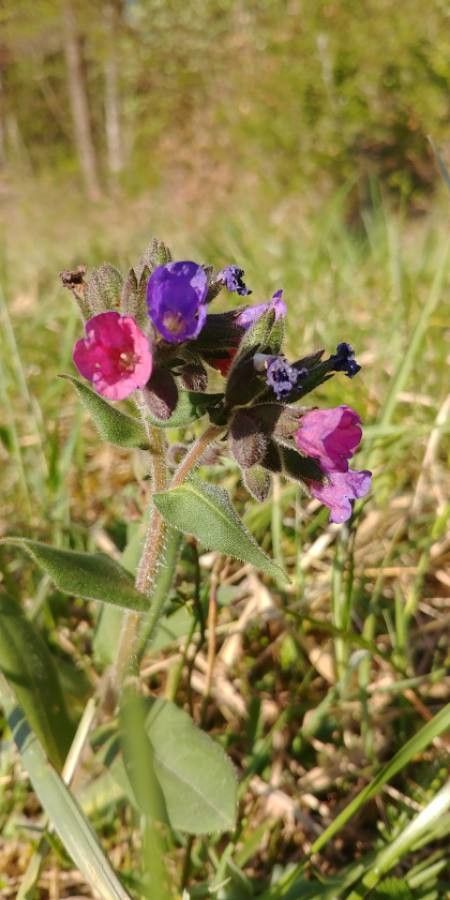
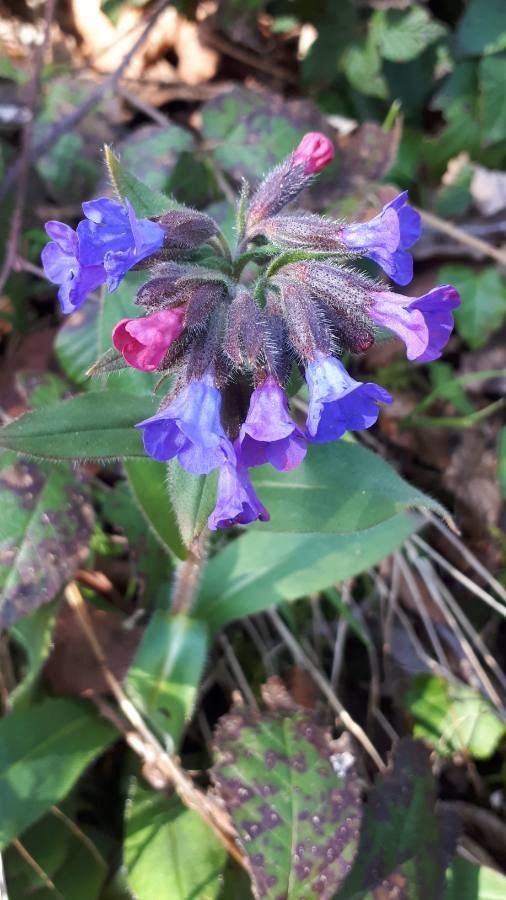
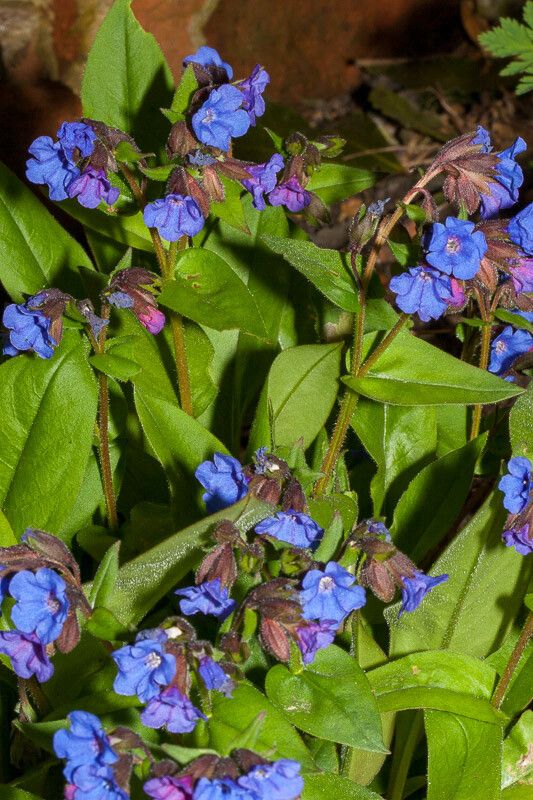
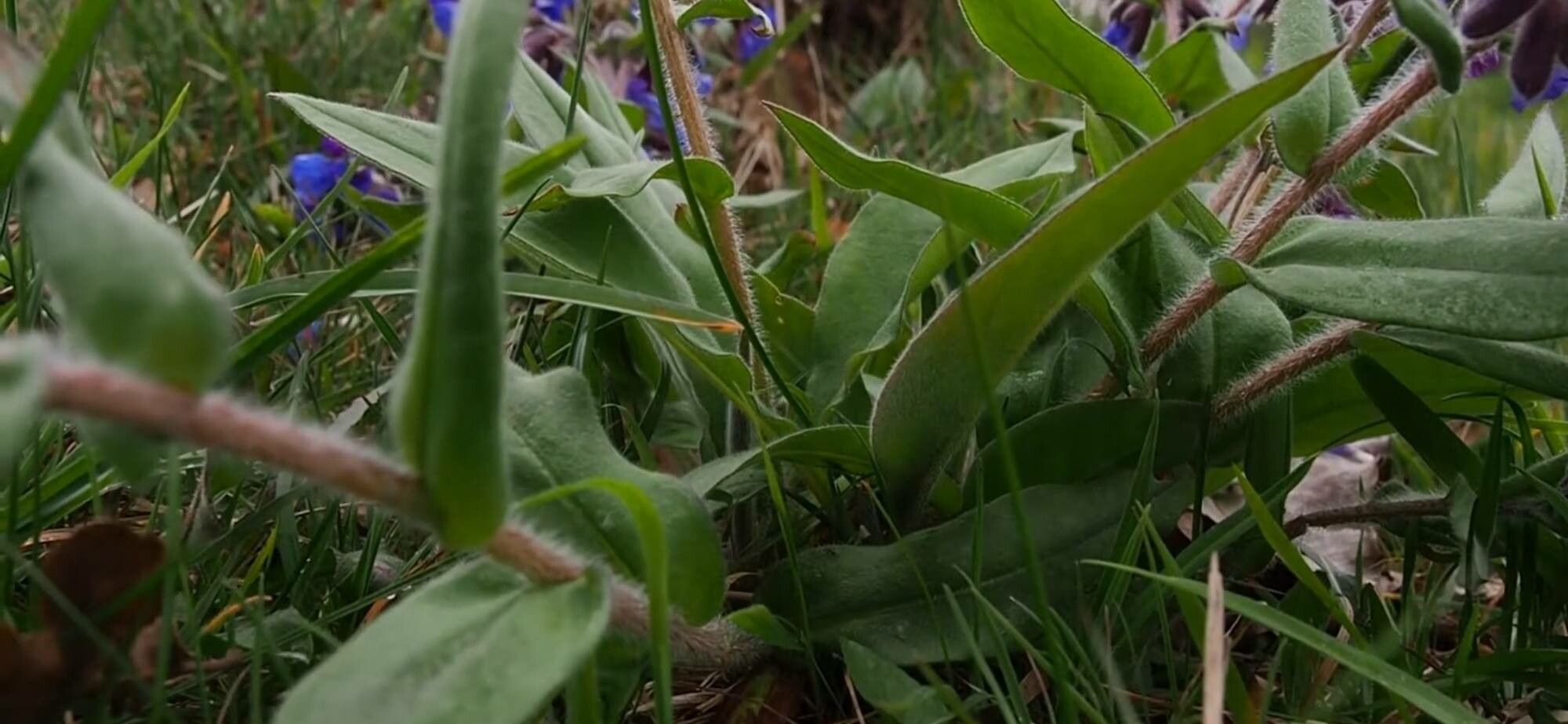
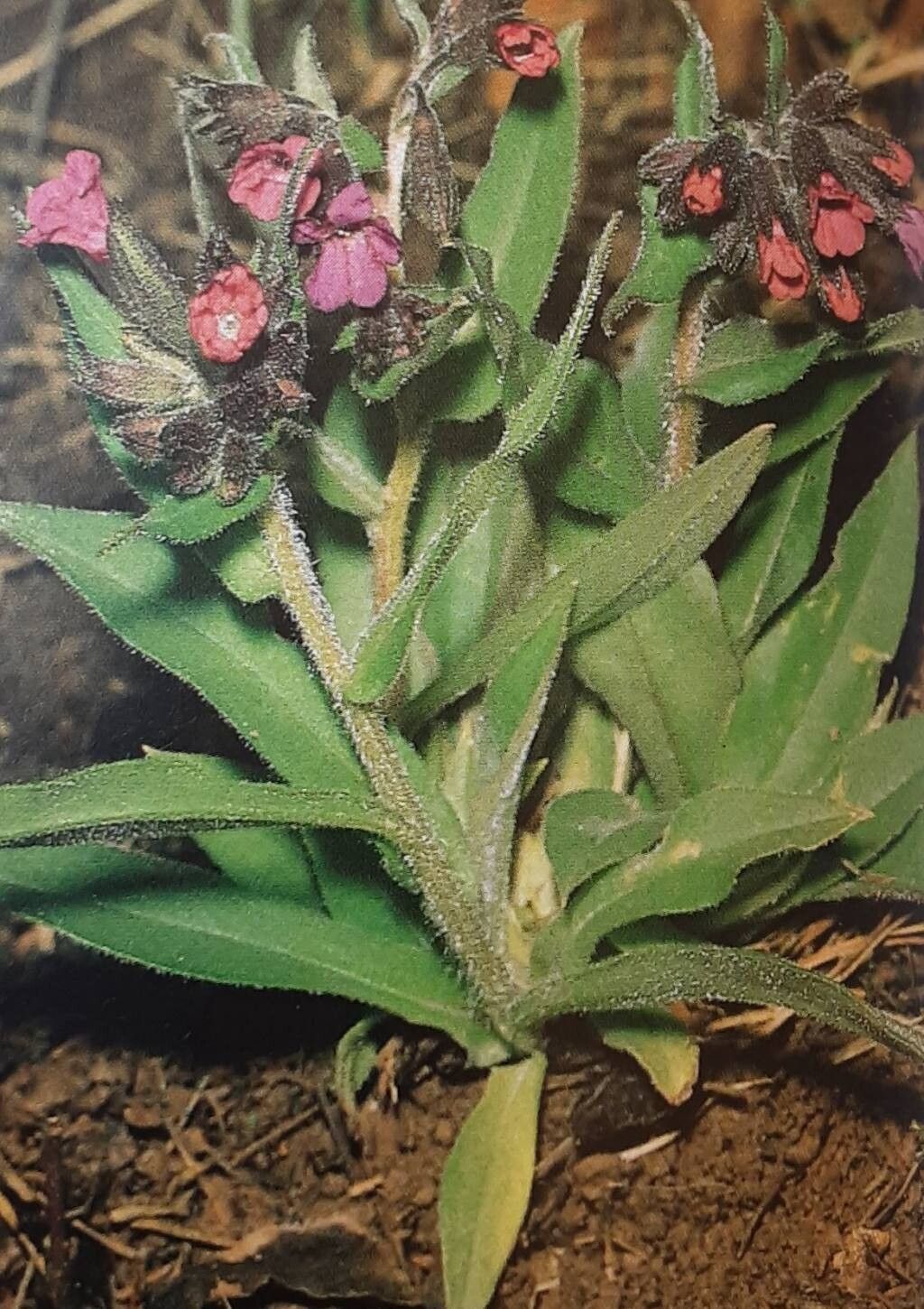
Pulmonaria obscura, common names unspotted lungwort or Suffolk lungwort, is a herbaceous evergreen perennial rhizomatous plant of the genus Pulmonaria, belonging to the family Boraginaceae. In Central Europe it is the most widely occurring member of the Boraginaceae.
Suffolk lungwort is fairly disease-resistant and usually not vulnerable to illnesses. However, it can be affected by pests and diseases present in its local environment. These problems are typically not serious. For care, this plant needs a moderate level of maintenance. It should be pruned regularly to keep a neat appearance and healthy growth. Fertilizing can also help encourage flowering. Suffolk lungwort is well suited to anyone with an outdoor area, such as a garden or patio, and does not demand extensive care experience. It may need more attention when grown indoors.
How to keep Pulmonaria Obscura.
Light
Suffolk lungwort does best in moderate sunlight but can tolerate spots with reduced light. This preference reflects its natural habitat, which has similar sunlight conditions. Excessive light can cause leaf scorch, while insufficient light can lessen its vibrancy and slow its growth rate.
Water
Suffolk lungwort thrives in consistently moist soil and benefits from weekly watering for optimal growth. This herbaceous perennial is often grown indoors and prefers higher humidity, reflecting its native woodland habitat. While it can tolerate moderate drought, it's important to avoid letting it become waterlogged.
Temperature
Suffolk lungwort naturally occurs in habitats where temperatures generally range from 41 to 90°F (5 to 32°C). It prospers within that range, coping well with normal seasonal temperature changes. If conditions differ, it is usually recommended to adjust the plant’s surroundings to match that temperature range.
Fertilizer
The best time to fertilize a Suffolk lungwort is in early spring, as it comes out of dormancy and begins active growth. Fertilizing supplies essential nutrients needed for healthy development. Although Suffolk lungwort has fairly low fertilizer requirements, applying fertilizer once a year can improve its survival and encourage better, longer-lasting flowers.
Pruning
Suffolk lungwort prospers when pruned with care, ideally from early to late spring after it has finished flowering. To promote healthy growth, remove old or damaged leaves, but avoid heavy pruning to prevent stressing the plant. Regular light pruning can improve air circulation and overall vitality. For more detailed guidance, refer to horticultural guides.
Botanical profile.
- Plant Type
- Herb
- Life Cycle
- Perennial
- Genus
- Pulmonaria
- Family
- Boraginaceae
- Hardiness Zone
- 4-8
- Mature Height
- 15 cm to 30 cm
- Mature Spread
- 30 cm to 61 cm
- Leaf Color
- Dark Green
- Leaf Type
- Deciduous
- Flower Color
- Pink, Purple
- Flower Size
- 1.02 cm to 1.52 cm
- Bloom Time
- Late winter, Early spring, Mid spring
- Planting Time
- Spring
- Harvest Time
- Late spring, Early summer
- Native Area
- Sweden, Austria, Czech Republic, Slovakia, Bulgaria, Poland, Croatia, Belarus, Ukraine, Russia, Lithuania, Hungary, Germany, Switzerland, Denmark, Netherlands, Estonia, Romania, Latvia, Belgium, France
Other names.
Reader questions.
How should I water my Suffolk lungwort plant in the best way?
To properly water the Suffolk lungwort, use filtered water at room temperature. Tap water can have harmful particles, so using filtered water is best. The plant prefers warmer water, as it is accustomed to a warm environment and cold water can be a shock. Avoid overhead watering, as it can cause issues with the foliage. Instead, apply filtered room temperature water directly to the soil until it is fully soaked. This will benefit the plant by moistening the roots and allowing them to spread and collect nutrients.
What are the sunlight requirements for Suffolk lungwort?
Suffolk lungwort thrives best in moderate sunlight but can also tolerate lower light conditions, aligning with its natural habitat preferences. It requires partial sun, about 3-6 hours of sunlight daily, but can survive in full shade, which is less than 3 hours of sunlight. Be mindful of the sunlight movement in your garden to find the optimal balance for your plant's health. Excessive light exposure may lead to leaf scorch, while insufficient light might diminish its growth and vibrancy.
What is the native temperature range for Suffolk lungwort?
Suffolk lungwort, with its botanical name Pulmonaria obscura, is native to environments typically experiencing temperatures between 41 to 90°F (5 to 32°C). It adjusts well to the seasonal fluctuations within this temperature range. To help the plant thrive, it's generally recommended to adjust its surroundings towards this preferable temperature spectrum. Suffolk lungwort has a strong cold resistance, meaning special frost protection measures are not usually necessary during winter. However, for winters expected to drop below -30°C, it's important to provide cold protection by covering the plant with soil or straw. Before the first freeze in autumn, abundantly watering the plant to ensure the soil remains moist and enters a frozen state can help prevent drought and water scarcity during winter and early spring.
What should I do if I either give too much water or not enough water to my Suffolk lungwort?
Overwatering is a more common problem for the health of your Suffolk lungwort compared to underwatering. When this plant gets too much water, its stems and leaves may wilt and turn yellow. Overwatering for a long period can also cause diseases like root rot, mold, and mildew, which can be fatal for the plant. Although underwatering is less likely, it can still happen, and in such cases, the leaves of your Suffolk lungwort will become dry and brown. To care for your Suffolk lungwort, it's important to identify signs of overwatering early on. Diseases like root rot may become irreversible if not addressed promptly. If you notice early signs of overwatering, reduce your watering schedule immediately and check the soil's drainage. Replace it with well-draining potting mix if it drains poorly. On the other hand, if you detect signs of underwatering, simply water more regularly until those signs disappear.
How does artificial lighting support Suffolk lungwort indoor growth?
Indoor Suffolk lungwort plants benefit from adequate lighting, especially when natural sunlight is scarce, such as in winter or less sunny spaces. Artificial lights, like LED, are effective as they can be tailored to provide specific light wavelengths necessary for plant growth. Full sun plants need 30-50W/sq ft, partial sun plants require 20-30W/sq ft, and full shade plants should have 10-20W/sq ft of artificial light. Ensure the light source is 12-36 inches above the plant and mimic natural daylight hours, generally providing 8-12 hours of light per day for optimal growth.
How does Suffolk lungwort react to low temperatures?
Suffolk lungwort is particularly cold-tolerant and performs its best when the temperature is maintained above 5°C. During winter, it's crucial to ensure that the temperature does not drop below -25°C. If temperatures plunge below -30°C, there might not be noticeable changes during the winter season itself; however, a decrease in sprouting or a complete lack of sprouting can occur come springtime. To address this, removing any parts that have failed to sprout in spring is advisable.
How frequently should I give water to my Suffolk lungwort plant?
If your Suffolk lungwort is in a pot, the most precise way to determine if it needs water is to check the soil. Simply stick your finger into the soil and if the top two to three inches are dry, it's time to water. When growing Suffolk lungwort outdoors in the ground, you can also use this method. If the first few inches of soil are dried out, it's time to water. Typically, during the spring and early fall, watering once a week is sufficient. However, during extremely hot weather, watering two or more times a week may be necessary. It's important to note that mature, well-established Suffolk lungwort plants have a remarkable ability to withstand drought.
What symptoms indicate Suffolk lungwort is receiving insufficient light?
When Suffolk lungwort gets inadequate light, it may show several symptoms: smaller new leaves, leggy or sparse growth, accelerated leaf drop, slowed or halted growth, lighter-colored new leaves. Additionally, chlorosis (leaves turning yellow), sunscald (damage from intense sunlight), leaf curling (a response to minimize water loss), wilting from water stress, and leaf scorching (brown, dry patches on leaves) can occur. These signs help diagnose if the plant's light environment needs adjustment.
What should be done if Suffolk lungwort is subjected to high temperatures?
Suffolk lungwort should ideally be kept below 32°C during the summer months. When temperatures rise above 35°C, the plant's leaves may begin to pale, curl, and become susceptible to sunburn; severe cases might see the entire plant wilt and dry. To mitigate these effects, trim away the sunburned and dried-up parts. Relocating the plant to a shaded area away from midday and afternoon sun or using a shade cloth can provide necessary relief. Additionally, watering the plant in the morning and evening helps keep the soil moist and supports the plant's health during high temperatures.
How much water does my Suffolk lungwort plant need?
To properly water your Suffolk lungwort, don't hold back on the amount of water you give. Wait until the top two to three inches of soil are dry, then water generously until the soil is saturated. Make sure to add enough water to allow excess water to drain through the pot's drainage holes. If you don't see any excess water draining, it means you haven't watered enough. However, be careful not to let water accumulate in the soil, as this can harm the plant. On the other hand, if the water doesn't drain through the pot, it may indicate that the soil is not draining well, which is not good for the plant. If the plant is outside, receiving about 1 inch of rain per week is sufficient.
What solutions are available for Suffolk lungwort facing insufficient light?
For indoor Suffolk lungwort plants, gradually moving them to sunnier spots each week to achieve 3-6 hours of direct sunlight daily can help. If the plant is large or not easily movable, consider using artificial lighting, like desk or ceiling lamps for at least 8 hours daily or investing in grow lights. Outdoors, slowly transition your plants to more sunlight-rich locations weekly to avoid sunburn. Removing obstacles blocking sunlight and transplanting smaller plants during their dormant period to sunnier spots with good drainage are effective measures for plants on the ground. Note that while parts of the plant suffering from inadequate light may not recover, new growth should be healthy once light conditions improve.
How do I water my Suffolk lungwort as it grows?
The water requirements of the Suffolk lungwort vary depending on its growth stages. When the plant is in its early years or has just been transplanted, it needs more water than usual. During these stages, the focus of the plant's energy is on developing new roots to support future growth. These newly formed roots require slightly more moisture. As the plant matures, its water needs decrease. However, during the bloom period, when the plant is producing flowers, it may require additional water due to the moisture-intensive process of flower development.