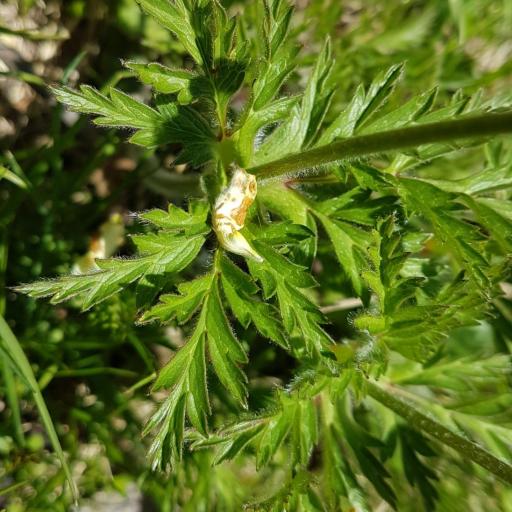
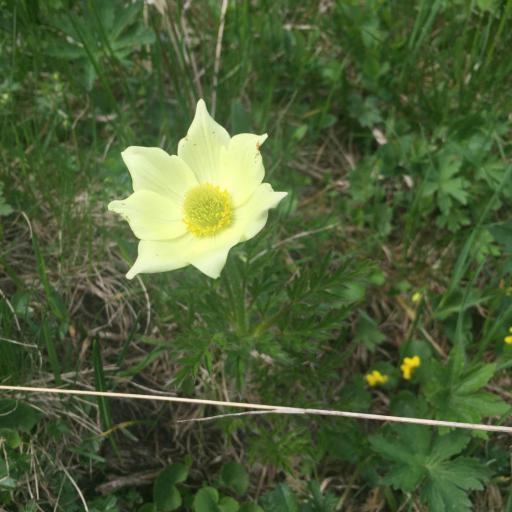
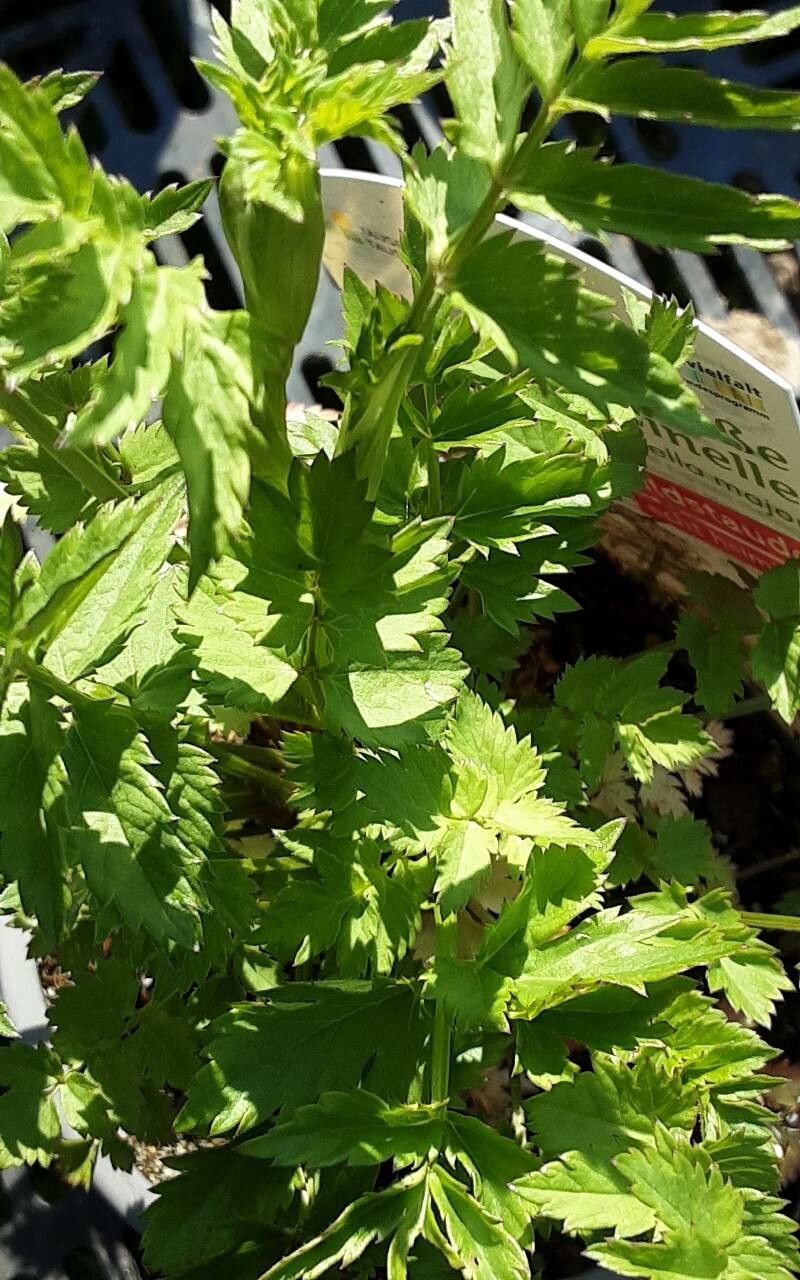
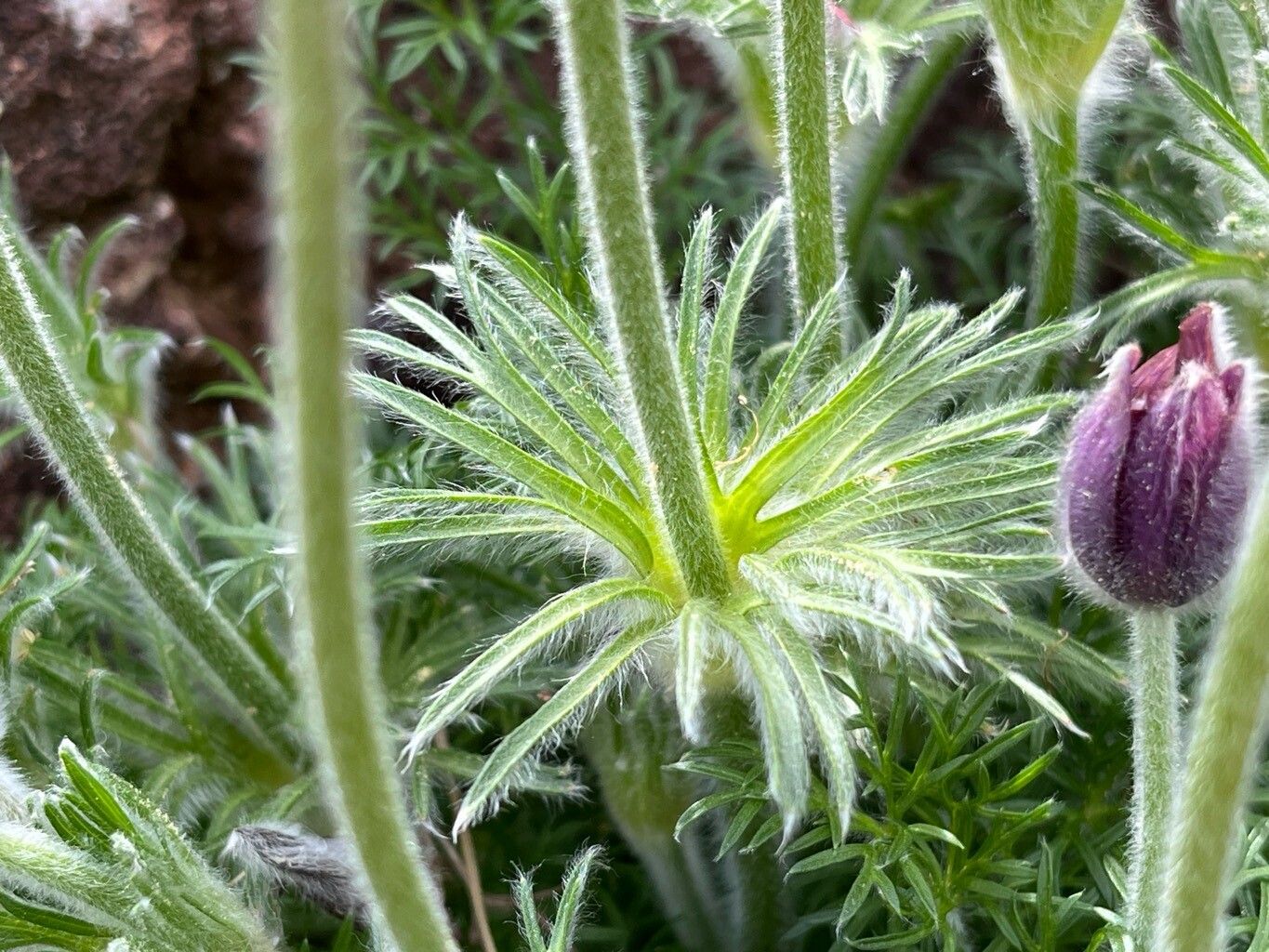
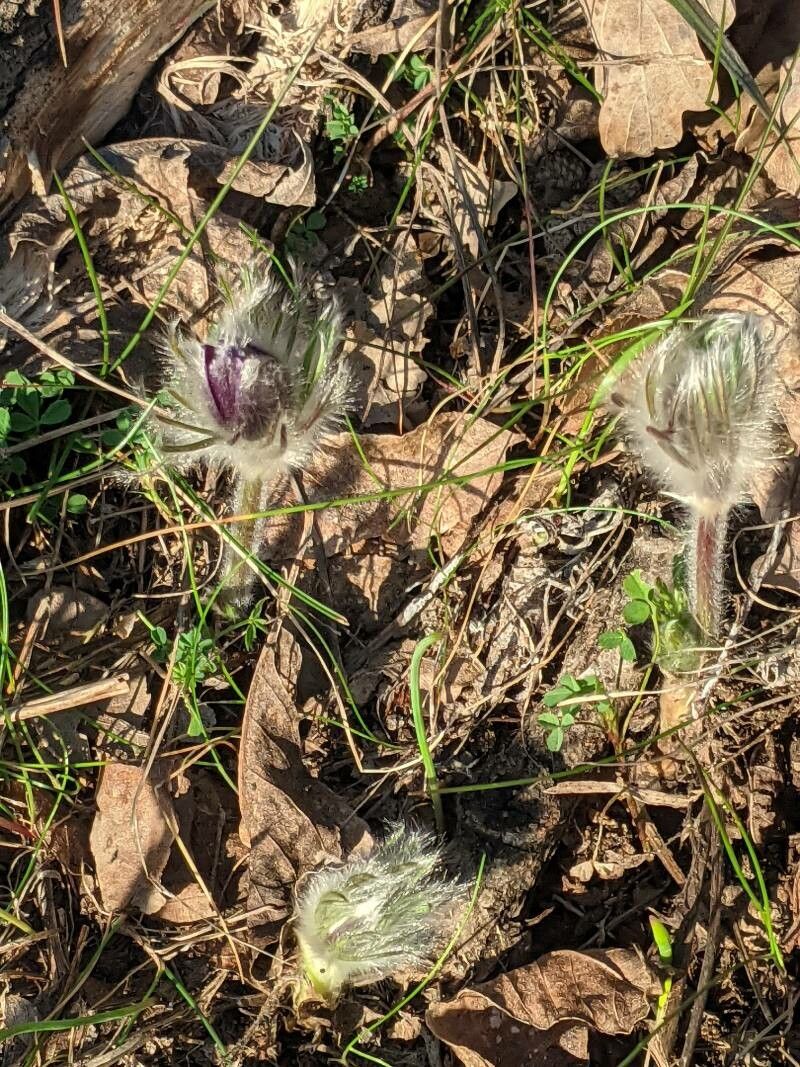
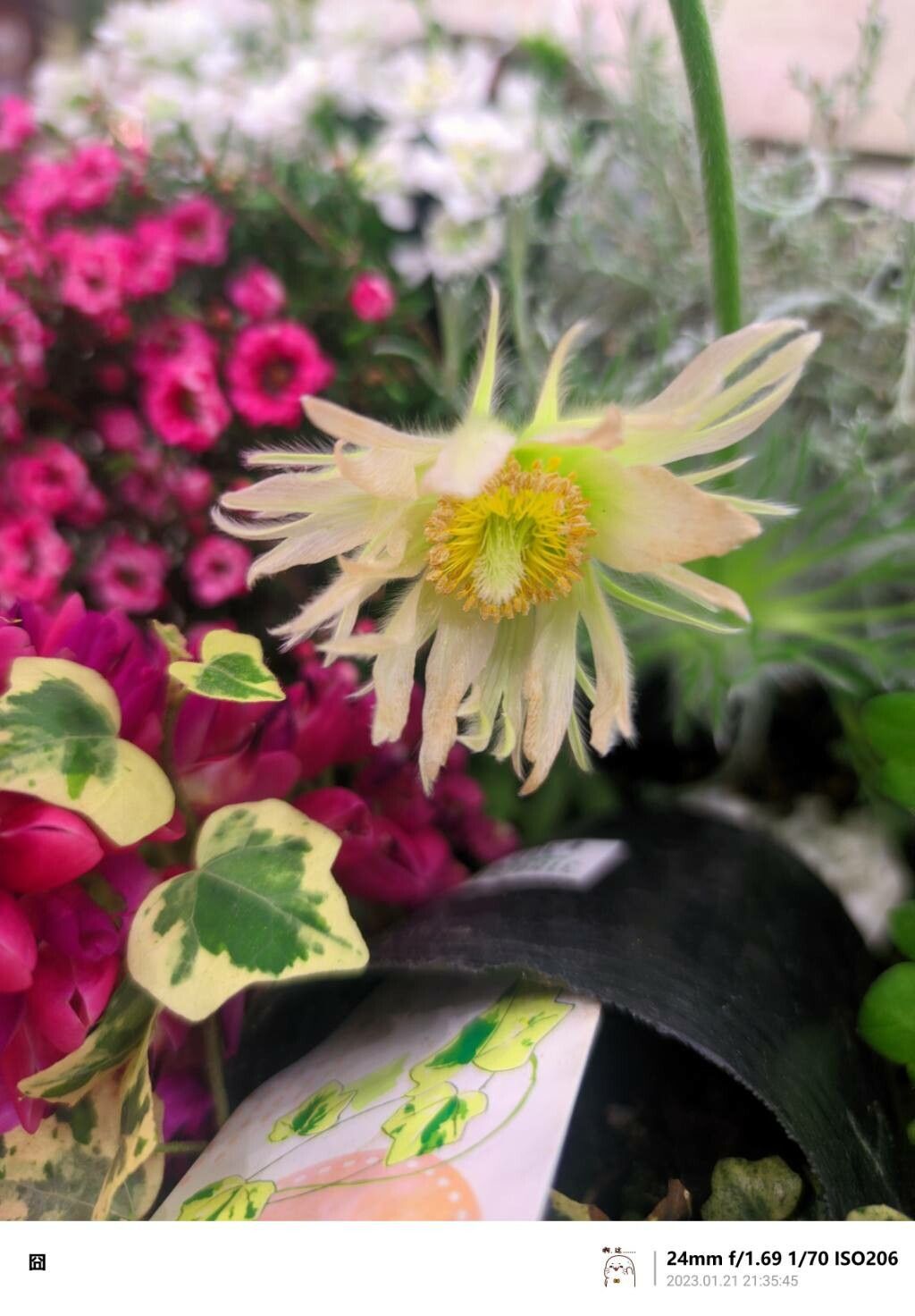
Pulsatilla alpina (alpine pasqueflower or alpine anemone) is a species of flowering plant in the family Ranunculaceae, native to the mountain ranges of central and southern Europe, from central Spain to Croatia. It is an herbaceous perennial growing to 15–30 cm (6–12 in) tall by 20 cm (8 in) wide, and can be found at altitudes of 1,200–2,700 m (3,900–8,900 ft).
Alpine pasqueflower has good resistance to disease and is generally not susceptible to illnesses. However, it can still be affected by pests and diseases present in its environment. Such infections are usually mild. Regarding care, this plant needs a moderate amount of maintenance. It should be pruned regularly to preserve a neat appearance and support healthy growth. Applying fertilizer can also help encourage flowering. Alpine pasqueflower is appropriate for anyone with an outdoor area, like a garden or patio, and does not demand much experience in plant care. It may need more attention if grown indoors.
How to keep Pulsatilla Alpina.
Light
The alpine pasqueflower does best in full sun exposure, which promotes vigorous growth. Its natural habitat is alpine regions that naturally receive a great deal of sunlight. Too much or too little sunlight can adversely affect the plant's health and growth.
Water
The Alpine pasqueflower, native to mountainous regions, thrives in well-drained soil and requires infrequent watering, which reflects its natural dry habitat. It grows best outdoors in cooler climates where the soil retains moisture. To maintain its health, water it weekly, ensuring that the roots do not become oversaturated.
Temperature
The Alpine pasqueflower grows best in conditions typical of its native Alpine environment, preferring temperatures from 41 to 89.6 °F (5 to 32 ℃). If temperatures drop below the lower limit, it may need extra care and protection from frost and cold winds.
Fertilizer
For the Alpine pasqueflower, the primary time to apply fertilizer is in early spring when the flowers are developing. Using the right fertilizer encourages better blooms and helps the Alpine pasqueflower produce attractive flowers. Fertilizing in early spring ensures excellent flowering throughout the season and provides energy for dormant growth phases.
Pruning
The Alpine pasqueflower is known for its vibrant, bell-shaped blooms and benefits greatly from pruning between early and late spring. To encourage growth and extend the blooming period, trim any dead stems and remove spent flowers. Additionally, thinning out overcrowded areas helps improve air circulation and prevents disease, enhancing both the health and appearance of the plant.
Pot & Repot
Repot the alpine pasqueflower every 2-3 years in early spring, using deep pots with good drainage. After repotting, place the plant in bright light and water sparingly until you see new growth. To help this delicate plant thrive, provide attentive care, but don't overdo it.
Botanical profile.
- Plant Type
- Herb
- Life Cycle
- Perennial
- Genus
- Pulsatilla
- Family
- Ranunculaceae
- Hardiness Zone
- 5-7
- Mature Height
- 15 cm to 30 cm
- Mature Spread
- 20 cm
- Leaf Color
- Dark Green
- Leaf Type
- Deciduous
- Flower Color
- White
- Flower Size
- 4.06 cm to 6.35 cm
- Bloom Time
- Mid spring, Late spring
- Planting Time
- Spring, Summer
- Harvest Time
- Early summer, Mid summer
Other names.