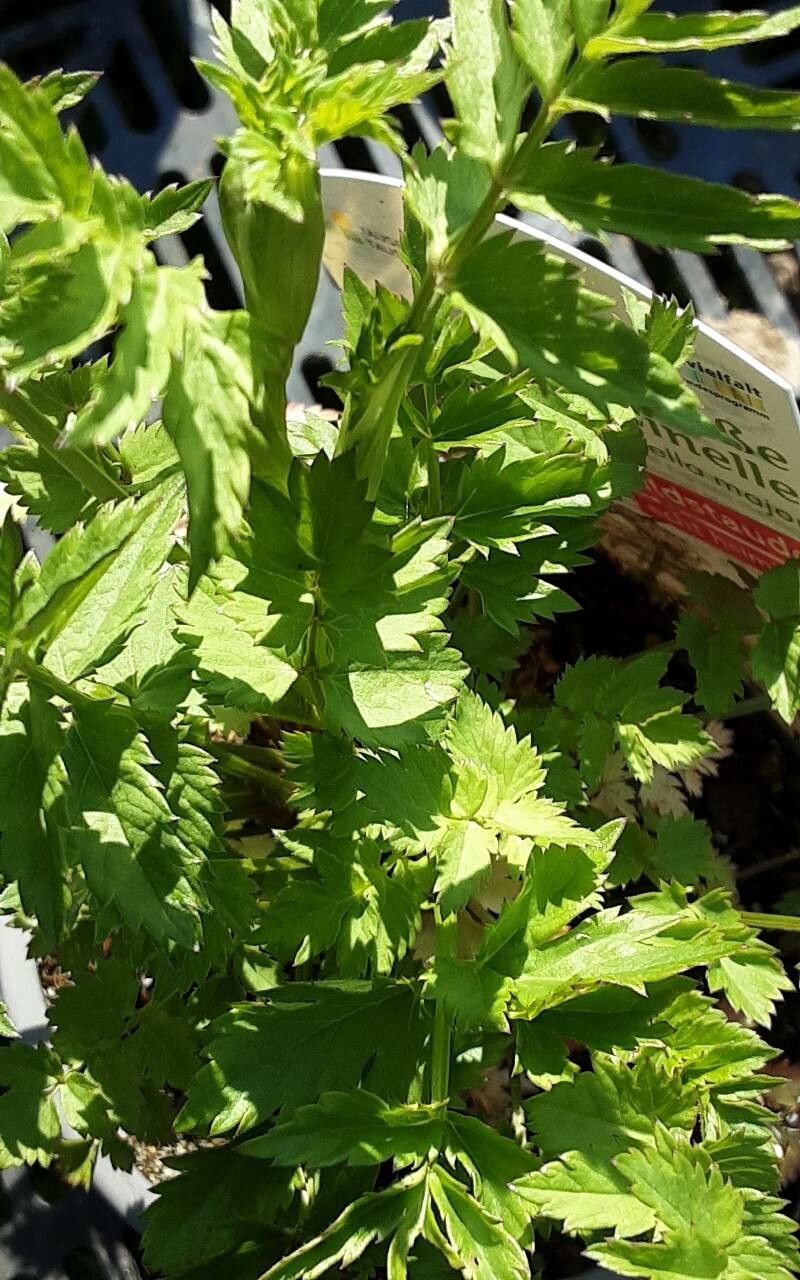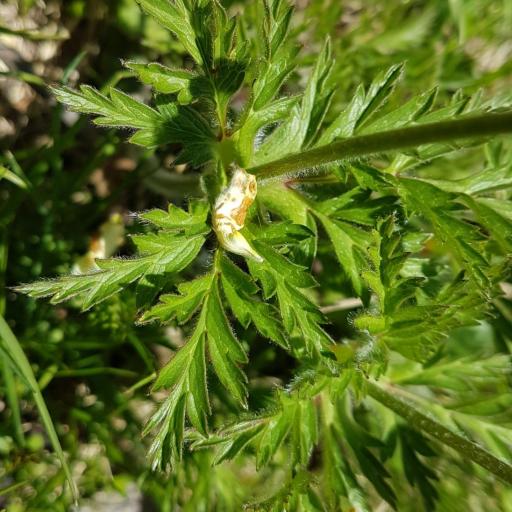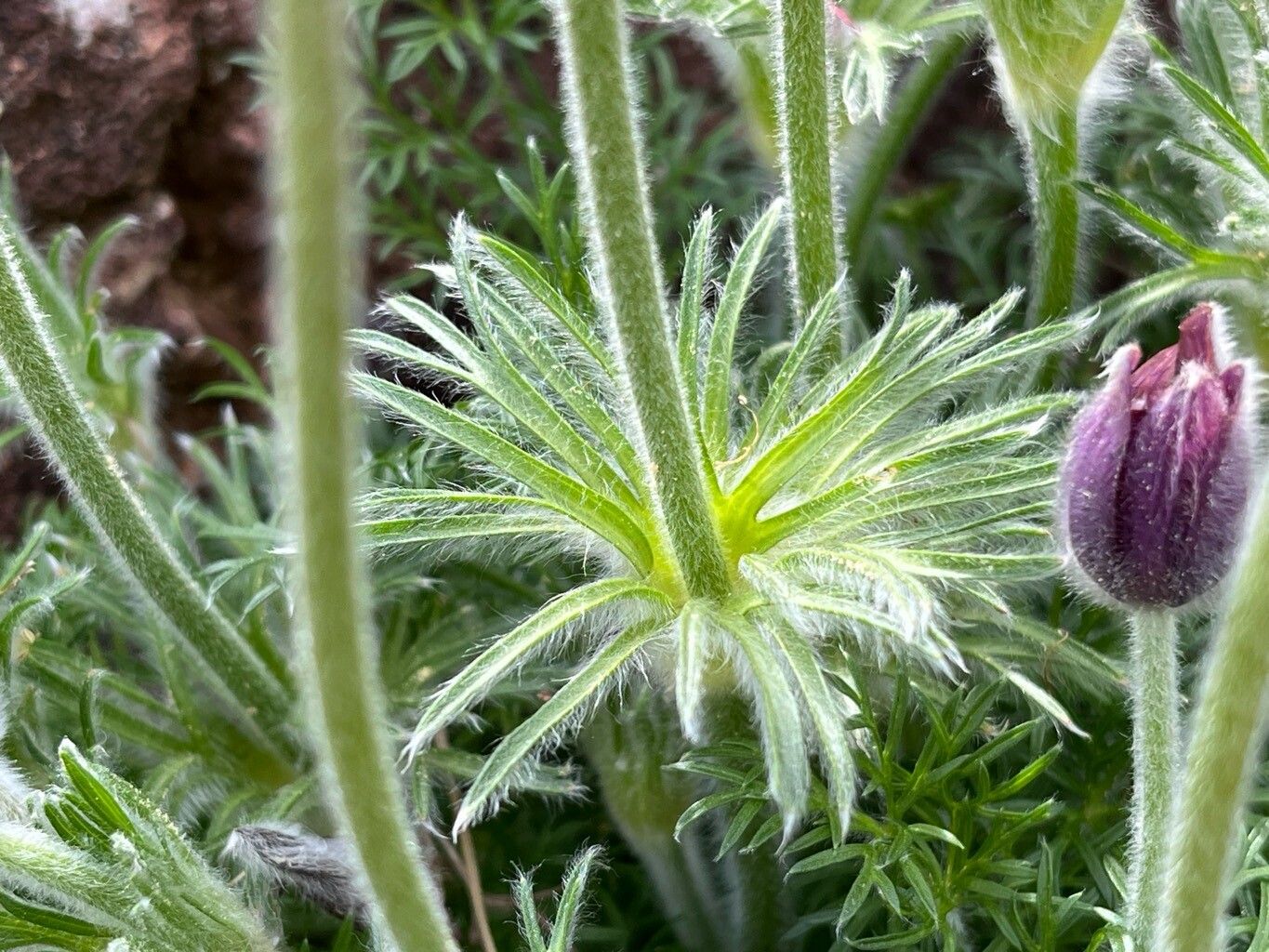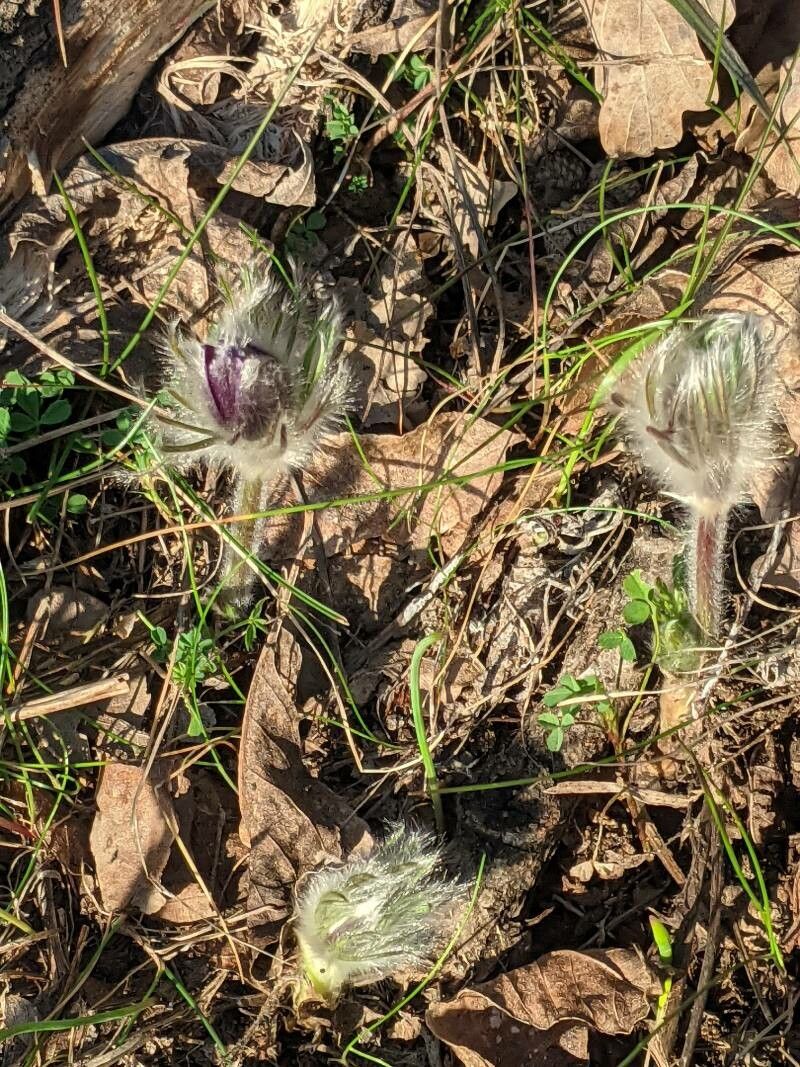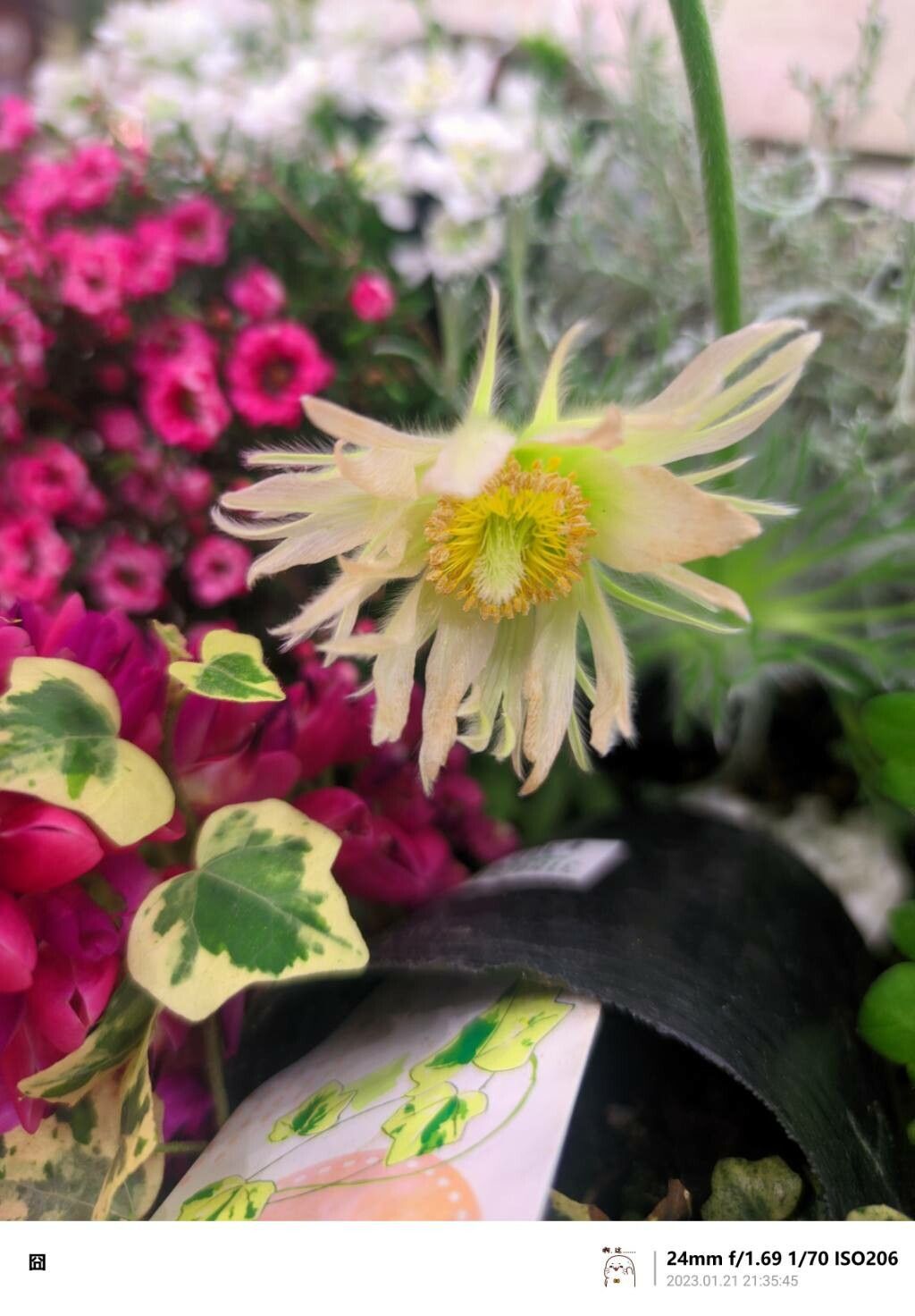
Pulsatilla cernua, the narrow-leaf pasque-flower, is a species of plant in the family Ranunculaceae. It is a perennial plant. It has dark red/purple flowers with white, silky villose hairs. Pulsatilla cernua flowers from April to May, and then the seeds ripen from May to June. P. cernua is insect pollinated. This plant has both male and female parts, which means it is a hermaphrodite. Most parts of this plant are not edible, except for the roots and leaves.
Narrow-leaf pasque-flower has strong resistance to disease and is typically not susceptible to illnesses. Nevertheless, it can be affected by pests and diseases present in its environment. Such infections tend to be mild. Regarding care, this plant requires a moderate level of maintenance. It should be pruned on a regular basis to preserve an attractive appearance and support healthy growth. Applying fertilizer can also encourage blooming. Narrow-leaf pasque-flower is appropriate for anyone with outdoor areas like a garden or patio and does not demand extensive gardening experience. It may need more attentive care if cultivated indoors.
How to keep Pulsatilla Cernua.
Light
The narrow-leaf pasque-flower flourishes best in settings where the sun shines with maximum intensity for the majority of the day, contributing to its robust growth and prosperity. However, abrupt changes to less bright conditions can adversely affect the plant's overall health and vigor.
Water
The narrow-leaf pasque-flower thrives in dry grasslands and is notably drought-tolerant, needing only about one watering per week. It requires well-draining soil to prevent root rot. However, during active growth phases, it does need more consistent moisture to support its herbaceous perennial traits.
Temperature
The narrow-leaf pasque-flower naturally thrives in areas where the average temperatures fluctuate between 41 and 89.6 °F (5 to 32 ℃). These moderately temperate conditions are its preferred habitat. Seasonal adjustments should be implemented as needed to maintain this specific temperature range.
Fertilizer
Fertilizing Narrow-leaf pasque-flower is primarily done in the early spring as the blooms start to form. The use of appropriate fertilizer promotes superior blossoms and aids in creating beautiful flowers from Narrow-leaf pasque-flower. By fertilizing in the early spring, it guarantees impressive flower production throughout the season and supplies energy for periods of dormant growth.
Pruning
The narrow-leaf pasque-flower is known for its nodding flowers and finely divided leaves. To encourage better growth and blooming, prune the plant between early and late spring by trimming old stems and removing spent flowers. Minimal pruning helps maintain the plant's natural shape, while regular thinning improves air circulation, reduces the risk of disease, and promotes overall health.
Botanical profile.
- Plant Type
- Herb
- Life Cycle
- Perennial
- Genus
- Pulsatilla
- Family
- Ranunculaceae
- Hardiness Zone
- 4-8
- Mature Height
- 15 cm to 28 cm
- Mature Spread
- 20 cm to 30 cm
- Leaf Color
- Dark Green
- Leaf Type
- Semi-evergreen
- Flower Color
- Purple
- Flower Size
- 6.35 cm to 7.62 cm
- Bloom Time
- Early spring, Mid spring
- Planting Time
- Spring, Summer
- Harvest Time
- Late spring, Early summer
- Native Area
- Russia, Japan, Koppen, South Korea, China
Other names.
Reader questions.
What are the sunlight requirements for a Narrow-leaf pasque-flower?
The Narrow-leaf pasque-flower requires full sun, meaning it should receive above 6 hours of sunlight daily for optimal growth. Monitoring how sunlight moves through your garden to choose spots with the ideal balance of light and shade is crucial for the well-being of your plants. This plant thrives best when exposed to the sun's intensity for most of the day, which is essential for its healthy development. However, a sudden decrease in light can harm the plant's vitality.
What is the ideal temperature range for Narrow-leaf pasque-flower?
The Narrow-leaf pasque-flower thrives in environments where temperatures typically range from 41 to 89.6 °F (5 to 32 °C). It prefers these moderate conditions and adjustments to match this temperature range should be made seasonally when necessary. Thanks to its strong cold resistance, special frost protection measures are usually not needed during winter. However, if winter temperatures are expected to drop below the plant's tolerance limit, it's important to provide cold protection by covering the plant with soil or straw and watering it abundantly before the first freeze in autumn.
How can artificial lighting support plant growth indoors?
Artificial lighting becomes vital for indoor plants, especially when natural sunlight is insufficient, like in winter or in less sunny spaces. It promotes faster, healthier growth by providing adequate lighting. LED lights are recommended because they can be tailored to your plant's specific light wavelength needs. For full sun plants, 30-50W/sq ft of artificial light is needed, for partial sun plants 20-30W/sq ft, and for full shade plants 10-20W/sq ft. The light source should be placed 12-36 inches above the plant, and most plants require 8-12 hours of light per day to mimic the natural daylight hours effectively.
How does the Narrow-leaf pasque-flower respond to and cope with low temperatures?
The Narrow-leaf pasque-flower is cold-tolerant, thriving best when the temperature is kept within its preferred range. During winter, it's crucial to maintain temperatures above its minimum tolerance level. If temperatures fall below its growth limit, you might not notice any immediate changes during winter, but there could be a decrease in sprouting, or the plant may not sprout at all come spring. In spring, it's recommended to remove any parts of the plant that have failed to sprout as a way to cope with low temperature effects.
What are the symptoms of inadequate light in Narrow-leaf pasque-flowers?
Symptoms of light deficiency in Narrow-leaf pasque-flowers include smaller new leaves compared to older ones, leggy or sparse growth making the plant appear thin and weak, premature leaf drop to conserve resources, halted or no new growth as the plant enters survival mode, leaves developing irregular color patterns or appearing pale indicating a lack of chlorophyll and essential nutrients, and several issues related to excessive sunlight such as chlorosis, sunscald, leaf curling, wilting, and leaf scorching. These symptoms show the plant's struggle in unsuitable light conditions.
How should Narrow-leaf pasque-flower be cared for during high temperatures?
During the summer, it's important to keep the Narrow-leaf pasque-flower below its maximum suitable growth temperature. Exceeding this temperature may cause the leaves to lighten in color, become prone to curling, suffer from sunburn, and in severe cases, cause the plant to wilt and dry out entirely. To mitigate high temperature stress, trim away the sunburned and dried parts of the plant. Move the plant to a location that provides shade during the midday and afternoon sun or use a shade cloth. Additionally, water the plant in the morning and evening to maintain soil moisture.
What solutions can alleviate light-related issues for Narrow-leaf pasque-flowers?
To combat light-related issues for Narrow-leaf pasque-flowers, gradually increase their exposure to sunlight by moving them each week until they receive at least 6 hours of direct sunlight daily. Indoors, consider using artificial light or keeping lamps on for at least 8 hours daily if the plant is large or not easily movable. Outdoors, ensure plants are gradually introduced to sunnier spots to prevent sunburn. Reduce obstructions by pruning trees or shrubs that block sunlight and consider transplanting smaller plants during their dormant period to areas with ample sunlight and good drainage. It's important to remember that while parts of the plant affected by insufficient sunlight may not recover, new growth should be healthy with increased light exposure.