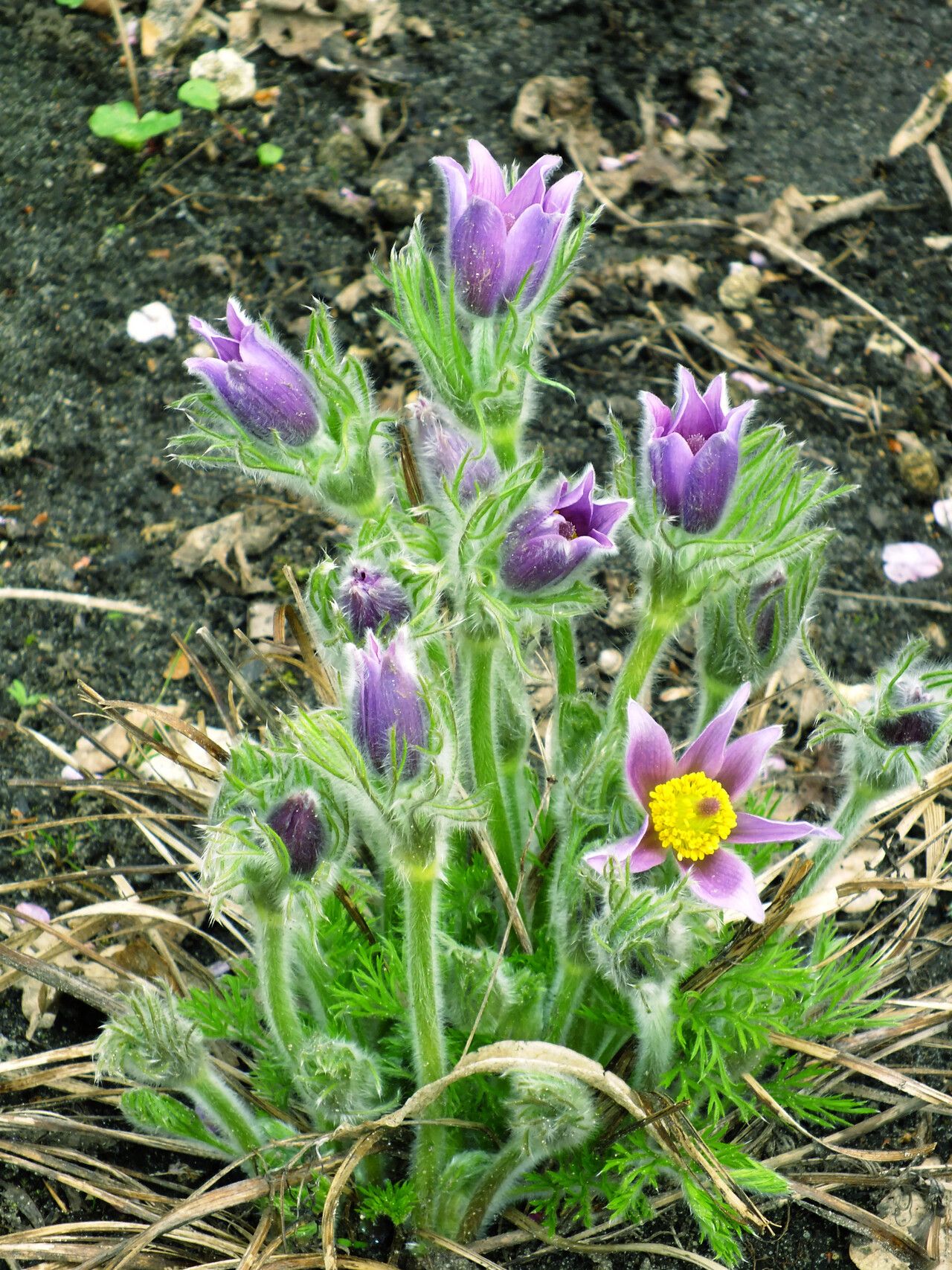
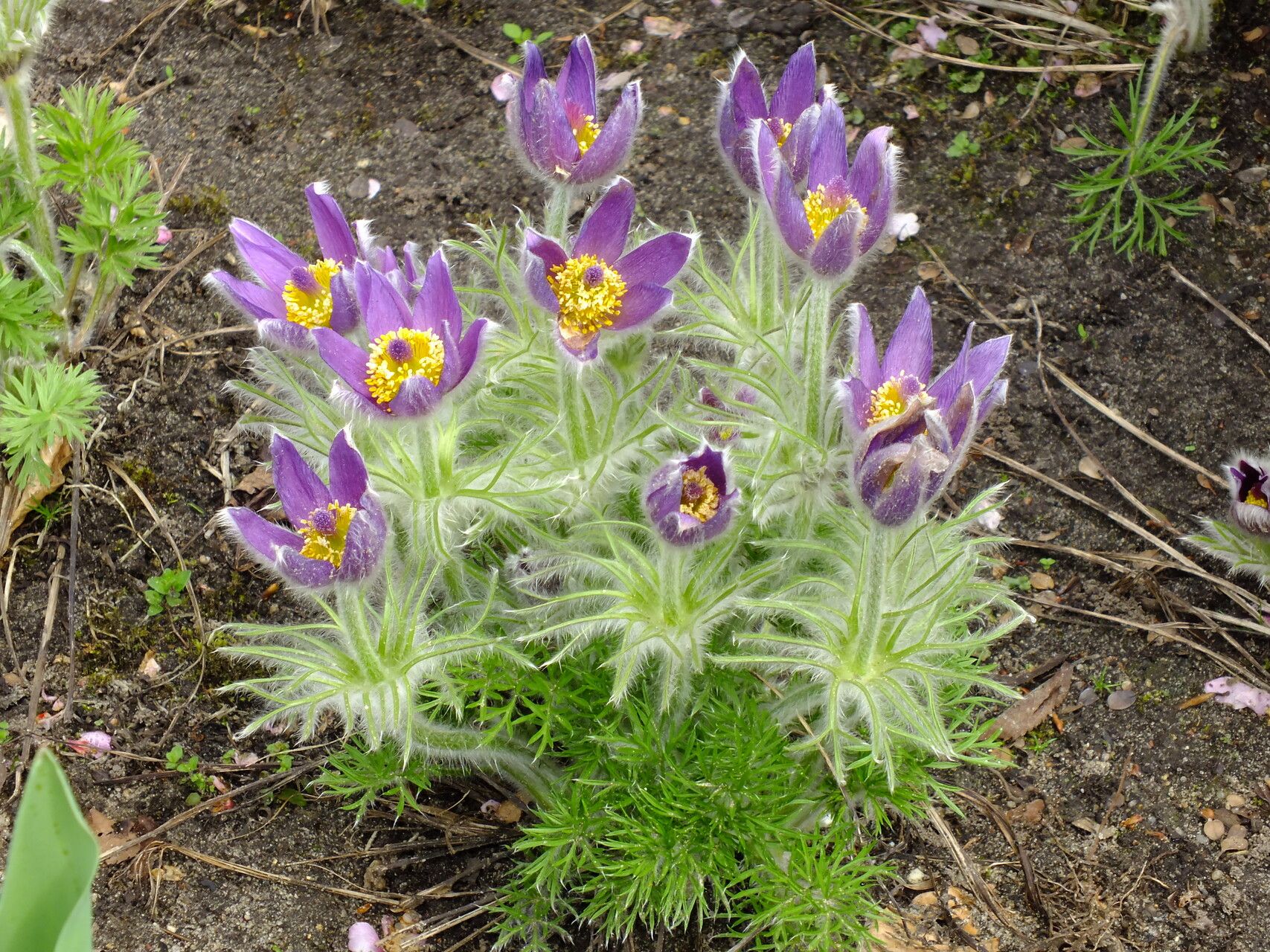
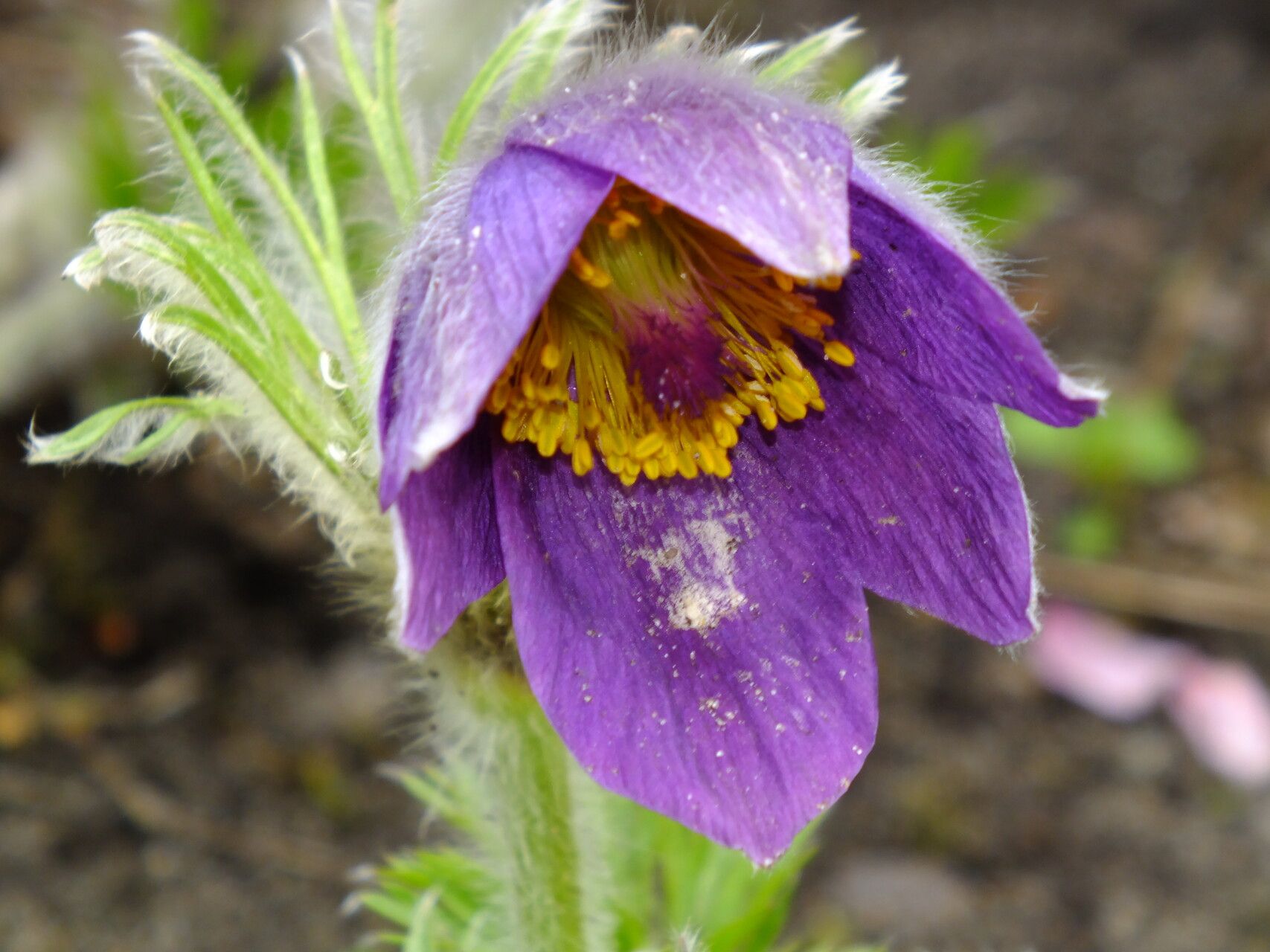
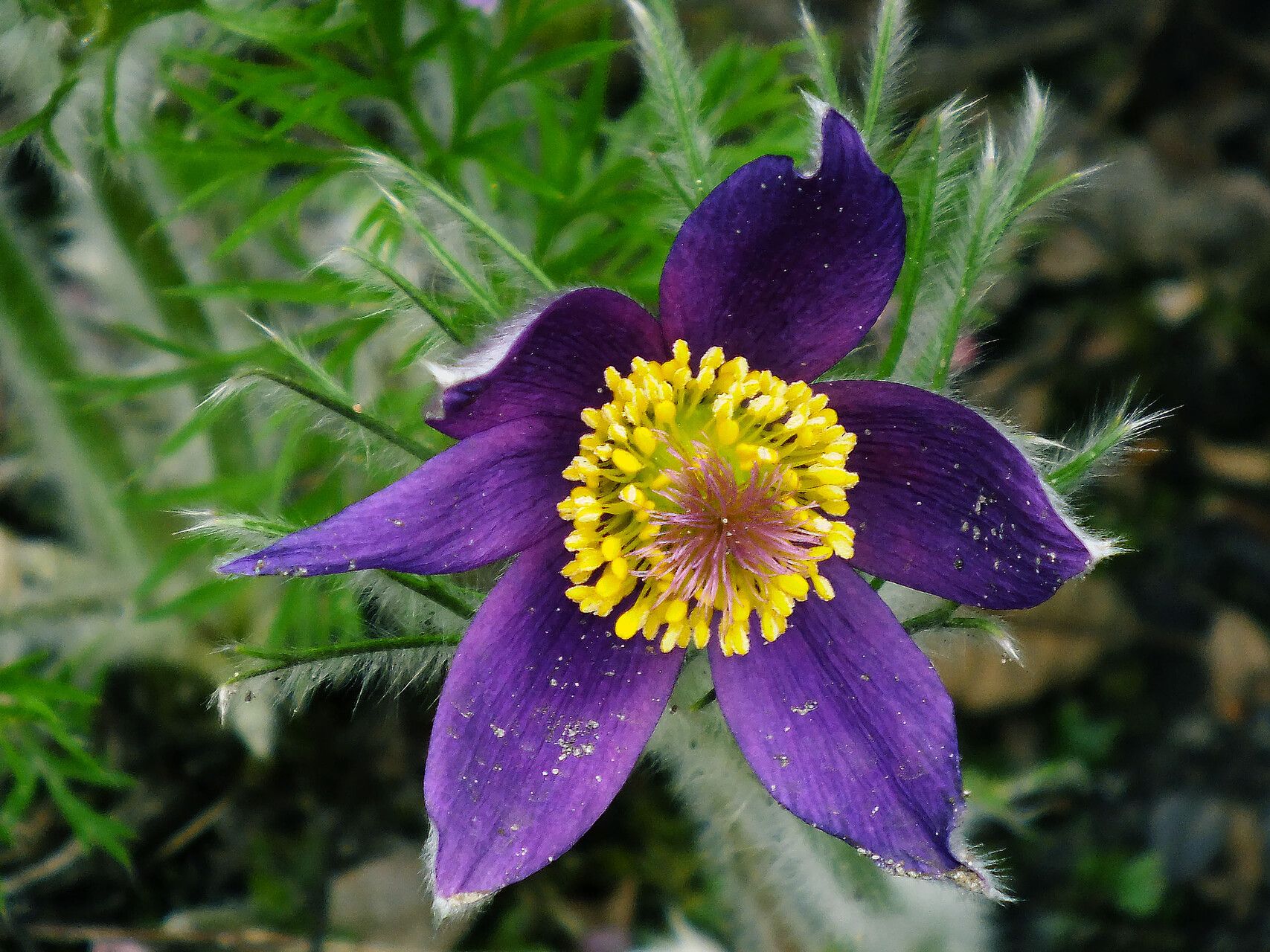
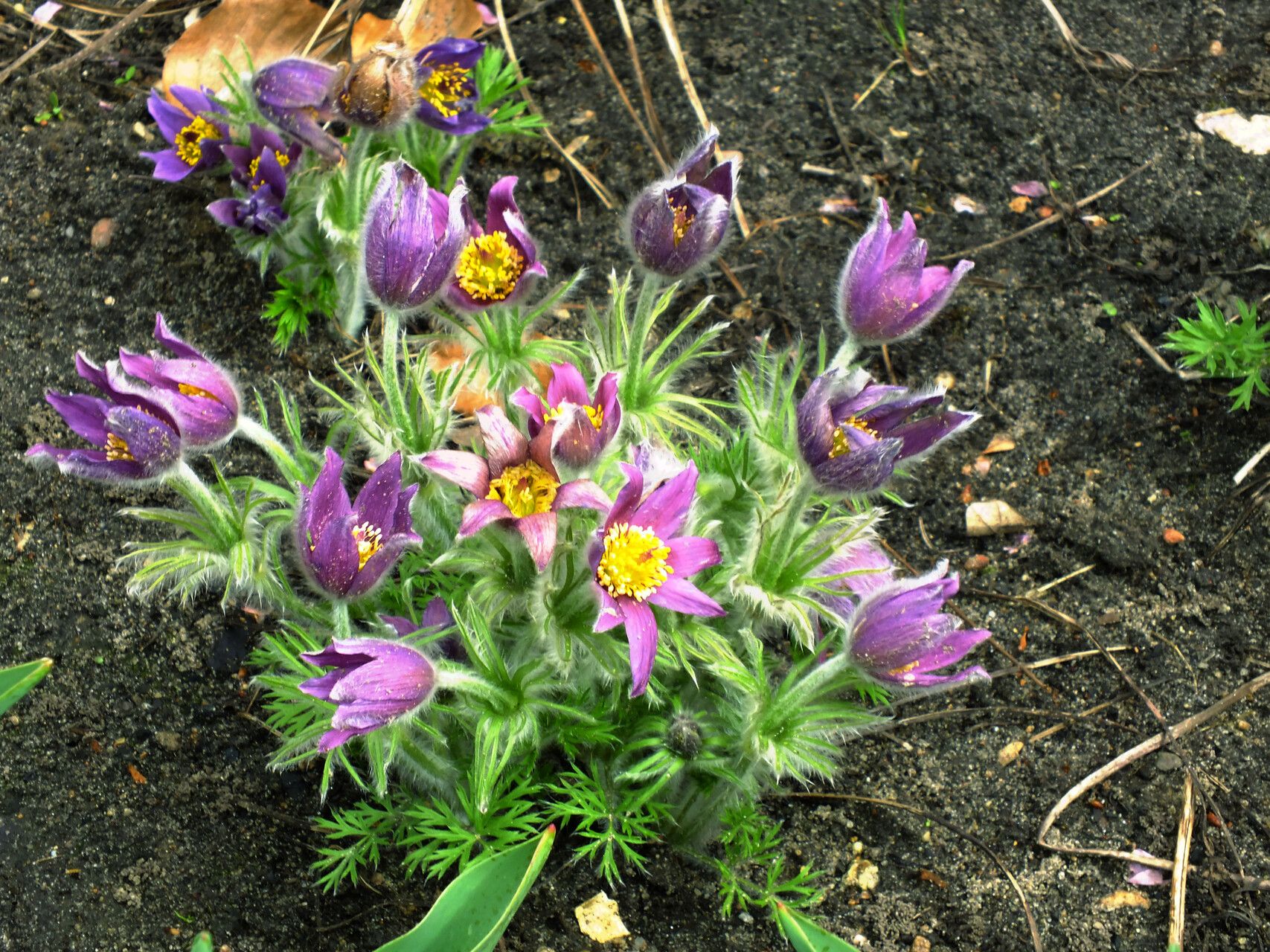
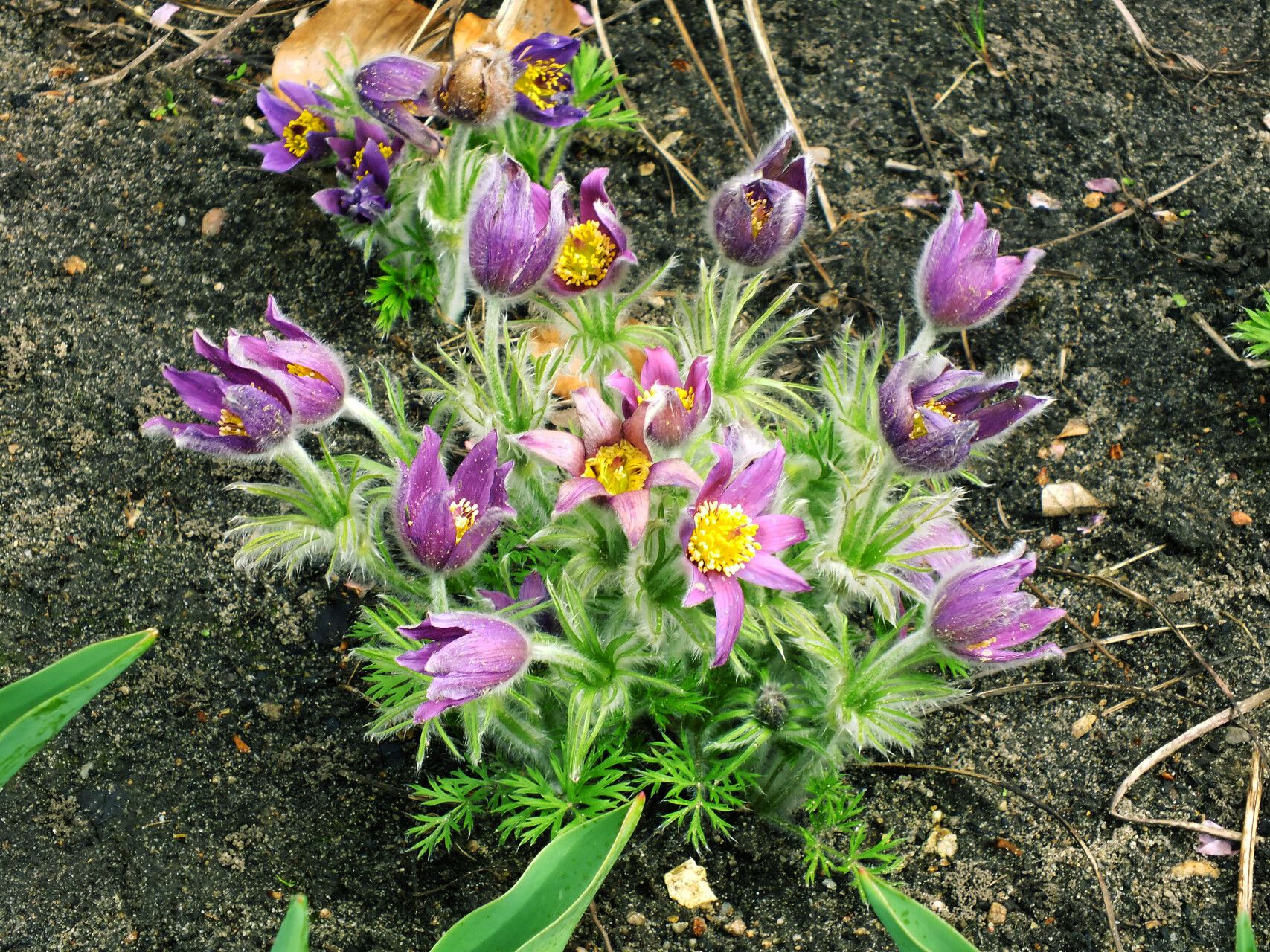
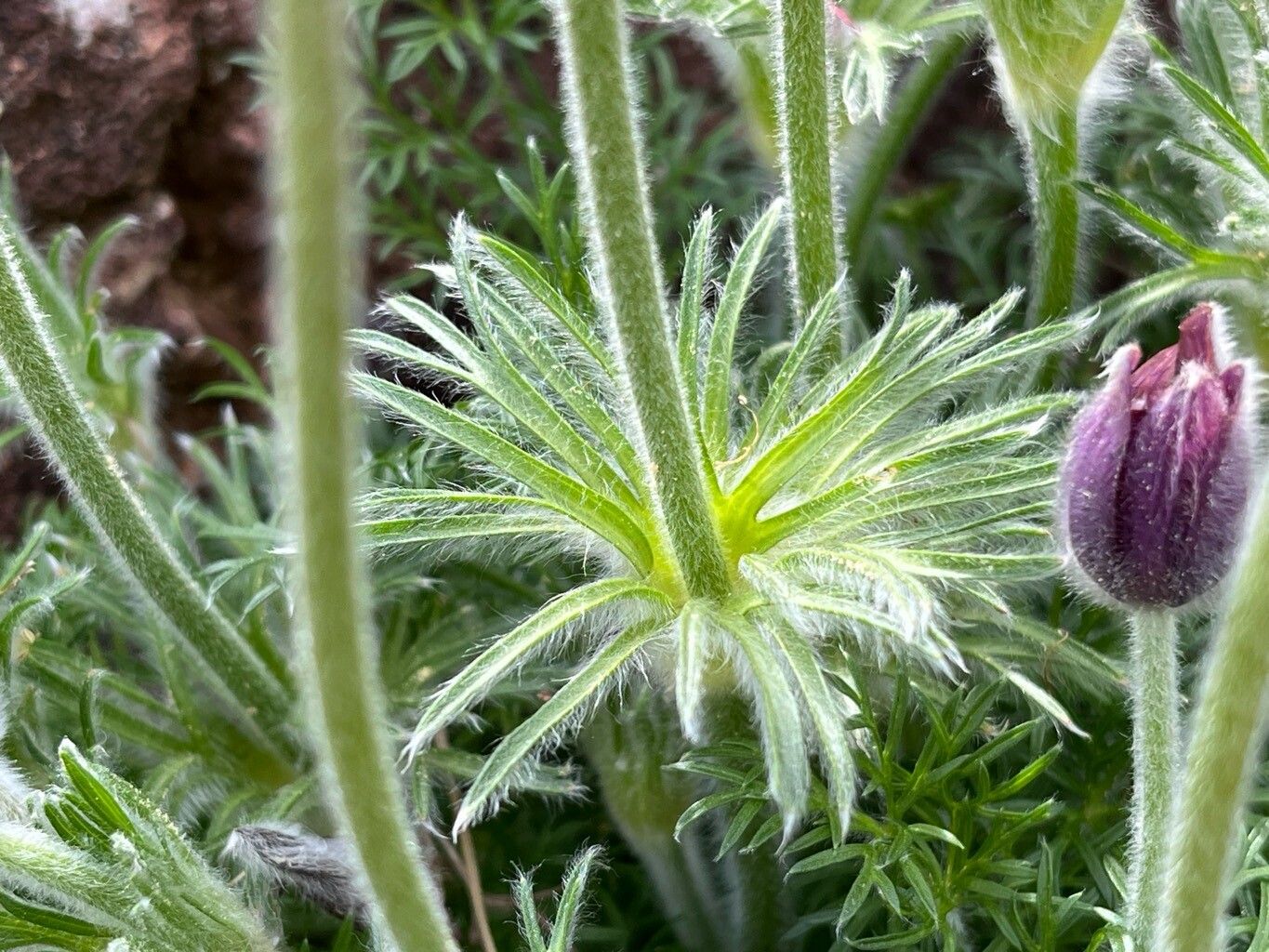
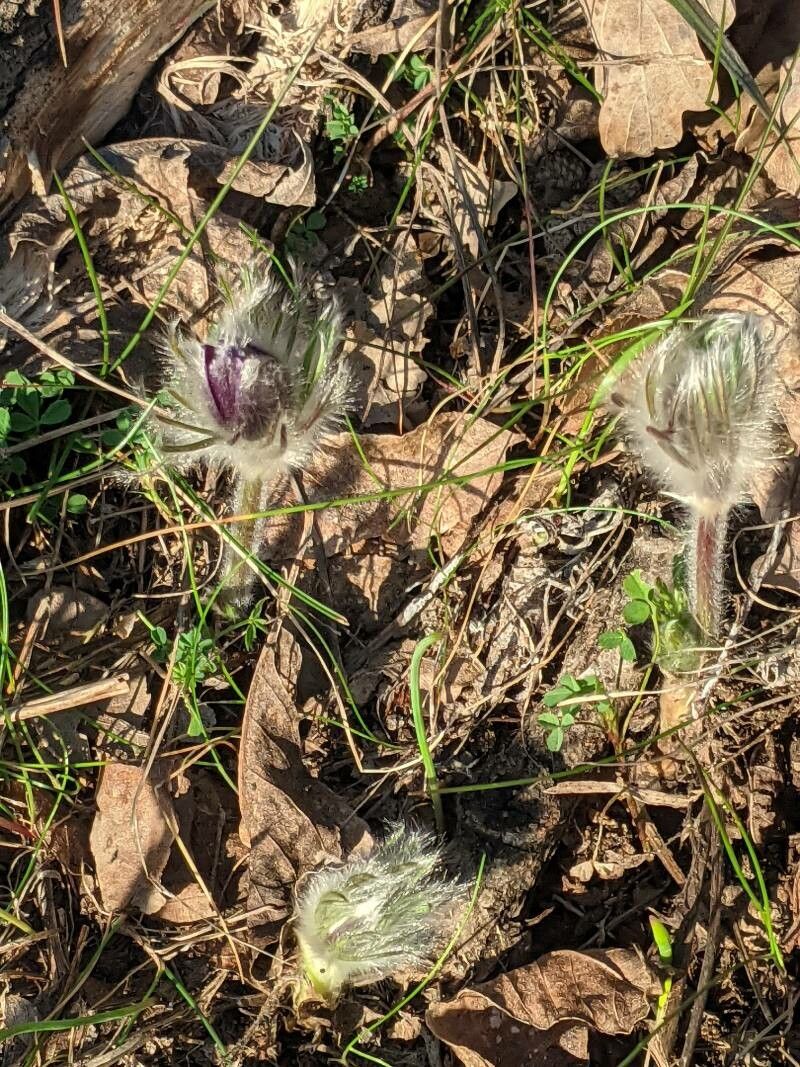
Pulsatilla chinensis is a species of plant in the family Ranunculaceae and is one of the 50 fundamental herbs used in traditional Chinese medicine. There it has the name bái tóu wēng.
White-haired old-man has good disease resistance and is generally not prone to illness. However, it can be vulnerable to pests and diseases found in its surroundings. These infections are usually mild. In terms of care, this plant needs a moderate level of maintenance. It should be pruned regularly to maintain a neat appearance and promote healthy growth. Fertilizing can also help encourage flowering. White-haired old-man is appropriate for anyone with outdoor space, such as a garden or patio, and does not require much care experience. It may need extra attention when grown indoors.
How to keep Pulsatilla Chinensis.
Light
White-haired old-man is a sun-loving perennial herbaceous plant native to open habitats, commonly thriving in meadows and grasslands. It prefers full sun but can also tolerate partial sun.
Water
The "white-haired old-man" plant, which originates from dry meadows, is highly drought-tolerant and can thrive with minimal moisture. Once established, it only needs to be watered once a week. As an herbaceous perennial, it flourishes outdoors and benefits from natural rainfall, making it an ideal choice for gardeners seeking resilient, low-maintenance plants.
Temperature
White-haired old-man can adapt to a wide range of temperatures, but its distribution may still be limited by various combinations of water and heat conditions. It grows best in warm summer climates with adequate rainfall or watering. Extended periods of cloudy, rainy weather and prolonged high temperatures can raise the likelihood of White-haired old-man dying. In winter, proper protection from cold can increase the plant's survival rate.
Fertilizer
The best time to fertilize a White-haired old-man is in early spring, as it comes out of dormancy and begins active growth. Fertilization supplies key nutrients for healthy development. Although the White-haired old-man has relatively low fertilizer needs, annual fertilization can improve its survival and promote better, longer-lasting flowers.
Pruning
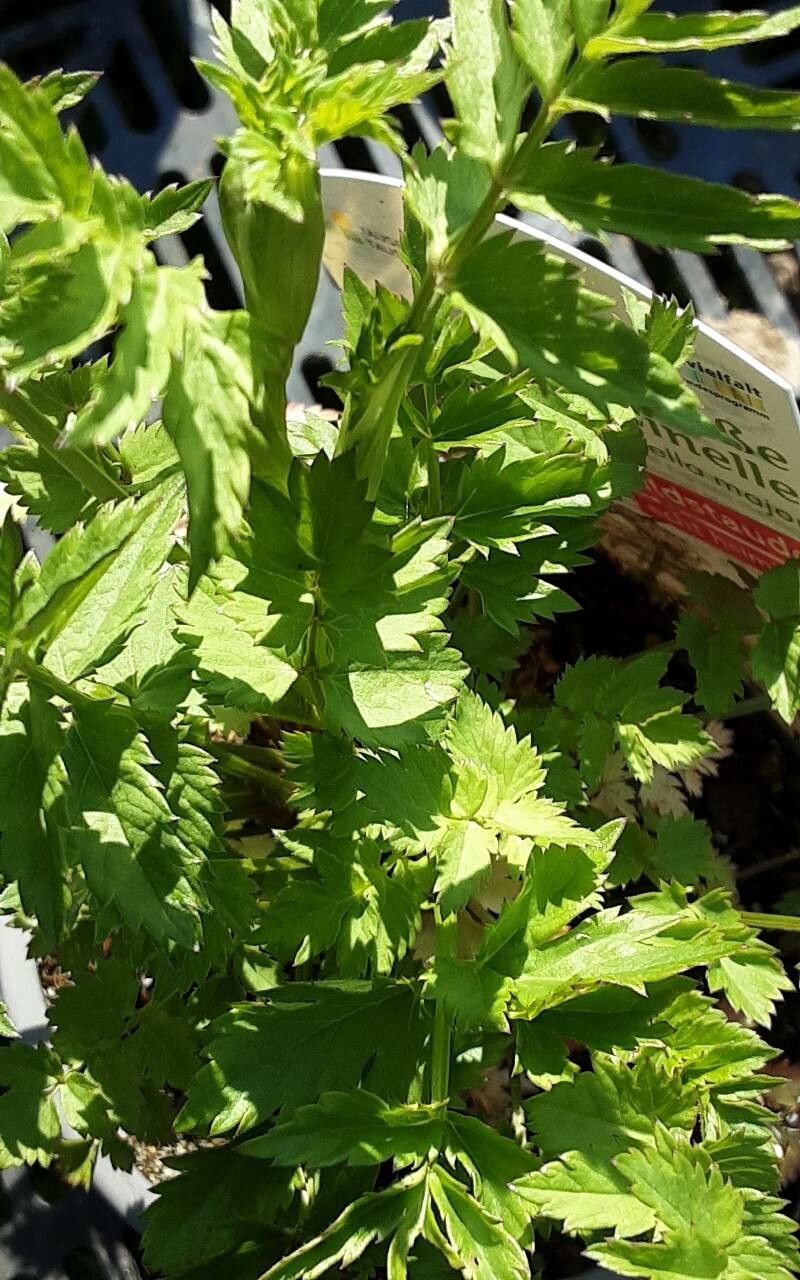
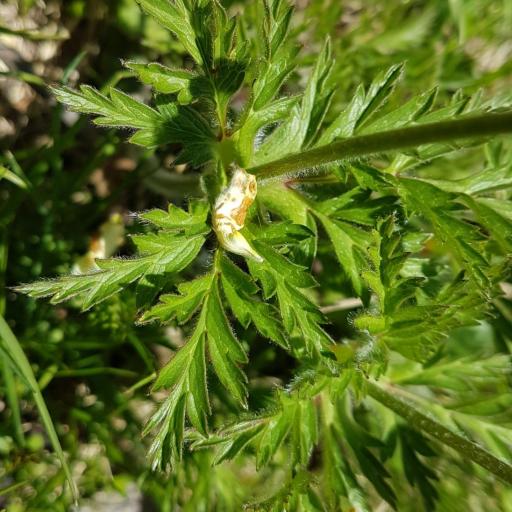
The white-haired old man plant showcases delicate leaves and striking flowers. For optimal growth and blooming, prune the plant from early to late spring by trimming away old growth to encourage new shoots. Additionally, remove any dead stems and thin out crowded areas to improve air circulation. Make sure to use clean, sharp tools to prevent the spread of disease.
Botanical profile.
- Plant Type
- Herb
- Life Cycle
- Perennial
- Genus
- Pulsatilla
- Family
- Ranunculaceae
- Hardiness Zone
- 5-9
- Mature Height
- 30 cm
- Mature Spread
- 20 cm
- Leaf Color
- Green, Dark Green
- Leaf Type
- Deciduous
- Flower Color
- Purple, Lavender
- Flower Size
- 3.05 cm
- Bloom Time
- Early spring, Mid spring
- Planting Time
- Spring
- Harvest Time
- Late spring, Early summer
- Native Area
- Russia, Koppen, China
Other names.