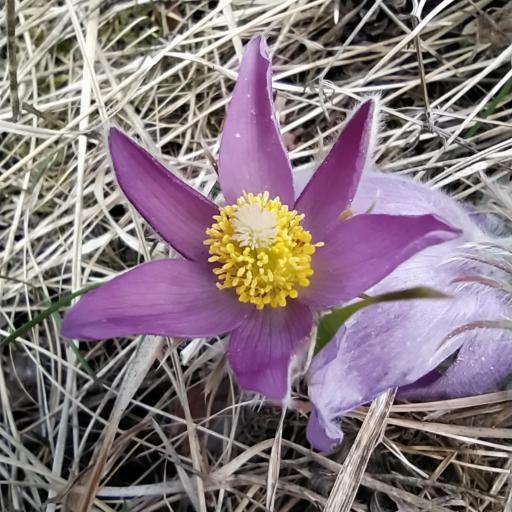
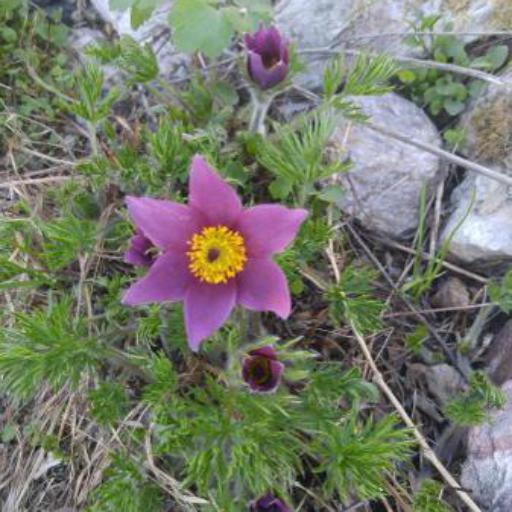
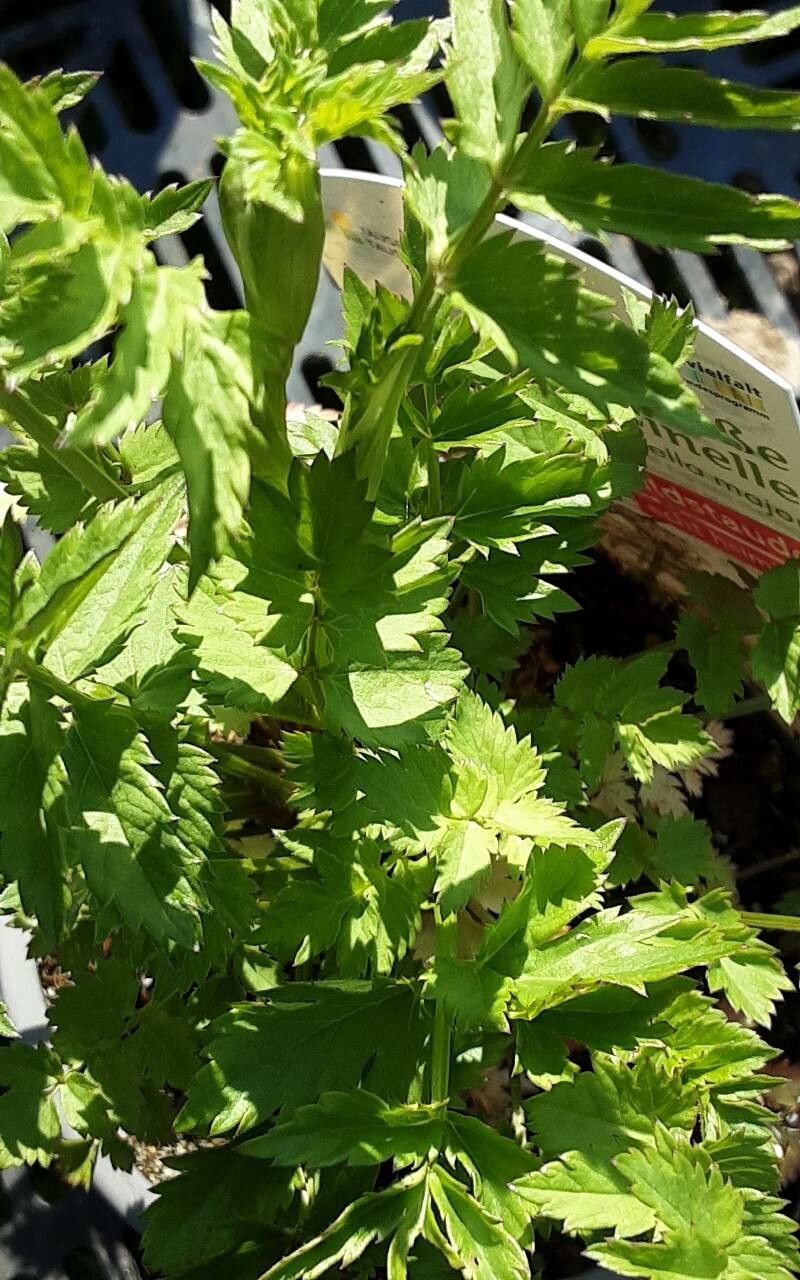
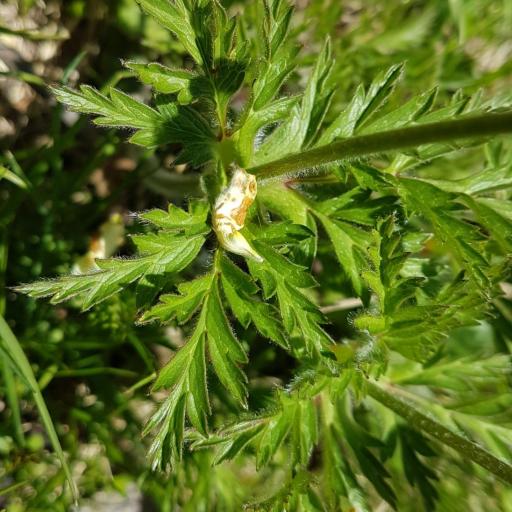
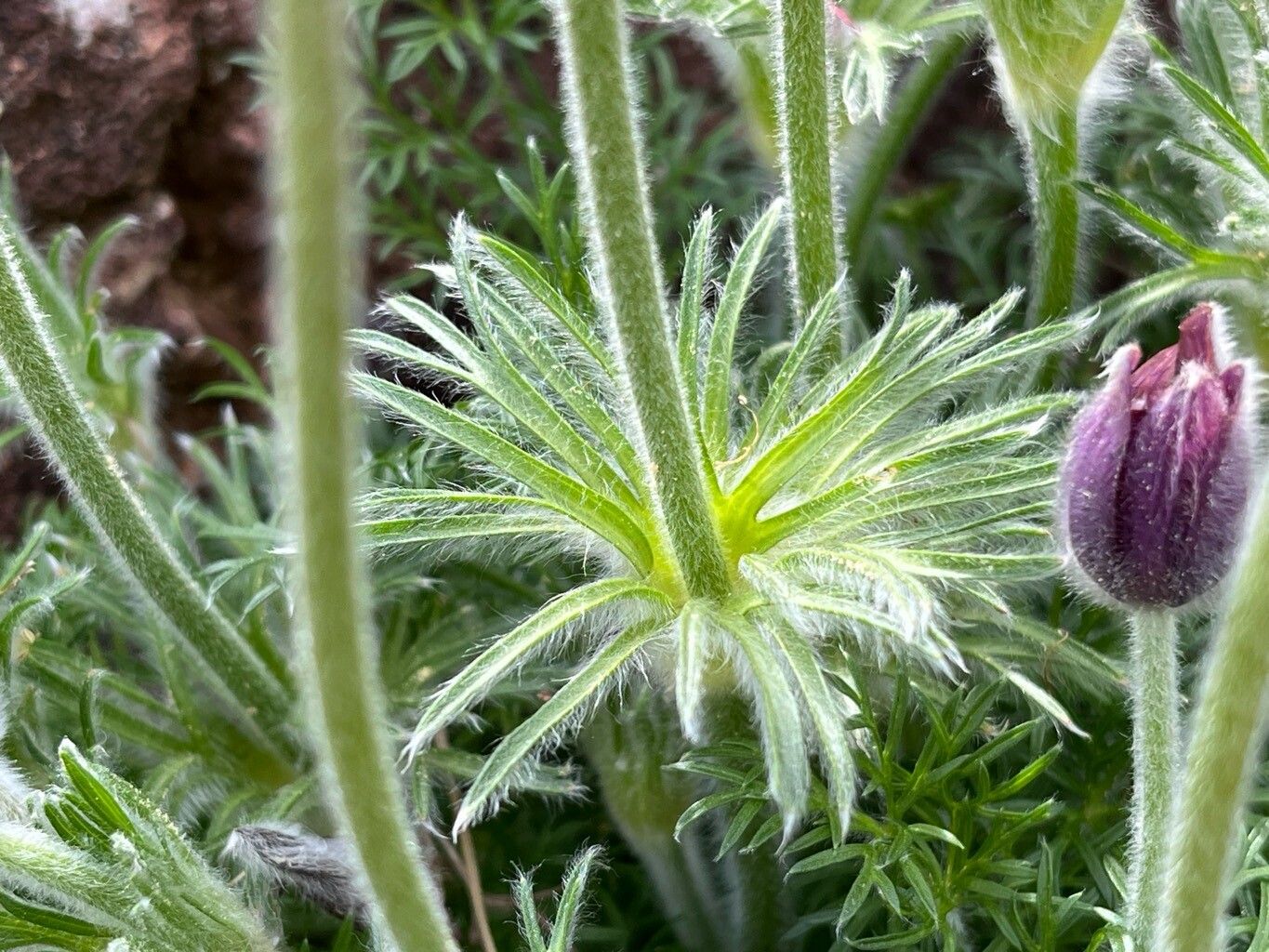
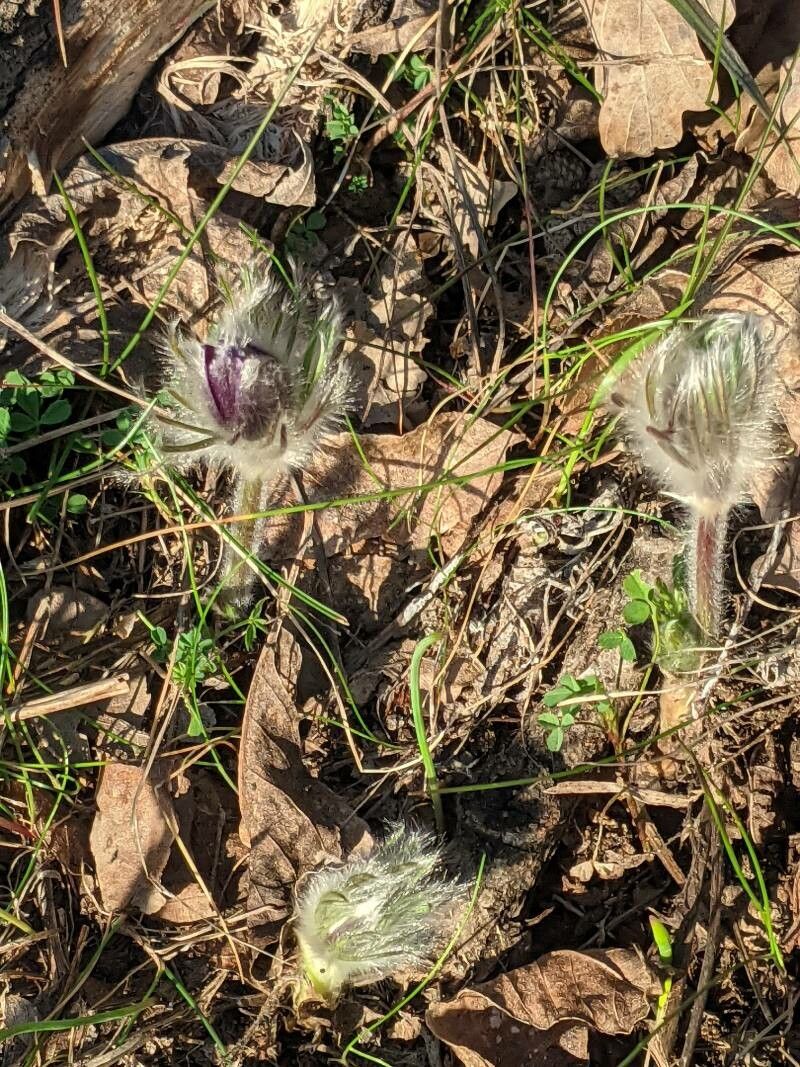
Pulsatilla patens is a species of flowering plant in the family Ranunculaceae, native to Europe, Russia, Mongolia, and China. Common names include Eastern pasqueflower and cutleaf anemone.
The Eastern Pasqueflower is fairly disease-resistant and usually not prone to illnesses. However, it can be affected by pests and diseases present in its surroundings. These problems are typically minor. In terms of care, the plant requires moderate maintenance. It should be pruned regularly to preserve a neat appearance and support healthy growth. Fertilizing can also help encourage flowering. The Eastern Pasqueflower is suitable for people with outdoor spaces, such as a garden or patio, and does not need extensive care experience. It may demand more attention when grown indoors.
How to keep Pulsatilla Patens.
Light
The eastern Pasqueflower mainly grows best in unshaded, direct sunlight. It comes from open habitats, which strongly support its health and development. Both too little and too much sun can cause slowed growth and reduced vigor. Nonetheless, its light requirements do not differ markedly between growth stages.
Water
The Eastern Pasqueflower, native to prairie habitats, thrives in conditions with consistent soil moisture. To prevent root rot, it needs to be watered weekly. When grown outdoors, natural rainfall can provide the necessary moisture, but it's important to ensure adequate watering during its active growth period. This helps support vibrant blooms and a strong root system.
Temperature
Eastern Pasqueflower is native to habitats where temperatures vary from 41 to 89.6 °F (5 to 32 °C). Under optimal conditions it generally favors the cooler portion of that range. Modify conditions accordingly to replicate this preference across seasons.
Fertilizer
For Eastern Pasqueflower, the primary time to apply fertilizer is in early spring when the flowers are forming. The proper fertilizer promotes better blooms and helps Eastern Pasqueflower produce attractive flowers. Fertilizing in early spring guarantees excellent flowers during the season and supplies energy for dormant growth phases.
Pruning
The Eastern Pasqueflower showcases vibrant blooms and delicate leaves in the spring. To encourage healthy growth and more flowers, prune the plant after it has finished flowering, typically from early to late spring. Use clean tools to remove any dead stems and to thin out crowded areas. Be careful not to cut back to the woody base, as this will help ensure strong future blooms.
Pot & Repot
When repotting Eastern Pasqueflower, choose a pot 1-2 inches (2.5–5.1 cm) larger with ample drainage. Use a well-draining potting mix. Repot in spring or fall, making sure the root ball is slightly lower than the rim of the flower pot. Water thoroughly after repotting and place in a warm spot with indirect sunlight.
Botanical profile.
- Plant Type
- Herb
- Life Cycle
- Perennial
- Genus
- Pulsatilla
- Family
- Ranunculaceae
- Hardiness Zone
- 4-8
- Mature Height
- 8 cm to 30 cm
- Mature Spread
- 10 cm
- Leaf Color
- Green, Gray
- Leaf Type
- Deciduous
- Flower Color
- Purple, Blue, Violet
- Flower Size
- 4.06 cm to 6.35 cm
- Bloom Time
- Mid spring, Late spring
- Planting Time
- Spring
- Harvest Time
- Late spring, Early summer
Other names.