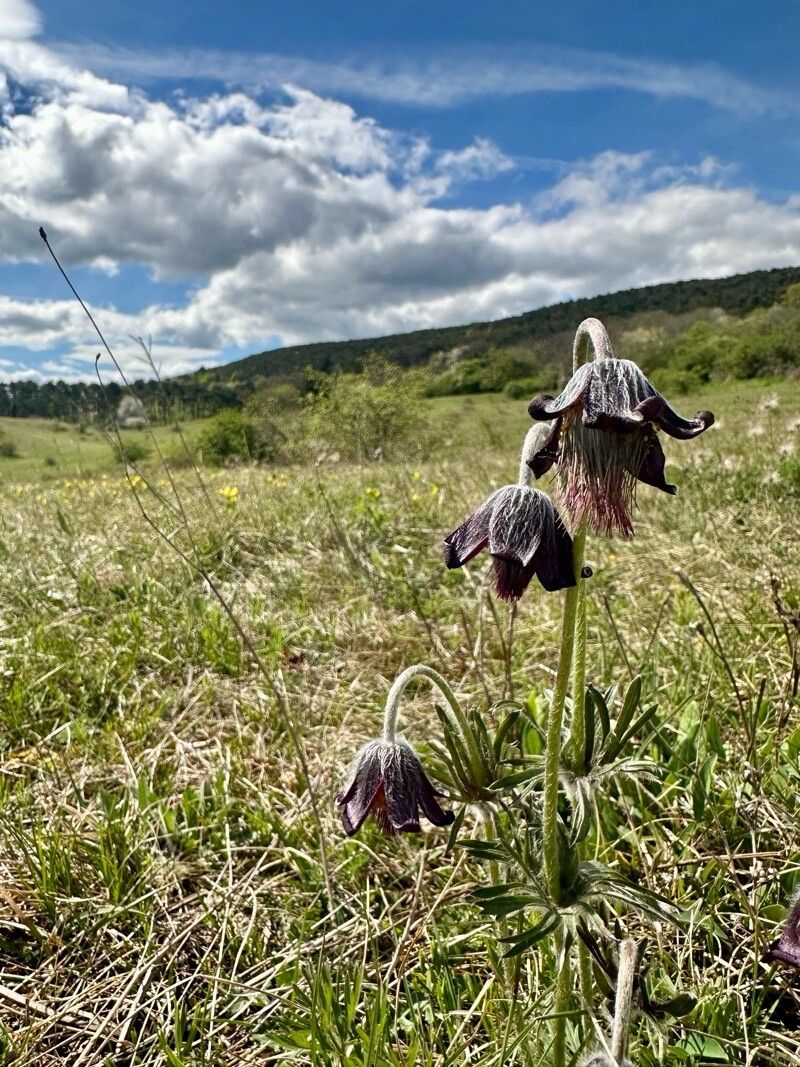
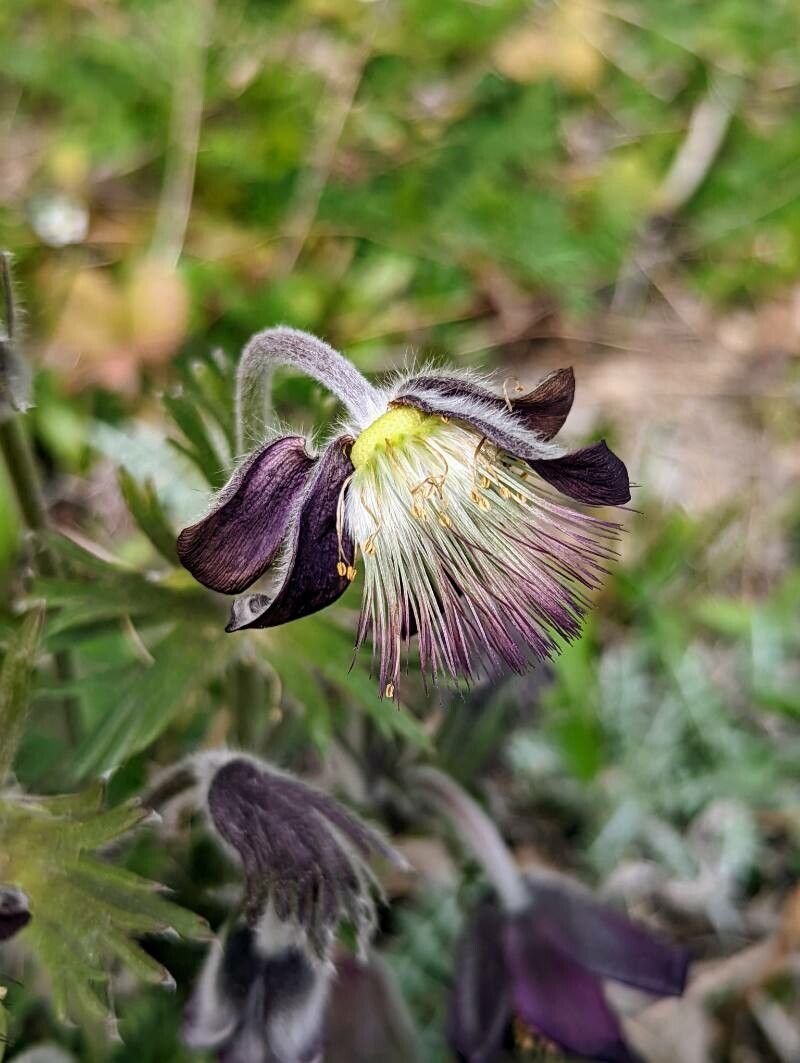
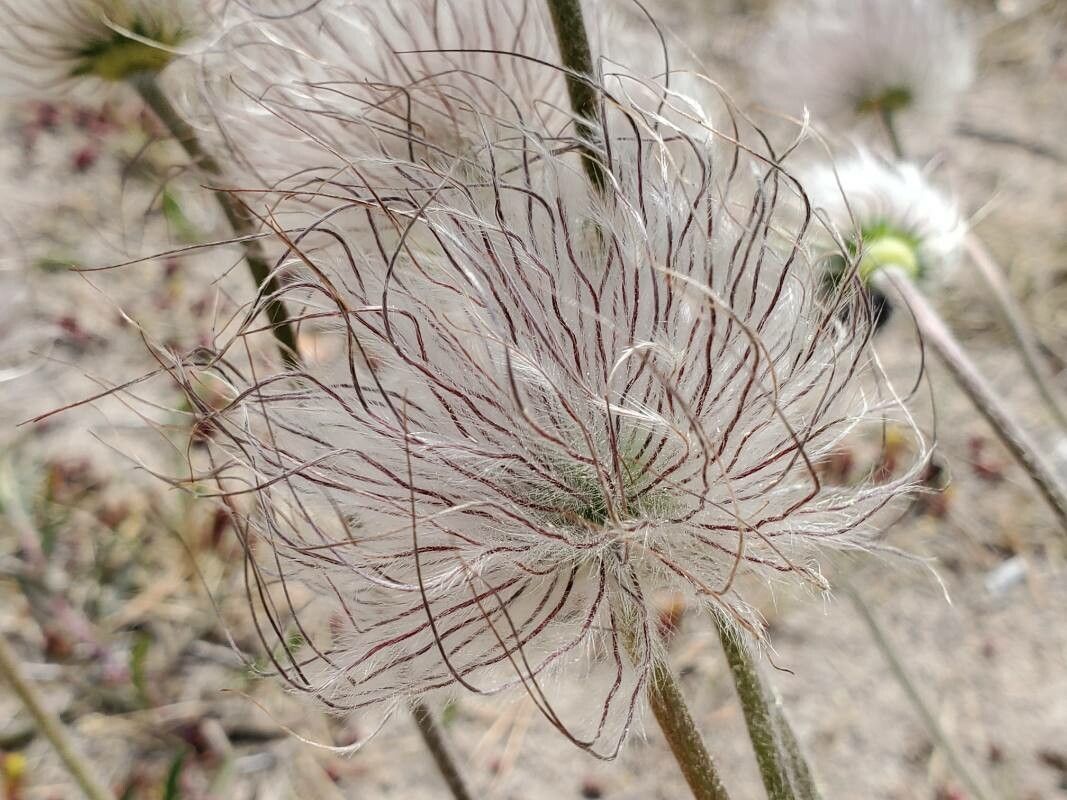
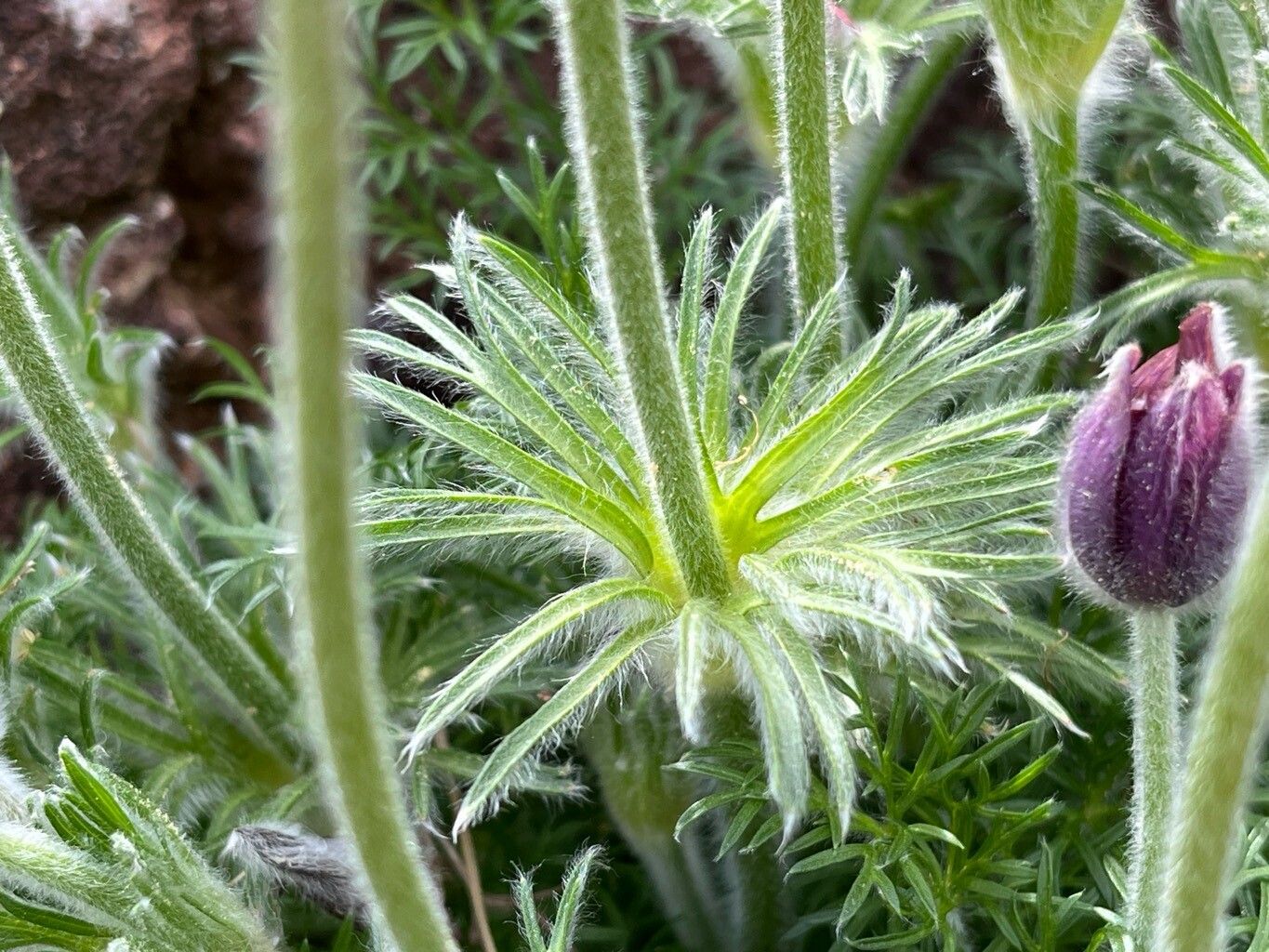
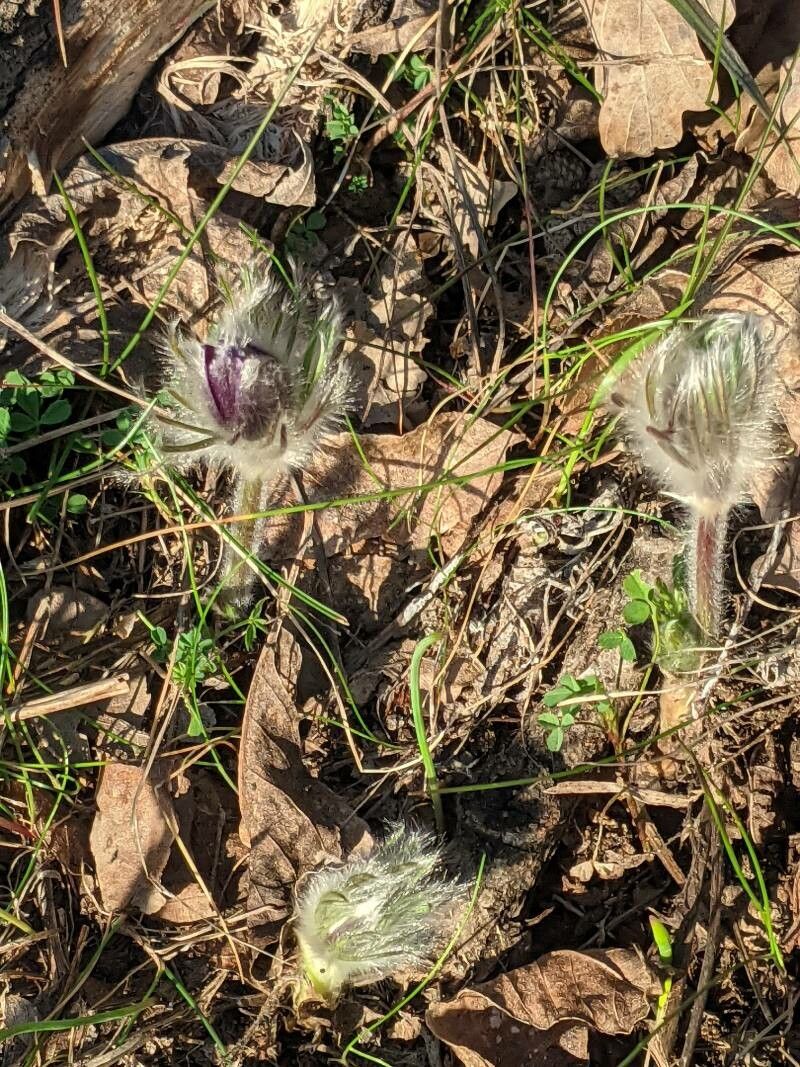
Pulsatilla pratensis, the small pasque flower, is a species of flowering plant in the family Ranunculaceae, native to central and eastern Europe, from southeast Norway and western Denmark south and east to Bulgaria. It grows from near sea level in the north of the range, up to 2,100 m (6,900 ft) in the south of its range.
The meadow pasqueflower has strong disease resistance and is generally not prone to illnesses. Still, it can be vulnerable to pests and diseases present in its environment. Such infections are typically mild. Regarding care, this plant needs moderate maintenance. It should be pruned regularly to retain a neat appearance and support healthy growth. Fertilization can also help encourage flowering. The meadow pasqueflower is appropriate for anyone with outdoor space, like a garden or patio, and does not demand extensive care experience. It may need more attention if grown indoors.
How to keep Pulsatilla Pratensis.
Light
Meadow pasqueflower needs plentiful sunlight to grow vigorously. Its native habitat and the different stages of its development have been observed to do well with ample light. Too much or too little light may lead to stunted growth, paler coloration, or wilting.
Water
The meadow pasqueflower flourishes in grasslands where there is moderate moisture, and it can tolerate short periods of drought. To mimic its natural habitat, it should be watered weekly. Typically grown outdoors, this plant benefits from seasonal rainfall, which aids in its flowering and enhances water usage during its growth cycles.
Temperature
The meadow pasqueflower is adaptable to different climates; it thrives in its native habitat when temperatures range from 41 to 89.6 °F (5 to 32 ℃). In winter, avoid exposing it to temperatures below 41 °F, and in summer cool it if temperatures rise above 89.6 °F.
Fertilizer
With Meadow pasqueflower, the best time to fertilize is in early spring when the flowers are forming. The proper fertilizer promotes better blooms and helps Meadow pasqueflower produce lovely flowers. Fertilizing in early spring ensures excellent flowers throughout the season and provides energy for dormant growth phases.
Pruning
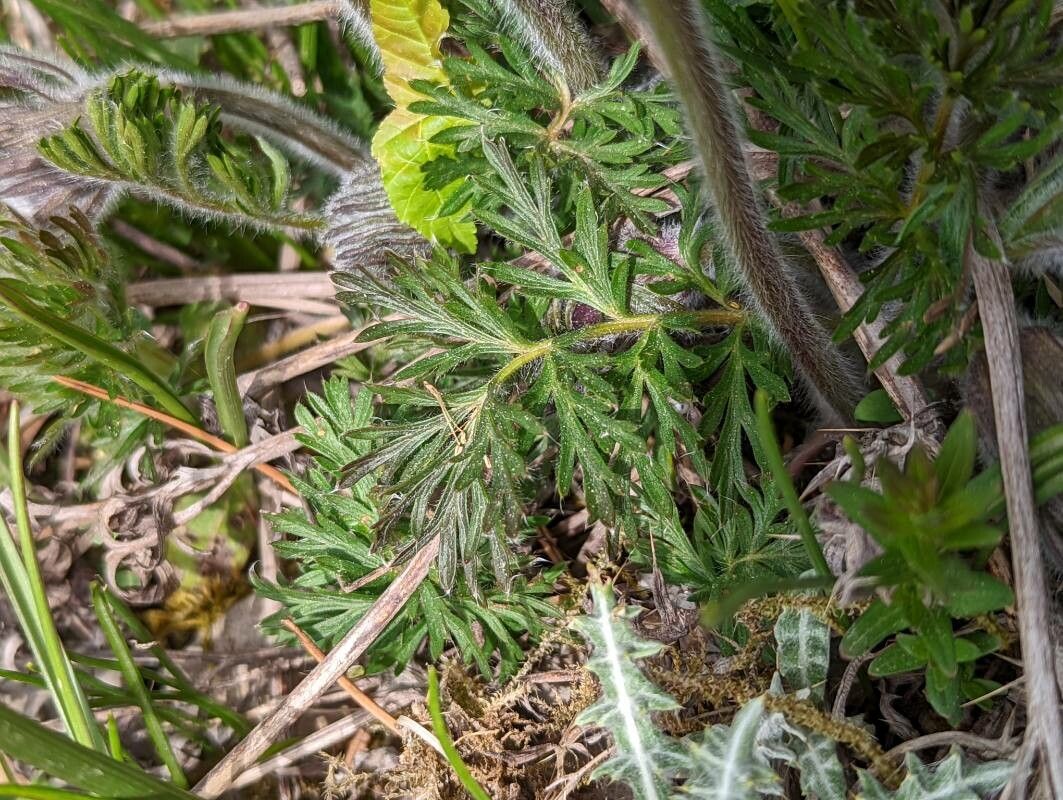
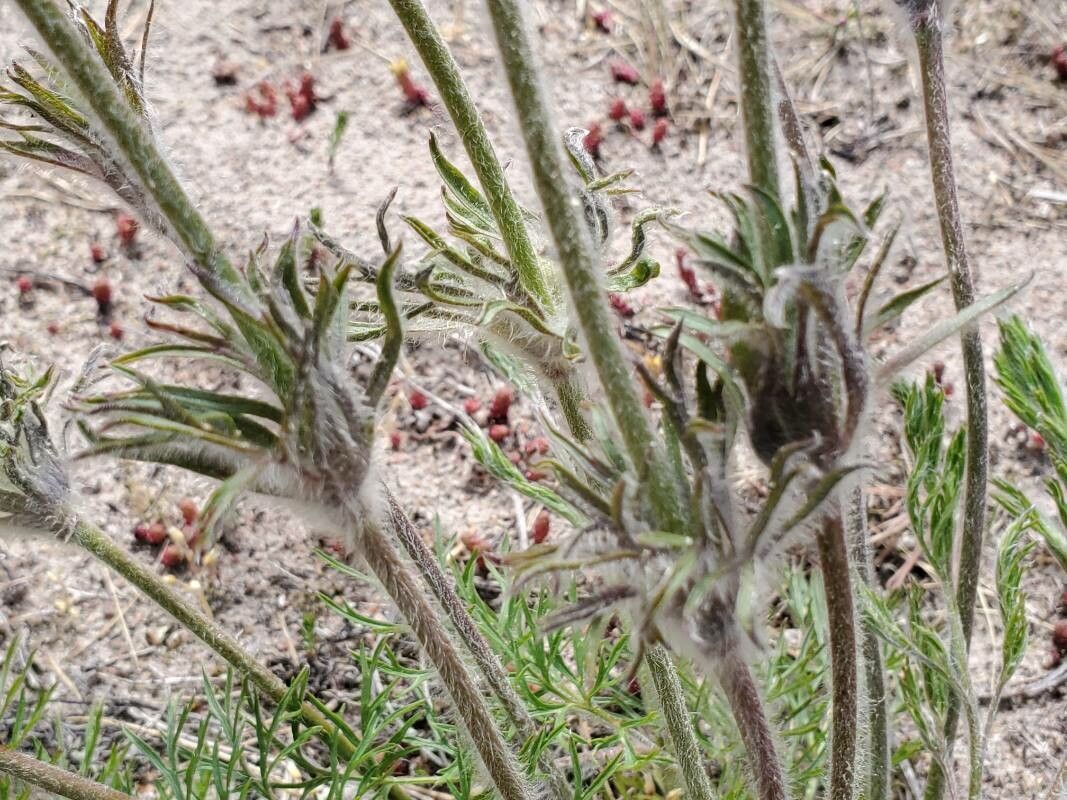
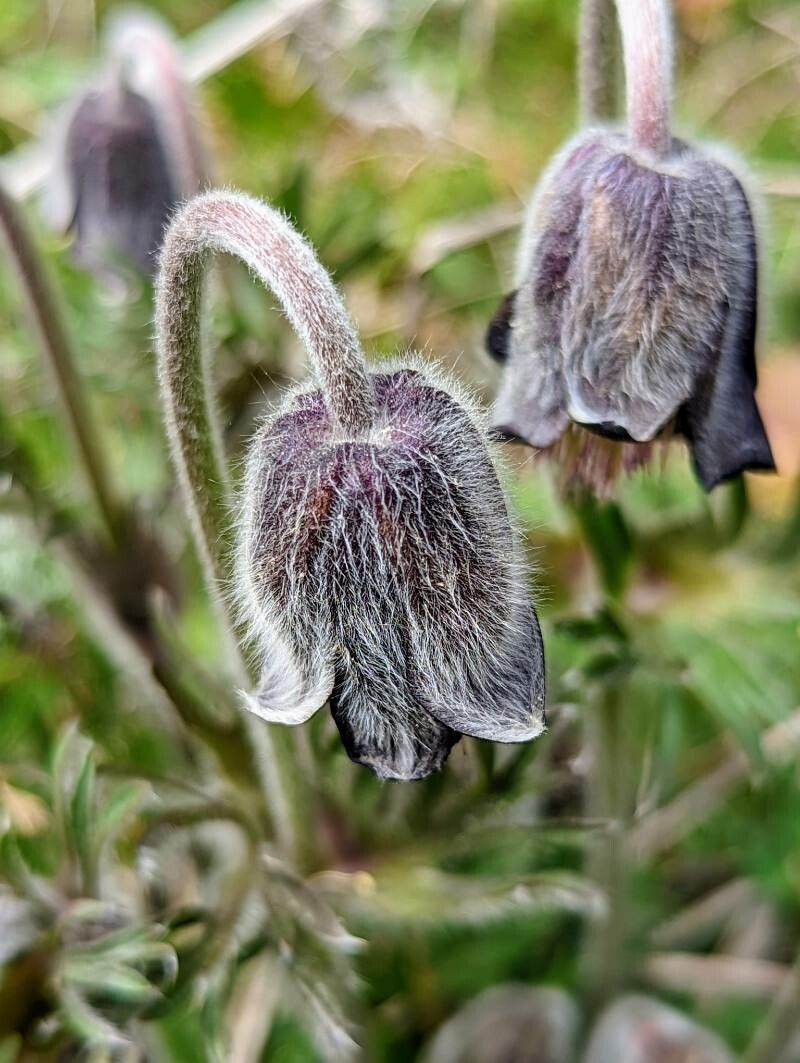
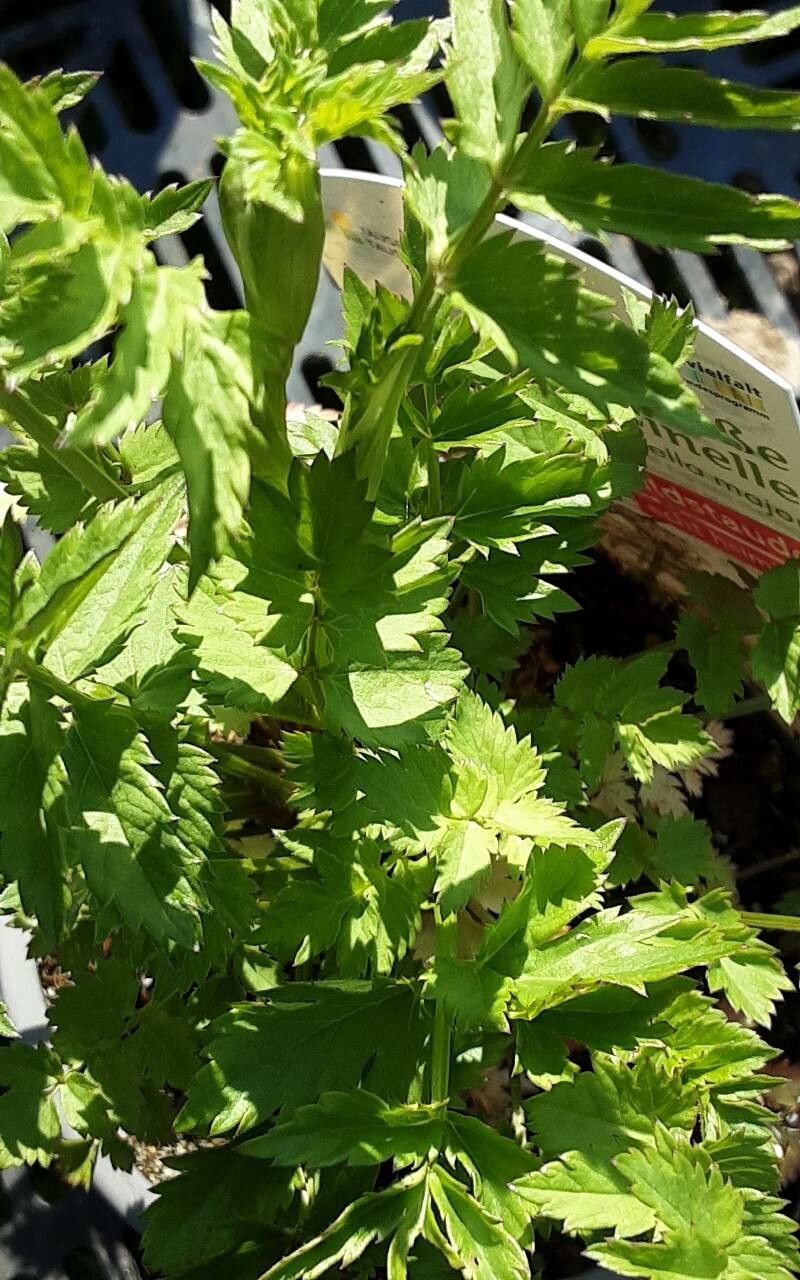
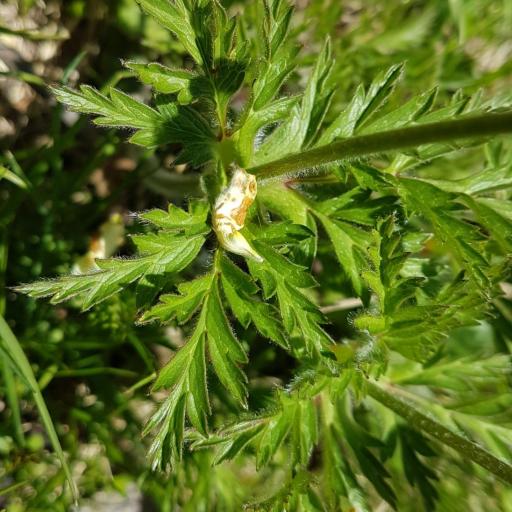
The meadow pasqueflower is characterized by its feathery foliage and bell-shaped flowers. To encourage growth and improve air circulation, prune the plant between early and late spring to remove dead stems and spent flowers. Avoid heavy pruning. Always use clean, sharp tools to minimize damage and prevent infections, ensuring the plant remains healthy and blooms abundantly.
Botanical profile.
- Plant Type
- Herb
- Life Cycle
- Perennial
- Genus
- Pulsatilla
- Family
- Ranunculaceae
- Hardiness Zone
- 4-8
- Mature Height
- 5 cm to 25 cm
- Mature Spread
- 20 cm to 30 cm
- Leaf Color
- Dark Green
- Leaf Type
- Deciduous
- Flower Color
- Purple
- Flower Size
- 2.03 cm to 3.05 cm
- Bloom Time
- Early spring, Mid spring
- Planting Time
- Spring, Summer
- Harvest Time
- Late spring, Early summer
Other names.