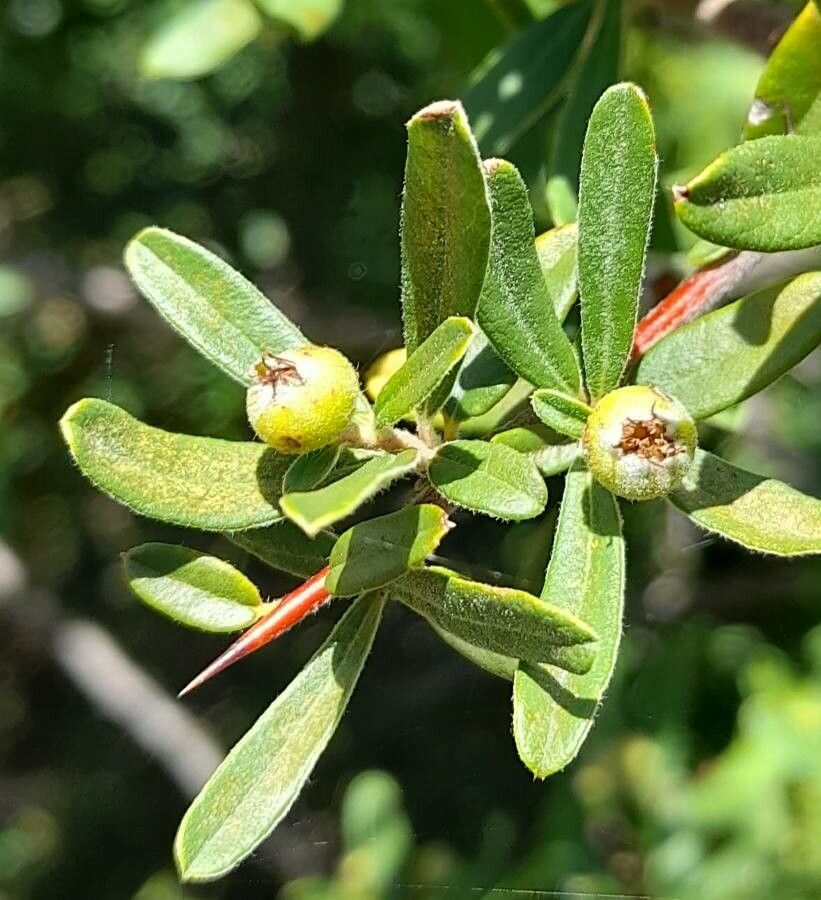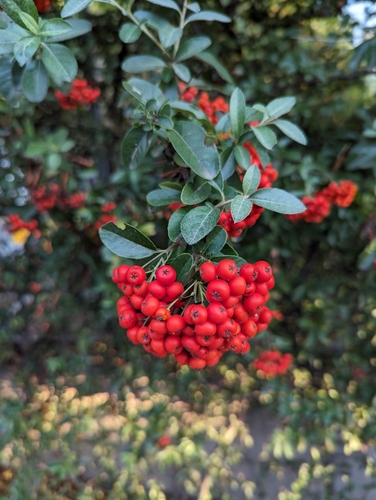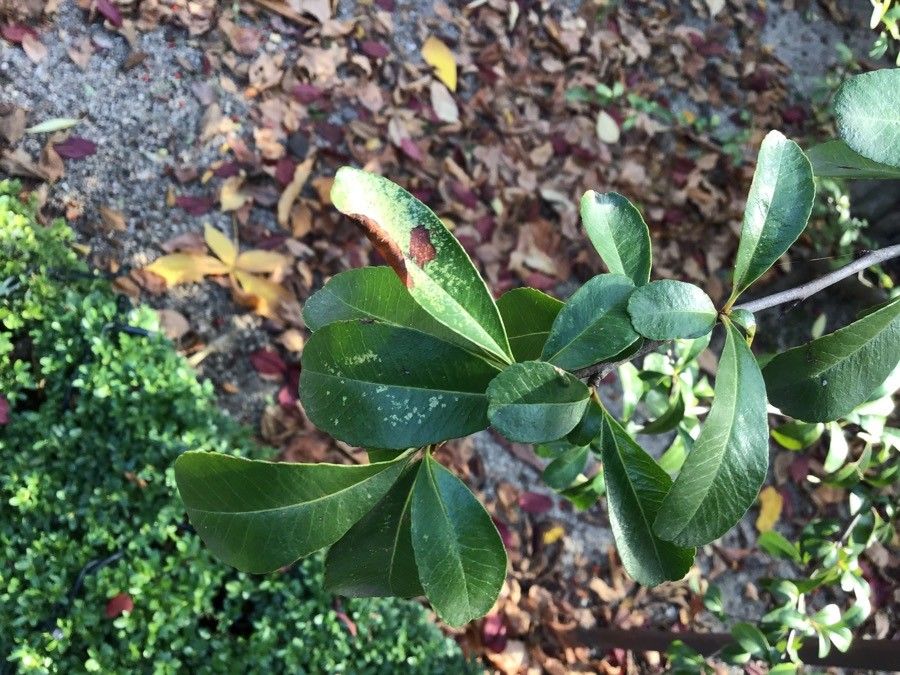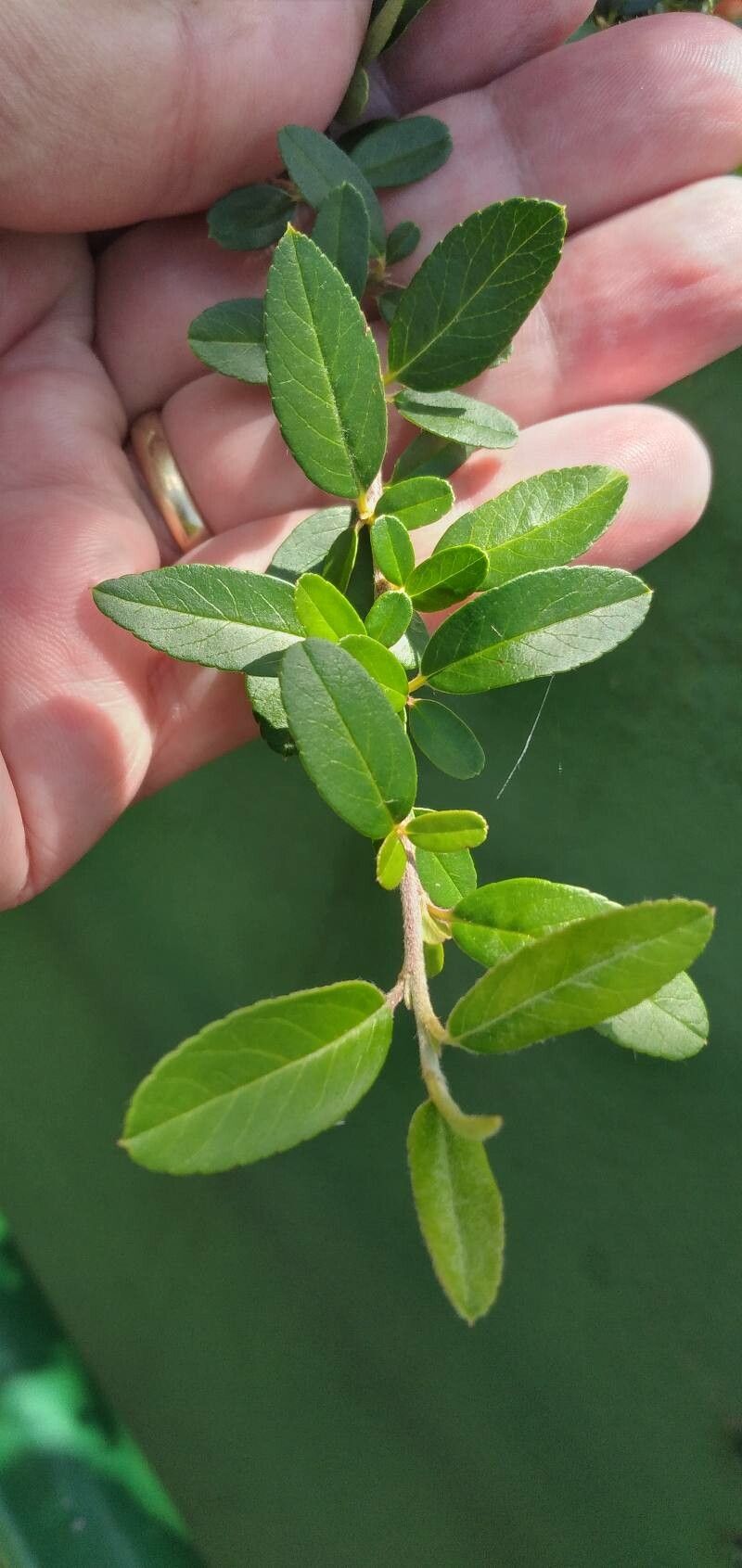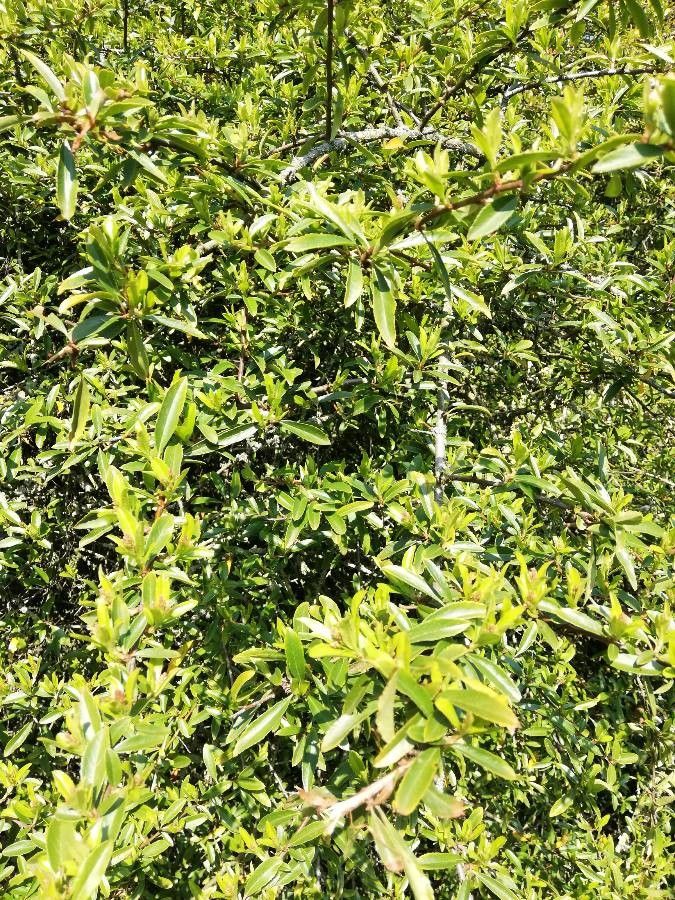
Pyracantha atalantioides (common names: Gigg's firethorn and Sichuan firethorn) is a species of Firethorn shrub.
Gibb's firethorn has good resistance to disease and is typically not susceptible to illnesses. In terms of care, this plant is relatively low-maintenance. When grown outdoors it needs minimal watering, and larger plants generally do not require pruning. Smaller plants, however, should be pruned after they have finished blooming. Gibb's firethorn is suitable for anyone with an outdoor area, such as a garden or deck, and does not demand much gardening experience.
How to keep Pyracantha Atalantioides.
Light
Gibb's firethorn originates from environments open to sunlight, such as bright meadows and the fringes of woods, which provide sufficient lighting. It flourishes in complete sun exposure but can also withstand partial sun, demonstrating its adaptability to different sunlight situations.
Water
Gibb's firethorn thrives best in well-drained soil that maintains consistent moisture. Once established, it is drought-tolerant. Water the plant every 1-2 weeks, letting the soil dry out partially between waterings. Gibb's firethorn is usually grown outdoors and often receives adequate moisture from rainfall, which helps reduce the need for additional watering during wet seasons.
Temperature
Gibb's firethorn shows significant resilience to differing weather conditions, be it burning hot summers or freezing cold winters. Nonetheless, there is an ideal temperature zone for its development. If temperatures rise excessively, the plant can suffer from heat and moisture stress, which can lead to its death. In areas where temperatures come close to its limit for cold resistance, it becomes necessary to put insulation strategies in place to shield the plant.
Fertilizer
It's essential to time the fertilization of Gibb's firethorn appropriately. Apply the fertilizer in the beginning of spring and proceed with monthly application until the early part of the summer. Fertilizing aids in the generation of beautiful flowers and supplies energy in both idle and expanding growth stages.
Pruning
Prune Gibbs' firethorn in early spring to shape the plant and encourage healthy growth. Use sharp, sterilized tools to remove dead branches and excess growth, which helps prevent infection. This practice enhances air circulation, reduces the risk of disease, and promotes abundant flowering and fruiting in Gibbs' firethorn.
Botanical profile.
- Plant Type
- Shrub
- Life Cycle
- Perennial
- Genus
- Pyracantha
- Family
- Rosaceae
- Hardiness Zone
- 6-9
- Mature Height
- 3.05 m to 4.88 m
- Mature Spread
- 2.44 m to 3.66 m
- Leaf Color
- Green
- Leaf Type
- Semi-evergreen
- Flower Color
- White
- Flower Size
- 0.51 cm to 1.02 cm
- Bloom Time
- Mid spring, Late spring
- Planting Time
- Spring, Summer, Autumn
- Harvest Time
- Late summer, Fall
- Native Area
- China
Other names.
Reader questions.
What are the sunlight requirements for Gibb's firethorn (Pyracantha atalantioides)?
Gibb's firethorn, scientifically known as Pyracantha atalantioides, thrives in various sunlight conditions, depending on what you're aiming for. For full sun exposure, ensure it receives above 6 hours of sunlight daily, which is ideal for optimal growth and health. However, if your garden space doesn't allow for such extended exposure, partial sun, characterized by about 3-6 hours of sunlight, can still support this plant sufficiently. It's important to observe the way sunlight moves through your garden throughout the day. This observation will help you choose the perfect spots that offer a harmonious balance of light and shade, ensuring the well-being of your Gibb's firethorn.