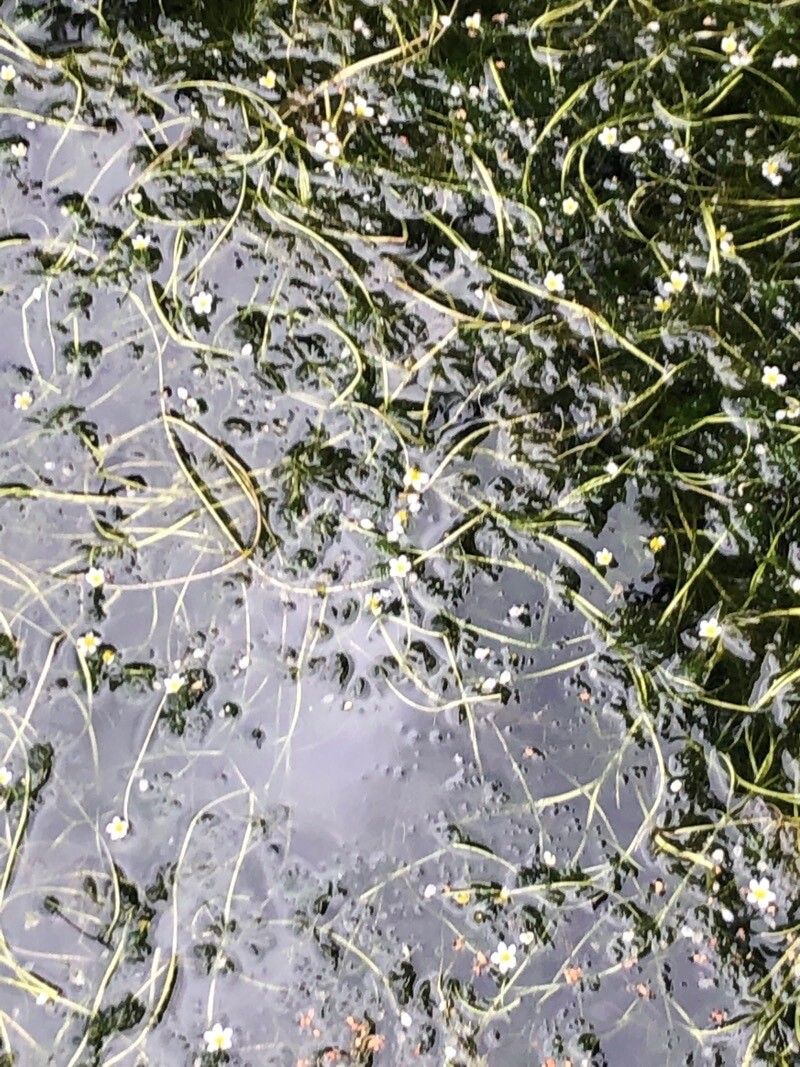
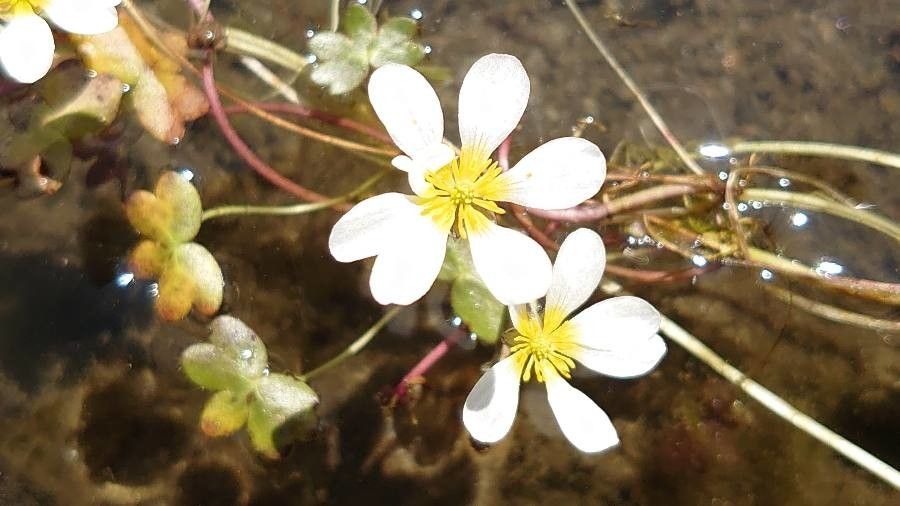
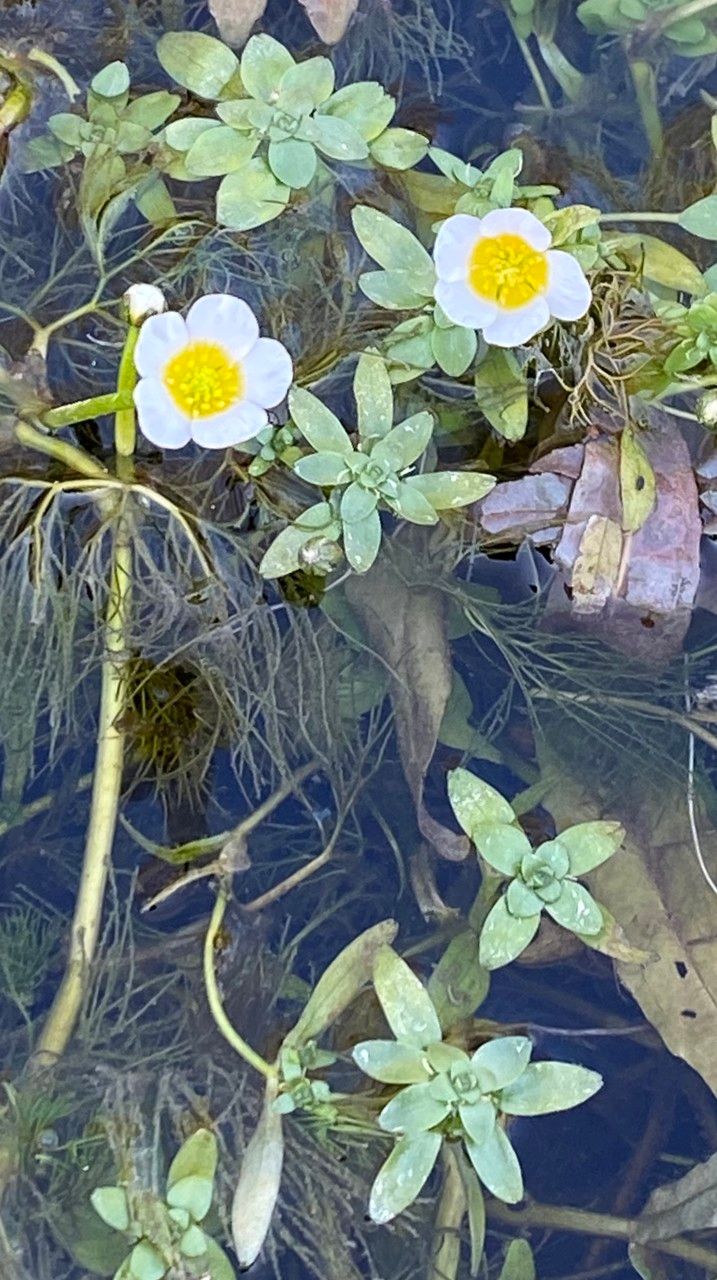
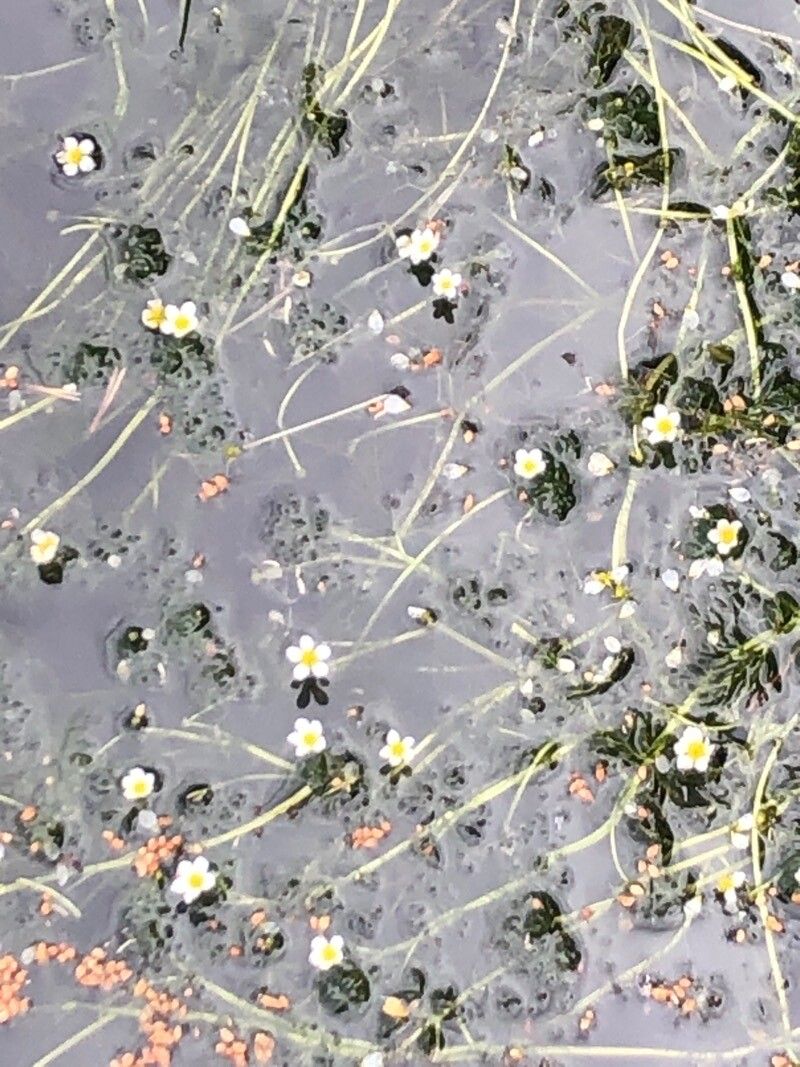
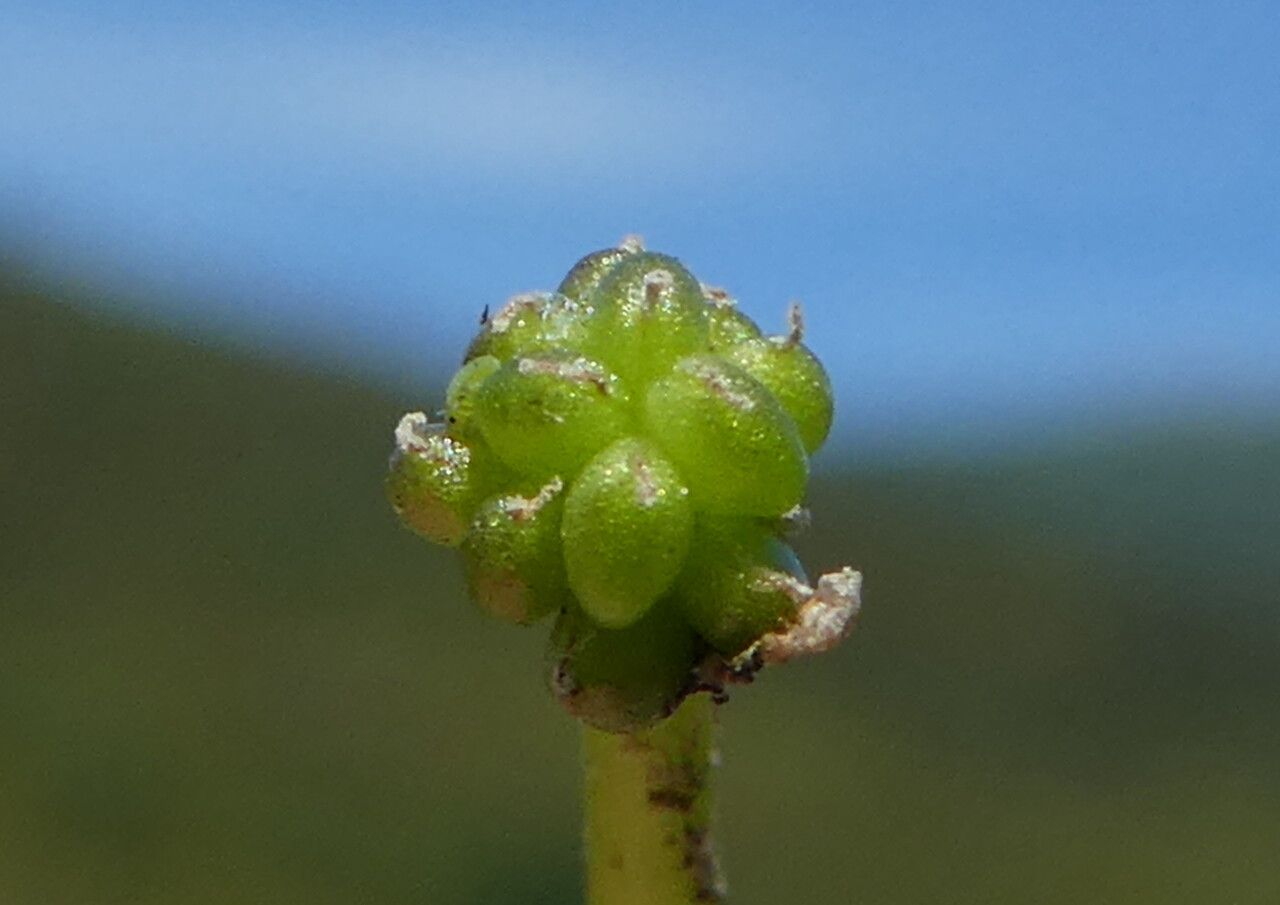
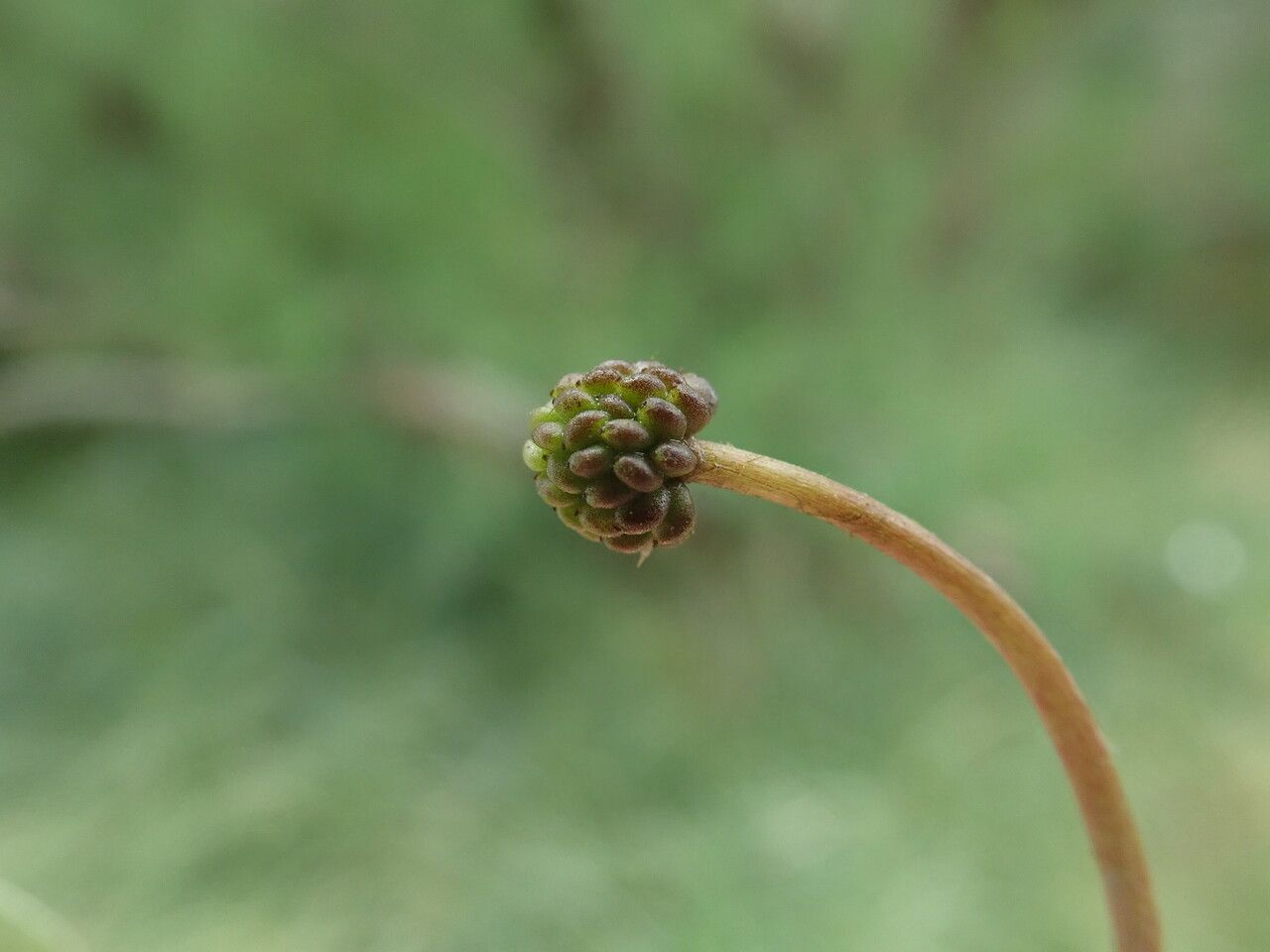
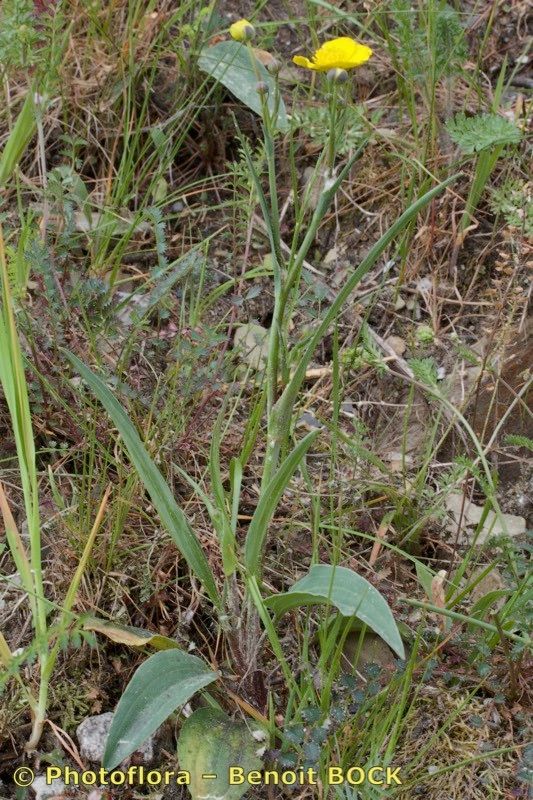
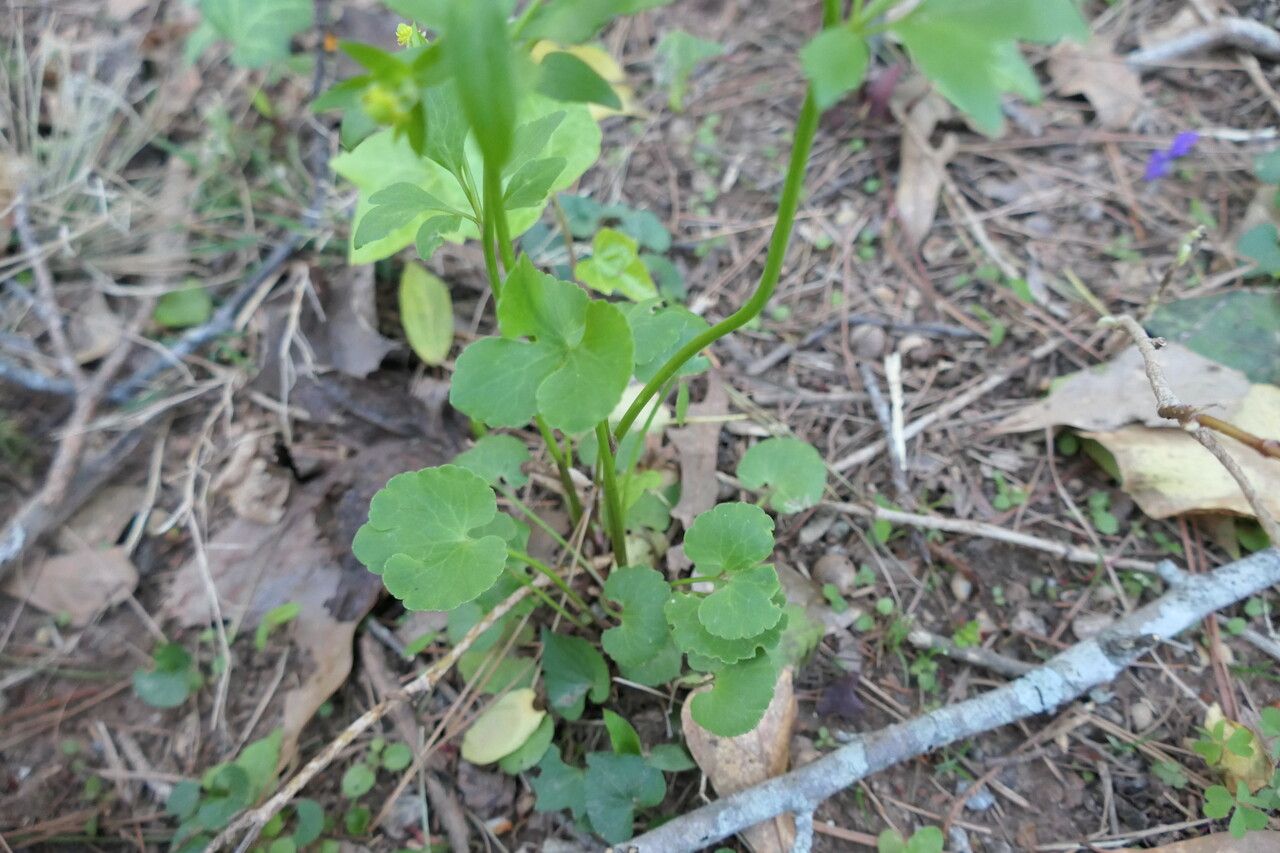
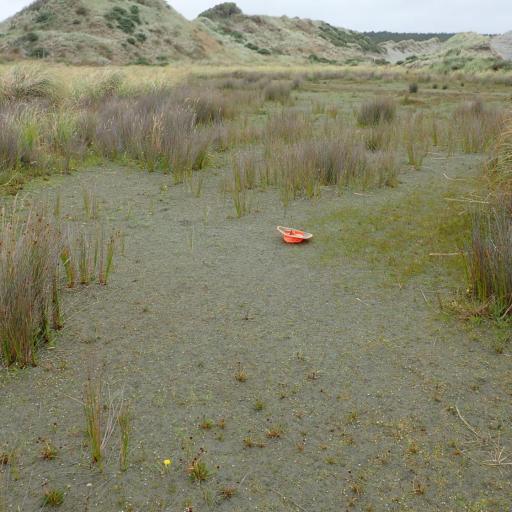
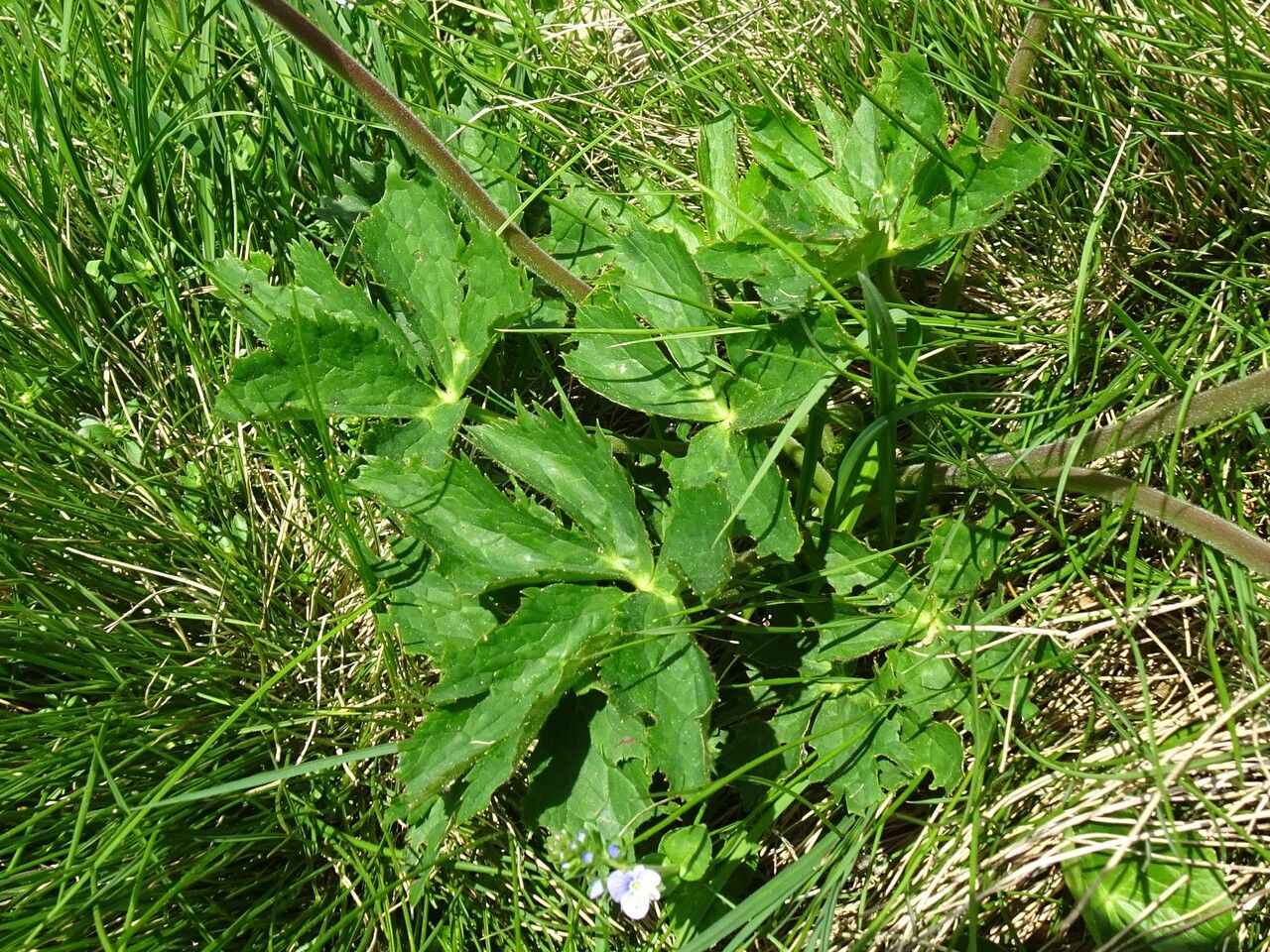
Ranunculus aquatilis, the common water-crowfoot or white water-crowfoot, is a plant species of the genus Ranunculus, native throughout most of Europe and western North America, and also northwest Africa.This is an aquatic plant, growing in mats on the surface of water. It has branching thread-like underwater leaves and toothed floater leaves. In fast flowing water the floaters may not be grown. The flowers are white petaled with yellow centres and are held a centimetre or two above the water. The floater leaves are used as props for the flowers and are grown at the same time.
White water crowfoot is fairly disease-resistant and typically does not suffer from many illnesses. Still, it can be affected by pests and diseases present in its environment. Such problems are generally mild. Regarding care, this plant is of moderate maintenance. It should be pruned regularly to keep a neat appearance and support healthy growth. Applying fertilizer can also encourage flowering. White water crowfoot is appropriate for anyone with an outdoor area, like a garden or patio, and does not demand extensive care experience. It may need more attention when grown indoors.
How to keep Ranunculus Aquatilis.
Light
White water crowfoot prefers to grow in locations that receive abundant daytime sunlight. However, it can also persist in areas where sun exposure is intermittent. Excessive light may cause stunted growth, while too little can result in poor foliage. Native to aquatic habitats, it has a moderate tolerance to sun.
Water
White water crowfoot flourishes in aquatic settings, where it prefers to remain submerged or floating. To keep it well-hydrated, it needs regular watering every week. The quality of the water and changes in temperature can greatly affect its ability to flower, particularly when it is grown outdoors.
Temperature
White water crowfoot performs best at temperatures between 68 and 95 °F (20 to 35 ℃). Originating from mild environments, the plant prefers the cooler portion of that range. To support optimal growth across seasons, keep temperatures toward the lower end during colder seasons and gradually increase them as the seasons warm.
Pruning
White water crowfoot thrives in aquatic environments, characterized by its floating leaves and white flowers. To promote healthy growth and prevent overcrowding, it should be pruned in the spring. Regularly trimming dead leaves and overly aggressive stems ensures the plant receives adequate water and light, enhancing its overall health and resilience.
Botanical profile.
- Plant Type
- Herb
- Life Cycle
- Perennial, Annual, Biennial
- Genus
- Ranunculus
- Family
- Ranunculaceae
- Hardiness Zone
- 4-8
- Mature Height
- 10 cm to 49 cm
- Mature Spread
- 2.13 m
- Leaf Color
- Green
- Leaf Type
- Evergreen
- Flower Color
- White
- Flower Size
- 0.76 cm to 1.52 cm
- Bloom Time
- Mid spring, Late spring, Summer, Early fall
- Planting Time
- Spring, Summer
- Harvest Time
- Summer, Fall
- Native Area
- Sweden, Austria, Mexico, Slovakia, Montenegro, Slovenia, Morocco, Croatia, Belarus, Russia, Germany, Estonia, Ethiopia, Romania, Latvia, Belgium, Netherlands, France, Tunisia, Czech Republic, Peru, Bulgaria, Poland, Greece, Ukraine, Serbia, China, Lithuania, Norway, Afghanistan, Italy, Kazakhstan, Spain, Switzerland, Denmark, Mongolia, Finland, Ireland, United Kingdom, Hungary, Algeria
Other names.
Reader questions.
How should I water my White water crowfoot in the best way?
To ensure the health of the White water crowfoot, follow these guidelines for watering. It is best to use filtered water at room temperature, as tap water may contain harmful particles. Since the plant is accustomed to a warm environment, avoid using cold water to prevent any shock. Additionally, refrain from overhead watering, as it can cause issues with the foliage. Instead, focus on thoroughly soaking the soil with filtered room temperature water. This will benefit the plant by providing moisture to the roots and aiding in nutrient absorption.
Why should I add fertilizer to my White water crowfoot?
The main structure of the White water crowfoot is made up of its leaves, and fertilization is an important way to make sure these leaves look good and do their job well. When you properly fertilize your White water crowfoot, it will have leaves that stay vibrant and healthy. Fertilization also benefits the plant's roots by promoting growth and helping them absorb nutrients from the soil. This means that fertilizing your plant not only keeps it healthy now, but also improves its ability to get nutrients from the soil in the future.
What are the sunlight requirements for White water crowfoot?
White water crowfoot thrives when exposed to full sun, requiring above 6 hours of sunlight, but can also grow well under partial sun, which is about 3-6 hours of sunlight daily. It is essential to watch the sunlight's movement in your garden to find the ideal spot that ensures a balance of light and shade, making a suitable environment for the plant to flourish.
What is the optimal temperature range for white water crowfoot?
The optimal temperature range for white water crowfoot (Ranunculus aquatilis) is between 68 to 95 °F (20 to 35 °C). Originating from mild environments, the plant shows a preference for the cooler end of this temperature spectrum. To promote optimum growth throughout the year, it is recommended to maintain temperatures on the lower end during the cooler months and to gradually increase them as the weather becomes warmer. Despite white water crowfoot's strong cold resistance, ensuring temperatures do not drop below -30°C is crucial for its welfare during winter by employing protective measures when necessary.
What should I do if I give my White water crowfoot too much water or not enough water?
Overwatering is a more common problem than underwatering for the White water crowfoot. Too much water can cause wilting, yellowing of the stems and leaves, and even diseases like root rot, mold, and mildew that can be fatal to the plant. Underwatering is less likely but can cause the leaves to become brittle and brown. It is important to recognize the signs of overwatering early and reduce watering immediately. Check the soil drainage and replace it with a loose, well-draining potting mix if necessary. If your plant is not getting enough water, simply increase your watering frequency until the signs improve.
When should I fertilize my White water crowfoot?
If you grow your White water crowfoot outdoors, you will notice new growth in early spring. This is the signal to start fertilizing. Generally, one application of fertilizer is sufficient for this plant. However, if you want to promote maximum growth, you can feed it multiple times in the spring and early summer. In this case, you can fertilize about once every month to a month and a half.
What are the essentials for growing White water crowfoot effectively?
To grow White water crowfoot effectively, it is important to expose the plant to areas that receive frequent sunlight throughout the day, although it can survive in intermittent sun coverage. Proper sunlight exposure is critical; too much sun can stunt growth, and too little can lead to poor plant health. Originating from aquatic environments, White water crowfoot has moderate resilience to varying sunlight conditions. When natural sunlight is insufficient, especially during winter or in less sunny spaces, providing adequate artificial lighting can promote healthier and faster growth. LED lights are recommended for indoor plants, providing the necessary wavelengths for optimal growth. Depending on the light requirements, full sun plants need 30-50 watts/sq ft, partial sun plants need 20-30 watts/sq ft, and full shade plants need 10-20 watts/sq ft of artificial light.
How can white water crowfoot be protected from cold temperatures?
White water crowfoot demonstrates significant cold resistance, often not requiring special frost protection in winter. Nevertheless, in regions where temperatures are forecasted to plummet below -30°C, implementing cold protection is vital. Protecting the plant can be as simple as covering it with insulating materials like soil or straw. Additionally, before the onset of the first freeze in autumn, it's advisable to water the plant generously. This practice ensures the soil around it remains moist and enters winter in a frozen state, which aids in preventing drought and water scarcity for the plant during the colder months and into early spring.
How often should I water my White water crowfoot plant?
If your White water crowfoot plant is in a pot, you can check if it needs water by sticking your finger into the soil. If the top two to three inches of soil are dry, it's time to water. If you have the plant outdoors in the ground, you can use the same method to check the soil moisture. When the top few inches of soil have dried out, it's time to water. Typically, you'll need to water this plant about once a week in the spring and early fall. In very hot weather, you might need to increase watering to twice or more per week. However, mature and well-established White water crowfoot plants can tolerate drought well.
When is it best not to fertilize my White water crowfoot plant?
During late fall and winter, your White water crowfoot goes into a dormant phase and stops growing. So, it's important to avoid fertilizing it during this time. In spring and summer, if you still choose to fertilize, gradually reduce the amount as summer approaches since the growth rate of your White water crowfoot also slows down. Basically, never fertilize your White water crowfoot when the weather is unusually hot or the soil is very dry as it can cause stress and premature death.
What symptoms indicate inadequate lighting for White water crowfoot?
Symptoms of inadequate lighting in White water crowfoot include smaller new leaves compared to older ones, leggy or sparse growth, early leaf drop, slower or no new growth, lighter-colored new leaves, and various conditions such as chlorosis, sunscald, leaf curling, wilting, and leaf scorching. Chlorosis leads to yellowing leaves due to chlorophyll breakdown, while sunscald, leaf curling, wilting, and leaf scorching are direct reactions to excessive sunlight exposure. Managing these symptoms involves gradually increasing sunlight exposure and considering the use of artificial light for indoor plants.
What should be done if white water crowfoot experiences low temperatures?
White water crowfoot is notably tolerant of cold temperatures and generally thrives when the temperature remains above 20°C. Throughout the winter, it's essential to keep the environment above 0°C to ensure its survival. In extreme cases where temperatures dip below -30°C, the plant may not show immediate distress, but you may observe a reduction in springtime sprouting, or it may not sprout at all. Come spring, it's advisable to remove any parts of the plant that failed to sprout as a method of managing this issue.