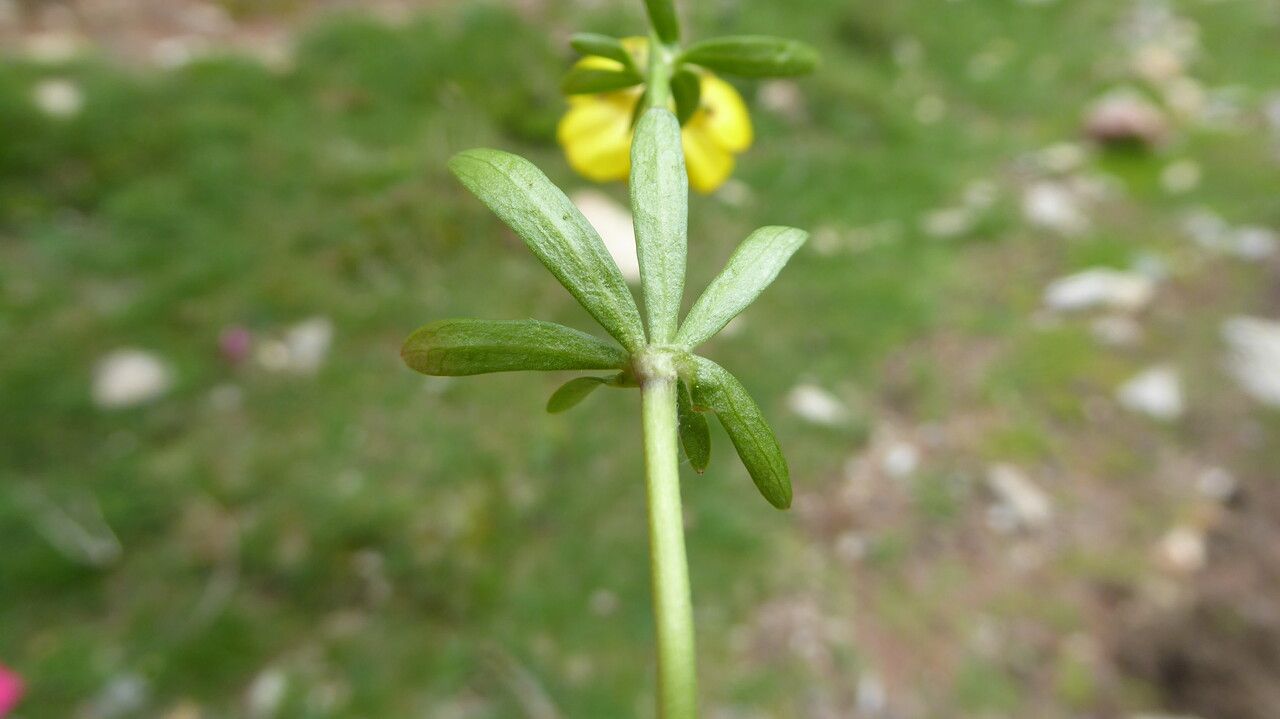
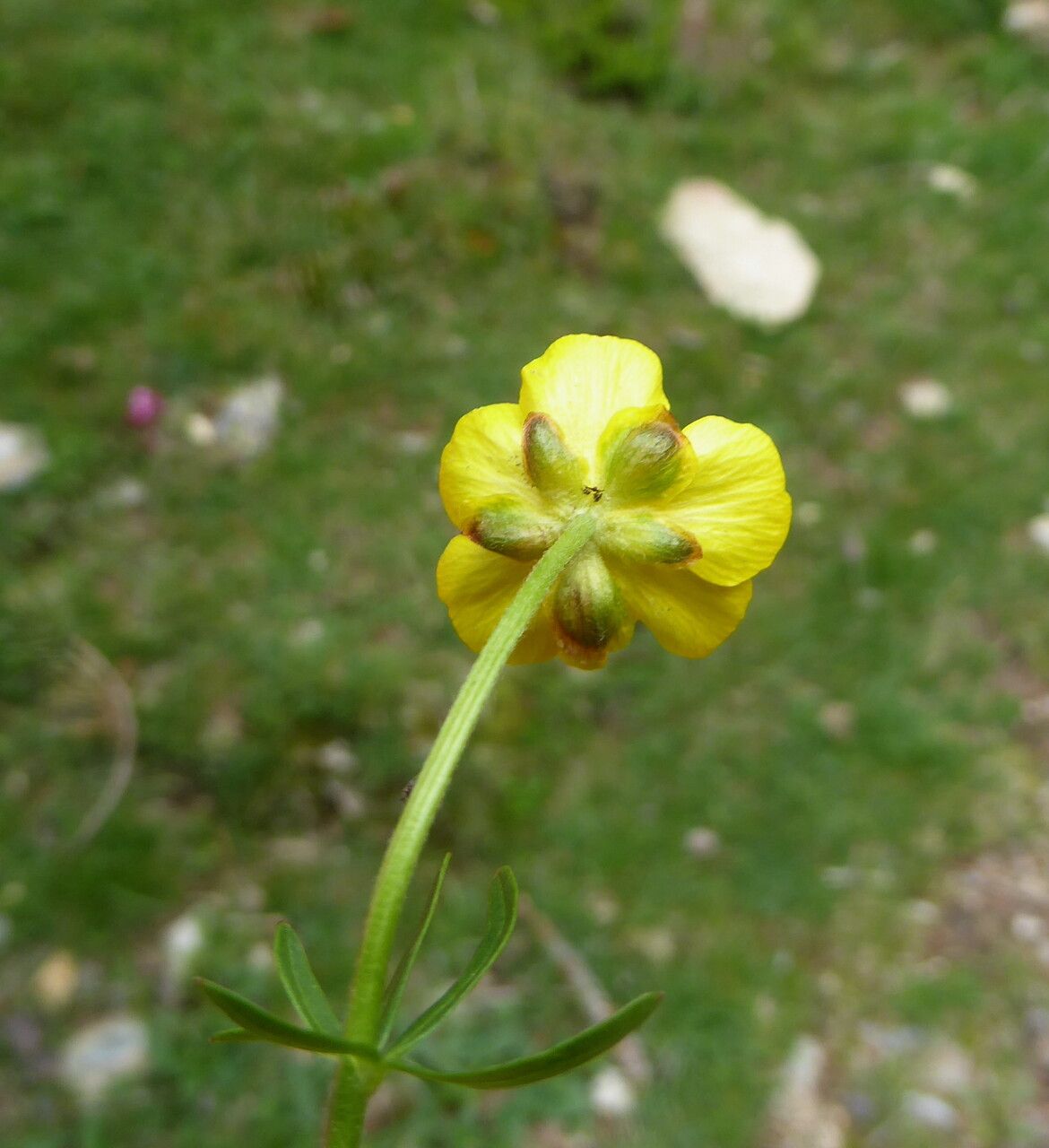
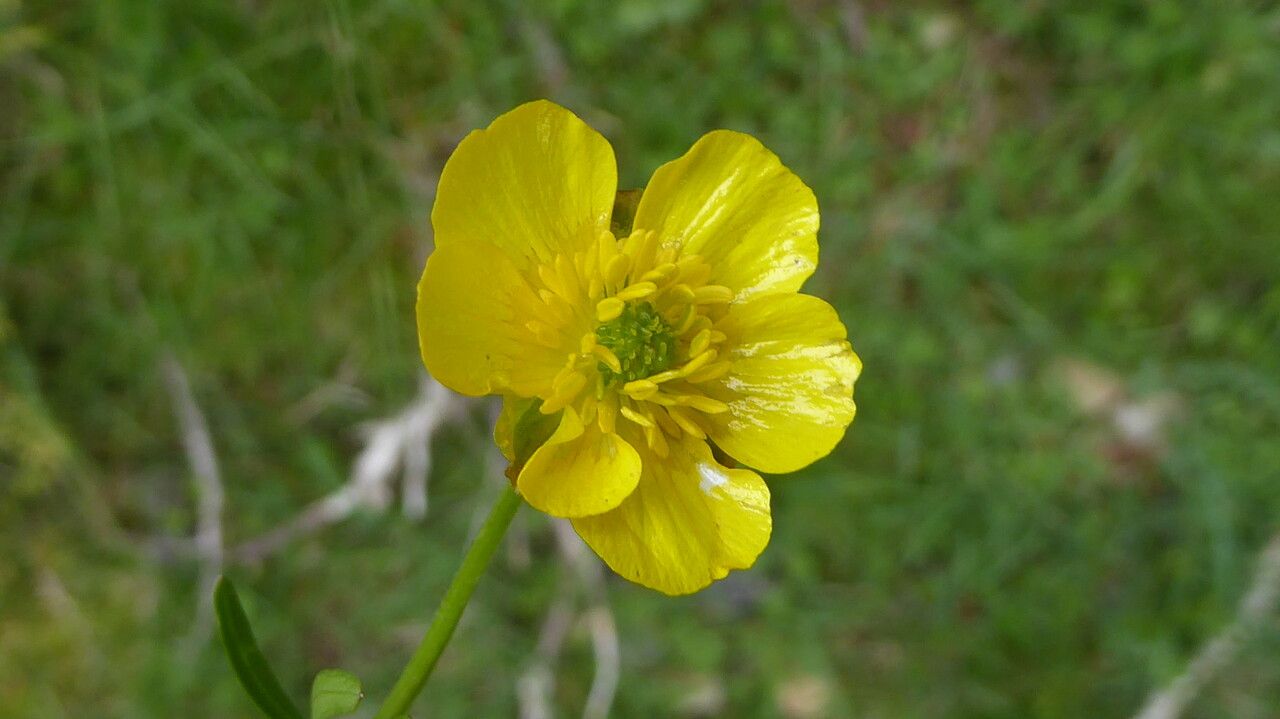
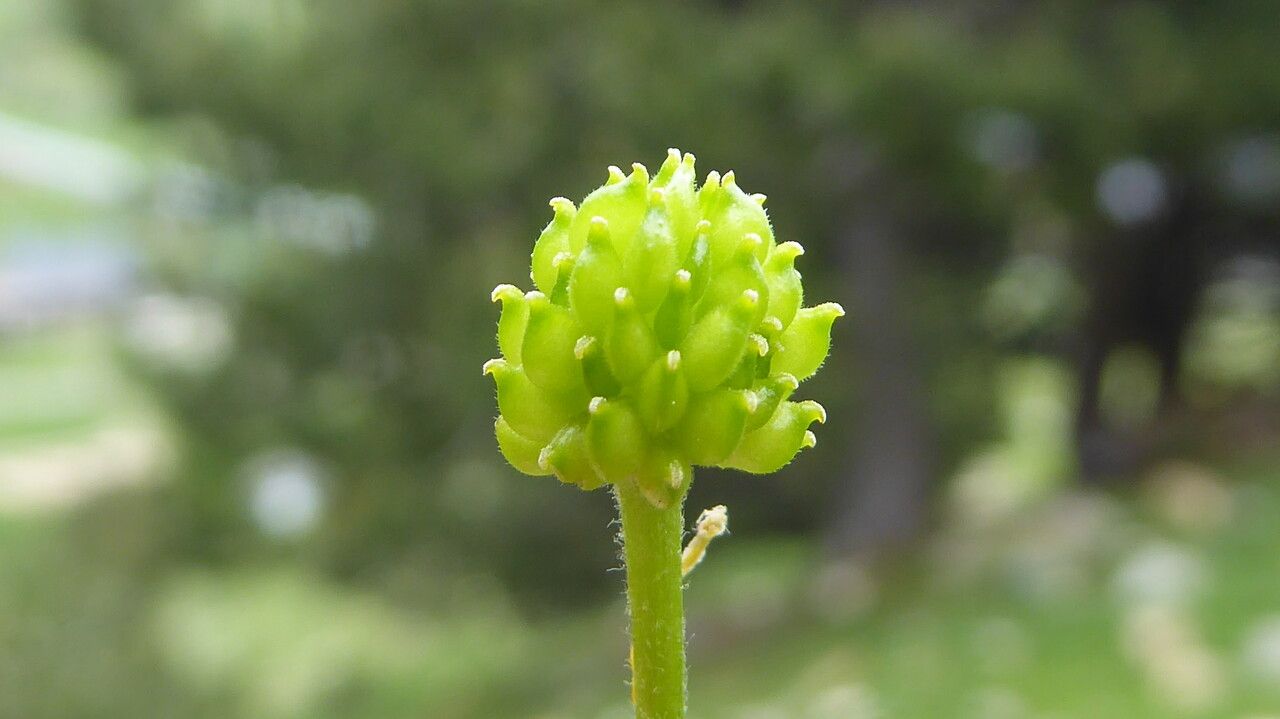
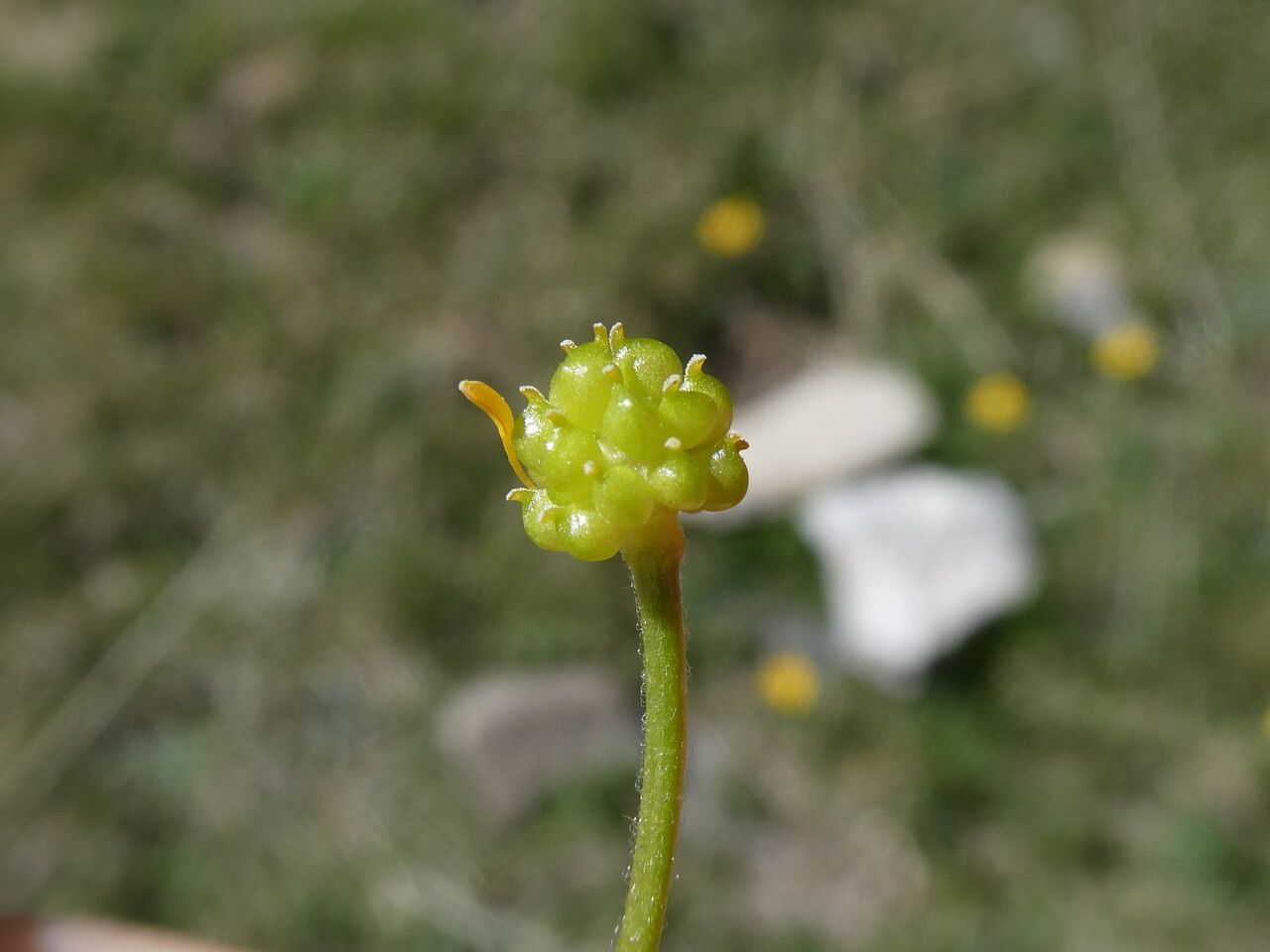
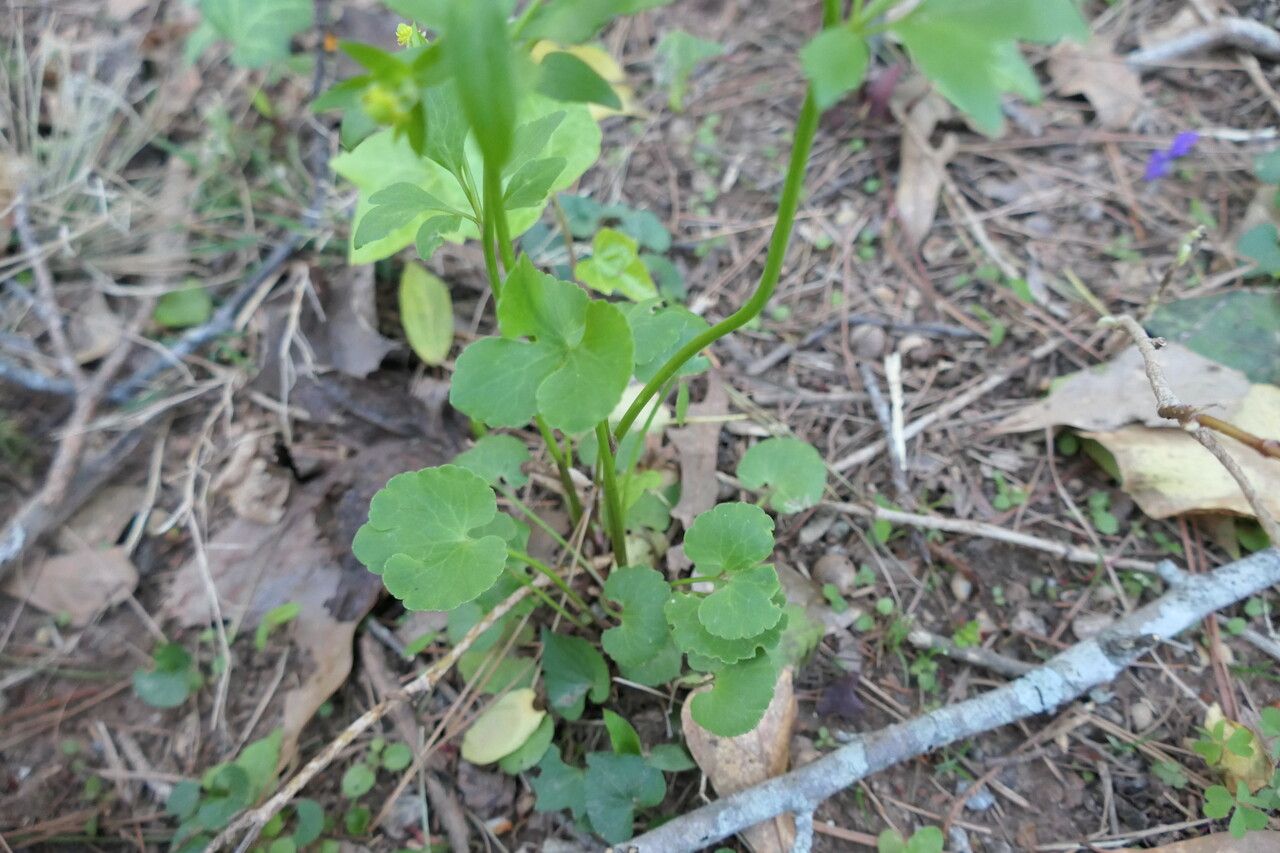
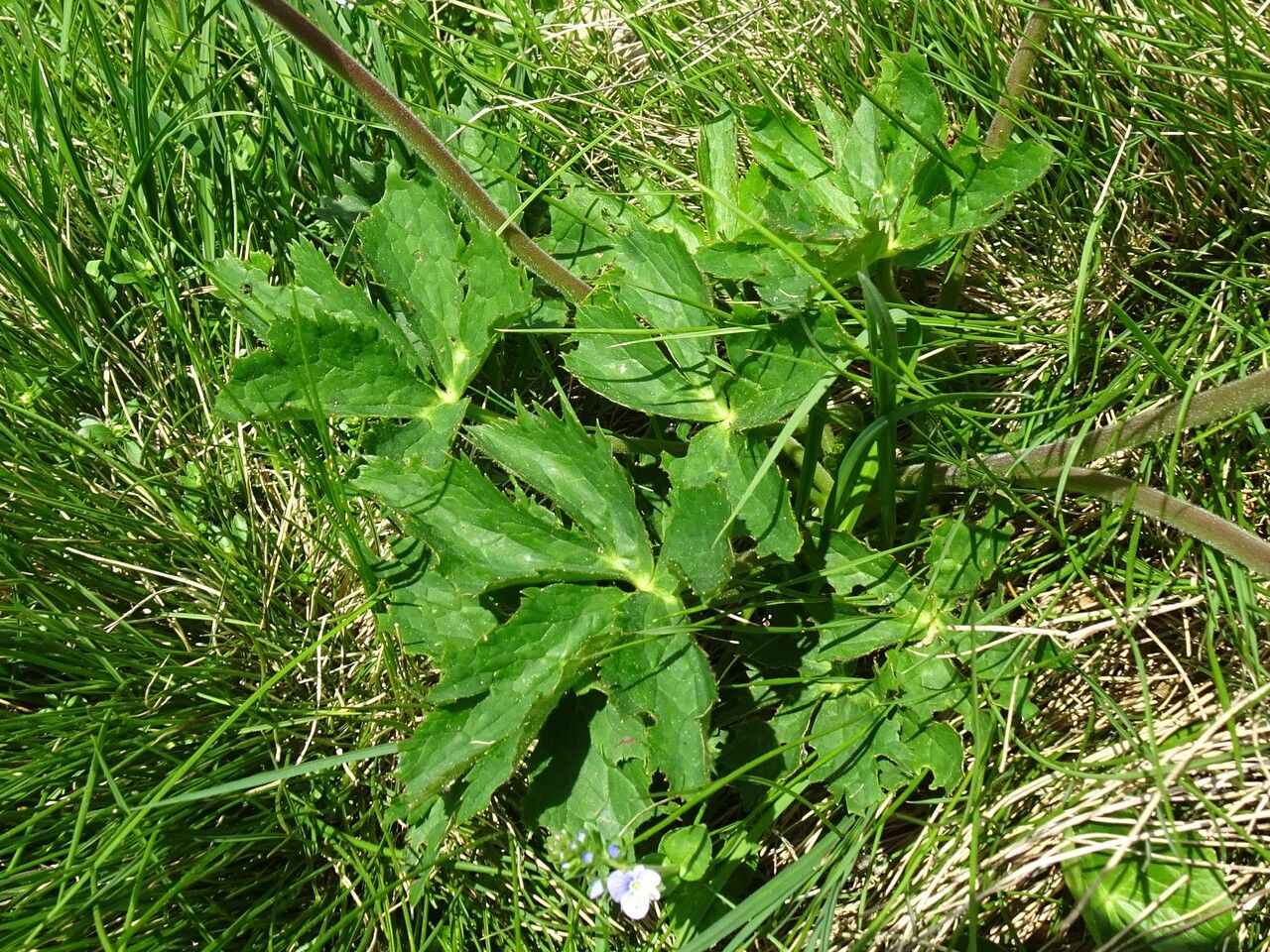
Ranunculus auricomus, known as goldilocks buttercup or Greenland buttercup, is a perennial species of buttercup native to Eurasia. It is a calcicole typically found in moist woods and at the margins of woods. It is apomictic, and several hundred agamospecies have been recognised.
Goldilocks buttercup is disease-resistant and generally not prone to illness. However, it can be affected by pests and diseases that exist in its surroundings. Such infections are typically not severe. For care, this plant needs moderate maintenance. It requires regular pruning to maintain a tidy appearance and healthy growth. Fertilizing can also help encourage flowering. Goldilocks buttercup is appropriate for anyone with outdoor space, such as a garden or patio, and does not demand much experience caring for plants. It may need extra attention when grown indoors.
How to keep Ranunculus Auricomus.
Light
Goldilocks buttercup flourishes when it receives unfiltered sunlight for most of the day. It can tolerate limited sun and even dense shade, but a strong light source is necessary for healthy growth. Insufficient sunlight may stunt its growth, while excessive exposure can cause discoloration or wilting.
Water
Goldilocks buttercup thrives in moist environments and needs soil that stays evenly moist. To prevent drought stress, it should be watered weekly. As an herbaceous perennial, it benefits from the humidity found indoors during the growing season. This added humidity helps keep the soil damp and supports flowering.
Temperature
Goldilocks buttercup is indigenous to temperate areas where temperatures range from 68 to 95°F (20 to 35℃). It does well in moderate heat but can tolerate slight drops. Seasonal adjustments involve increasing warmth during cold snaps.
Fertilizer
Proper fertilization is essential for Goldilocks buttercup's health and appearance. Fertilize Goldilocks buttercup during summer, repeating the feeding every month throughout the season. Nutrients power growth and help maintain the plant's parts. Fertilization improves the flower display of Goldilocks buttercup, ensuring the best blooms.
Pruning
Pruning Goldilocks buttercups from early to late spring encourages strong growth and abundant blooming. By removing dead or damaged stems and spent flowers, you can improve the plant's appearance and reduce the risk of disease. This practice leads to healthier plants with vibrant, golden blossoms, enhancing their overall beauty.
Botanical profile.
- Plant Type
- Herb
- Life Cycle
- Perennial
- Genus
- Ranunculus
- Family
- Ranunculaceae
- Hardiness Zone
- 10
- Mature Height
- 30 cm to 49 cm
- Mature Spread
- 20 cm to 30 cm
- Leaf Color
- Green, Blue
- Leaf Type
- Semi-evergreen
- Flower Color
- Gold, Yellow
- Flower Size
- 1.02 cm to 2.03 cm
- Bloom Time
- Spring
- Planting Time
- Spring, Summer
- Harvest Time
- Late spring, Early summer, Mid summer
- Native Area
- Sweden
Other names.
Reader questions.
How should I water my Goldilocks buttercup plant?
When watering the Goldilocks buttercup, it's best to use filtered water at room temperature or slightly warmer. Tap water may contain harmful particles, so it's important to use filtered water. The Goldilocks buttercup is used to a warm environment, so cold water can be problematic for it. It's also best to avoid overhead watering, as it can cause issues with the foliage. Instead, you should simply apply the filtered room temperature water to the soil until it's fully soaked. This helps the plant by moisturizing the roots and aiding in their spread through the soil to collect nutrients.
What are the sunlight requirements for Goldilocks buttercup?
Goldilocks buttercup requires full sun, which means it thrives in conditions where it receives more than 6 hours of direct sunlight daily. It can tolerate partial sun and full shade conditions, receiving about 3-6 hours of sunlight. However, for the plant to grow healthy, a strong light source is essential. Inadequate sunlight can stunt its growth, whereas too much sunlight might lead to discoloration or wilting. Observing how sunlight moves through your garden will help in choosing spots that offer a perfect balance of light and shade, ensuring your plants' happiness.
What is the native temperature range for Goldilocks buttercup?
Goldilocks buttercup, botanically known as Ranunculus auricomus, is native to temperate regions where it flourishes in temperatures ranging from 68 to 95°F (20 to 35°C). These plants prefer moderate heat but can withstand slight temperature drops. During colder months, it's vital to provide a warmer environment to support their health.
What do I do if I give my Goldilocks buttercup too much or too little water?
Overwatering and underwatering can harm your Goldilocks buttercup plant, but overwatering is more common. When this plant gets too much water, its stems and leaves may wilt and turn yellow. Overwatering for a long time can also cause diseases like root rot, mold, and mildew, which can kill the plant. Underwatering is less common because the Goldilocks buttercup can handle drought. However, it's still possible, and when it happens, the leaves will become brittle and brown. It's important to notice signs of overwatering early on. Some diseases, like root rot, can't be fixed if you wait too long. If you see early signs of overwatering, reduce watering immediately. Check the soil drainage and replace it with a well-draining potting mix if it drains poorly. If you see signs of underwatering, water more regularly until the signs go away.
How can artificial lighting be used for Goldilocks buttercup indoors?
When natural sunlight is insufficient, especially during winter or in less sunny interior spaces, artificial lighting serves as a crucial alternative for Goldilocks buttercup's growth. LEDs are preferred for indoor plant lighting as they can be tailored to provide specific light wavelengths needed by plants. Full sun plants should have 30-50W/sq ft of light, partial sun plants 20-30W/sq ft, and full shade plants 10-20W/sq ft. The light source should be placed 12-36 inches above the plant to mimic natural sunlight, and plants generally require 8-12 hours of light per day.
How should Goldilocks buttercup be cared for in winter?
In autumn and winter, Goldilocks buttercup should be brought indoors to protect it from cold temperatures, which can be harmful to the plant. It's recommended to place the plant near a bright window for ample sunlight while keeping it a safe distance from heaters to avoid damage. Ensuring the temperature stays above 20°C during the colder months is crucial for the plant's well-being, as temperatures nearing 5°C can be detrimental.
How frequently should I water my Goldilocks buttercup?
If your Goldilocks buttercup is in a pot, the most precise way to determine if it needs water is to check the soil with your finger. If the top two to three inches of soil are dry, it's time to water. The same method can be used if you're growing the plant outdoors in the ground. When the first few inches of soil have dried out, it's time to water. Typically, during spring and early fall, watering once a week is sufficient. However, during extremely hot weather, watering frequency may need to be increased to twice a week or more. It's worth noting that mature, well-established Goldilocks buttercups have a remarkable ability to tolerate dry conditions.
What are the symptoms of insufficient light in Goldilocks buttercup?
When Goldilocks buttercup is subjected to inadequate lighting, several symptoms may appear. New leaves might grow smaller, and the plant could display leggy or sparse growth, creating a stretched-out appearance. Early leaf drop is another sign, as the plant sheds older leaves to conserve resources. Growth may slow down or cease, and new leaves might appear lighter in color or become pale, indicating a lack of chlorophyll. Additionally, symptoms like chlorosis, a condition where leaves lose their green color, sunscald, leaf curling, wilting, and leaf scorching from excessive sunlight could also manifest, indicating either insufficient or excessive light exposure.
What should I do if my Goldilocks buttercup is affected by low temperatures?
Goldilocks buttercup thrives in warm conditions and suffers in low temperatures. If the plant is exposed to temperatures below 1°C, the leaves may lighten, and after frost damage, can turn brown or black, exhibiting signs of wilting and drooping. To help the plant recover, trim off the frost-damaged parts and move the plant indoors to a warmer spot, ideally near a south-facing window for sufficient sunlight. It is also important to avoid placing the plant too close to heaters or air conditioning vents to prevent air dryness.
How much water does my Goldilocks buttercup plant need?
When watering your Goldilocks buttercup, make sure you don't hold back on the amount of water you give. Ideally, the soil should be dry by about two to three inches before watering. It's best to water the plant thoroughly, ensuring that the entire soil gets soaked. You should add enough water so that it drains out through the holes at the bottom of the pot. If you don't see any excess water draining, it means you haven't given enough water. However, be cautious not to let the water accumulate in the soil, as this can harm the plant. On the other hand, if water isn't draining properly, it could be a sign of poorly draining soil, which is not good for the plant's health. If the plant is outdoors, it typically requires about 1 inch of rain per week.
What solutions can help Goldilocks buttercup with light deficiency?
To address light deficiency in Goldilocks buttercup, progress gradually by moving plants to sunnier spots each week until they get at least 6 hours of direct sunlight daily. For indoor plants, use a south-facing window with open curtains for maximum daylight or consider artificial lighting if the plant is large or not easily movable, keeping lights on for about 8 hours a day. For outdoor plants, gradual relocation helps them adapt without getting sunburned. If obstructions like trees block sunlight, pruning might be necessary. For smaller plants, transplanting during dormant periods to areas with better sunlight and drainage can promote healthier growth. Note that parts of the plant already affected might not recover, but new growth should be healthy in improved lighting conditions.
What should I do if my Goldilocks buttercup is affected by high temperatures?
During summer, it's essential to keep Goldilocks buttercup's environment below 35°C to prevent heat stress and sunburn, which can occur if temperatures exceed 41°C, leading to lighter leaf color and increased vulnerability. To mitigate damage from high temperatures, trim away sunburned or dry parts of the plant, relocate it to a shaded area during intense afternoon sun, and water the soil in the morning and evening to maintain moisture.