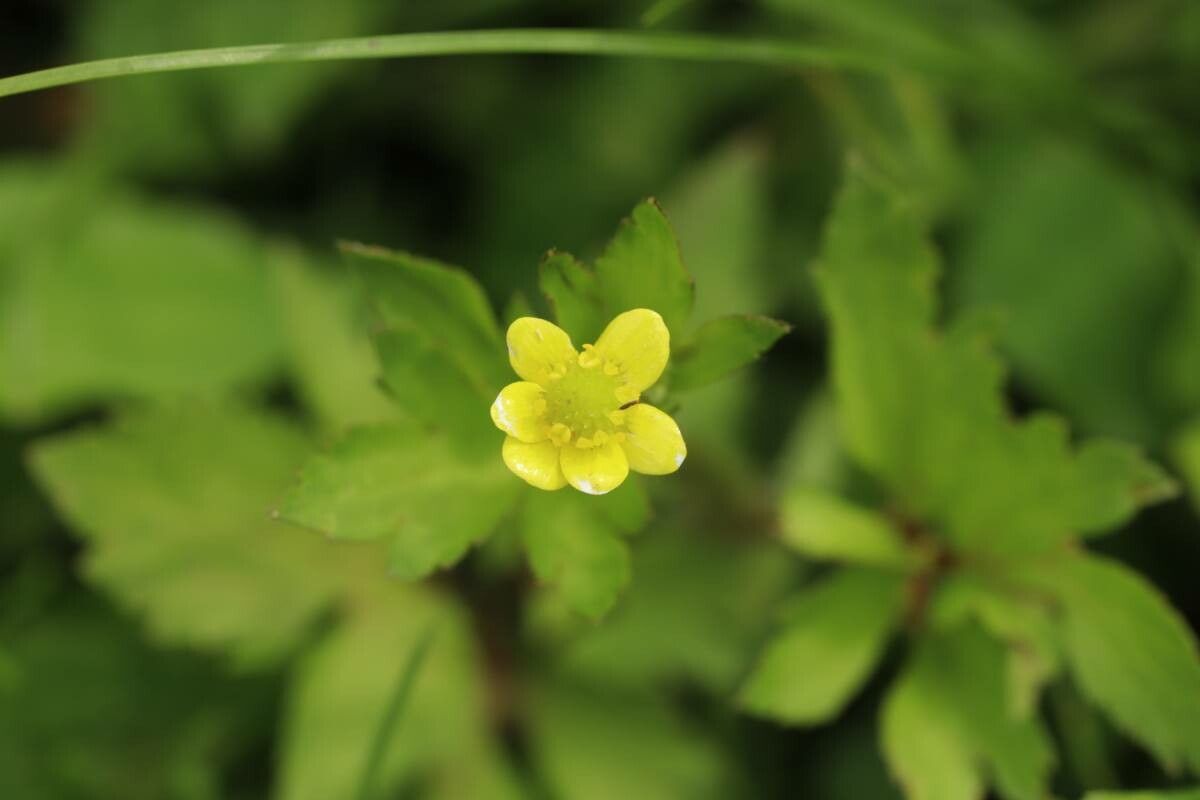
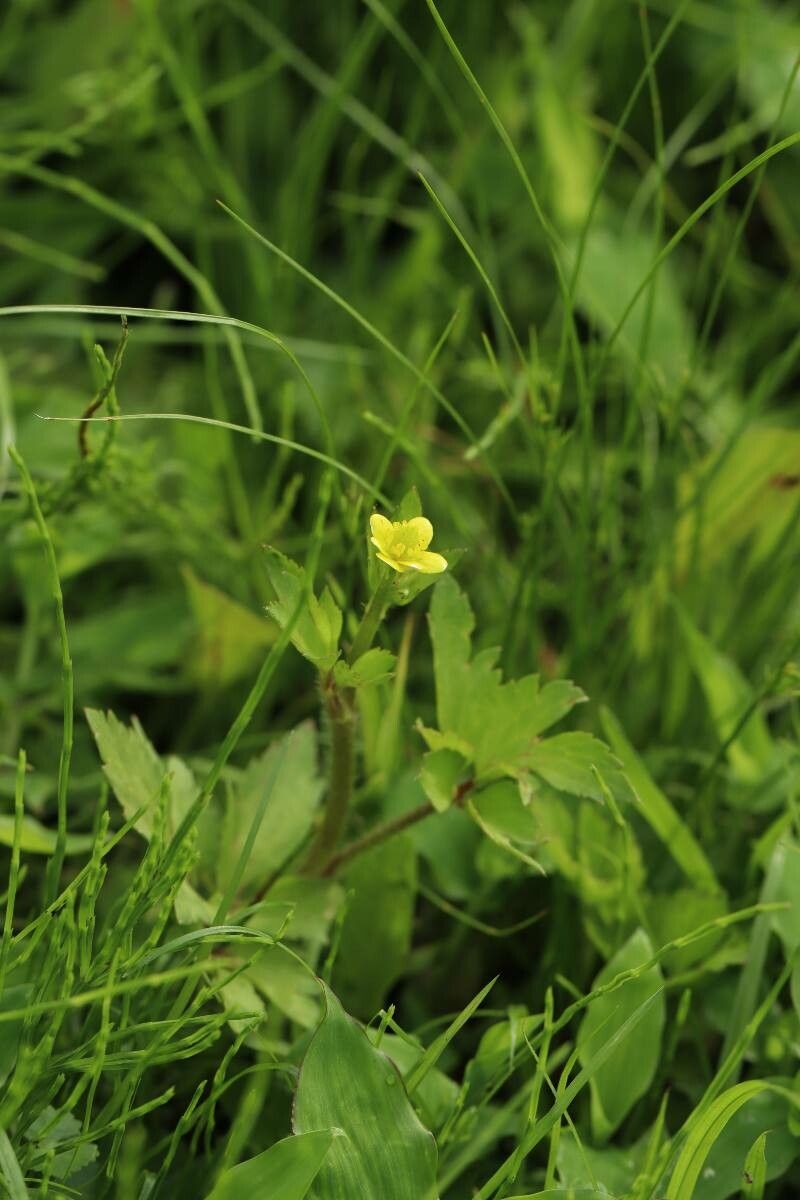
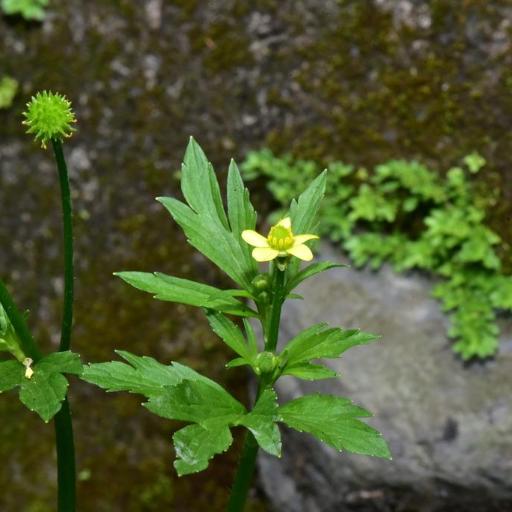
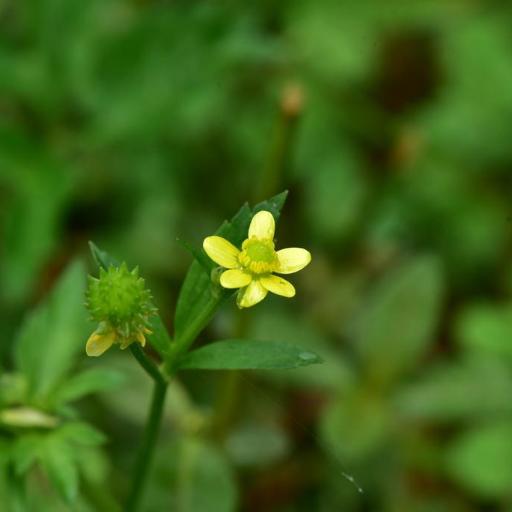
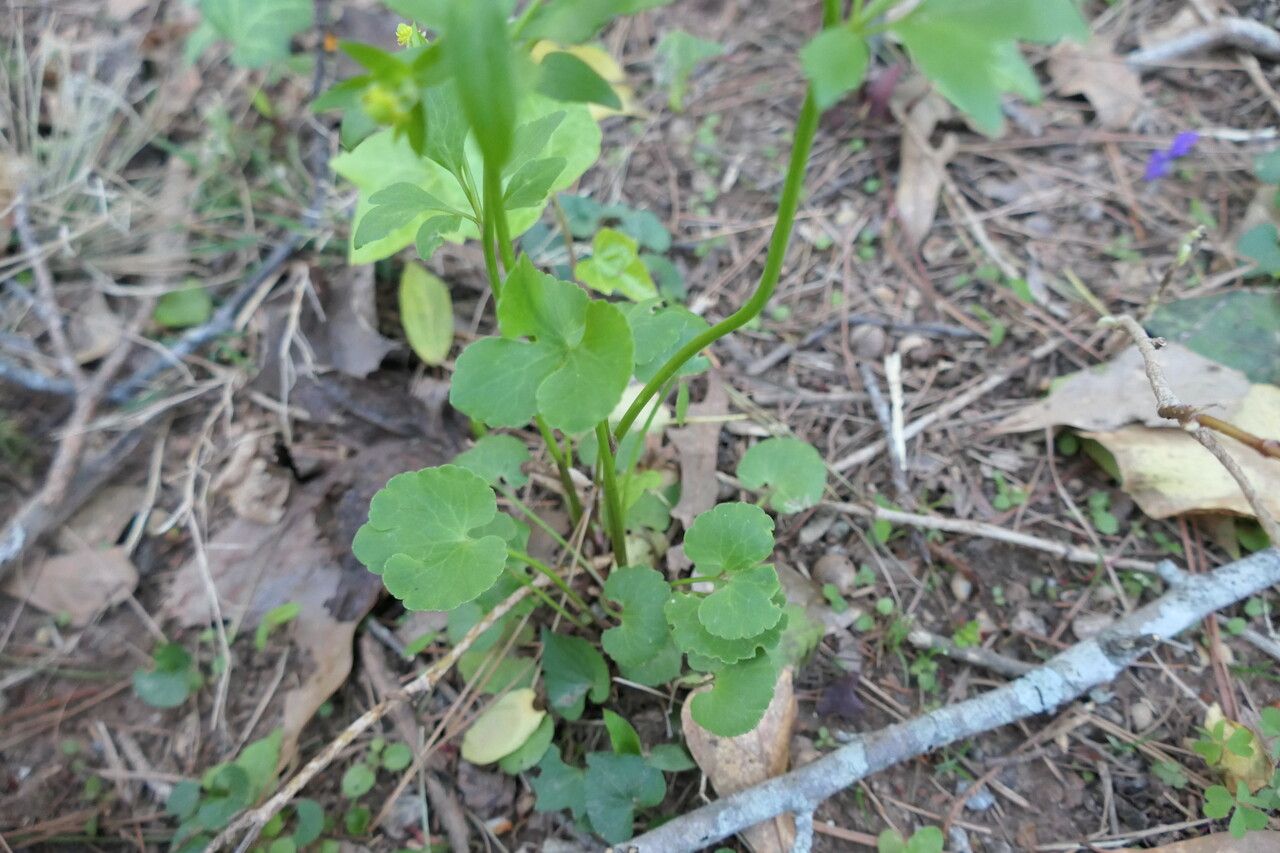
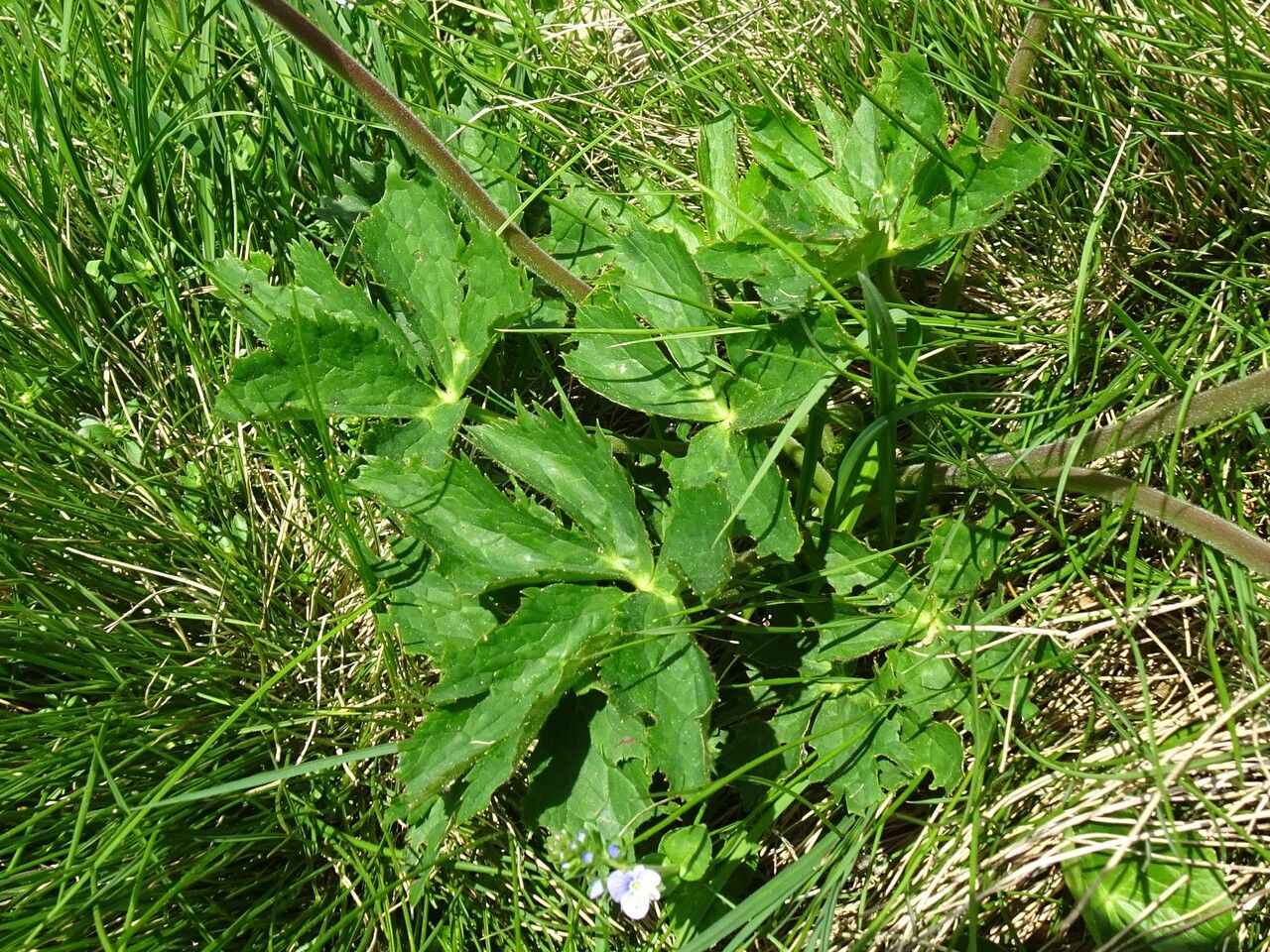
Chinese buttercup has strong resistance to disease and typically does not suffer from illnesses. Still, it can be vulnerable to pests and diseases present in its environment. When infections occur, they are generally mild. Regarding care, this plant needs a moderate level of attention. Regular pruning is necessary to preserve an attractive appearance and encourage healthy growth. Applying fertilizer can also support increased flowering. Chinese buttercup is appropriate for anyone with outdoor areas like a garden or patio and does not demand extensive gardening experience. It may need more attentive care if cultivated indoors.
How to keep Ranunculus Cantoniensis.
Light
The Chinese buttercup thrives under conditions where it has free access to sunlight for the entire day, which allows it to grow healthily. Its natural environment is usually characterized by abundant sunlight. Nevertheless, the plant's health may be adversely affected if it's subjected to an excess amount of sunlight or doesn't get sufficient light.
Water
The Chinese buttercup, which originates from moist environments, thrives in consistently hydrated soil. Although it has some tolerance to drought, providing regular weekly watering is essential to prevent its roots from becoming overly saturated. As an herbaceous perennial, the Chinese buttercup needs careful irrigation during its growing season to ensure optimal foliage and flowering.
Temperature
The Chinese buttercup is native to regions where temperatures fluctuate between 59 and 95 °F (15 to 35 ℃). Therefore, it flourishes exceptionally well in controlled environments that mimic its original habitats. Make necessary temperature adjustments as the seasons transition.
Fertilizer
The optimal period for fertilizing a Chinese buttercup is during early spring, as it transitions from a dormant to a growth state. Fertilizing supplies vital nutrients necessary for robust growth. While the Chinese buttercup doesn't require a high amount of fertilizer, yearly fertilization can boost its chances of survival and encourage improved and more durable blossoms.
Pruning
To help Chinese buttercup thrive, regular pruning is recommended, ideally in early to mid-spring. Pruning enhances the plant's shape and encourages blooming. Be sure to remove dead stems and spent flowers to stimulate new growth and extend the flowering period. Additionally, using clean tools is crucial to prevent the spread of diseases. Proper pruning also improves air circulation and light penetration, benefiting the overall health of the plant.
Botanical profile.
- Plant Type
- Herb
- Life Cycle
- Perennial
- Genus
- Ranunculus
- Family
- Ranunculaceae
- Hardiness Zone
- 8-10
- Mature Height
- 25 cm to 76 cm
- Mature Spread
- 20 cm to 40 cm
- Leaf Color
- Green, Dark Green
- Leaf Type
- Deciduous
- Flower Color
- Yellow
- Flower Size
- 1.02 cm to 1.27 cm
- Bloom Time
- Mid spring, Late spring, Early summer
- Planting Time
- Spring, Summer, Autumn
- Harvest Time
- Summer
- Native Area
- Nepal, India, Vietnam, Myanmar, Japan, Bhutan, Laos, Pakistan, South Korea, China
Other names.