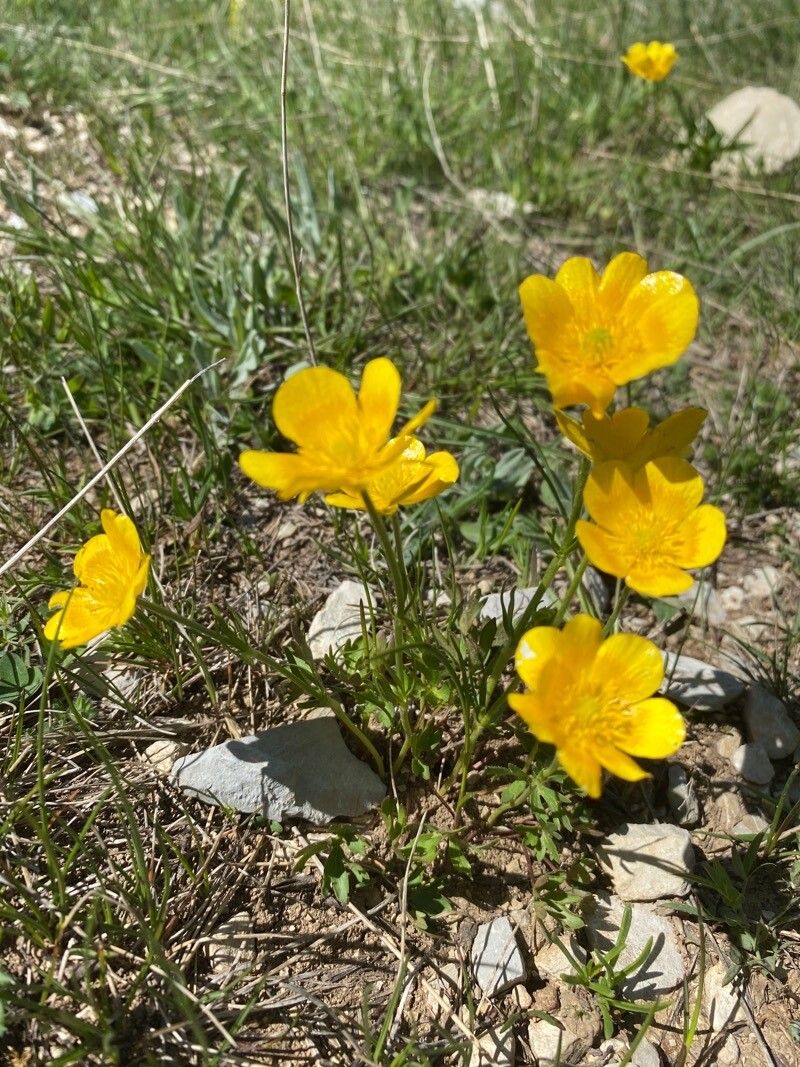
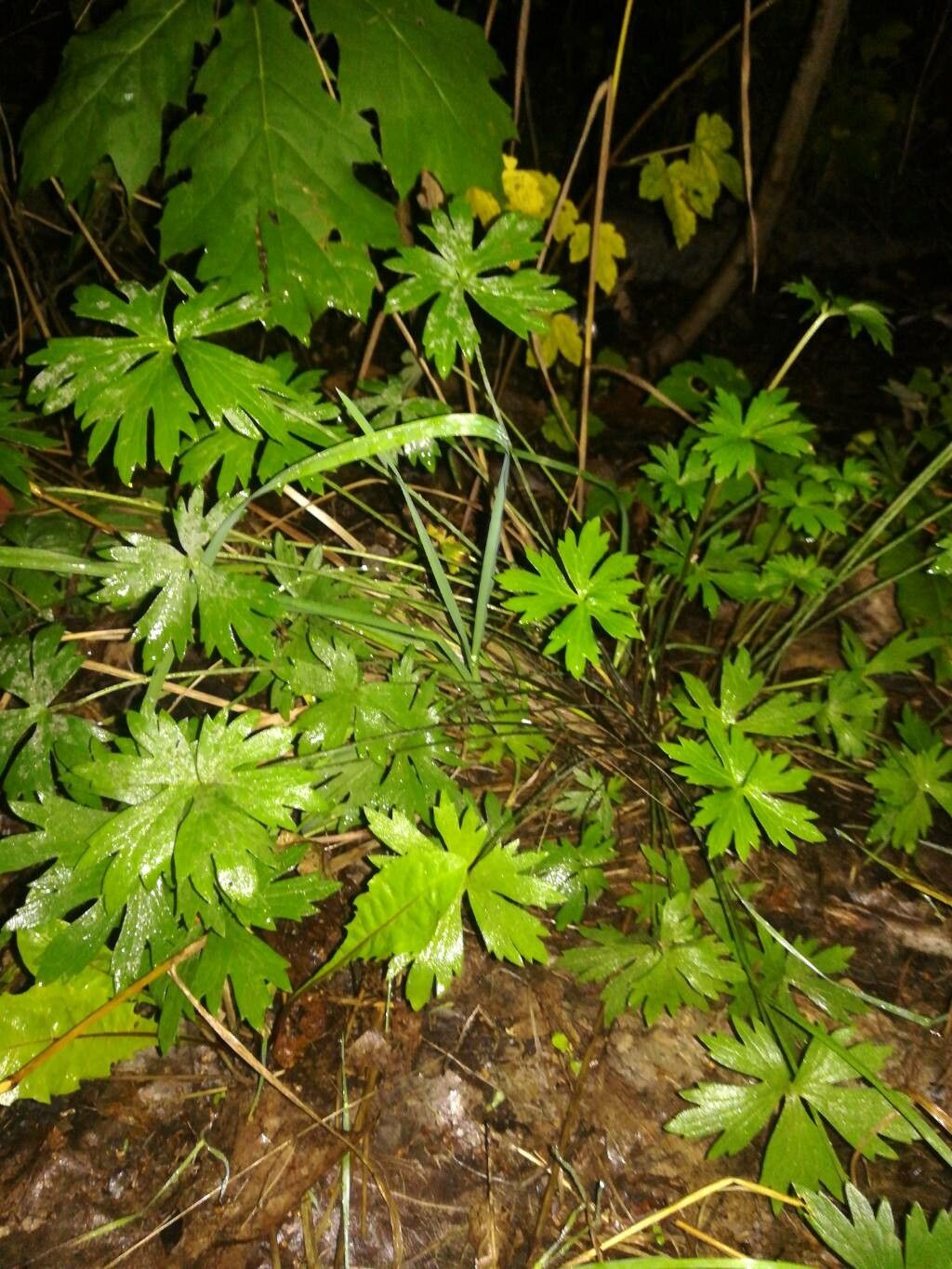
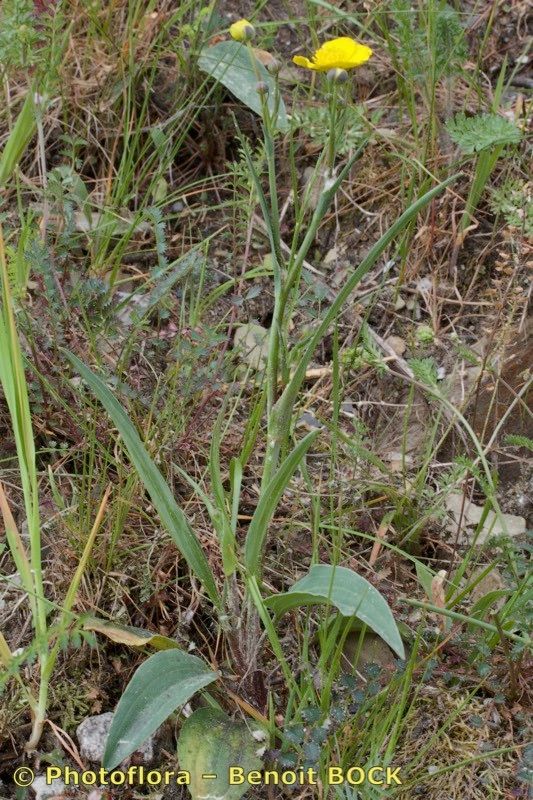
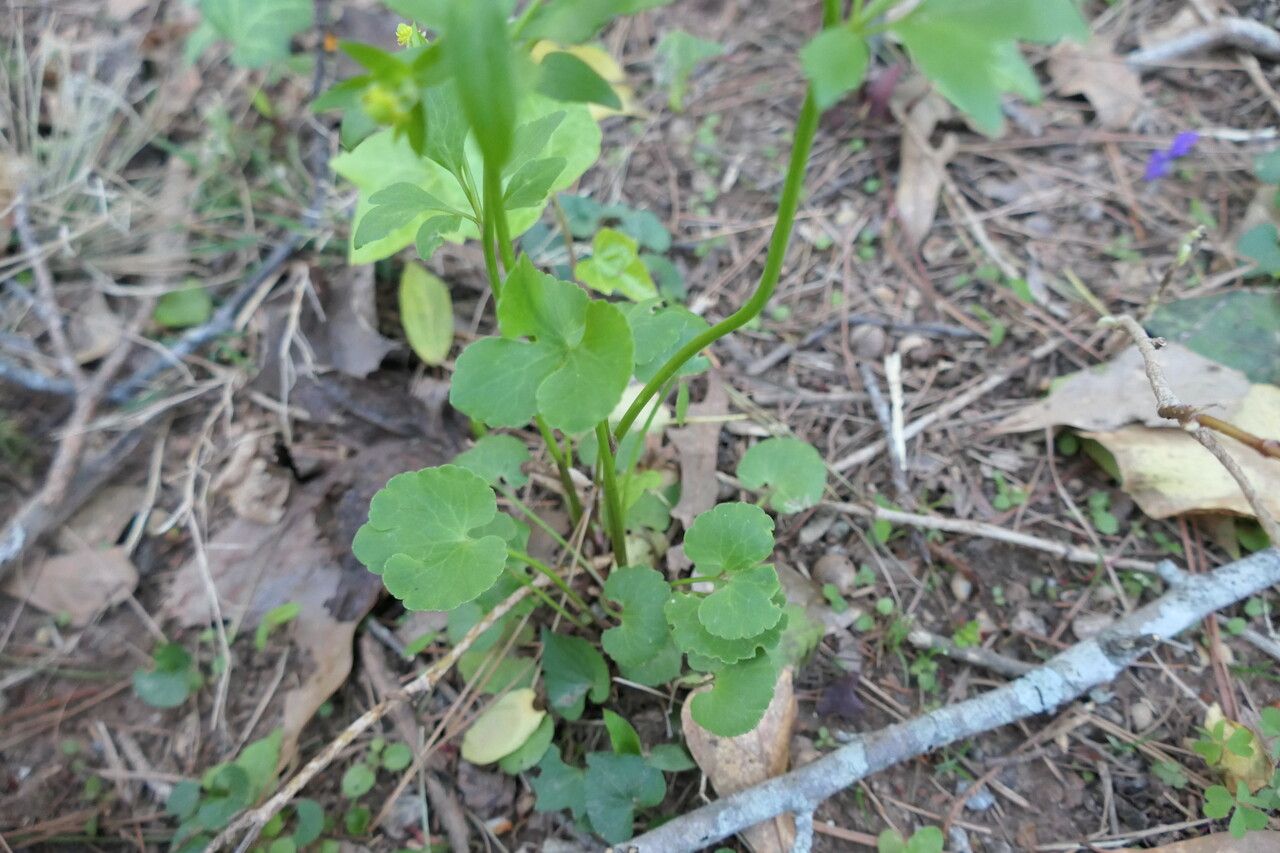
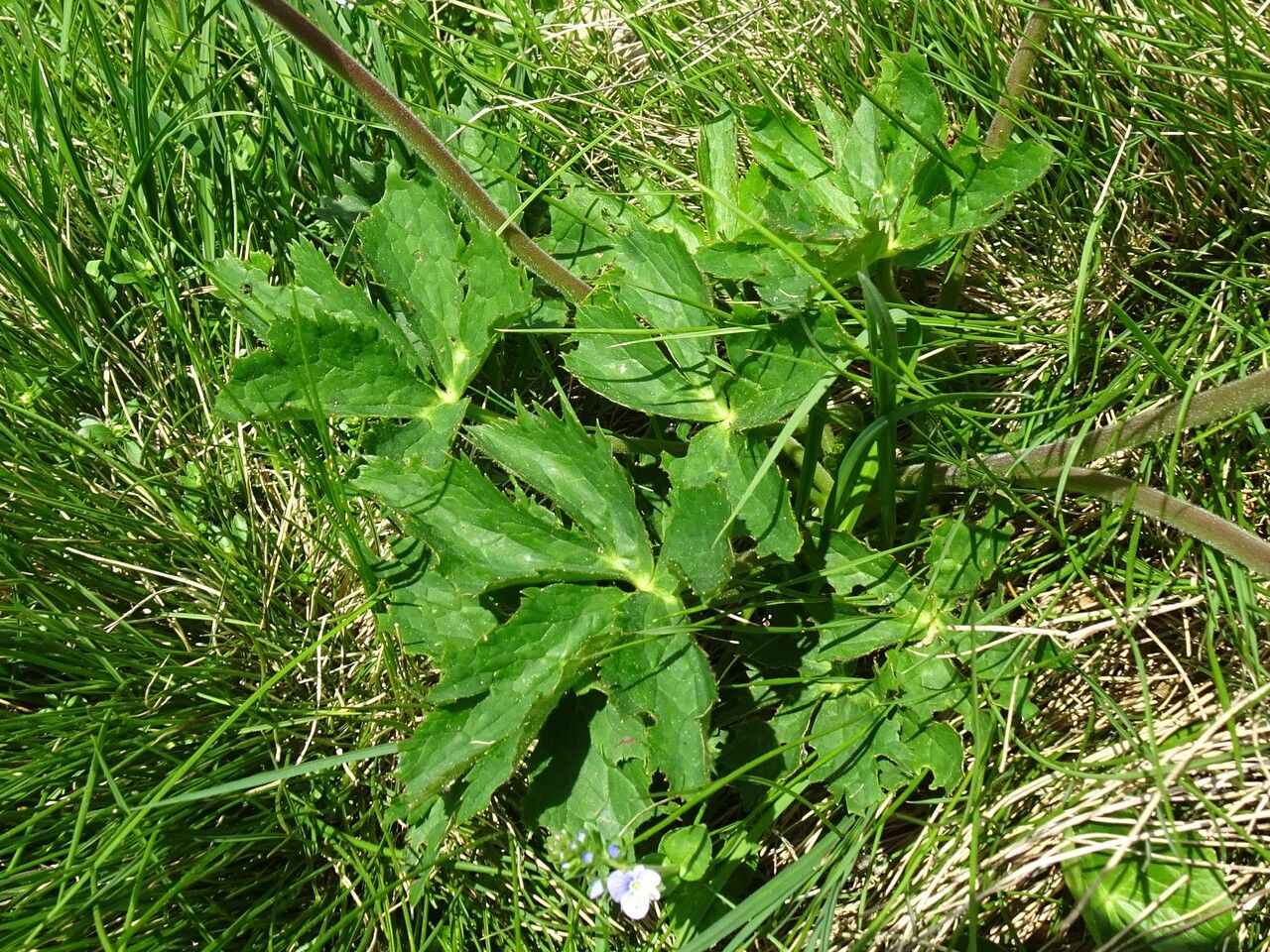
Carinthian buttercup is fairly disease-resistant and typically not prone to illnesses. However, it can be affected by pests and diseases present in its environment. These infections are usually mild. In terms of care, this plant has moderate maintenance needs. It should be pruned regularly to maintain an attractive appearance and healthy growth. Fertilizing can also help encourage flowering. Carinthian buttercup is suitable for anyone with outdoor space, such as a garden or patio, and does not demand extensive care experience. It may need more attention when grown indoors.
How to keep Ranunculus Carinthiacus.
Light
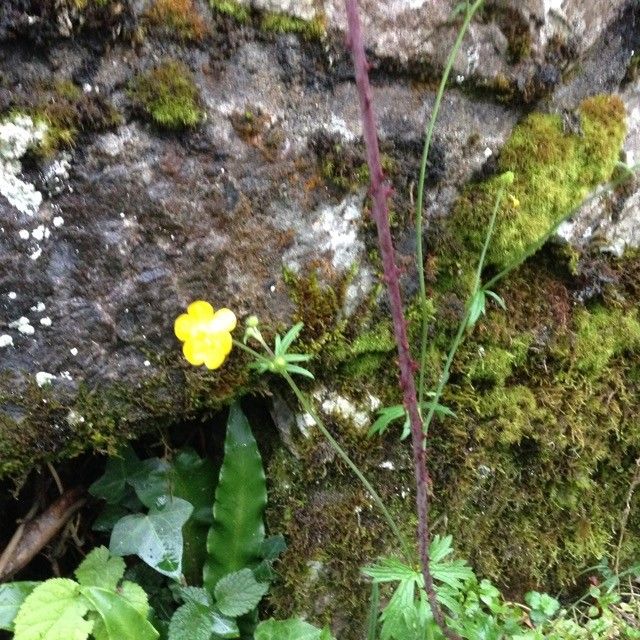
Carinthian buttercup is native to habitats such as forest understories and rocky areas, where it experiences natural shade. It prefers partial sun but can tolerate full sun or full shade, demonstrating its adaptable and hardy nature.
Water
The Carinthian buttercup naturally grows in moist alpine meadows and prefers environments with high humidity and consistent moisture. While it can tolerate moderate drought, it thrives best in evenly moist soil and needs to be watered weekly. When planted outdoors, it's important to ensure good drainage to prevent waterlogging, which aligns with its natural adaptation to regular rainfall.
Fertilizer
Usually one fertilizing in spring is adequate for Carinthian buttercup, though repeated feedings can enhance growth. Apply fertilizer every month to six weeks. Fertilization improves the leaves' appearance and function, encouraging even color and a healthy texture. It also promotes root development and nutrient uptake for the plant's long-term health.
Pruning
The Carinthian buttercup is known for its vibrant flowers and compact growth habit. To ensure optimal health and blooming, prune the plant in early to late spring by removing any dead stems. Thinning overcrowded areas can also improve air circulation. Always use clean, sharp tools to prevent the spread of disease. For specific care instructions tailored to the Carinthian buttercup, consult trusted sources.
Botanical profile.
- Plant Type
- Herb
- Life Cycle
- Perennial
- Genus
- Ranunculus
- Family
- Ranunculaceae
- Hardiness Zone
- 4-8
- Mature Height
- 10 cm to 30 cm
- Mature Spread
- 15 cm to 25 cm
- Leaf Color
- Green, Dark Green
- Leaf Type
- Deciduous
- Flower Color
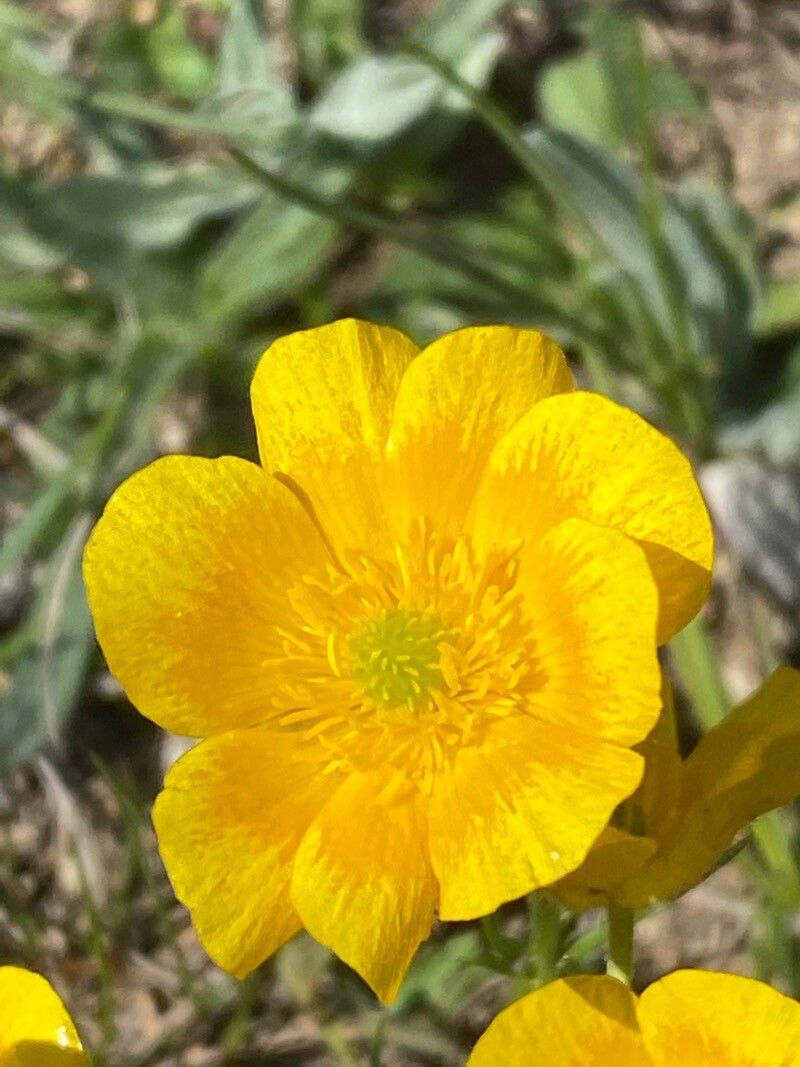
- Yellow, Gold
- Flower Size
- 2.03 cm to 3.05 cm
- Bloom Time
- Mid spring, Late spring
- Planting Time
- Spring, Summer
- Harvest Time
- Early summer, Mid summer
- Native Area
- Germany, Austria, Italy, Spain, Switzerland, Serbia, Montenegro, Bulgaria, Croatia, Slovenia, France
Other names.
Reader questions.
What are the sunlight requirements for Carinthian buttercup (Ranunculus carinthiacus)?
The Carinthian buttercup, known botanically as Ranunculus carinthiacus, thrives in locations receiving full sun, which means it needs above 6 hours of sunlight per day. It's important to observe the movement of sunlight through your garden carefully. This allows you to identify spots that offer the ideal mix of light and shade, ensuring the best conditions for your Carinthian buttercup's growth and happiness.
What is the Carinthian buttercup?
The Carinthian buttercup, scientifically referred to as Ranunculus carinthiacus, is a species within the buttercup family. Detailed information regarding its essentials, such as habitat, cultivation, or peculiarities, symptoms of exposure or ingestion if dangerous, and additional facts, were not provided or applicable in the data.