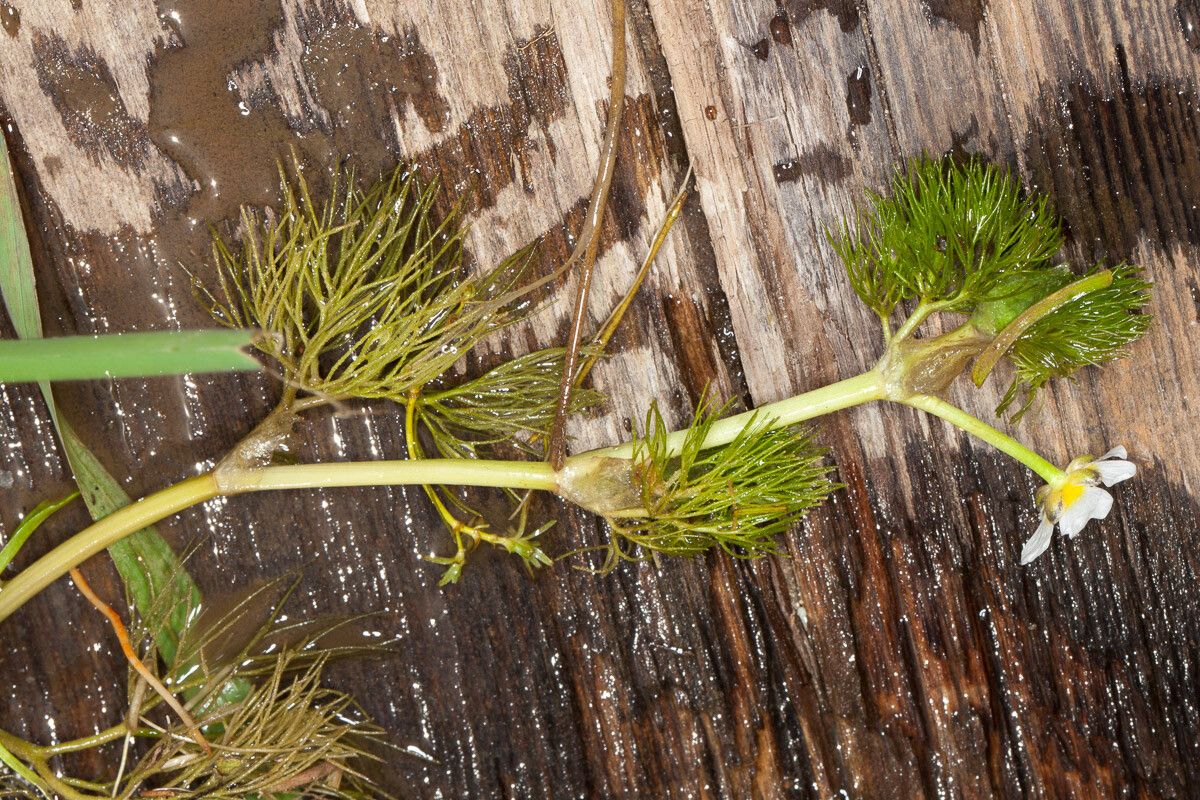
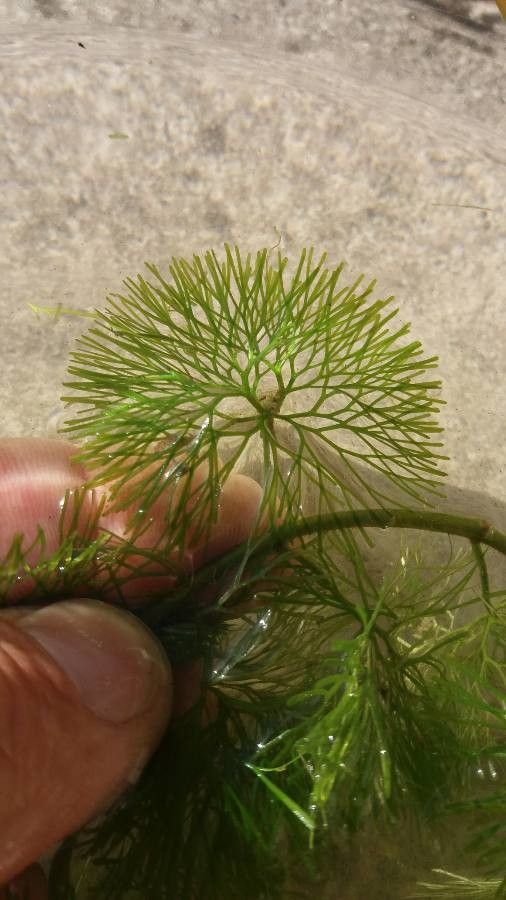
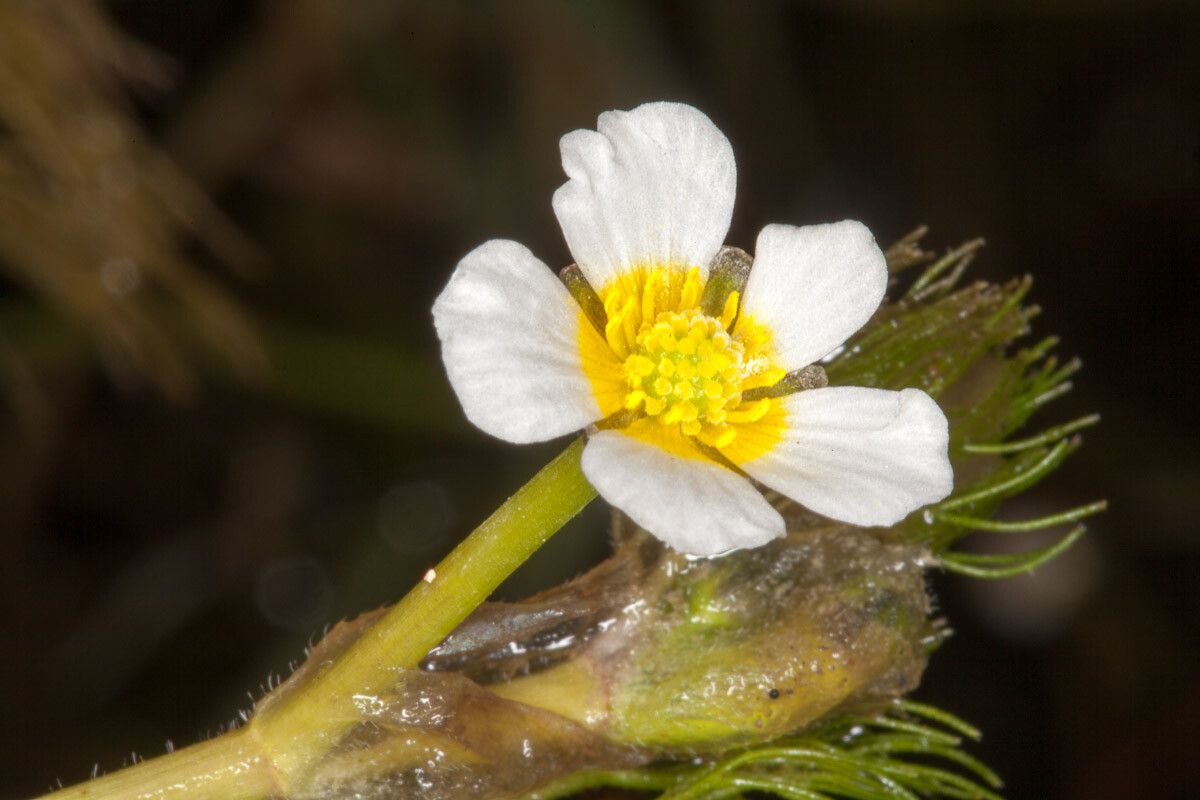
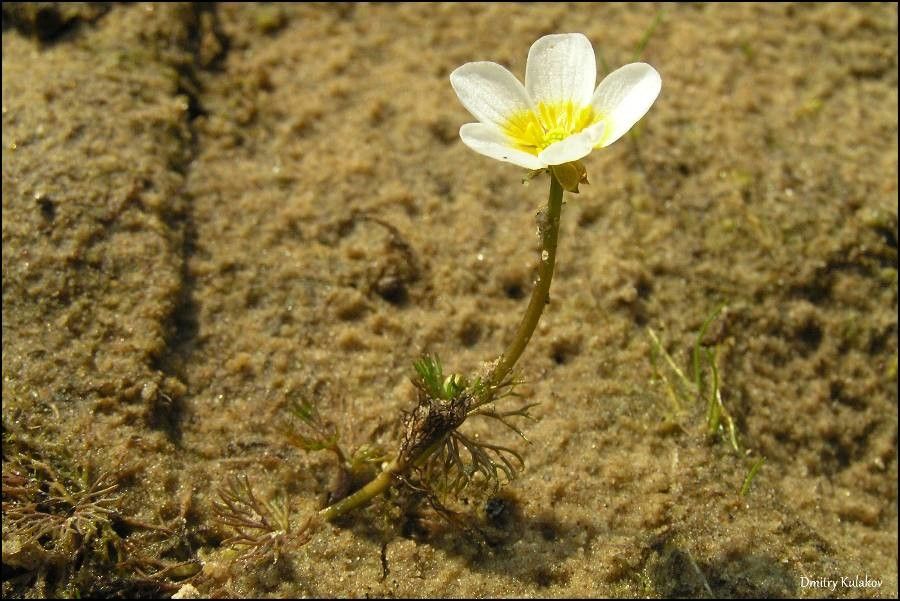
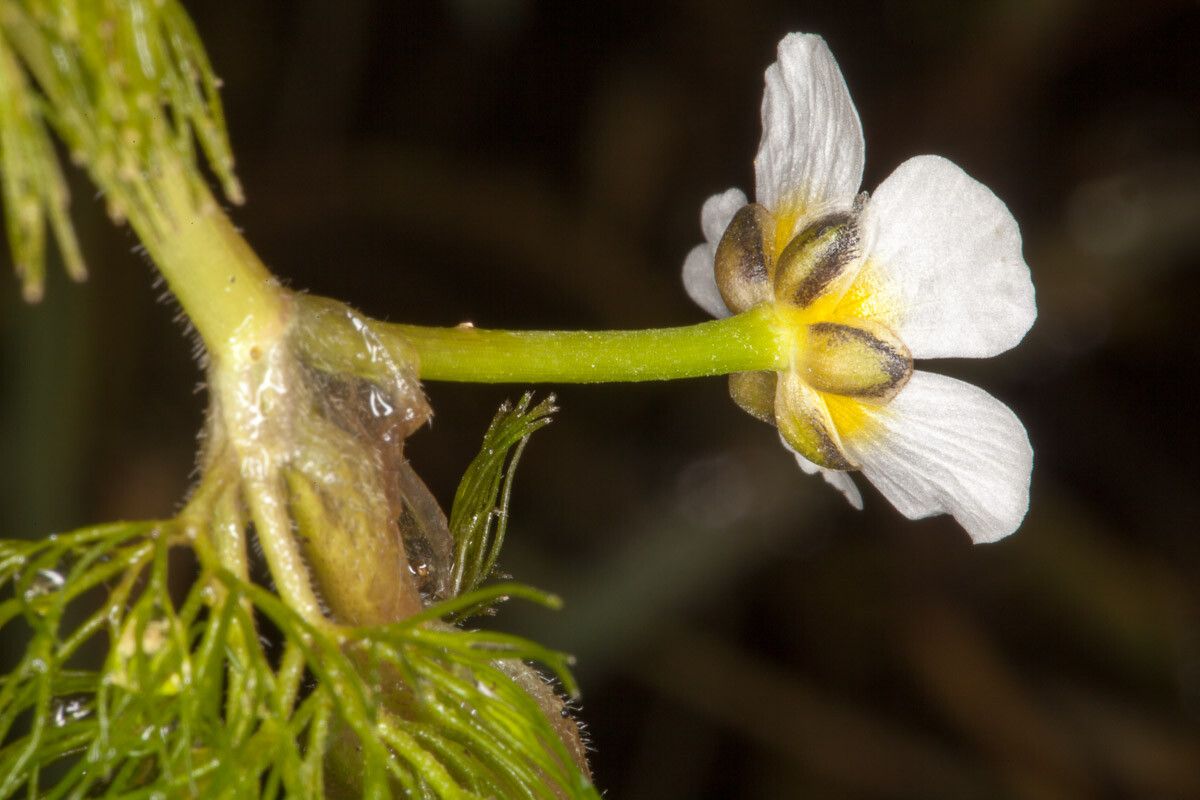
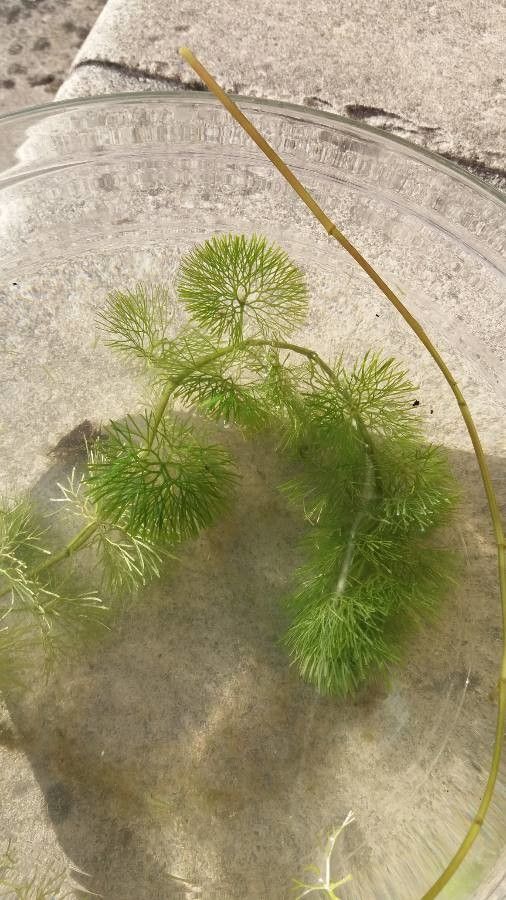
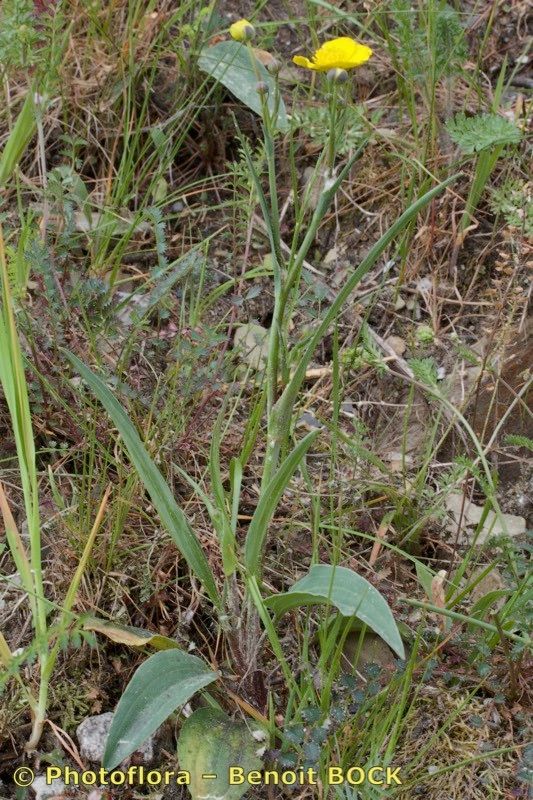
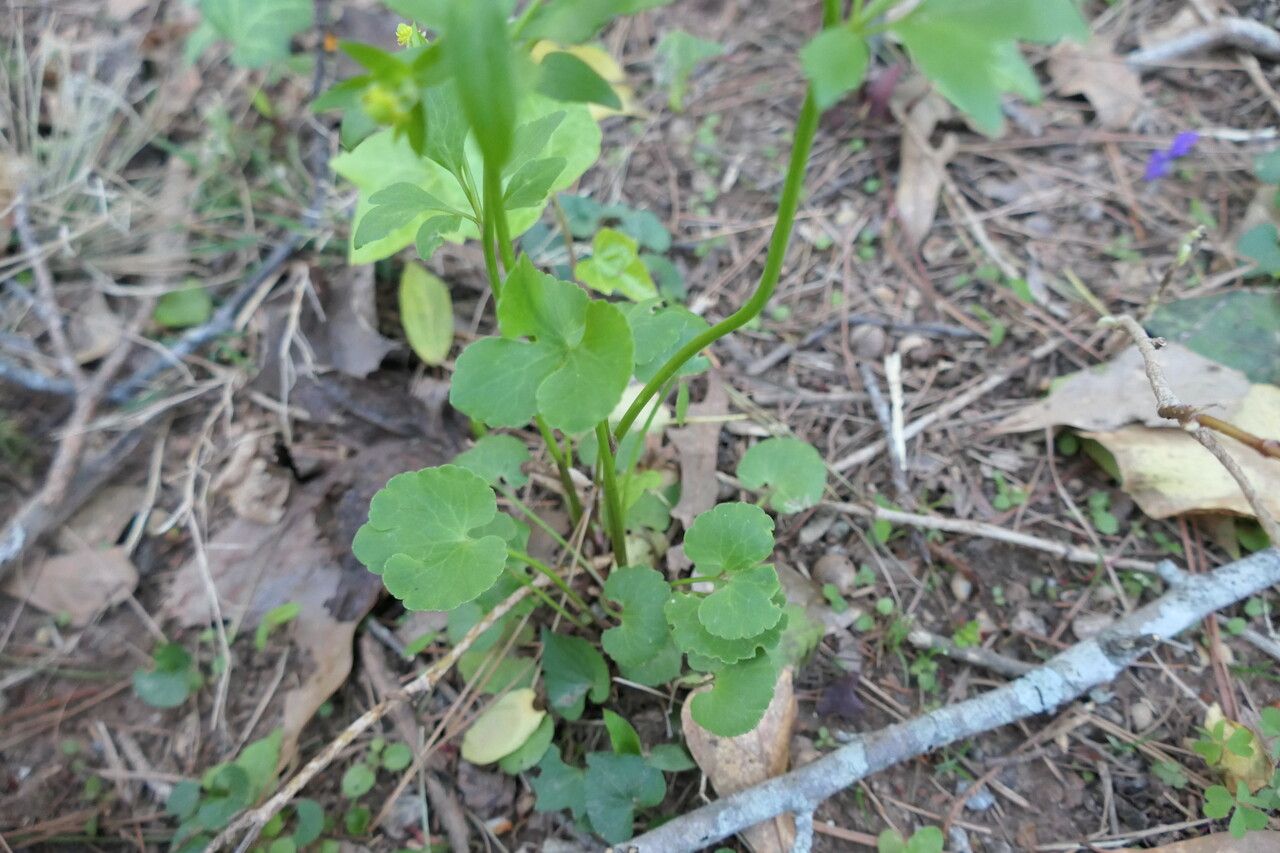
Ranunculus circinatus is a species of flowering plant belonging to the family Ranunculaceae.Its native range is Europe to Central Asia.Synonym:
Batrachium circinatum (Sibth.) Spach
Fan-leaved crowfoot has good resistance to diseases and is generally not susceptible to many illnesses. That said, it can be affected by pests and diseases present in its surroundings. These issues are typically not serious. For care, this plant requires moderate attention. It should be pruned regularly to preserve a neat appearance and support healthy growth. Fertilizing can also encourage flowering. Fan-leaved crowfoot is suitable for people who have outdoor space, such as a garden or patio, and does not demand extensive plant-care experience. It may need more attention when kept indoors.
How to keep Ranunculus Circinatus.
Water
The fan-leaved crowfoot thrives in consistently moist conditions and needs to be watered weekly to mimic its aquatic origins. Although it has moderate drought tolerance, it truly flourishes outdoors in environments that mirror the water cycle of a riparian zone. This ensures the plant stays hydrated without becoming waterlogged.
Temperature
Fan-leaved crowfoot is native to temperate areas and prefers temperatures of 59 to 95 °F (15 to 35 ℃). If it encounters extreme heat or cold, modify its surroundings accordingly to support its growth.
Pruning
Fan-leaved crowfoot is characterized by its distinctive fan-shaped leaves and thrives in aquatic environments. To maintain its health and appearance, it is best to prune the plant from early to late spring. This helps remove old growth, encourages new shoots, and improves water flow. Ensure your tools are clean to prevent infections. According to reputable horticultural sources, these practices significantly enhance the plant's overall health and aesthetic appeal.
Botanical profile.
- Plant Type
- Herb
- Life Cycle
- Perennial
- Genus
- Ranunculus
- Family
- Ranunculaceae
- Hardiness Zone
- 8-10
- Mature Height
- 10 cm to 15 cm
- Mature Spread
- 20 cm to 40 cm
- Leaf Color
- Dark Green
- Leaf Type
- Deciduous
- Flower Color
- White
- Flower Size
- 1.02 cm to 2.03 cm
- Bloom Time
- Late spring, Summer
- Planting Time
- Spring, Summer
- Harvest Time
- Mid summer, Late summer, Early fall, Mid fall
- Native Area
- Sweden, Austria, Slovakia, Montenegro, Slovenia, Morocco, Croatia, Belarus, Uzbekistan, Russia, Germany, Estonia, Romania, Latvia, Belgium, Netherlands, France, Tajikistan, Czech Republic, Bulgaria, Poland, Ukraine, Serbia, China, Lithuania, Kyrgyzstan, Kazakhstan, Italy, Switzerland, Denmark, Mongolia, Finland, Albania, Ireland, United Kingdom, Hungary, Algeria
Other names.
Reader questions.
What are the sunlight requirements for Fan-leaved crowfoot?
Fan-leaved crowfoot thrives in partial sun, receiving about 3-6 hours of sunlight daily, but can also adapt to full shade conditions with less than 3 hours of sunlight. It's essential to observe your garden's sunlight patterns closely to place your plants in locations that offer a balanced light and shade environment, conducive to their growth and happiness.
What is the indigenous climate for Fan-leaved crowfoot?
Fan-leaved crowfoot, also known by its botanical name Ranunculus circinatus, is indigenous to regions that have a moderate climate. It thrives in temperatures ranging between 59 to 95°F (15 to 35°C). During periods of excessive heat or cold, it's important to adjust the plant's environment accordingly to ensure its growth. Fan-leaved crowfoot displays some cold tolerance and generally does not require any additional protection when the temperature is above -5°C. However, temperatures dropping below -5°C necessitate temporary cold protection measures, such as wrapping the plant with plastic film, fabric, or other materials. Once temperatures rise again, these protective measures should be removed promptly.
How does Fan-leaved crowfoot adapt to different lighting conditions?
Native to forest understories and rocky areas, Fan-leaved crowfoot is accustomed to natural shade, flourishing in partial sun to full shade. This versatility makes it a perennial herbaceous plant ideal for various garden spots. For indoor cultivation, artificial lighting is advisable to compensate for low natural sunlight, especially during winter or in less sunny spaces. Adequate artificial lighting, mimicking natural sunlight in intensity and duration, can promote healthier and faster growth.
How does Fan-leaved crowfoot respond to low temperatures?
Fan-leaved crowfoot has a moderate tolerance to low temperatures and thrives best when the temperature remains above 15°C. During the winter months, it's important to keep the plant above -5°C to prevent damage. If the temperature falls below -10°C, the leaves may start to droop; they can recover in mild cases, but severe cold may cause the leaves to wilt and eventually fall off. To protect Fan-leaved crowfoot from frost damage, trim off the frost-damaged parts and, before encountering low temperatures again, wrap the plant with materials such as non-woven fabric or cloth, and construct a wind barrier to protect it from cold winds.
What are the symptoms of insufficient light for Fan-leaved crowfoot?
When Fan-leaved crowfoot experiences low light, it may show signs like smaller new leaves, leggy growth, premature leaf drop, halted new growth, and discoloration indicating insufficient light. Excessive sunlight, however, can cause chlorosis, sunscald, leaf curling, wilting, and leaf scorching, adversely affecting plant health. Monitoring and adjusting the plant's exposure to light can help mitigate these issues.
What should be done if Fan-leaved crowfoot experiences high temperatures?
During the summer, it's essential to ensure that Fan-leaved crowfoot is kept below 35°C. If the temperature exceeds 41°C, the leaves may change color to a lighter shade, tips might become dry and withered, leaves could curl, and the plant may become more susceptible to sunburn. To mitigate these issues, trim away the sunburned and dried-up parts. Furthermore, moving the plant to a location that provides shade during the midday and afternoon sun or using a shade cloth can help. It’s also beneficial to water the plant in the morning and evening to maintain soil moisture.
How can I manage Fan-leaved crowfoot under indoor and outdoor settings for optimal sunlight exposure?
Indoors, gradually increase the plant's sunlight exposure each week to 3-6 hours a day or use artificial lighting, such as desk or ceiling lamps, for at least 8 hours daily. Outdoors, slowly move plants to sunnier locations weekly, avoiding abrupt changes to prevent sunburn. Reducing obstructions, like trimming tree branches, or transplanting smaller plants during their dormant phase can also improve sunlight exposure. Note that parts affected by insufficient light might not recover, but new growth will be healthy with proper light adjustment.