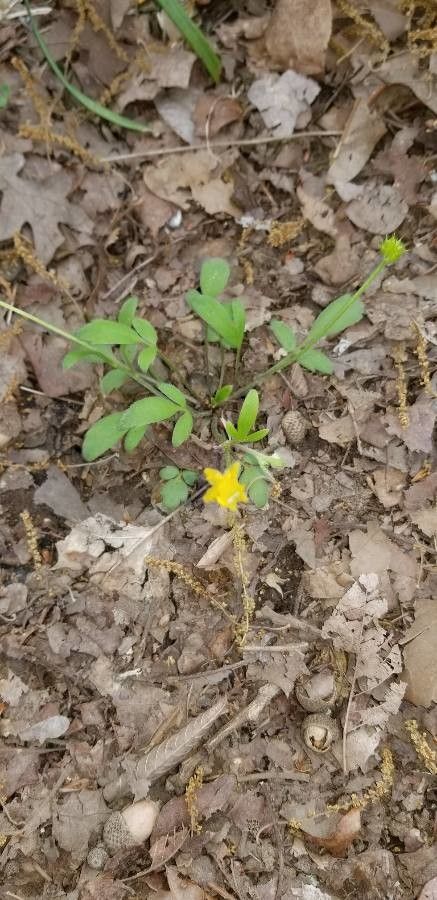
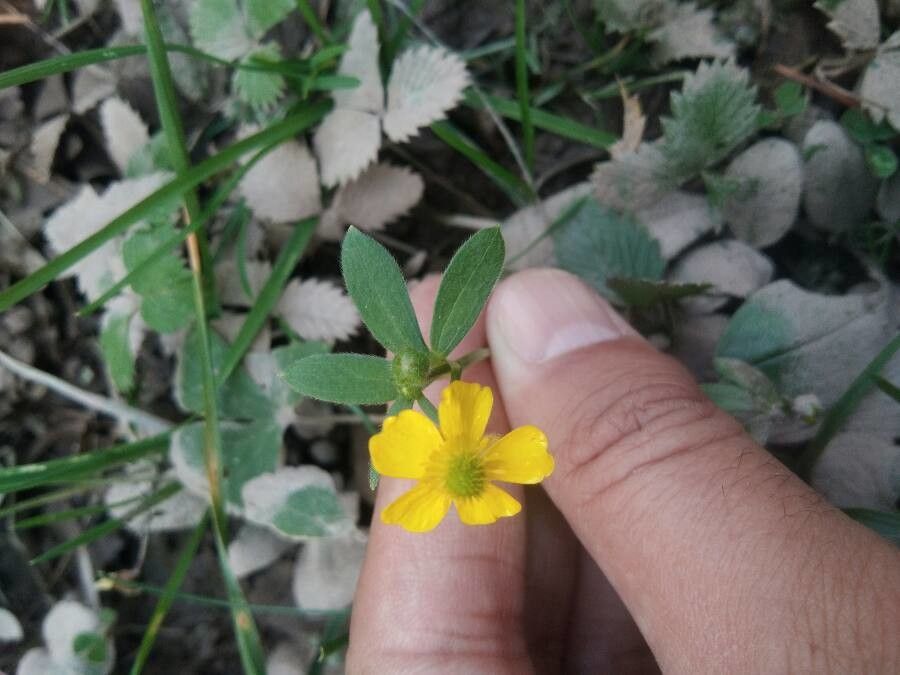
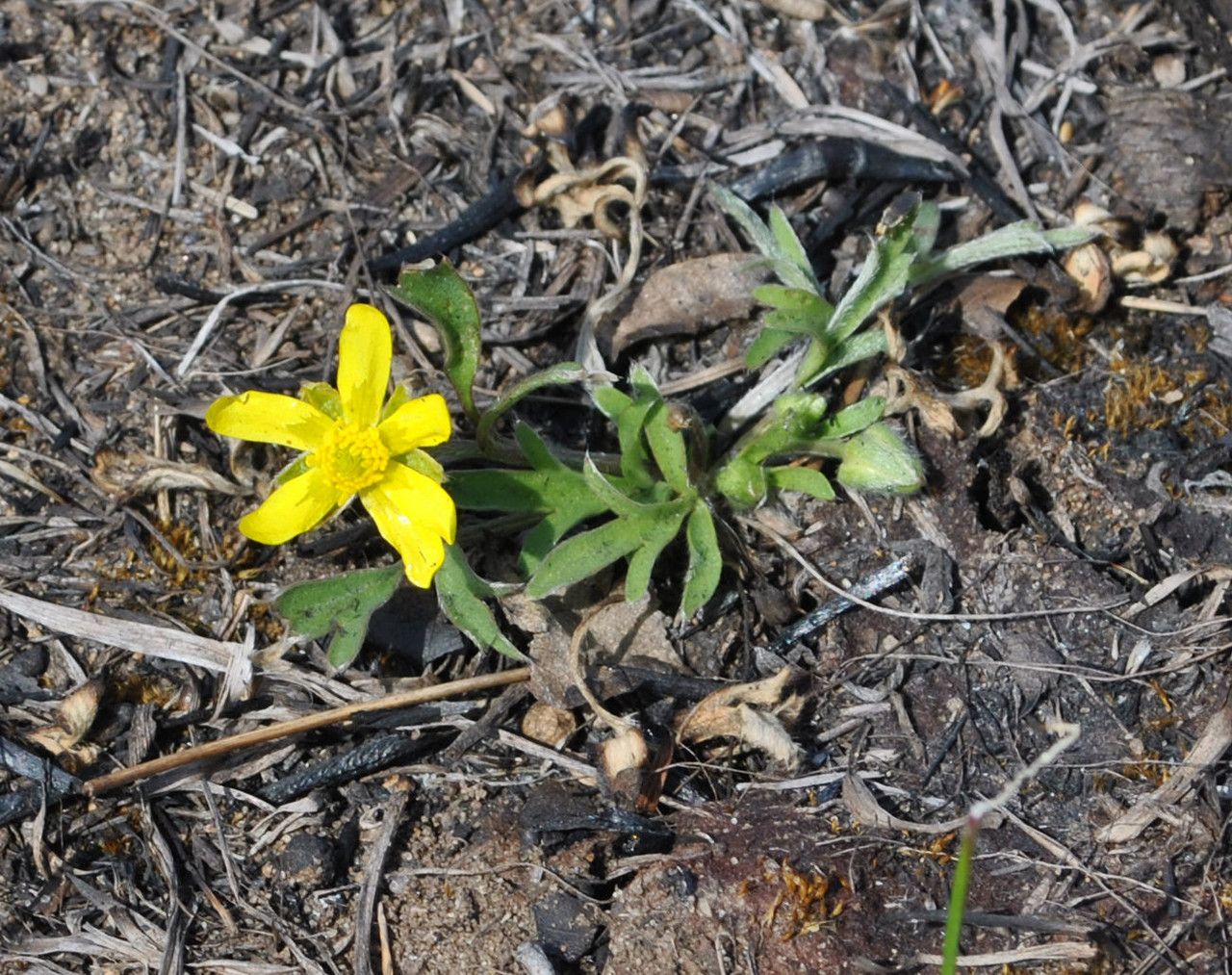
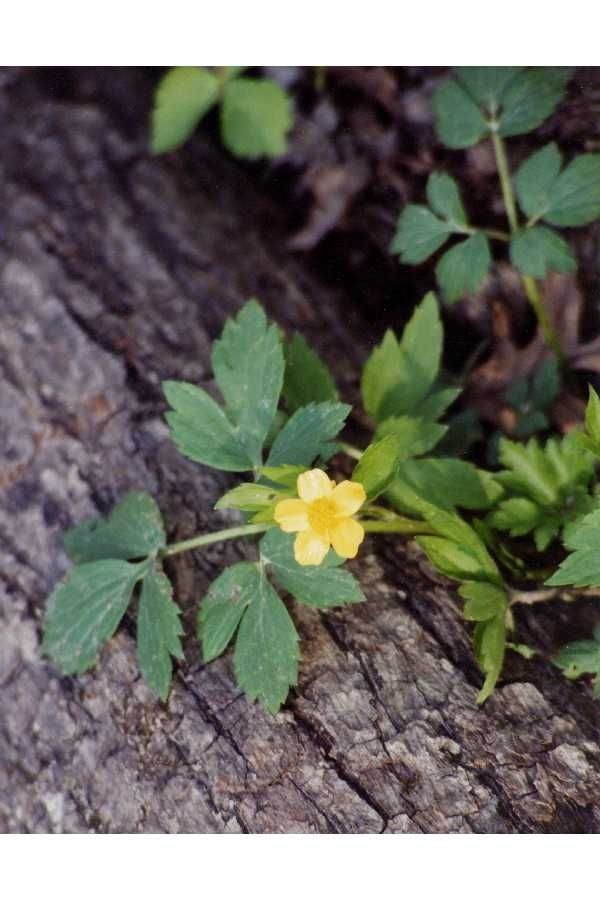
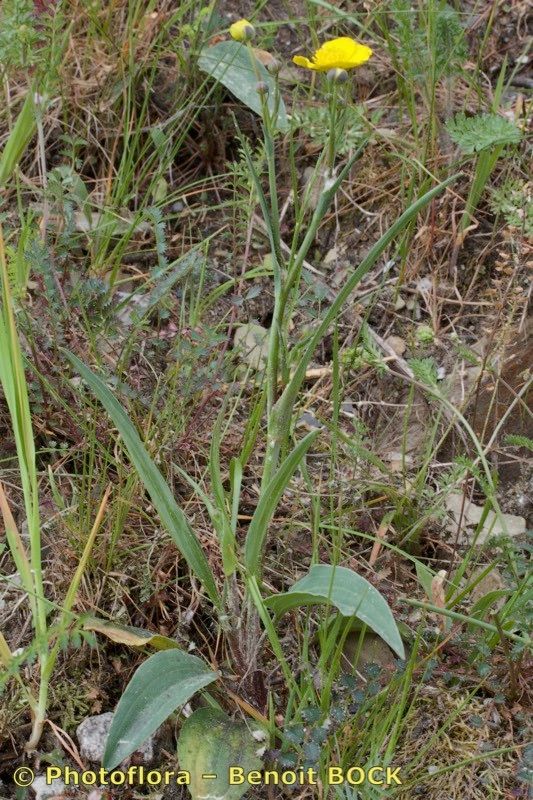
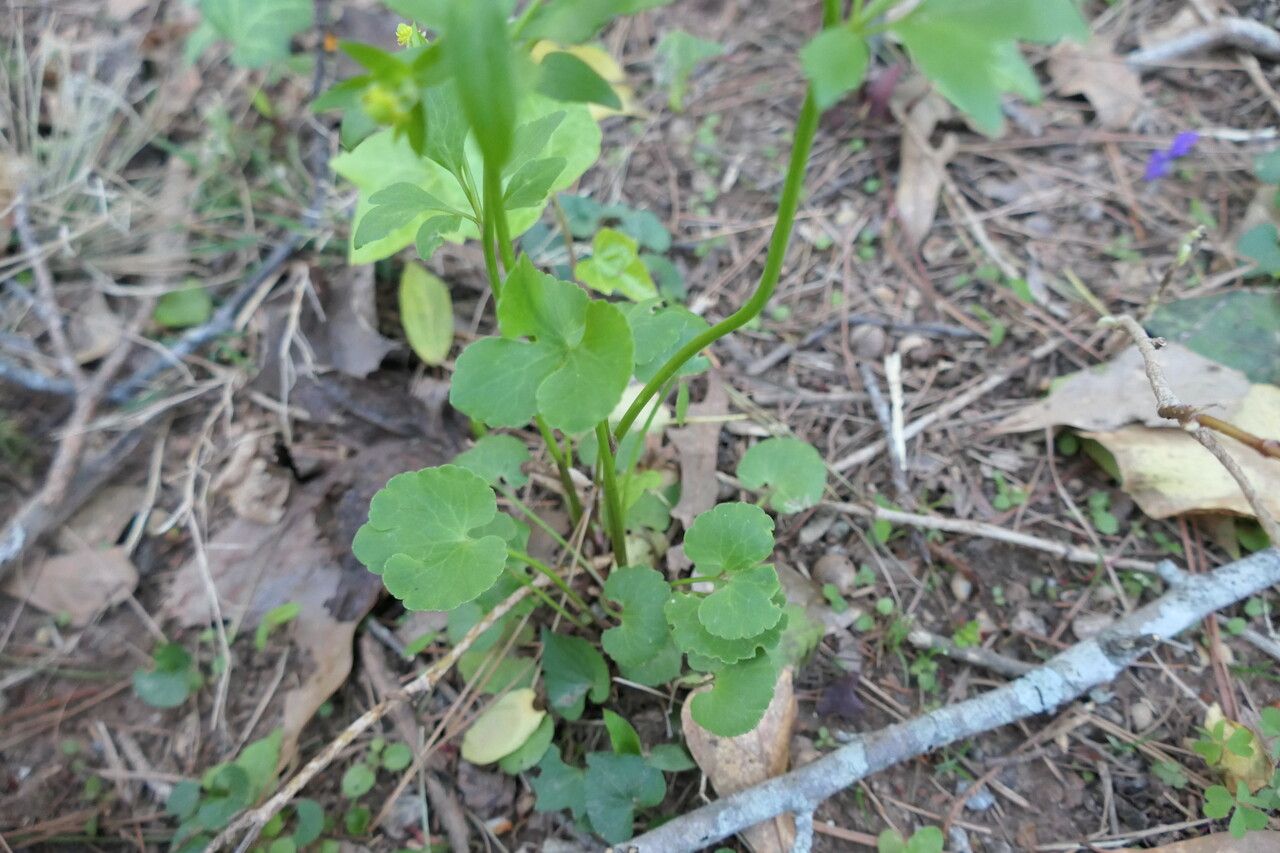
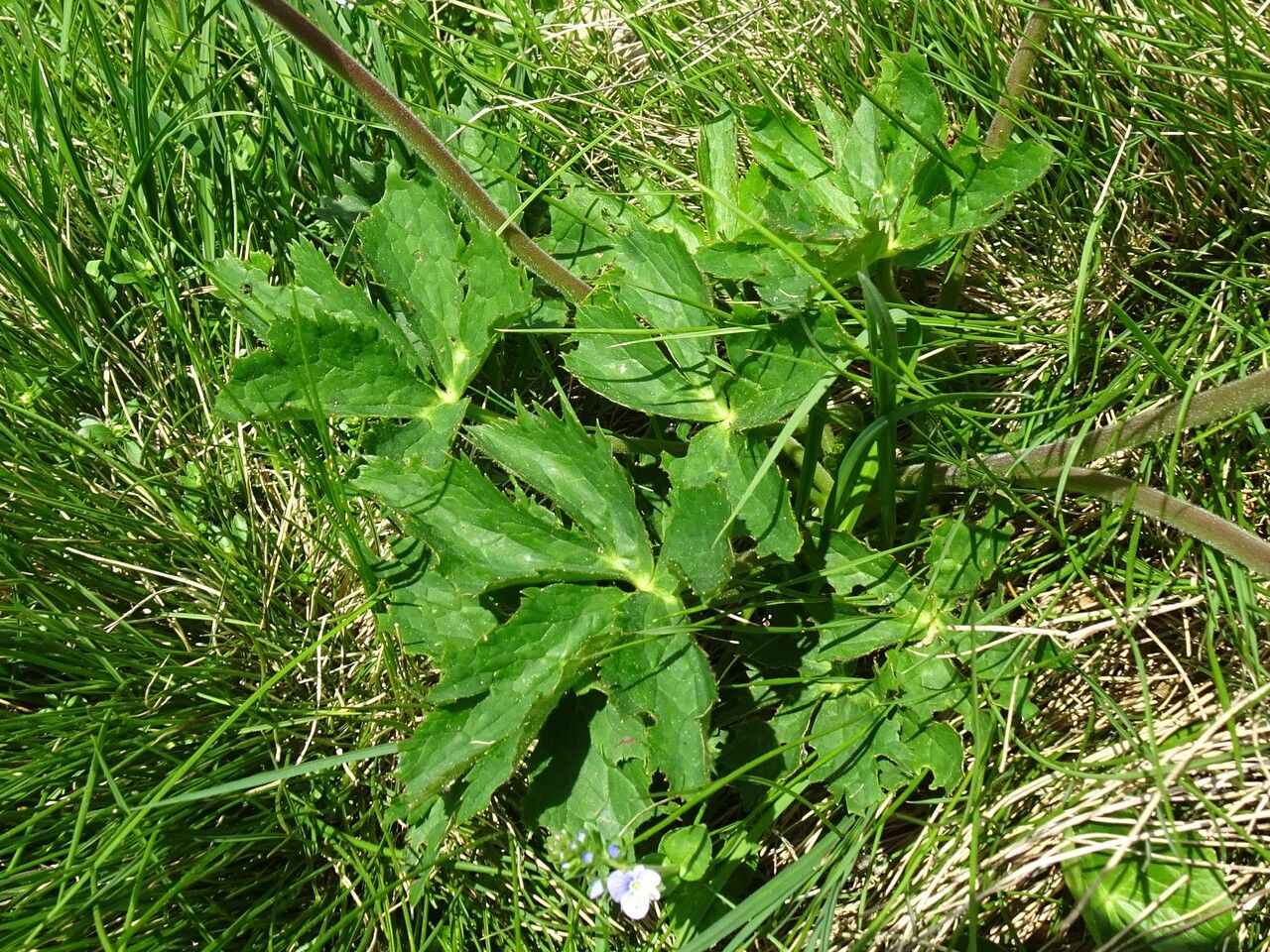
Ranunculus fascicularis, commonly known as the early buttercup or prairie buttercup, is a perennial wildflower belonging to the Ranunculaceae family. Native to North America, this plant thrives in prairies, meadows, and open woodlands. Typically reaching up to 30 cm in height, Ranunculus fascicularis features a basal rosette of deeply lobed leaves with toothed edges. Its slender, branching stem bears one or more bright yellow flowers at each node, each flower boasting five petals that are approximately 1-2 cm long. Blooming from April to June, Ranunculus fascicularis attracts pollinators such as bees, butterflies, and flies, and serves as a food source for various herbivores, including deer. Moreover, Native American tribes have traditionally used this plant for medicinal purposes, such as treating headaches, toothaches, and sore throats. Overall, Ranunculus fascicularis is an attractive wildflower that enhances natural landscapes with its vibrant color while also providing important ecological benefits like supporting pollinator habitats.
Blisterwort has strong disease resistance and is usually not vulnerable to illnesses. Still, it can be affected by pests and diseases present in its environment. Such infections are typically not serious. For care, this plant needs moderate attention. It should be pruned regularly to keep a tidy appearance and encourage healthy growth. Fertilizing can also help stimulate flowering. Blisterwort is well suited for anyone with outdoor space, like a garden or patio, and doesn't require extensive plant-care experience. It may need extra care if grown indoors.
How to keep Ranunculus Fascicularis.
Light
Blisterwort thrives with abundant sunlight, a characteristic carried over from its ancestral habitat. Too little light can hinder its growth, while excessive light is generally not a problem because the plant can tolerate it. Consistent, strong light at every stage of its life cycle is optimal.
Water
The early buttercup comes from temperate regions and grows best in well-drained soils with moderate moisture. It has a moderate tolerance for drought, needing weekly watering to stay healthy. It also benefits from natural rainfall patterns to achieve optimal growth and hydration.
Temperature
Blisterwort is native to regions where temperatures run from 32 to 95℉ (0 to 35℃). It performs best within that temperature range. If kept outside those limits, seasonal temperature adjustments may be required.
Fertilizer
One fertilizer treatment in spring is typically enough for Blisterwort, although repeated feedings can boost growth to its fullest. Feed about once a month to every month and a half. Fertilizing improves the leaves' appearance and function, encouraging uniform color and a healthy texture. It also promotes root development and nutrient uptake for the plant's long-term health.
Pruning
To encourage continuous blooms, remove the faded flowers from early buttercups. Once flowering has ended and the leaves start to yellow, stop watering the plants. Carefully dig out the corms, treat them with a fungicide, and store them in a cool place. Hardy corms can be left in dry soil, but potted plants should retain a few healthy buds.
Botanical profile.
- Plant Type
- Herb
- Life Cycle
- Perennial
- Genus
- Ranunculus
- Family
- Ranunculaceae
- Hardiness Zone
- 3-9
- Mature Height
- 30 cm to 61 cm
- Mature Spread
- 20 cm to 30 cm
- Leaf Color
- Green, Dark Green
- Leaf Type
- Deciduous
- Flower Color
- Yellow
- Flower Size
- 0.76 cm to 1.27 cm
- Bloom Time
- Mid spring, Late spring, Early summer
- Planting Time
- Autumn, Winter, Spring
- Harvest Time
- Early summer, Mid summer
- Native Area
- Russia, Cuba, Jamaica
Other names.
Reader questions.
How should I water my Early buttercup plant?
To properly water the Early buttercup, it is best to use filtered water at room temperature. Tap water may contain harmful particles that can negatively impact the plant's health. The water should be at room temperature or slightly warmer to avoid shocking the plant, as it is accustomed to warmer environments. It is also important to avoid overhead watering, as this can cause problems with the foliage. Instead, apply the filtered room temperature water directly to the soil until it is completely soaked. This ensures that the roots are moistened and can continue to spread throughout the soil to collect the necessary nutrients for the plant's growth.
What are the sunlight requirements for Early buttercup (Ranunculus fascicularis)?
Early buttercup thrives best in full sun, requiring above 6 hours of sunlight daily, but can also adapt to partial sun conditions, which means about 3-6 hours of sunlight. However, it's essential to monitor the plant's exposure to ensure it gets the perfect balance of light and shade, as both excessive and scant light can adversely affect its growth, inhibit flowering, or cause foliage burn. The plant's need for abundant light reflects its native habitat, which is typically bathed in light for most of the day.
What is the ideal temperature range for early buttercup?
The ideal temperature range for early buttercup, or Ranunculus fascicularis, spans from 32 to 90°F (0 to 32°C). It is essential to mimic the temperature stability of its native habitat for the plant to flourish. Early buttercup is highly tolerant of cold temperatures and doesn't require additional protection against frost during winter. Before the first freeze of autumn, it's advisable to water the plant generously so the soil remains moist and freezes in that state, preventing drought and water scarcity for the plant during winter and early spring.
What should I do if I give too much or too little water to my Early buttercup?
Overwatering is a more common issue that can be harmful to the health of your Early buttercup. It can cause wilting and yellowing of the leaves, as well as diseases like root rot, mold, and mildew which can ultimately kill the plant. Underwatering is less common due to the plant's ability to tolerate drought, but it is still possible. Signs of underwatering include brittle and brown leaves. It is important to be vigilant for signs of overwatering and take action promptly. Diseases caused by overwatering may not be reversible if left unattended. If you notice early signs of overwatering, reduce your watering schedule immediately. Additionally, assess the drainage of the soil. If it drains poorly, replace it with a loose, well-draining potting mix. In the case of underwatering, simply water more regularly until the signs subside.
How can artificial lighting be used for Early buttercup indoors?
When natural sunlight is insufficient, artificial lighting can be a vital solution for promoting optimal growth in Early buttercup indoors, especially during winter or in less sunny spaces. LED lights are recommended because they can be customized to provide the specific wavelengths of light that plants need. Full sun plants require 30-50W/sq ft, partial sun plants need 20-30W/sq ft, and full shade plants need 10-20W/sq ft of artificial light. The light source should be placed 12-36 inches above the plant to mimic natural sunlight, and most plants need 8-12 hours of light per day.
How does low temperature affect early buttercup?
While early buttercup is extremely cold-tolerant, maintaining the winter temperature above a certain minimum is crucial. If the temperature drops below this threshold, which is not explicitly mentioned, there might not be noticeable changes during winter; however, there could be a reduction in sprouting, or the plant may not sprout at all come springtime. In such cases, it is recommended to remove any parts of the plant that have failed to sprout in spring.
How often should I give water to my Early buttercup?
If your Early buttercup is in a pot, the best way to check if it needs water is by sticking your finger into the soil. If the top two to three inches of soil feel dry, it's time to water it. If you're growing Early buttercup outdoors in the ground, you can use the same method to test the soil. Once the top few inches of soil have dried out, it's time to give it some water. Normally, during the spring and early fall, watering once a week is sufficient. However, in extremely hot weather, you may need to water twice a week or even more. It's important to note that mature, well-established Early buttercup plants can handle periods of drought without issue.
What are the signs of light deficiency or excessive sunlight in Early buttercup?
Signs of light deficiency in Early buttercup include smaller new leaves, leggy or sparse growth, faster leaf drop, slowed or halted growth, and lighter-colored new leaves. Chlorosis and symptoms of excessive sunlight exposure such as sunscald, leaf curling, wilting, and leaf scorching indicate the plant is receiving too much light. These symptoms reflect the plant's struggle to adapt to suboptimal light conditions, indicating a need for adjustment in light exposure.
What should I do if early buttercup is exposed to high temperatures?
Early buttercup is not tolerant of high temperatures. Should the temperature exceed its suitability threshold (also not explicitly mentioned), growth will halt, and the plant will be more susceptible to rot. To mitigate damage from excessive heat, trim away sunburned and dried-up parts. Relocate the plant to a shaded area away from midday and afternoon sun or use a shade cloth. Watering the plant in the morning and evening is recommended to keep the soil consistently moist and support its health.
How much water does my Early buttercup plant need?
To properly water your Early buttercup plant, don't hold back on the amount of water you give it. Make sure the top two to three inches of soil are dry before watering, and then give it a good, long soak. The water should completely saturate the soil and flow out through the drainage holes at the bottom of the pot. If you don't see any excess water draining, you may not be giving enough water. However, be careful not to let the water accumulate inside the soil, as this can harm the plant. Also, if you notice that water is not draining properly, it could indicate that the soil doesn't drain well, which can be harmful to the plant. Finally, if the plant is outside, it should receive about 1 inch of rain per week, which should be sufficient for its needs.
What steps can be taken to improve light conditions for Early buttercup, both indoors and outdoors?
To improve light conditions for Early buttercup, gradually move the plant to sunnier locations, ensuring at least 6 hours of direct sunlight daily. Indoors, consider using a south-facing window or artificial grow lights for extra illumination. Outdoors, move plants to the optimal spot for sunlight exposure gradually to prevent sunburn. Reduce obstructions like overhanging branches to allow more sunlight to reach the plants. In some cases, transplanting to a location with better light and drainage may be necessary. Note that while parts of the plant that suffered due to insufficient light may not recover, new growth should be healthy with improved light conditions.
How should I water my Early buttercup plant as it grows?
The water needs of the Early buttercup can vary depending on its growth stages. When the plant is in its early years or has recently been transplanted, it requires more water than usual. During these stages, the plant focuses on developing new roots that will support future growth, and these roots need more moisture to perform their best. As the Early buttercup matures, it will require less water. Additionally, during the bloom period, the plant may need more water due to the significant amount of moisture required for flower development.