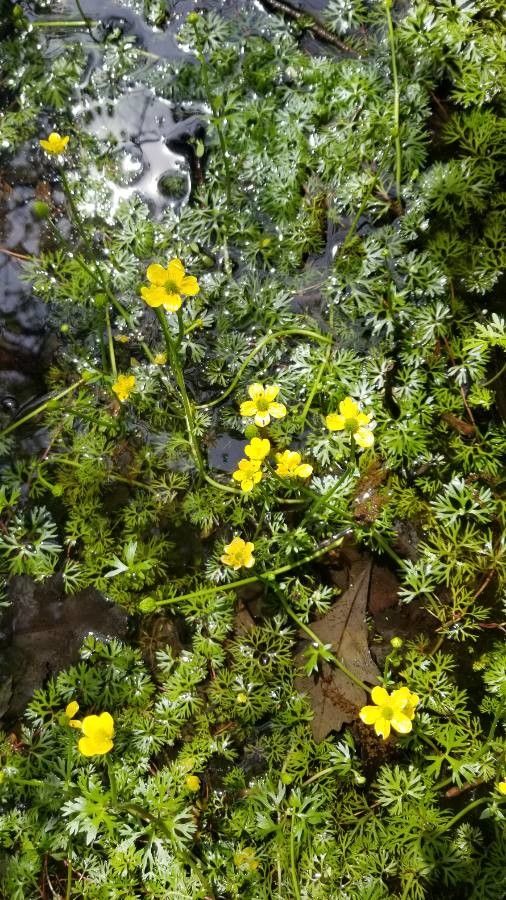
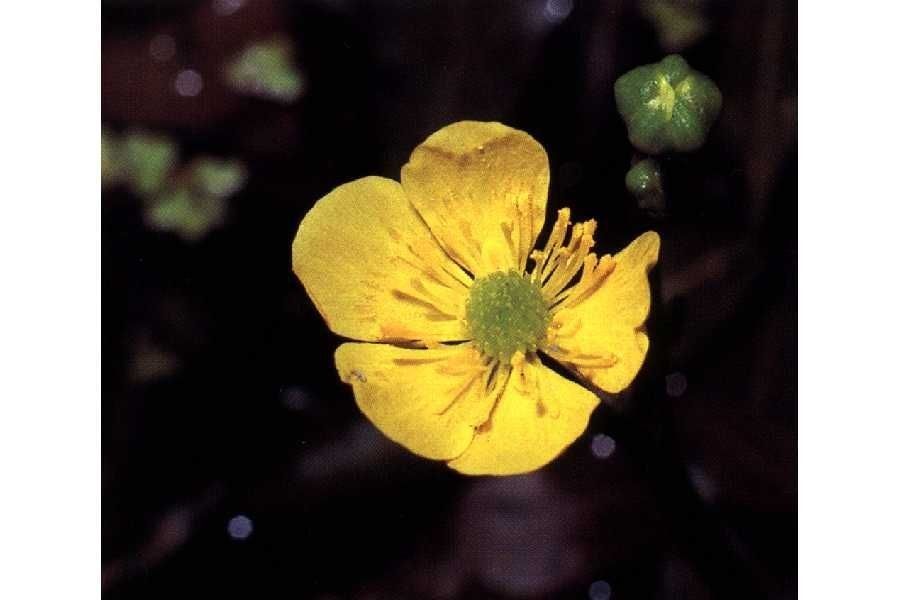
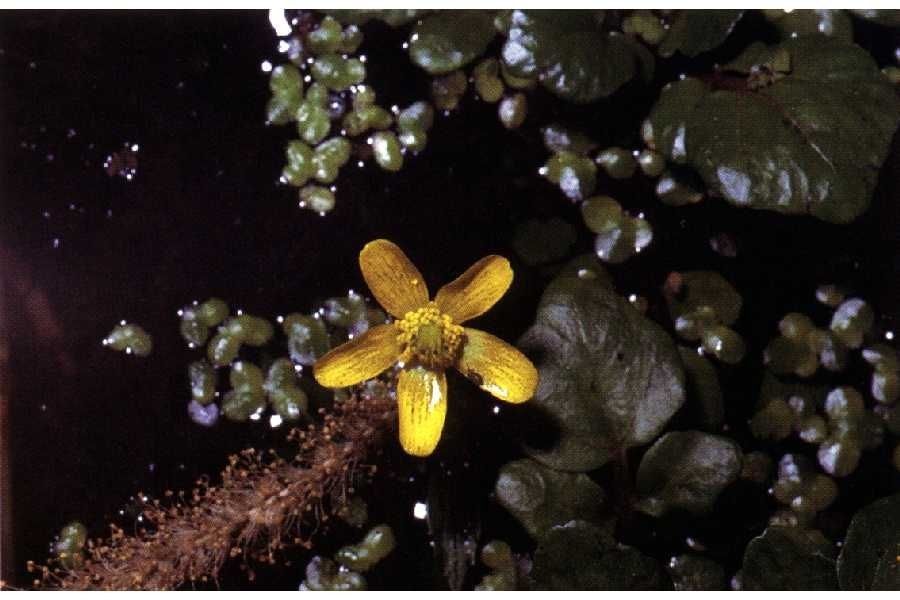
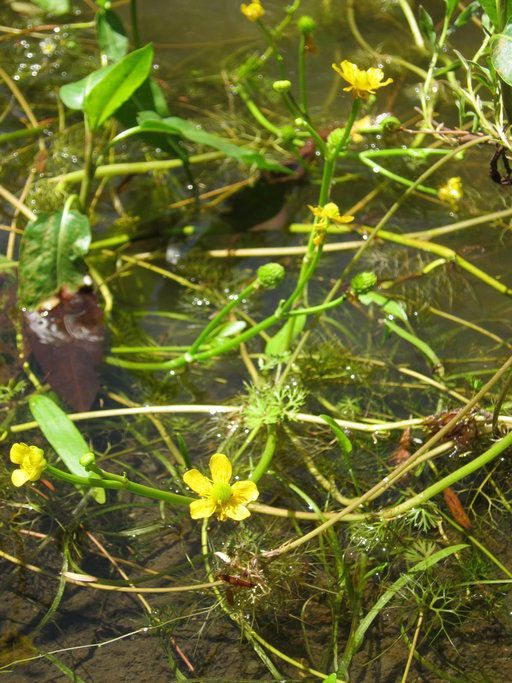
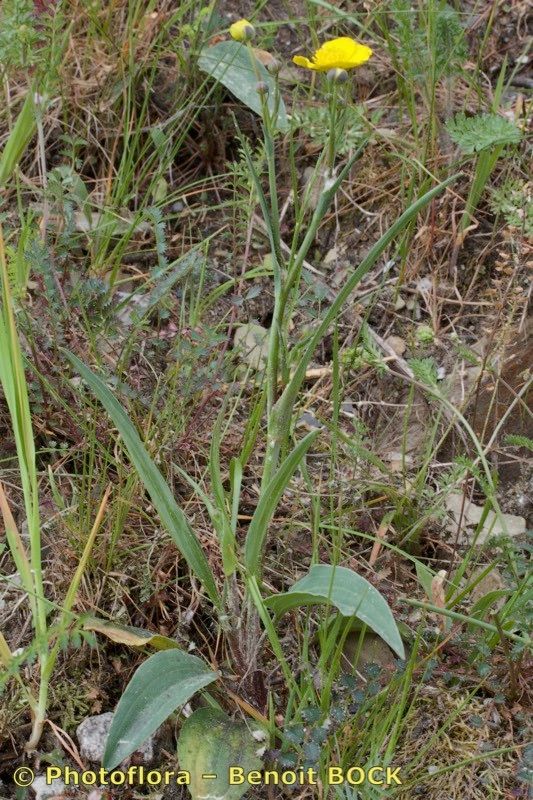
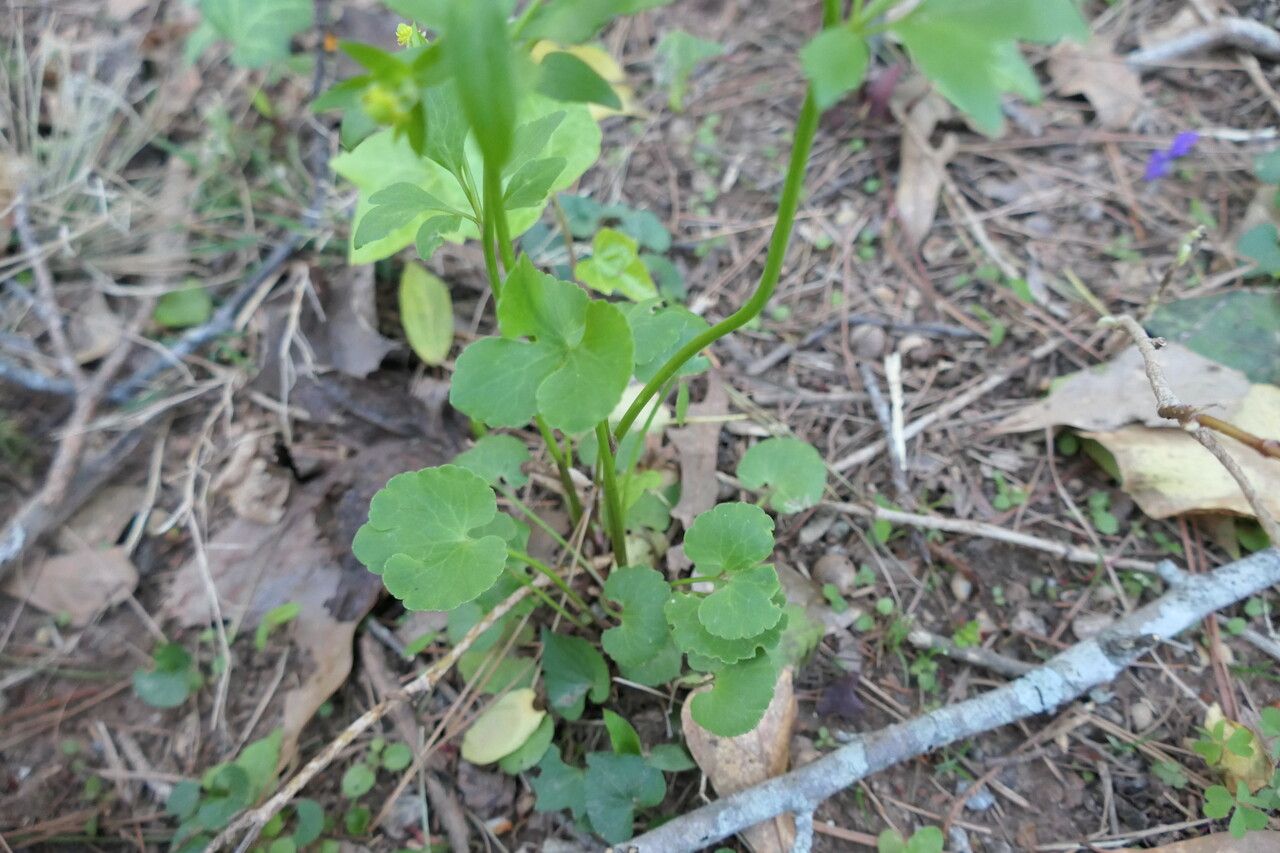
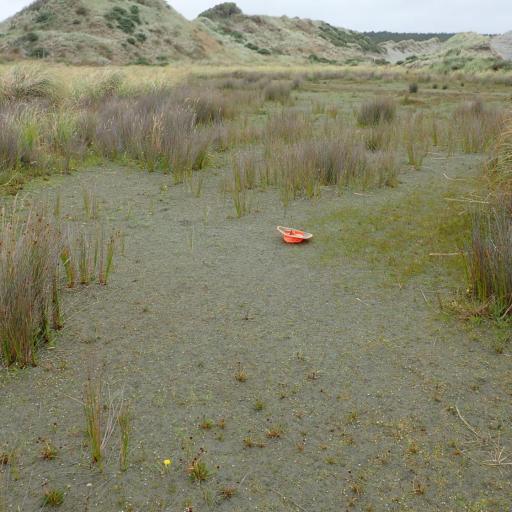
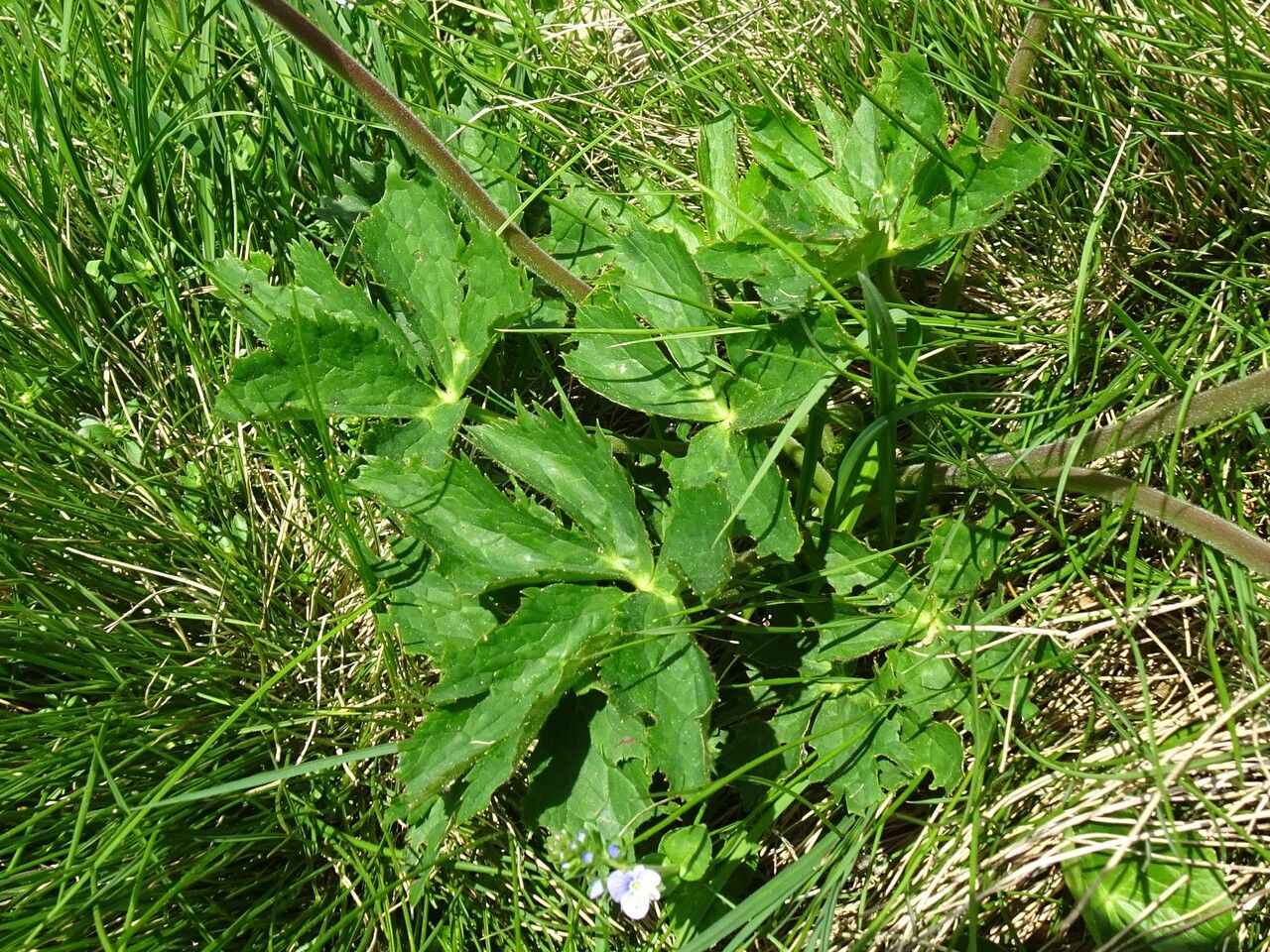
Ranunculus flabellaris is a species of flowering plant in the buttercup genus, Ranunculus, known by the common name yellow water buttercup. It is native to much of North America, including the southern half of Canada and most of the United States. It is aquatic or semi-aquatic, growing in water or in or near muddy areas in many habitat types. It is a perennial herb that produces stems up to about 70 centimeters long that float in water or spread along wet ground, sometimes rooting where they come in contact with moist substrate. Leaves are variable in morphology; as in many types of aquatic plants, leaves that develop submerged in water look different from those that develop in air. This phenomenon, heterophylly, has been studied extensively in this species, and leaf morphology has been shown to be influenced by many environmental factors, including temperature and the concentration of abscisic acid. A number of other factors affect leaf shape in heterophyllous plants. In this species, leaves that develop in the open air have somewhat rounded blades that are divided into a number of short, blunt, wide lobes. Leaves that develop underwater have narrow, even threadlike lobes. The inflorescence is made up of one or more flowers with five to fourteen, but generally no more than eight, shiny yellow petals. The petals, each up to 1.3 centimeters in length are arranged around a central nectary with many stamens and pistils. The fruit is an achene borne in a dense cluster.
Yellow water buttercup generally has strong resistance to disease and is not typically prone to illnesses. Still, it can be affected by pests and diseases present in its environment. These problems are usually mild. For care, this plant requires a moderate level of maintenance. It should be pruned regularly to retain a neat appearance and encourage healthy growth. Fertilizing can also help enhance flowering. Yellow water buttercup is well suited for anyone with outdoor space, such as a garden or patio, and does not demand extensive gardening experience. It may need more attentive care when grown indoors.
How to keep Ranunculus Flabellaris.
Light
Yellow water buttercup is found in habitats with ample sunlight, such as the shallow margins of ponds and lakes. It prefers full sun but can also tolerate partial sun.
Water
The yellow water buttercup originates from wet environments and thrives in standing water. It prefers consistent moisture and has a moderate tolerance for drought. To ensure proper hydration, it requires weekly watering. The plant's growth cycle is heavily influenced by the availability of water, reaching its peak growth when it has ample access to water sources.
Temperature
Yellow water buttercup is naturally suited to habitats with temperatures ranging from 32 to 100.4 °F (0 to 38 ℃). The plant prefers seasonal care, with adjustments made to match its temperature preferences.
Pruning
To improve blooming and control growth, prune yellow water buttercup from early to late spring. Removing dead stems and leaves helps prevent rot and encourages new growth. Regular pruning not only maintains the plant's visual appeal but also prevents overgrowth, ensuring that water flows freely in ponds. Always use clean, sharp tools for pruning.
Botanical profile.
- Plant Type
- Herb
- Life Cycle
- Perennial
- Genus
- Ranunculus
- Family
- Ranunculaceae
- Hardiness Zone
- 3-11
- Mature Height
- 15 cm to 46 cm
- Mature Spread
- 15 cm to 30 cm
- Leaf Color
- Dark Green, Olive Drab
- Leaf Type
- Deciduous
- Flower Color
- Yellow
- Flower Size
- 1.52 cm to 2.54 cm
- Bloom Time
- Mid spring, Late spring, Early summer
- Planting Time
- Spring
- Harvest Time
- Summer
Other names.
Reader questions.
What are the sunlight requirements for Yellow water buttercup?
Yellow water buttercup, scientifically known as Ranunculus flabellaris, is a perennial herbaceous plant that loves the sun. It thrives best in open habitats such as meadows and grasslands. For optimal growth, it prefers full sun conditions, which means it should receive more than 6 hours of sunlight daily. However, it can also tolerate partial sun conditions, with about 3-6 hours of sunlight. Remember to observe the movement of sunlight through your garden to find spots that offer a good balance of light and shade, ensuring your plant grows happy and healthy.
What is the ideal temperature range for the Yellow water buttercup?
The Yellow water buttercup, also known by its botanical name Ranunculus flabellaris, thrives in native environments with temperatures ranging from 32 to 100.4 °F (0 to 38 °C). This plant is well-suited to these conditions and requires seasonal maintenance to align with its temperature preferences, ensuring its health and proper growth.
How do artificial lights support plant growth in insufficient natural sunlight?
When natural sunlight is not enough, especially during winter or in less sunny spaces, artificial lighting becomes crucial for the growth of indoor plants. It promotes faster, healthier growth by providing the necessary light intensity. LED lights are a preferred choice for artificial plant lighting due to their adjustability to offer specific wavelengths needed by the plants. For full sun plants, 30-50W per square foot is recommended; partial sun plants require 20-30W per square foot, while full shade plants do well with 10-20W per square foot. The light source should be placed 12-36 inches above the plant, mimicking natural sunlight's distance, and most plants will need 8-12 hours of light per day.
Does Yellow water buttercup need special frost protection during winter?
The Yellow water buttercup possesses strong cold resistance, indicating that special frost protection measures are generally not necessary during winter. However, in regions where winter temperatures are expected to plummet below -35°C, it becomes crucial to provide the plant with cold protection to mitigate the risk of damage. Covering the plant with soil or straw can effectively shield it from harsh conditions. Additionally, it's advisable to water the plant abundantly before the first freeze in autumn to maintain moist soil, which can help protect the plant during winter and early spring by preventing drought and water scarcity.
What are the signs of insufficient light in Yellow water buttercup?
Inadequate lighting can lead to several symptoms in Yellow water buttercup, including smaller new leaves compared to older ones, leggy or sparse growth with longer spaces between leaves or stems, and early leaf drop as the plant conserves resources. Other signs include slower or halted growth due to survival mode, lighter-colored or irregularly patterned new leaves indicating a lack of chlorophyll, and conditions like chlorosis (leaf yellowing), sunscald (damaged leaves from intense sun), leaf curling (to minimize water loss), wilting (loss of turgor pressure), and leaf scorching (brown, crispy leaf edges) due to overexposure to sunlight.
How does Yellow water buttercup react to low temperatures?
Yellow water buttercup is cold-tolerant, with an ideal survival temperature above 0°C. When winter temperatures remain above -30°C but fall below -35°C, the plant typically doesn't exhibit noticeable changes. However, such extreme cold can impact the plant's ability to sprout in the following spring, potentially leading to decreased sprouting or a complete absence thereof. To manage this, removal of any parts that fail to sprout in spring is recommended as a corrective measure.
How can I improve light conditions for Yellow water buttercup both indoors and outdoors?
To enhance light conditions for Yellow water buttercup, gradually move the plant to sunnier spots to ensure it receives at least 6 hours of direct sunlight daily. For indoor plants, utilize a south-facing window and keep curtains open for maximum sunlight. Use artificial lighting, like desk lamps or grow lights, for plants that are large or not easily moved, ensuring at least 8 hours of light daily. Outdoors, avoid sudden light intensity changes to prevent sunburn. Observe which areas block sunlight and consider pruning or transplanting smaller plants to sunnier locations with good drainage during their dormant phase in late winter or early spring. Note that parts of the plant damaged by insufficient light may not recover, but new growth will be healthy once light conditions improve.
What are the effects of high temperatures on Yellow water buttercup, and how can they be mitigated?
In the summer, it's crucial to ensure that the Yellow water buttercup's exposure to temperatures does not exceed 38°C. When the temperatures soar above 43°C, the plant may show signs of stress, such as lighter-colored leaves, tendency for the leaves to curl, susceptibility to sunburn, and in severe cases, wilting and drying of the entire plant. To mitigate these effects, sunburned and dried parts should be trimmed away. Additionally, relocating the plant to a shaded area or employing a shade cloth can protect it from the midday and afternoon sun. Regular watering in the morning and evening will also help keep the soil moist and support the plant's overall health.