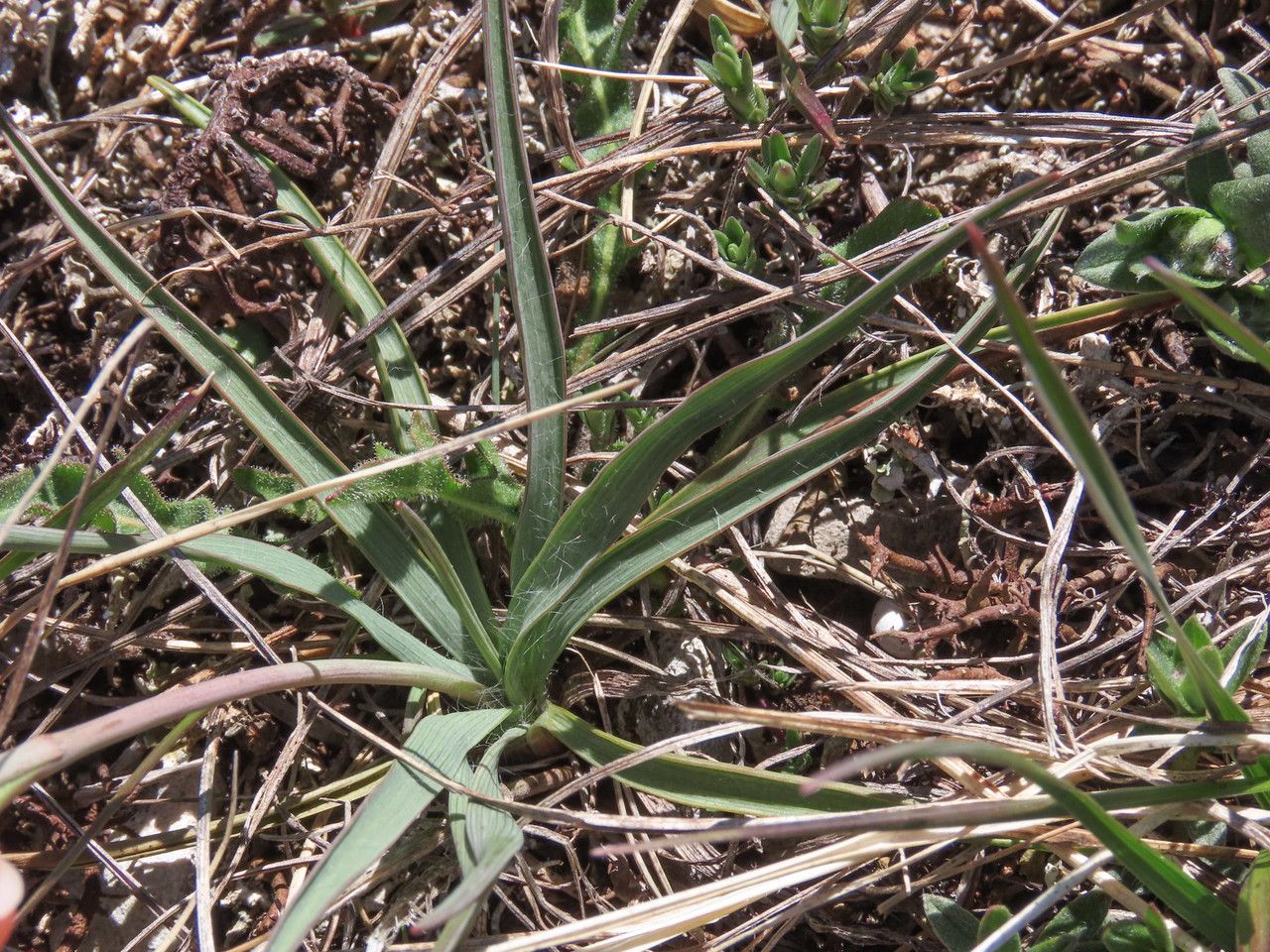
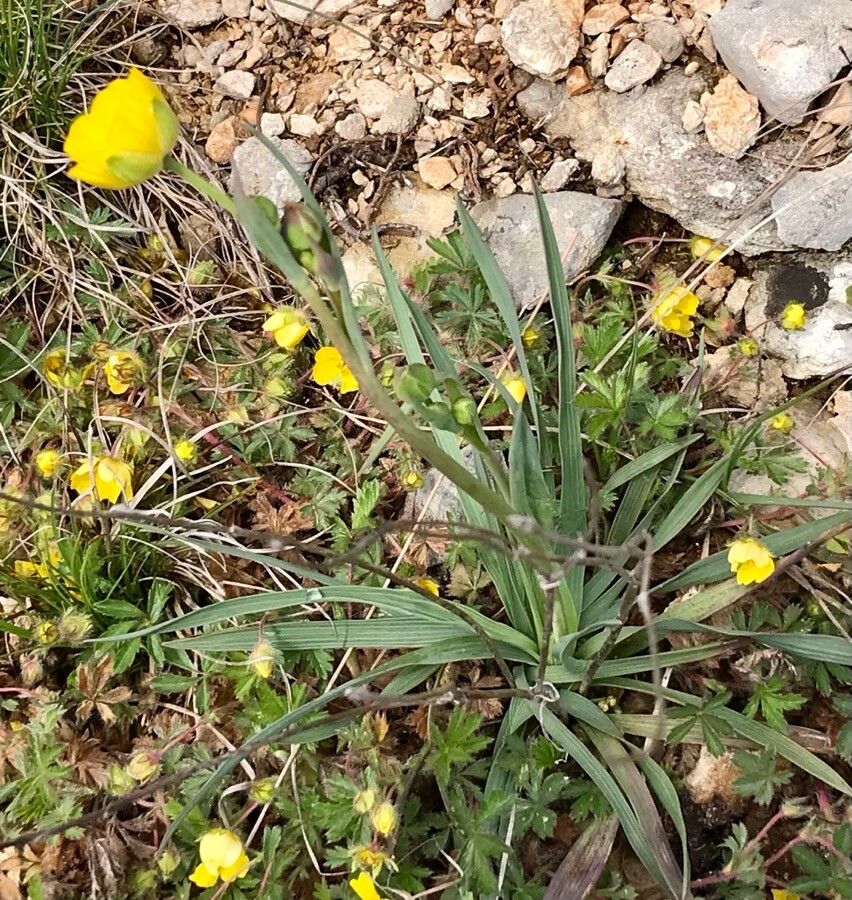
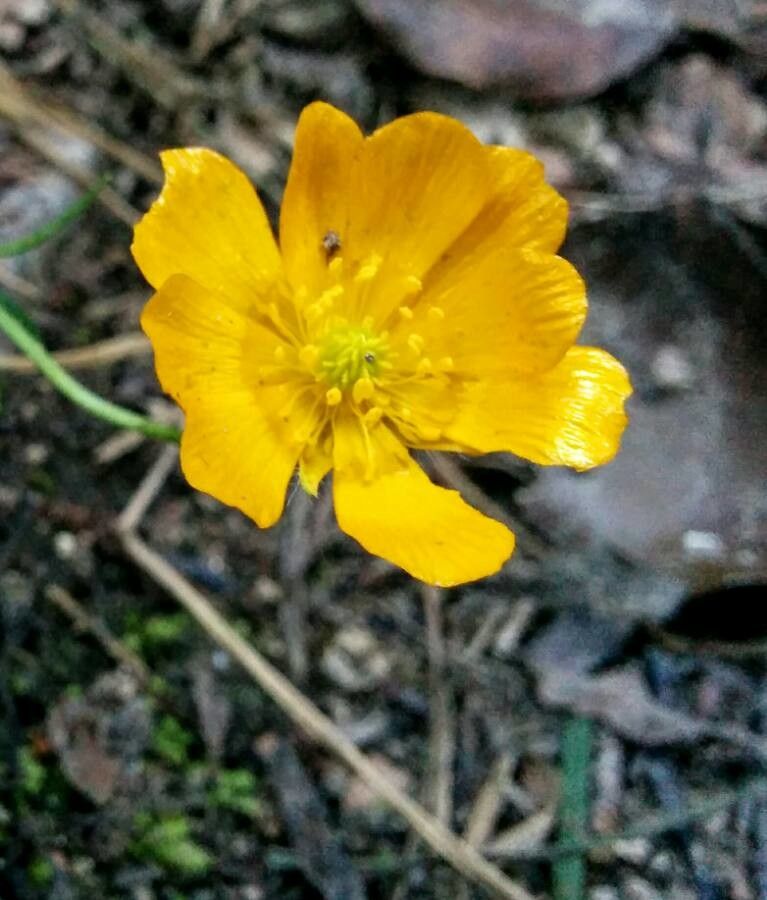
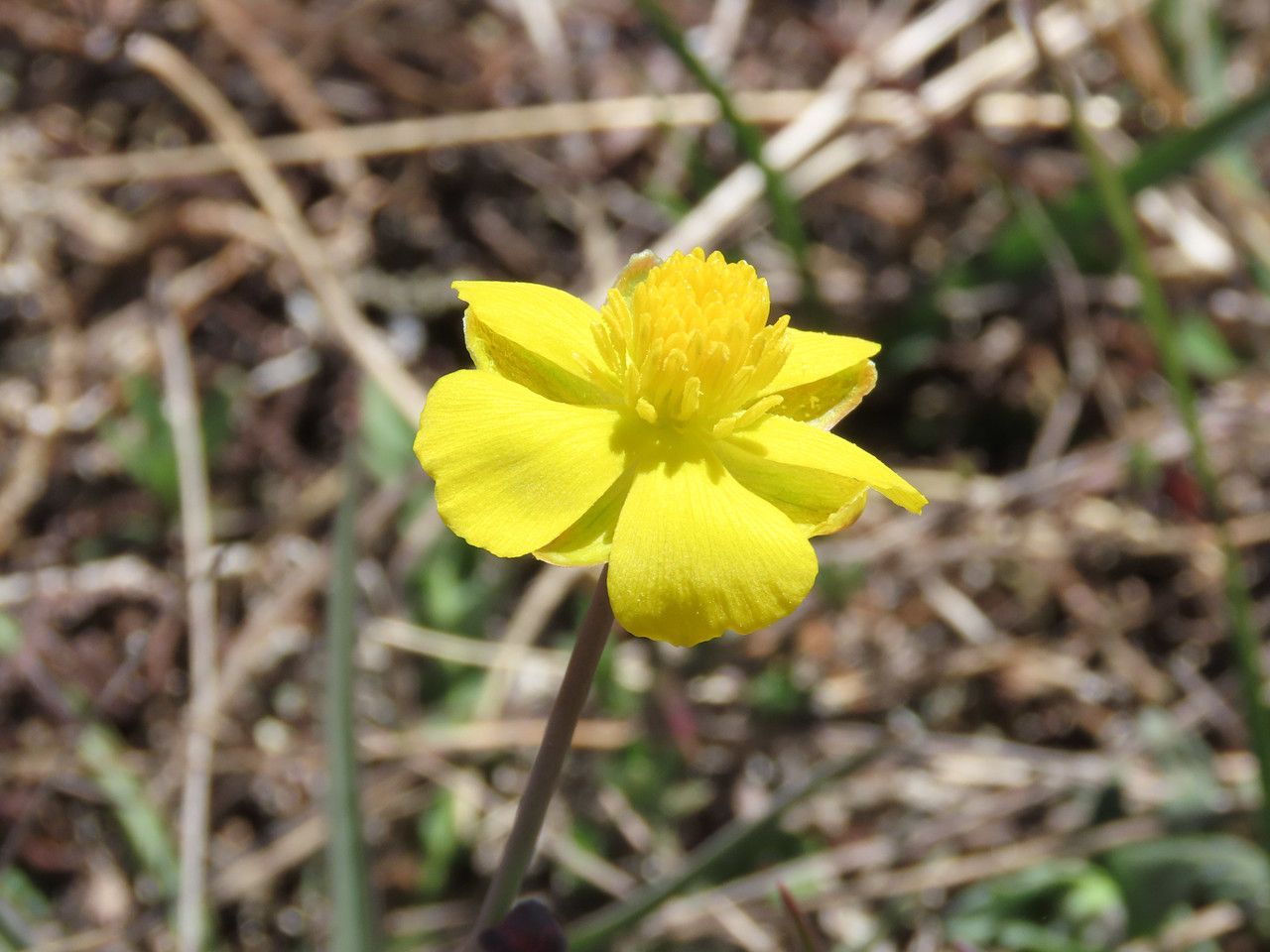
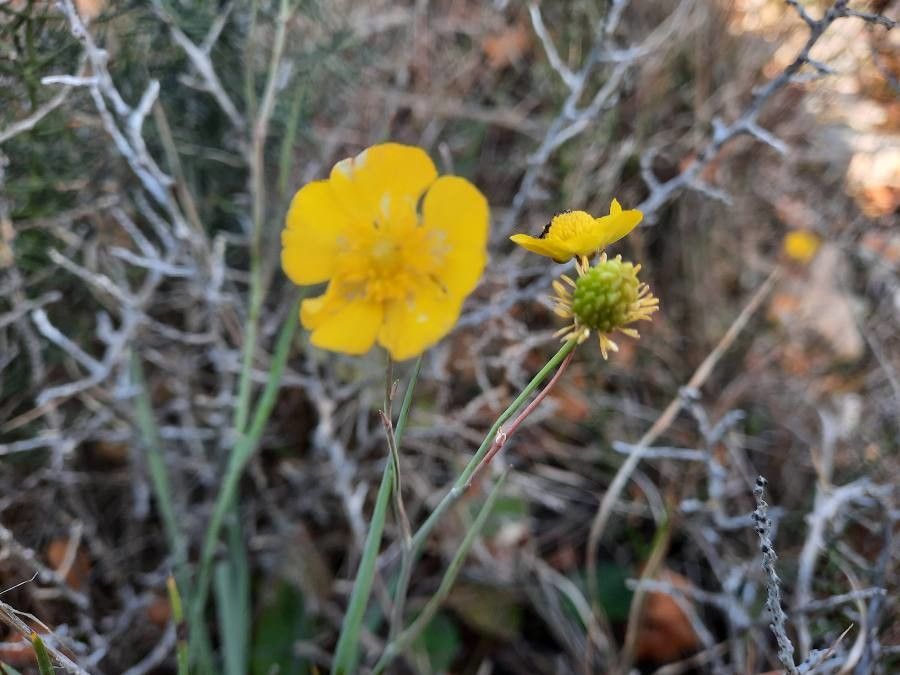
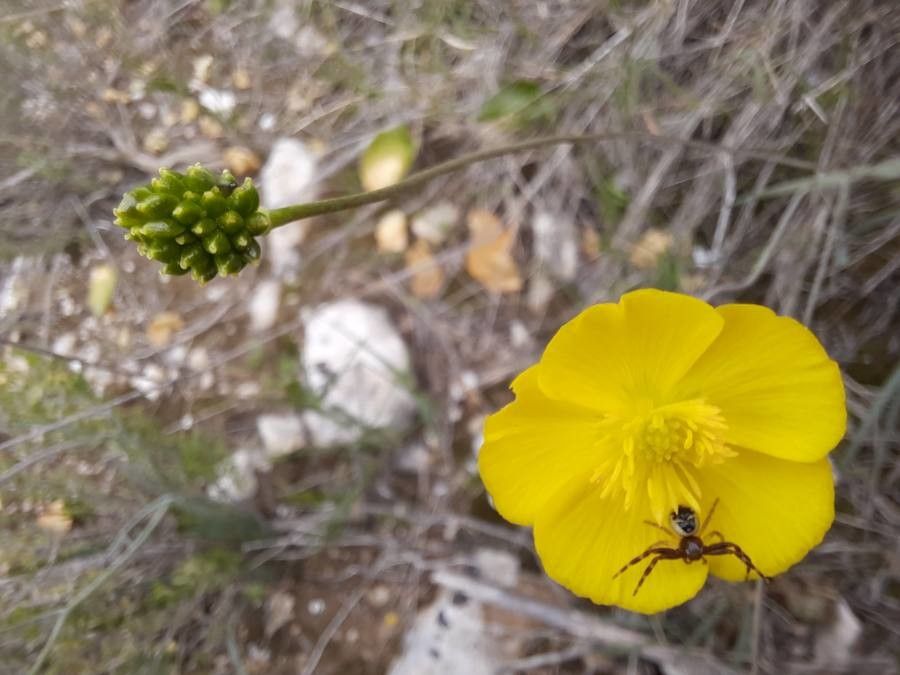
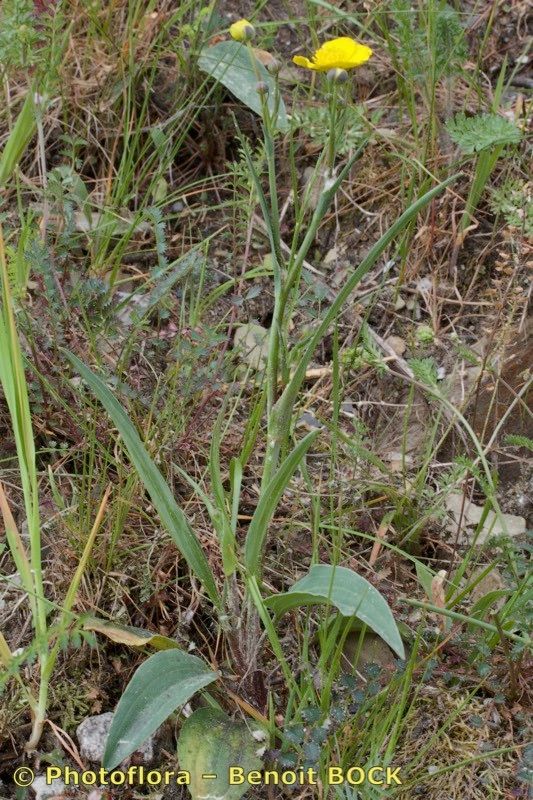
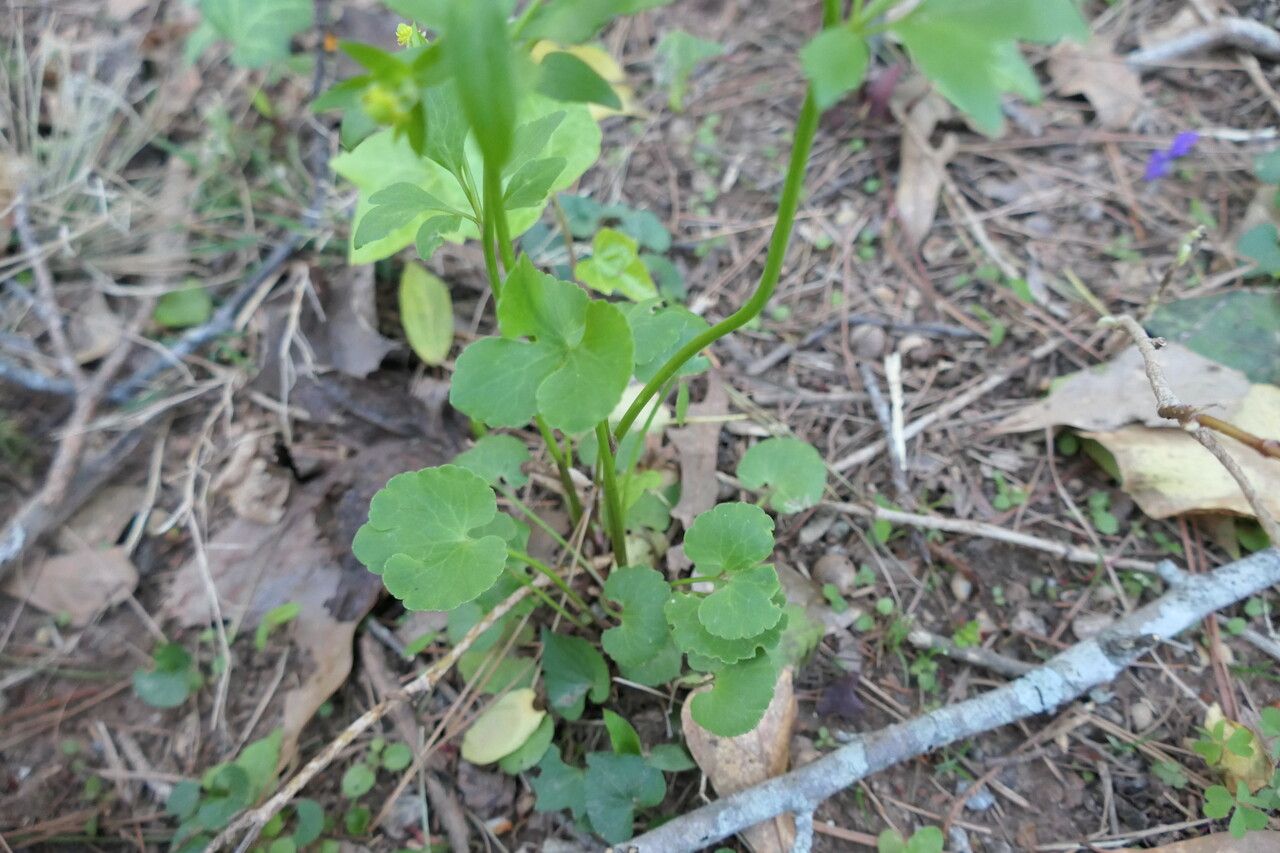
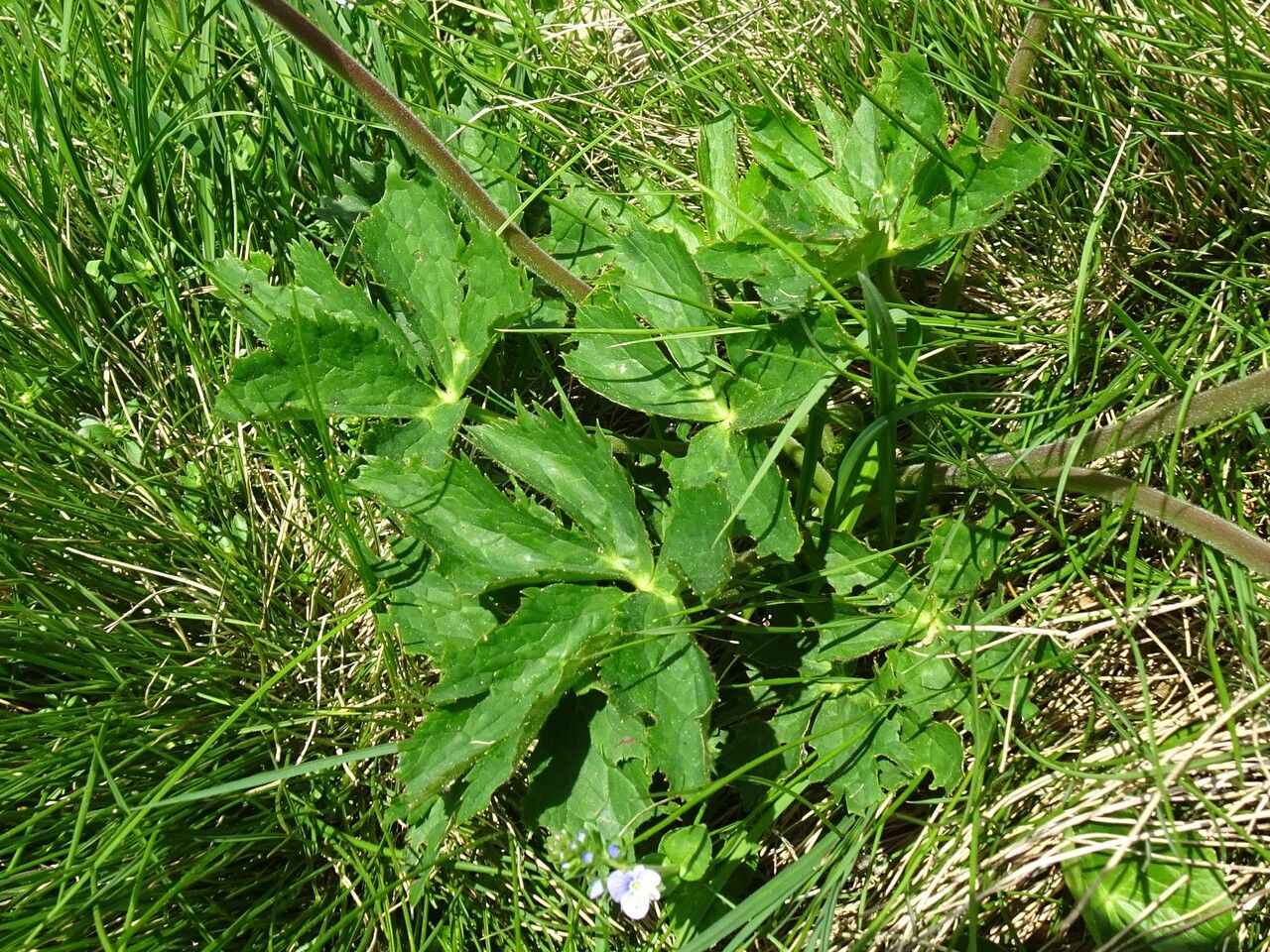
Ranunculus gramineus, called the grass-leaved buttercup, is a species of flowering plant in the genus Ranunculus, native to the western Mediterranean; Morocco, Algeria, Tunisia, Portugal, Spain, France, Italy (including Sardinia), and Switzerland. It has gained the Royal Horticultural Society's Award of Garden Merit.
The grass-leaved buttercup is fairly resistant to disease and typically not vulnerable to illnesses. Still, it can be affected by pests and diseases present in its environment. Such infections are generally mild. In terms of care, this plant requires moderate maintenance. Regular pruning is needed to preserve an attractive appearance and healthy growth. Fertilizing can also help encourage flowering. The grass-leaved buttercup is suitable for anyone with an outdoor area, such as a garden or patio, and does not demand extensive care experience. It may need more attention when grown indoors.
How to keep Ranunculus Gramineus.
Light
Grass-leaved buttercup does best in places that receive generous amounts of sunlight throughout the day. As a true sun-lover, its health and growth steadily improve in bright sunshine. However, excessive exposure or very little light can lead to stunted growth or reduced vigor. Coming from habitats accustomed to abundant sun, that light supports the plant at every stage of growth.
Water
The grass-leaved buttercup, native to the Mediterranean region, thrives in areas with moderate rainfall. It benefits from consistent watering, roughly once a week. As an herbaceous perennial, it is best cultivated outdoors, where it can take advantage of natural rain patterns and seasonal temperature changes.
Temperature
Grass-leaved buttercup is suited to temperate regions, prospering in its native range where temperatures span 50 to 95 °F (10 to 35 °C). Because it is hardy in these climates, seasonal adjustments are generally unnecessary.
Fertilizer
The primary time to fertilize Grass-leaved buttercup is in early spring as the flowers begin to form. Using the proper fertilizer promotes better blooms and helps the plant produce attractive flowers. Fertilizing at this time ensures strong flowering during the season and supplies energy for dormant growth phases.
Pruning
The grass-leaved buttercup, known for its grass-like leaves and vibrant yellow flowers, thrives when pruned between early and late spring. By trimming away dead stems, you can promote healthier growth and improve air circulation, which helps reduce the risk of disease. It's important to disinfect your tools before pruning to prevent the spread of disease and to keep the plant in good shape.
Botanical profile.
- Plant Type
- Herb
- Life Cycle
- Perennial
- Genus
- Ranunculus
- Family
- Ranunculaceae
- Hardiness Zone
- 6-9
- Mature Height
- 30 cm
- Mature Spread
- 20 cm
- Leaf Color
- Green, Dark Green
- Leaf Type
- Deciduous
- Flower Color
- Yellow
- Flower Size
- 2.54 cm to 5.08 cm
- Bloom Time
- Mid spring, Late spring, Early summer
- Planting Time
- Spring, Summer
- Harvest Time
- Summer
- Native Area
- Tunisia, Italy, Spain, Switzerland, France, Algeria, Morocco, Portugal
Other names.
Reader questions.
How should I water my Grass-leaved buttercup?
To properly water the Grass-leaved buttercup, it's best to use filtered water that is at room temperature or slightly warmer. Tap water may contain harmful particles, so filtering it is preferable. This plant is adapted to warm environments, so cold water can be a shock to its system. Also, avoid watering from above as it can cause issues with the foliage. Instead, apply the filtered room temperature water directly to the soil until it is thoroughly soaked. This helps moisten the roots and allows them to spread through the soil, collecting vital nutrients.
What kind of sunlight does Grass-leaved buttercup require?
Grass-leaved buttercup requires full sun every day, needing at least six hours of sunlight for its leaves, roots, and blooms to remain healthy. While many perennials also require six hours of sunlight each day, plants like the Orange Daylily or Giant Coreopsis can manage with as little as three hours of sun. However, it's important to note that although these perennial flowering plants can survive with only three hours of direct sunlight, they won't be able to flourish as they would under sunnier conditions.
What is the Grass-leaved buttercup?
The Grass-leaved buttercup, scientifically known as Ranunculus gramineus, is a species of the Ranunculus family. This plant is distinctive for its grass-like leaves, setting it apart from other members of the buttercup family. Descriptions of its appearance, habitat, and other specific characteristics are typically sought after by those interested in botany or gardening.
What should I do if I give my Grass-leaved buttercup too much or too little water?
Overwatering is a more common issue than underwatering for the health of your Grass-leaved buttercup. When this plant receives too much water, its stems and leaves may wilt and turn yellow. Overwatering over time can also cause diseases like root rot, mold, and mildew, which can be fatal for the plant. While underwatering is less common due to the plant's drought tolerance, it is still possible. In this case, the leaves may become brittle and brown. It's important to recognize the signs of overwatering early on, as some diseases like root rot are not easily fixable if left untreated for too long. Reduce your watering schedule immediately if you notice early signs of overwatering and consider using well-draining soil if the current soil doesn't drain well. Conversely, if you suspect your Grass-leaved buttercup needs more water, increase your watering frequency until the signs of underwatering disappear.
Can the sun harm Grass-leaved buttercup? How can I protect Grass-leaved buttercup from the sun and heat damage?
In warm climates, some Perennial Flowering Plants may struggle with excessive heat and suffer from sun damage. They can wilt, dry out, or even experience growth problems if they are consistently exposed to the intense afternoon sun. However, not all plants require protection from the light afternoon sun. For those that are harmed by intense afternoon exposure, it is recommended to provide them with some shade in warmer climates. Gardeners can achieve this by planting these plants in areas that do not receive direct heat during the afternoon, such as under trees or behind bushes.
How frequently do I need to water my Grass-leaved buttercup?
If your Grass-leaved buttercup is in a pot, the most precise way to determine if it needs water is to check the soil moisture by sticking your finger into it. If the top two to three inches of soil are dry, it's time to water. If you're growing your Grass-leaved buttercup outdoors in the ground, you can use a similar method to test the soil. Again, when the top few inches of soil have dried out, it's time to water. Typically, during spring and early fall, watering once a week is sufficient. However, during extremely hot weather, you may need to water twice or more per week. It's worth noting that mature and well-established Grass-leaved buttercups can tolerate drought well.
Is it important to shield Grass-leaved buttercup from the sun?
Certain perennial plants require ample sunlight to reach their maximum bloom. However, in warmer climates, some of these plants actually benefit from less sun. For instance, individuals residing in hotter regions might find it beneficial to shade their flowering perennials during the intense afternoon sun, especially during summer months. Although many perennial flowering plants prefer partial shade in the hottest climates, there are exceptions. Take the Giant Coreopsis, for example, as it is not bothered by excessive sun exposure. These plants can flourish even when placed in the full sun during scorching weather.
How much water does my Grass-leaved buttercup require?
When watering your Grass-leaved buttercup, be generous with the amount of water you give. Make sure the top few inches of soil are dry before watering. It's best to give a thorough watering that completely soaks the soil. Aim to add enough water that excess water drains out of the pot's drainage holes. If you don't see any excess water draining, it means you haven't given enough water. However, be careful not to let water accumulate in the soil, as it can harm the plant. On the other hand, if water doesn't drain well from the pot, it could be due to poorly draining soil, which is not good for the plant's health. If the plant is outside, 1 inch of rain per week should be enough.
What happens if Grass-leaved buttercup doesn't get enough sunlight?
If your Grass-leaved buttercup is not receiving sufficient sunlight, you'll observe signs of insufficient conditions in your plants. They won't produce as many blooms as they would in full sun. Some plants may develop dry spots on their leaves, but even in inadequate sun, most of these plants will still bloom. However, the flowers will be smaller and less full.
How do I water my Grass-leaved buttercup as it grows?
The water requirements of the Grass-leaved buttercup can vary depending on its growth stages. When the plant is young or has recently been transplanted, it will need more water than usual. During these stages, the plant puts a lot of energy into growing new roots, which requires extra moisture. As the plant matures, it will require less water. Another stage in which the plant may need more water is during the bloom period, as flower development requires significant moisture.
Does Grass-leaved buttercup need a specific amount of sunlight as it grows?
The grass-leaved buttercup is a great flower for gardens and it blooms best when it receives at least six hours of sunlight each day. It is also beneficial to partially shade the flowers during the hottest parts of the day to help them stay fresh longer. When the grass-leaved buttercup is young, gardeners should make sure it gets enough sunlight but is protected from intense heat in the afternoon. For fully mature plants, provide plenty of sun to support their proper growth.
How should I water my Grass-leaved buttercup throughout the year?
The Grass-leaved buttercup has the highest water needs during the hottest months of the year. In the summer, you may have to water this plant more than once a week, depending on how quickly the soil dries out. On the other hand, during the winter, the plant will enter a dormant phase and will require much less water than usual. In fact, you may not need to water it at all during the winter months. If you do choose to water it during winter, do so only once a month. Overwatering during this time can increase the likelihood of the Grass-leaved buttercup getting a disease.