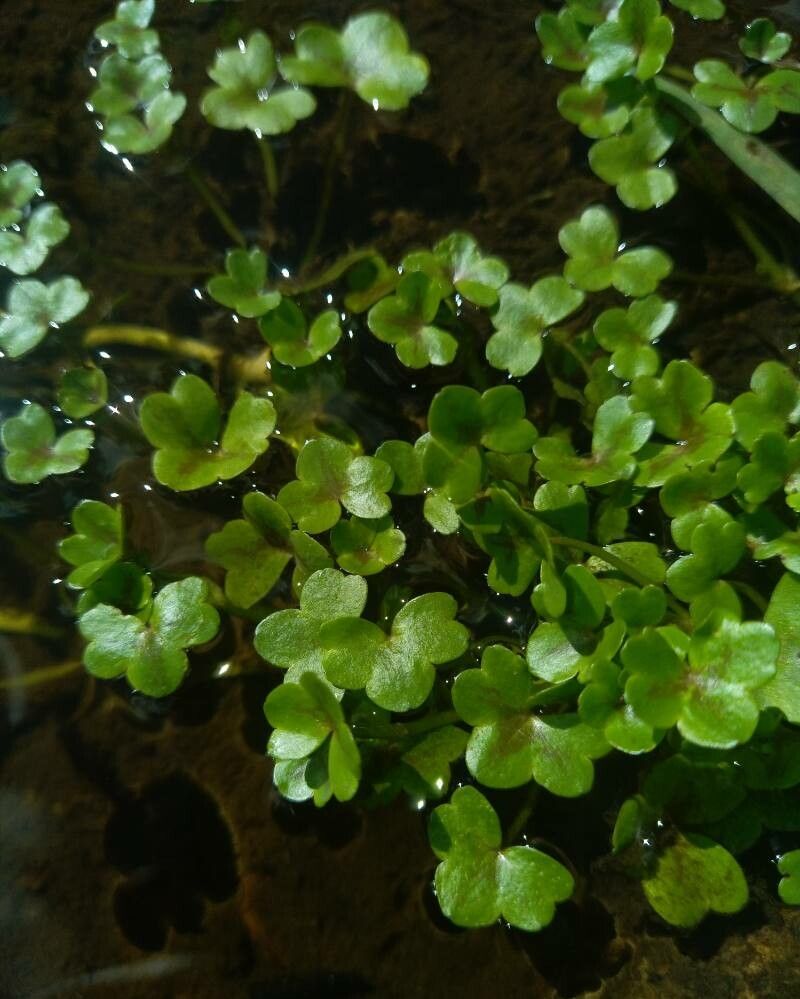
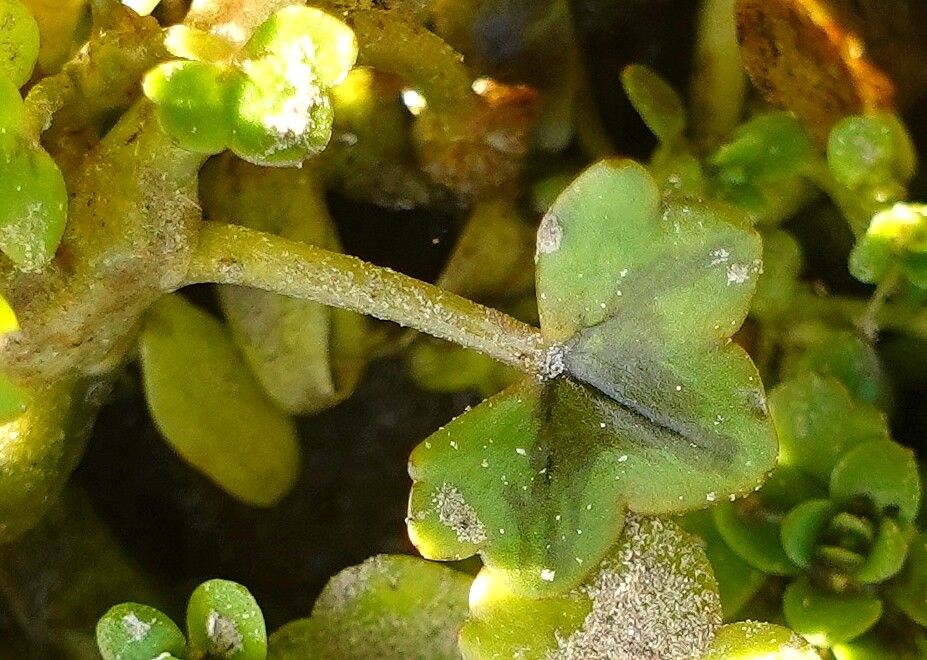
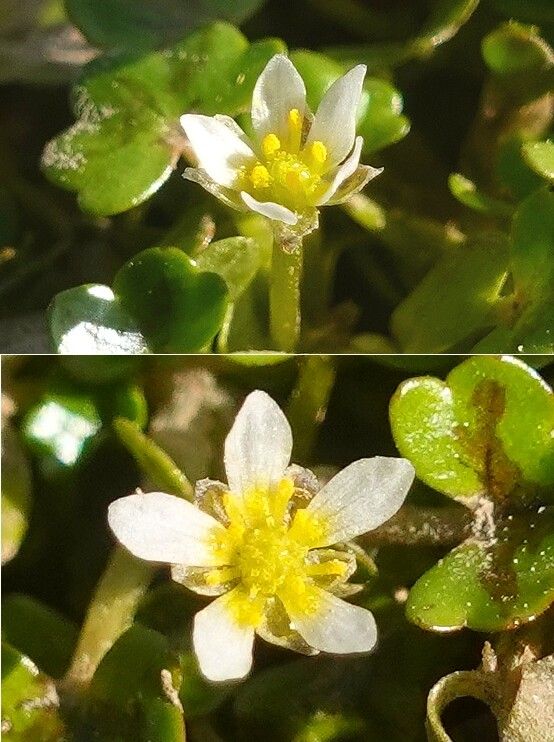
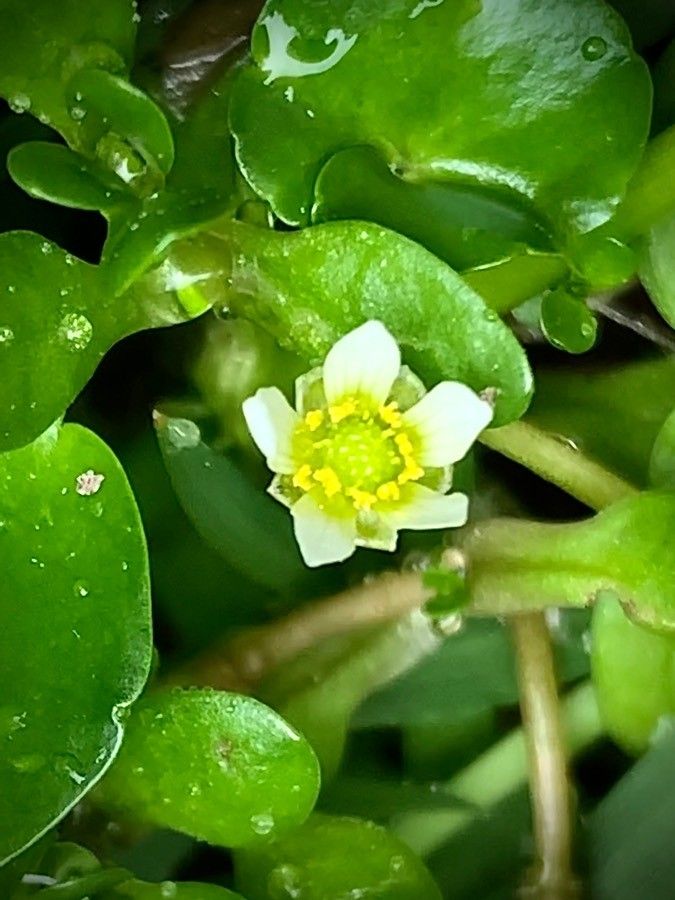
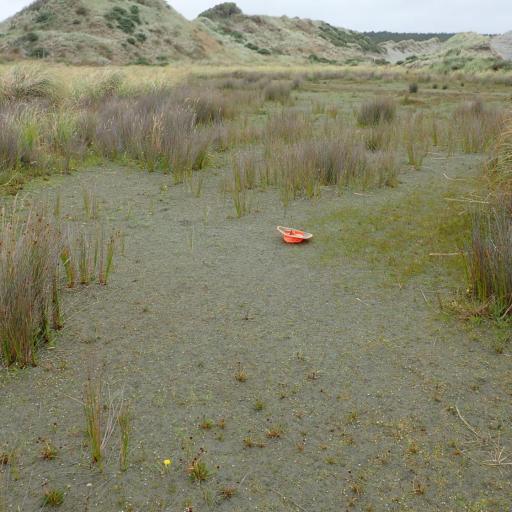
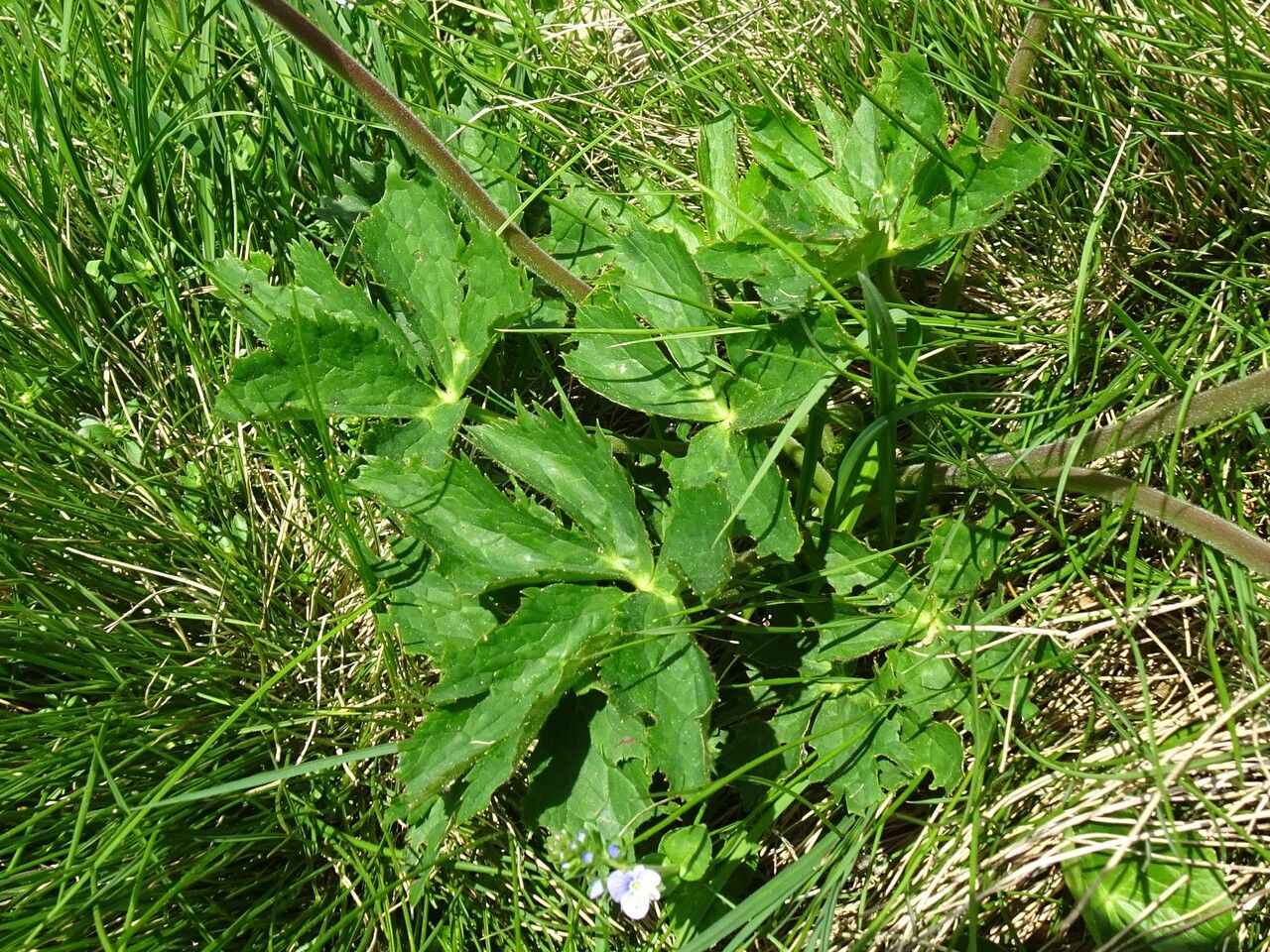
Ranunculus hederaceus, commonly known as ivy-leaved buttercup, is a perennial herbaceous plant that belongs to the Ranunculaceae family. Native to Europe and Asia, it thrives in damp meadows, along riverbanks, and in woodland areas.
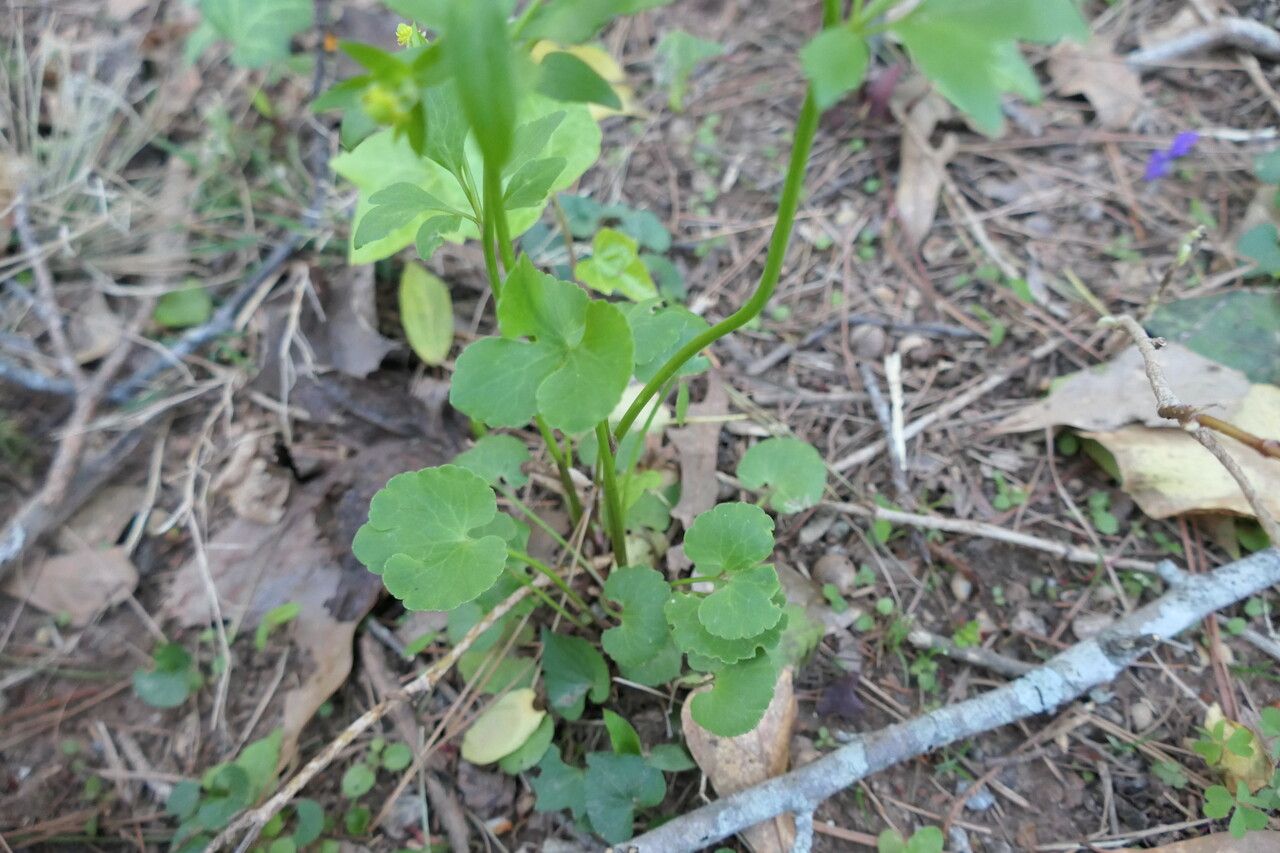
This plant exhibits a creeping growth habit with stems reaching up to 50 cm long. Its dark green leaves, which feature three lobes, resemble those of ivy plants, hence the common name "ivy-leaved buttercup." The flowers are a bright yellow and consist of five petals, each measuring up to 2 cm in diameter. They bloom from May through August.
Ranunculus hederaceus is an attractive ornamental plant, suitable for use as ground cover or for border planting in gardens or parks. However, it is important to note that all parts of the plant are toxic if ingested by humans or animals.
In traditional medicine, Ranunculus hederaceus has been utilized for its anti-inflammatory properties and as a treatment for skin conditions such as eczema and psoriasis.
Overall, Ranunculus hederaceus is a noteworthy herbaceous perennial with appealing foliage and bright yellow flowers, but it should be handled with care due to its toxic nature when ingested.
Ivy buttercup has strong disease resistance and is generally not prone to illnesses. Still, it can be affected by pests and diseases present in its environment. Such infections are generally mild. Care-wise, this plant has moderate maintenance needs. It should be pruned regularly to keep an attractive look and encourage healthy growth. Fertilizing can also help boost flowering. Ivy buttercup is appropriate for anyone with outdoor space, like a garden or patio, and does not demand extensive care experience. It may need more attention when cultivated indoors.
How to keep Ranunculus Hederaceus.
Light
Ivy buttercup is found in habitats such as forest understories or rocky areas, offering natural shade. It prefers Full Shade but can tolerate Partial Sun.
Water
Water the ivy buttercup only when the soil is dry during the seedling stage. After planting, ensure that water does not accumulate. During the peak growing season, provide 9-10 mm of water per week, but reduce this amount by half in the winter. Keep the soil slightly moist once buds start to grow, and use minimal water during the summer, withholding entirely in the winter.
Temperature
Ivy buttercup can tolerate a wide range of temperatures, but its range may still be restricted by particular combinations of moisture and heat. It grows best in warm summer conditions with sufficient rainfall or watering. Extended stretches of cloudy, rainy weather, as well as prolonged high temperatures, increase the chance of Ivy buttercup dying. In winter, appropriate protection from cold can raise the plant's survival rate.
Fertilizer
Usually one spring fertilizer application is adequate for Ivy buttercup, though additional feedings can maximize growth. Apply fertilizer roughly every month to month and a half. Fertilization improves the leaves' appearance and function, encouraging uniform color and a healthy texture. It also promotes root development and nutrient uptake, supporting long-term plant health.
Pruning
To encourage blooming, remove faded flowers throughout the growing season. Once flowering has ended, stop watering and let the leaves naturally die back. For corms, cut off the tops, store them in a cool, dry place, and treat them with a fungicide. Hardy corms can be left in dry soil. If you are growing potted plants, reserve 3 to 5 flower buds for them.
Botanical profile.
- Plant Type
- Herb
- Life Cycle
- Perennial
- Genus
- Ranunculus
- Family
- Ranunculaceae
- Hardiness Zone
- 5-9
- Mature Height
- 5 cm
- Mature Spread
- 91 cm
- Leaf Color
- Light Green, Pale Green
- Leaf Type
- Deciduous
- Flower Size
- 0.51 cm to 1.02 cm
- Bloom Time
- Mid spring, Late spring, Early summer, Mid summer
- Planting Time
- Spring, Summer, Autumn
- Harvest Time
- Summer
- Native Area
- Tunisia, Sweden, Croatia, Morocco, Russia, Germany, Portugal, Spain, Denmark, France, Ireland, United Kingdom, Algeria, Latvia, Belgium, Netherlands
Other names.