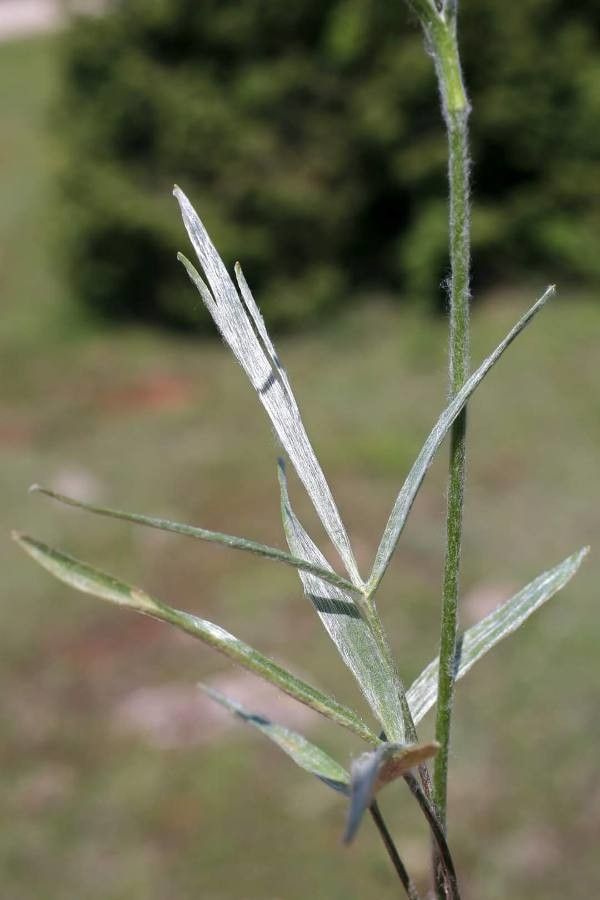
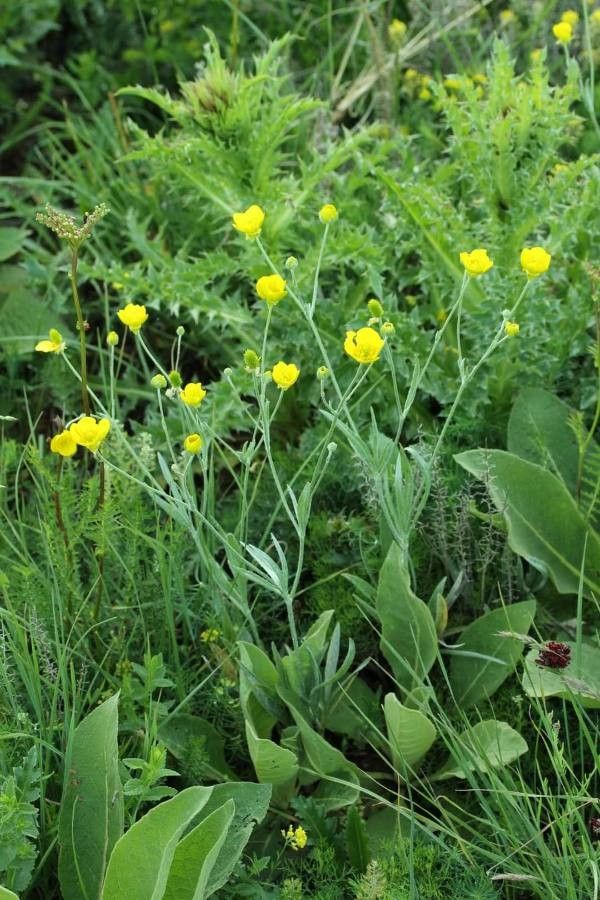
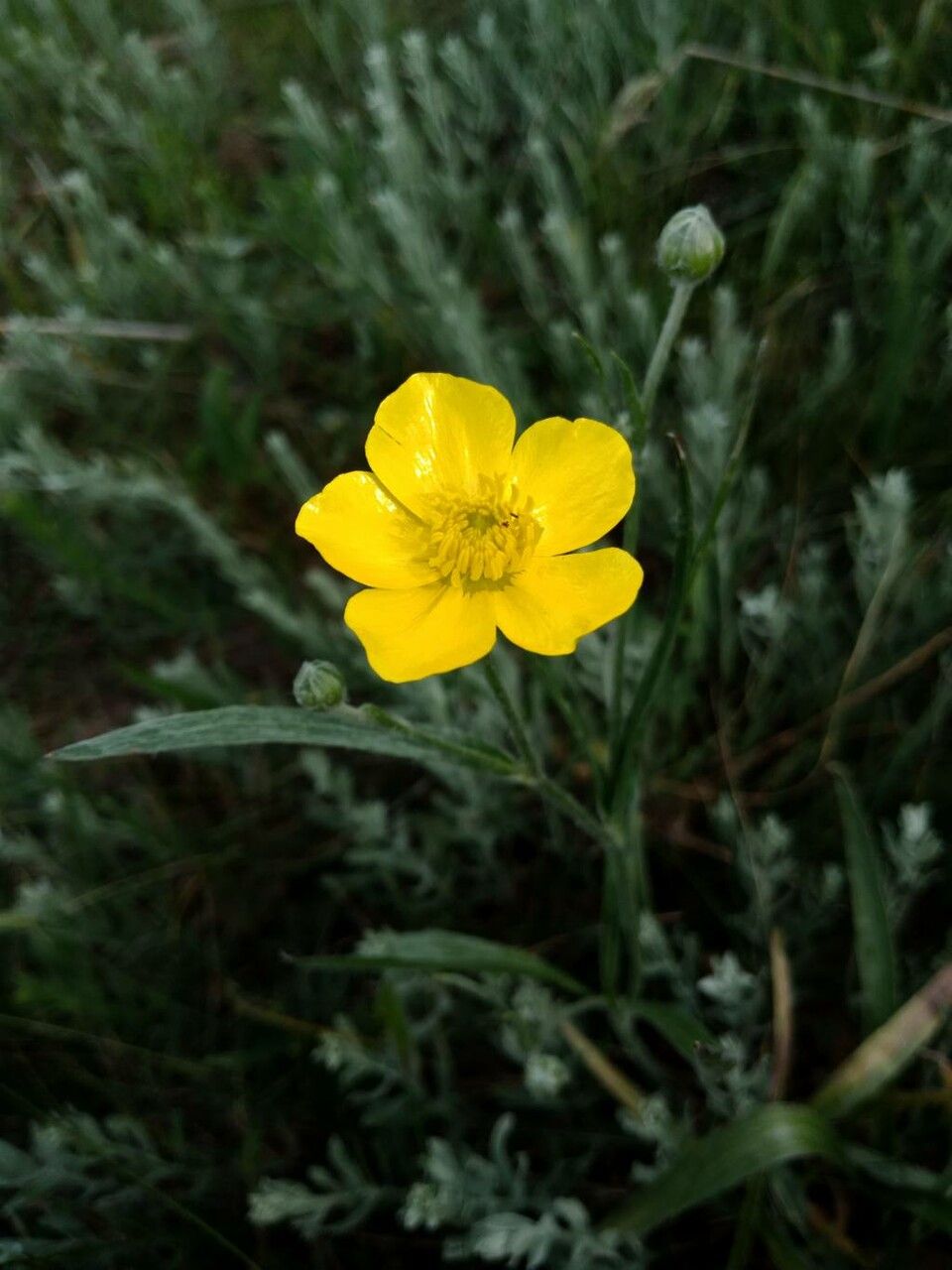
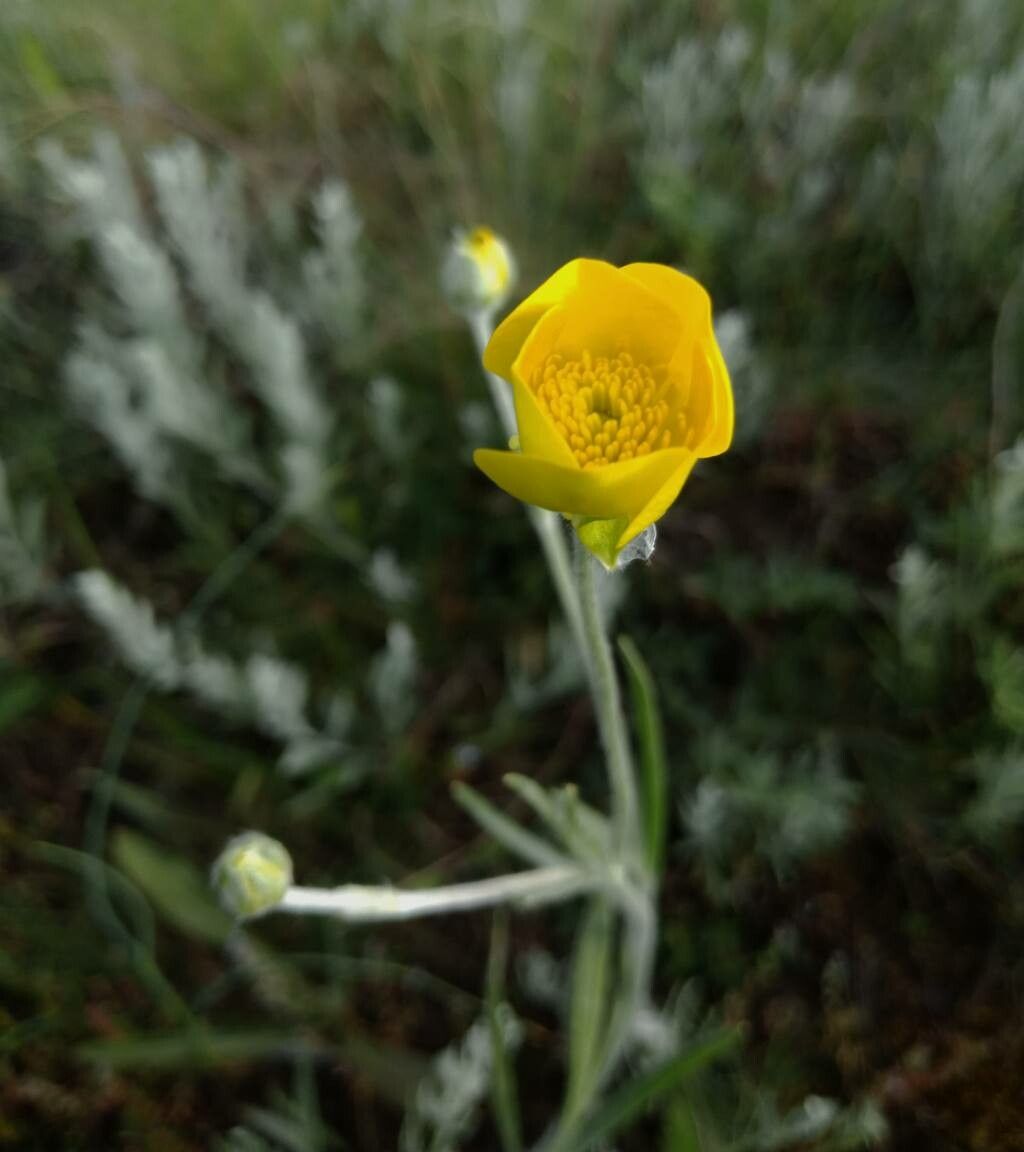
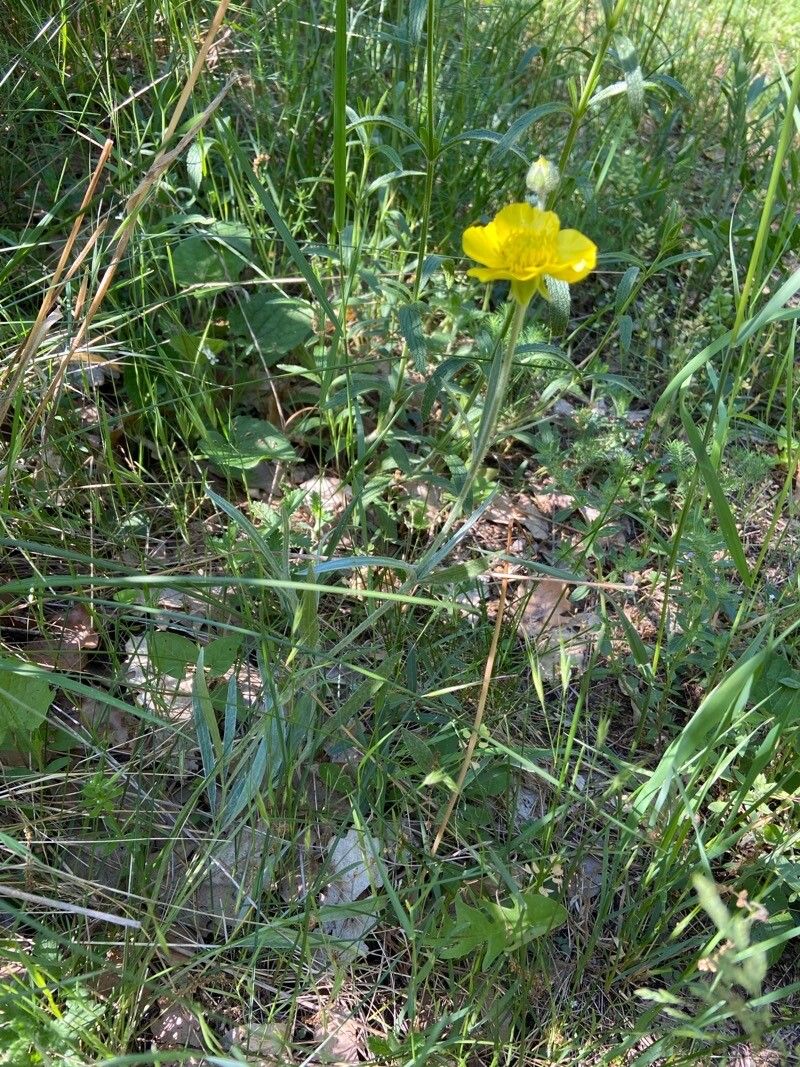
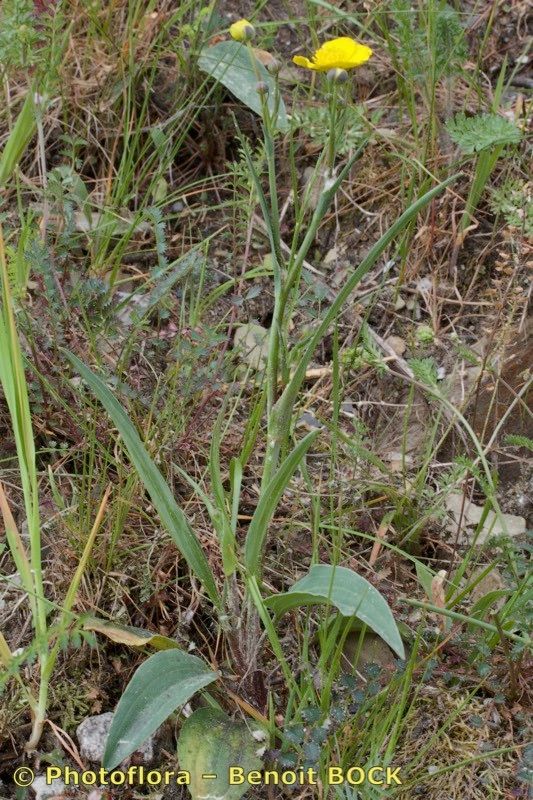
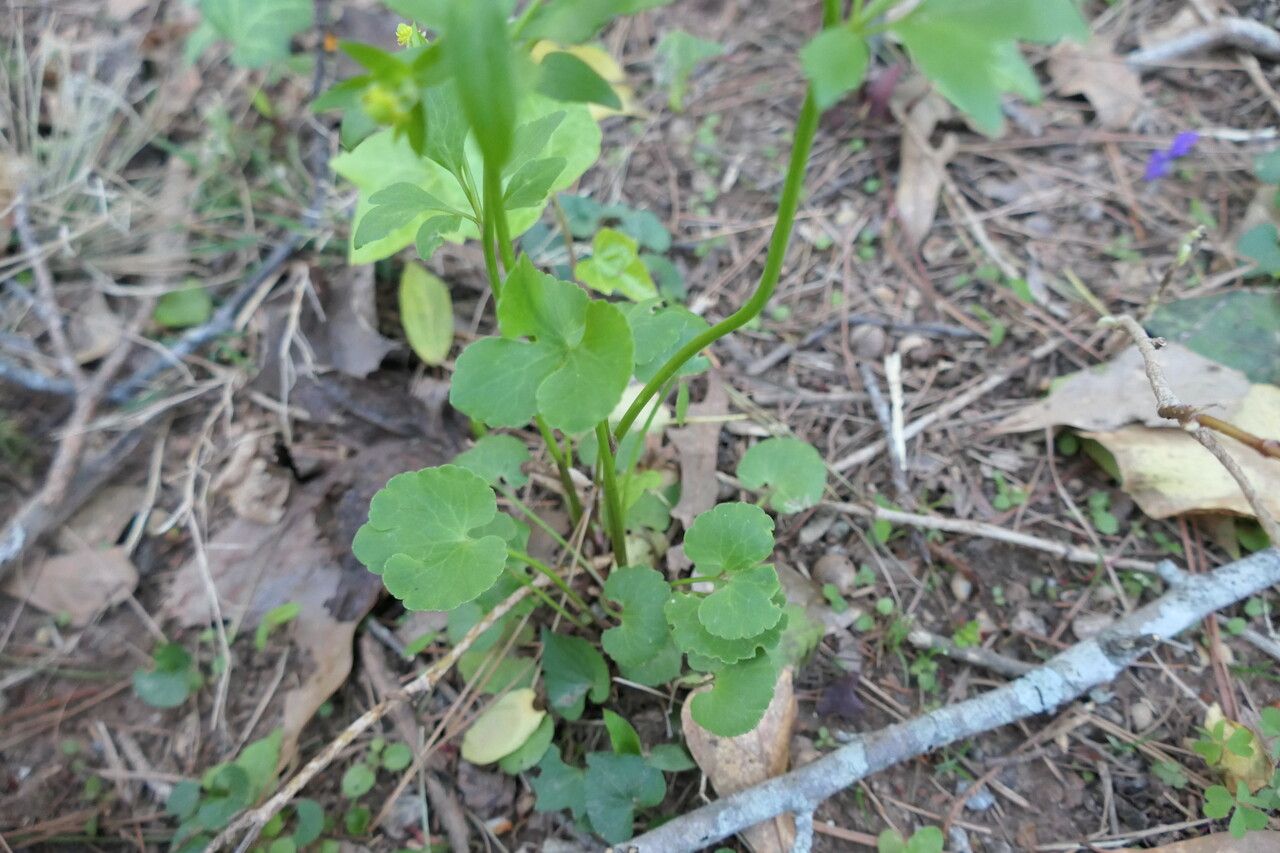
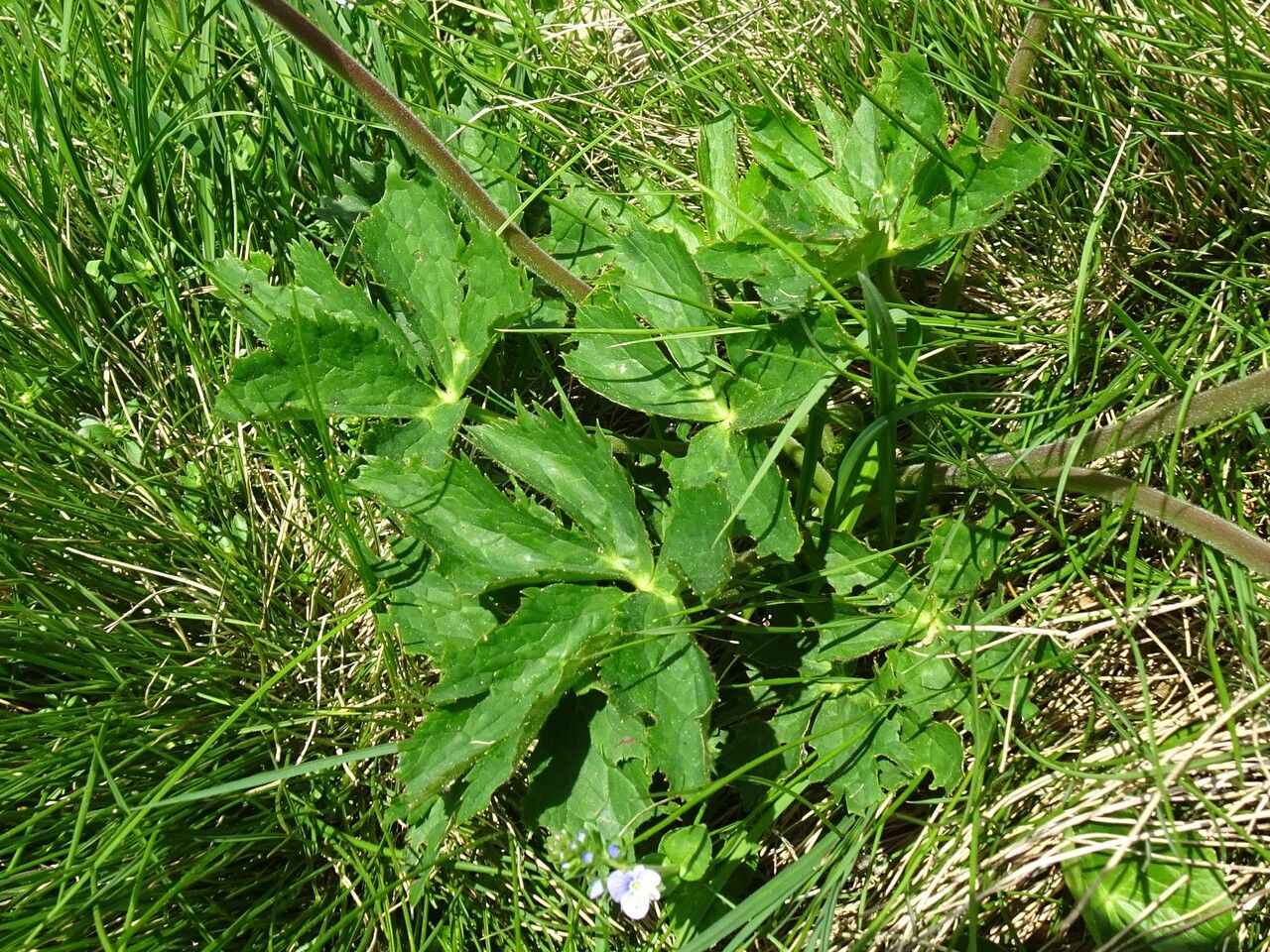
Ranunculus illyricus is a protected plant in Hungary of the family of Ranunculaceae. This perennial herb can be found in pastures and grasslands and is usually 15 to 30 cm tall. It has hairy white hairs. Its conifer's shape is long and the stems leaves are tri-composite. The flower petals are yellow and roundish. The cup of the flower bends back at time of flowering, blooming in May and June.
Woolly buttercup is fairly resistant to disease and is typically not vulnerable to illnesses. Still, it can be affected by pests and diseases present in its environment. These problems are generally mild. Regarding care, the plant needs moderate upkeep. It should be pruned on a regular basis to keep a neat appearance and encourage healthy growth. Applying fertilizer can also aid in boosting blooms. Woolly buttercup is a good choice for anyone with outdoor areas like a garden or patio and does not demand extensive gardening experience. It may need more attention if cultivated indoors.
How to keep Ranunculus Illyricus.
Light
The woolly buttercup is a perennial herb that loves the sun and is native to open environments, typically flourishing in meadows and grasslands. It prefers full sunlight exposure, though it can also withstand conditions of partial sun.
Water
Water woolly buttercup sparingly during the seedling stage, only when the soil is dry. During peak growth, provide 9-10 mm of water weekly, reducing this amount during winter. Once buds emerge, keep the soil slightly moist, minimize watering in the summer, and withhold water completely in winter.
Temperature
Woolly buttercup can tolerate a wide range of temperature conditions, yet its distribution may still be restricted by different combinations of moisture and heat. It performs best in warm summer climates with sufficient rainfall or irrigation. Extended periods of cloudy, rainy weather, as well as prolonged high temperatures, increase the likelihood of Woolly buttercup dying. In winter, adequate protection from cold can enhance the plant's survival rate.
Fertilizer
The optimal time to fertilize Woolly buttercup is in the early spring, as the flowers start to form. The correct fertilizer promotes greater blossoms and assists the Woolly buttercup in creating beautiful flowers. By fertilizing in the early spring, wonderful flowers are ensured throughout the season and it provides energy for the periods of dormant growth.
Pruning
To help the woolly buttercup thrive, consider pruning it early in the spring. Focus on removing any dead or damaged stems to encourage growth and improve air circulation. By pruning carefully, you can enhance the plant's shape and promote better flowering without overcutting. This approach also boosts disease resistance and enhances the overall appeal of your garden.
Botanical profile.
- Plant Type
- Herb
- Life Cycle
- Perennial
- Genus
- Ranunculus
- Family
- Ranunculaceae
- Hardiness Zone
- 5-9
- Mature Height
- 30 cm to 61 cm
- Mature Spread
- 20 cm to 30 cm
- Leaf Color
- Gray, Silver
- Leaf Type
- Semi-evergreen
- Flower Color
- Yellow, Gold
- Flower Size
- 2.03 cm to 3.05 cm
- Bloom Time
- Mid spring, Late spring
- Planting Time
- Spring, Summer
- Harvest Time
- Early summer, Mid summer
- Native Area
- Turkey, Sweden, Czech Republic, Slovakia, Montenegro, Bulgaria, Armenia, Greece, Croatia, Slovenia, Belarus, Serbia, Russia, Germany, Italy, Albania, Azerbaijan, Hungary
Other names.