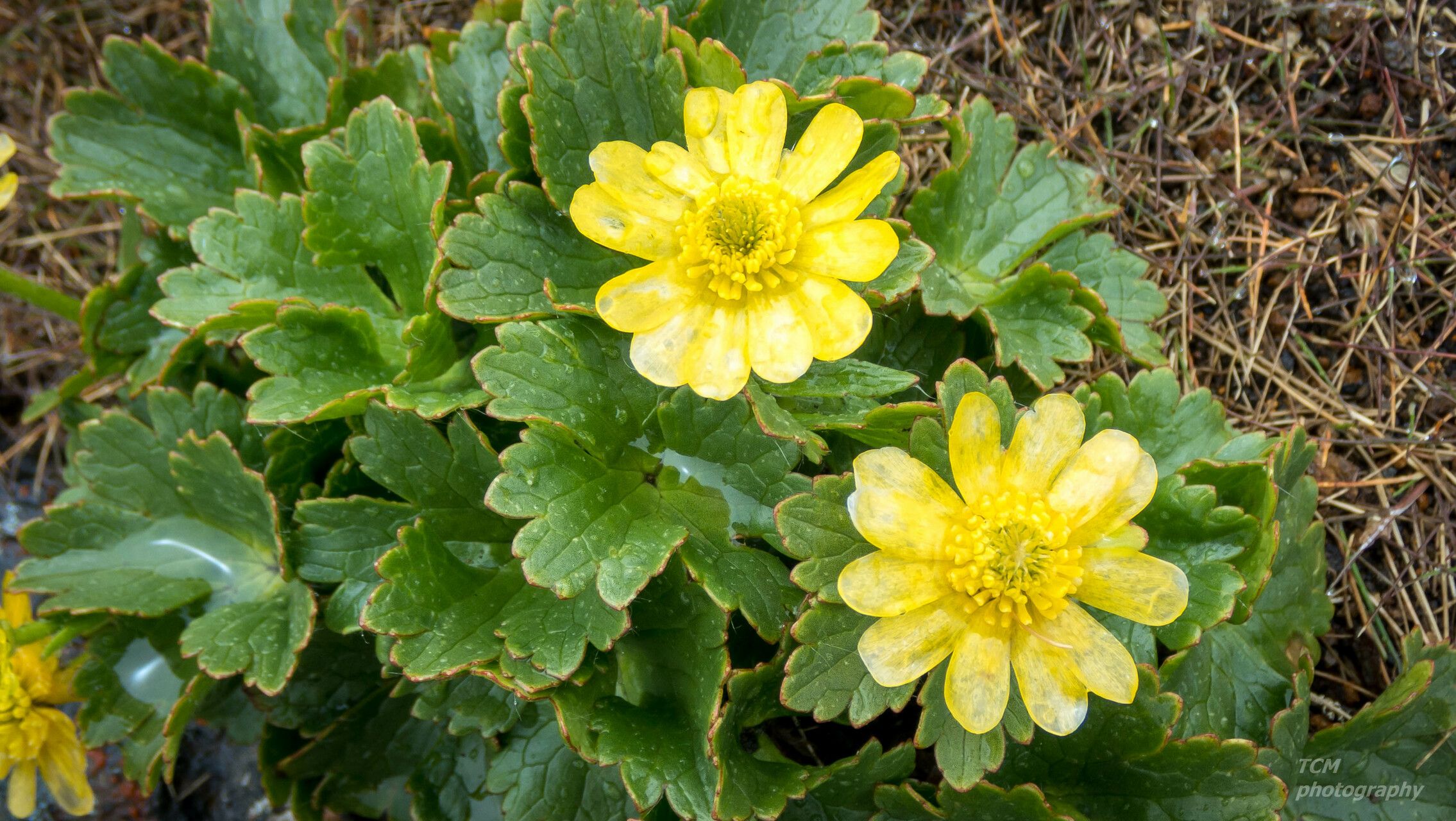
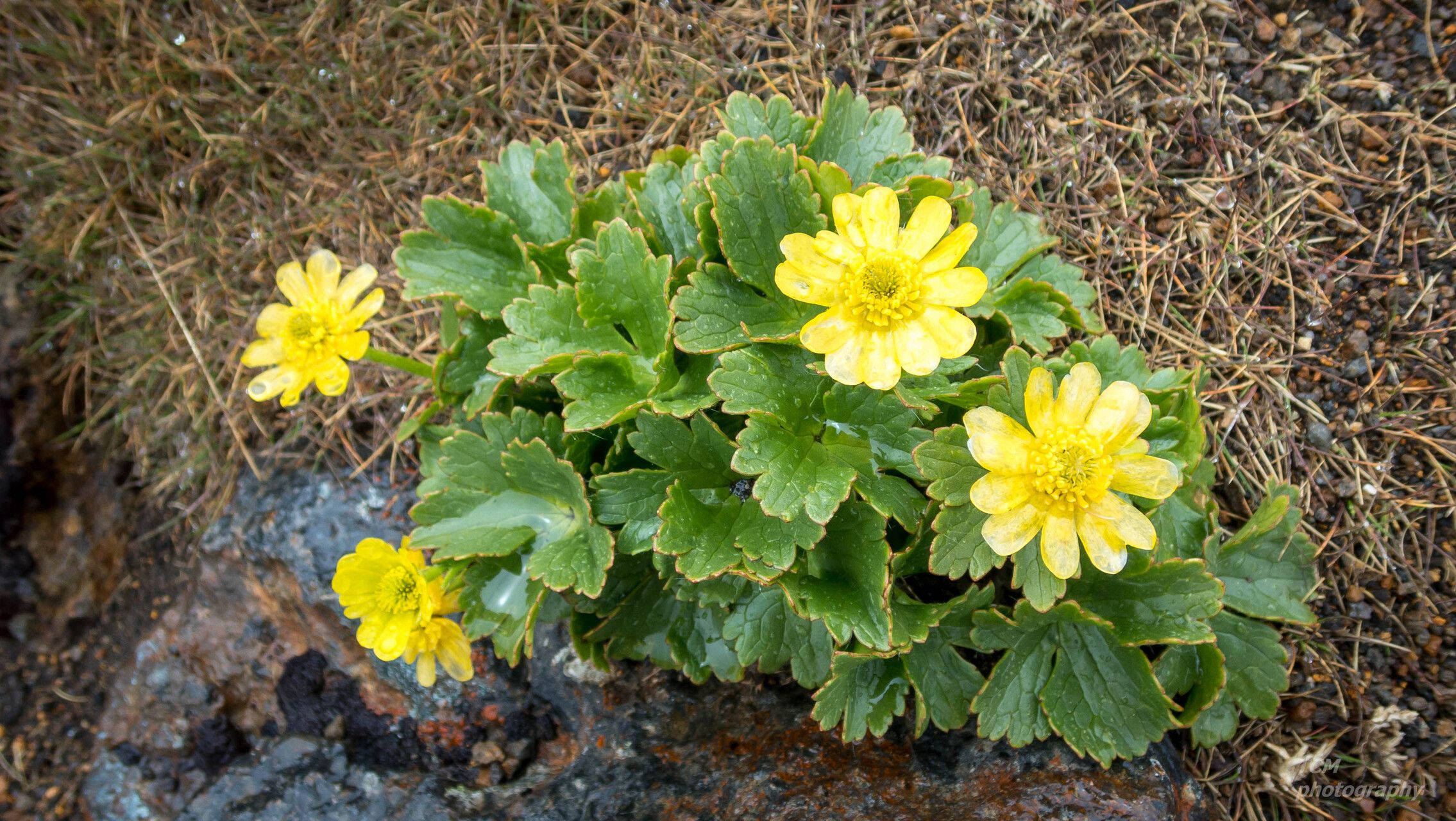
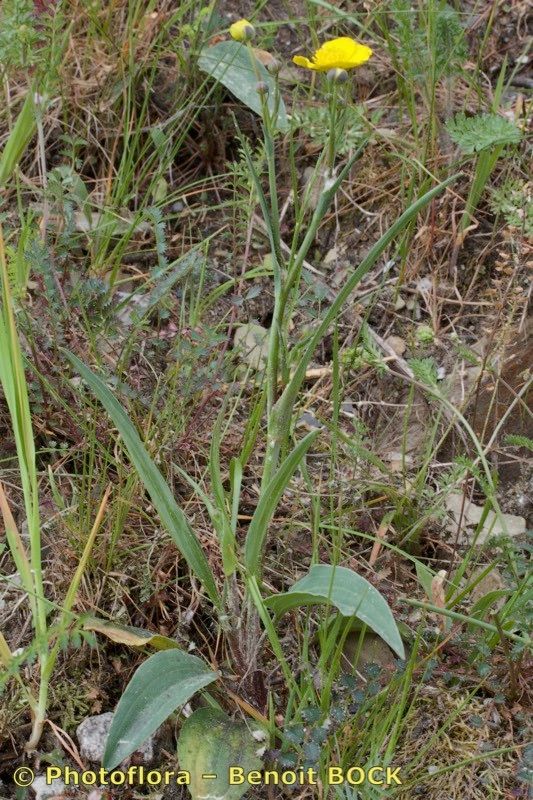
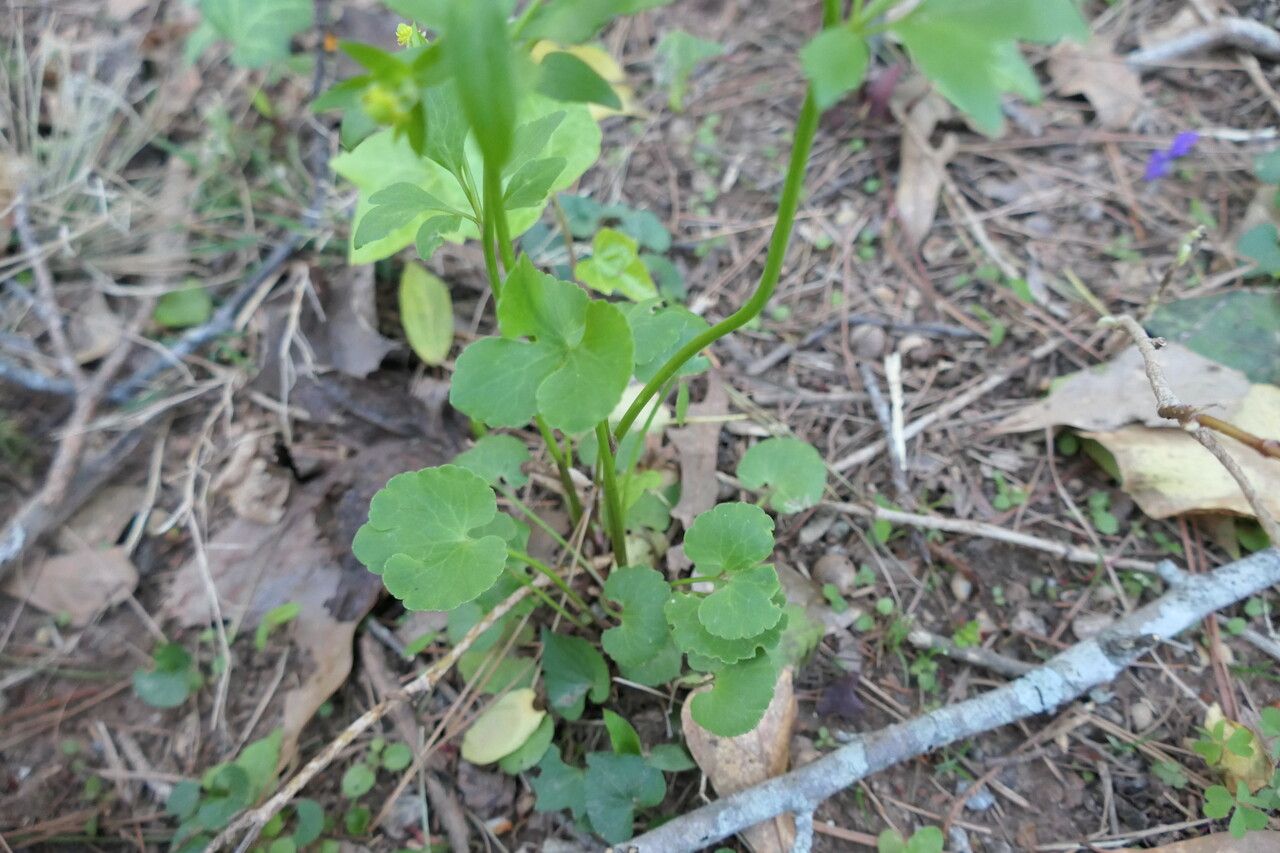
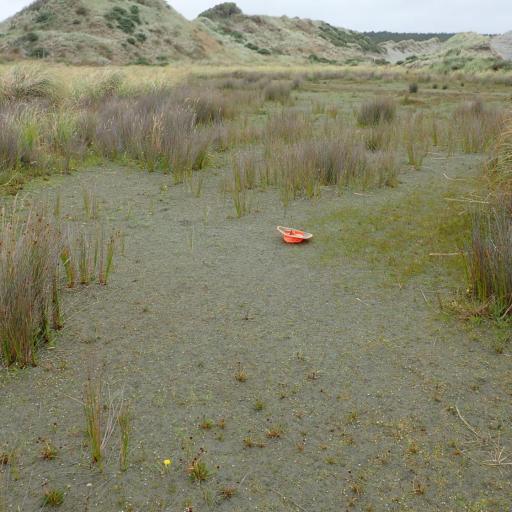
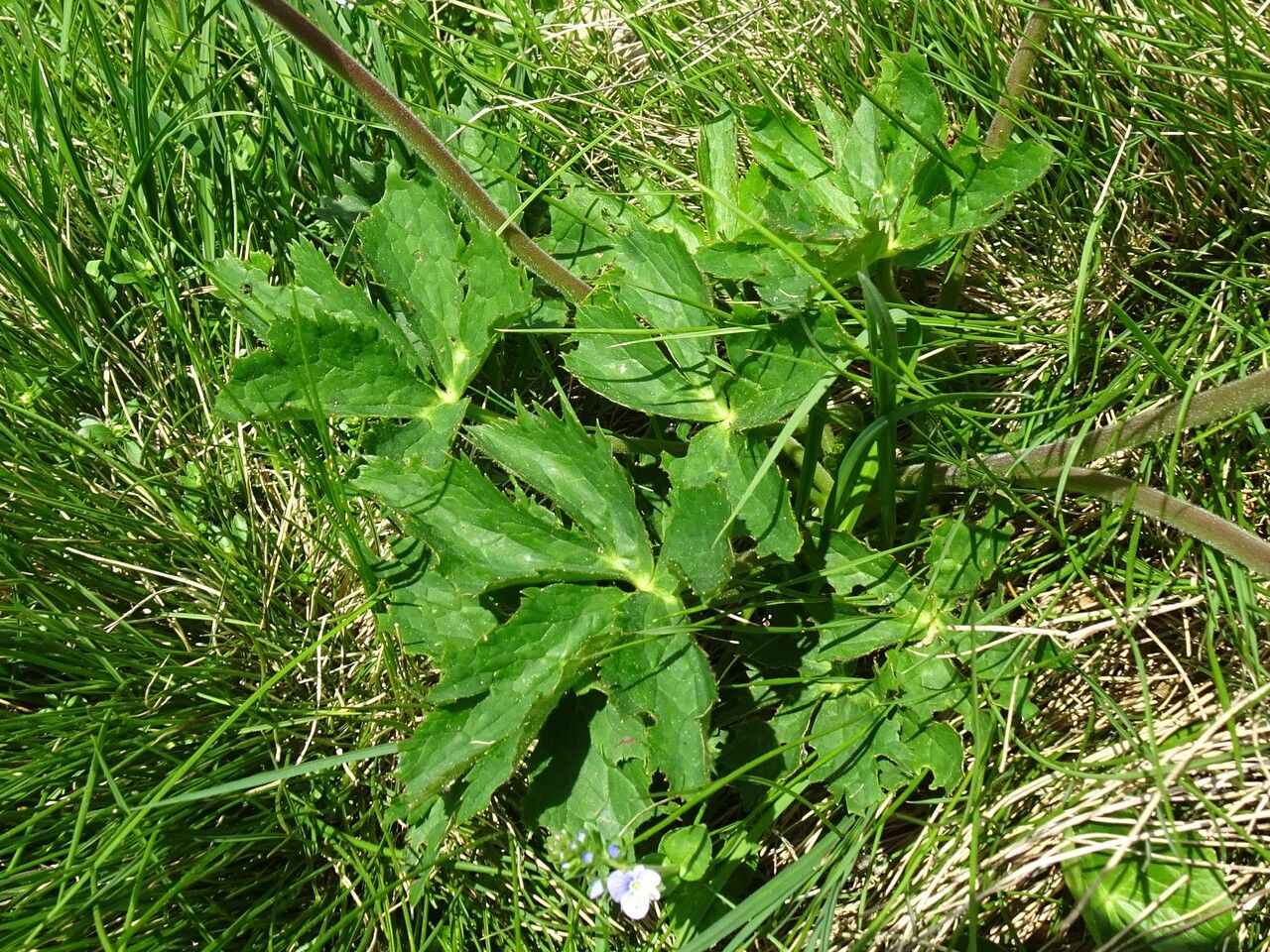
Ranunculus is a large genus of about 1750 species of flowering plants in the family Ranunculaceae. Members of the genus are known as buttercups, spearworts and water crowfoots.
Korikori is fairly disease-resistant and typically does not get sick. That said, it can be affected by pests and diseases present in its environment. Such infections are usually mild. For care, this plant needs moderate maintenance. It should be pruned regularly to keep a neat appearance and support healthy growth. Fertilizing can also encourage flowering. Korikori is suitable for anyone with outdoor space, like a garden or patio, and does not require extensive caregiving experience. It may need more attention if kept indoors.
How to keep Ranunculus Insignis.
Light
Korikori is a perennial flora that loves sunshine and is native to open environments. It commonly thrives in habitats like meadows and grasslands. While it prefers full sunlight, it also can endure conditions with partially sunny weather.
Fertilizer
The ideal period to fertilize Korikori is in the early spring, during the formation of flowers. By using the appropriate fertilizer, not only can you promote better blossoming, but you can also aid Korikori in creating beautiful flowers. By fertilizing in the early spring, you can ensure superb flowers throughout the season, as well as provide energy for the plant's inactive growth stages.
Botanical profile.
- Plant Type
- Herb
- Life Cycle
- Perennial
- Genus
- Ranunculus
- Family
- Ranunculaceae
- Hardiness Zone
- 7-9
- Mature Height
- 10 cm to 91 cm
- Mature Spread
- 10 cm to 49 cm
- Leaf Color
- Dark Green, Forest Green
- Leaf Type
- Semi-evergreen
- Flower Color
- Yellow
- Flower Size
- 5.08 cm to 7.62 cm
- Bloom Time
- Winter
- Planting Time
- Spring, Summer, Autumn
- Harvest Time
- Late winter, Early spring, Mid spring
- Native Area
- New Zealand