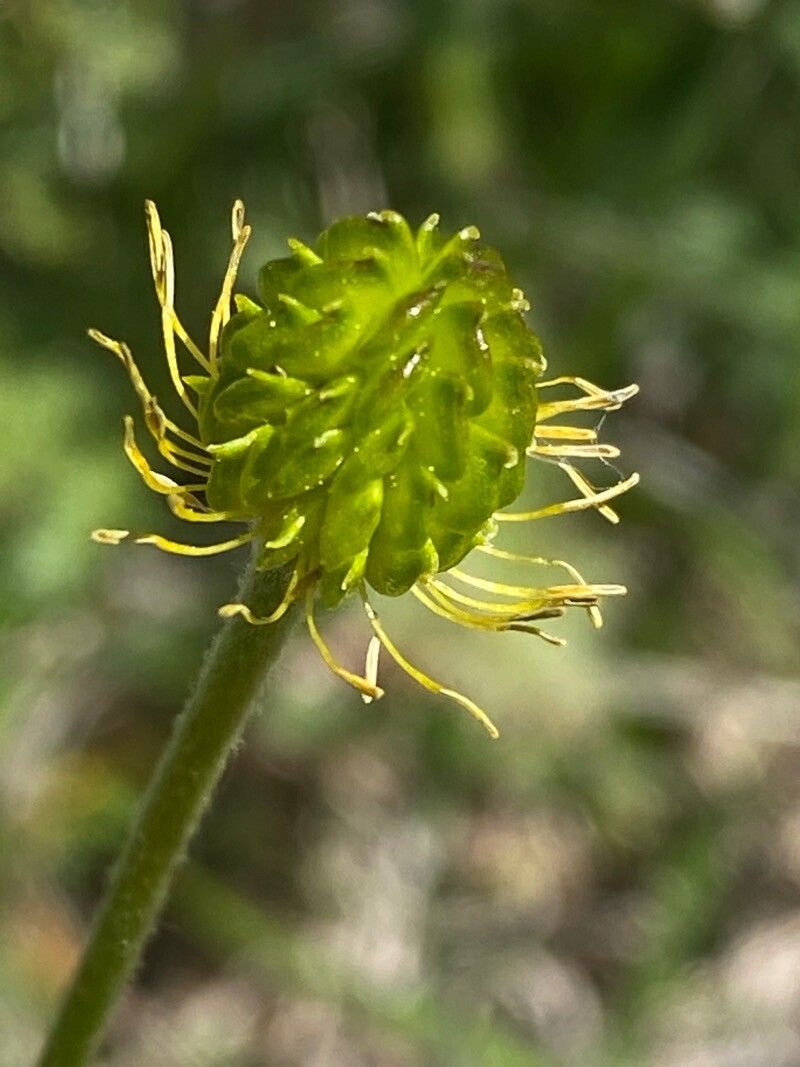
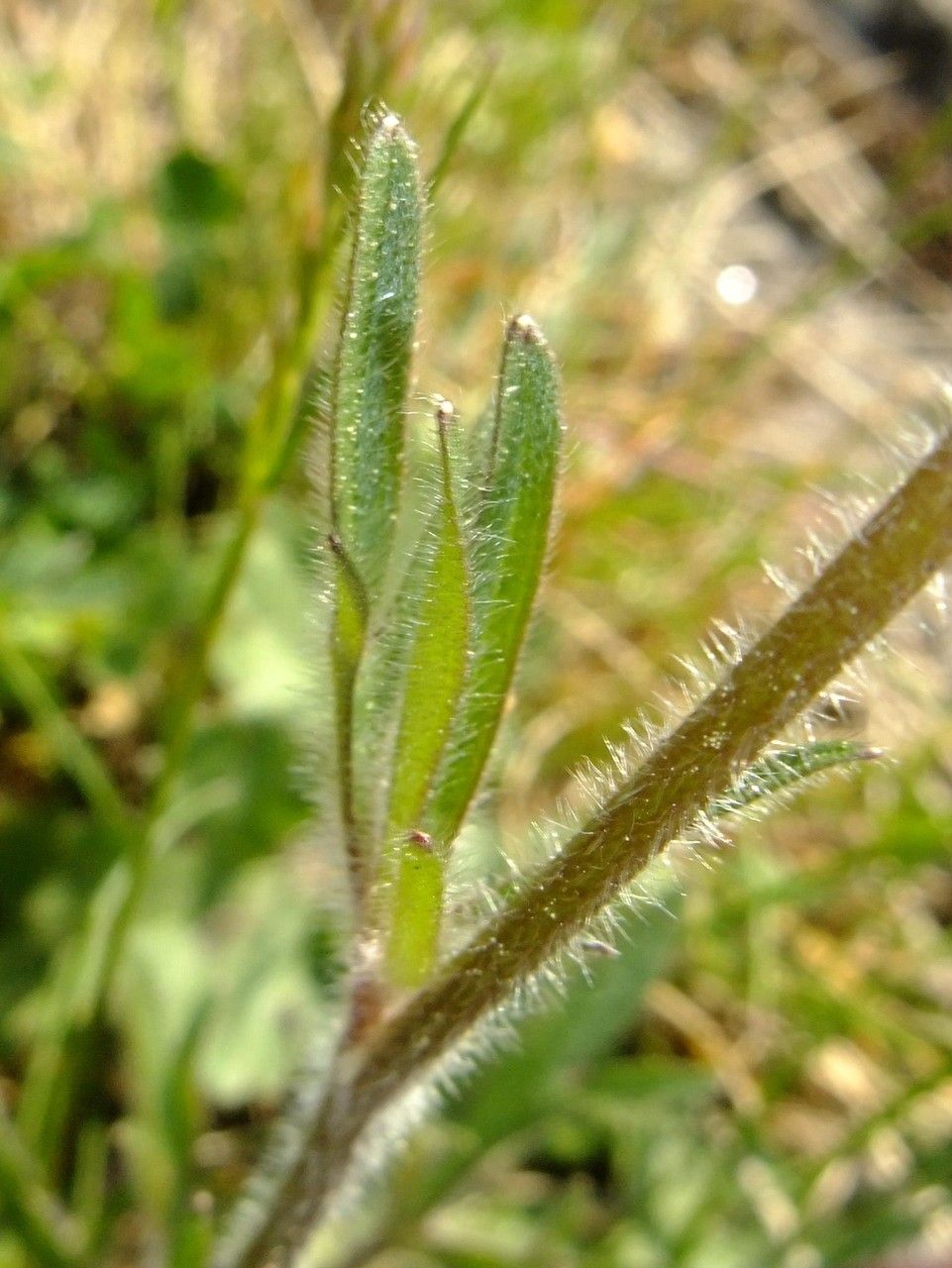
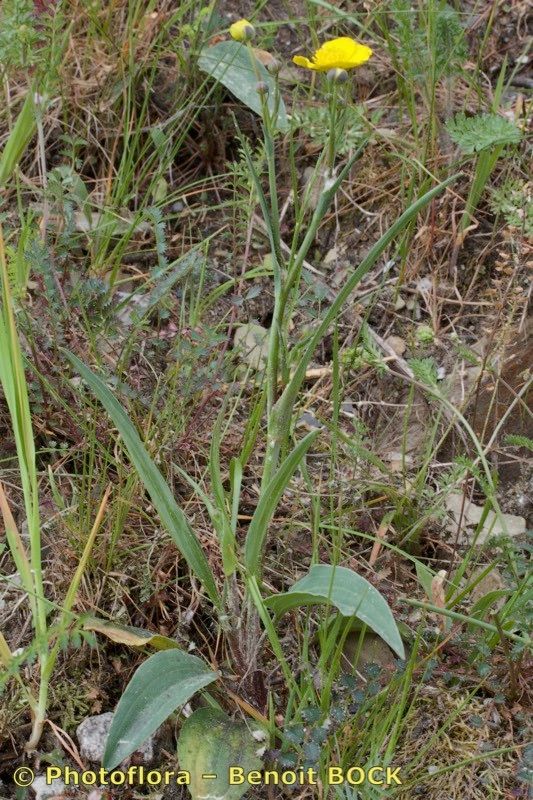
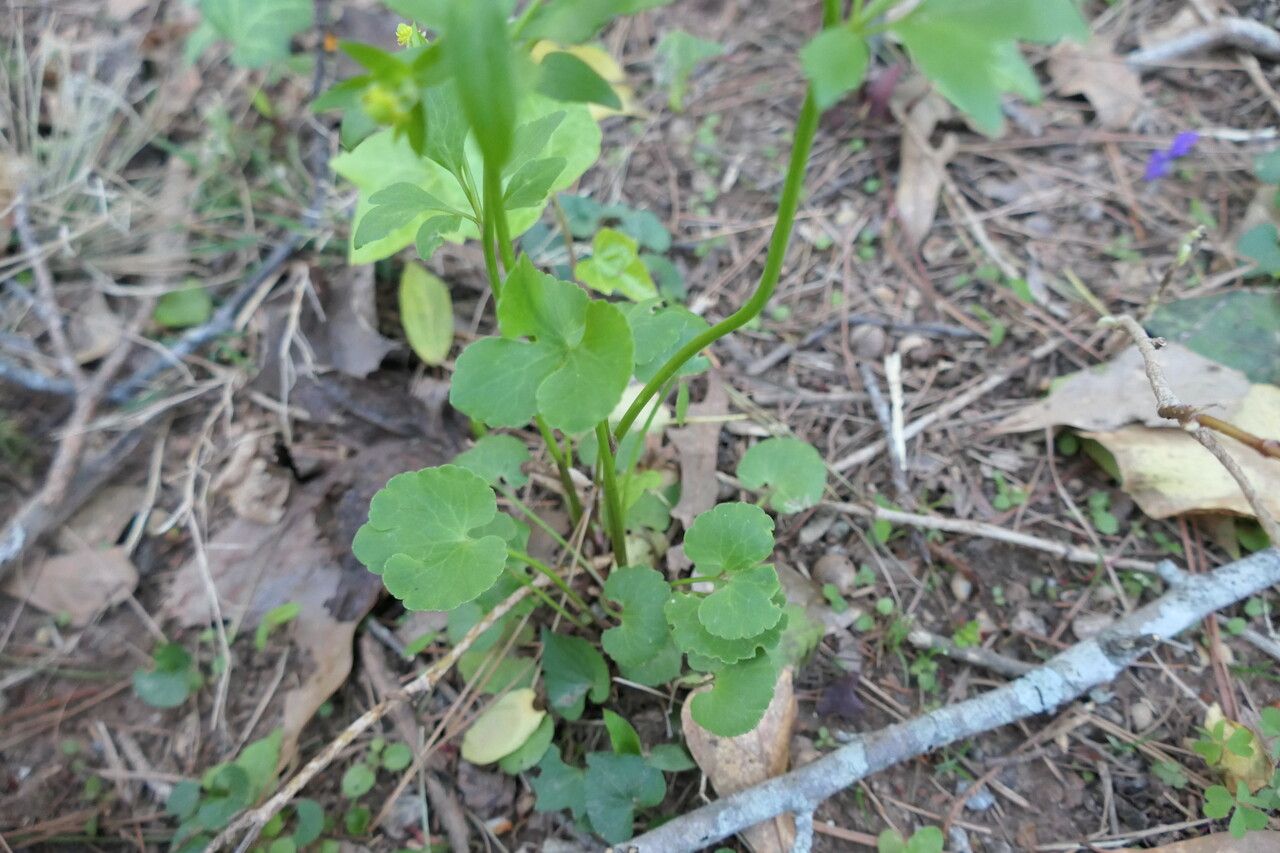
Ranunculus montanus, commonly known as the mountain buttercup, is a perennial herbaceous plant belonging to the Ranunculaceae family. Native to the mountainous regions of Europe and Asia, it thrives in alpine meadows, rocky slopes, and subalpine forests.
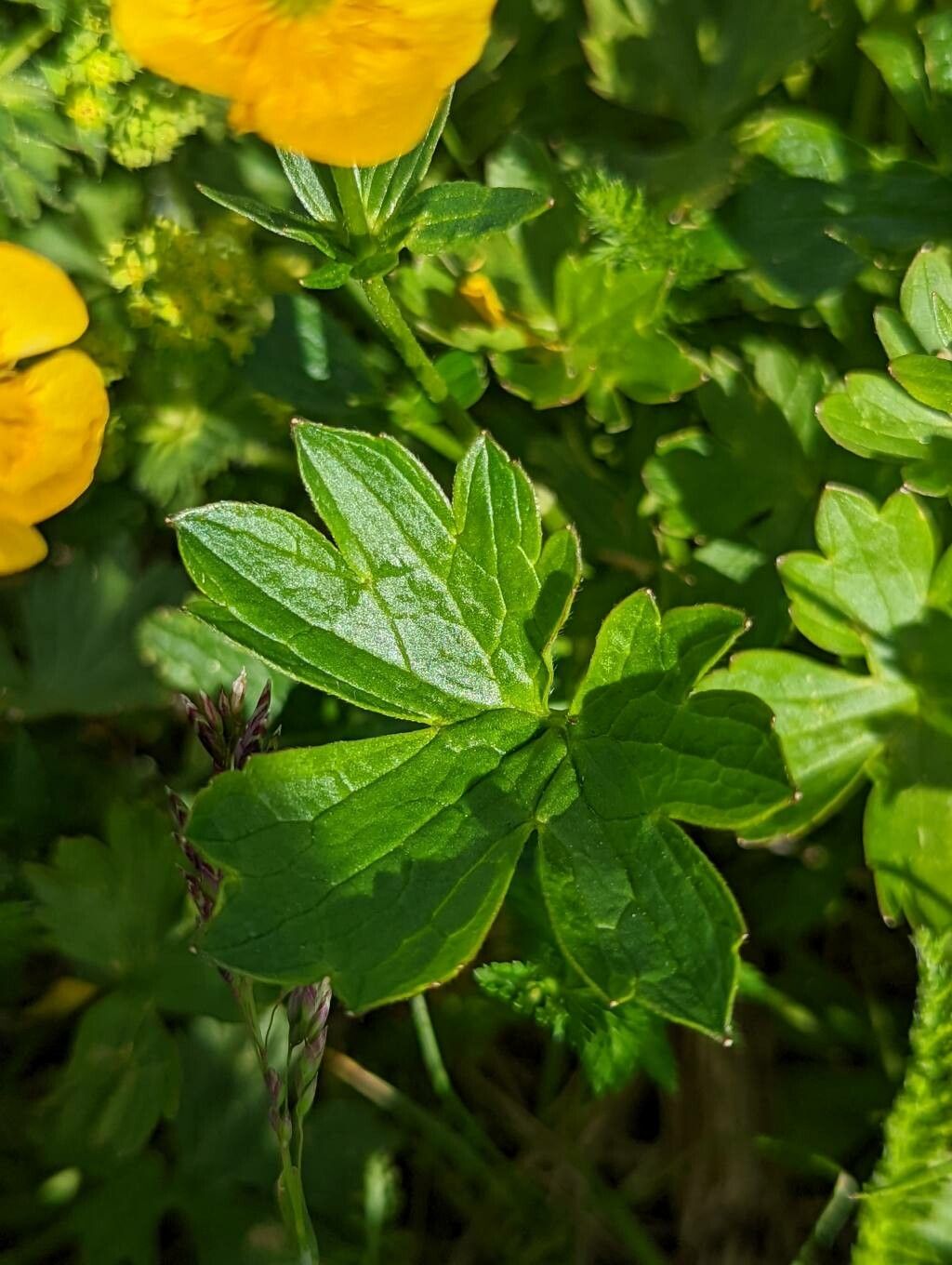
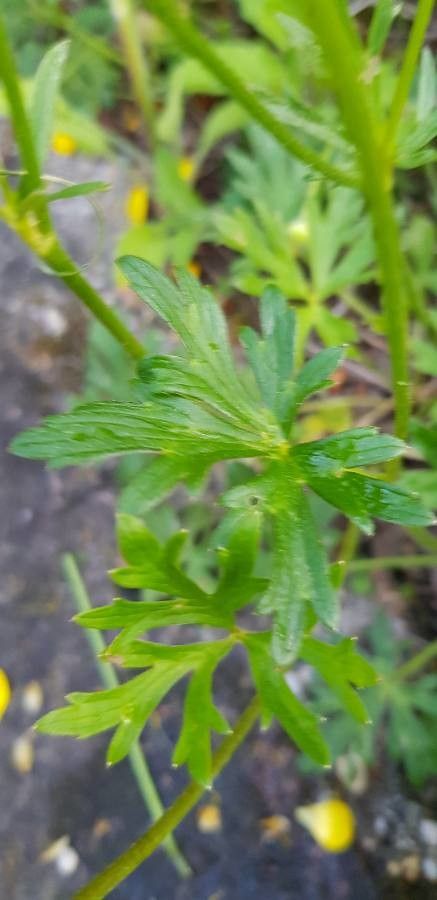
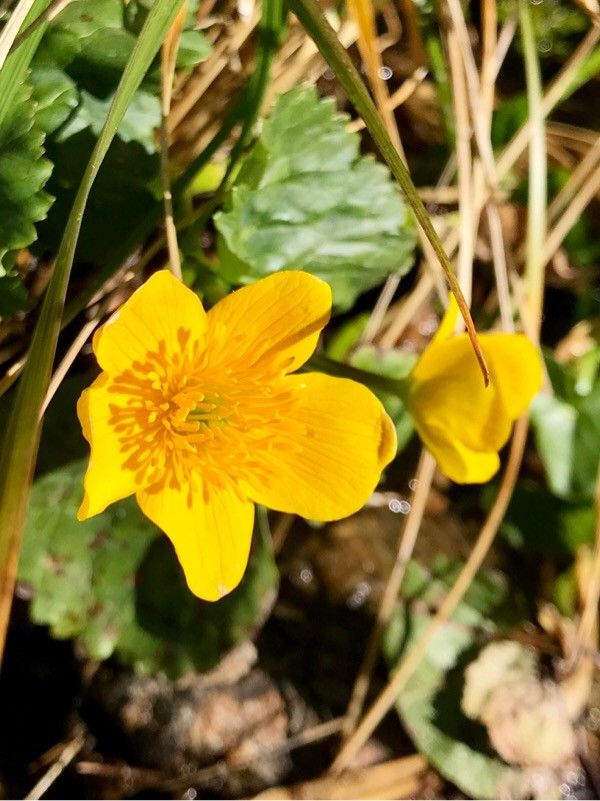
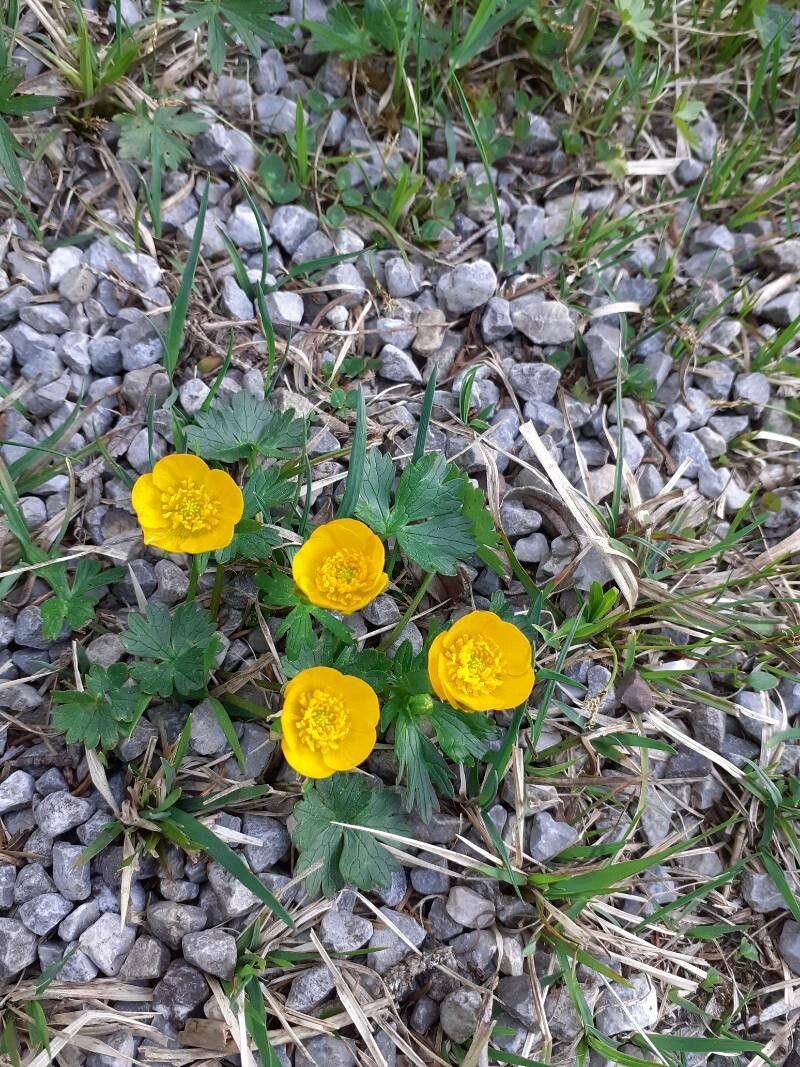
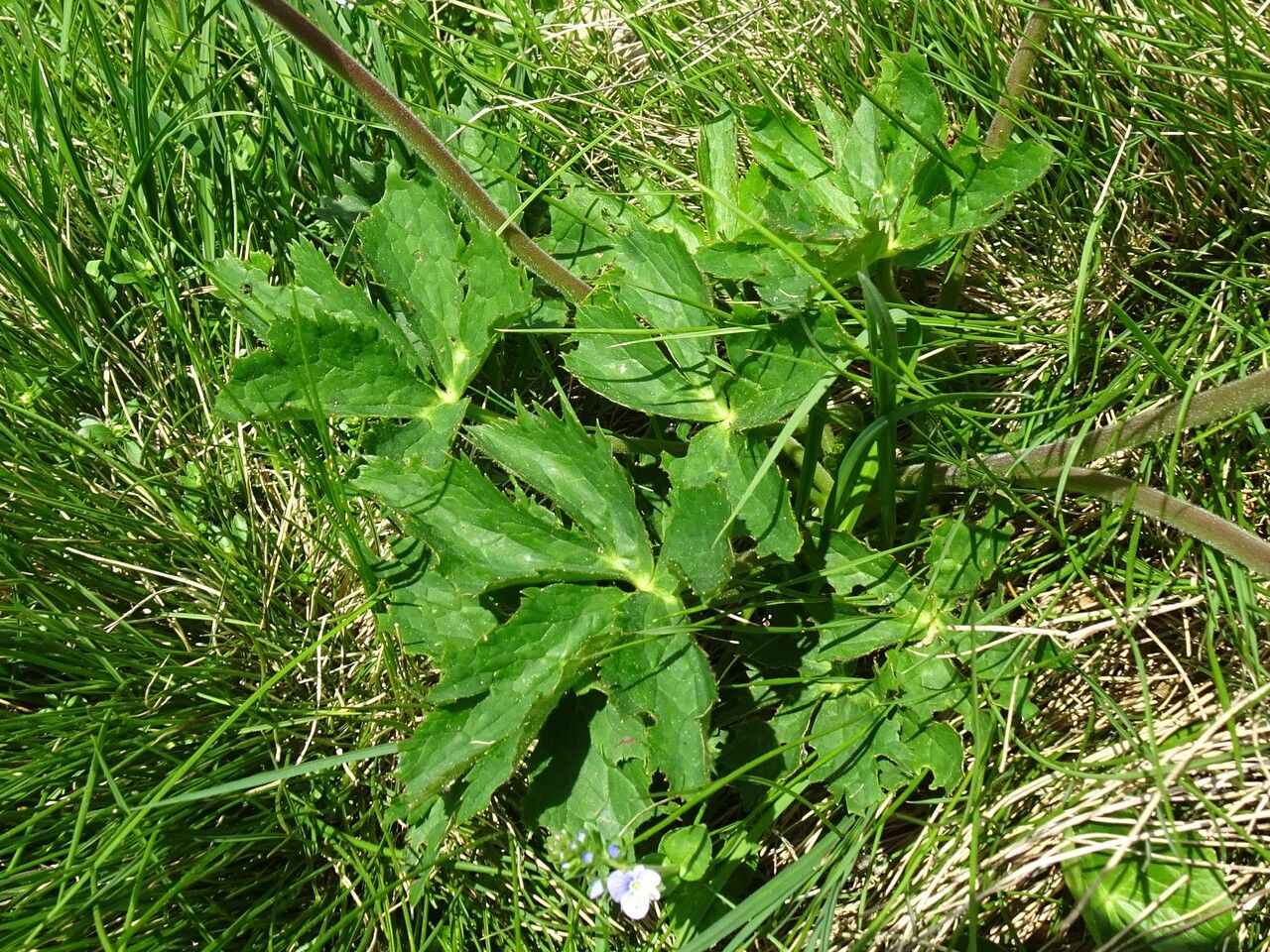
This plant typically reaches a height of up to 30 cm and features a basal rosette of deeply lobed leaves. Its bright yellow flowers, composed of five petals arranged in a cup-like shape, bloom from late spring to early summer. These vibrant flowers attract pollinators such as bees.
Ranunculus montanus is recognized for its medicinal properties and has traditionally been used to treat various ailments, including fever, coughs, colds, rheumatism, and digestive disorders. However, it is important to note that the plant can be toxic if ingested in large quantities.
In cultivation, Ranunculus montanus prefers well-drained soil with full sun exposure, though it can also tolerate partial shade. Due to its compact size and vibrant flowers, it is an excellent addition to rock gardens or alpine gardens, providing color during early summer months when many other plants have yet to bloom.
Botanical profile.
- Plant Type
- Herb
- Life Cycle
- Perennial
- Genus
- Ranunculus
- Family
- Ranunculaceae
- Hardiness Zone
- 4-9
- Mature Height
- 10 cm to 30 cm
- Mature Spread
- 10 cm to 30 cm
- Leaf Color
- Dark Green, Forest Green
- Leaf Type
- Semi-evergreen
- Flower Color
- Yellow, Gold
- Flower Size
- 3.30 cm
- Bloom Time
- Mid spring, Late spring, Early summer
- Planting Time
- Spring
- Harvest Time
- Summer
Other names.