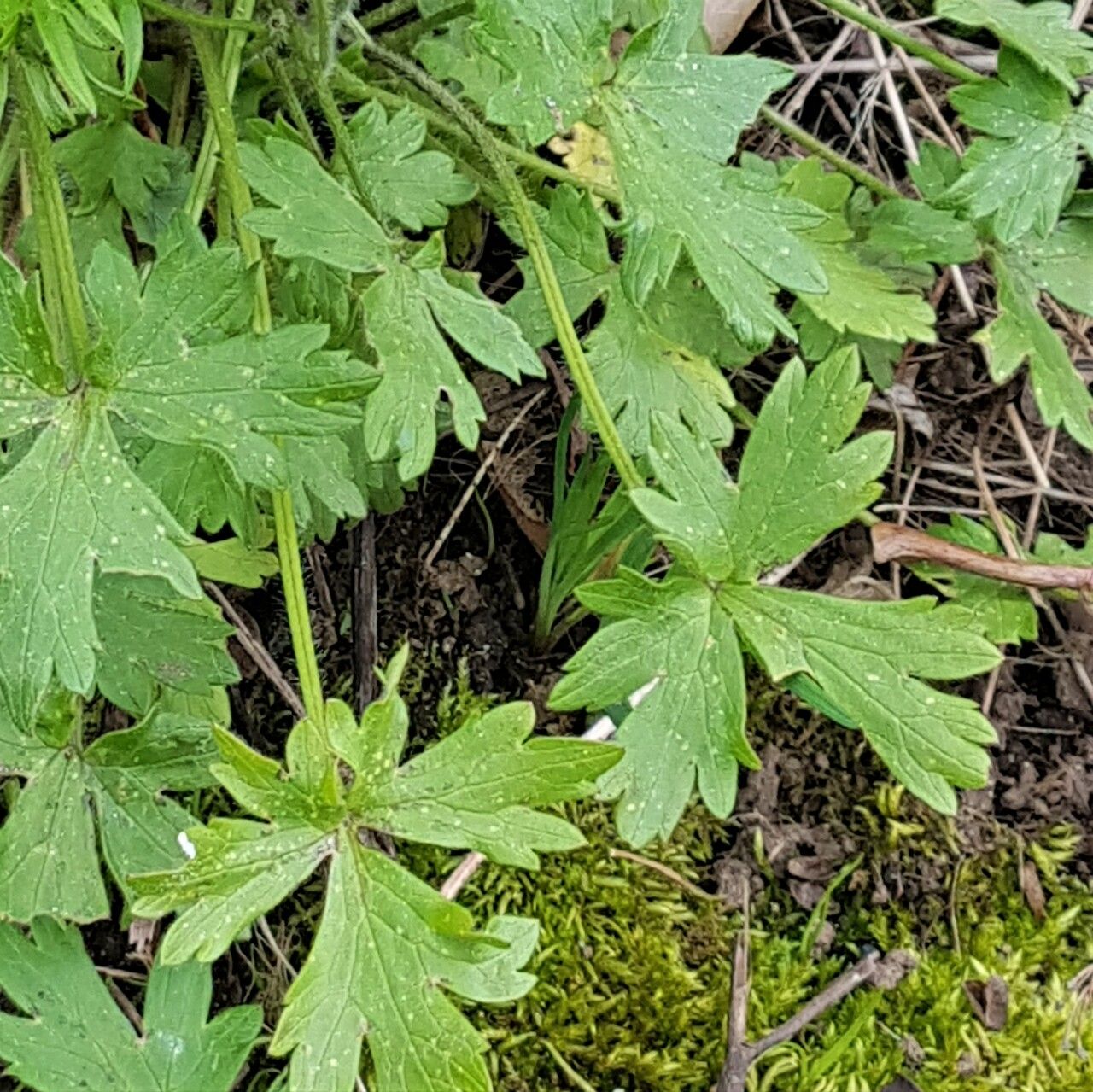
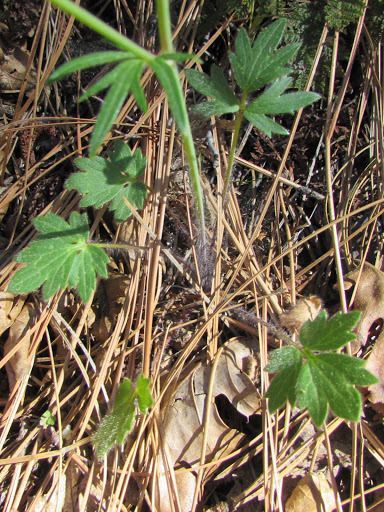
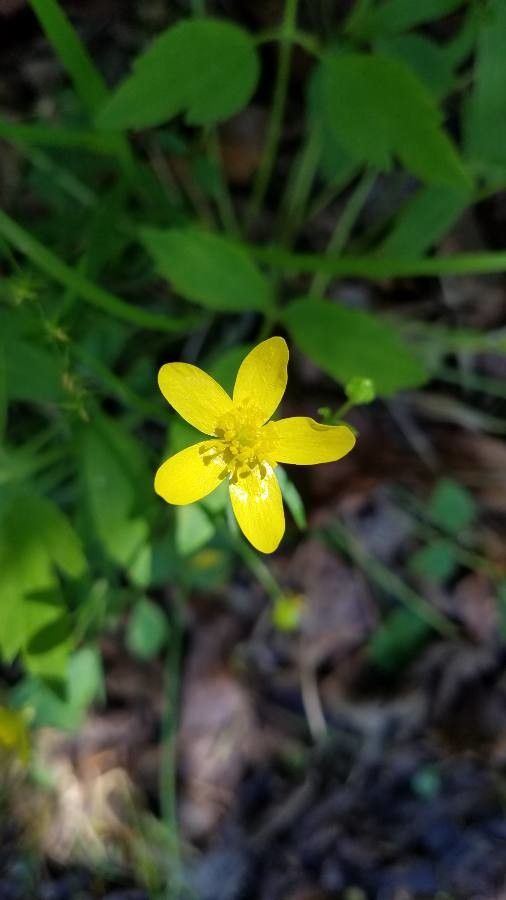
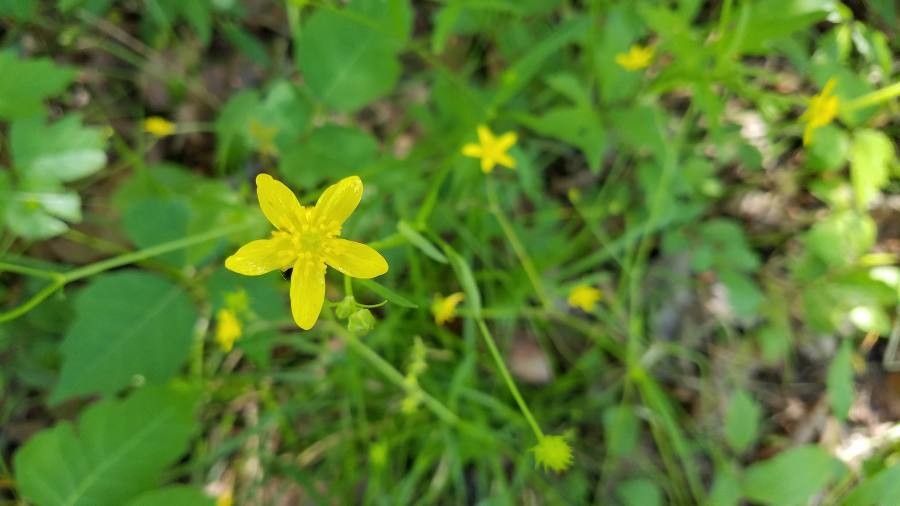
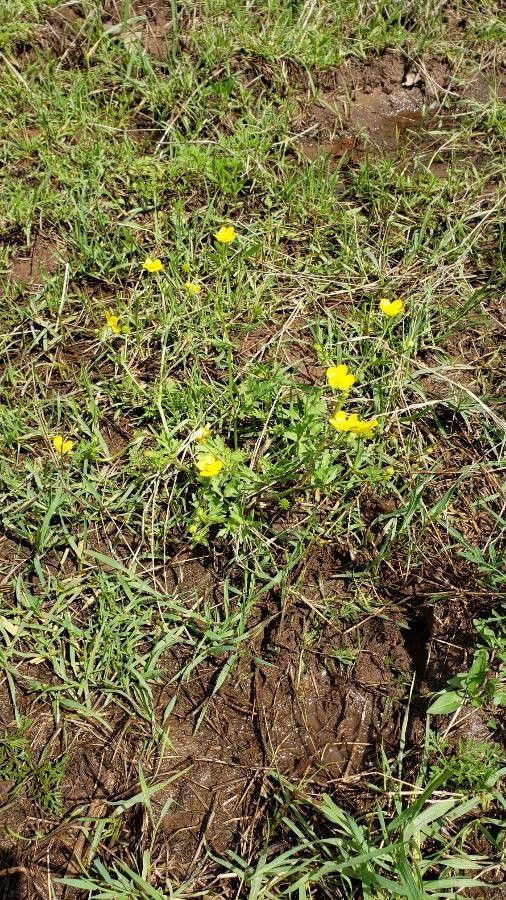
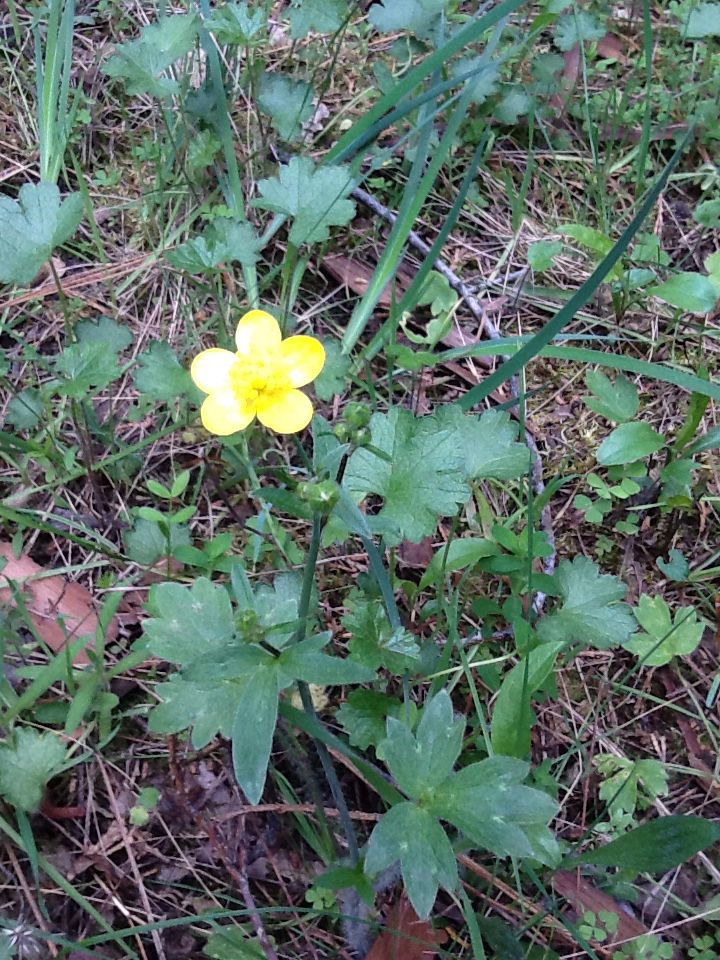
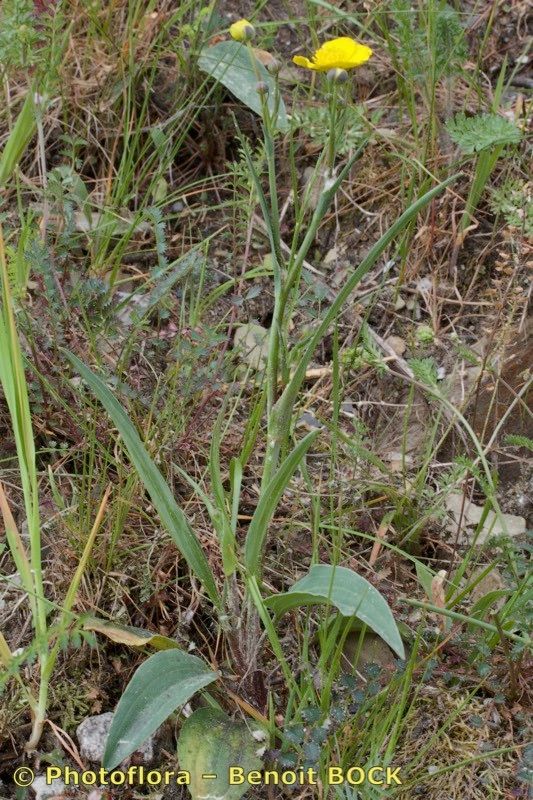
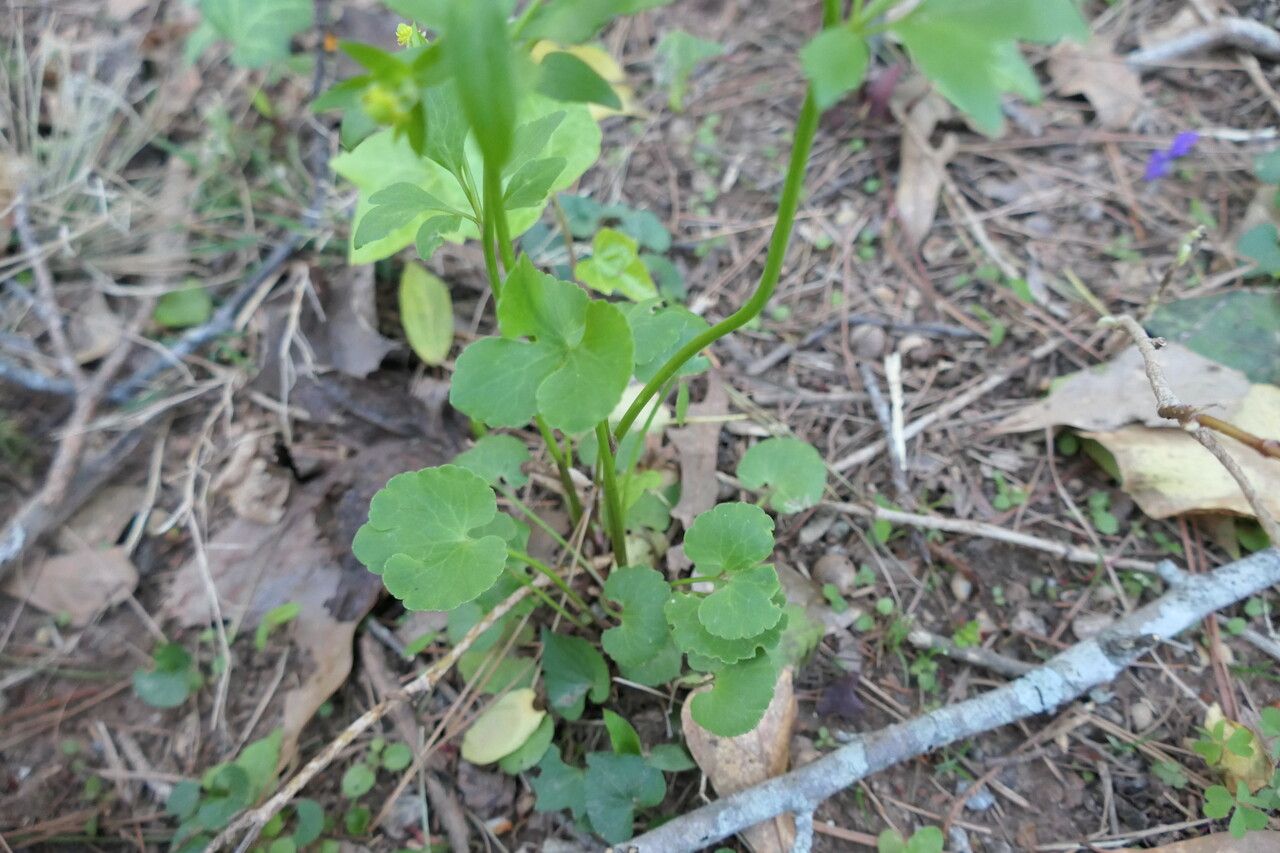
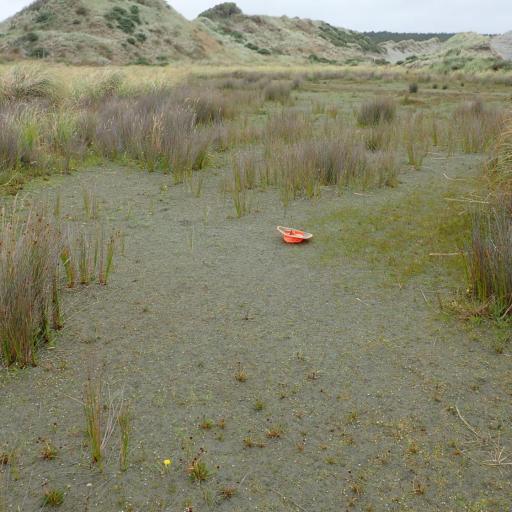
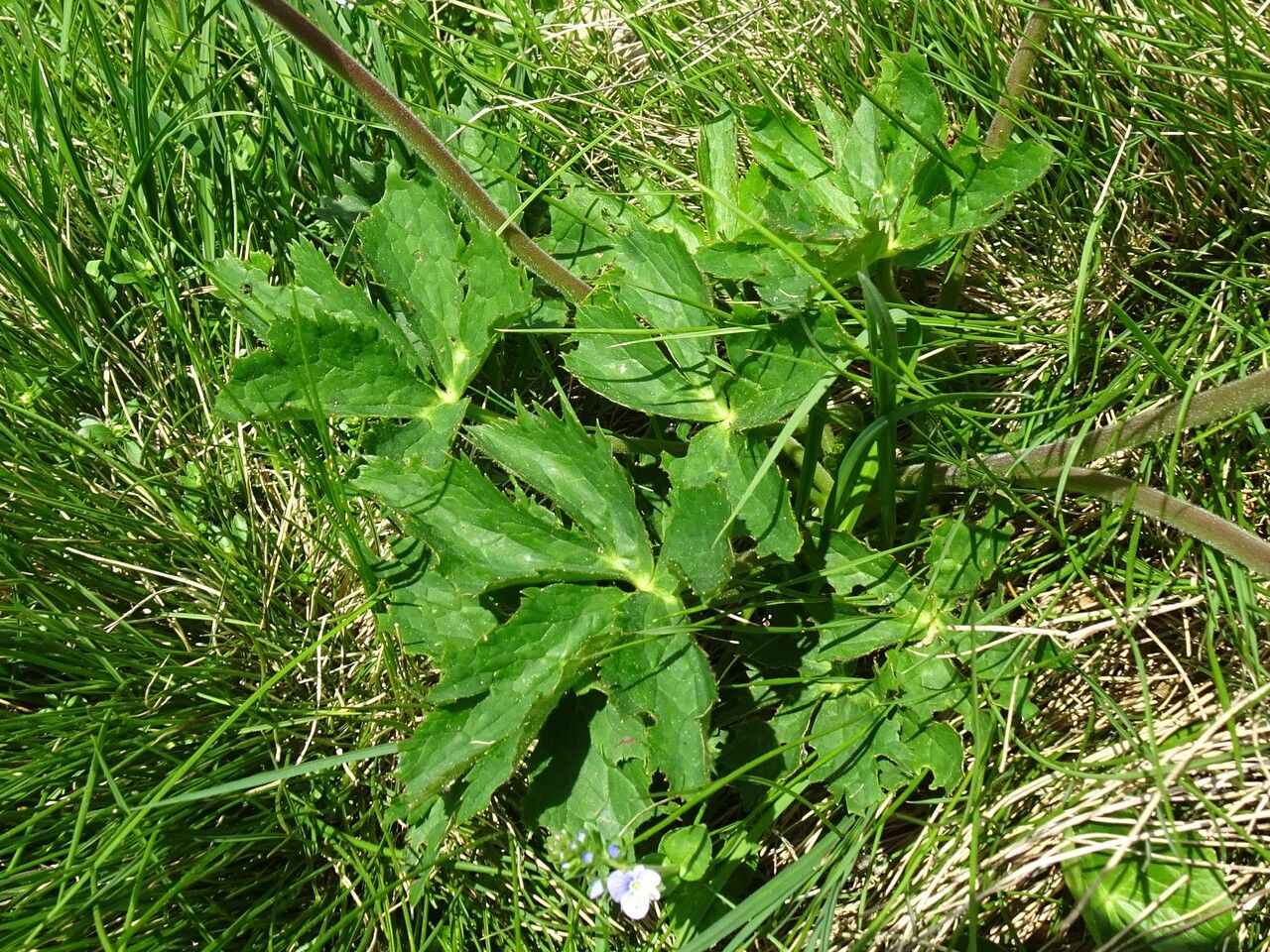
Ranunculus occidentalis, the western buttercup, is a species of buttercup found in the western regions of North America. Its distribution extends from Alaska through British Columbia and Alberta to central California. The flower can be seen in open meadows, forests, and other generally flat areas up to an elevation of 2,200 metres (7,200 ft).Aleut first nations may have used juice from the plant as a poison, its toxicity arising from the substance protoanemonin. Shasta first nations coincided blooming Ranunculus occidentalis with salmon runs in the summer. The seeds were used to make pinole, a staple food.This plant is similar to, and sometimes difficult to distinguish from, the California buttercup (Ranunculus californicus).
Western buttercup has good resistance to disease and is generally not prone to illnesses. Still, it can be affected by pests and diseases present in its environment. These problems are usually not serious. In terms of care, this plant requires a moderate level of maintenance. It should be pruned regularly to preserve a neat appearance and healthy growth. Fertilizing can also help encourage flowering. Western buttercup is suitable for anyone with outdoor space, such as a garden or patio, and does not demand extensive care experience. It may need more attention when grown indoors.
How to keep Ranunculus Occidentalis.
Light
The western buttercup does best in a setting that receives uninterrupted sunlight throughout the day. It can endure slight shade, but that will reduce its healthy growth and vitality. If light levels are too low, the plant may perform poorly or stop growing. Conversely, excessive exposure can cause visible signs of stress on the plant.
Water
The Western buttercup naturally grows in wet environments like moist meadows and along streambanks. It thrives in these settings because it needs consistent moisture to grow well. To keep the plant healthy and vibrant, it should be watered weekly. Rain during the growing season closely mimics its natural habitat, which further boosts its health and vitality.
Temperature
The Western buttercup is native to temperate regions and does well in temperatures from 41 to 89.6 °F (5 to 32 ℃). In severe seasonal conditions, it is recommended to gently modify cooling or heating to keep it within its preferred temperature range.
Fertilizer
The best time to fertilize a Western buttercup is in early spring, as it comes out of dormancy and begins active growth. Fertilizing supplies essential nutrients needed for healthy development. Although Western buttercups have relatively low fertilizer requirements, applying fertilizer annually can improve their survival and encourage stronger, longer-lasting blooms.
Pruning
The Western buttercup, known for its bright yellow flowers, benefits significantly from pruning between early and late spring. By removing dead stems, you can enhance growth, prevent diseases, and improve air circulation. Regular pruning not only boosts blooming but also enhances the plant's overall appearance. To achieve the best results, always use sharp and clean tools.
Botanical profile.
- Plant Type
- Herb
- Life Cycle
- Perennial
- Genus
- Ranunculus
- Family
- Ranunculaceae
- Hardiness Zone
- 4-7
- Mature Height
- 15 cm to 61 cm
- Mature Spread
- 15 cm to 30 cm
- Leaf Color
- Green, Dark Green
- Leaf Type
- Deciduous
- Flower Color
- Yellow
- Flower Size
- 2.54 cm to 5.08 cm
- Bloom Time
- Spring
- Planting Time
- Spring
- Harvest Time
- Late spring, Early summer, Mid summer
Other names.
Reader questions.
How should I water my Western buttercup?
To ensure the health of the Western buttercup, use filtered water that is at room temperature or slightly warmer. Tap water may contain harmful particles, so it's best to avoid it. The plant is accustomed to warmer environments, so cold water can be a shock. Instead of overhead watering, apply the filtered room temperature water directly to the soil until it is fully soaked. This will benefit the plant by moistening the roots and allowing them to spread and collect nutrients.
What are the sunlight requirements for Western Buttercup?
Western Buttercup (Ranunculus occidentalis) thrives in environments exposed to full sun, requiring over 6 hours of sunlight daily. It can tolerate partial sun, approximately 3-6 hours of sunlight, but optimal growth and health depend on ample sunlight exposure. A warning to gardeners is to observe the movement of sunlight through the garden to find spots that offer a good balance of light and shade, ensuring the plants' growth and happiness.
What is the ideal temperature range for Western buttercup?
The Western buttercup, or Ranunculus occidentalis, thrives in temperate climates and prefers temperatures between 41 to 89.6 °F (5 to 32 °C). To ensure the plant remains healthy during extreme weather conditions, it's important to adjust your cooling or heating systems to maintain this temperature range. The plant is quite cold-tolerant and doesn't require additional frost protection in winter. However, watering the plant generously before the first freeze in autumn can help keep the soil moist, ensuring the plant continues to access water throughout winter and early spring.
What should I do if I give my Western buttercup too much or too little water?
Overwatering is a common issue that can harm your Western buttercup. When this happens, the stems and leaves may wilt and turn yellow. It can also lead to diseases like root rot, mold, and mildew. Underwatering is less common for this plant, but it can still occur. In that case, the leaves may become brittle and brown. It's crucial to notice signs of overwatering early on to prevent irreversible damage. If you see these signs, reduce your watering schedule and check the soil's drainage. If it drains poorly, replace it with a well-draining potting mix. If you notice signs of underwatering, simply water more regularly until the signs go away.
How does light exposure affect Western Buttercup's growth?
The growth and vitality of Western Buttercup are significantly influenced by light exposure. Continuous exposure to the sun's rays throughout the day is ideal. However, a slightly shaded environment might be tolerated, although it can impact the plant's health and growth. Insufficient light can lead to poor performance or stunted growth, while excessive light exposure may cause stress signs in the plant. Artificial lighting is a viable solution for indoor plants lacking natural sunlight, with LED lights being a popular choice to provide the necessary wavelengths for optimal growth. The amount of artificial light needed varies from full sun to full shade requirements.
How does Western buttercup handle low and high temperatures?
Western buttercup is exceptionally cold-tolerant, capable of withstanding winter temperatures above -30°C without noticeable damage. Despite this, if temperatures drop below this threshold, it might impact the plant's ability to sprout in spring, possibly leading to decreased sprouting or none at all. In such cases, removing parts that have failed to sprout in spring is recommended. On the other hand, Western buttercup does not fare well in high temperatures. Should the temperature exceed 32°C, the plant's growth will halt, and it may become susceptible to rot. To mitigate damage from high temperatures, it's advisable to trim away sunburned and dried parts of the plant, move it to a shaded location or use a shade cloth, and water it during cooler times of the day, such as morning and evening, to keep the soil moist.
How often do I need to water my Western buttercup plant?
If your Western buttercup is in a pot, the most precise way to determine if it needs water is by checking the soil with your finger. If the top two to three inches of soil are dry, it's time to water it. If your Western buttercup is grown outdoors in the ground, you can use a similar method to test the soil. Again, if the top few inches of soil have dried out, it's time to water. Typically, during the spring and early fall, watering once a week should be sufficient. However, in extremely hot weather, you may need to water twice or more times a week. It's important to note that mature, well-established Western buttercups have a remarkable ability to endure drought.
What are the symptoms of inadequate lighting in Western Buttercup?
Inadequate lighting can lead to several symptoms in Western Buttercup, including smaller new leaves, leggy or sparse growth, faster leaf drop, slower or halted growth, and lighter-colored new leaves. Excessive sunlight can cause chlorosis, where leaves turn yellow, sunscald with pale or necrotic areas on the plant, leaf curling as a defense mechanism to minimize water loss, wilting from increased transpiration, and leaf scorching, evident from brown, dry edges on leaves. These symptoms indicate either a lack or excess of sunlight, affecting the plant's health.
How much water does my Western buttercup plant require?
When watering your Western buttercup, don't hesitate to give it a generous amount of water. Make sure the top two to three inches of soil are dry before watering, and then give it a thorough soaking. You should add enough water to saturate the soil completely, and if you see excess water draining from the pot, that's a good sign. If there's no excess water draining, you may not have watered enough, but be careful not to let the water accumulate in the soil, as that can harm the plant. If there's no water draining through the pot, it could mean the soil doesn't drain well, which is not good for the plant's health. If the plant is outside, it should receive about 1 inch of rain per week.
What solutions can help Western Buttercup thrive in less-than-ideal light conditions?
To help Western Buttercup thrive in varying light conditions, gradual adaptation to sunlight is key. For indoor plants, moving them to a south-facing window or providing at least 8 hours of artificial light daily can ensure optimal growth. Outdoors, plants should be moved incrementally to sunnier spots, avoiding sudden exposure changes to prevent sunburn. Reducing obstructions and choosing the right location can also improve sunlight access. Note that affected parts may not recover, but new growth will be healthy with improved light exposure. Transplanting smaller plants during their dormant period to a sunny spot with good drainage can also enhance growth.
How do I water my Western buttercup as it grows?
The water needs of the Western buttercup can change depending on its growth stages. For instance, during the first few years of its life or when it is newly transplanted, it requires more water than usual. During these stages, the focus of the Western buttercup is on developing new roots to support its future growth, so they require more moisture. As the plant matures, it will require less water. Additionally, during the bloom period, the Western buttercup may need more water due to the significant amount of moisture utilized for flower development.
How can I properly water my Western buttercup throughout the year?
The Western buttercup has different water needs depending on the season. In the hottest months of the year, you'll need to water this plant more frequently, perhaps even more than once a week if the soil dries out quickly. On the other hand, during winter, the plant goes into a dormant phase and requires much less water. You may not need to water it at all during this time, but if you do, make sure to do so no more than once a month. Overwatering during winter increases the risk of disease for your Western buttercup.