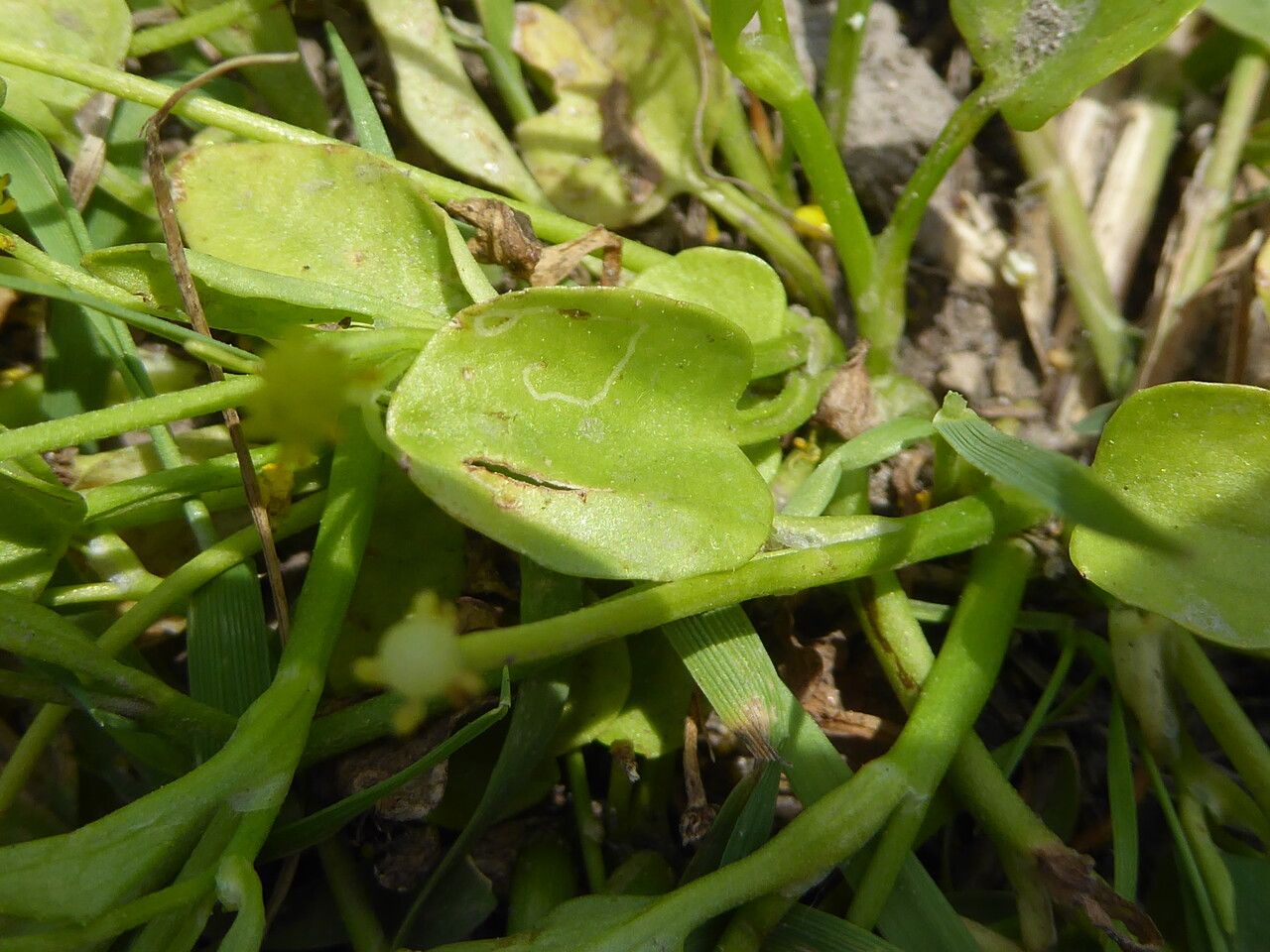
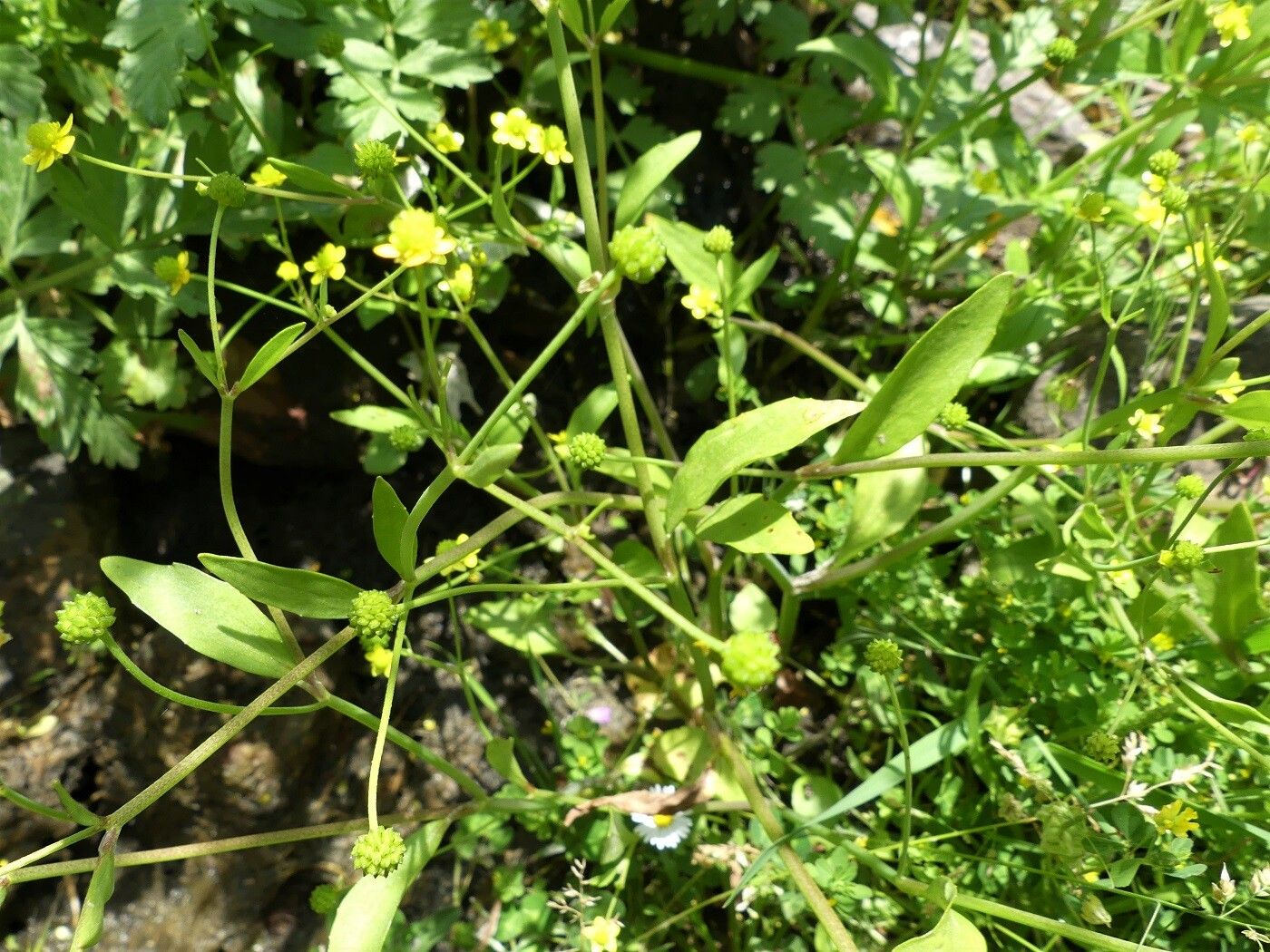
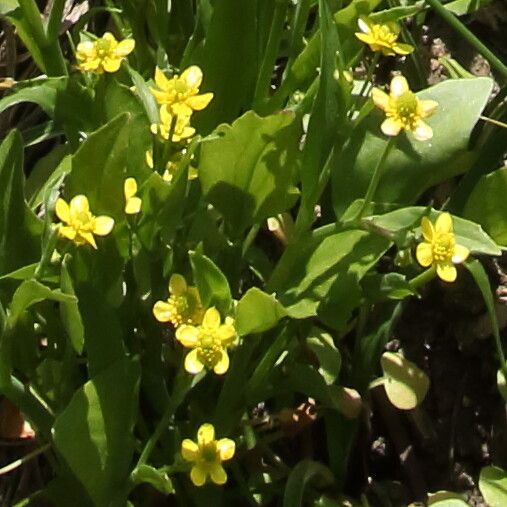
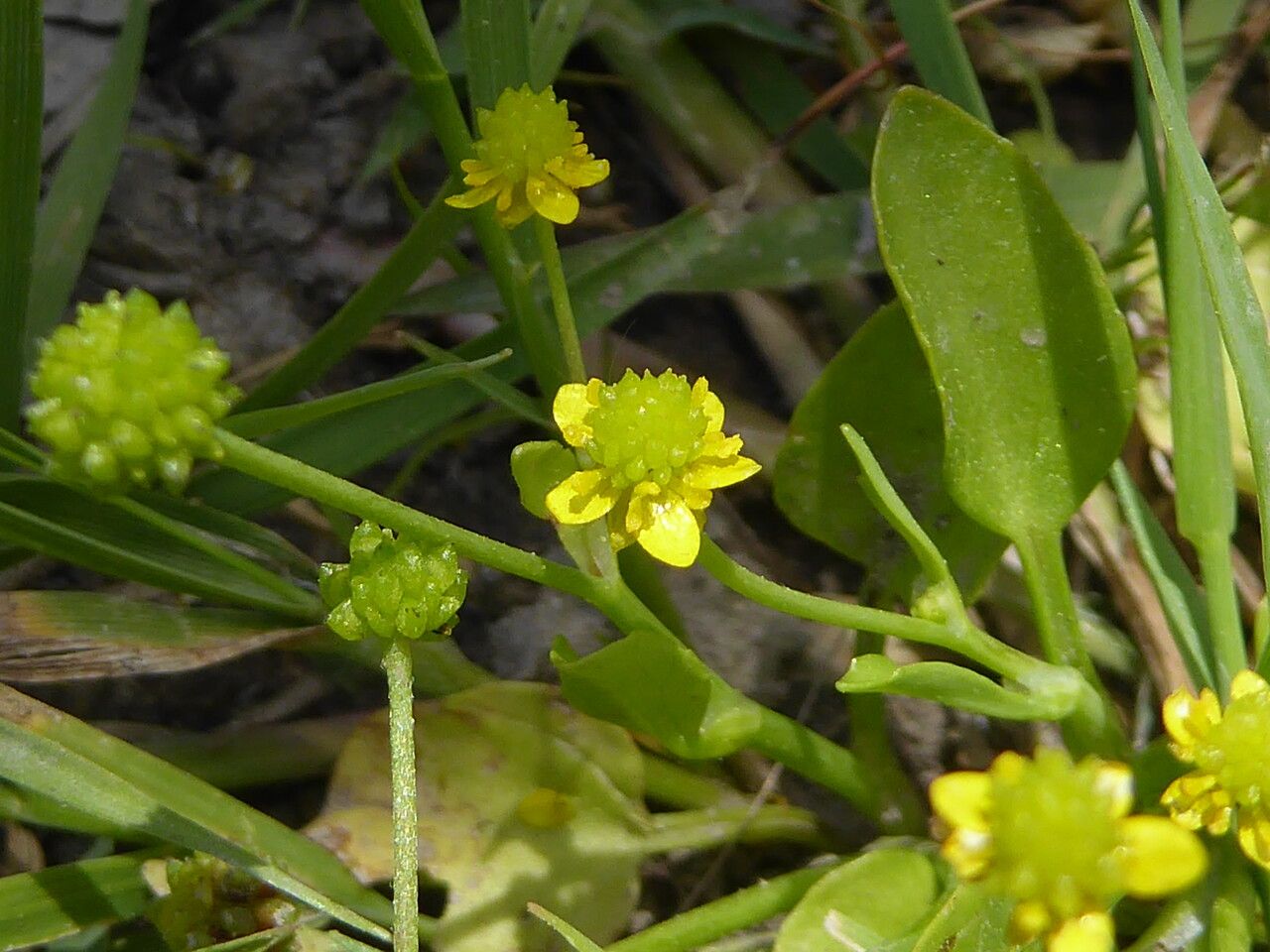
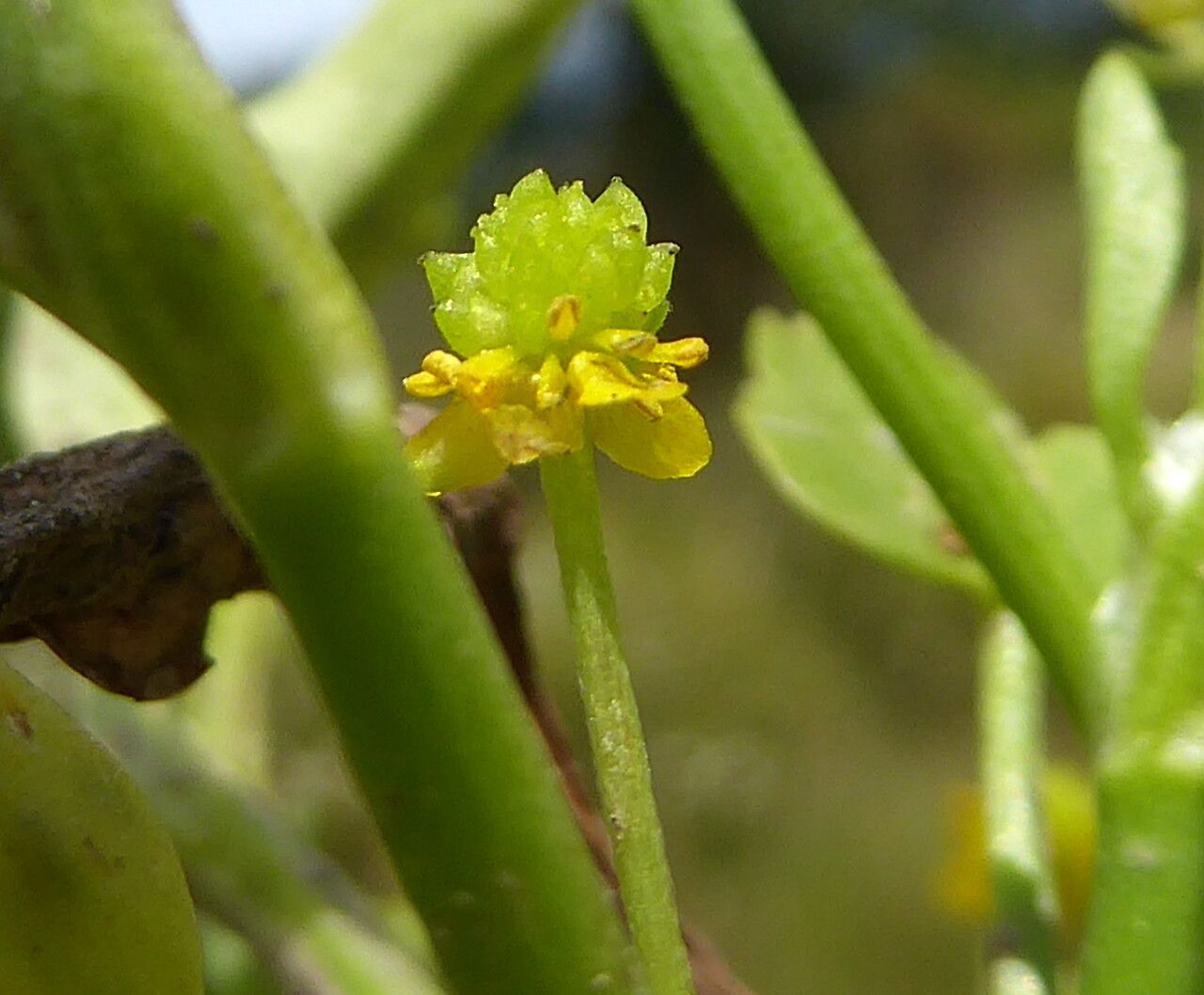
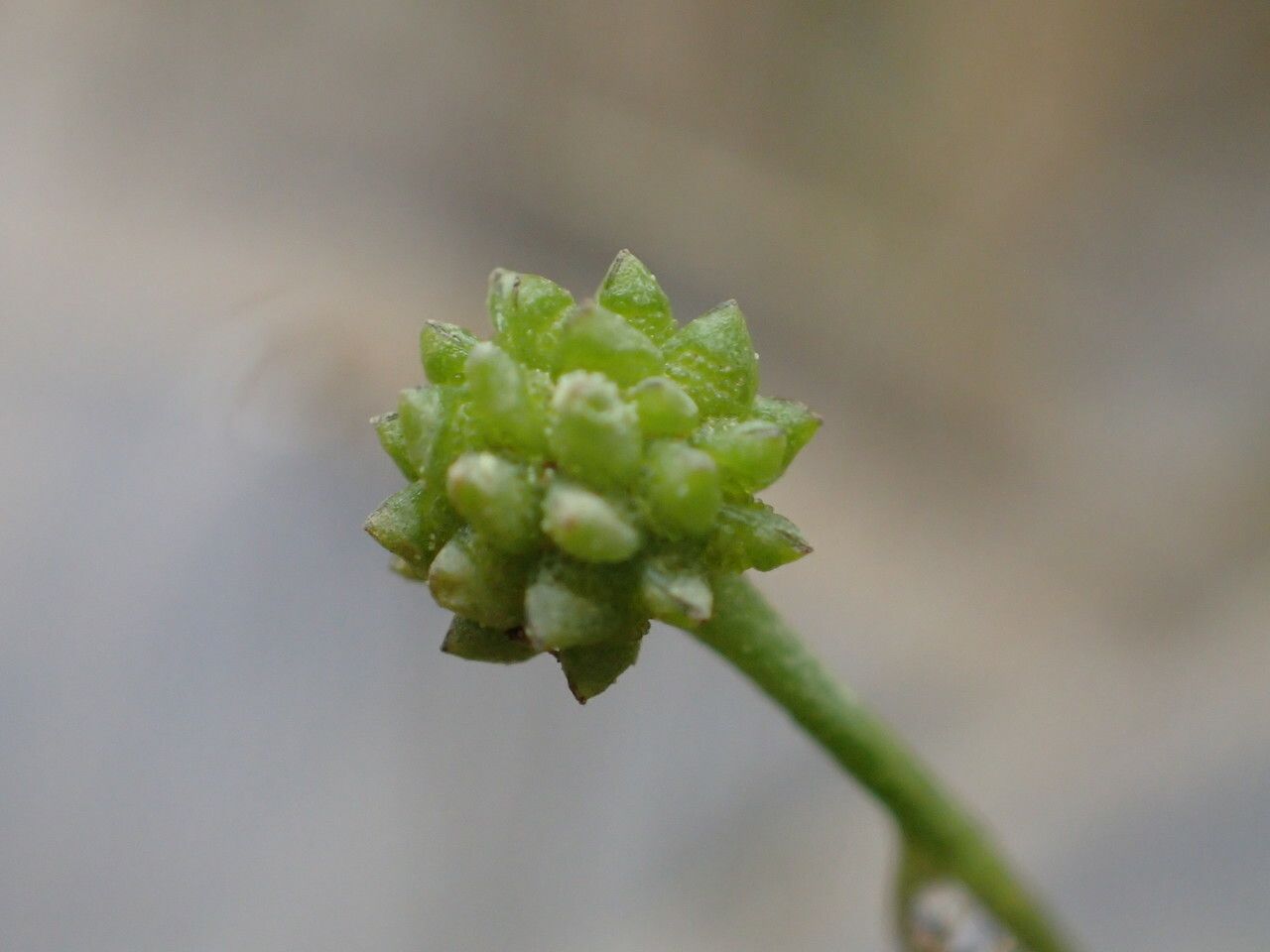
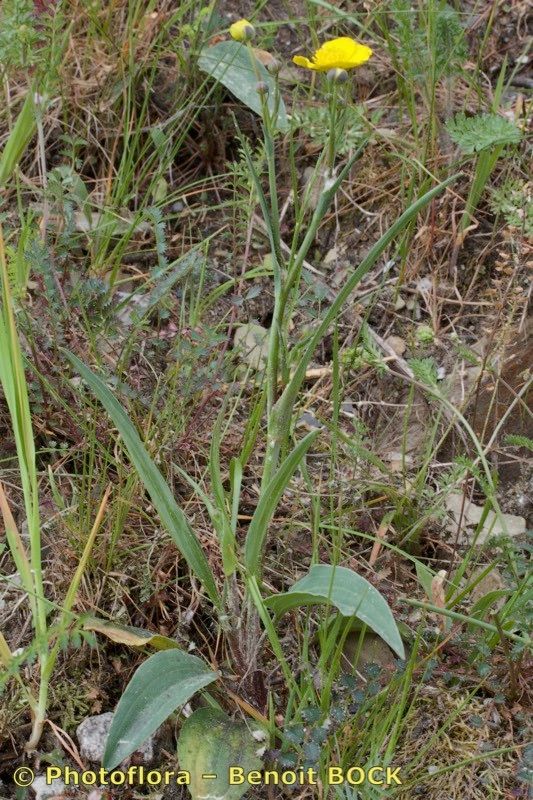
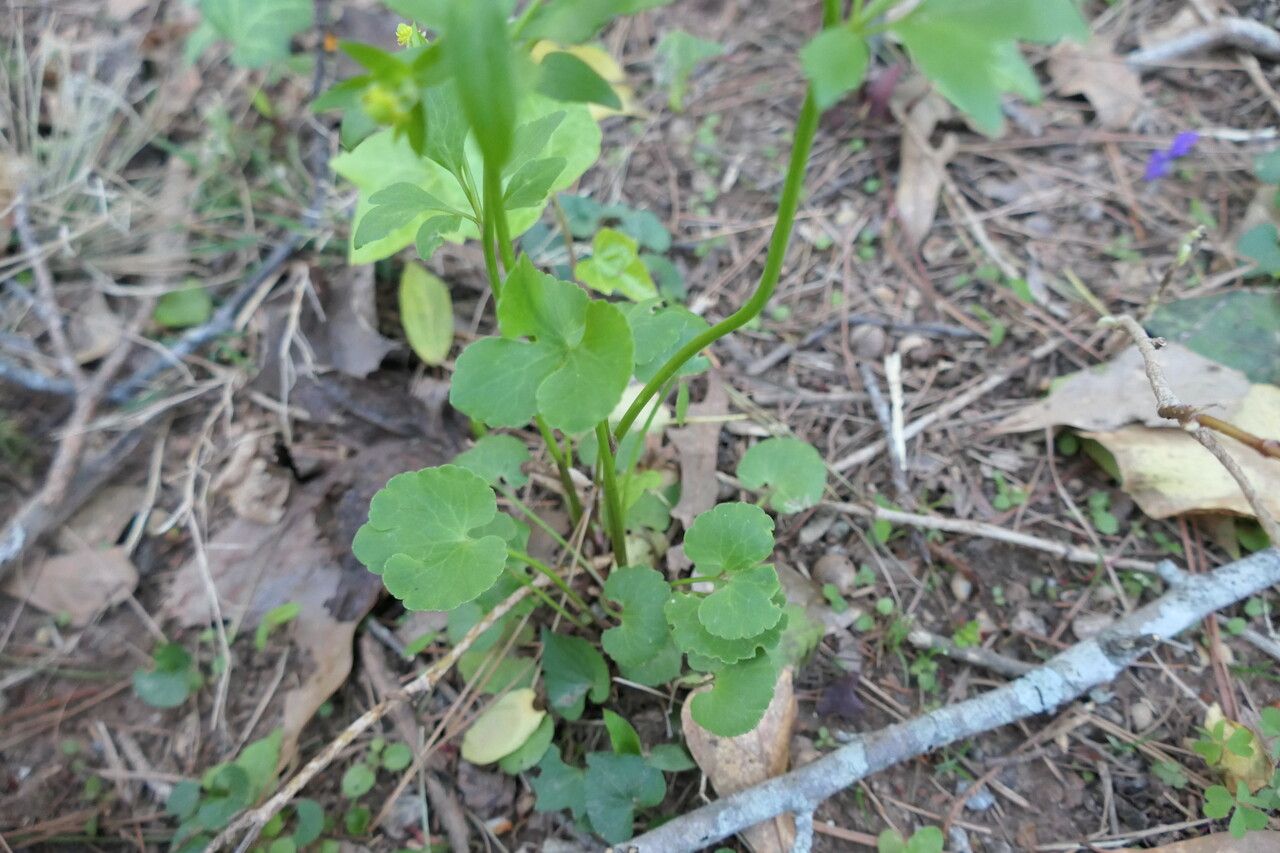
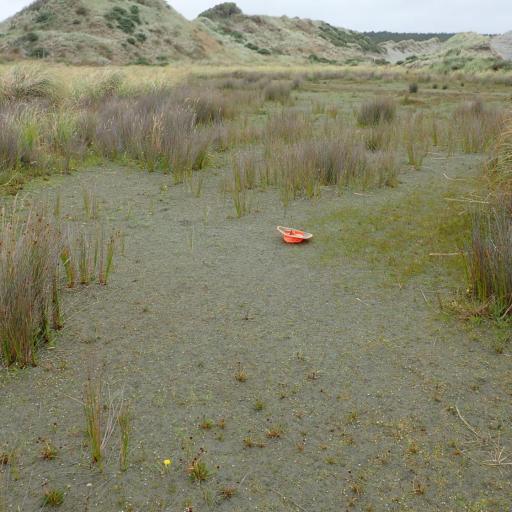
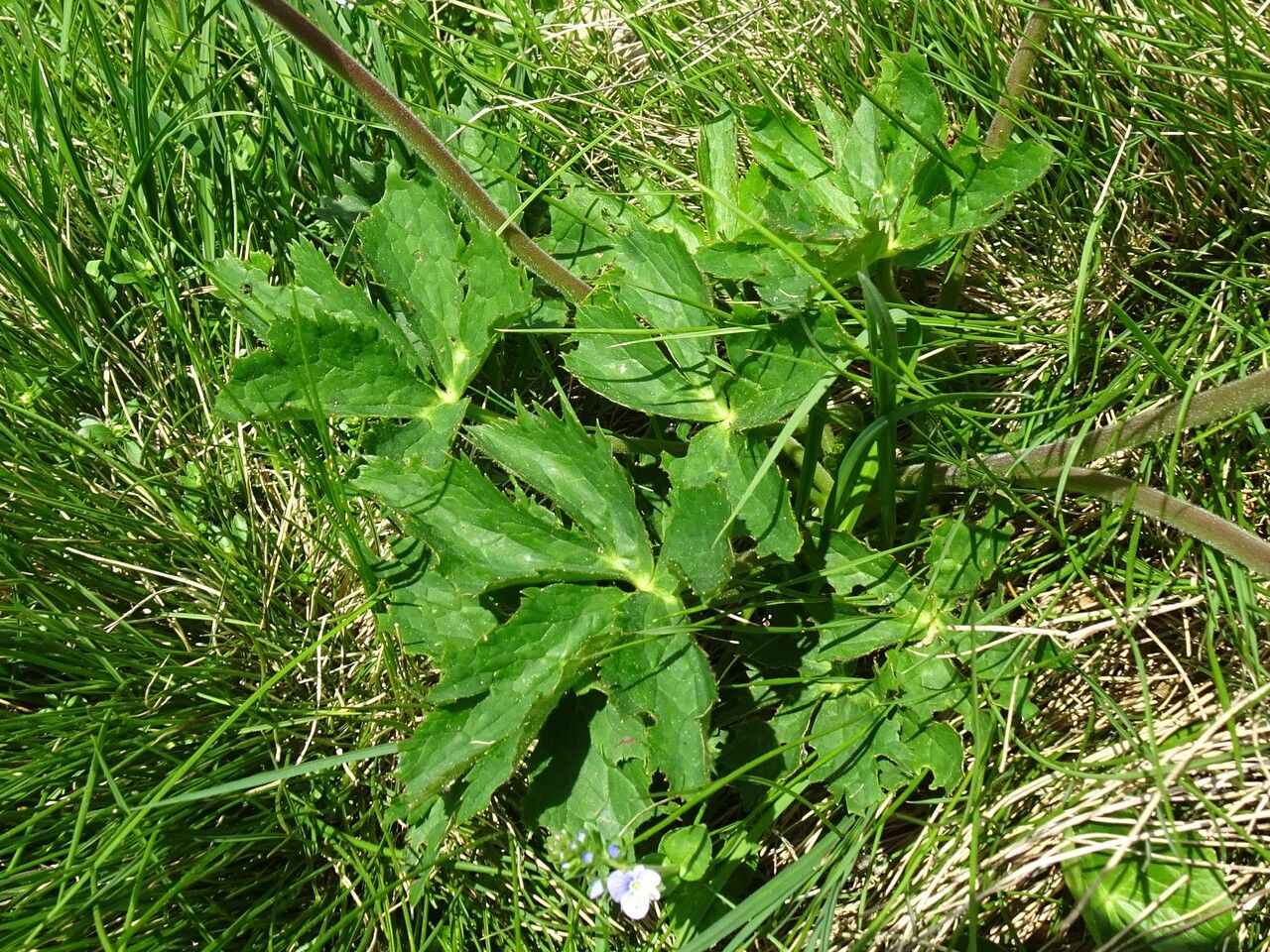
Ranunculus ophioglossifolius, known as adder's-tongue spearwort, is a herbaceous plant in the family Ranunculaceae ("buttercup family"), with small, bright yellow, buttercup-like flowers.
Adder's tongue spearwort has strong disease resistance and is generally not prone to illnesses. However, it can be affected by pests and diseases present in its environment. Such infections are typically not serious. Care-wise, this plant needs a moderate level of maintenance. It should be pruned regularly to maintain an attractive appearance and healthy growth. Applying fertilizer can also help encourage flowering. Adder's tongue spearwort is appropriate for anyone with outdoor space, such as a garden or patio, and does not require extensive care experience. It may need more attention if grown indoors.
How to keep Ranunculus Ophioglossifolius.
Light
Adder's tongue spearwort comes from bright, open habitats and grows best in full sun. It will tolerate partial sun but prefers direct sunlight for optimal growth. This plant, which can be annual or biennial, is noted for its sun-loving nature.
Water
Adder's tongue spearwort flourishes in damp soil, echoing its wetland origins. It benefits from regular watering, ideally twice a week, and has moderate resistance to drought. During the growing season, high outdoor humidity greatly enhances its vitality.
Temperature
Adder's tongue spearwort can tolerate a wide range of temperatures, but its range may still be constrained by different mixes of moisture and heat. It does best in warm summer climates with sufficient rainfall or irrigation. Extended periods of overcast, wet weather, as well as prolonged high heat, increase the chance that Adder's tongue spearwort will die. In winter, shielding it properly from cold improves the plant's chances of survival.
Fertilizer
Adder's tongue spearwort responds well to regular, light applications of fertilizer to encourage healthy leaf growth. Fertilize Adder's tongue spearwort about once a month during the summer. Nitrogen is essential for foliage, and providing nitrogen-rich sources helps Adder's tongue spearwort thrive.
Pruning
Adder's tongue spearwort requires very little pruning to flourish. In early to late spring, simply remove any dead or damaged stems to encourage growth. Be cautious of heavy pruning, as it can stress the plant. Instead, opt for light trimming, which helps maintain the plant's shape, promotes blooming, and improves air circulation, thereby reducing the risk of disease.
Botanical profile.
- Plant Type
- Herb
- Life Cycle
- Annual
- Genus
- Ranunculus
- Family
- Ranunculaceae
- Hardiness Zone
- 7-10
- Mature Height
- 20 cm to 40 cm
- Mature Spread
- 15 cm to 25 cm
- Leaf Color
- Light Green
- Leaf Type
- Deciduous
- Flower Color
- Yellow
- Flower Size
- 1.02 cm to 1.52 cm
- Bloom Time
- Mid spring, Late spring, Early summer
- Planting Time
- Spring, Autumn
- Harvest Time
- Summer
- Native Area
- Turkey, Sweden, Tunisia, Montenegro, Bulgaria, Greece, Croatia, Slovenia, Morocco, Lebanon, Russia, Serbia, Iraq, Syria, Italy, Spain, France, Iran, Albania, Azerbaijan, United Kingdom, Algeria, Portugal
Other names.
Reader questions.
What are the sunlight requirements for Adder's tongue spearwort?
Adder's tongue spearwort, also known by its botanic name Ranunculus ophioglossifolius, thrives in conditions that meet its specific sunlight requirements. For optimal growth, it requires 'Full sun' which means the plant should receive above 6 hours of sunlight daily. However, it can also tolerate 'Partial sun' conditions, where it gets about 3-6 hours of sunlight each day. It’s important to observe the movement of sunlight through your garden to find the best spots that offer a balance of light and shade, ensuring your Adder's tongue spearwort, among other plants, remains healthy and vibrant.
What is Adder's tongue spearwort?
Adder's tongue spearwort, known botanically as Ranunculus ophioglossifolius, is a plant species. Unfortunately, there is no further information provided regarding its essentials, symptoms of its presence, or any additional details.