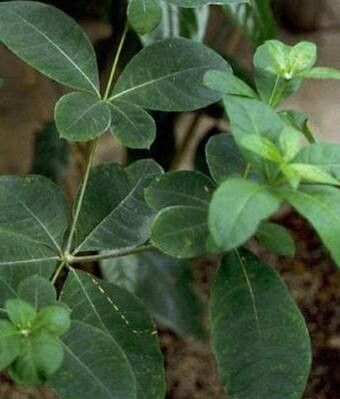
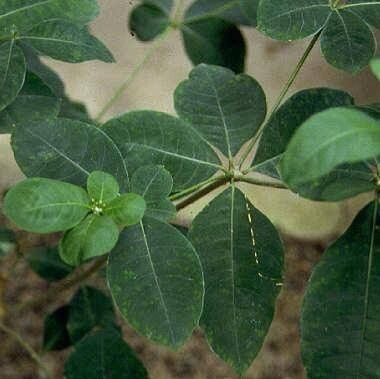
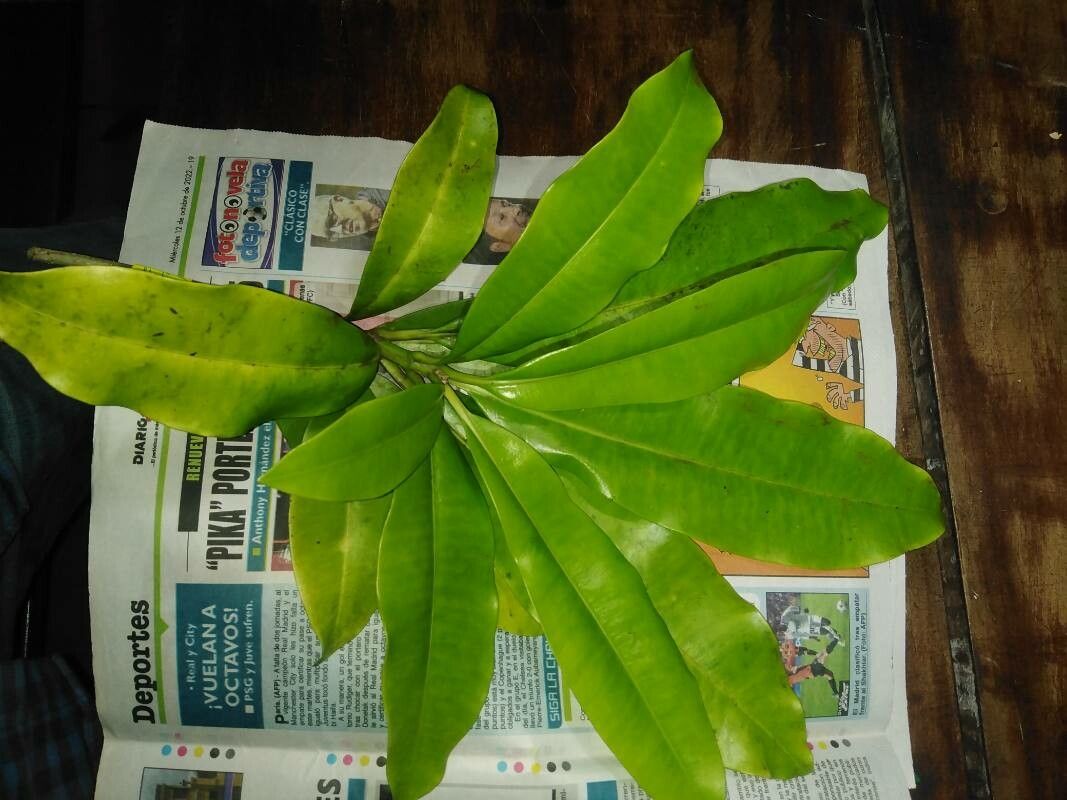
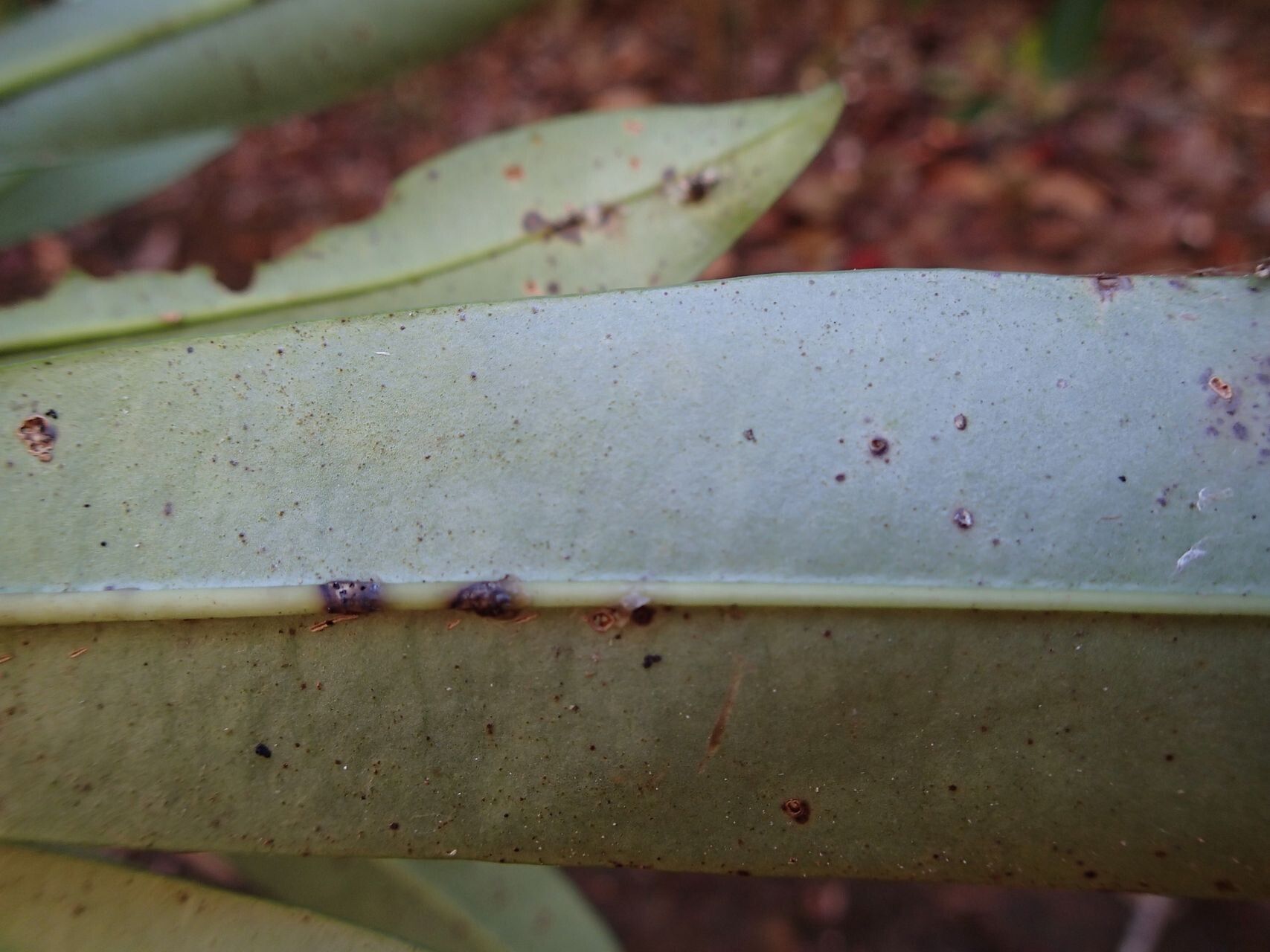
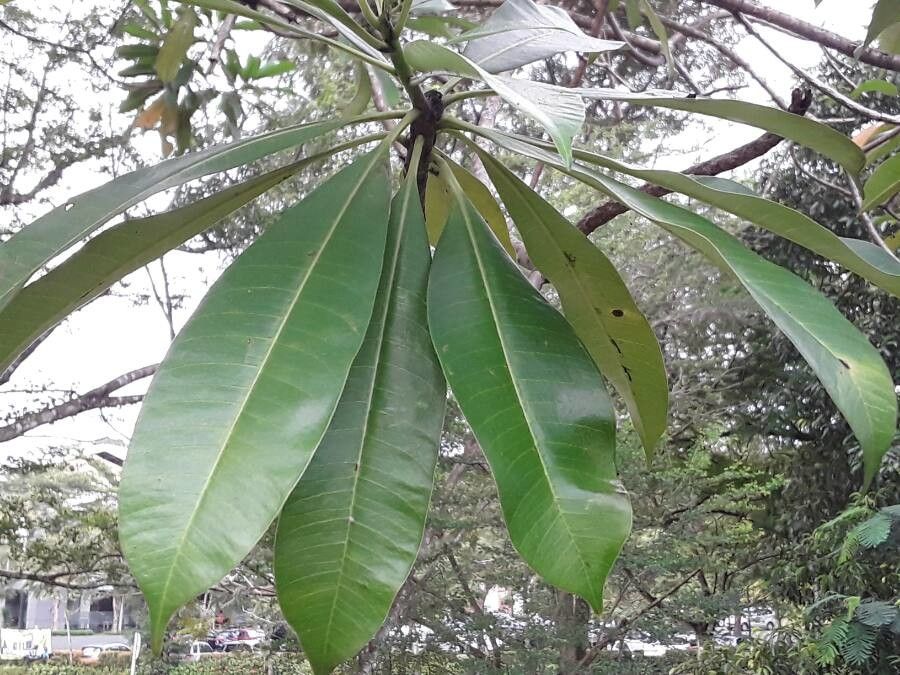
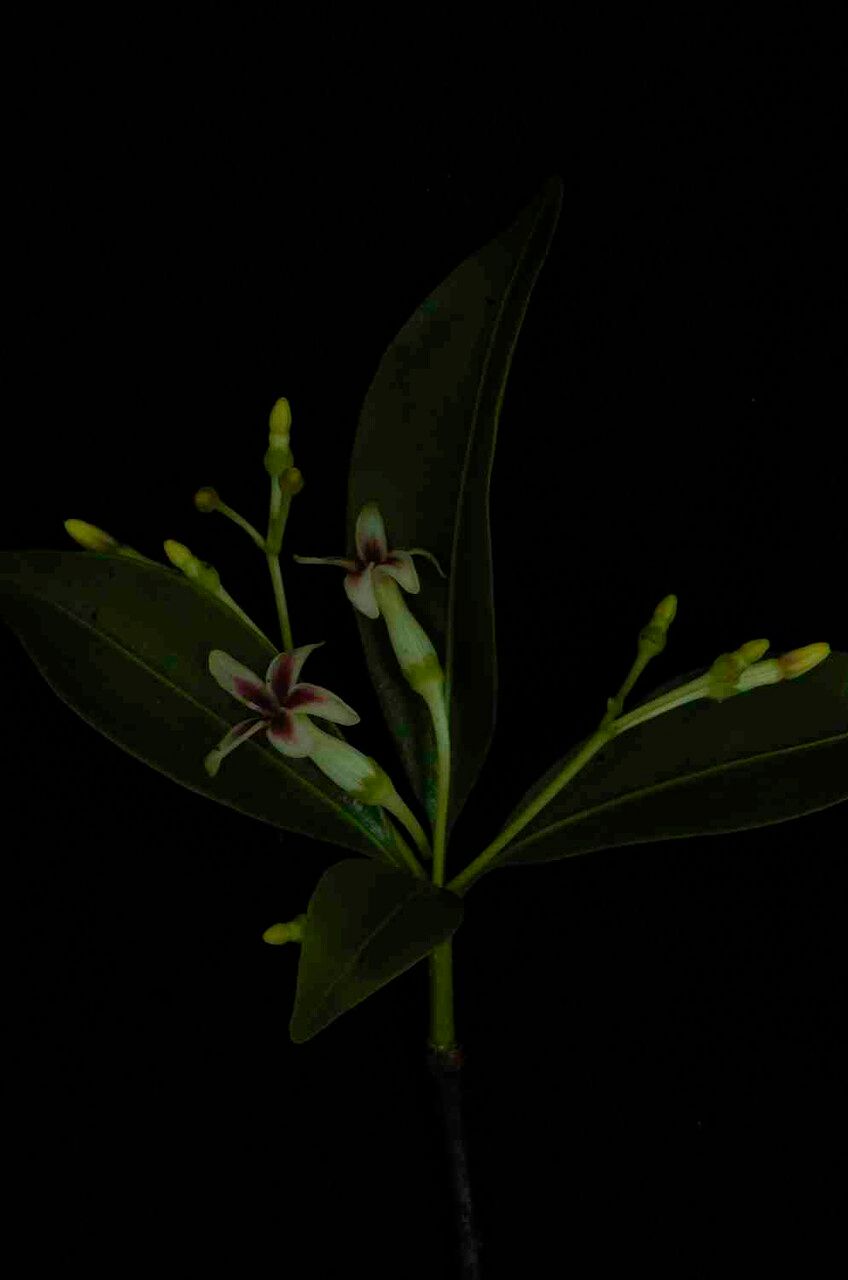
Rauvolfia verticillata, the common devil pepper, is a plant in the family Apocynaceae. The specific epithet verticillata means 'whorled' and refers to the plant's leaves.
The quinine tree has strong disease resistance and is generally not susceptible to illnesses. As for care, this plant is fairly low-maintenance. When planted outdoors it needs little watering, and larger specimens usually do not require pruning. Smaller plants, however, should be pruned after they have finished blooming. Quinine tree is appropriate for anyone with an outdoor area, such as a garden or deck, and does not demand much prior plant-care experience.
How to keep Rauvolfia Verticillata.
Light
The quinine tree is native to open areas like sunny fields and the margins of forests that offer abundant light. It flourishes under full sunlight but can also withstand partial sunlight, demonstrating a good adaptation to diverse light conditions.
Temperature
The Quinine tree is native to the tropics, with its warm and moist climate. Consequently, it is finely attuned to higher temperatures and elevated humidity levels. It isn't fond of abrupt changes in temperature and performs best in constant temperature conditions. Therefore, it's vital to prevent it from exposure to varying temperatures within the home. It typically cannot endure freezing conditions and grows best in warmer environments. Should the surrounding temperatures fall excessively, the tree may halt its growth or possibly perish.
Fertilizer
Fertilizing a Quinine tree is most effective in the early spring, when it's just coming out of dormancy. This helps to stimulate both the general growth as well as the development of flowers. By adding fertilizer, the leaves, stems, and branches are fortified, and the flowers grow larger, brighter, and last for a longer period. It also facilitates the movement of nutrients from the roots to the flowers and fortifies the plant's resilience against disease while enhancing its overall health.
Botanical profile.
- Plant Type
- Tree
- Life Cycle
- Perennial
- Genus
- Rauvolfia
- Family
- Apocynaceae
- Hardiness Zone
- 10-12
- Mature Height
- 39.93 m
- Mature Spread
- 3.05 m to 11.89 m
- Leaf Color
- Dark Green
- Leaf Type
- Evergreen
- Flower Color
- White
- Flower Size
- 0.51 cm
- Bloom Time
- Summer, Early fall, Mid fall
- Planting Time
- Spring, Summer, Autumn
- Harvest Time
- Fall, Early winter, Mid winter
- Native Area
- Malawi, Angola, South Africa, Zambia, Sudan, Nigeria, Congo, Guinea, Gabon, Kenya, Uganda, Tanzania, Zimbabwe, Benin, Chad, Equatorial Guinea, Cameroon, Mozambique, Togo, Eswatini, Congo (DRC), Central African Republic