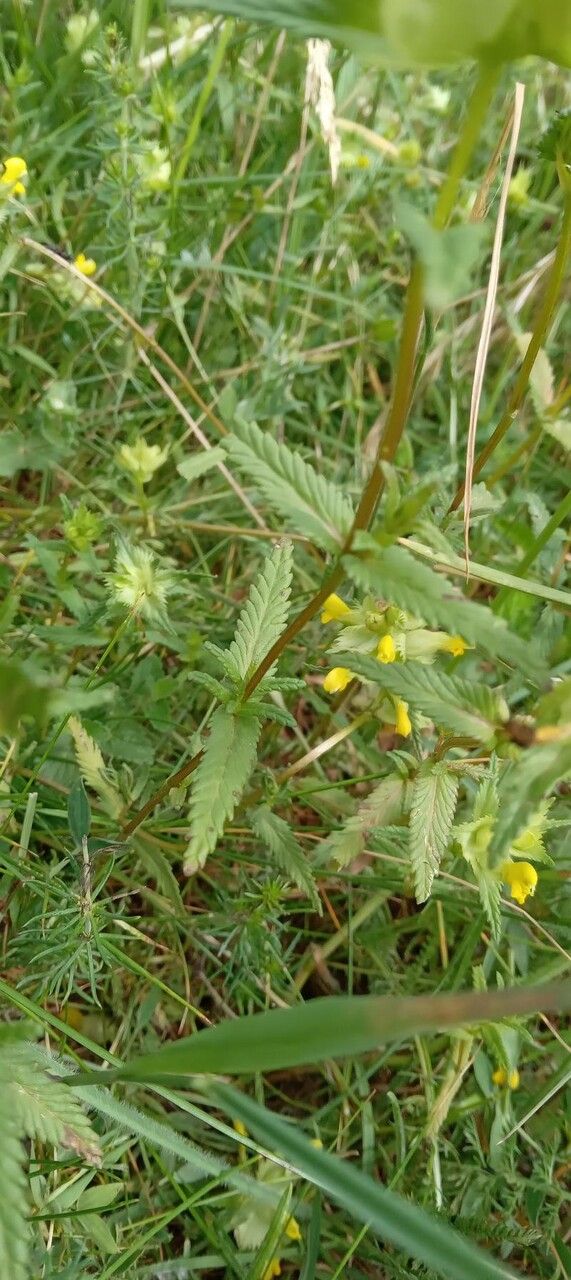
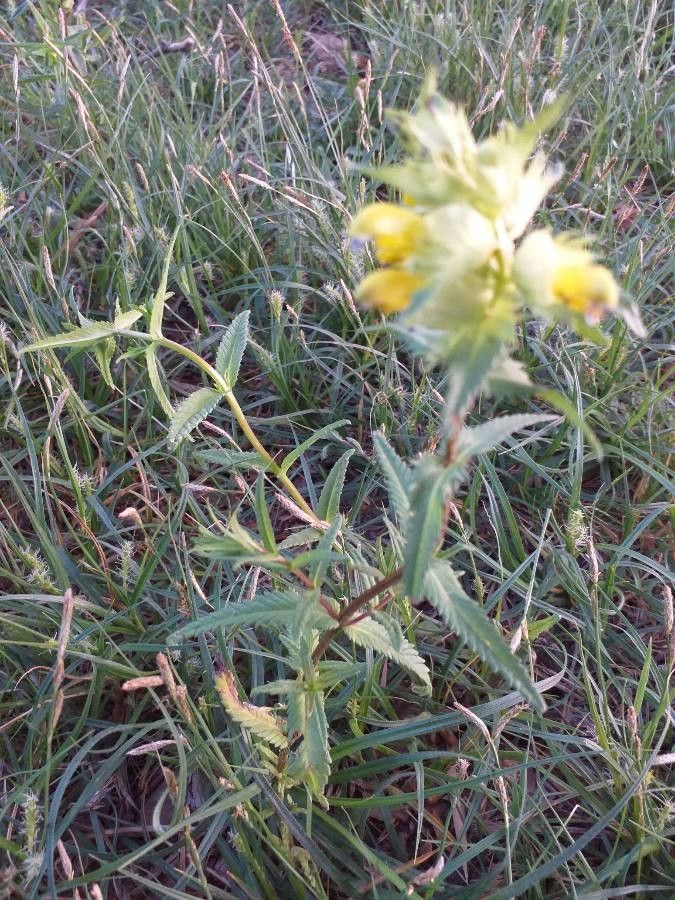
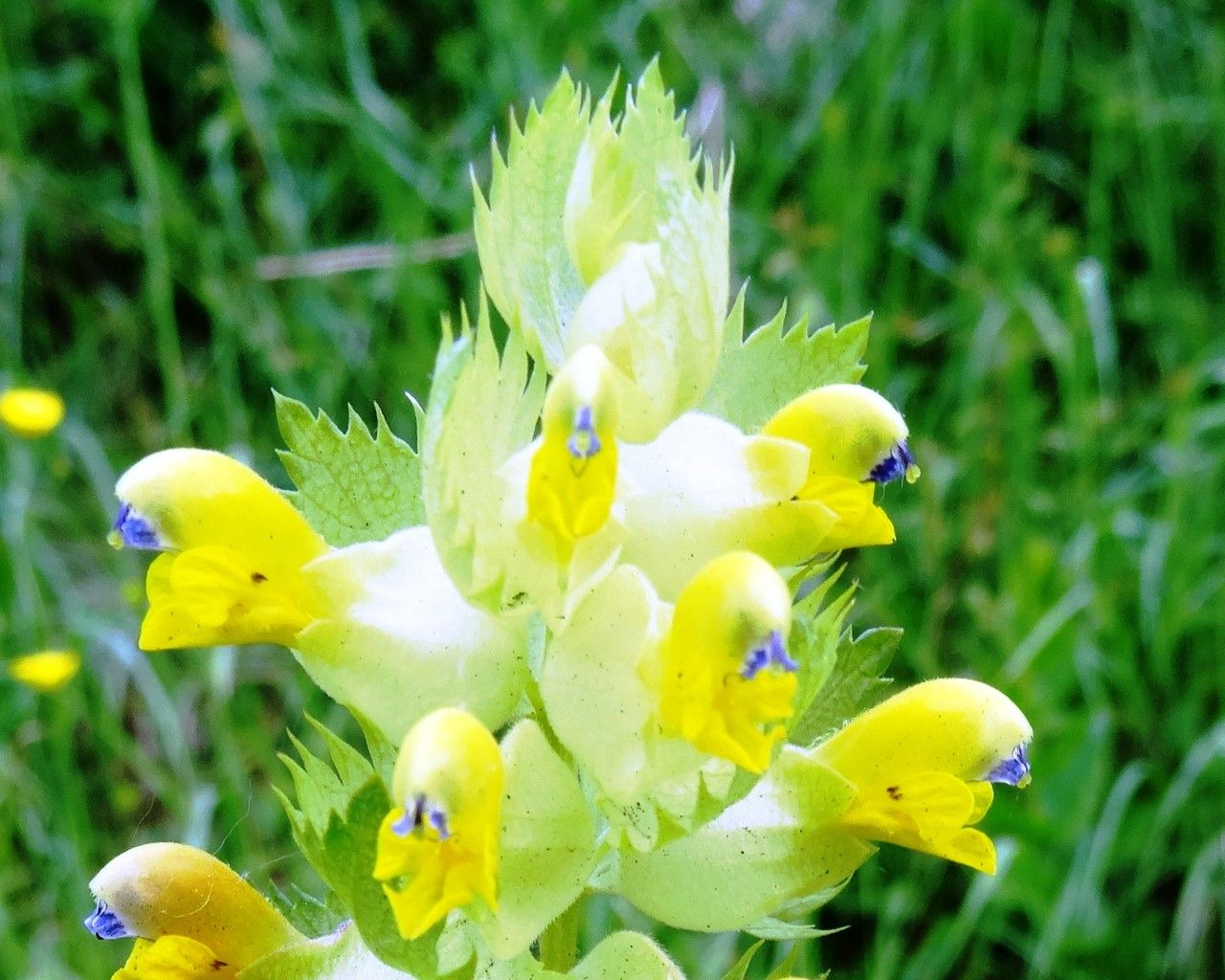
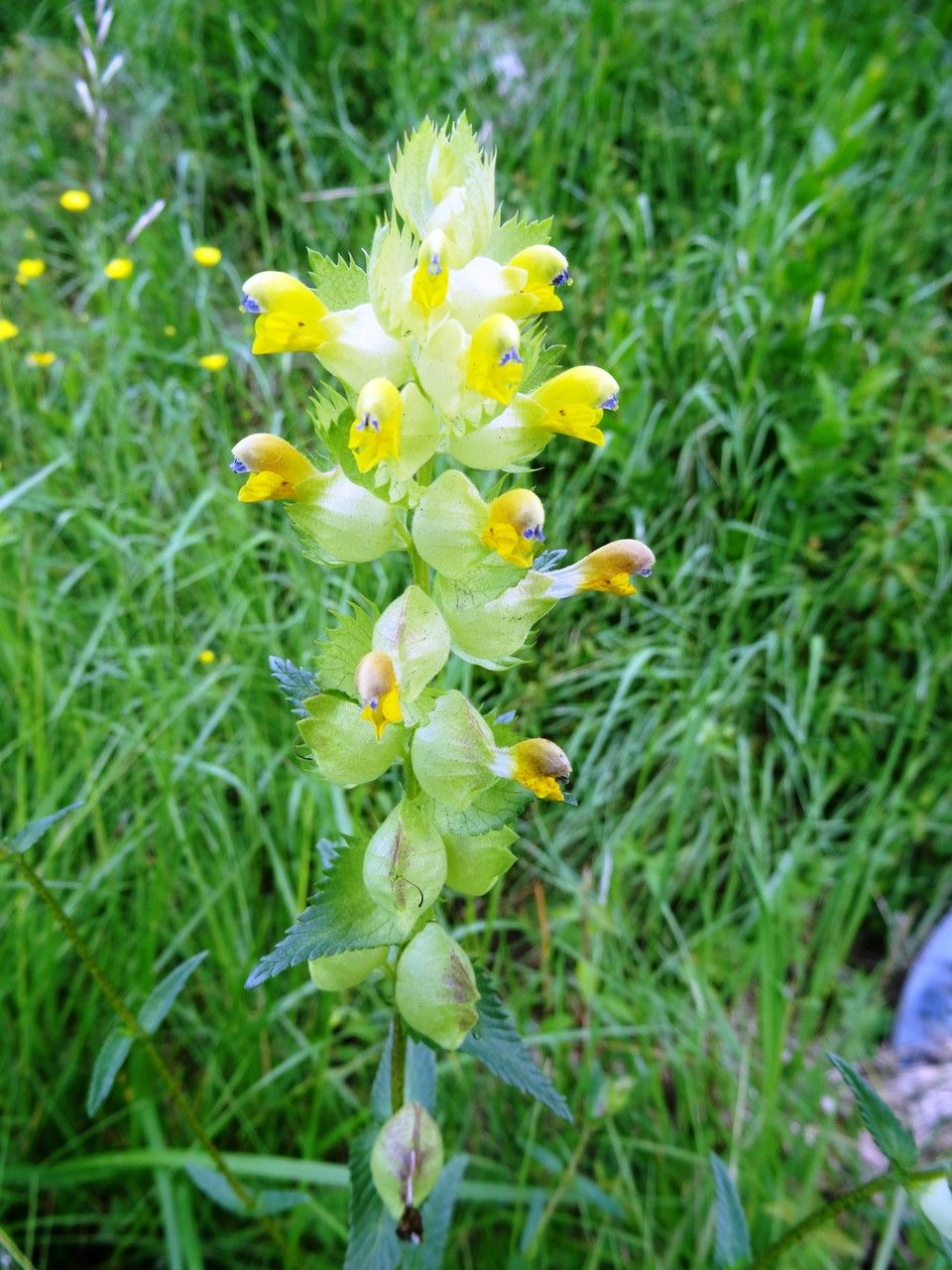
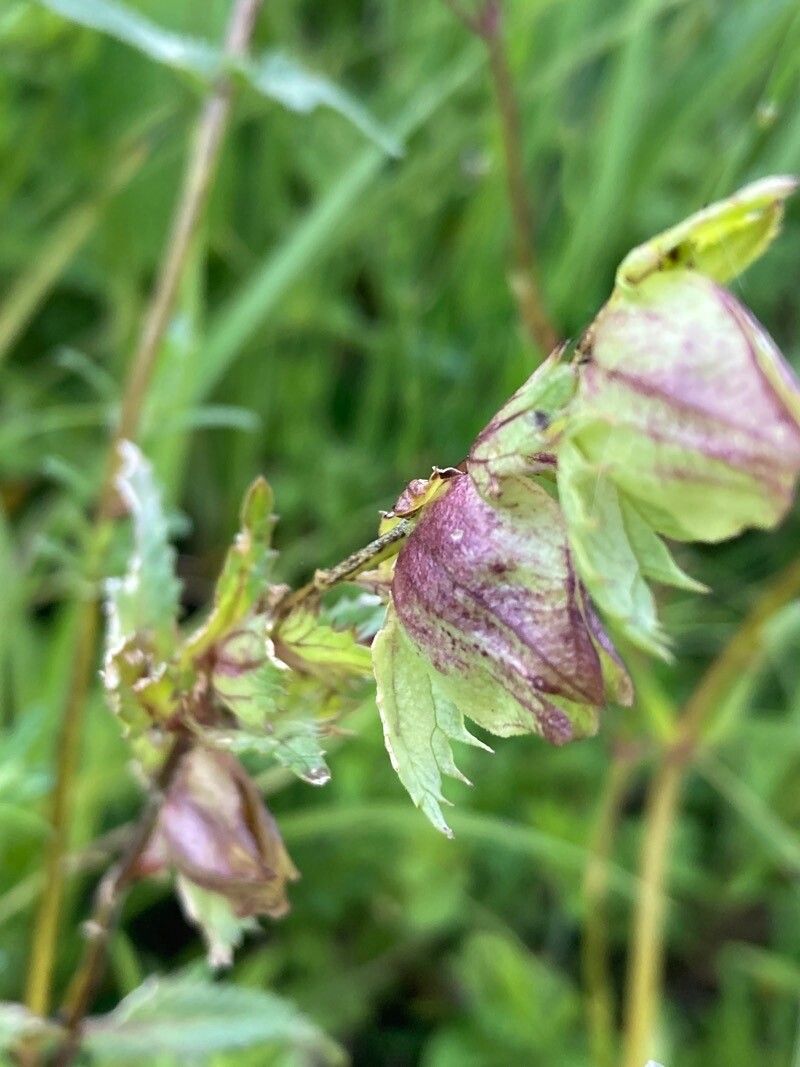
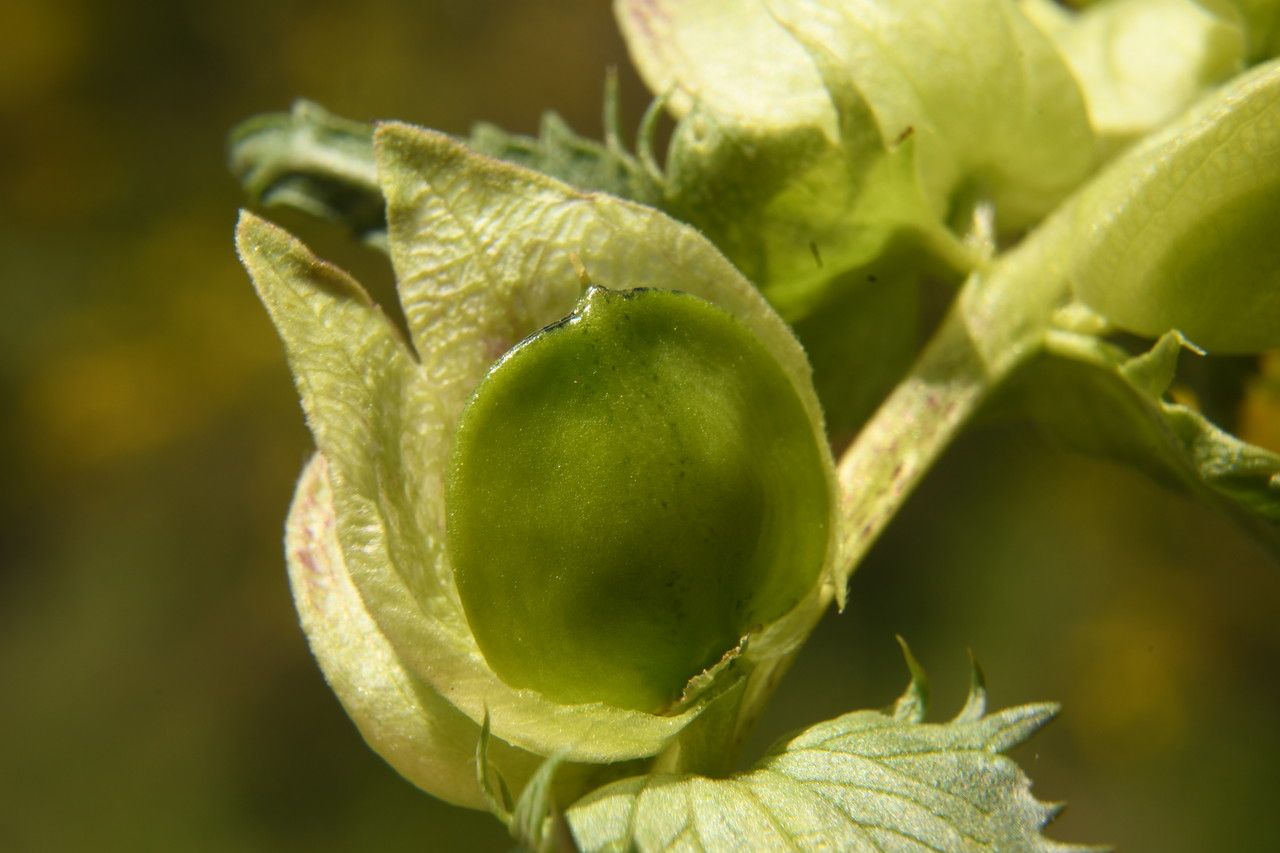
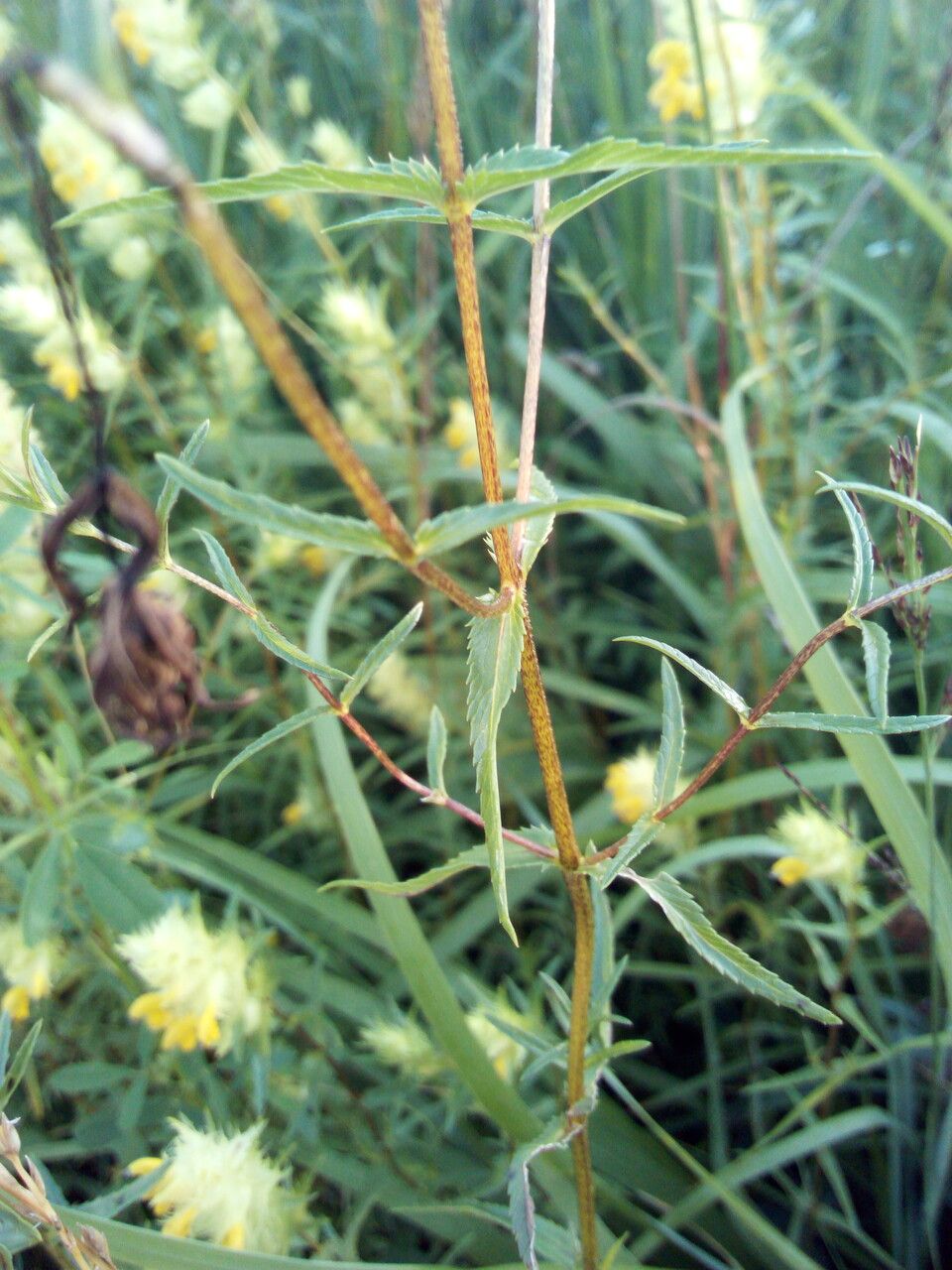
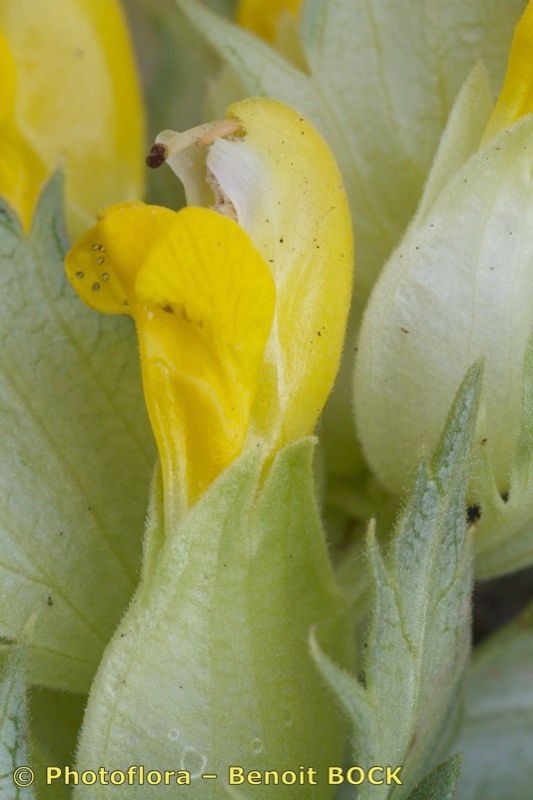
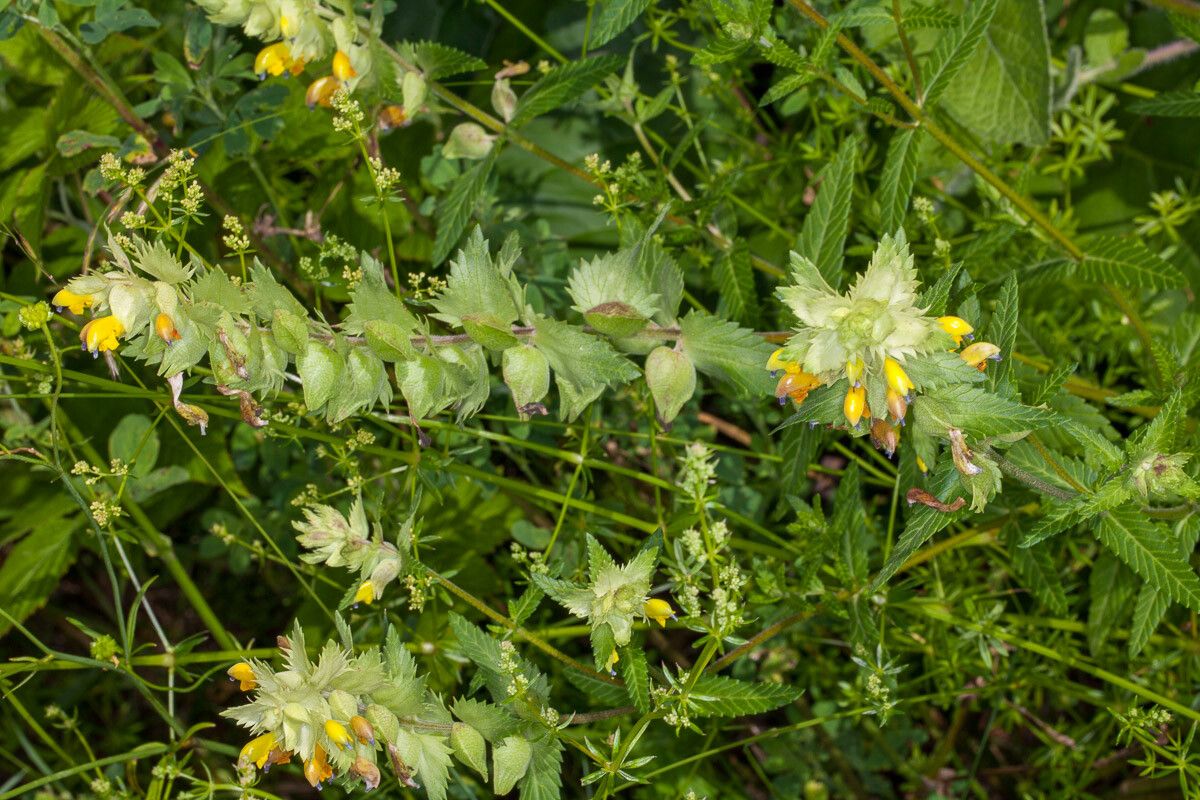
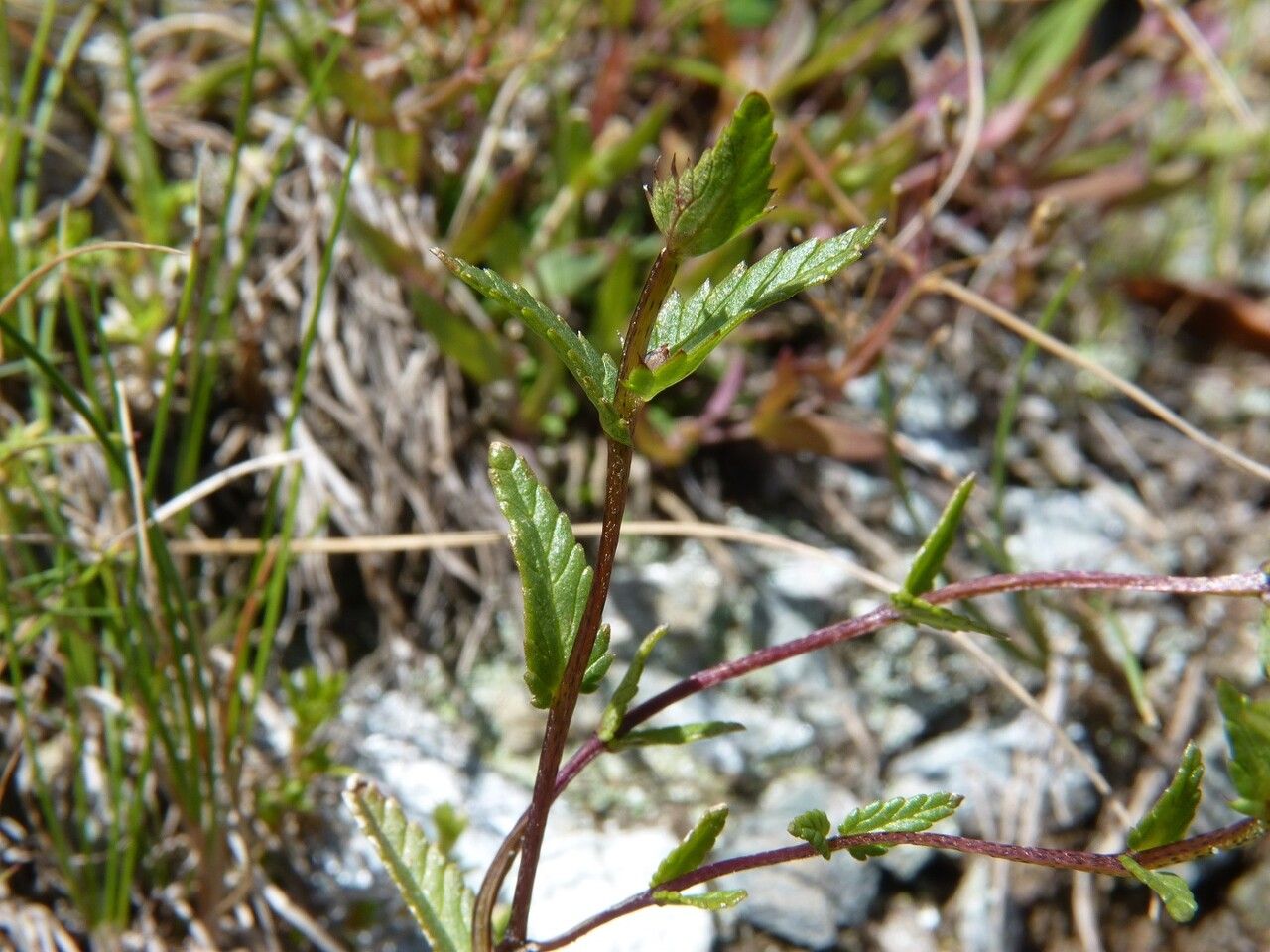
Rhinanthus angustifolius, the narrow-leaved rattle or greater yellow-rattle, is a plant species of the genus Rhinanthus. It is an annual wildflower native to temperate grasslands in much of Europe, and north and central Western Asia. The yellow flowers are mostly visited by bumblebees.
Greater yellow rattle has strong resistance to disease and is generally not vulnerable to illnesses. Still, it can be affected by pests and diseases found in its environment, though such infections are typically mild. Carewise, the plant demands a moderate level of upkeep. It should be pruned on a regular basis to preserve its appearance and promote healthy growth, and applying fertilizer can encourage blooming. This plant is well suited for anyone with outdoor areas like a garden or patio and does not need extensive gardening experience. If cultivated indoors, it may need additional attention.
How to keep Rhinanthus Angustifolius.
Light
Greater yellow rattle does best in locations with plentiful sunlight, which supports healthier growth. It can also tolerate spots with a slightly reduced amount of light. Both excessive and inadequate light can impair its development. Its native habitat is sunlit environments.
Water
The greater yellow rattle thrives in grassland environments with moderate moisture. It prefers consistent soil moisture, avoiding waterlogged conditions, and benefits from weekly watering. As an herbaceous plant, its growth cycle is closely linked to water availability, flourishing when irrigation mimics natural rain patterns.
Temperature
Greater yellow rattle can tolerate a wide range of temperatures, but its distribution may still be restricted by various combinations of water and heat conditions. It does best in warm summer climates with sufficient rainfall or watering. Long stretches of cloudy, rainy weather, as well as extended high temperatures, can raise the risk of Greater yellow rattle dying. In winter, providing protection from cold can increase the plant's chances of survival.
Fertilizer
After the majority of Greater yellow rattle's blooms have opened to full size, resume fertilizing. When the blooms are at peak production, apply fertilizer every three to four weeks, weather permitting. Then, once Greater yellow rattle begins to produce fewer new blooms, stop fertilizing; there is no need to feed the plant when it can no longer produce additional blooms.
Pruning
Greater yellow rattle is a plant that produces golden-yellow flowers and requires minimal pruning. The best time to prune is from early to late spring. During this time, focus on removing any dead or diseased stems. This helps promote healthy growth, reduces competition for resources, and supports pollinators. Additionally, managing invasive species is important.
Botanical profile.
- Plant Type
- Herb
- Life Cycle
- Annual, Perennial
- Genus
- Rhinanthus
- Family
- Orobanchaceae
- Hardiness Zone
- 5-9
- Mature Height
- 30 cm to 49 cm
- Mature Spread
- 10 cm to 30 cm
- Leaf Color
- Green
- Leaf Type
- Deciduous
- Flower Color
- Yellow
- Flower Size
- 1.52 cm to 2.03 cm
- Bloom Time
- Summer
- Planting Time
- Spring
- Harvest Time
- Late summer, Early fall, Mid fall
Other names.
Reader questions.
What are the sunlight requirements for Greater Yellow Rattle?
Greater Yellow Rattle, known botanically as Rhinanthus angustifolius, thrives best in areas with abundant exposure to sunlight. It requires full sun, characterized by over 6 hours of sunlight daily, to foster healthy growth. However, it can also adapt to partial sun conditions, which means about 3-6 hours of sunlight daily. The plant's natural habitat is in environments that are well-exposed to the sun, although it can withstand slightly reduced amounts of sunlight. It's beneficial to observe how sunlight moves through your garden to select spots that provide an ideal balance of light and shade, ensuring the plants' wellbeing.
How does artificial lighting support indoor Greater Yellow Rattle growth?
Indoor Greater Yellow Rattle plants require adequate lighting to achieve optimal growth. When natural sunlight is insufficient, especially in winter or less sunny spaces, artificial lighting becomes a crucial solution. It supports faster, healthier growth by mimicking natural sunlight. LED lights are recommended for indoor plant lighting due to their ability to provide specific wavelengths needed by the plants. Full sun plants need about 30-50W per square foot of artificial light, while partial sun plants require 20-30W per square foot. The artificial light source should be placed 12-36 inches above the plant, simulating the natural sunlight's distance, with the duration matching the natural daylight hours, typically 8-12 hours per day.
What are the symptoms of inadequate light exposure in Greater Yellow Rattle?
When Greater Yellow Rattle is grown indoors or under insufficient light conditions, it may show various symptoms indicating light deficiency. These include smaller new leaves, leggy or sparse growth, which is characterized by an elongated appearance making the plant look weak, faster leaf drop due to conservation of resources, slowed or halted new growth as the plant enters a survival mode, and lighter-colored or chlorotic new leaves suggesting a lack of chlorophyll. Excessive sunlight can also harm the plant, leading to chlorosis, sunscald, leaf curling, wilting, and leaf scorching, which negatively affect the plant's capacity to photosynthesize and overall health.
How can you manage light exposure for healthier Greater Yellow Rattle growth?
Managing light exposure for Greater Yellow Rattle involves several strategies depending on whether the plant is grown indoors or outdoors. Indoors, if the plant is large or not easily movable, consider gradually moving it to a sunnier location each week until it receives at least 6 hours of direct sunlight daily, using a south-facing window for the best sunlight exposure. Artificial light, such as desk lamps or professional grow lights, should be used for at least 8 hours daily when natural light is insufficient. Outdoors, acclimate your plants by moving them gradually to a sunnier spot each week to avoid sunburn. For plants in the ground, observe your garden to identify and reduce obstructions like branches or trees blocking sunlight, and consider transplanting smaller plants to sunnier locations during their dormant period, typically in late winter or early spring, for better sunlight exposure and growth.