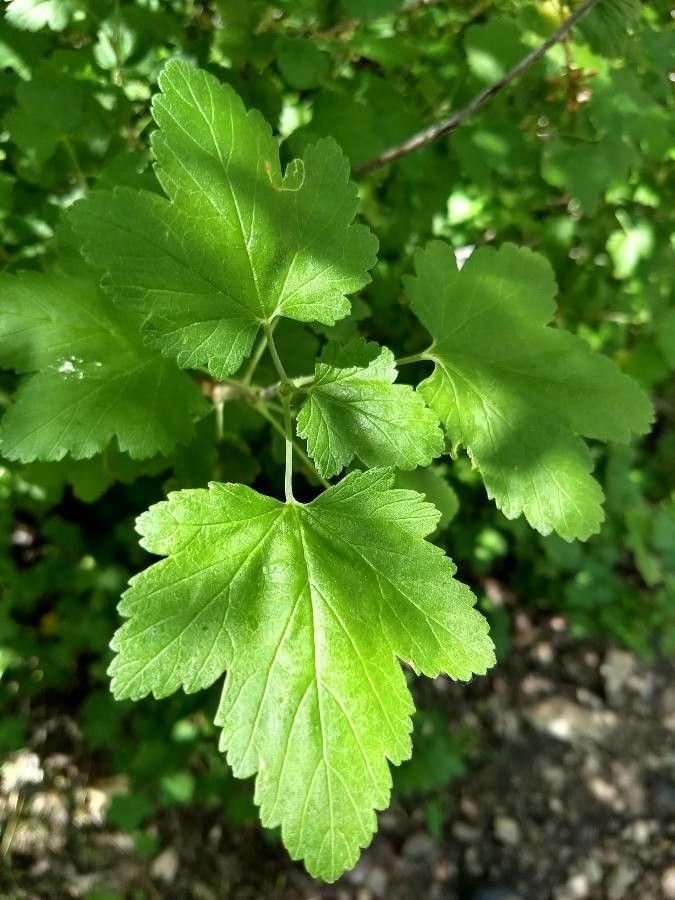
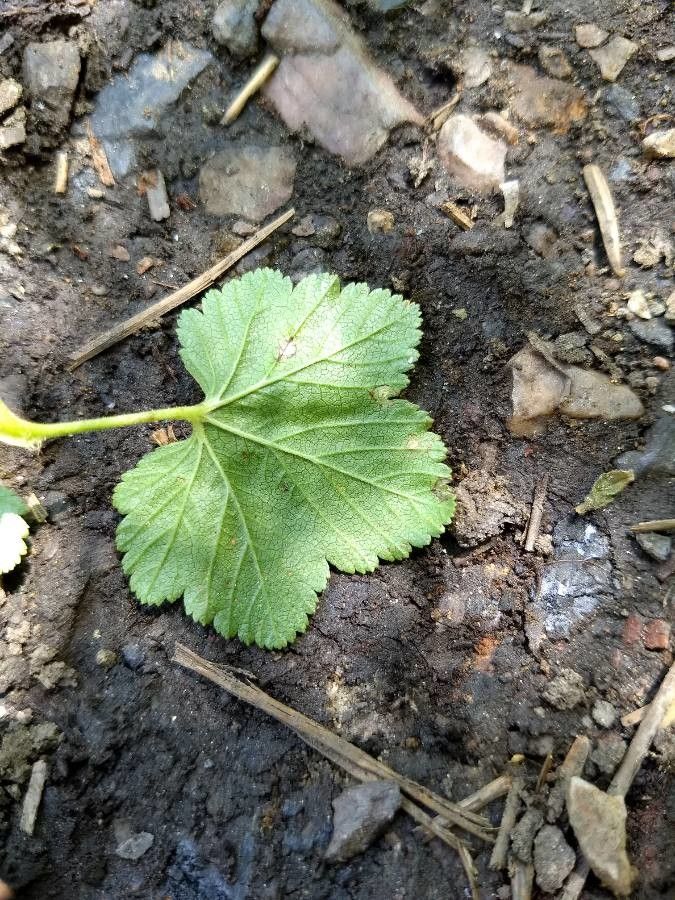
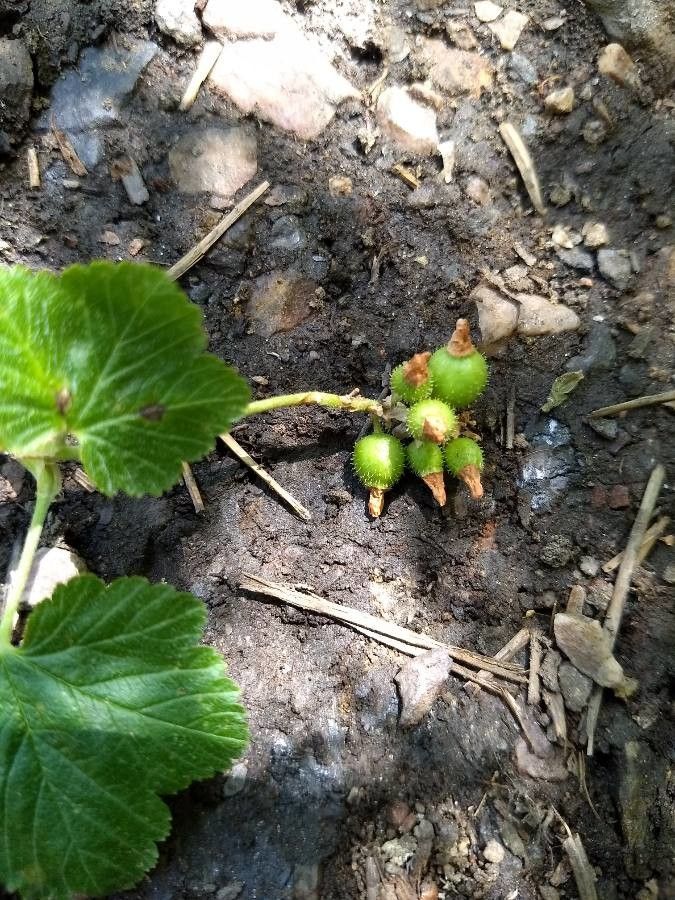
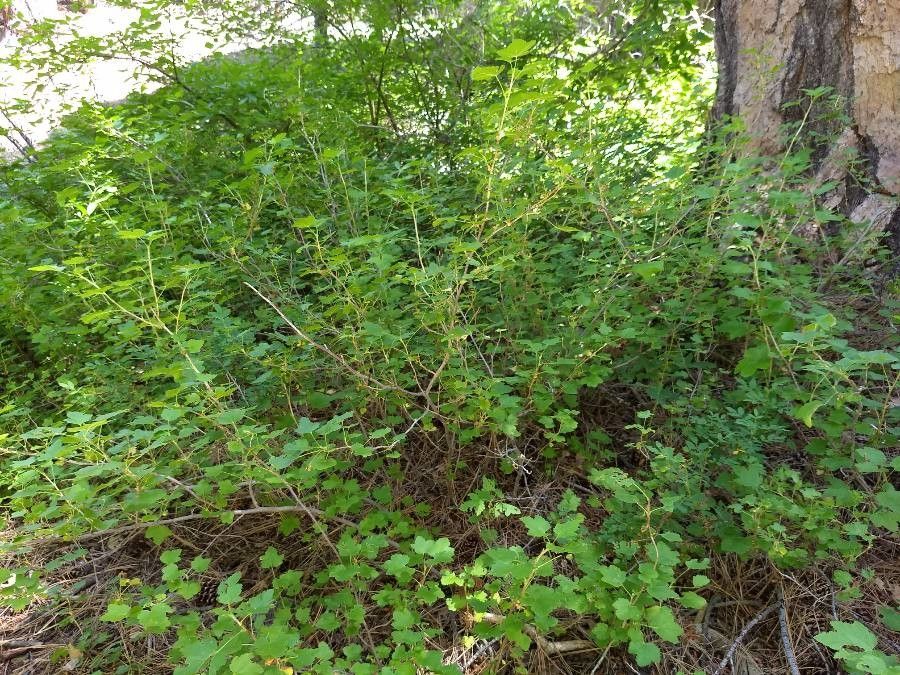
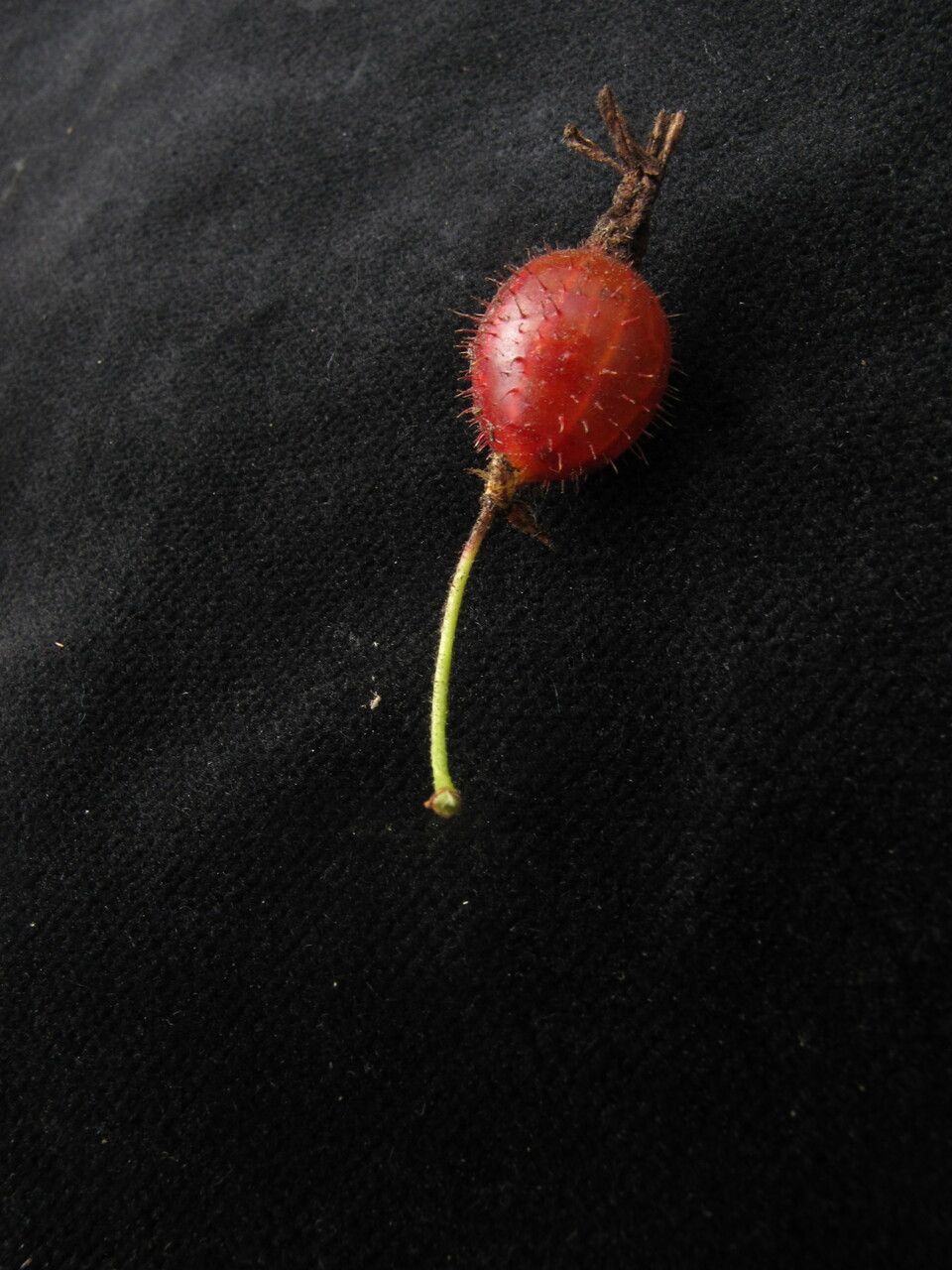
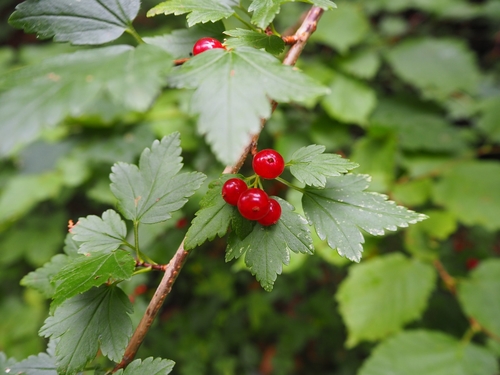
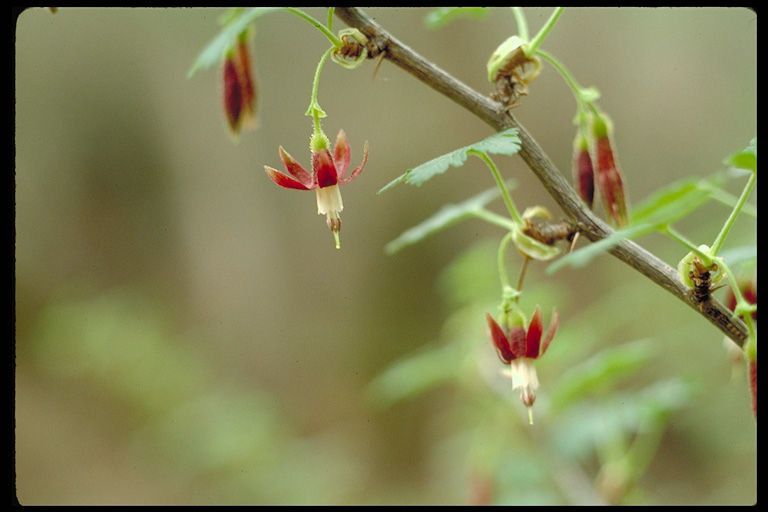
Ribes californicum, with the common name hillside gooseberry, is a North American species of currant. It is endemic to California, where it can be found throughout many of the California Coast, Transverse, and Peninsular Ranges in local habitat types such as chaparral and woodlands.
Hillside gooseberry is quite resistant to disease and is usually not susceptible to illnesses. Care-wise, the plant is fairly low-maintenance. When grown outdoors it needs only minimal watering, and larger plants typically do not require pruning. Smaller plants, however, should be pruned after they finish blooming. Hillside gooseberryt is appropriate for anyone with outdoor space, like a garden or deck, and does not demand much experience in plant care.
How to keep Ribes Californicum.
Light
Hillside gooseberry needs abundant sunlight to remain healthy and grow well. The best setting for this plant resembles its native habitat, with plenty of sun. Its light requirements do not change across different growth stages. It can tolerate limited light, but this may slow growth and reduce vibrancy. Both excessive and insufficient sunlight can have harmful effects.
Water
The hillside gooseberry is well-suited for arid conditions and has a high tolerance for drought, requiring minimal moisture. Watering it every 2 to 3 weeks is usually sufficient. This plant prefers well-draining soil and is commonly grown outdoors, adapting easily to different climates.
Temperature
Hillside gooseberry is native to temperate regions and does best in temperatures of 50 to 95 °F (10 to 35 ℃). During winter, additional care may be needed to protect it from frost to ensure optimal growth.
Fertilizer
The timing of fertilization is important for Hillside gooseberry. Apply fertilizer in early spring and continue monthly until early summer. Fertilizer aids in producing attractive blooms and supplies energy during both dormant and active growth periods.
Pruning
Hillside gooseberry plants have spiny branches and produce edible red berries. To ensure healthy growth, prune them in late spring to improve air circulation and sunlight exposure. During pruning, remove any damaged or overcrowded branches while keeping the plant's shape intact. Be careful not to over-prune, as this can affect the yield for the next season. For more detailed guidance, consult reputable sources.
Botanical profile.
- Plant Type
- Shrub
- Life Cycle
- Perennial
- Genus
- Ribes
- Family
- Grossulariaceae
- Hardiness Zone
- 6-9
- Mature Height
- 1.22 m to 1.83 m
- Mature Spread
- 0.61 m to 1.83 m
- Leaf Color
- Green, Dark Green
- Leaf Type
- Deciduous
- Flower Color
- Pink, White
- Flower Size
- 1.02 cm to 1.78 cm
- Bloom Time
- Late winter, Early spring, Mid spring
- Planting Time
- Spring
- Harvest Time
- Summer
Other names.
Reader questions.
What are the sunlight requirements for Hillside Gooseberry (Ribes californicum)?
Hillside gooseberry thrives when exposed to ample amounts of sunlight, reflecting its native habitat where it receives generous sunlight. To maintain optimal health and growth, it requires a consistent amount of sunlight throughout its different growth stages. Full sun, defined as above 6 hours of sunlight daily, and partial sun, about 3-6 hours of sunlight daily, are suitable for this plant. However, it can tolerate limited sunlight, though this may result in slower growth and reduced vibrancy. Too much or too little sunlight can have detrimental effects on the plant. This underscores the importance of choosing garden spots with a perfect balance of light and shade, ensuring the plant's happiness.
What are the ideal growing conditions for Hillside Gooseberry?
Hillside gooseberry, or Ribes californicum, is native to temperate climates and thrives in temperatures ranging from 50 to 95 °F (10 to 35 °C). It has strong cold resistance, making it adept at surviving in varying temperatures. During winter, it may need extra care to ensure frost protection if temperatures are expected to drop below -25°C. This includes wrapping the trunk and branches with insulating materials and watering the plant abundantly before the first freeze to ensure the soil remains moist. These steps help the plant to remain hydrated and prevent drought and water scarcity during the colder months.
How can artificial lighting support Hillside Gooseberry growth indoors?
Indoor Hillside Gooseberry plants can benefit significantly from artificial lighting, especially when natural sunlight is insufficient, such as during winter or in less sunny indoor spaces. Artificial lights, like LED lights, offer a vital solution by promoting faster, healthier growth. They can be customized to provide specific wavelengths necessary for the plant's growth. For optimal growth under artificial lighting, full sun plants need 30-50W/sq ft, partial sun plants require 20-30W/sq ft, and full shade plants need 10-20W/sq ft. The light source should be placed 12-36 inches above the plant to mimic natural sunlight. The duration of exposure should also mimic natural daylight hours, with most plants needing 8-12 hours of light per day.
How should I care for my Hillside Gooseberry during extremely cold weather?
During extremely cold weather, when temperatures fall below -25°C, it is important to provide your Hillside Gooseberry with additional protection to prevent frost damage. This can be done by wrapping the plant's trunk and branches with non-woven fabric or cloth, which helps to keep the plant insulated. Additionally, watering the plant abundantly before the first freeze is recommended to ensure the soil around it remains moist and enters a frozen state, which helps in reducing drought stress during winter and early spring.
What are the symptoms of inadequate sunlight on Hillside Gooseberry?
When Hillside Gooseberry is exposed to suboptimal lighting, it may exhibit various symptoms indicating light deficiency. These include the development of smaller leaves compared to those previously matured, leggy or sparse growth due to extended spaces between leaves or stems, increased leaf drop as the plant conserves resources, and a halt in new growth as the plant enters survival mode. Furthermore, insufficient sunlight can lead to lighter-colored new leaves, indicating a lack of chlorophyll, and symptoms like chlorosis, sunscald, leaf curling, wilting, and leaf scorching due to excessive sunlight exposure.
What symptoms indicate my Hillside Gooseberry is affected by low or high temperatures, and what solutions are there?
For Hillside Gooseberry, cold temperatures above 10°C are optimal, but it should not be kept below -15°C. When temperatures drop below -25°C, although the plant may not show immediate signs of stress, the branches can become brittle and dry, leading to a lack of new shoots in spring. In such cases, pruning dead branches is advised. Conversely, when temperatures exceed 35°C, symptoms like lighter colored leaves, dry and withered tips, and susceptibility to sunburn might occur. To mitigate this, trimming sunburned and dried parts, moving the plant to a shaded area, or using a shade cloth can be beneficial. Ensuring the soil remains moist by watering in the morning and evening is also crucial.
How can you address light deficiency issues in Hillside Gooseberry?
To combat light deficiency in Hillside Gooseberry, gradual relocation to sunnier spots is essential, ensuring at least 6 hours of direct sunlight daily. For indoor plants, using a south-facing window or keeping lamps on for 8 hours daily can help, or consider investing in professional grow lights for sufficient light. For outdoor plants, gradual adaptation to sunnier locations is recommended to prevent sunburn. Removing obstructions and transplanting smaller plants during their dormant period to areas with ample sunlight and good drainage can improve sunlight exposure. While parts of the plant that suffered from insufficient light might not recover, new growth should be healthy once light exposure increases.