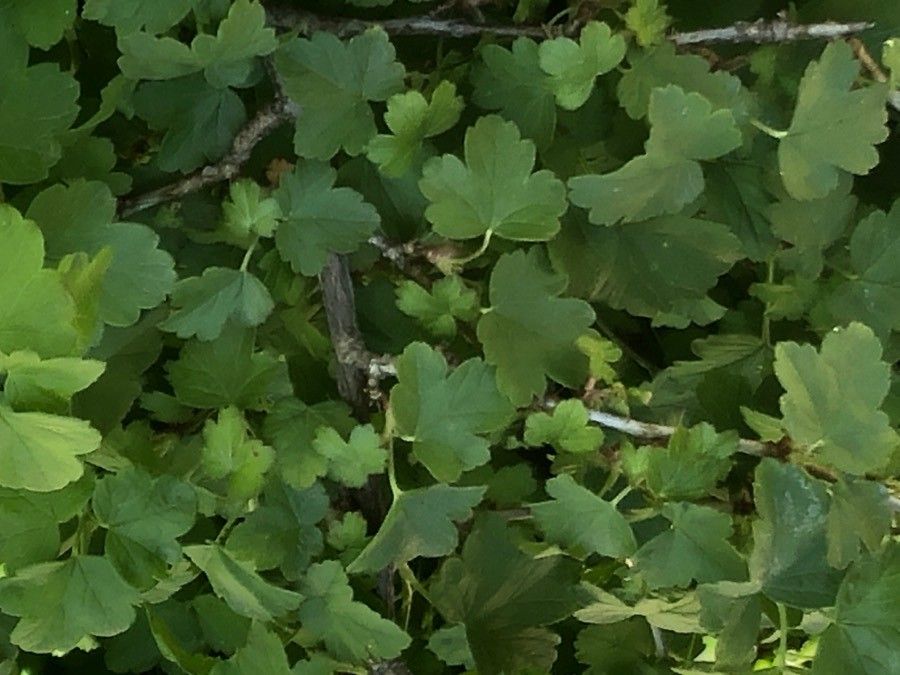
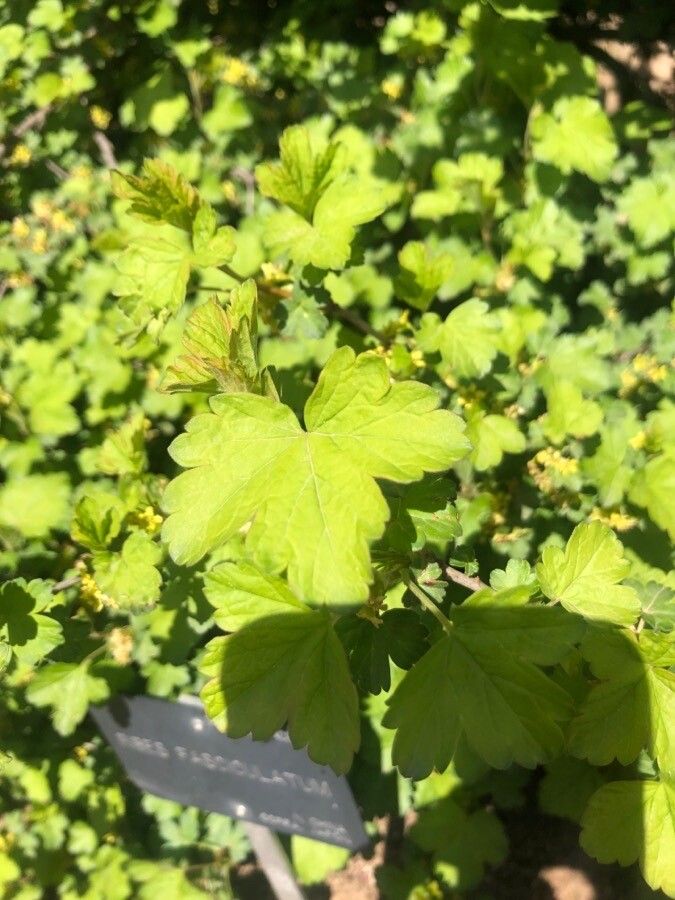
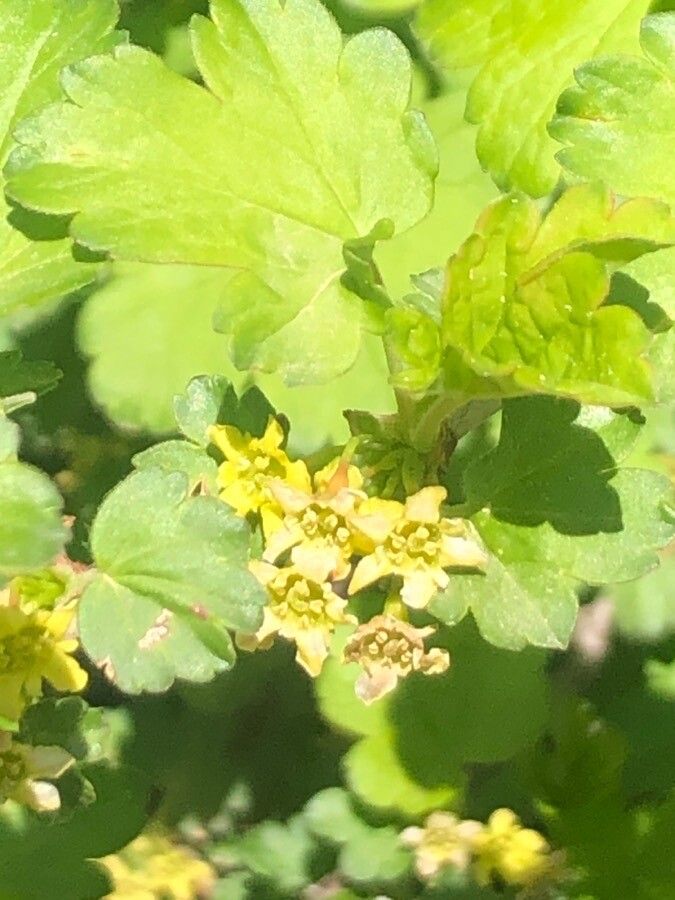
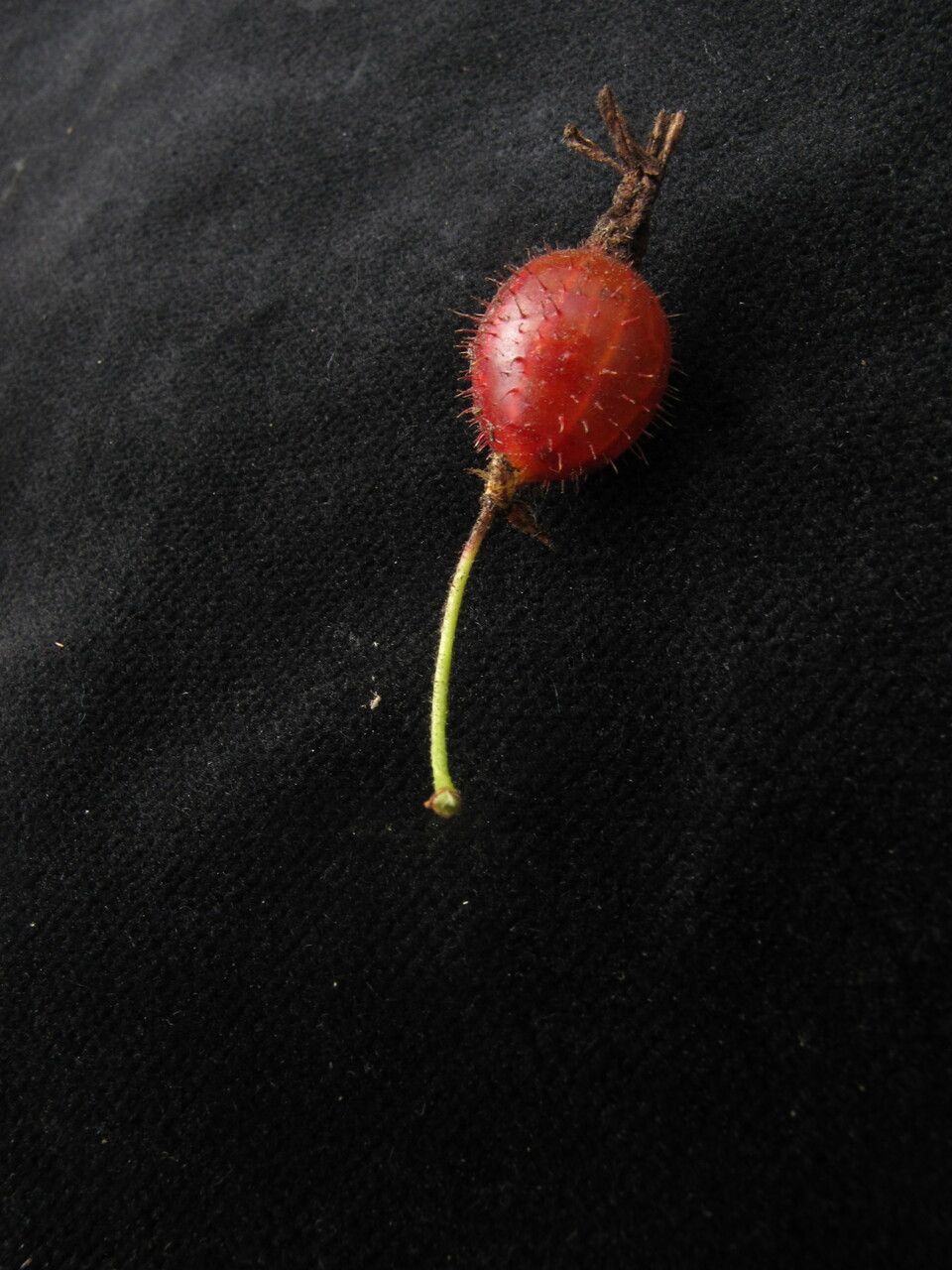
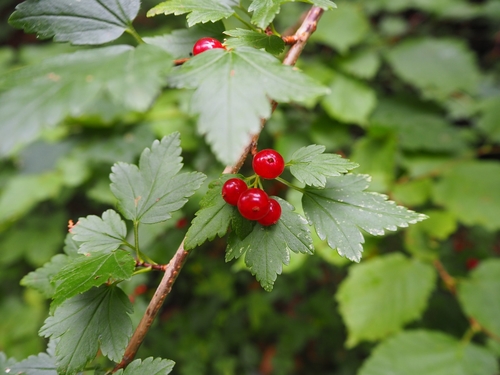
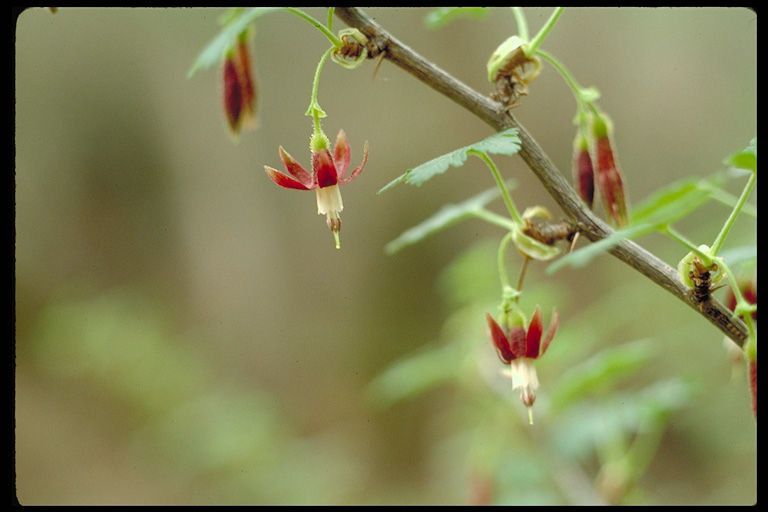
Ribes fasciculatum displays strong resistance to disease and is generally not prone to them. In terms of care, this plant is fairly low maintenance. When grown outdoors it needs only minimal watering, and larger specimens normally do not require pruning; smaller plants, however, should be pruned after they finish blooming. Ribes fasciculatumt is appropriate for anyone with an outdoor area, such as a garden or deck, and does not demand much care experience.
How to keep Ribes Fasciculatum.
Light
Ribes fasciculatum occurs naturally in habitats such as forest understories or rocky areas, where it experiences natural shade. It prefers partial sun but can tolerate full sun or full shade, demonstrating its versatile and hardy nature.
Water
Ribes fasciculatum needs more water during mid-spring, late spring, and early summer, particularly as its fruit grows larger. It's important to adjust watering according to the weather and soil moisture levels. Make sure to water the plant whenever the soil surface feels dry, especially from spring through to mid-summer.
Temperature
Ribes fasciculatum shows considerable adaptability to a range of climatic conditions, from blazing summers to frosty winters. However, it does have an optimal temperature range for growth. If temperatures rise too much, the plant becomes vulnerable to heat and humidity stress, which can lead to its death. In areas where temperatures approach the lower limit of its cold tolerance, taking insulating measures to protect the plant is necessary.
Fertilizer
The Ribes fasciculatum plant needs adequate nutrients to produce fruit optimally. Apply fertilizer in early spring to encourage new growth and flower development. Regular feeding keeps the plant healthy, yields tastier fruit, and prevents nutrient deficiency problems such as yellowing leaves and reduced fruit production.
Pruning
Ribes fasciculatum is a deciduous shrub that blooms in early spring. To encourage healthy growth and flowering, it is important to prune it in early spring. Focus on removing dead branches and thinning out congested areas to improve air circulation. Always use clean, sharp tools when pruning to ensure effectiveness and to prevent disease.
Botanical profile.
- Plant Type
- Shrub
- Life Cycle
- Perennial
- Genus
- Ribes
- Family
- Grossulariaceae
- Hardiness Zone
- 1-5
- Mature Height
- 1.52 m
- Mature Spread
- 1.52 m to 1.83 m
- Leaf Color
- Green
- Leaf Type
- Deciduous
- Flower Color
- Yellow
- Flower Size
- 0.51 cm to 0.76 cm
- Bloom Time
- Early spring, Mid spring
- Planting Time
- Spring, Summer
- Harvest Time
- Mid summer, Late summer, Early fall
- Native Area
- Koppen, Japan, South Korea, China
Other names.
Reader questions.
What are the sunlight requirements for Ribes fasciculatum?
Ribes fasciculatum, also known by its botanical name Ribes fasciculatum, thrives best in conditions where it can receive the appropriate amount of sunlight. It requires 'full sun' exposure, which means it needs above 6 hours of direct sunlight each day. However, it can also grow in 'partial sun' conditions, where it would receive about 3-6 hours of sunlight daily. It's important to observe how sunlight moves through your garden throughout the day to find the ideal spots that provide the perfect balance of light and shade, ensuring the plants' optimal growth and happiness.