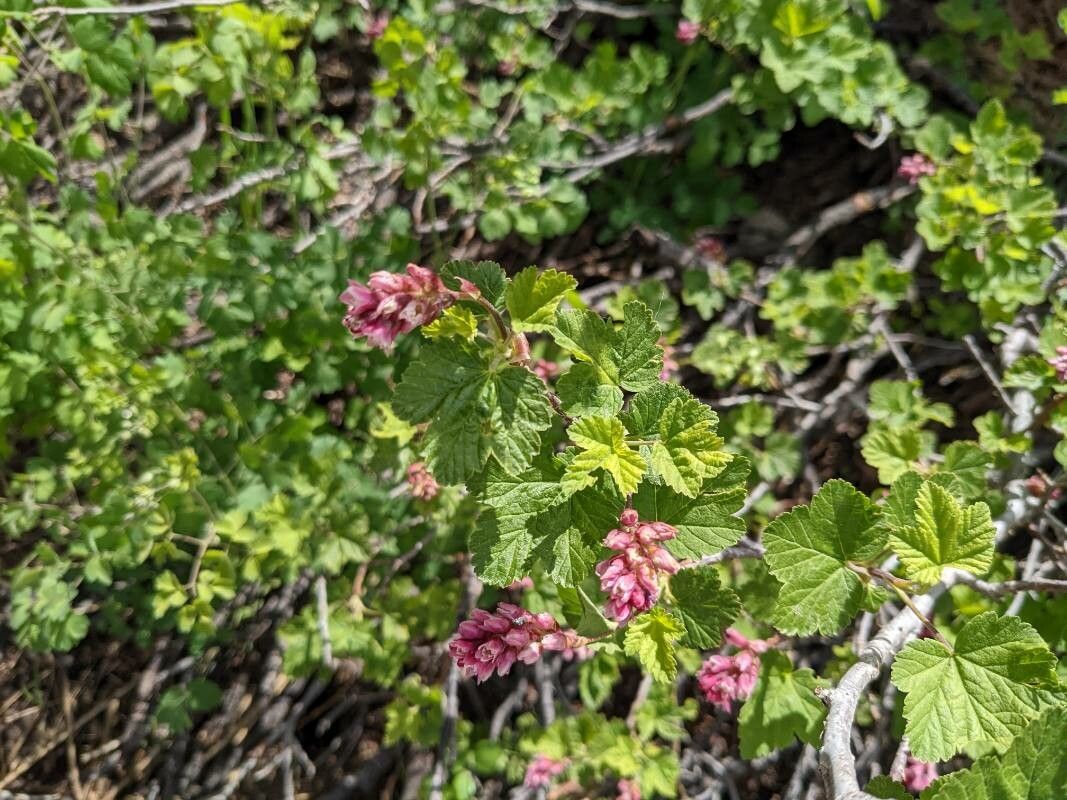
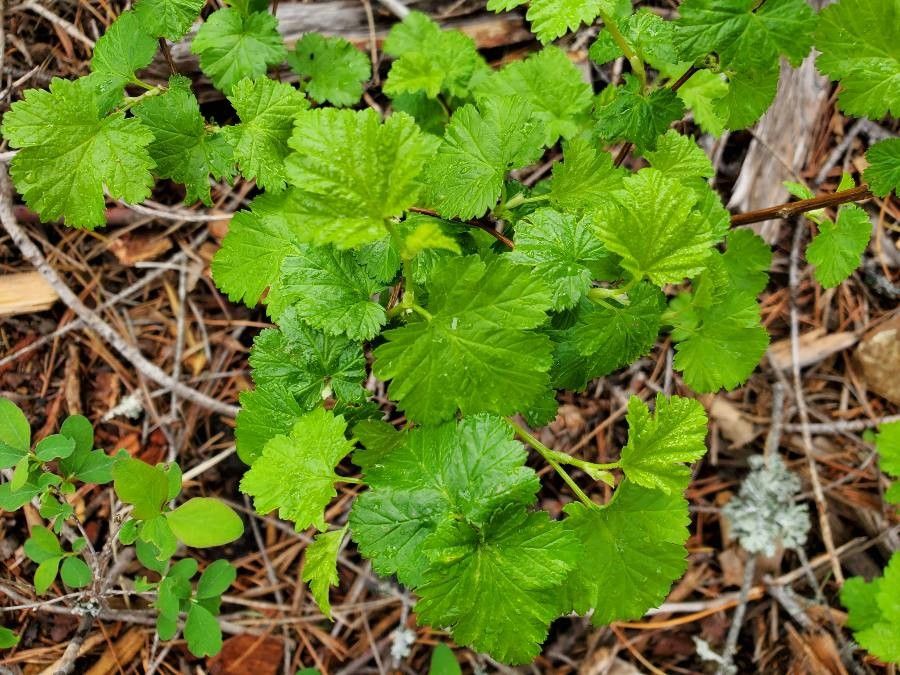
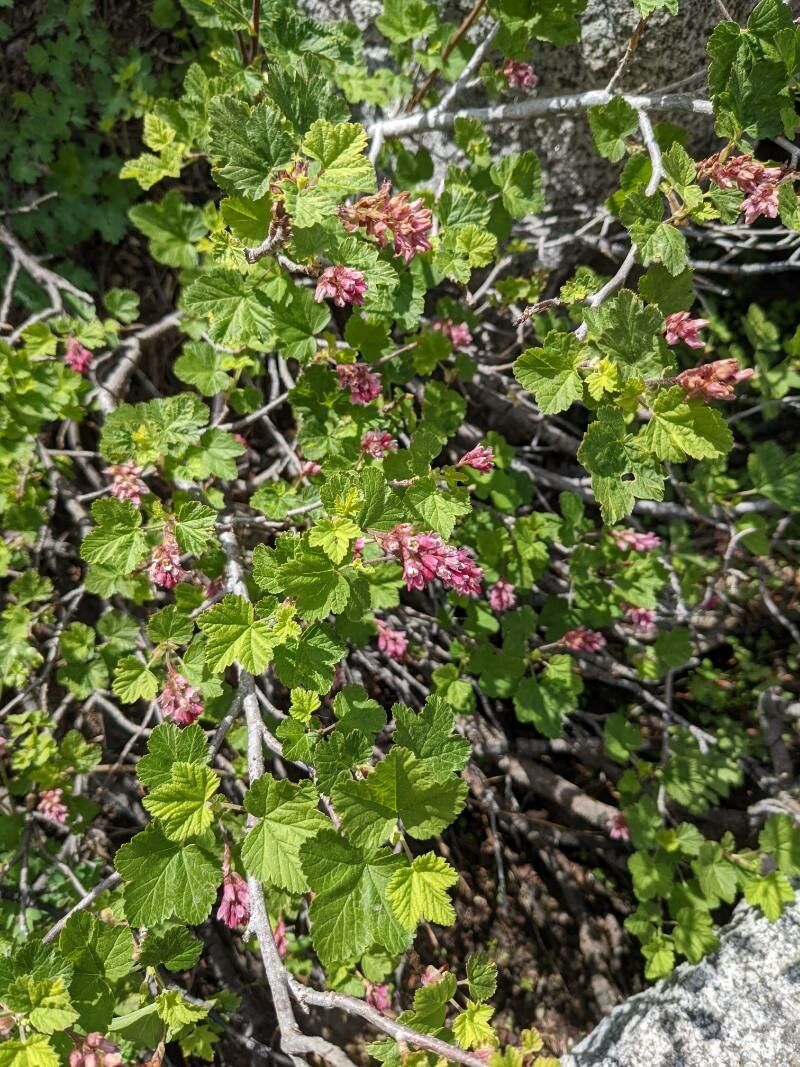
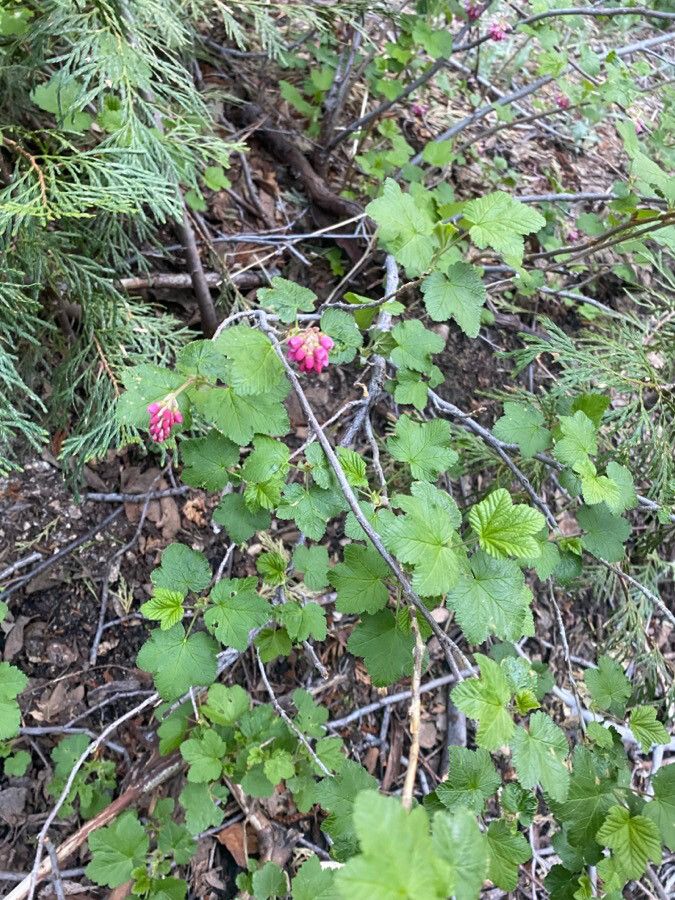
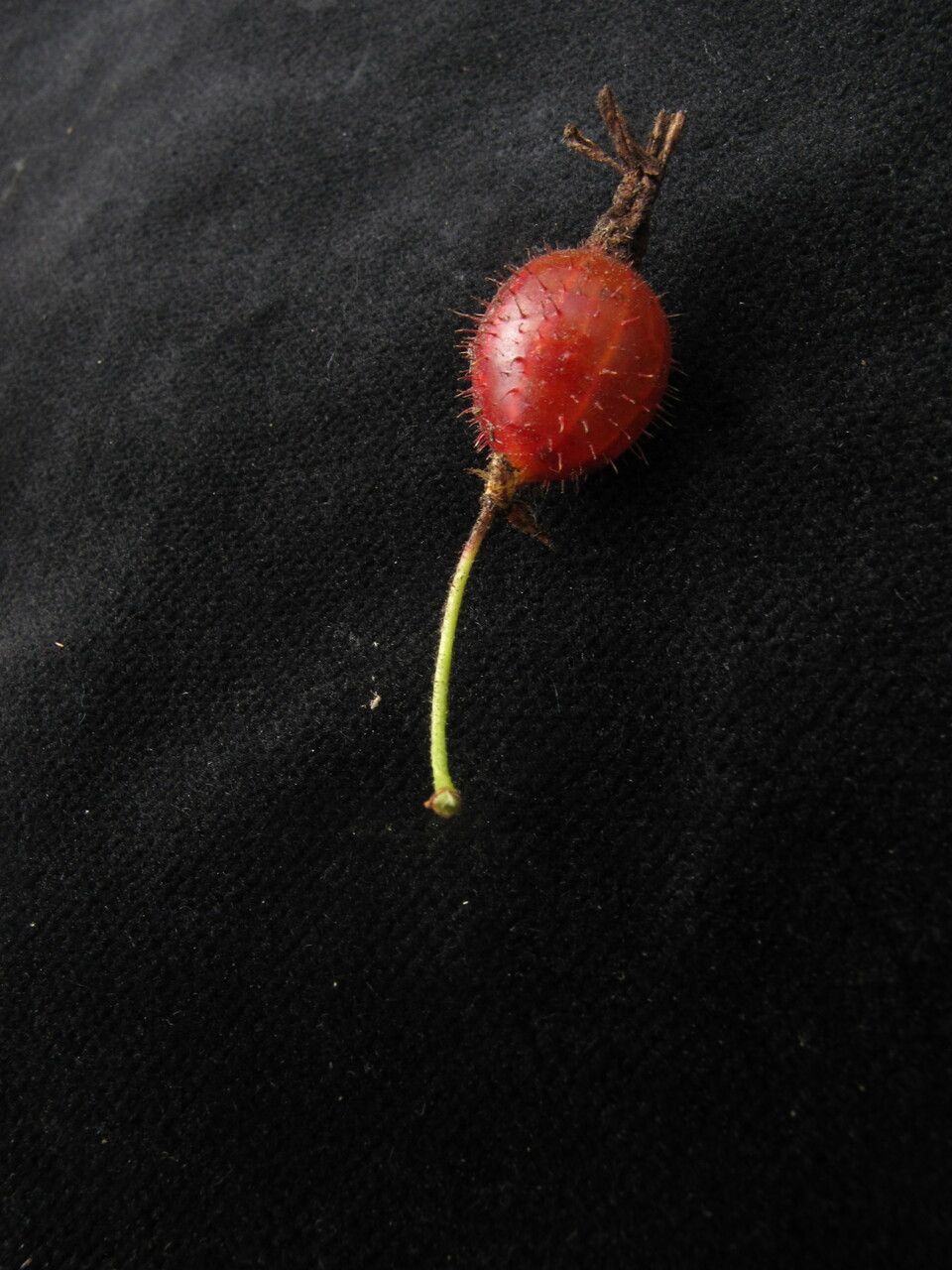
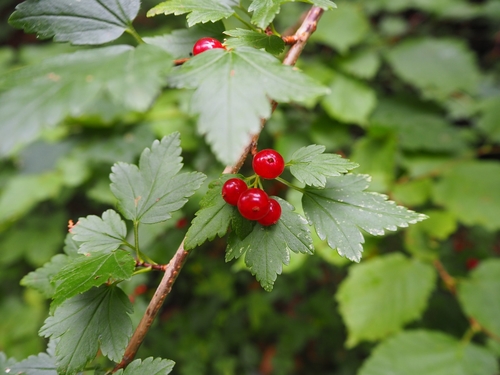
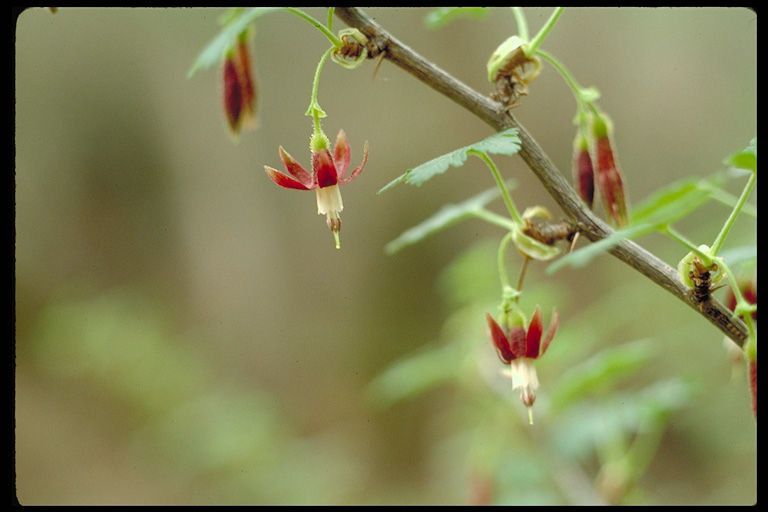
Ribes nevadense, commonly known as the Nevada currant, is a deciduous shrub native to the western United States. Typically reaching a height of 1 to 2 meters, it features small, green, lobed, and toothed leaves. In the spring, the plant produces small clusters of pinkish-white flowers, which are followed by edible red berries in the summer.
The Nevada currant thrives in moist soils and is commonly found in mountainous regions at elevations between 1,500 and 3,000 meters. This plant serves as an important food source for wildlife, including birds and bears.
Aside from its ecological role, Ribes nevadense has been utilized for medicinal purposes by indigenous peoples. Traditionally, the leaves were used as a poultice to treat wounds and skin irritations.
In summary, Ribes nevadense is an ecologically significant plant species with potential medicinal applications.
Sierra currant is fairly resistant to disease and typically not susceptible to illnesses. Regarding care, this plant is relatively low-maintenance. When grown outdoors it needs only light watering, and larger plants generally do not require pruning. Smaller plants, however, should be pruned after they finish blooming. Sierra currant is appropriate for anyone with an outdoor area, such as a garden or deck, and does not require much prior care experience.
How to keep Ribes Nevadense.
Light
Sierra currant does best with plenty of sunlight, which encourages healthy growth. It can, however, survive in places where the sun's light is partially filtered or less intense. If it is continuously kept in very low light, it may exhibit signs of weakened growth. Its native habitat indicates this preference for abundant daylight.
Water
The Sierra currant is well adapted to dry conditions and thrives with minimal moisture. It prefers moderate hydration, requiring watering only once every 2-3 weeks, which complements its drought-tolerant nature. Typically grown outdoors, the Sierra currant makes efficient use of seasonal rainfall and requires less irrigation during the growing season.
Temperature
Sierra currant is a plant native to temperate regions and requires temperatures between 41 and 77 °F (5 and 25 ℃). For optimal growth, keep this temperature year-round when possible.
Fertilizer
The Sierra currant plant needs adequate nutrients to produce the best fruit. Apply fertilizer in early spring to support new growth and bloom development. Regular feeding keeps the plant healthy, yields more flavorful fruit, and prevents nutrient-deficiency problems like yellowing leaves and poor fruit production.
Pruning
For optimal growth, it's important to prune Sierra currant in late spring after it has finished flowering. By removing dead wood and thinning out older stems, you can improve air circulation, boost berry production, and lower disease risks, all while preserving the plant's natural shape. These techniques are supported by reliable sources and are recommended for the best results.
Botanical profile.
- Plant Type
- Shrub
- Life Cycle
- Perennial
- Genus
- Ribes
- Family
- Grossulariaceae
- Hardiness Zone
- 4
- Mature Height
- 0.91 m to 2.13 m
- Mature Spread
- 0.91 m to 2.13 m
- Leaf Color
- Green, Dark Green
- Leaf Type
- Deciduous
- Flower Color
- Pink
- Flower Size
- 0.76 cm
- Bloom Time
- Early spring, Mid spring
- Planting Time
- Spring, Summer
- Harvest Time
- Summer
Other names.
Reader questions.
What are the sunlight requirements for Sierra currant?
Sierra currant requires full sun exposure, defined as over 6 hours of direct sunlight daily, for optimal growth and health. It can also tolerate partial sun, receiving about 3-6 hours of sunlight. Observing how sunlight moves through your garden will help in placing your Sierra currant in a spot that ensures it gets the right balance of sunlight and shade. This ensures the plant's health and happiness by mimicking its natural environment which is inclined towards abundant daylight.
What is the native climate of Sierra currant?
Sierra currant, botanically known as Ribes nevadense, thrives in regions with a temperate climate. It requires a specific temperature range of 41 to 77 °F (5 to 25 °C) for optimal growth. It is vital to maintain this temperature range year-round where possible to ensure the health and vitality of the plant.
What essentials should be considered for growing Sierra currant?
Growing Sierra currant successfully involves understanding its preference for abundant daylight, which fosters healthy growth. This plant can adapt to less intense or filtered sunlight, but prolonged exposure to minimal sunlight may result in weakened growth. In environments where natural sunlight is insufficient, particularly during winter or in less sunny areas, artificial lighting can be an essential tool for promoting optimum growth. LED lights, which can be customized to specific wavelengths, are recommended. The artificial light needed varies depending on the type of plant: full sun plants require 30-50W per square foot, partial sun plants need 20-30W per square foot, and full shade plants need 10-20W per square foot. Positioning the light source 12-36 inches above the plant and ensuring it receives 8-12 hours of light per day are crucial steps for mimicking natural sunlight conditions.
Does Sierra currant require frost protection?
Sierra currant is highly cold-tolerant and does not require additional frost protection measures during the winter. However, to prepare for the cold season, it is recommended to water the plant generously before the first freeze in autumn. This practice ensures that the soil remains moist and enters a frozen state, which helps prevent drought and water scarcity for the plant during winter and early spring.
What are the symptoms of insufficient sunlight on Sierra currant and solutions to address them?
Sierra currant, thriving in full sunlight, may exhibit signs of light deficiency when exposed to suboptimal lighting conditions. Symptoms include smaller new leaves, leggy or sparse growth, faster leaf drop, slower or halted growth, lighter colored new leaves, chlorosis, sunscald, leaf curling, wilting, and leaf scorching. To address insufficient sunlight, gradually move indoor plants to sunnier locations to receive at least 6 hours of direct sunlight daily, utilizing south-facing windows and keeping curtains open during the day. For large or immovable plants, artificial lighting such as desk lamps or professional grow lights can supplement light exposure. Outdoors, choose optimal sites for sunlight exposure and consider reducing obstructions like tree branches. Transplanting smaller plants during their dormant period to sunnier locations with good drainage can also help in reducing symptoms of light deficiency. Recovery of affected parts may not happen, but new growth will be healthy with increased light exposure.
How does Sierra currant respond to low temperatures?
Sierra currant displays exceptional cold tolerance, capable of enduring winter temperatures above -30°C. Despite this resilience, if temperatures dip below -30°C, the plant may not show immediate distress during winter. However, come spring, its branches may become brittle and dry, with no new shoots emerging. To mitigate this, gardeners should prune any dead branches that have failed to produce new leaves in the spring.
What should be done if Sierra currant experiences high temperatures?
Sierra currant struggles with high temperatures, particularly when they exceed 25°C. Under extreme heat, the plant may suffer significant leaf drop or, in severe cases, wither and die. To help a Sierra currant plant under such stress, it is advisable to trim away the sunburned and dried-up parts. Additionally, relocating the plant to a shaded area or employing a shade cloth can protect it from the harsh midday and afternoon sun. Ensuring the soil is kept moist through morning and evening watering is also crucial during hot periods.