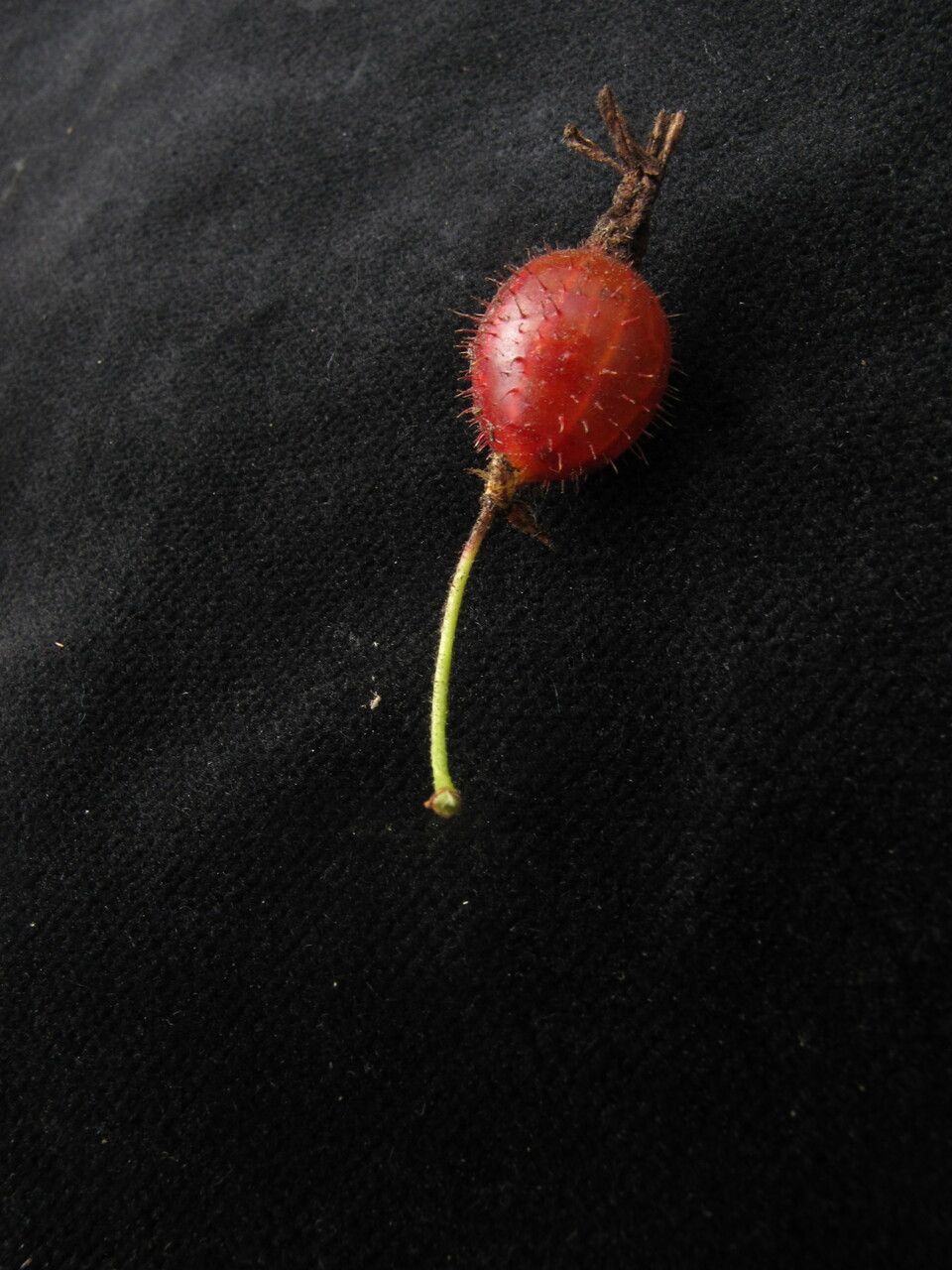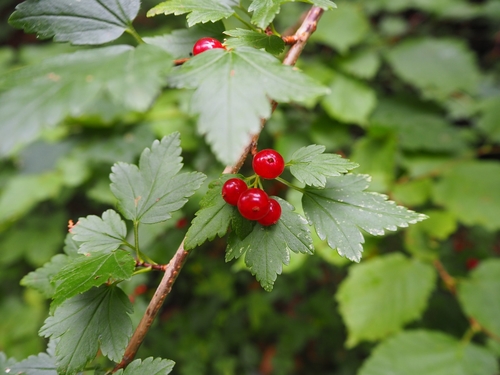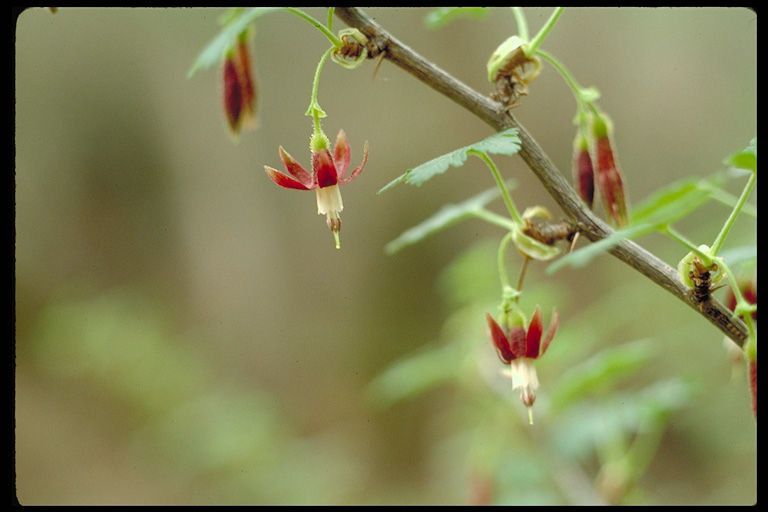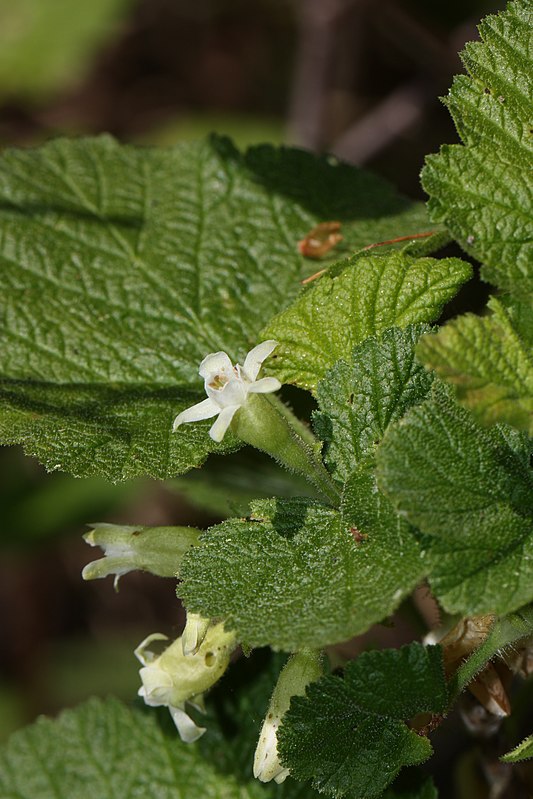
Ribes viscosissimum also known as sticky currant is a species of eudicot in the family Grossulariaceae (currant family). The species is native to North America. Pacific Northwest, Columbia Plateau, Great Plains, Great Basin, and southwest regions of western North America are native to this plant.
Sticky currant has strong disease resistance and is generally not susceptible to illnesses. As for care, this plant is fairly low-maintenance. When grown outdoors it needs little watering, and larger specimens usually do not need pruning. Smaller plants, however, should be pruned after they finish flowering. Sticky currant is suitable for anyone with outdoor space, such as a garden or a deck, and does not require extensive care experience.
How to keep Ribes Viscosissimum.
Light
Sticky currant comes from open habitats, such as sunny meadows and forest edges, which provide abundant light. It thrives in Full Sun but can also tolerate Partial Sun, adapting well to a variety of sunlight conditions.
Water
The sticky currant is well-suited to infrequent watering and thrives when watered every 2-3 weeks, demonstrating its drought tolerance. For indoor care, it needs a well-draining soil mix that suits its preference for dry conditions, which helps prevent water from stagnating around the roots.
Temperature
Sticky currant shows strong adaptability to a range of climate conditions, from sweltering summers to cold winters. Still, it has an optimal temperature range for growth. If temperatures become too high, the plant is susceptible to heat and humidity stress, which can lead to its death. In areas where temperatures near the lower limit of its cold tolerance, it's important to use insulation to protect the plant.
Fertilizer
The timing of fertilizing Sticky currant is important. Apply fertilizer in early spring and then monthly until early summer. Fertilizer promotes attractive blooms and supplies energy during both dormant and active growth phases.
Pruning
Sticky currant is characterized by its sticky stems and aromatic leaves. Pruning the plant in early spring offers several advantages. It helps maintain healthy growth by removing dead branches, encourages the development of new shoots, and improves light penetration. These benefits ultimately enhance the plant's vitality and productivity, while also reducing the risk of disease.
Botanical profile.
- Plant Type
- Shrub
- Life Cycle
- Perennial
- Genus
- Ribes
- Family
- Grossulariaceae
- Hardiness Zone
- 4-8
- Mature Height
- 0.61 m to 1.83 m
- Mature Spread
- 0.91 m to 1.52 m
- Leaf Color
- Green, Dark Green
- Leaf Type
- Deciduous
- Flower Color
- White, Cream
- Flower Size
- 1.02 cm to 1.52 cm
- Bloom Time
- Mid spring, Late spring
- Planting Time
- Spring
- Harvest Time
- Mid summer, Late summer
Other names.
Reader questions.
What are the sunlight requirements for Sticky currant?
Sticky currant, scientifically known as Ribes viscosissimum, requires full sunlight to thrive, which amounts to over 6 hours of sunlight daily. It can also grow in partial sun, defined as approximately 3-6 hours of sunlight. Observing how sunlight moves through your garden helps in choosing the ideal spot that provides a balance of light and shade, ensuring the plant's health and happiness. Originally from open environments like sunny meadows and forest edges, Sticky currant is versatile and adapts well to different lighting conditions.
How can artificial lighting supplement sunlight for Sticky currant plants?
When natural sunlight is insufficient, especially during winter or in less sunny spaces, artificial lighting can be used to promote optimal growth in Sticky currant plants. LED lights are popular for indoor plant lighting due to their ability to provide specific wavelengths needed by plants. For full sun plants, 30-50W per square foot of artificial light is needed, while partial sun plants require 20-30W per square foot, and full shade plants require 10-20W per square foot. The artificial light source should be placed 12-36 inches above the plant to mimic natural sunlight, and most plants will need 8-12 hours of light per day.
What are common symptoms of insufficient light in Sticky currant?
Sticky currant may show signs of light deficiency when not receiving adequate sunlight. Some common symptoms include new leaves growing smaller than mature ones, leggy or sparse growth, faster leaf drop, halted or slow growth, leaves developing pale colors indicating a lack of chlorophyll, chlorosis (leaves turning yellow), sunscald characterized by pale or damaged areas on leaves or stems, leaf curling as a defense mechanism to reduce water loss, wilting due to increased water loss from overexposure to sunlight, and leaf scorching, seen as brown, dry edges on leaves.
How can I address lighting issues for Sticky currant both indoors and outdoors?
For indoor Sticky currant plants, gradually move them to a location where they can receive at least 6 hours of direct sunlight daily, using a south-facing window and keeping curtains open during the day for maximum exposure. If the plant is large or not easily movable, consider using artificial lighting, like keeping a desk or ceiling lamp on for at least 8 hours daily or investing in professional plant grow lights. Outdoors, gradually move your plants to sunnier locations each week to adapt them to brighter conditions without causing sunburn. If sunlight is blocked by obstructions like trees, consider pruning to allow more light through. For small plants that can be moved, transplant them during their dormant period, typically late winter or early spring, to a location with ample sunlight and good drainage.