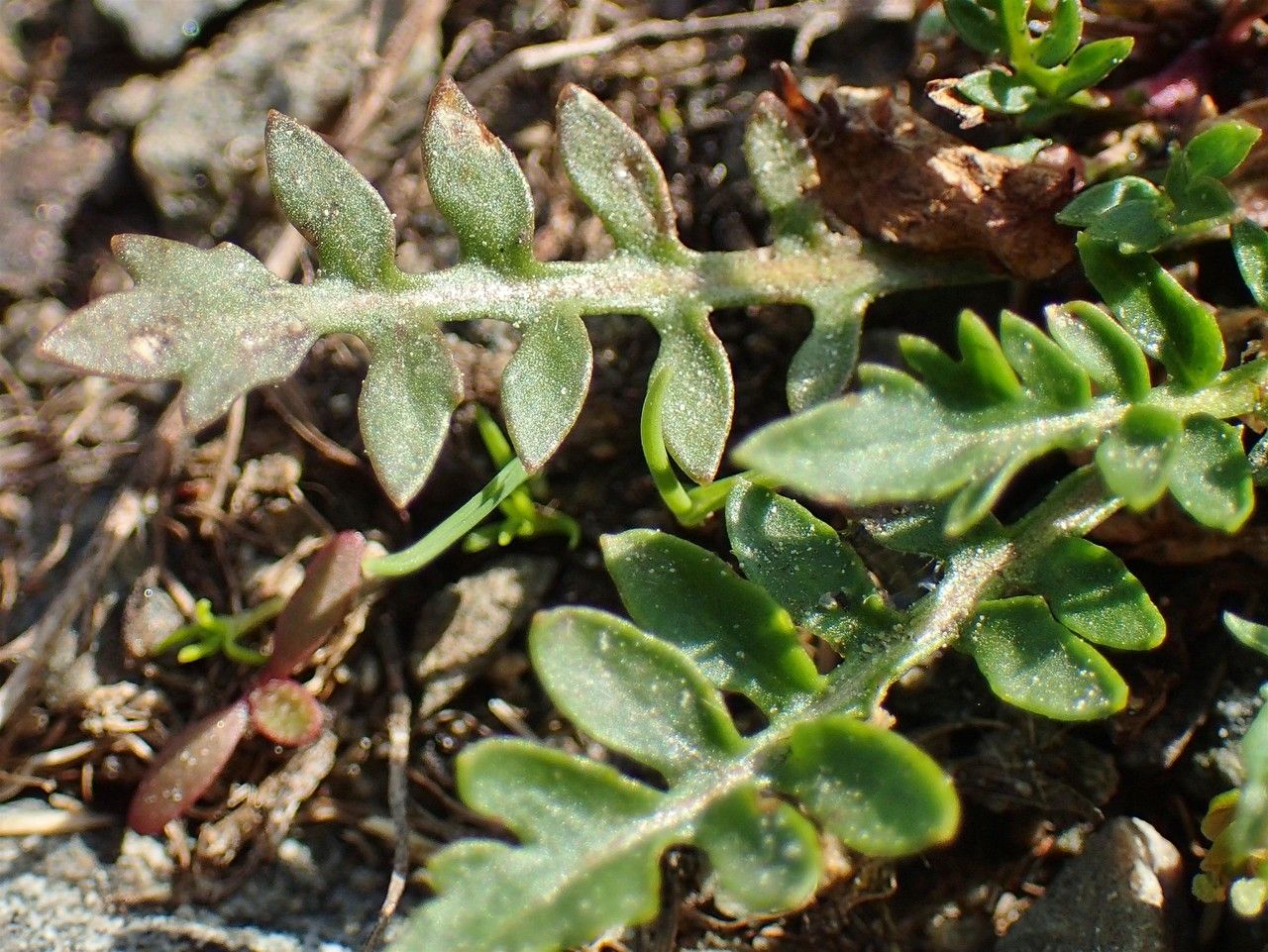
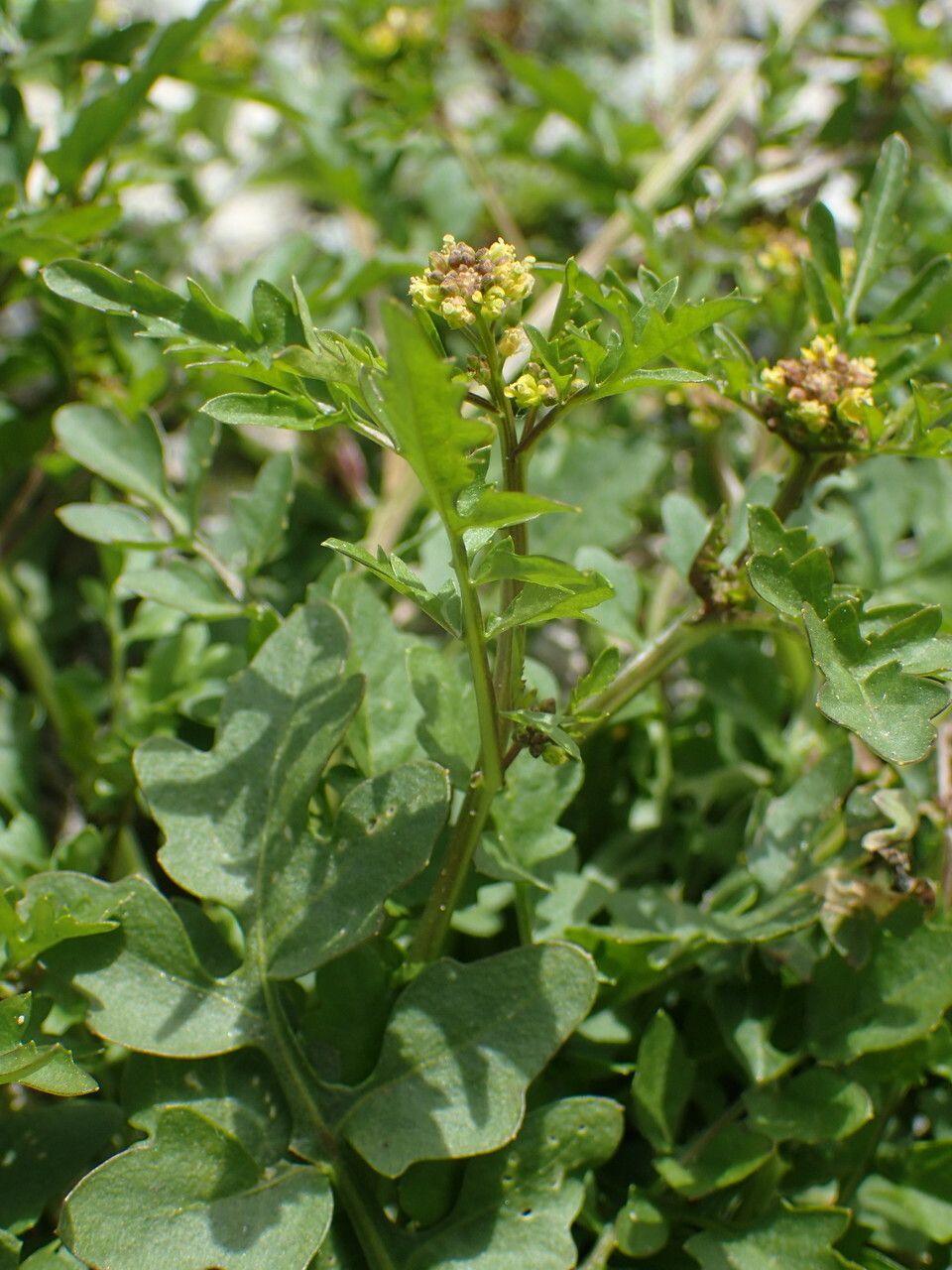
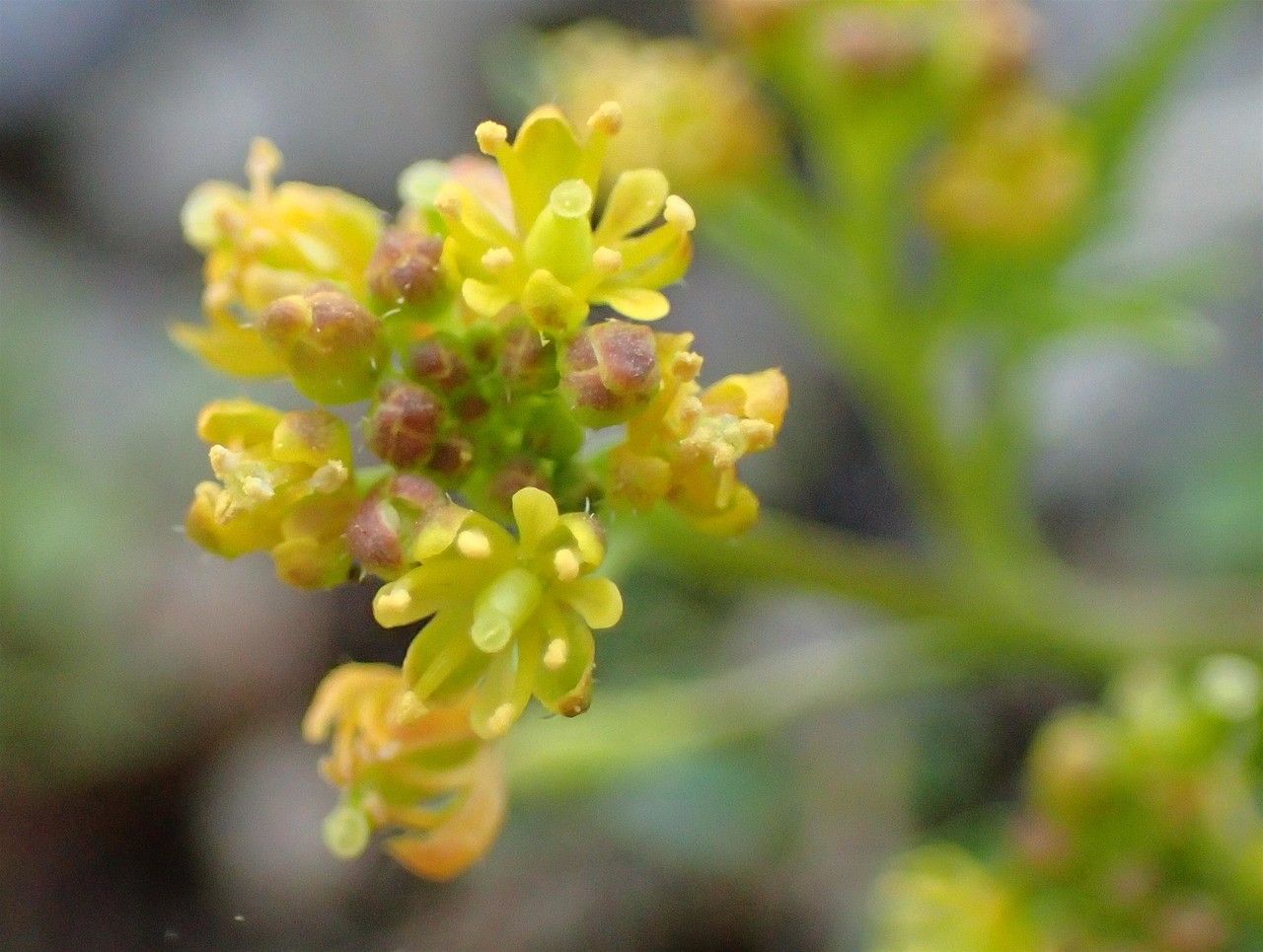
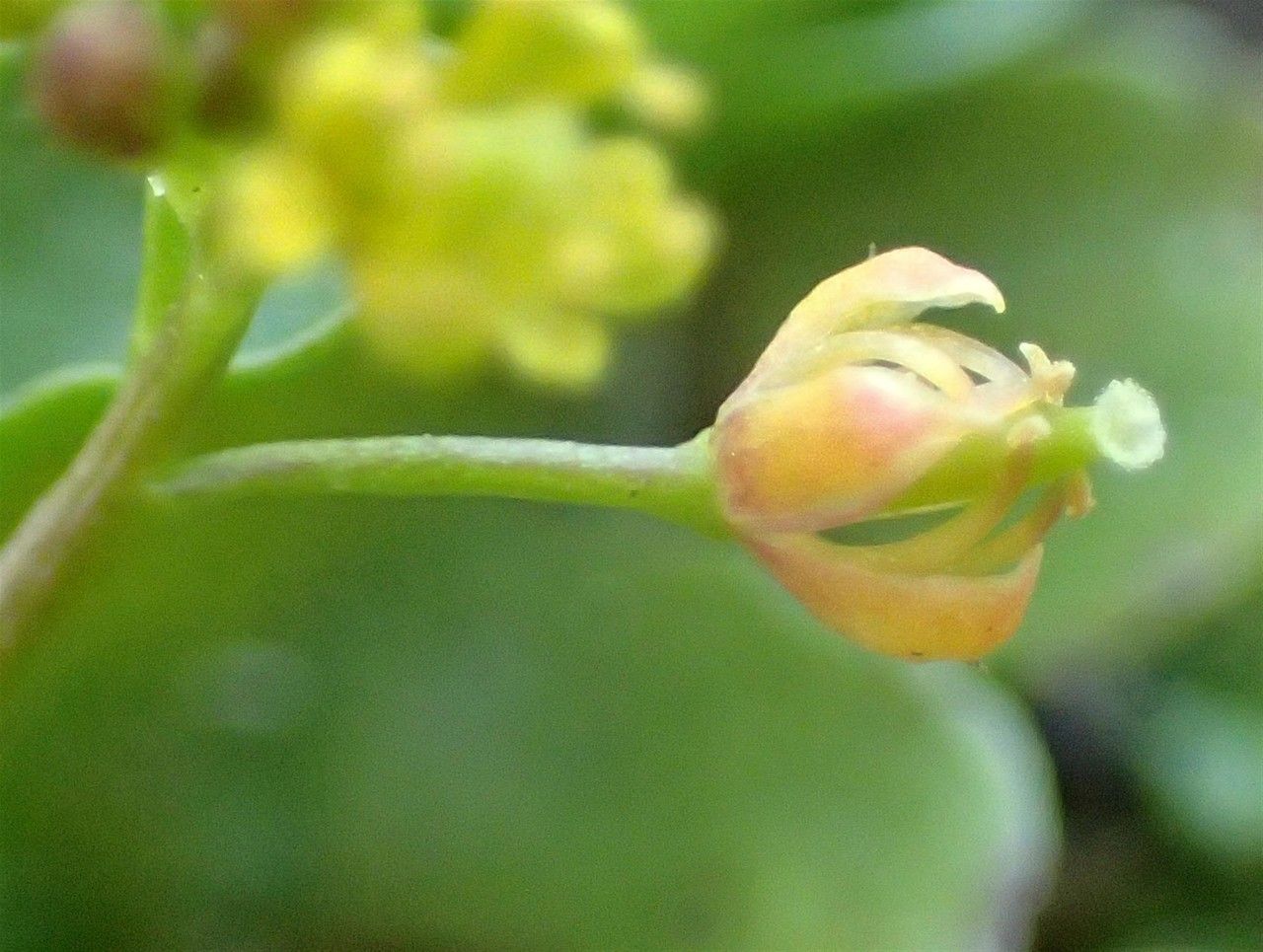
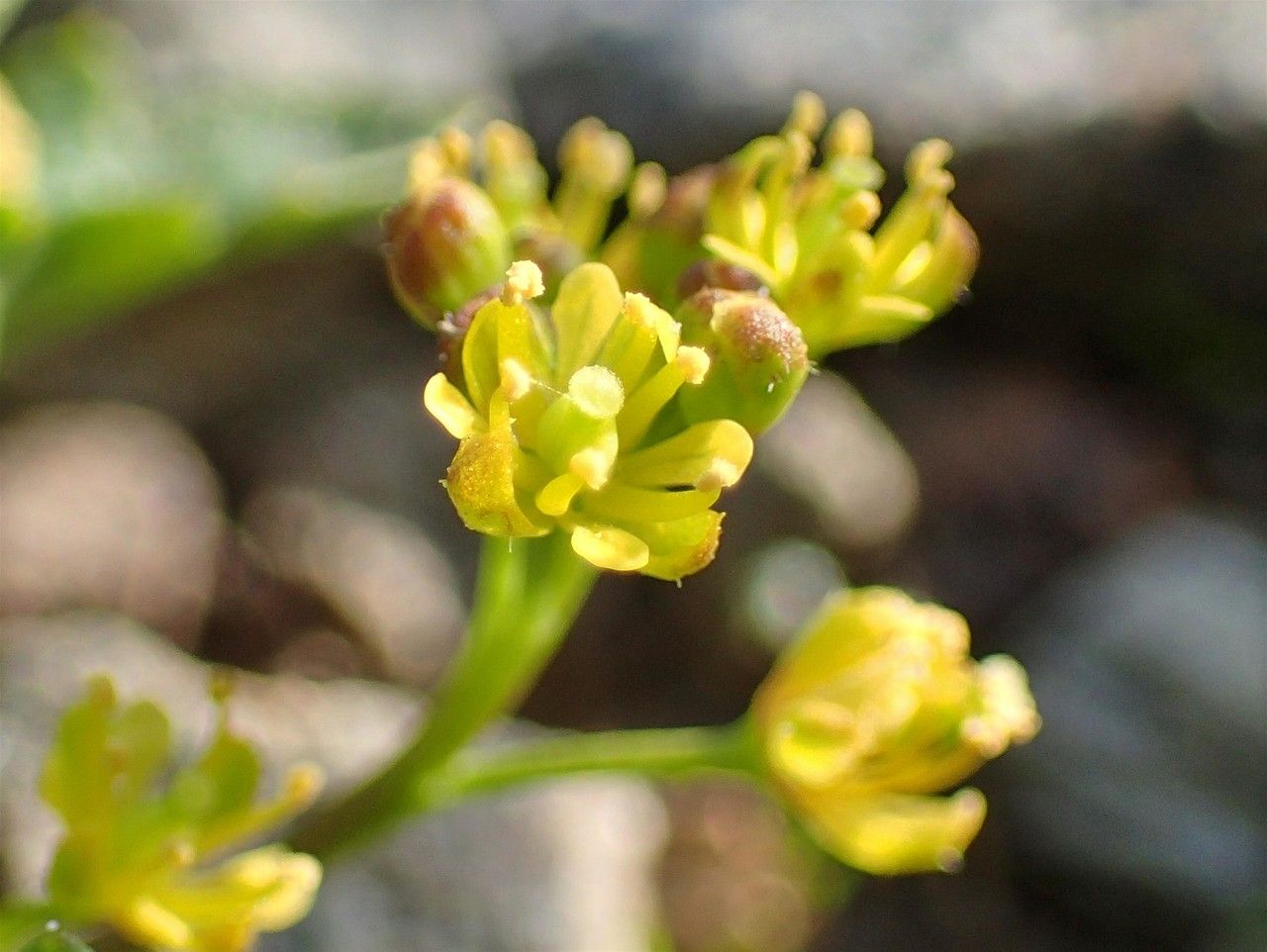
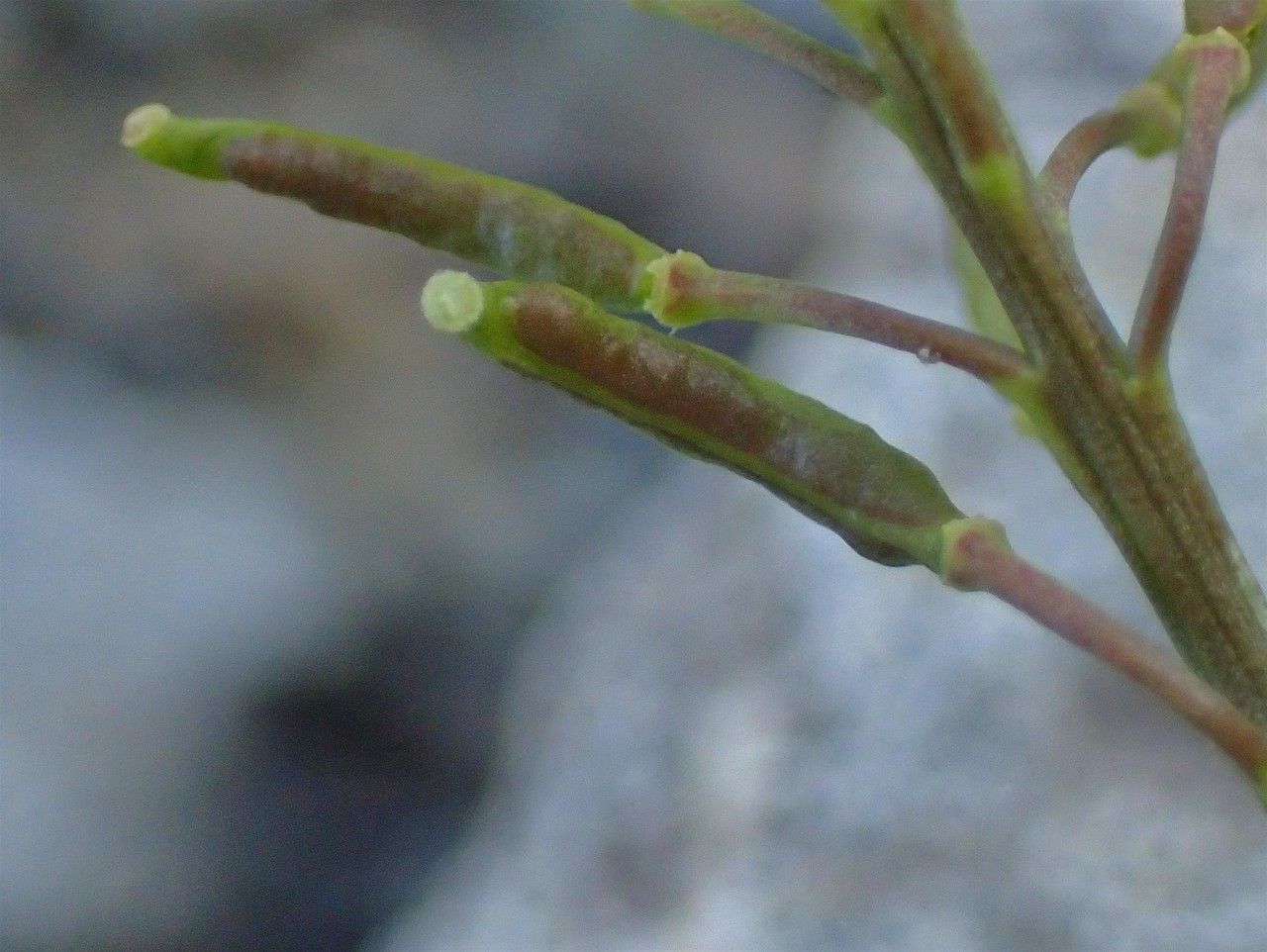
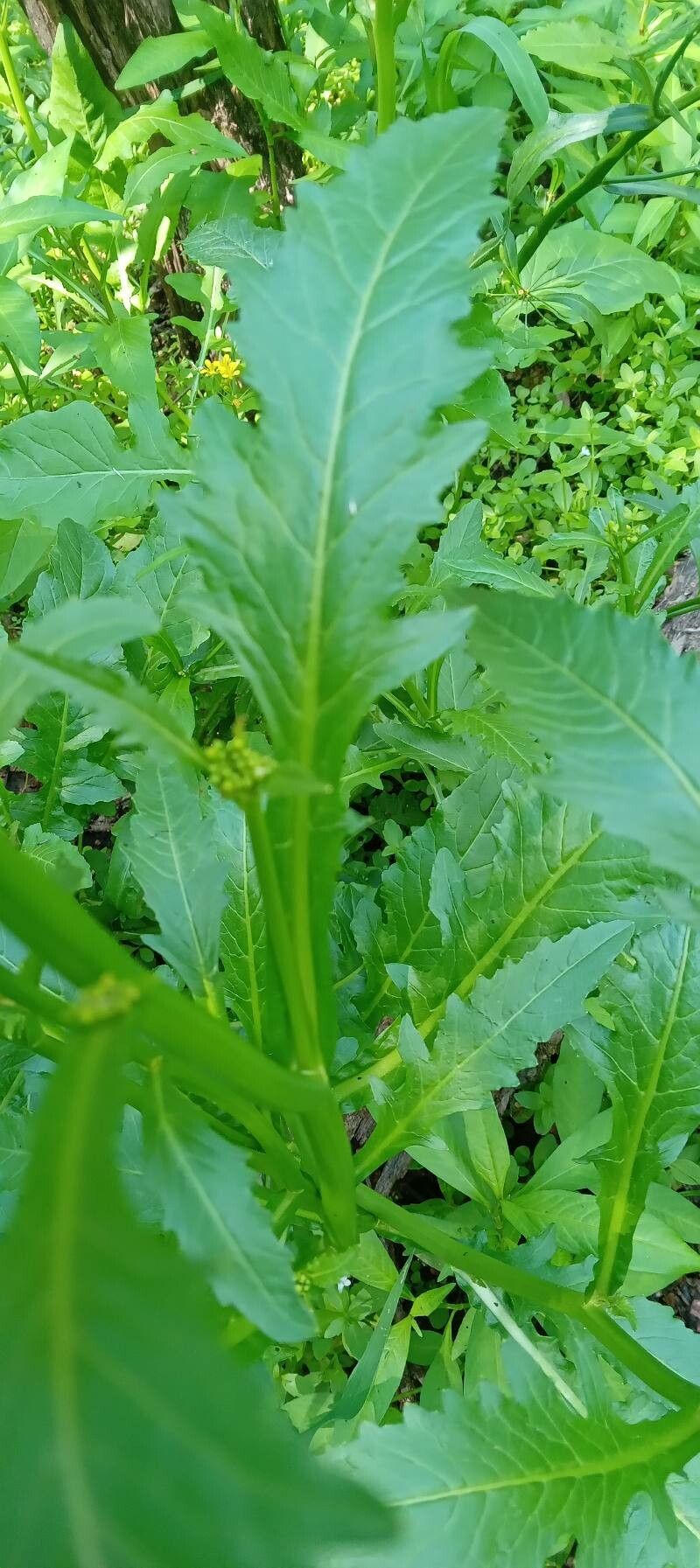
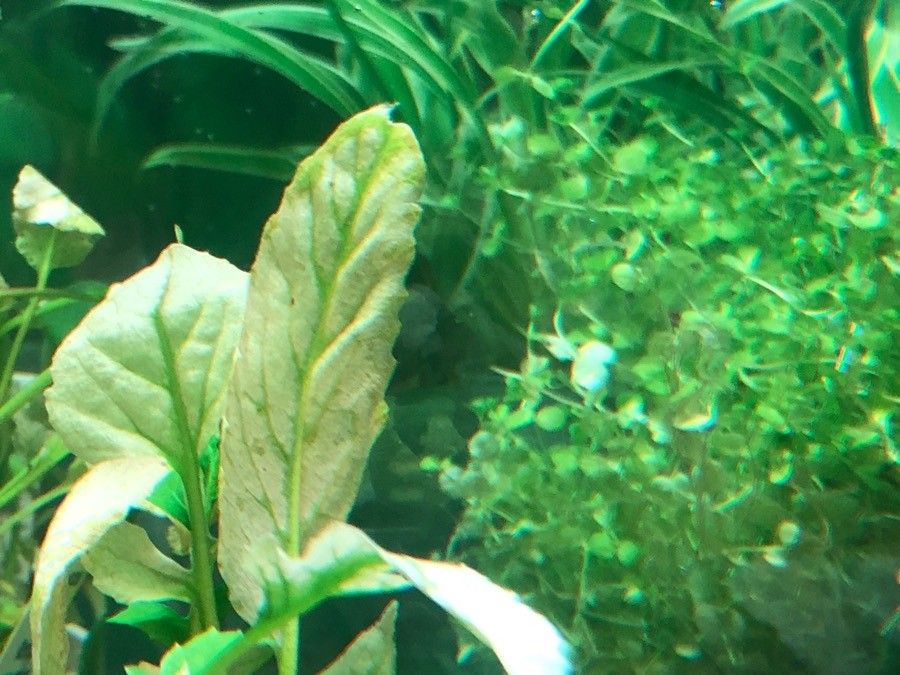
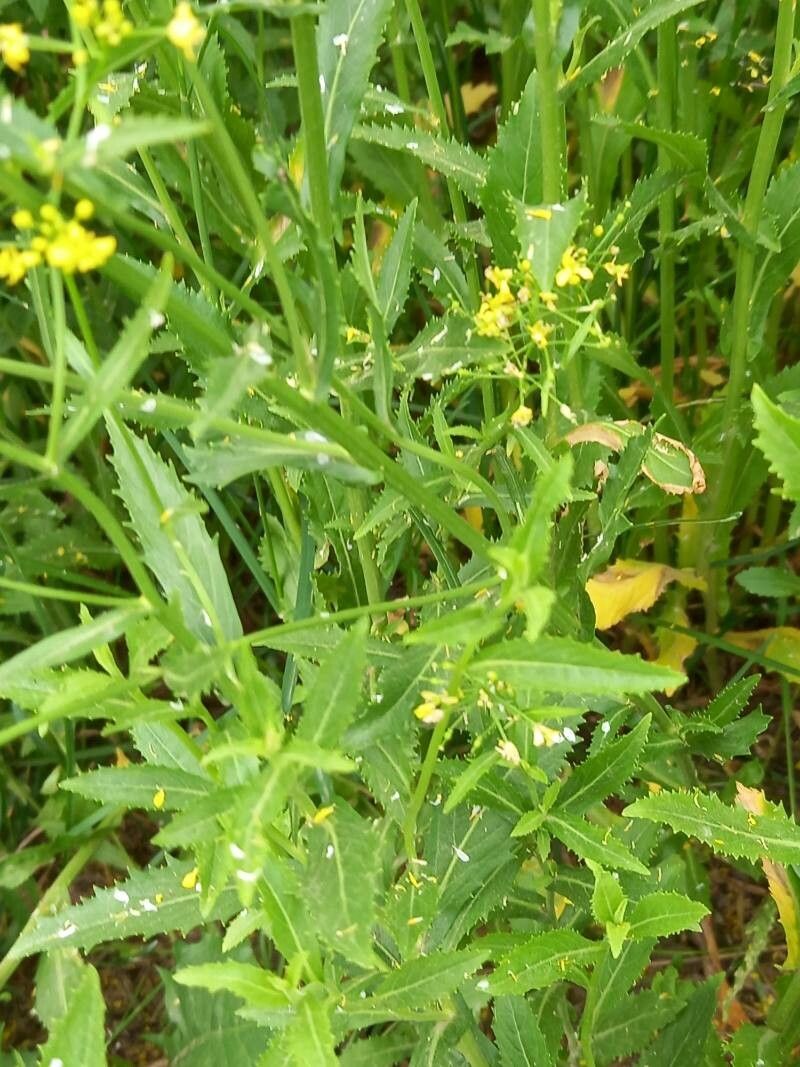
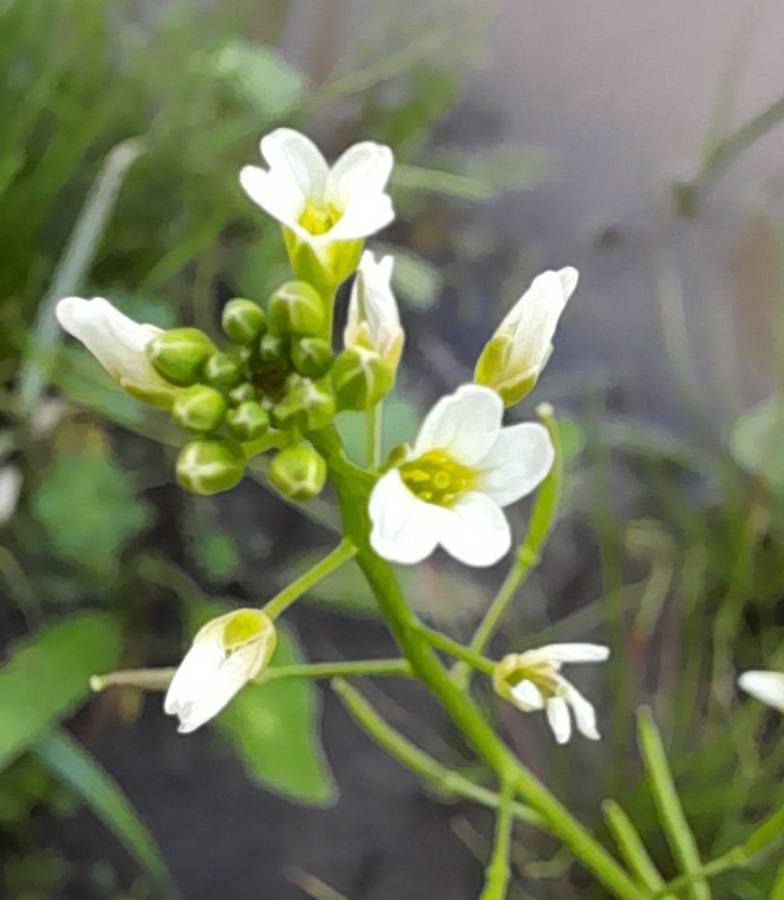
Rorippa islandica, commonly known as Arctic yellow cress, is a perennial herbaceous plant belonging to the Brassicaceae family. Native to the Arctic and subarctic regions of North America and Eurasia, this plant grows up to 30 cm tall. It features a basal rosette of deeply lobed leaves with toothed edges. The small yellow flowers are arranged in clusters at the tops of long stems.
Rorippa islandica thrives in moist soils, such as those near streams or wetlands, but it can also grow on dry, rocky slopes or within tundra habitats. The plant is an important food source for wildlife, including caribou, muskoxen, and ptarmigan.
Traditionally, indigenous people have used Rorippa islandica for medicinal purposes, such as treating colds or respiratory ailments, due to its high vitamin C content. The plant also contains glucosinolates, which have demonstrated anti-cancer properties.
In summary, Rorippa islandica plays a crucial ecological role in its native habitats and holds significant cultural importance for indigenous communities that have utilized it for generations.
Northern yellow cress is fairly disease-resistant and usually does not succumb to illnesses. Still, it can be vulnerable to pests and diseases present in its surroundings. These outbreaks are typically mild. In terms of care, this plant requires moderate maintenance. It should be pruned on a regular basis to keep a neat appearance and encourage healthy growth. Fertilizing can also help stimulate flowering. Northern yellow cress is suitable for anyone with outdoor space, such as a garden or patio, and does not demand extensive gardening experience. It may need more care when grown indoors.
How to keep Rorippa Islandica.
Light
Northern yellow cress comes from bright, open habitats where it does best in full sun. It can tolerate some partial shade but prefers direct sunlight for peak growth. This plant, which may be annual or biennial, is noted for its love of sun.
Temperature
Northern yellow cress can tolerate a wide range of temperatures, but its distribution may still be limited by different combinations of moisture and heat. It grows best in warm summer conditions with sufficient rainfall or watering. Extended stretches of cloudy, rainy weather or sustained high temperatures can increase the risk of the plant dying. In winter, protecting it from the cold can improve its chances of survival.
Fertilizer
Northern yellow cress benefits from frequent, weak applications of fertilizer to encourage healthy leaf growth. You should fertilize Northern yellow cress about once a month during the summer months. Nitrogen is essential for foliage, and supplementing with nitrogen-rich sources helps Northern yellow cress thrive.
Botanical profile.
- Plant Type
- Herb
- Life Cycle
- Annual, Biennial
- Genus
- Rorippa
- Family
- Brassicaceae
- Hardiness Zone
- 5-9
- Mature Height
- 10 cm to 61 cm
- Mature Spread
- 10 cm to 30 cm
- Leaf Color
- Green, Dark Green
- Leaf Type
- Deciduous
- Flower Color
- Yellow
- Flower Size
- 0.20 cm to 0.51 cm
- Bloom Time
- Late spring, Early summer, Mid summer
- Planting Time
- Spring, Summer
- Harvest Time
- Mid summer, Late summer, Early fall
- Native Area
- Norway, Germany, Sweden, Italy, Spain, Iceland, Finland, Montenegro, United Kingdom, Greece, Croatia, Slovenia, France
Other names.