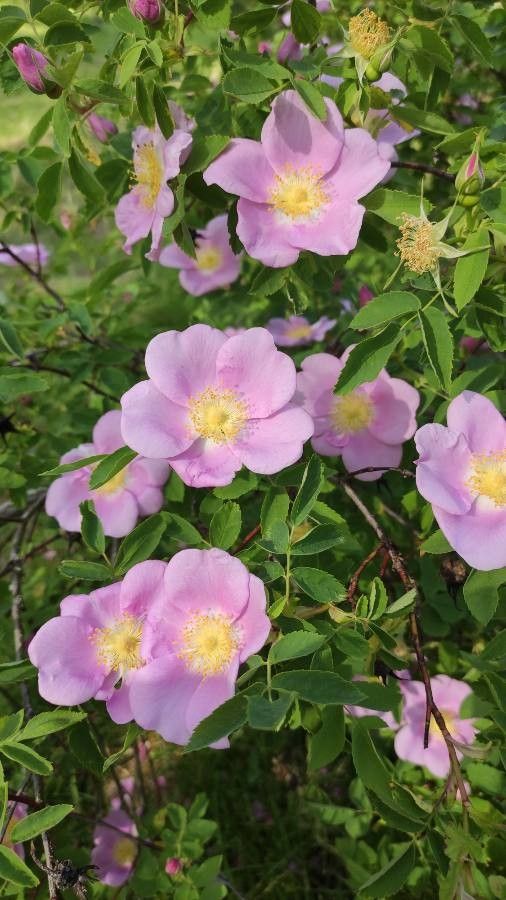
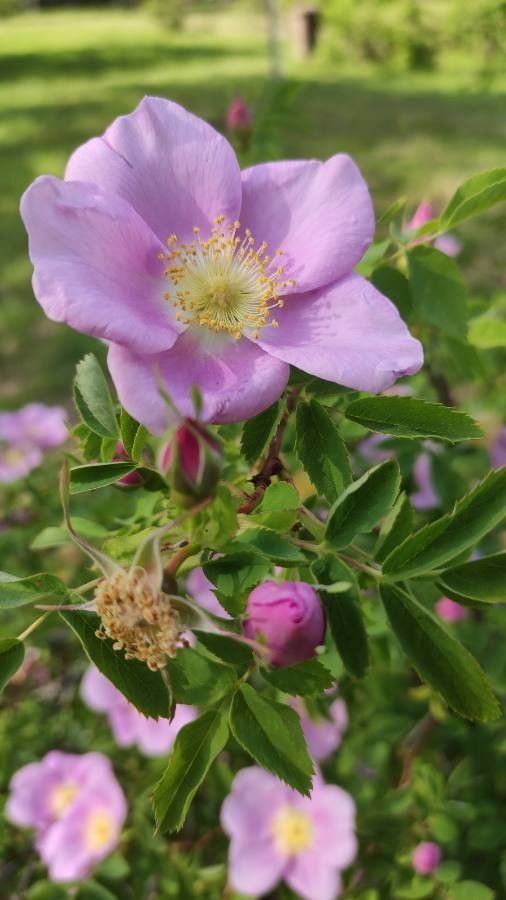
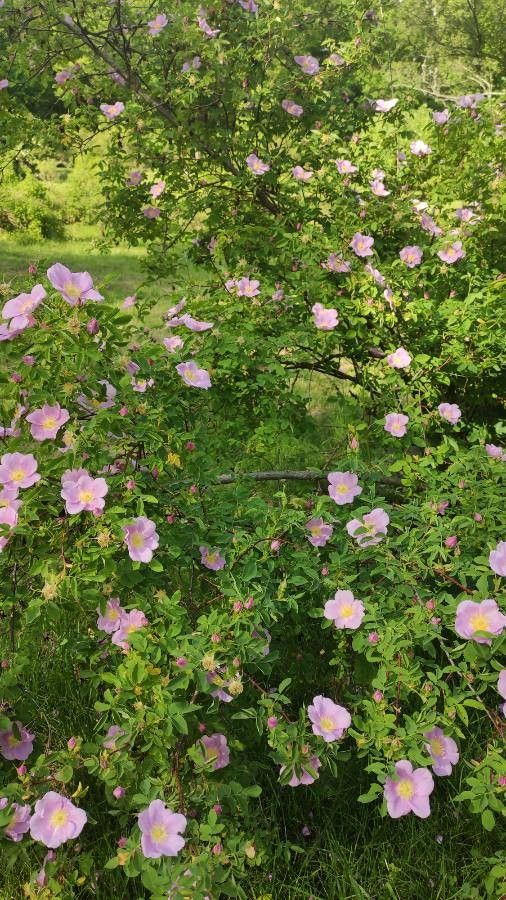
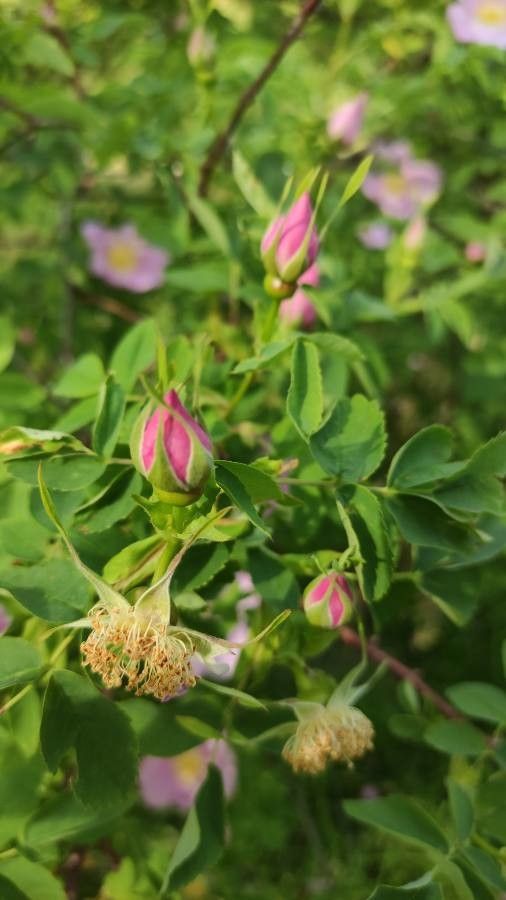
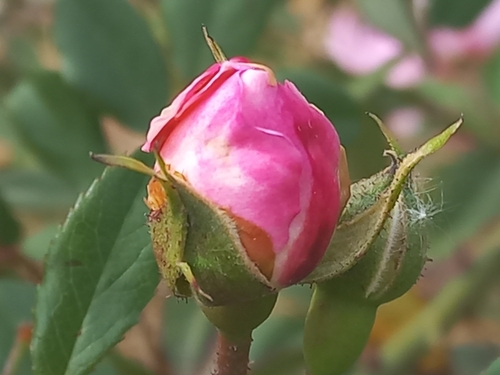
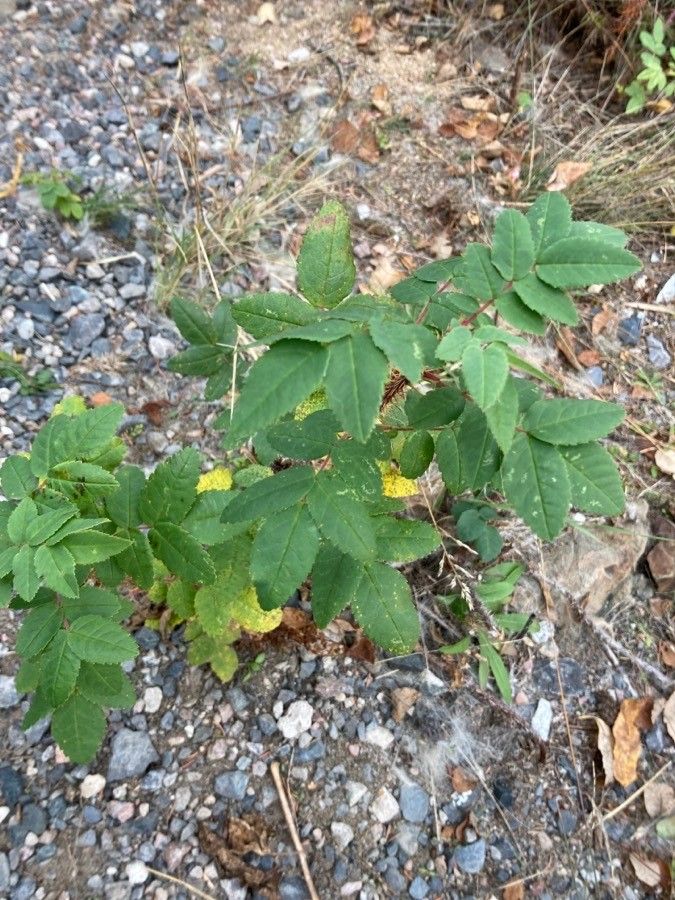
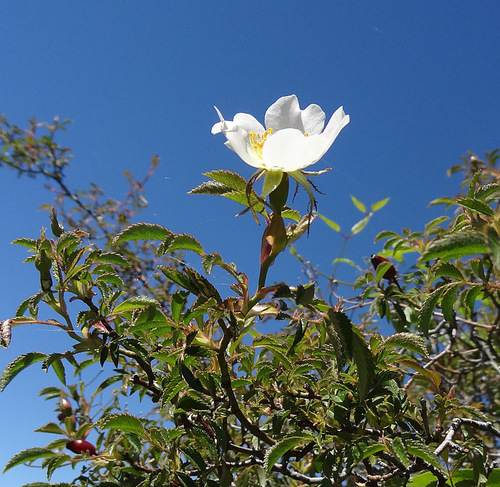
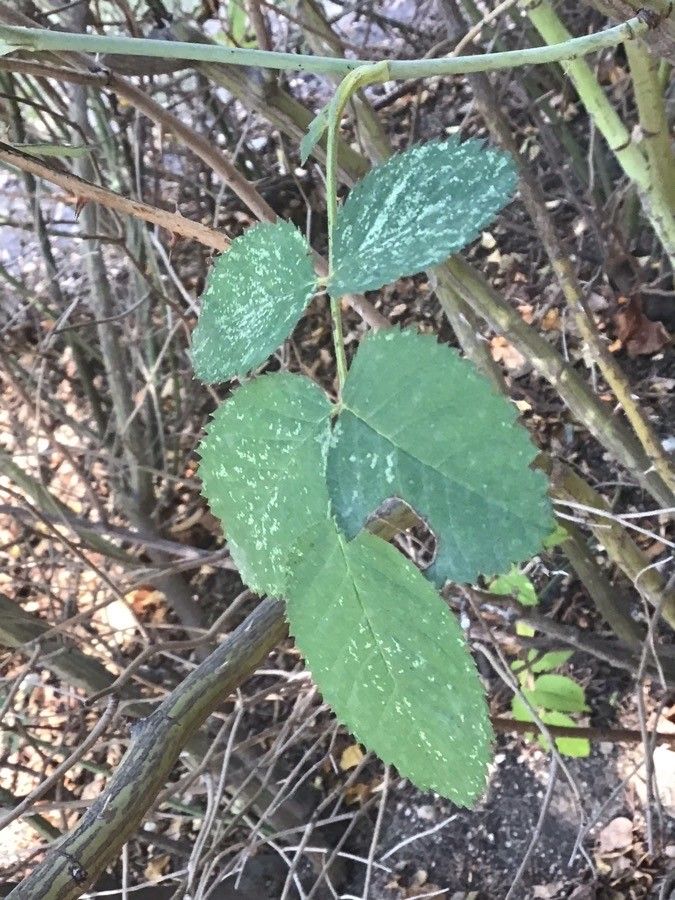
Rosa mosqueta is not very resistant to disease and is highly prone to various leaf spot problems. It is also susceptible to a range of insect pests, and if infestations or infections are severe, most of its leaves can drop. Its care is considered challenging, as it needs regular watering, feeding before flowering, and pruning after flowering and again in winter. Preventive spraying may be required, and treatment will be necessary if the plant becomes diseased. Rosa mosqueta suits people who can dedicate some time and effort to plant care, but keeping it healthy and vigorous may demand greater growing experience and additional effort.
How to keep Rosa Bella.
Light
Rosa mosqueta does best with an abundant amount of daily sunshine. Its habitat typically receives a substantial amount of sunlight, contributing to its healthy growth. The plant's different growth stages generally require the same light conditions. Excessive or insufficient light exposure can potentially affect the plant's wellness, resulting in poor growth or changes in coloration.
Water
Rosa mosqueta grows best in conditions similar to its natural environment, which includes periods of moisture followed by drying. It prefers to be watered every three weeks, allowing the soil to dry out in between waterings. Although it is usually grown outdoors, additional watering might be necessary during extended dry spells or in arid climates.
Temperature
Rosa mosqueta does best in its native habitat where temperatures range from 41 to 95 °F (5 to 35 °C). Severe freezes can damage it, so consider moving it to a warmer spot during very cold seasons.
Fertilizer
The Rosa mosqueta plant needs adequate nutrients to achieve optimal fruit production. Fertilize in early spring to promote new growth and flower development. Regular feeding keeps the plant healthy, produces more delicious fruit, and prevents nutrient deficiency problems like yellowing leaves and poor fruit yields.
Pruning
For optimal growth, prune Rosa mosqueta in early spring, right after dormancy ends. Remove any dead wood and crossed branches to improve air circulation and encourage blooming. Trim the main stems at a 45-degree angle just above outward-facing buds to create an open vase shape. Make sure to use sterilized tools to prevent disease.
Botanical profile.
- Plant Type
- Shrub
- Life Cycle
- Perennial
- Genus
- Rosa
- Family
- Rosaceae
- Hardiness Zone
- 5-9
- Mature Height
- 1.22 m to 1.83 m
- Mature Spread
- 61 cm to 91 cm
- Leaf Color
- Green, Dark Green
- Leaf Type
- Deciduous
- Flower Color
- Pink
- Flower Size
- 5.08 cm
- Bloom Time
- Late spring, Early summer, Mid summer
- Planting Time
- Spring, Autumn, Winter
- Harvest Time
- Late summer, Early fall, Mid fall
- Native Area
- China
Reader questions.
What are the sunlight requirements for Rosa mosqueta?
Rosa mosqueta thrives in areas that receive an abundant amount of daily sunlight, which is crucial for its healthy growth. It requires full sun, meaning above 6 hours of sunlight per day, but can also tolerate partial sun, about 3-6 hours of sunlight. It's important to watch how sunlight moves through your garden to ensure you choose spots that provide the perfect balance of light and shade for your plants, ensuring their happiness.
What are the ideal temperature conditions for Rosa mosqueta?
Rosa mosqueta flourishes in its native environment where the temperature ranges between 41 to 95 °F (5 to 35 °C). It has a strong cold resistance, which means special frost protection measures are generally not necessary. Nonetheless, when winter temperatures are expected to fall below -25°C, it's crucial to protect the plant. This can involve wrapping the trunk and branches with insulating materials. Additionally, watering the plant abundantly before the first freeze of autumn helps keep the soil moist and prevents drought during the colder months.
How does artificial lighting benefit indoor Rosa mosqueta plants?
For indoor Rosa mosqueta plants, artificial lighting can provide an essential boost in growth, especially when natural sunlight is insufficient, such as during winter or in less sunny spaces. LED lights are recommended because they can be customized to offer the specific wavelengths of light plants need. Full sun plants require 30-50 watts per square foot, partial sun plants need 20-30 watts per square foot, and full shade plants need 10-20 watts per square foot. The light source should be placed 12-36 inches above the plant and turned on for 8-12 hours per day to mimic natural daylight hours.
How should Rosa mosqueta be cared for in low temperatures?
Rosa mosqueta is cold-tolerant and prefers temperatures above 5°C. However, it should be protected when temperatures are forecasted to drop below -25°C to prevent damage. Low temperatures can result in the branches becoming brittle and dry by spring, with no new shoots emerging. To mitigate this, dead branches that fail to produce new leaves by spring should be pruned away.
What are the symptoms of inadequate lighting for Rosa mosqueta?
Inadequate lighting can lead to several issues for Rosa mosqueta, including smaller new leaves, leggy or sparse growth, faster leaf drop, slower or no new growth, lighter-colored new leaves, chlorosis, sunscald, leaf curling, wilting, and leaf scorching. These symptoms indicate either a deficiency or excess of sunlight exposure, affecting the plant's ability to thrive.
What care does Rosa mosqueta require in high temperatures?
In high temperatures, particularly above 35°C, Rosa mosqueta needs special attention to prevent damage. Excessive heat can cause the leaves to lighten in color and the tips to dry out, increasing susceptibility to sunburn. To protect the plant in such conditions, sunburned and dried parts should be trimmed away, and the plant should be moved to a shaded location or covered with a shade cloth during the most intense sun of the day. Regular watering in the morning and evening will help keep the soil moist and the plant healthy.
How can I address light-related issues for indoor and outdoor Rosa mosqueta plants?
To optimize growth for Rosa mosqueta, gradually increase sunlight exposure to at least 6 hours daily for indoor plants by moving them to a sunnier location each week or using artificial lighting like a desk or ceiling lamp for at least 8 hours daily. For outdoor plants, similarly, adjust their location gradually to prevent sunburn. For areas with light obstructions, consider pruning or transplanting to locations with ample sunlight. Remember, parts of the plant that have suffered from insufficient light may not recover, but new growth should be healthy with improved light conditions.