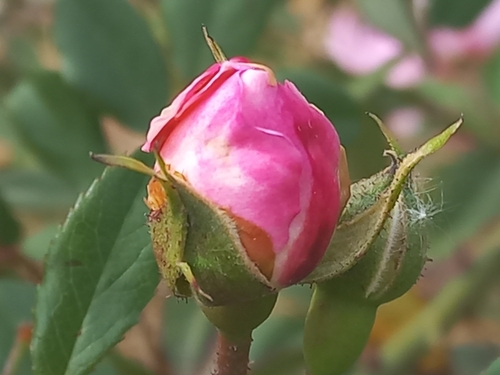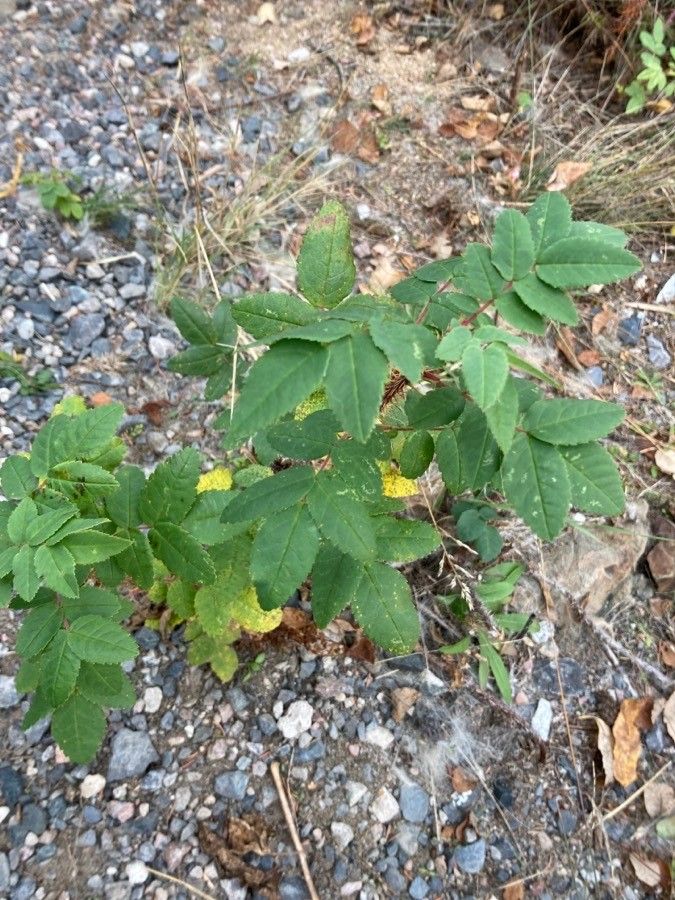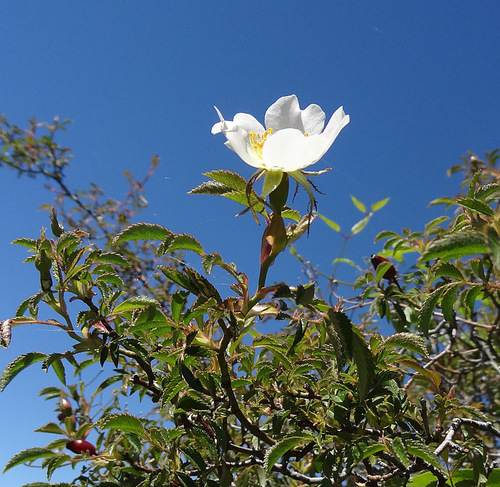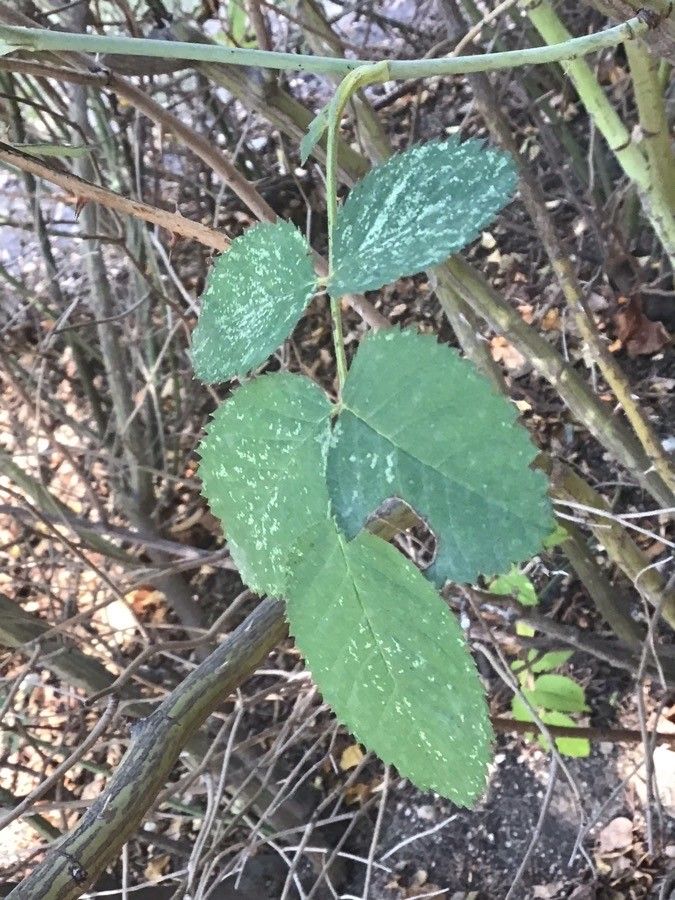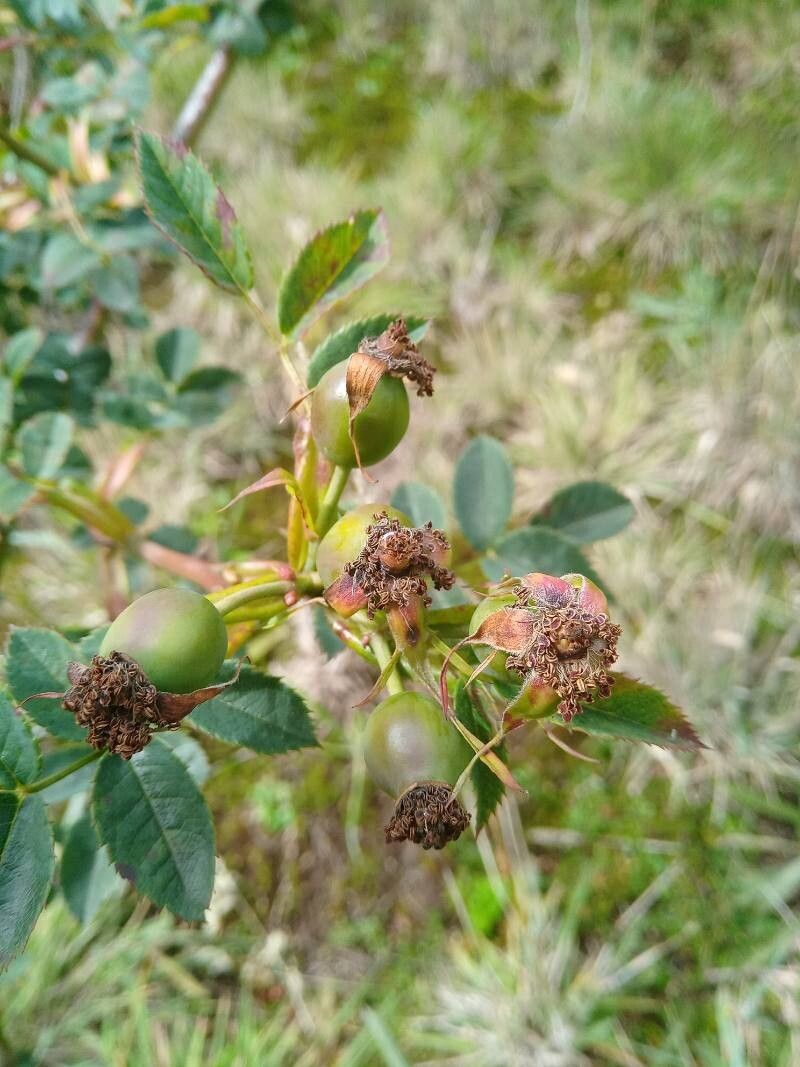
Rosa mandonii is a species of flowering plant in the family Rosaceae, native to Madeira. Some authorities consider it to be indistinguishable from Rosa canina, the dog rose. It is most often found in the laurisilva, but can also occur in other types of woodland and in thickets.
The dog rose has low disease resistance and is highly prone to various leaf spots. It is also susceptible to a range of insect pests, and in severe cases most of its leaves can drop. Caring for this plant is regarded as difficult because it needs regular watering, fertilizing before flowering, and pruning after flowering and in winter. Preventive spraying might be necessary, or treatment may be required if the plant becomes diseased. The dog rose suits people who can devote some time and effort to its care, but keeping it healthy and flourishing may demand more growing experience and additional effort.
How to keep Rosa Mandonii.
Light
The dog rose requires a substantial amount of sunlight, which is helpful for its strong growth. It is essential that it gets plenty of unobstructed sunlight, although it can adjust fairly well in places where the sunshine is partially filtered. It thrives under the strong, direct sunlight in its natural habitat. Insufficient light can impede its connection with the sun, limiting its flowering, while excessive sunlight can put the plant under stress.
Temperature
The dog rose plant originates from temperate zones and is adaptable to diverse temperatures ranging from 5 to 35 ℃ (41 to 95 ℉). Nonetheless, it is more comfortable in a temperature range of 18 to 24 ℃ (64 to 75 ℉). Throughout the winter season, the plant enters a dormant state and can endure temperatures as chilly as -20 to -25 ℃ (-4 to -13 ℉). In warmer climates, it's advisable to position it in areas with partial shade to avert heat strain.
Fertilizer
For robust growth, apply fertilizer to your Dog rose at the beginning of spring. Consistent fertilization boosts overall well-being, promoting sturdy growth, the ability to withstand harsh environments, and heightened resistance to diseases and pests. Adhere to a particular fertilization routine for your Dog rose to guarantee vivid leaves with rich color and a dense look.
Pot & Repot
When you're replanting Dog rose, select a pot that is 1-2 inches (2.5-5 cm) bigger with sufficient drainage. Utilize a potting mix that drains well. Choose to repot either in the spring or the fall, making sure the root ball sits a bit below the flower pot rim. After the repotting process is complete, water the plant generously and position it in a cosy area that receives indirect sunlight.
Botanical profile.
- Plant Type
- Shrub, Vine
- Life Cycle
- Perennial
- Genus
- Rosa
- Family
- Rosaceae
- Hardiness Zone
- 5-9
- Mature Height
- 0.91 m to 4.88 m
- Mature Spread
- 0.91 m to 4.57 m
- Leaf Color
- Green, Blue
- Leaf Type
- Deciduous
- Flower Color
- Pink, White
- Flower Size
- 4.06 cm to 6.35 cm
- Bloom Time
- Late spring, Early summer, Mid summer
- Planting Time
- Autumn, Winter, Spring
- Harvest Time
- Mid summer
- Native Area
- Turkey, Sweden, Austria, Slovakia, Montenegro, Pakistan, Slovenia, Morocco, Croatia, Belarus, Uzbekistan, Russia, Iraq, Germany, Romania, Belgium, Moldova, Portugal, Netherlands, France, Tajikistan, Tunisia, Czech Republic, Cyprus, Bulgaria, Poland, Armenia, Greece, Ukraine, Serbia, Lebanon, Norway, Afghanistan, Syria, Kyrgyzstan, Kazakhstan, Italy, Spain, Switzerland, Denmark, Finland, Iran, Albania, Ireland, United Kingdom, Hungary, Algeria, Azerbaijan, Turkmenistan