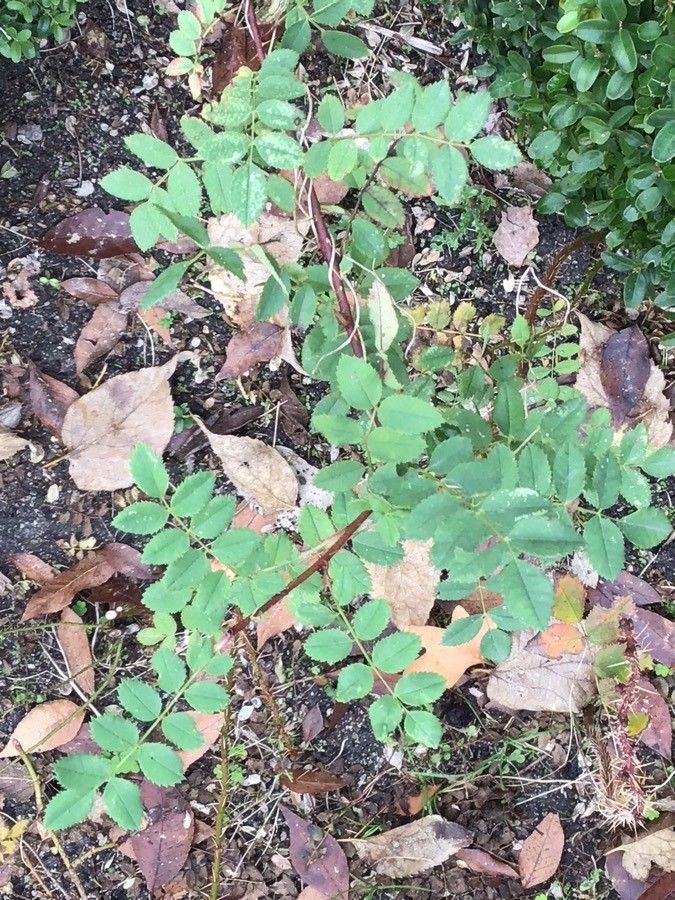
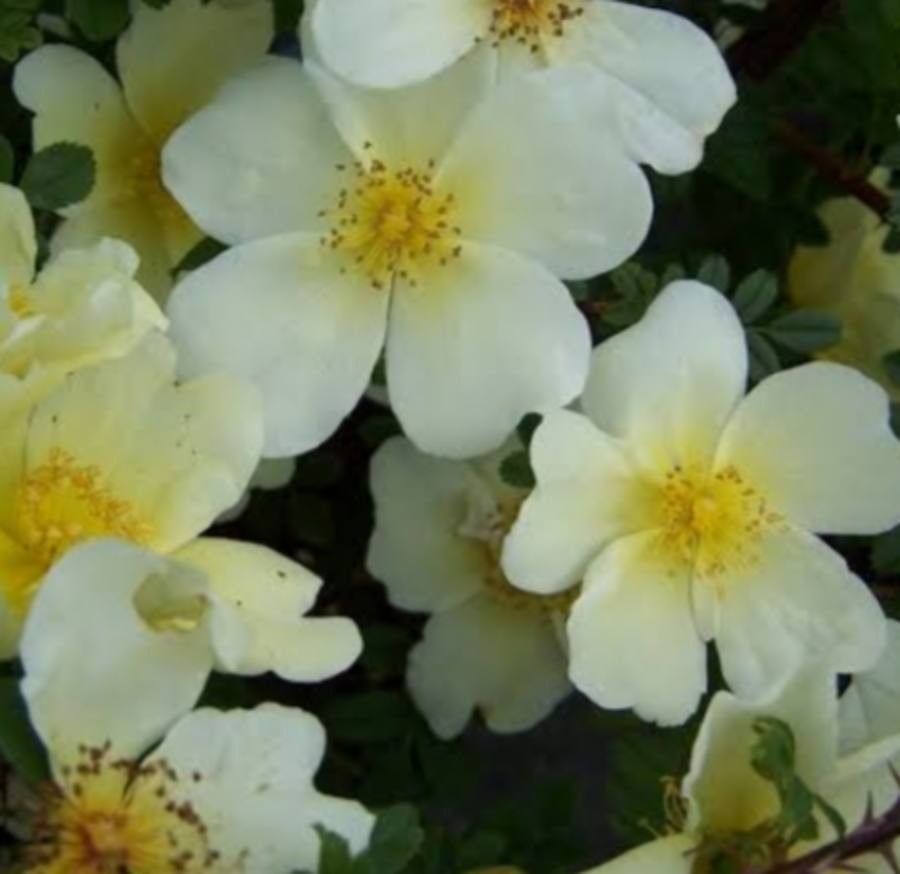
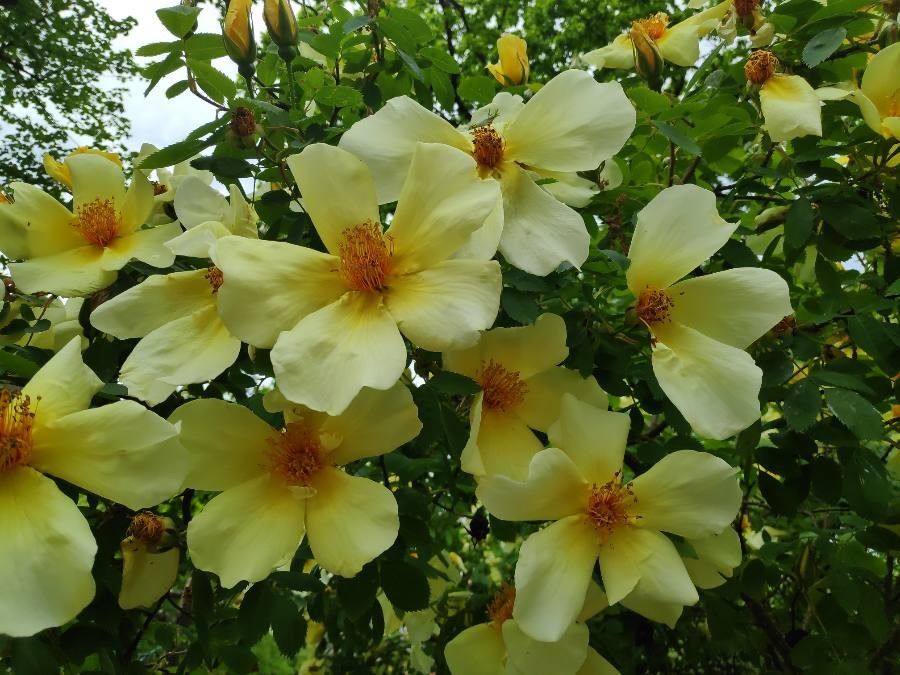
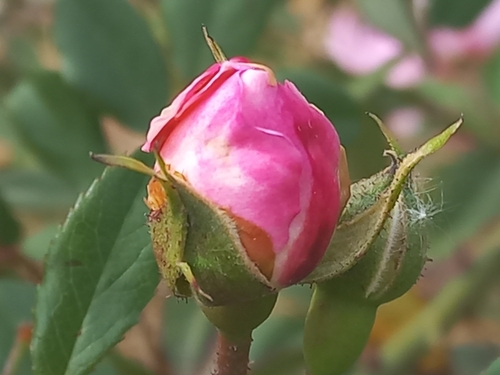
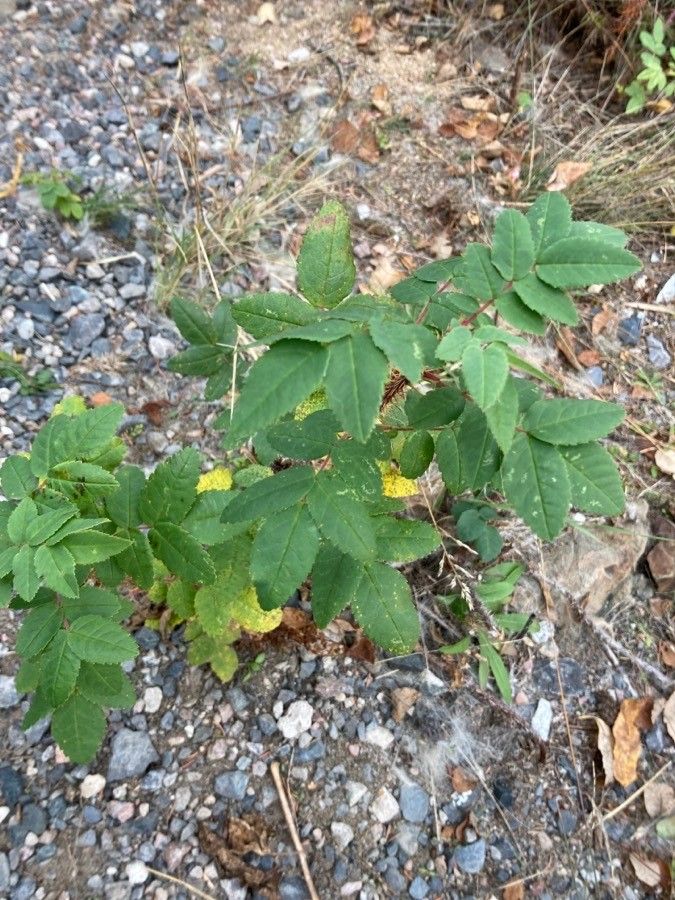
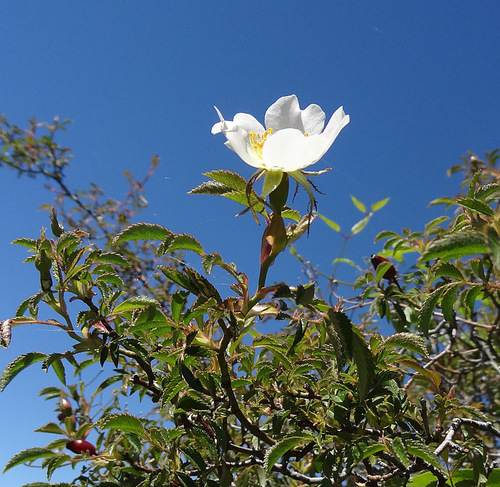
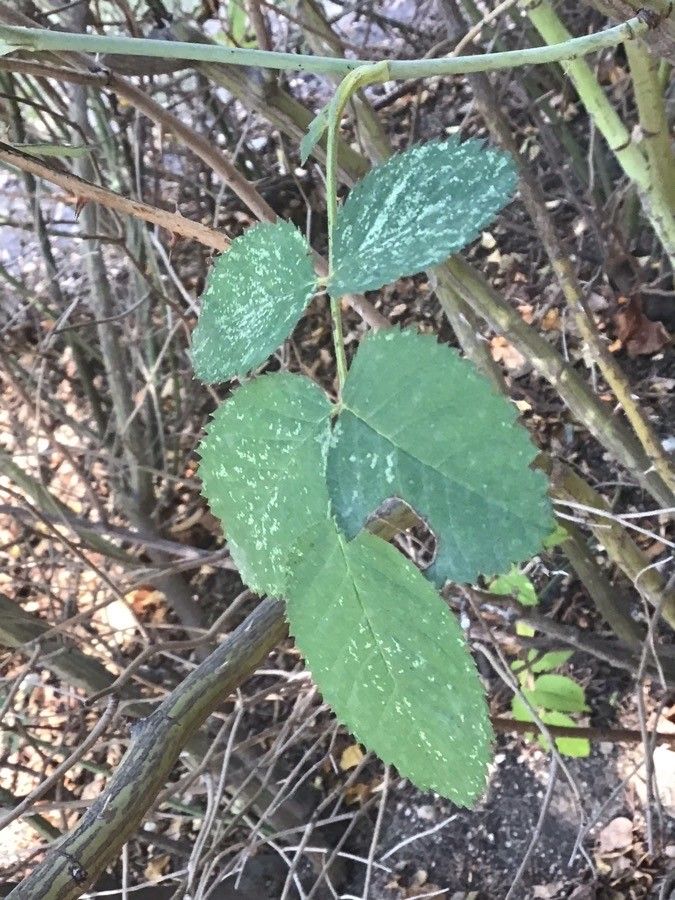
Rosa primula, also known as the incense rose, is a species of wild shrub rose that originated in China and Turkestan.
Incense rose has weak disease resistance and is highly prone to various leaf spot diseases. It is also susceptible to a range of insect pests, and if infestations or infections are severe, most of its leaves can drop. Its care is regarded as difficult, since it needs consistent watering, fertilization before blooming, and pruning both after flowering and during winter. Preventive spraying might be required, or active treatment will be necessary if the plant becomes diseased. Incense rose is better suited to people who can invest some time and effort into plant care, though keeping it healthy and vigorous may demand more cultivation experience and energy.
How to keep Rosa Primula.
Light
Incense rose comes from open environments, such as sunny meadows and forest edges, which provide abundant light. It does best in Full Sun but can also tolerate Partial Sun, adapting well to a range of sunlight conditions.
Water
The Incense Rose thrives in well-draining soil and moderate humidity. It is both resilient and drought-tolerant. To care for it, water every 1-2 weeks, ensuring the soil partially dries out between waterings. It grows best outdoors, where it can benefit from sunlight and good air circulation. During the growing season, natural rainfall can often supplement your regular watering schedule.
Temperature
Incense rose shows strong adaptability to a range of climate conditions, whether during scorching summers or chilly winters. Still, it has an ideal temperature range for healthy growth. If temperatures rise too high, the plant becomes vulnerable to heat and humidity stress, which can cause it to die. In areas where temperatures approach the lower limit of its cold tolerance, insulating the plant is important to protect it.
Fertilizer
Timing is vital when fertilizing Incense rose. Begin fertilizing in early spring and continue monthly through early summer. Fertilizer promotes lovely blooms and supplies energy during both dormant and active growth phases.
Pruning
To promote growth and improve air circulation, prune your incense rose in early spring by cutting back any dead or crossing stems. Each year, remove up to one-third of the old stems to rejuvenate the plant, which will help ensure vibrant blooms and a strong structure. Pruning at the right time also improves the rose's resistance to disease and enhances its overall vigor, boosting its appeal in your garden.
Pot & Repot
Repot your incense rose every 2 to 3 years using fresh soil, ideally in early spring. Select a slightly larger container to accommodate its roots. After repotting, make sure the incense rose is planted in well-draining soil and receives the right amount of water and indirect sunlight for optimal recovery.
Botanical profile.
- Plant Type
- Shrub
- Life Cycle
- Perennial
- Genus
- Rosa
- Family
- Rosaceae
- Hardiness Zone
- 4-9
- Mature Height
- 3.05 m
- Mature Spread
- 4.88 m
- Leaf Color
- Green, Dark Green
- Leaf Type
- Deciduous
- Flower Color
- Yellow
- Flower Size
- 5.08 cm
- Bloom Time
- Mid spring, Late spring
- Planting Time
- Spring
- Harvest Time
- Late summer, Early fall, Mid fall
- Native Area
- China
Reader questions.
What are the sunlight requirements for Incense rose?
Incense rose, with its origins in open environments like sunny meadows and forest edges, thrives in conditions of full sun, requiring above 6 hours of sunlight for optimal growth. It can also adapt to partial sun conditions, needing about 3-6 hours of sunlight. Observing the movement of sunlight through your garden will help in choosing spots that provide the right balance of light and shade, ensuring the well-being of your plants.
How can artificial lighting be used for Incense rose indoors?
For Incense rose plants indoors, where natural sunlight may be insufficient, especially in winter or less sunny spaces, artificial lighting provides an essential growth support. LED lights, customizable for specific light wavelengths needed by plants, are a popular choice. Full sun plants require 30-50W/sq ft of light, partial sun plants need 20-30W/sq ft, and full shade plants need 10-20W/sq ft. Positioning the light source 12-36 inches above the plant mimics natural sunlight, while ensuring the light duration mimics natural daylight hours (8-12 hours) is crucial for optimal growth.
What are the light deficiency symptoms in Incense rose?
When placed in suboptimal lighting, Incense rose may show symptoms like smaller new leaves, leggy or sparse growth, faster leaf drop, slower or halted new growth, and lighter-colored or chlorotic leaves. These symptoms indicate the plant's struggle with insufficient light, impacting its chlorophyll content and photosynthetic ability. Additionally, excessive sunlight can cause symptoms like sunscald, leaf curling, wilting, leaf scorching, and chlorosis, which are indicative of distress and could harm the plant's health.
How can I address light deficiency in Incense rose both indoors and outdoors?
To combat light deficiency in Incense rose, gradually increasing sunlight exposure is key. Indoors, move the plant closer to a south-facing window or utilize artificial lighting, such as a desk lamp or professional grow lights, for at least 8 hours a day. Outdoors, transition the plants to sunnier spots weekly to avoid sunburn. Removing obstructions and possibly transplanting smaller plants to brighter areas during their dormant period can further aid in delivering sufficient sunlight for healthy growth. It's important to note that parts of the plant already affected by light deficiency may not recover, but with increased exposure, new growth will be healthy.