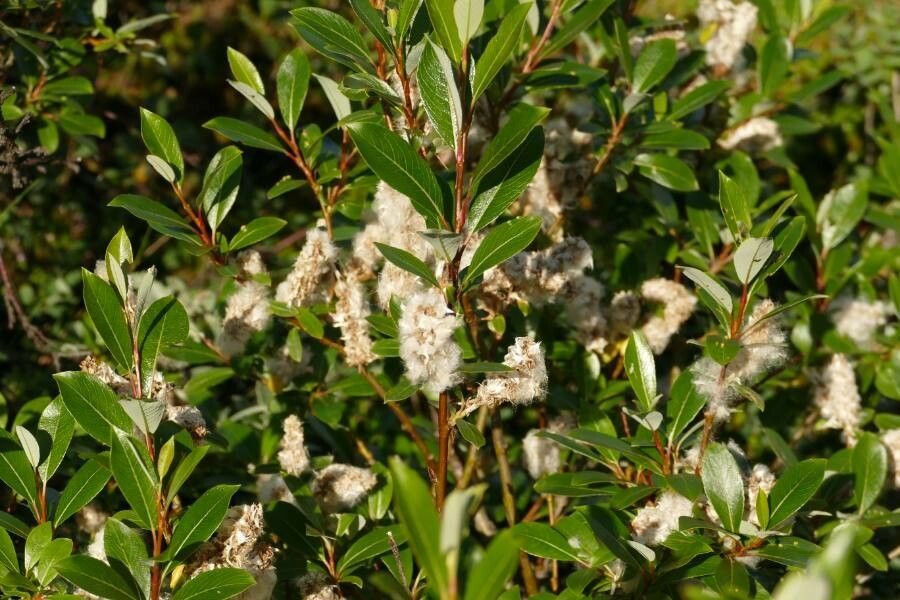
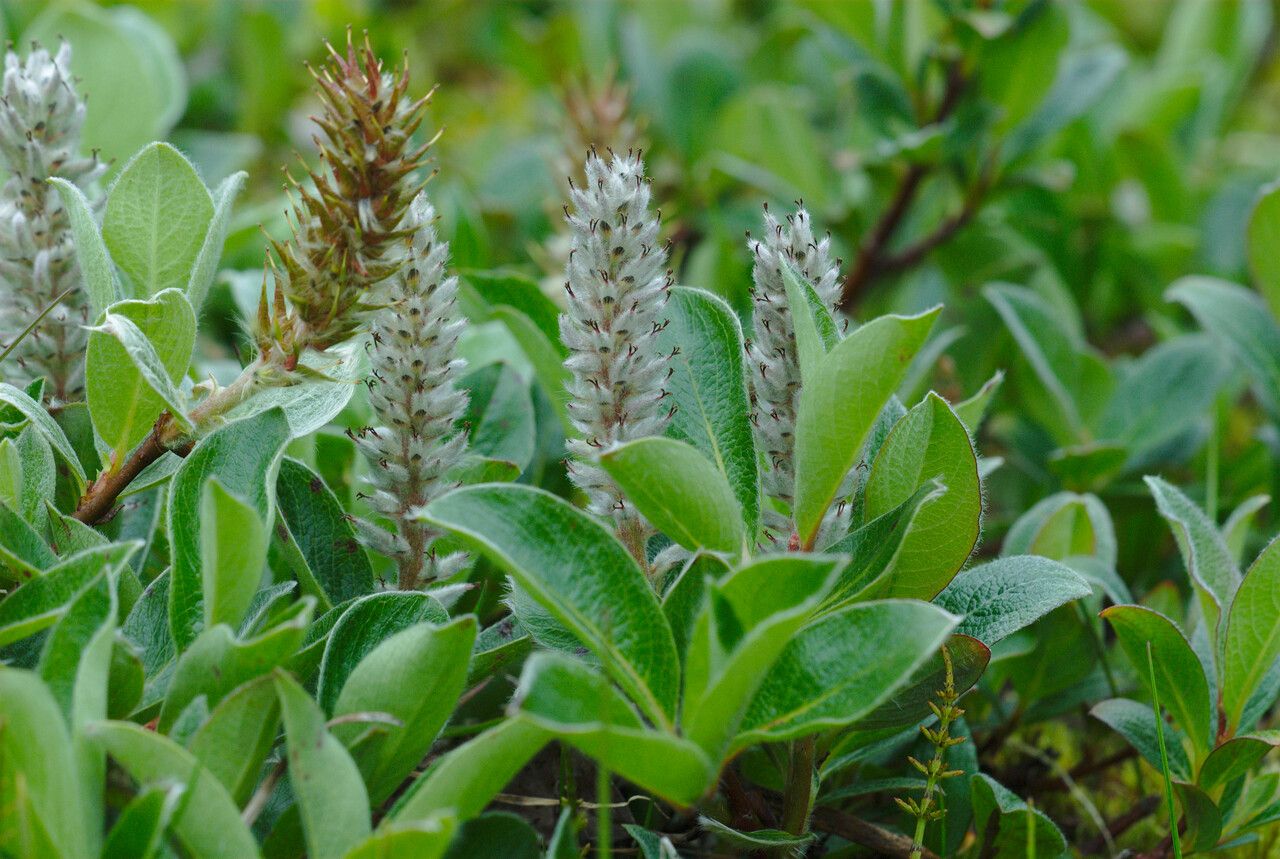
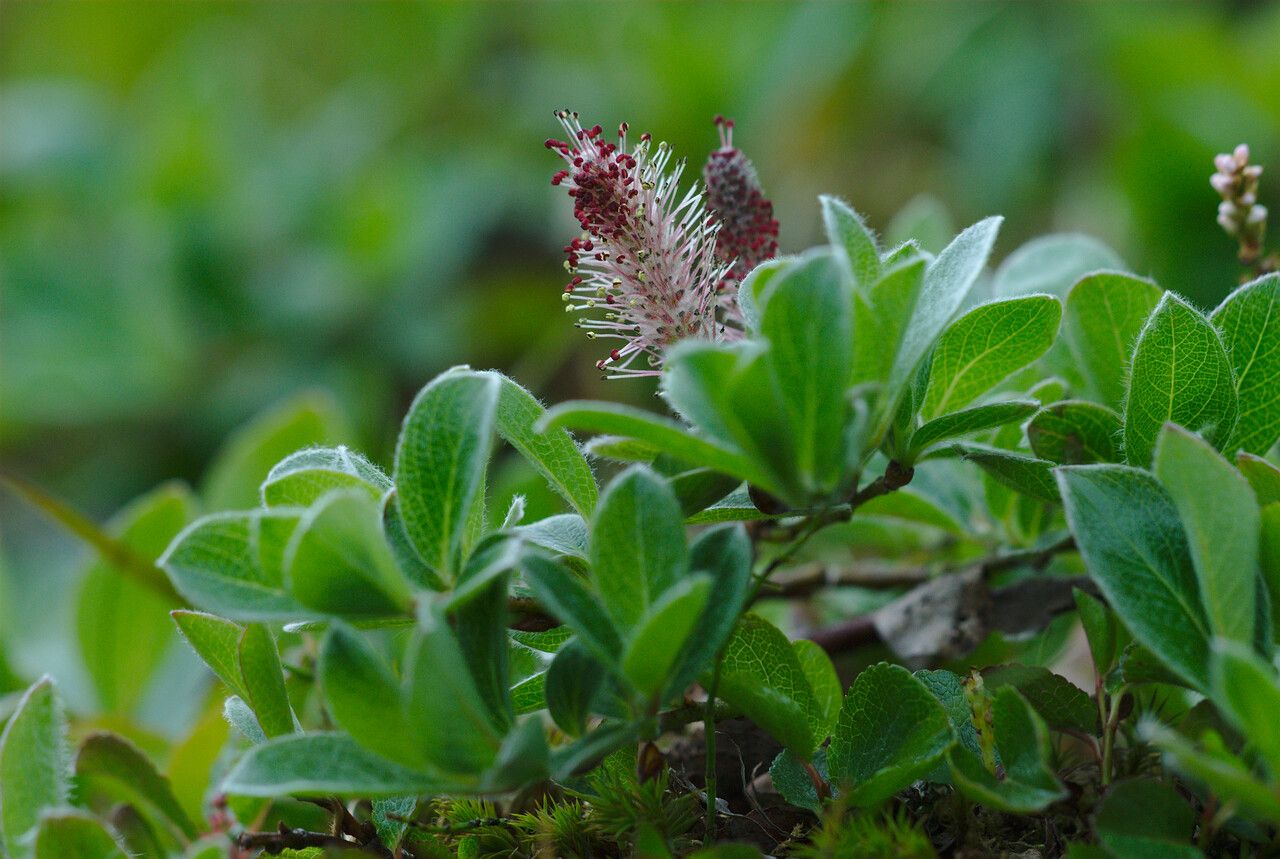
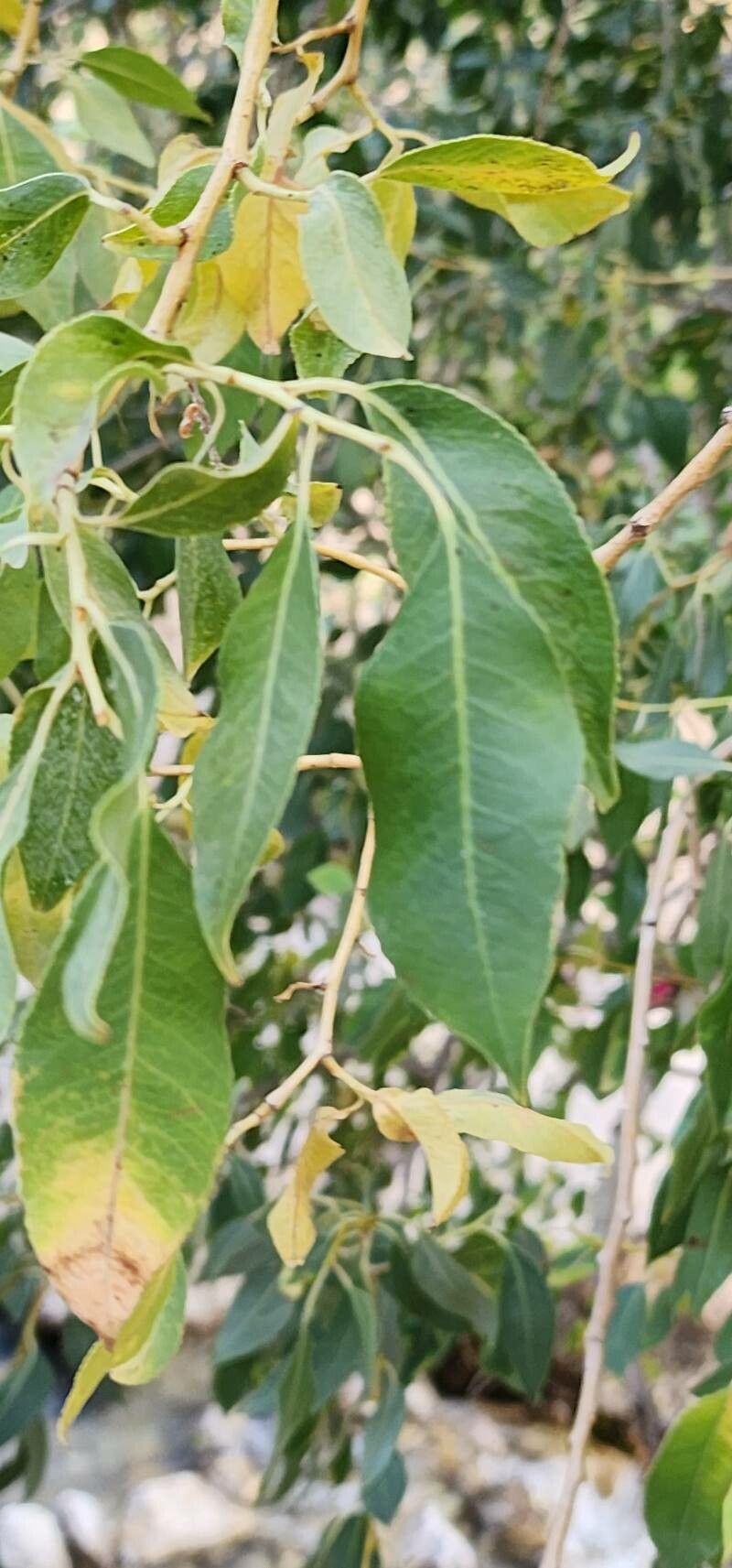
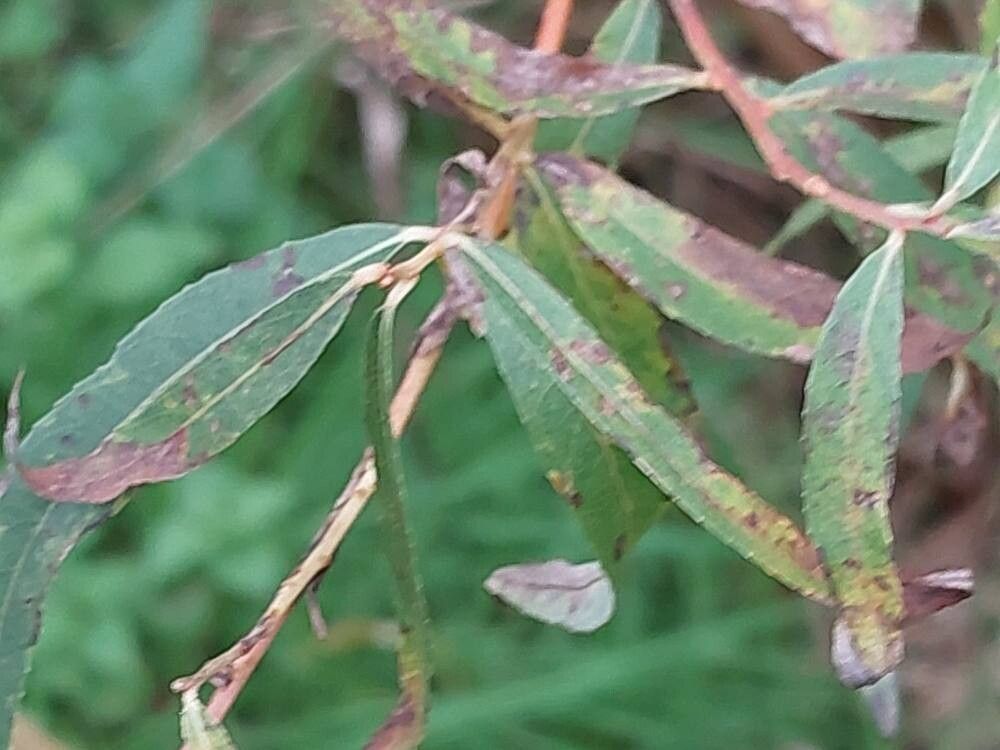
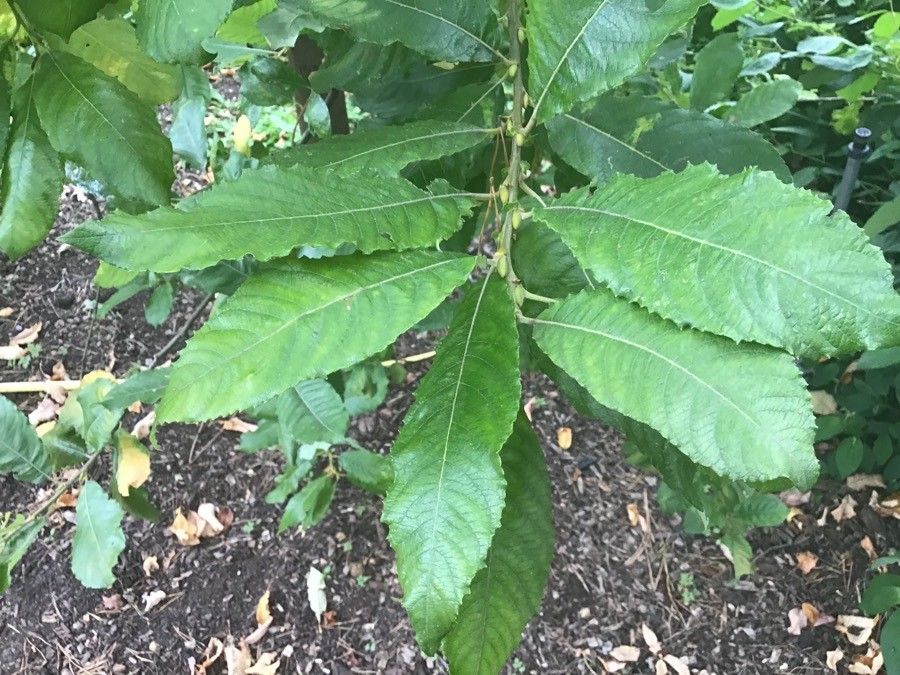
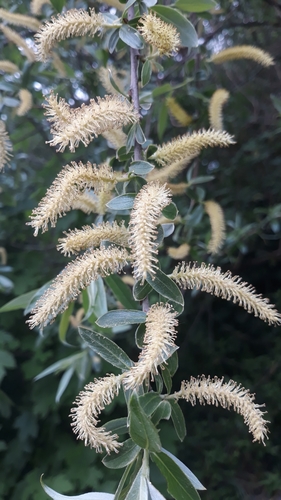
Salix arctica, the Arctic willow, is a tiny creeping willow (family Salicaceae). It is adapted to survive in Arctic conditions, specifically tundras.
Arctic willow demonstrates strong resistance to disease and is generally unlikely to be affected by illnesses. In terms of care, the plant is fairly low-maintenance. When grown outdoors it needs only light watering, and larger specimens usually do not require pruning. Smaller plants, however, should be trimmed after they finish blooming. Arctic willow is appropriate for anyone with an outdoor area, such as a garden or a deck, and does not demand extensive gardening experience.
How to keep Salix Arctica.
Light
Arctic willow does best in regions where the sun fills the sky for most of the day, depending heavily on sunlight for photosynthesis and healthy growth. Although it can tolerate having no shade, too much sun can cause stress and interfere with its growth processes. Its natural habitat exposes it to abundant sunlight.
Water
Originating from the Arctic tundra, the arctic willow is incredibly drought-tolerant and thrives with minimal moisture. It needs watering only once every three weeks, allowing it to maximize water uptake during the brief summer. Its adaptation to extreme weather conditions makes it perfectly suited for infrequent watering schedules.
Temperature
Arctic willow originates from cold environments and prefers temperatures between 41 to 89.6°F (5 to 32℃). Seasonal variations may necessitate slight adjustments in temperature management to replicate its natural habitat.
Fertilizer
Apply fertilizer to your Arctic willow in early spring to encourage healthy growth. Consistent feeding improves the plant’s overall condition, promoting robust growth, better tolerance of harsh conditions, and increased resistance to pests and diseases. Follow a regular fertilization routine for your Arctic willow to maintain foliage that is vivid, deeply colored, and luxuriant in appearance.
Pruning
The Arctic willow flourishes in cold climates and benefits greatly from pruning in early spring. To encourage new growth, remove any dead branches to improve light and airflow. Use clean tools for selective pruning to reduce stress and maintain the plant's health. This will result in a vigorous and attractive appearance.
Botanical profile.
- Plant Type
- Shrub
- Life Cycle
- Perennial
- Genus
- Salix
- Family
- Salicaceae
- Hardiness Zone
- 4-7
- Mature Height
- 30 cm to 91 cm
- Mature Spread
- 3.05 m
- Leaf Color
- Green, Gray, Silver
- Leaf Type
- Deciduous
- Flower Color
- Red, Yellow, Pink, Purple, Brown
- Flower Size
- 2.54 cm
- Bloom Time
- Late spring, Early summer
- Planting Time
- Spring, Summer
- Harvest Time
- Mid summer, Late summer
Other names.
Reader questions.
What are the sunlight requirements for Arctic willow?
Arctic willow requires full sun, which means it should receive above 6 hours of sunlight daily, but it can also thrive in partial sun, with about 3-6 hours of sunlight. Observing how sunlight moves through your garden allows you to find spots that offer the right balance of light and shade, ensuring your Arctic willow's happiness and healthy growth.
What is the ideal temperature range for Arctic willow?
Arctic willow thrives in chilly environments, with an ideal temperature range of 41 to 89.6°F (5 to 32°C). To mimic its natural habitat, slight adjustments in temperature management may be necessary with seasonal changes. Its high tolerance to cold means it doesn't require extra frost protection in winter. However, it's beneficial to water the plant generously before the first freeze of autumn to ensure the soil is moist and freezes properly. This practice helps prevent drought and water shortage for the plant during winter and early spring.
What essentials should one consider for the healthful growth of Arctic willow?
Thriving primarily in areas with abundant sunlight for the majority of the day, the Arctic willow depends significantly on sunlight for photosynthesis and healthy growth. While it can endure without any shade, excessive sun can stress the plant and interrupt its growth processes. For indoor plants requiring adequate lighting, artificial lights are essential, especially in winter or less sunny spaces. LED lights are preferable, providing 30-50W/sq ft for full sun plants, 20-30W/sq ft for partial sun plants, and 10-20W/sq ft for full shade plants. The light source should be placed 12-36 inches above the plant for 8-12 hours per day to mimic natural daylight.
How does Arctic willow respond to low temperatures, and what should be done?
The Arctic willow is exceptionally cold-tolerant, able to withstand winter temperatures above -30°C without significant damage. Despite this resilience, prolonged exposure to temperatures below this threshold can result in the plant's branches becoming brittle and dry by spring, with no new shoots emerging. To mitigate this, it is advisable to prune away any dead branches in the spring that have failed to produce new leaves, promoting healthy growth and vitality of the plant.
What are some important symptoms of light deficiency or overexposure in Arctic willow?
Arctic willow displays several symptoms under suboptimal lighting conditions or when exposed to too much sunlight. Light deficiency can lead to smaller leaves, leggy or sparse growth, faster leaf drop, slower or no new growth, and lighter-colored new leaves. Overexposure to sunlight can cause chlorosis, sunscald, leaf curling, wilting, and leaf scorching. These symptoms signify stress due to inadequate or excessive sunlight, affecting the plant's ability to photosynthesize and maintain overall health.
What happens if the Arctic willow is exposed to high temperatures, and how can this be addressed?
Arctic willow is sensitive to high temperatures and may suffer considerably when exposed to temperatures exceeding 32°C. Issues can range from significant leaf drop to the entire plant wilting and potentially dying. To alleviate symptoms caused by high temperature stress, trim away the sunburned and dried parts of the plant. Relocating the plant to a shadier location or using a shade cloth to protect it from the midday and afternoon sun can also be beneficial. Additionally, watering the plant in the morning and evening can help maintain soil moisture and support the plant's health.
How can one address sunlight-related issues with Arctic willow, both indoors and outdoors?
To optimize growth and address sunlight-related issues with Arctic willow, gradually move plants to sunnier locations outdoors each week, ensuring they receive at least 6 hours of direct sunlight daily. Indoors, use a south-facing window or artificial light sources such as professional plant grow lights or keeping a desk lamp on for at least 8 hours daily. Minimizing obstructions like pruning trees to let sunlight through and considering transplanting smaller plants are effective methods. Remember, parts of the plant affected by insufficient sunlight may not fully recover, but new growth will be healthy with improved light conditions.