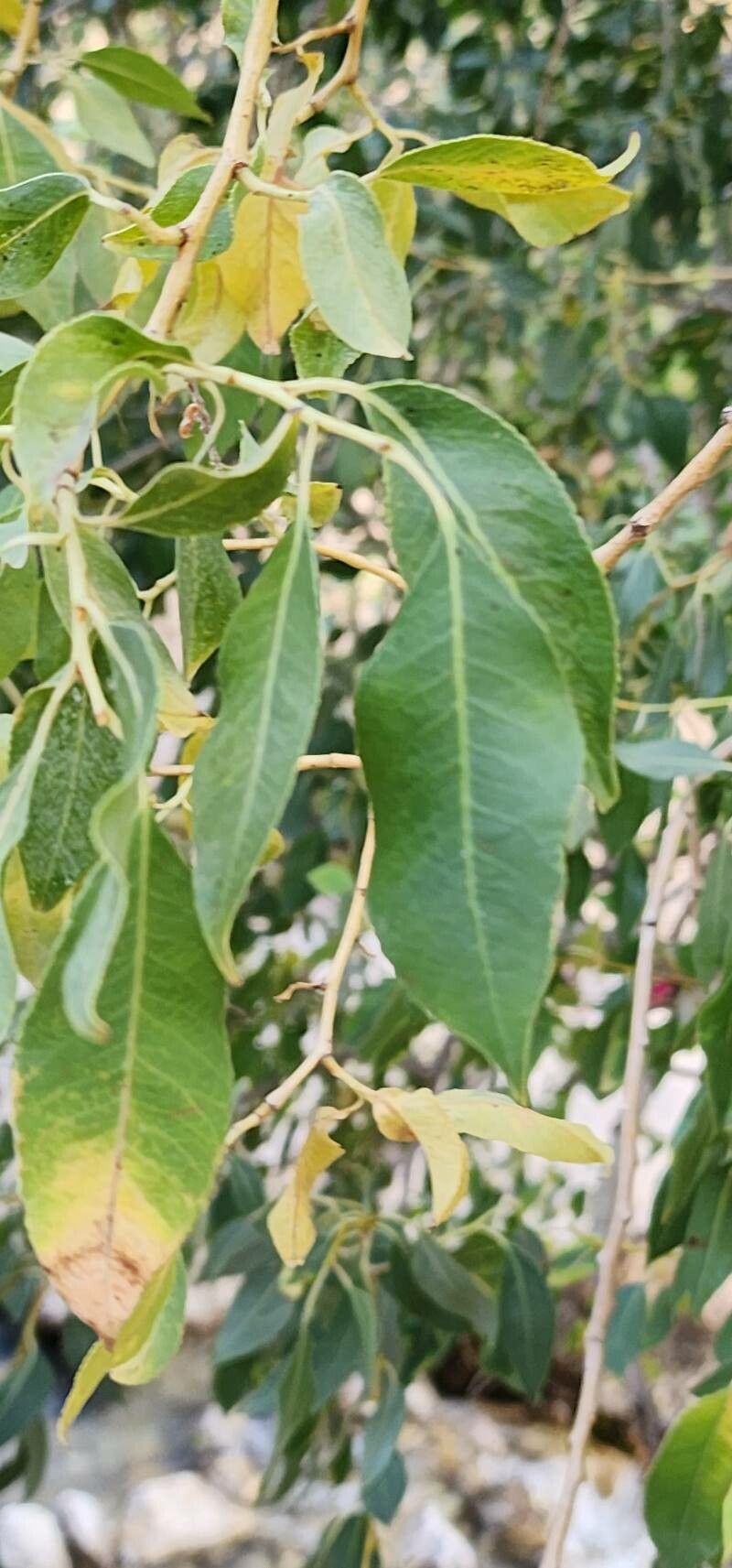
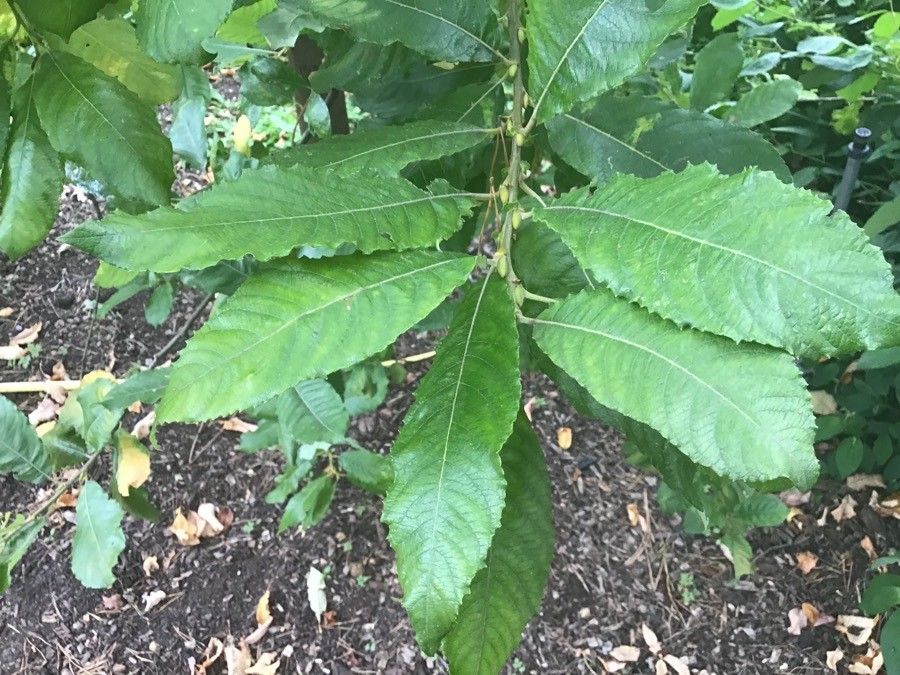
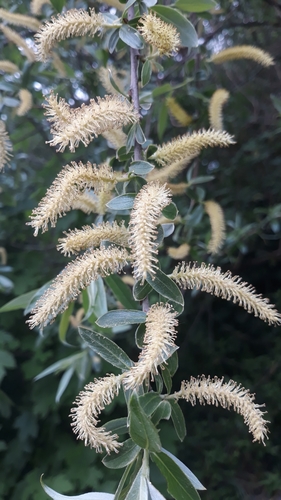
Salix lemmonii is a species of willow known by the common name Lemmon's willow, named after J.G. Lemmon. It is native to western North America from British Columbia to California to Colorado, where it grows in moist and wet areas in mountain coniferous forest habitat, such as streambanks and meadows.
Lemmon's willow shows strong resistance to disease and is generally not susceptible to illnesses. As for care, this plant is fairly low maintenance. Planted outdoors, it needs little watering, and larger specimens usually do not require pruning. Smaller plants, however, should be pruned after they finish blooming. Lemmon's willow is appropriate for anyone who has outdoor space, such as a garden or a deck, and does not demand much experience in plant care.
How to keep Salix Lemmonii.
Light
Lemmon's willow is native to open habitats, such as sunlit meadows and forest margins, which supply abundant light. It performs best in Full Sun but can also tolerate Partial Sun, adjusting well to different sunlight levels.
Water
Lemmon's willow thrives in conditions of moderate moisture and can tolerate short periods of dryness, preferring a slightly humid environment. For optimal growth, water the plant deeply every 2-3 weeks, allowing the soil to partially dry out between waterings. As a deciduous species, its water requirements increase during the spring and summer months to support the growth of lush foliage.
Temperature
Lemmon's willow is found in northern areas and in high mountain zones. It is very sensitive to temperature and prefers cool conditions with good air circulation during the summer. High summer temperatures can injure Lemmon's willow and may even kill it. Providing proper shade and regular misting during hot summer months can help it get through the season. Generally, Lemmon's willow does not need special winter protection, but it is important to water it sufficiently before the ground freezes.
Fertilizer
Apply fertilizer to your Lemmon's willow in early spring to encourage healthy growth. Consistent fertilizing boosts the plant's overall health, producing vigorous growth, increased tolerance to adverse conditions, and enhanced resistance to pests and diseases. Keep to a defined fertilization routine for your Lemmon's willow to maintain foliage that is bright, deeply colored, and lush.
Pruning
Lemmon's willow thrives in moist environments and has slender, flexible branches. For best results, prune the tree in early spring. During pruning, remove any dead wood and thin out crowded branches to improve air circulation. Make sure to use sharp, clean tools, and avoid heavy pruning to preserve the tree’s vitality and encourage healthy growth.
Botanical profile.
- Plant Type
- Shrub
- Life Cycle
- Perennial
- Genus
- Salix
- Family
- Salicaceae
- Hardiness Zone
- 5
- Mature Height
- 0.91 m to 3.96 m
- Mature Spread
- 3.05 m to 4.27 m
- Leaf Color
- Light Green, Medium Sea Green
- Leaf Type
- Deciduous
- Flower Color
- Yellow
- Flower Size
- 6.35 cm to 6.35 cm
- Bloom Time
- Early spring, Mid spring
- Planting Time
- Spring, Summer, Autumn
- Harvest Time
- Late spring, Early summer
Other names.
Reader questions.
What are the sunlight requirements for Lemmon's willow?
Lemmon's willow thrives best in full sun conditions, which means it requires more than 6 hours of direct sunlight per day. However, it can also adapt well to partial sun, receiving about 3-6 hours of sunlight. It's important to observe your garden's sunlight patterns to ensure the plant is placed in an optimal spot that balances light and shade, ensuring the plant's well-being.
What are the ideal growing conditions for Lemmon's willow?
Lemmon's willow, or Salix lemmonii, thrives in northern regions and high mountain areas, preferring cool temperatures and ample ventilation, particularly during the summer months. It is highly sensitive to temperature variations and excessive heat can lead to harm or even the death of the plant. To ensure its survival through the hot months, it's advisable to provide shade and regularly mist the plant to maintain coolness. Despite its high cold tolerance, Lemmon's willow does not usually require specific winter protection; however, it is crucial to water the plant adequately before the ground freezes to prevent drought and water scarcity in winter and early spring.
Can Lemmon's willow grow under artificial lighting?
Yes, Lemmon's willow can grow under artificial lighting, which can be particularly useful in environments where natural sunlight is insufficient, such as during winter or in less sunny indoor spaces. When choosing artificial light, LED lights are recommended because they can be customized to provide specific wavelengths needed by the plant. Full sun plants require 30-50W/sq ft, partial sun plants 20-30W/sq ft, and full shade plants 10-20W/sq ft of artificial light. The light source should be placed 12-36 inches above the plant, mimicking natural sunlight as closely as possible. Most plants will need 8-12 hours of light per day.
What should I do if Lemmon's willow experiences temperatures below -25°C?
Lemmon's willow is extremely cold-tolerant but maintaining winter temperatures above -25°C is crucial. If temperatures plunge below this threshold, the plant may not show immediate distress, but its branches can become brittle and dry by springtime, failing to produce new shoots. The best course of action in spring is to prune away any dead branches that have not produced new leaves, to promote the health and regrowth of the plant.
What are common symptoms of inadequate light for Lemmon's willow?
Common symptoms of inadequate light for Lemmon's willow include smaller new leaves, leggy or sparse growth, faster leaf drop, slower or no new growth, and lighter-colored new leaves. Other symptoms indicating too much sunlight are chlorosis, where leaves lose their green color, sunscald marked by bleached areas on leaves or stems, leaf curling as a defense mechanism against extreme sunlight, wilting due to loss of water, and leaf scorching characterized by brown, dry edges on leaves.
How do I care for Lemmon's willow when temperatures exceed 25°C?
Lemmon's willow does not fare well in high temperatures. Upon experiencing temperatures over 25°C, the plant may suffer significant leaf drop or, in severe cases, the entire plant could wither and die. To mitigate these effects, trim away sunburned and dried parts of the plant. It's also beneficial to move the plant to a cooler location, away from the harsh midday and afternoon sun, or provide artificial shade with a cloth. Ensuring the soil remains moist by watering the plant in the morning and evening will also help cope with the stress of high temperatures.
How can I ensure my Lemmon's willow receives proper sunlight?
To ensure your Lemmon's willow receives proper sunlight, gradually move it to a sunnier spot to adapt while avoiding abrupt changes that might cause sunburn. For indoor plants, position them near a south-facing window or use artificial light for at least 8 hours a day. Outdoor plants should be moved weekly to increasingly sunnier locations. If trees or structures block sunlight, consider pruning or relocating smaller plants to a brighter area. Remember, sections of the plant damaged by insufficient light may not recover, but new growth should be healthy once the light situation improves.